










Techniques & Methods
Adversarial TrainingTraining with deliberately challenging inputs to make AI models more robust and accurate.





Training with deliberately challenging inputs to make AI models more robust and accurate.


A retrieval design where the model decides what to search for, evaluates what came back, and searches again if needed.


AI tools that can perform tasks autonomously across different domains, much like digital assistants.

The use of machines, particularly computer systems, to simulate processes associated with human intelligence.

Specialists who improve AI models by evaluating outputs, providing feedback, and guiding training.
A set of mathematical instructions or rules that a computer follows to complete a specific task efficiently.


The process of making AI behavior and outputs conform to human intentions and ethical standards.

The process of checking each important claim in an answer against permitted sources and flagging anything unsupported.


An interface that allows different software applications to communicate and work together.

Computing systems loosely inspired by the biological neural networks in the human brain.


A mechanism that allows AI models to weigh the importance of different pieces of information.

A technique that helps AI models focus on relevant parts of their input data.
The use of AI to support human decision-making through collaboration between people and machines.
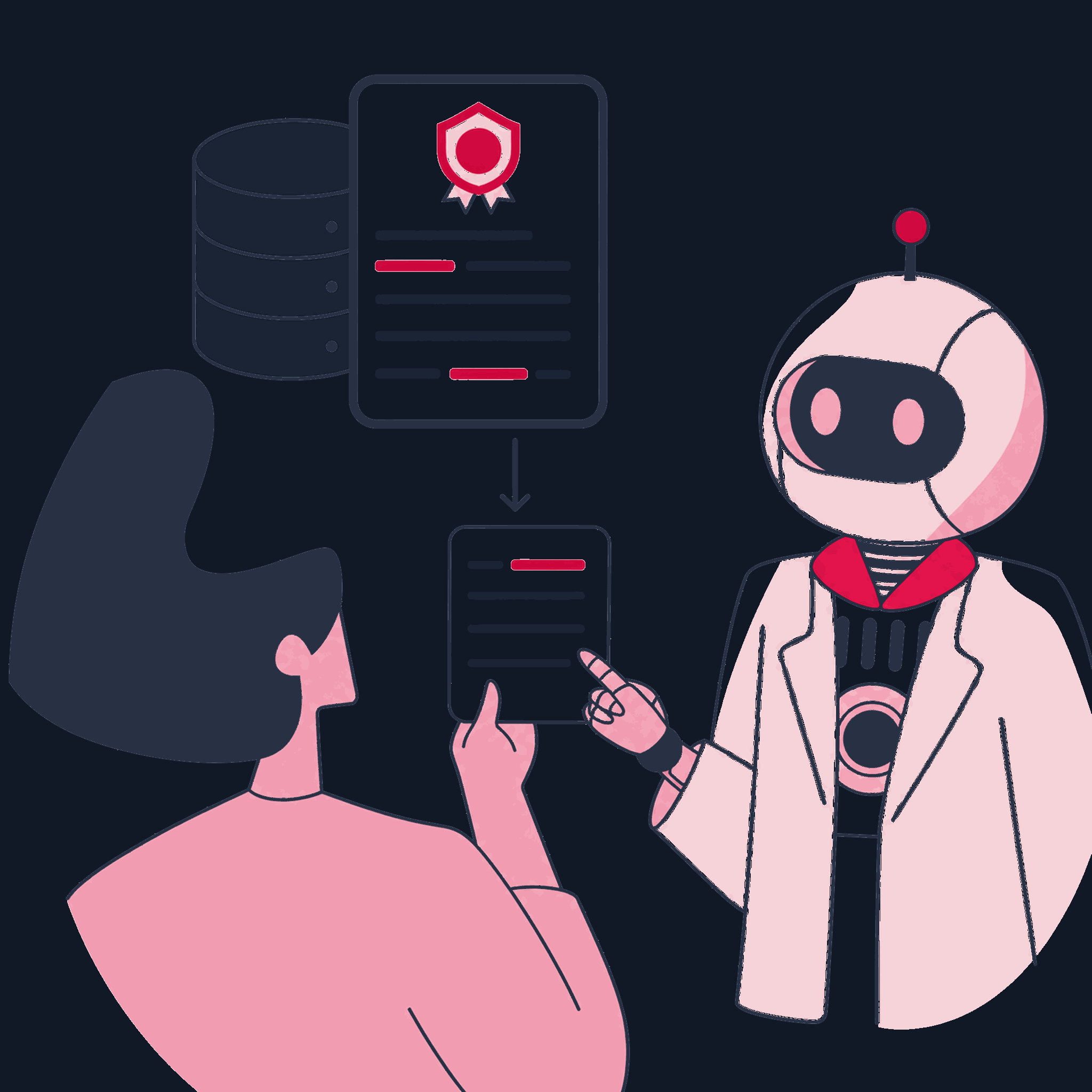
A relevant, trusted, permitted, and current source you can rely on when checking a claim.
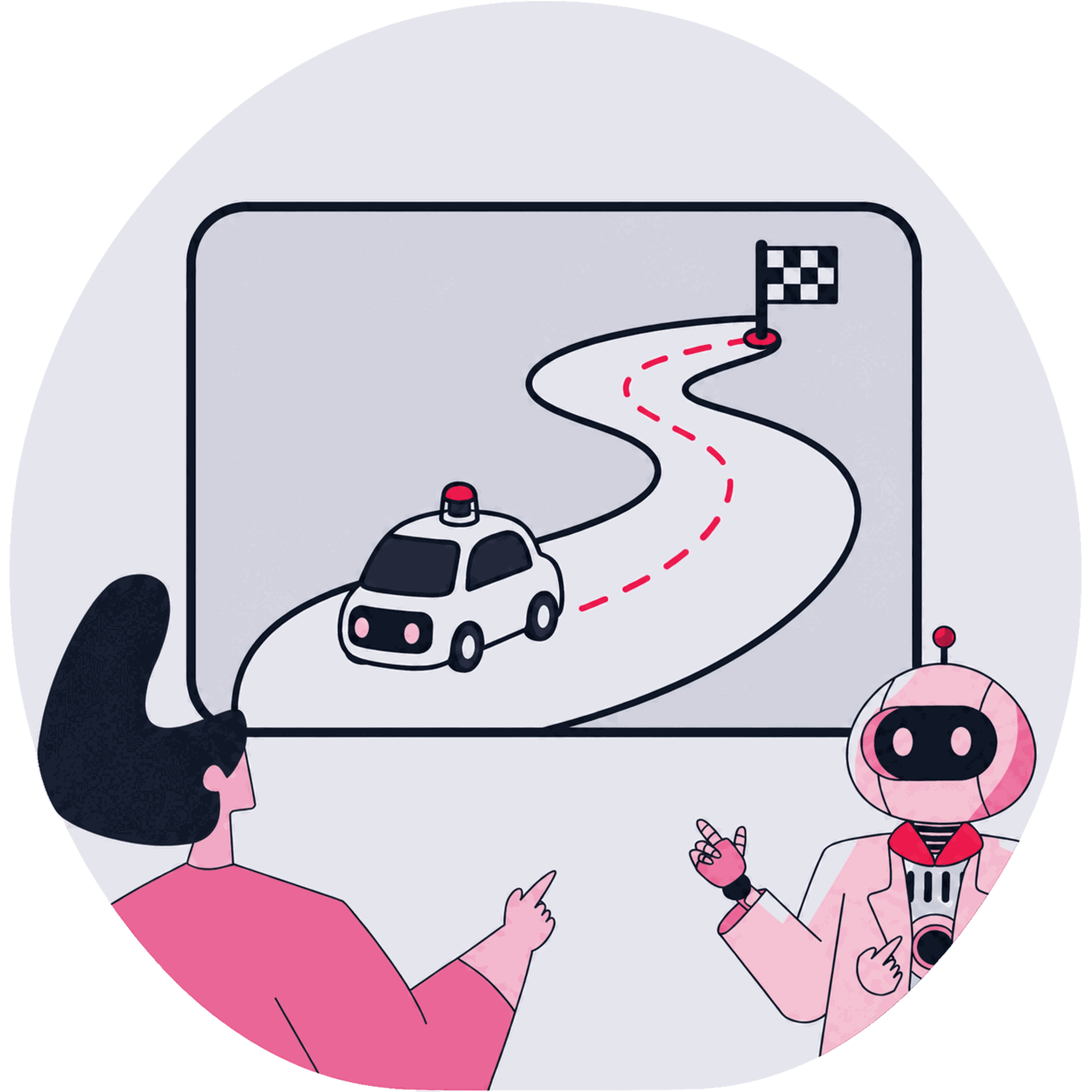

A machine or system that can perform tasks and make decisions without human intervention.


A statistical approach that predicts future behavior from past outcomes in time-series data.
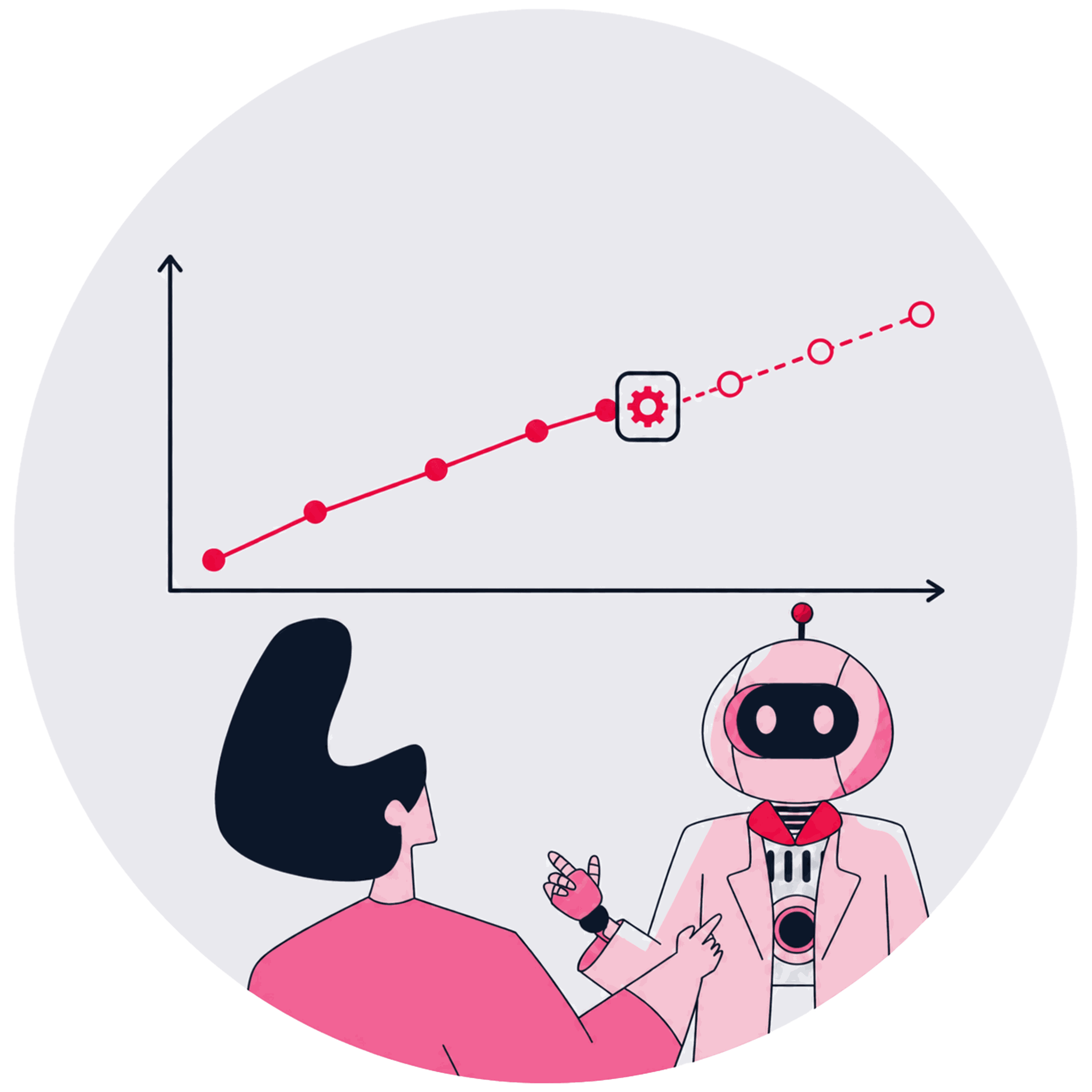
A model that uses previous time points to predict future values, often in time-series forecasting.
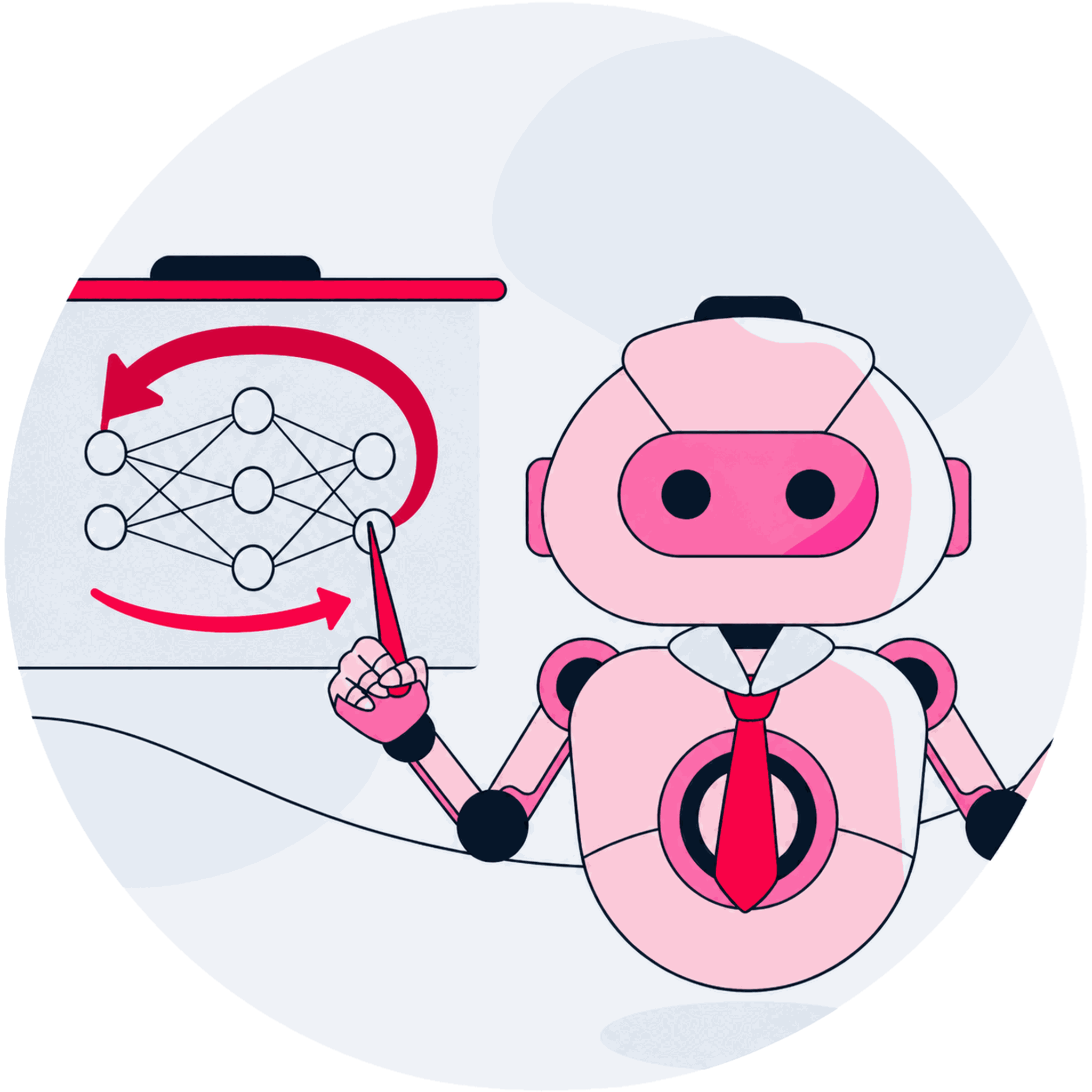

A method for training artificial neural networks by adjusting weights in response to error rates.
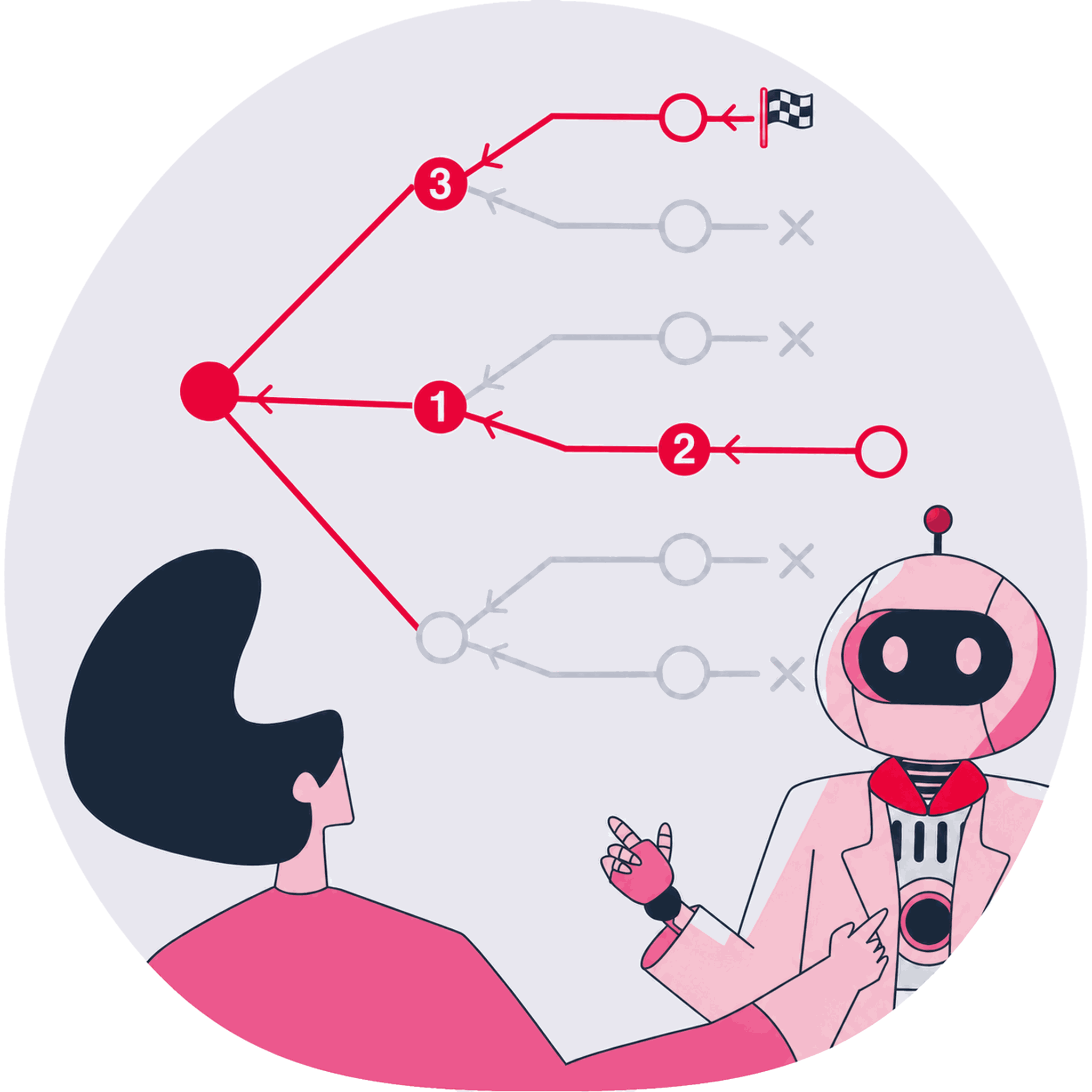

A reasoning method that starts with a goal and works backward to identify a path to the solution.


A strategy that balances exploring new choices with exploiting options known to produce rewards.


A search algorithm that efficiently identifies the most likely sequences of outcomes in a model.


Assumptions or predispositions in AI models that can affect decisions and fairness.


Extremely large datasets analyzed computationally to uncover patterns, trends, and associations.
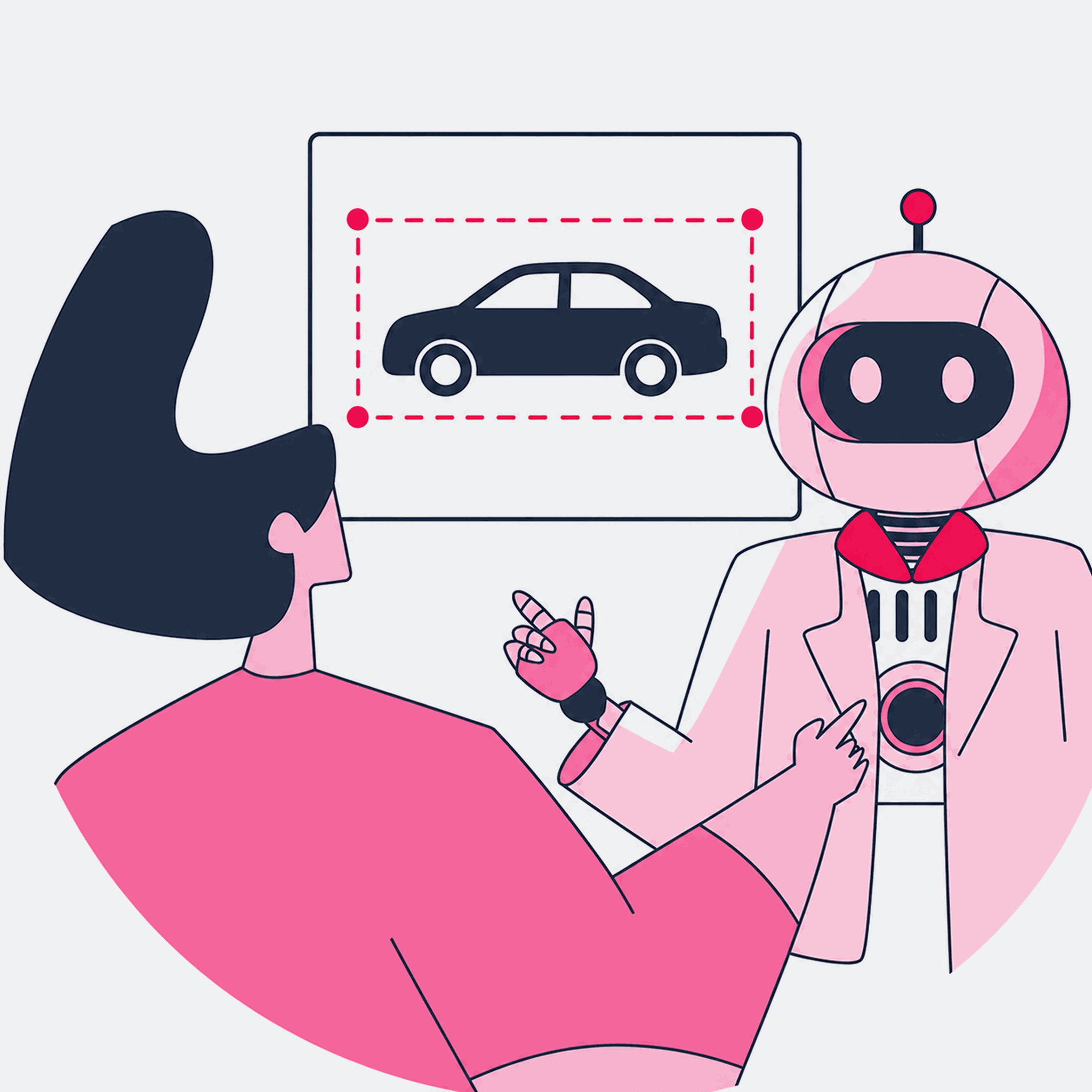

A rectangular boundary used in visual processing to mark an object's location within an image.
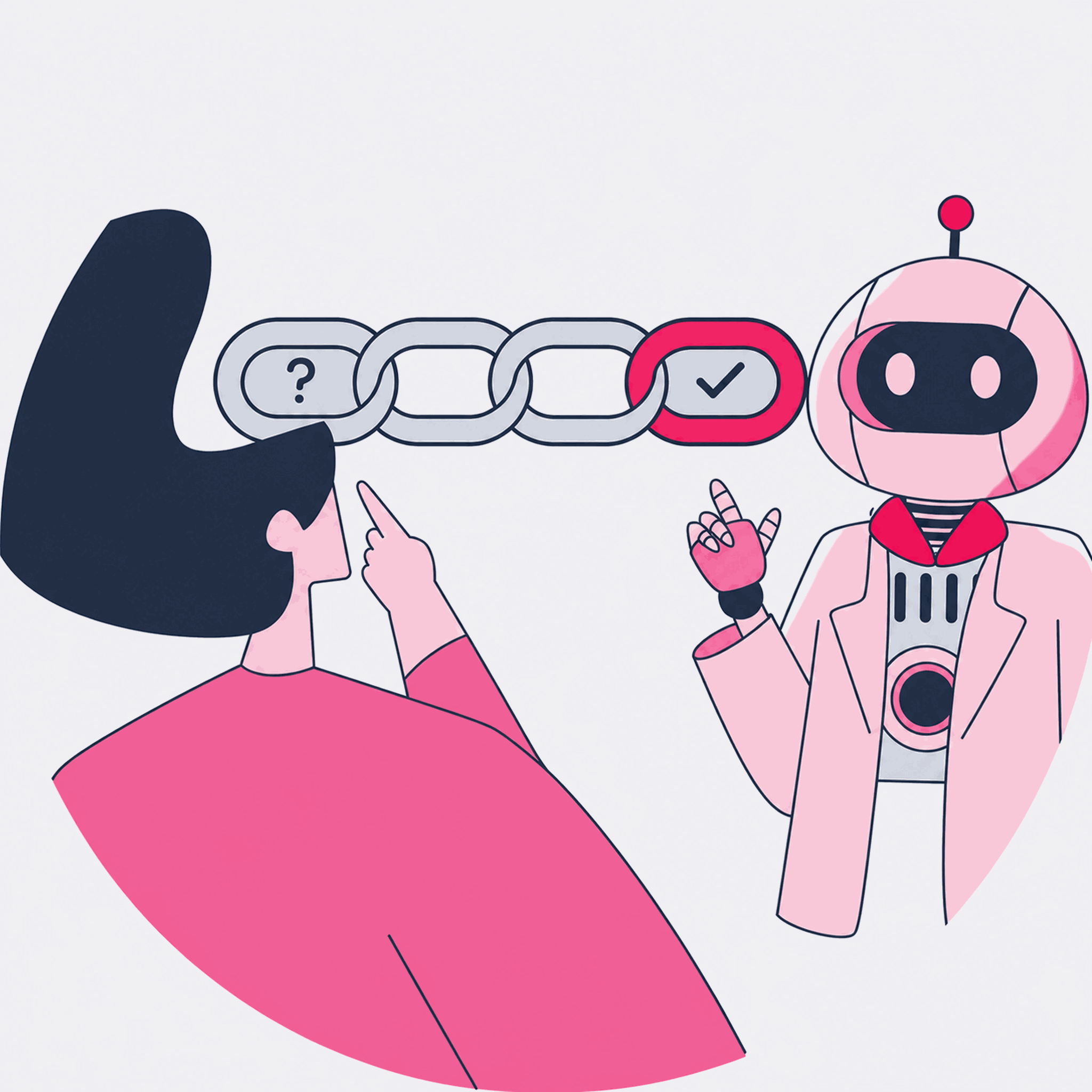

A prompting strategy that encourages AI to break complex problems into more manageable steps.


A computer program designed to simulate a conversation with a human user, often over the internet.


An AI developed by OpenAI that generates human-like text responses from prompts.


Splitting source documents into retrievable pieces sized for embedding and for the model prompt.
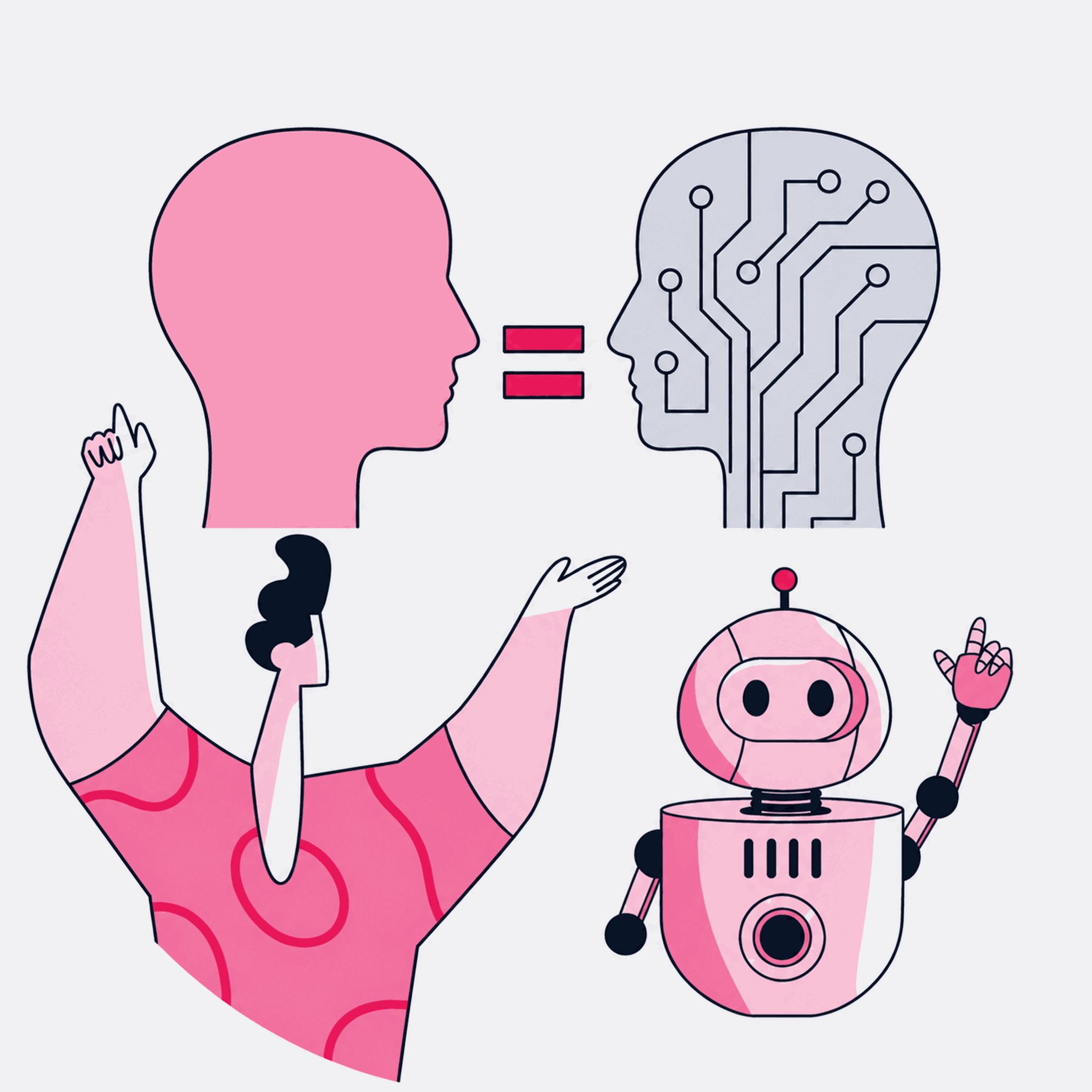
AI systems designed to mimic how the human brain functions and support natural, human-like interaction.


The output an AI produces in response to an input or prompt, completing a sentence or thought.


A branch of artificial intelligence that studies and analyzes the algorithms behind machine learning.
An AI agent that operates software through the graphical interface, reading the screen and issuing clicks and keystrokes.
Aligning a model against a written set of principles, using the model's own critiques instead of human safety labels.
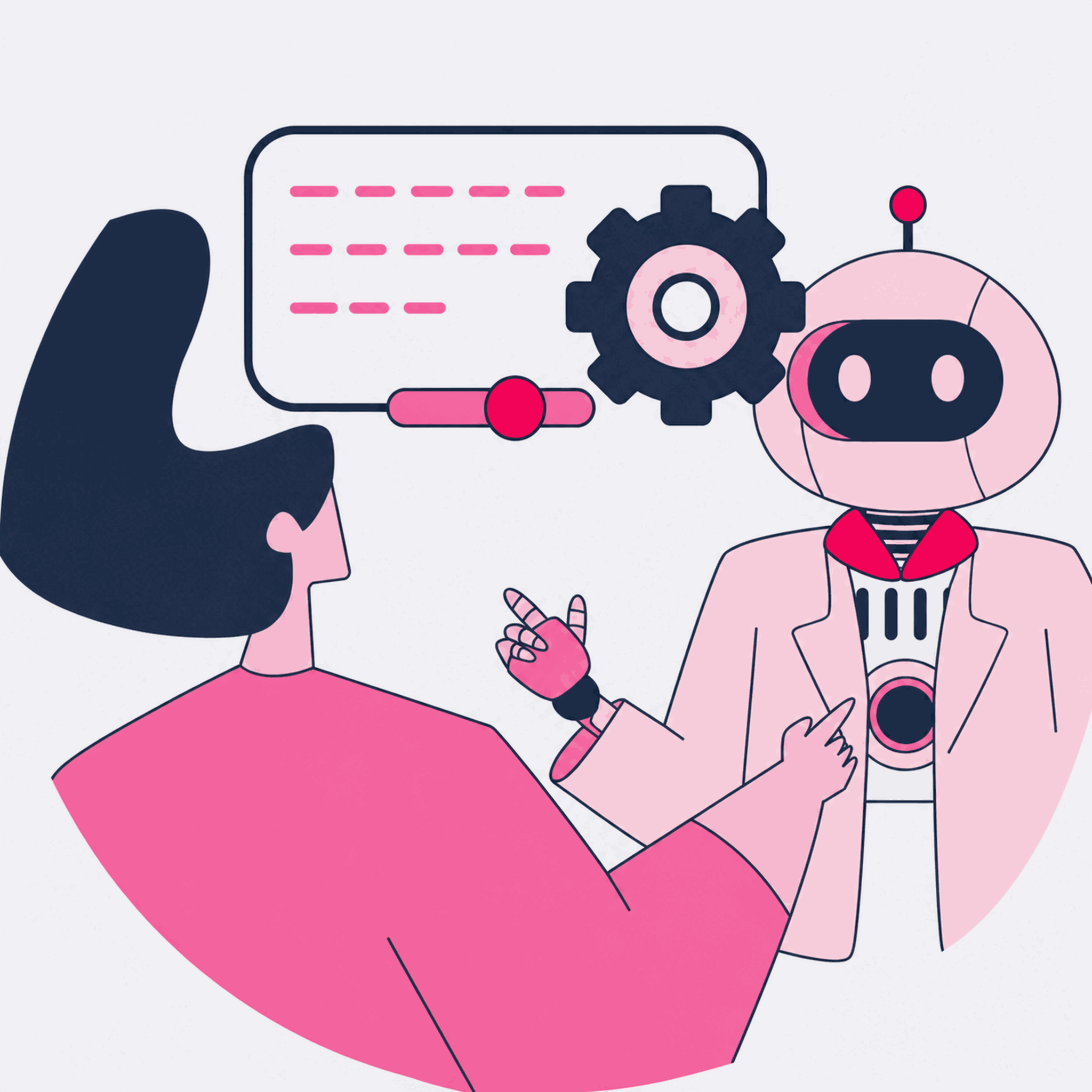

Designing what goes into the model's context window on each call: which instructions, which retrieved facts, how much history.


The amount of prior input a model can consider when generating a response or prediction.
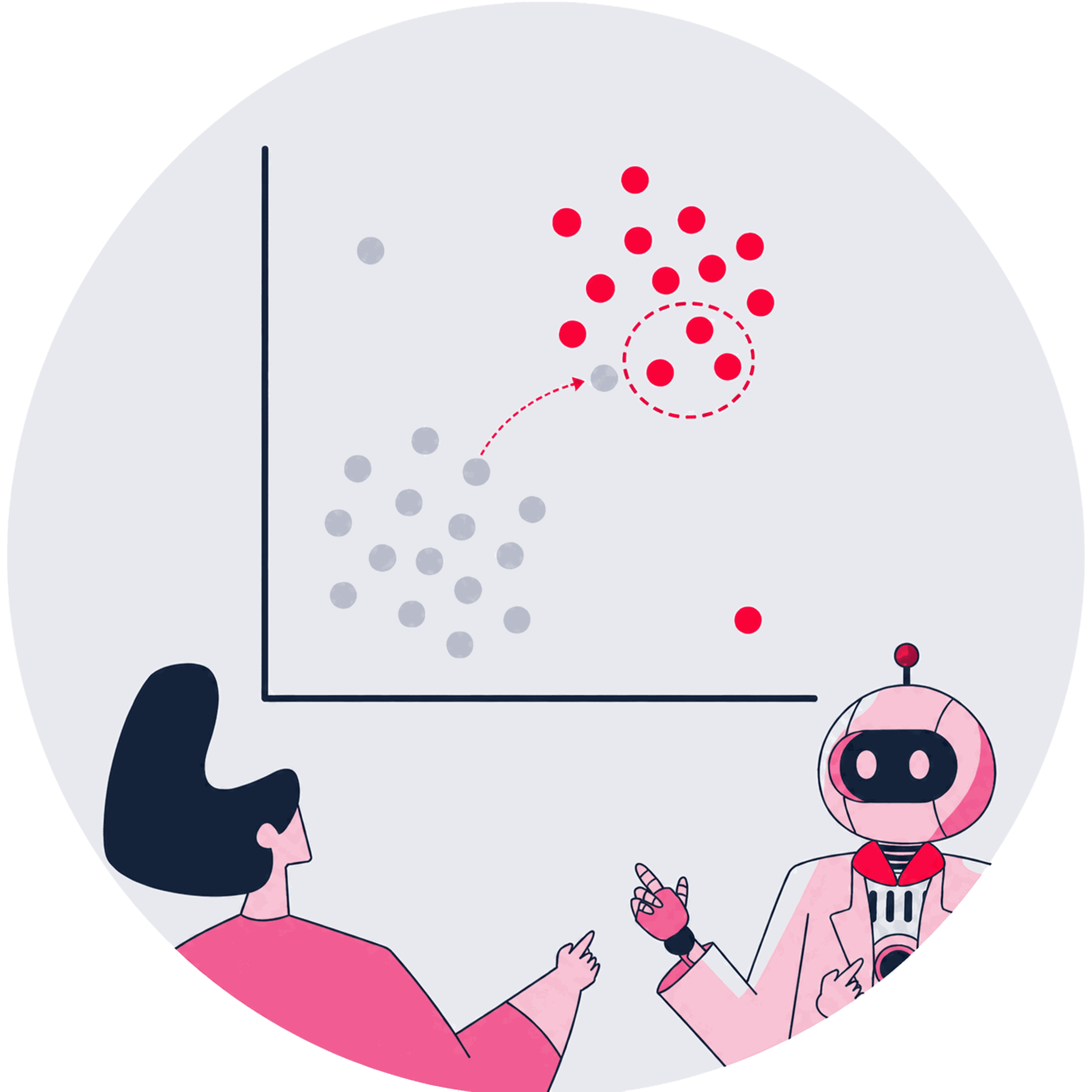
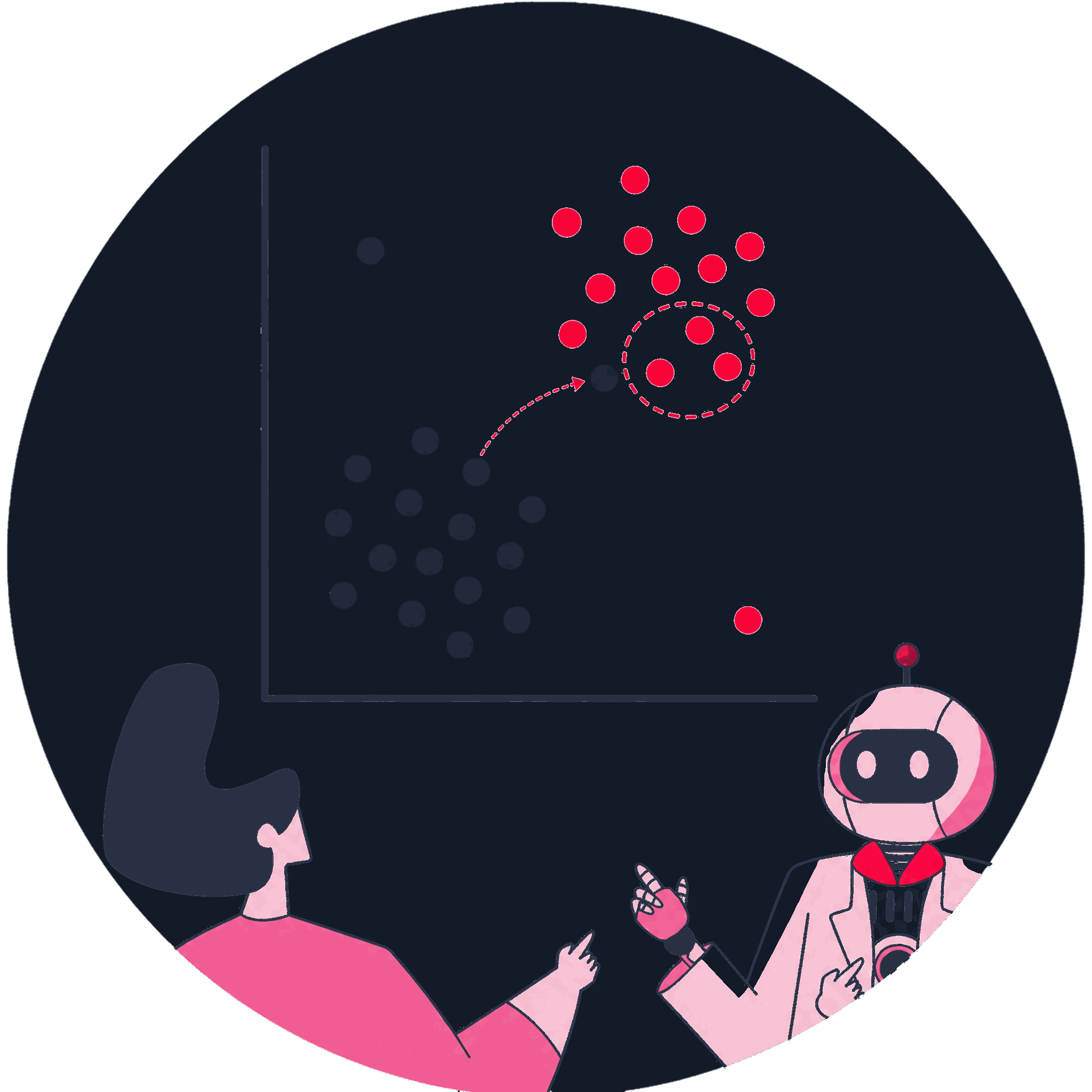
Representations of words or phrases that account for the context in which they appear.


An NLP task that determines which words or phrases refer to the same entity in a text.
A large collection of text used to compile data and train machine learning models.


The integration of artificial intelligence into customer relationship management to improve interactions.


A technique that expands training data by adding modified copies or synthetic examples.


The practice of examining large datasets to uncover new information and hidden patterns.


Measures and practices that protect personal or sensitive data from misuse or disclosure.
An interdisciplinary field that uses scientific methods to extract knowledge from data.

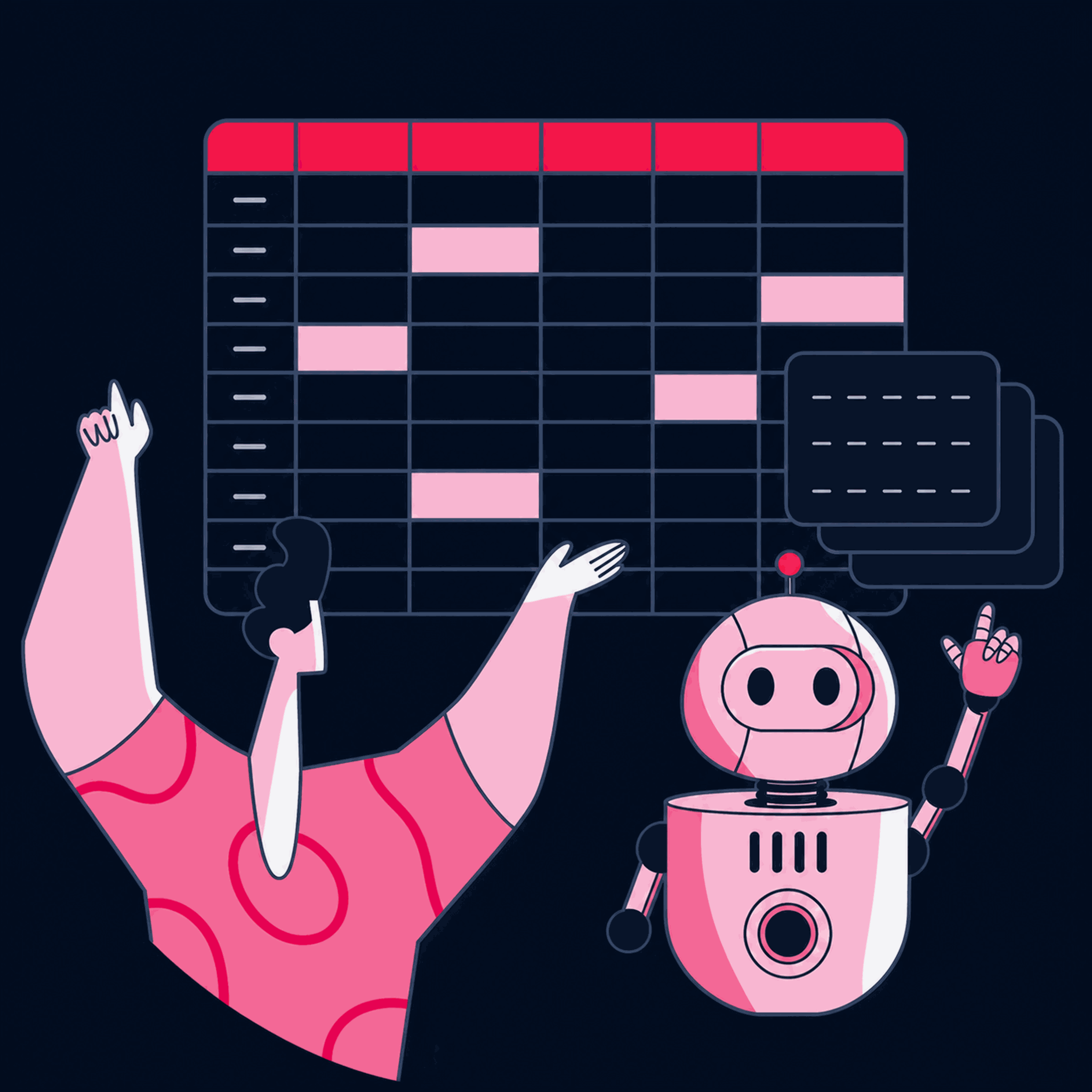
A collection of data specifically prepared and structured for training or testing AI models.


Guidelines that dictate how a language model translates its internal representations to output.
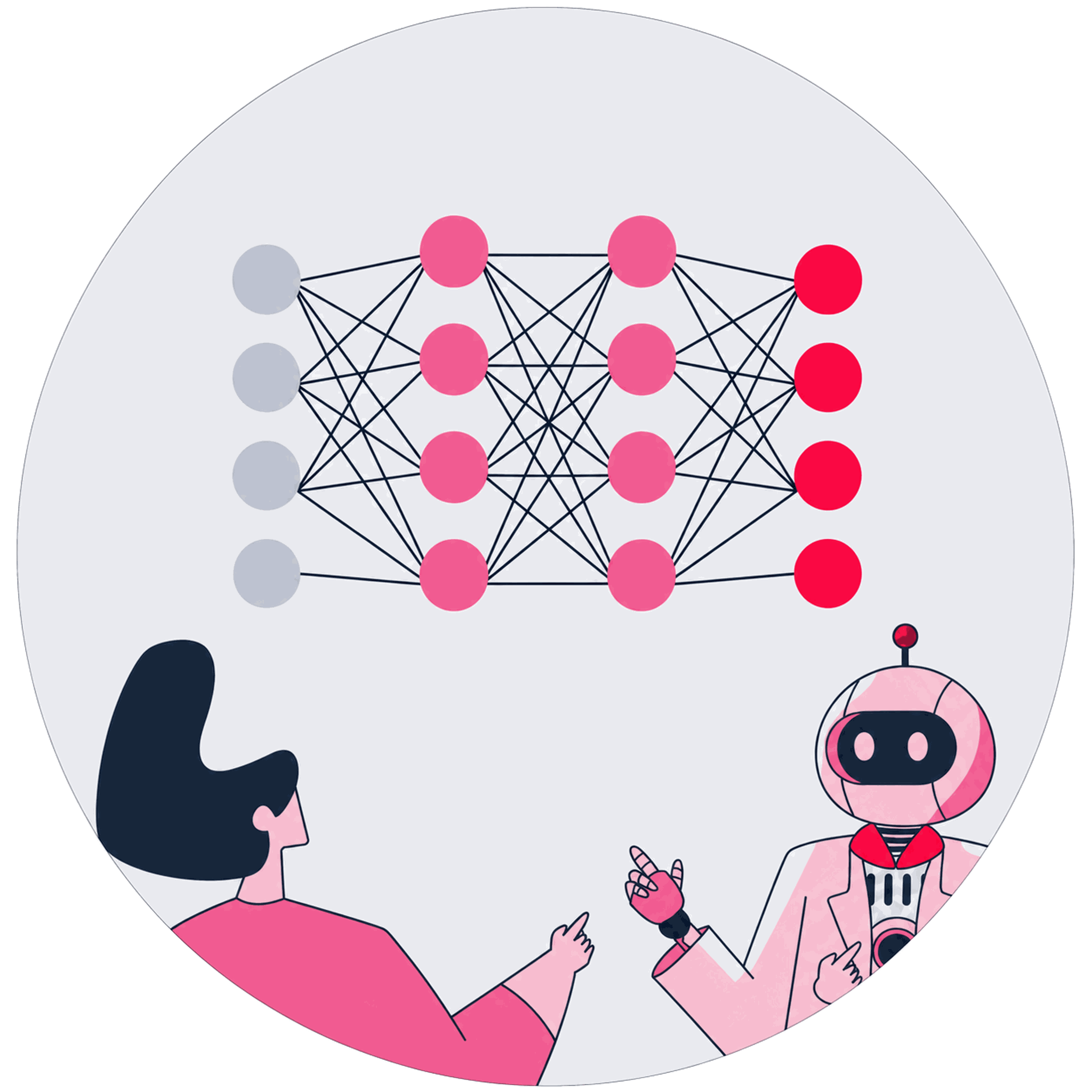

A subset of machine learning involving neural networks with many layers to analyze data.


Analyzing the grammatical structure of a sentence to understand relationships between words.


The process of making an AI model available for use in real-world applications or systems.

AI technologies designed to converse with humans using natural language processing.
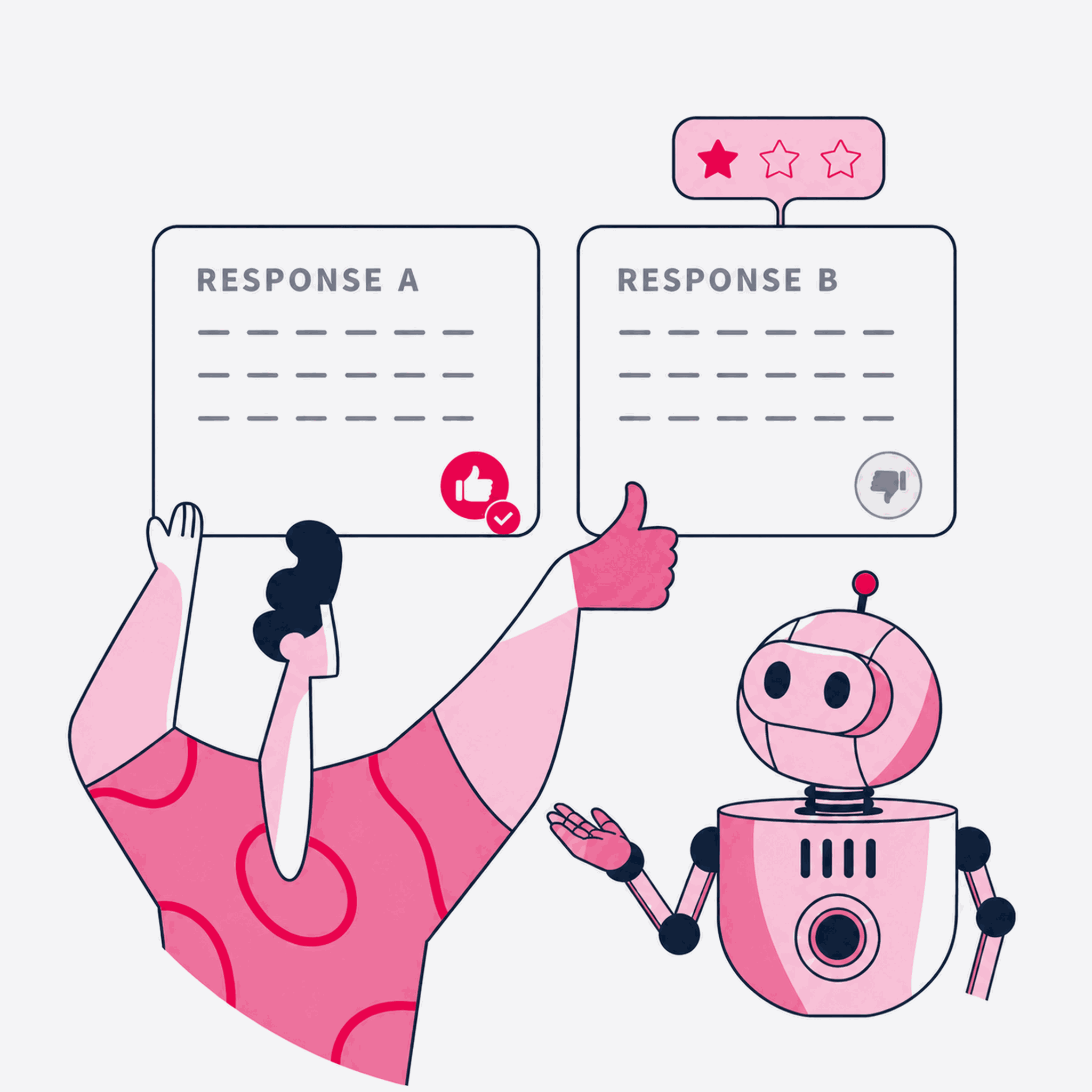

Aligning a model on human preference pairs directly, without training a separate reward model.
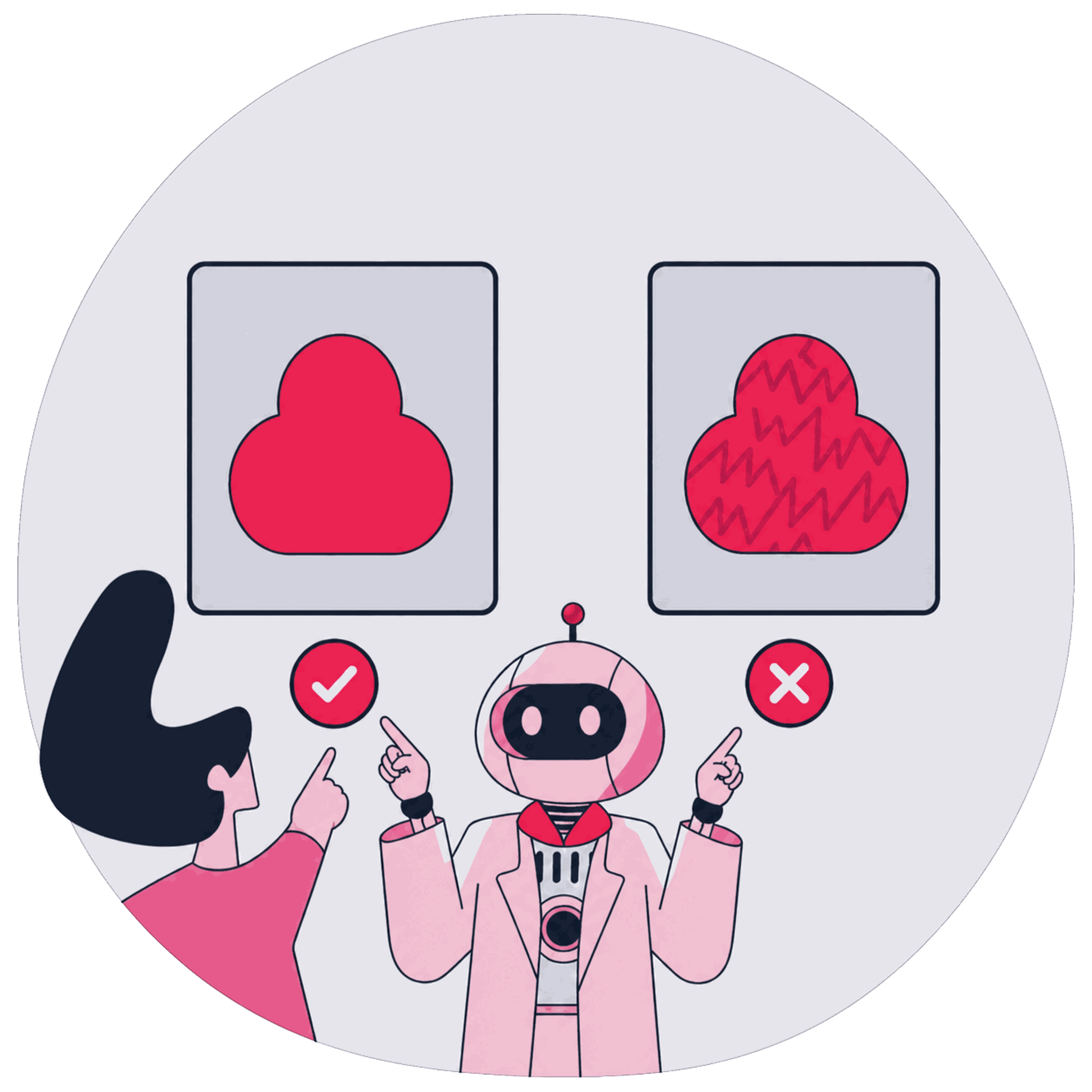

The component of a generative adversarial network that distinguishes real data from fake.
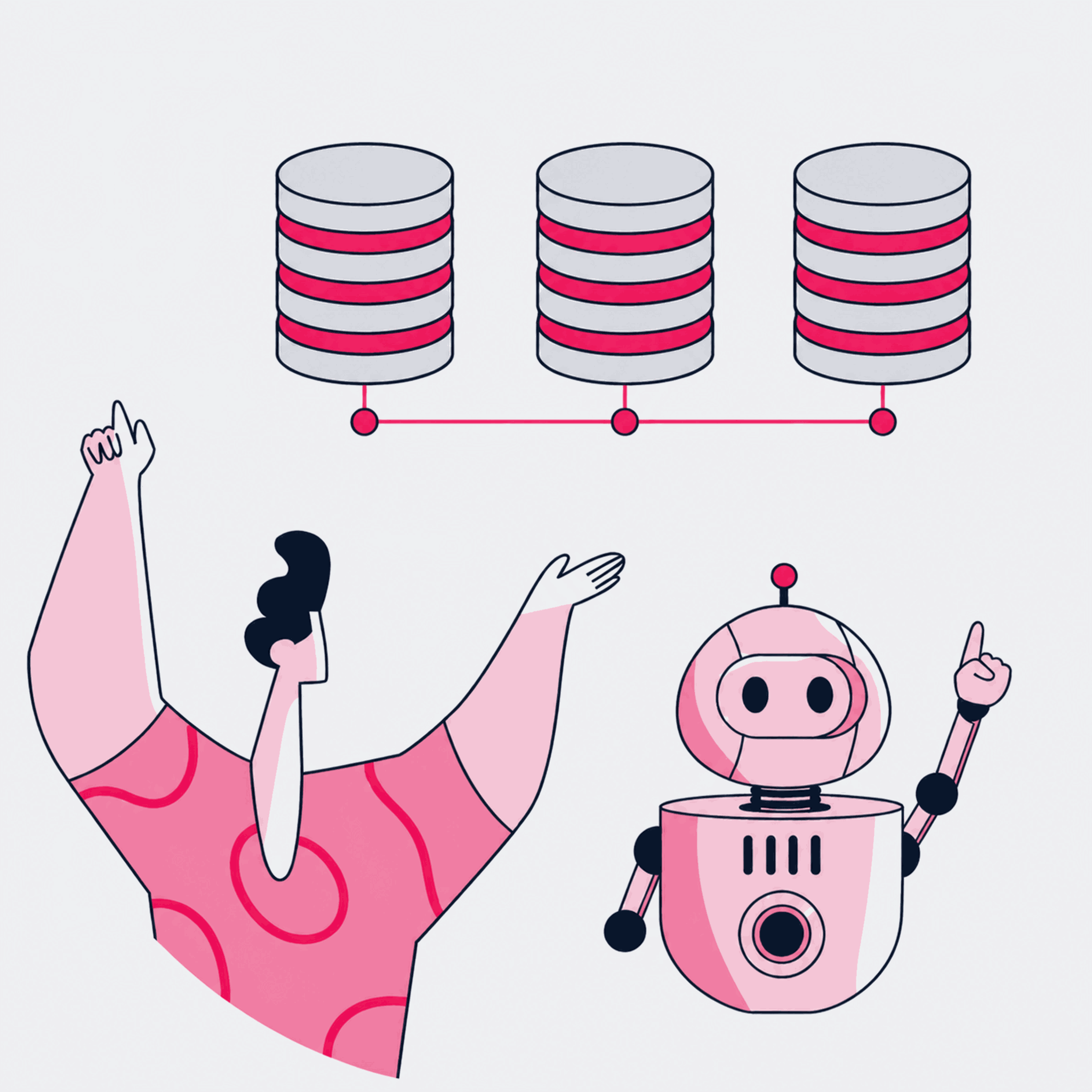

A method where AI model training is spread across multiple computers or servers.
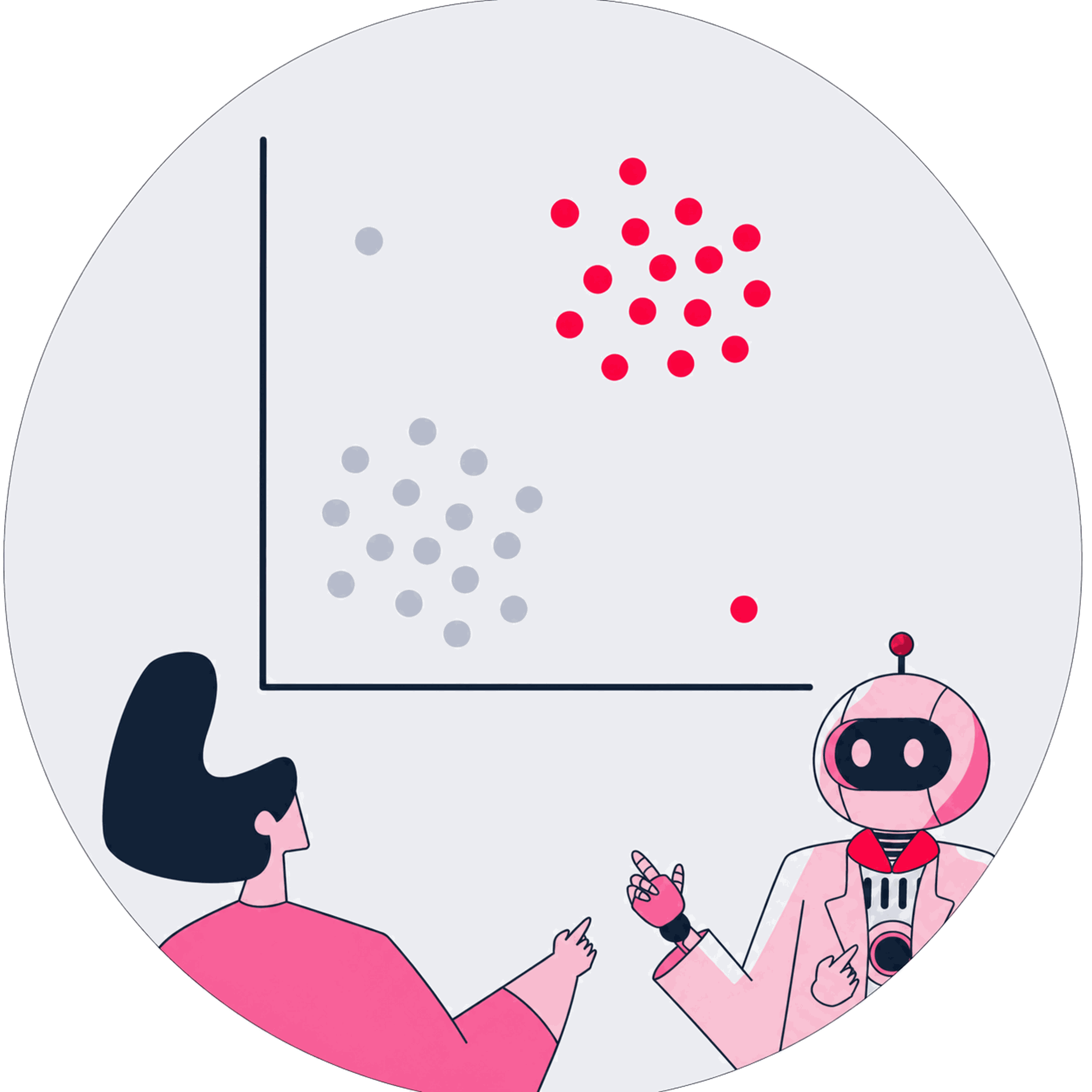
Dense vector representations of words or phrases capturing semantic meaning for AI processing.


A component of a model that processes and transforms input data into a usable format.


The application of artificial intelligence technologies to improve business processes and outcomes.


Specific, identifiable elements in text, such as names, places, dates, often extracted by AI.


The process of labeling text with information about entities, enhancing data structure.


Identifying and classifying named entities in text into predefined categories.


A framework for assessing and guiding the ethical development and deployment of AI systems.
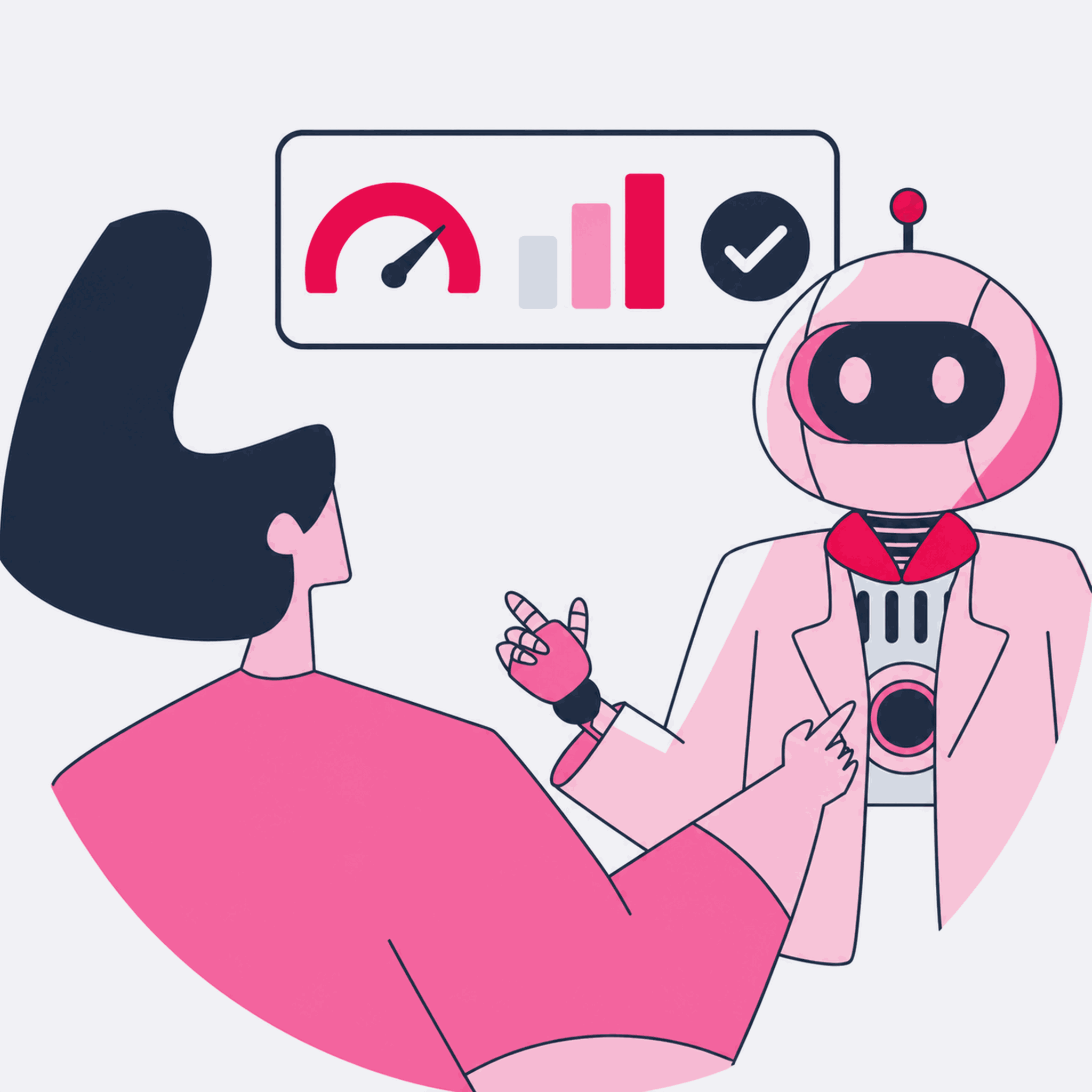

Quantitative measures used to assess the performance and effectiveness of AI models.
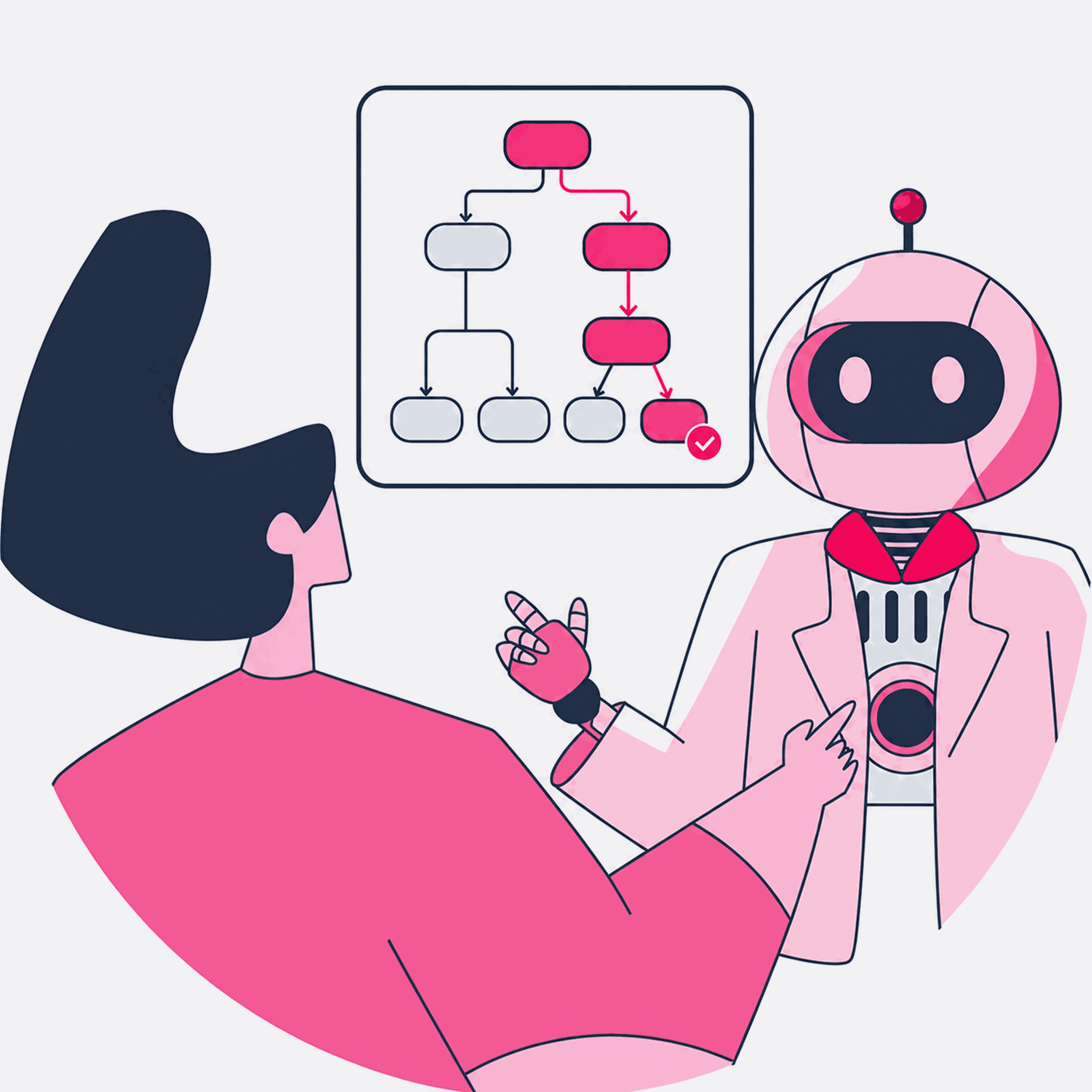

AI systems designed to provide insights into their decision-making processes for transparency.


Creating summaries by extracting key sentences or fragments directly from the source text.


Identifying and isolating useful information from data to improve model training and performance.


The ability of a model to learn and generalize from a very small number of examples.
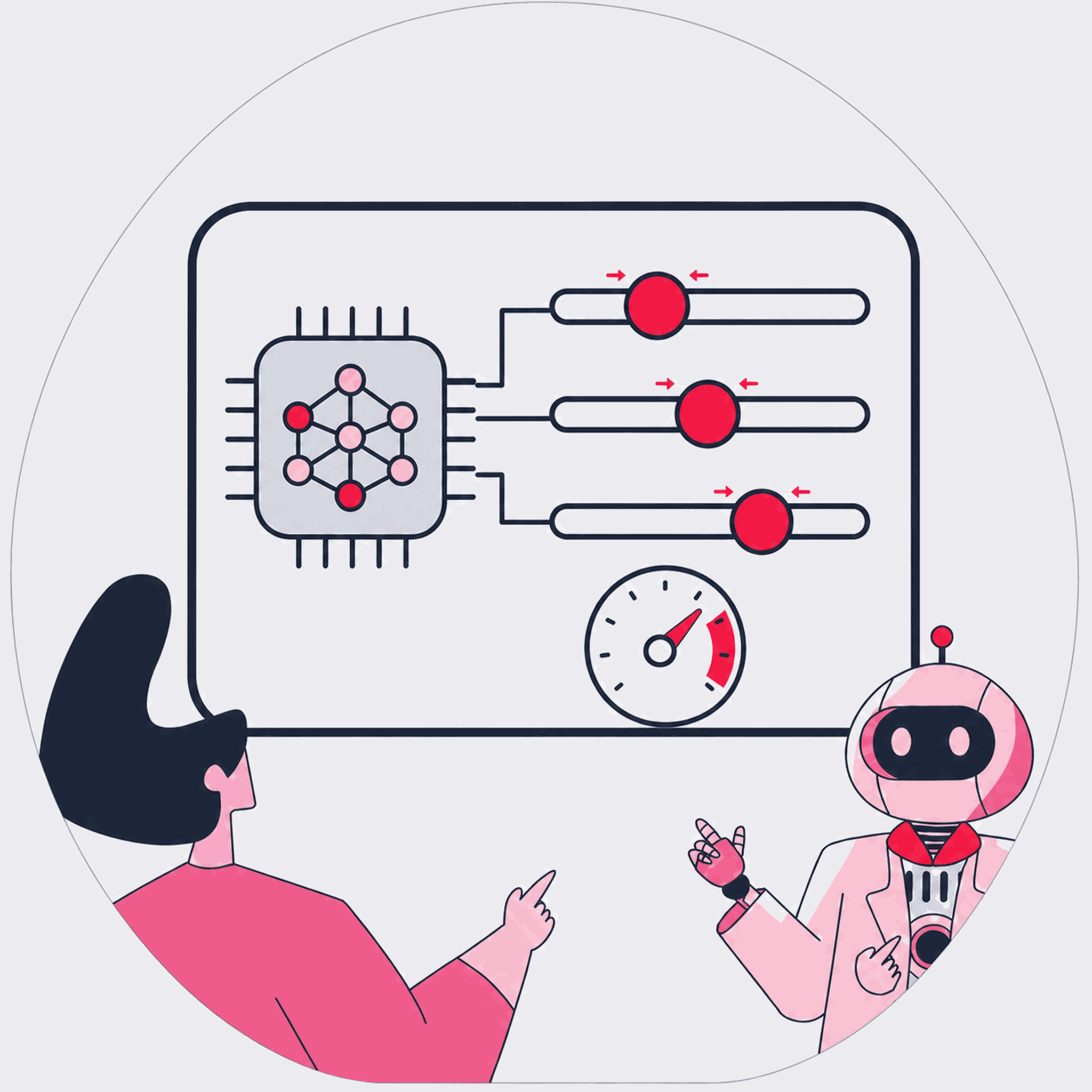
The process of adjusting a pre-trained model to perform well on a specific task or dataset.
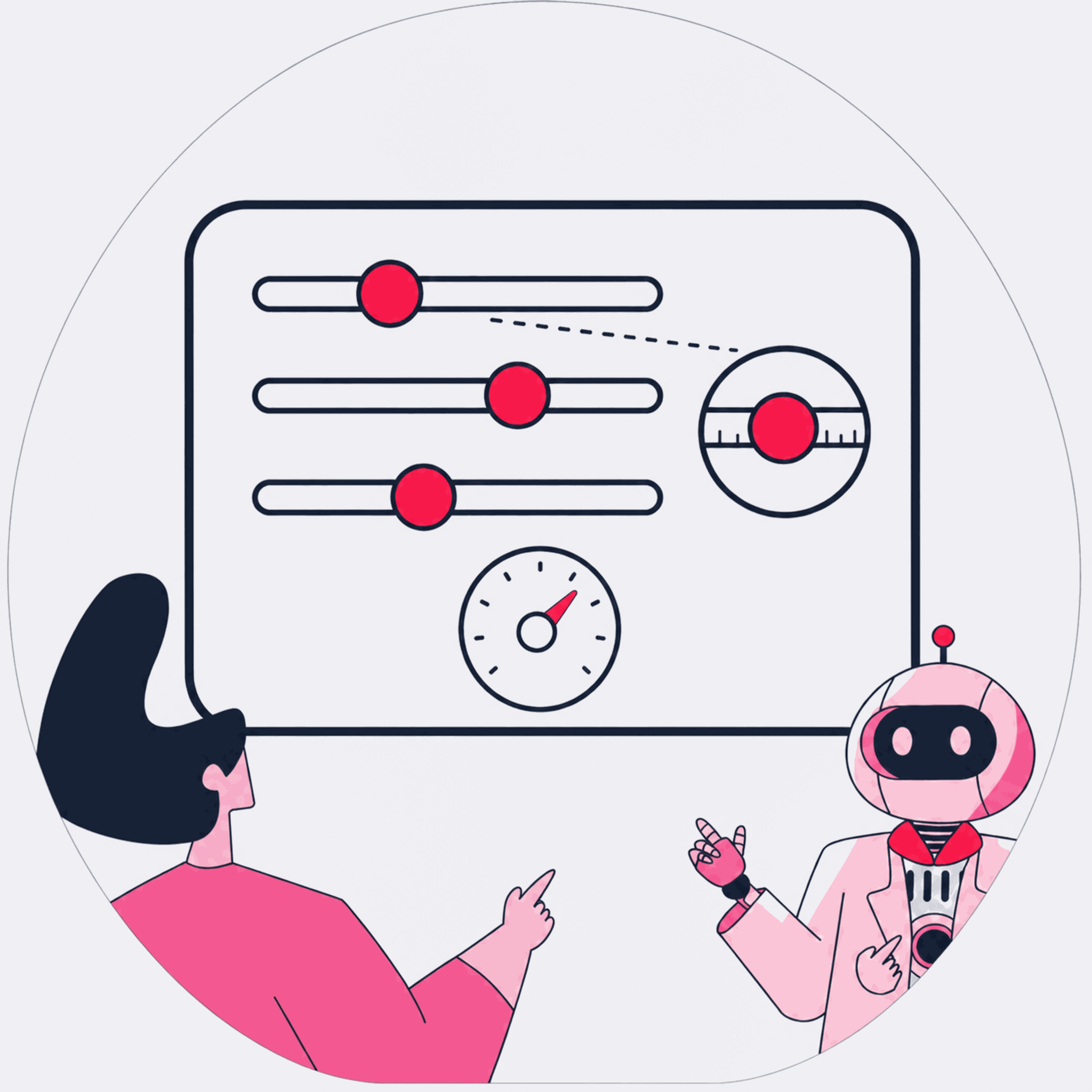

The capability to precisely adjust the output or behavior of an AI model based on specific criteria.
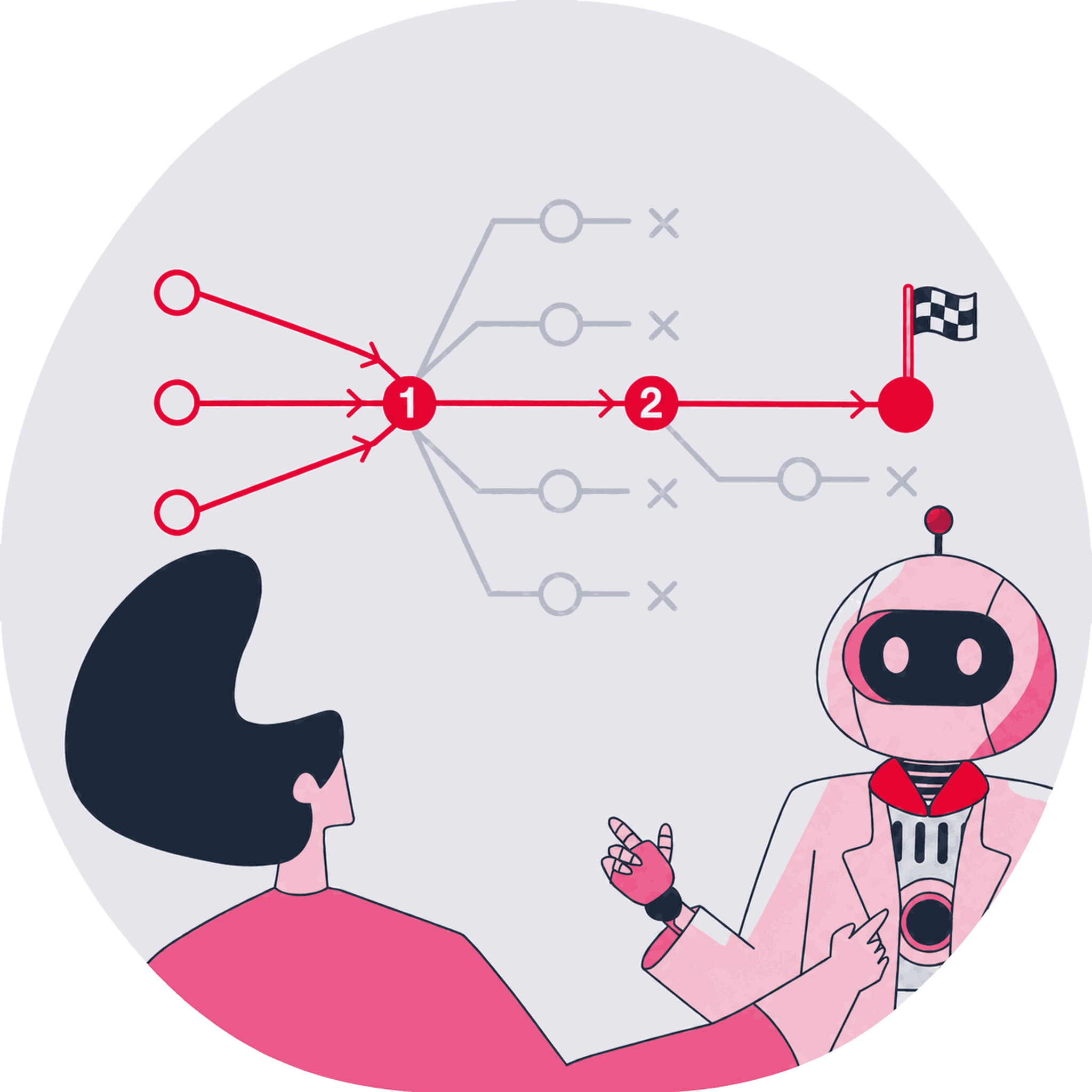

A logical reasoning method that starts with known facts and applies rules to reach new conclusions.
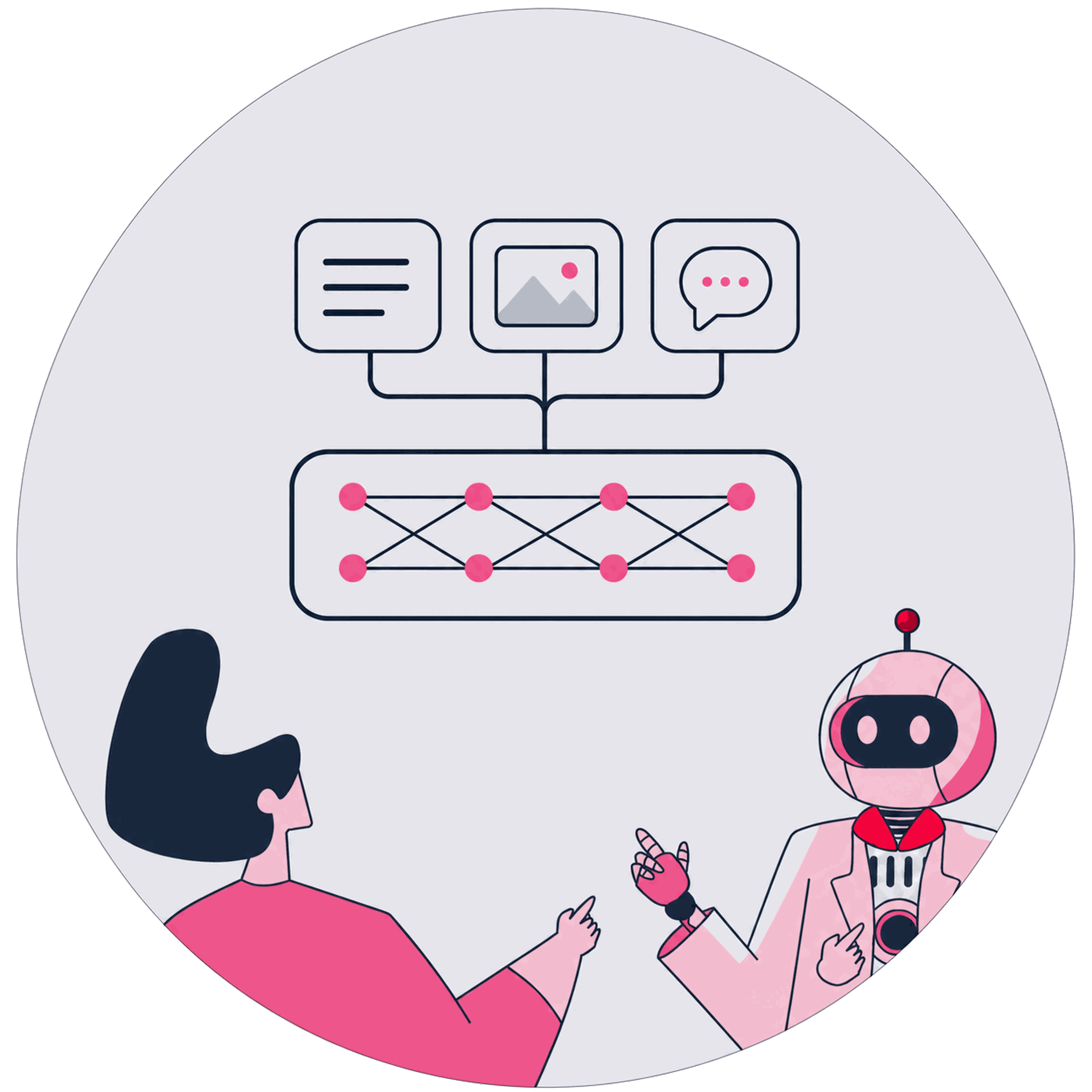

A large, versatile AI model trained on a broad dataset, capable of performing multiple tasks.
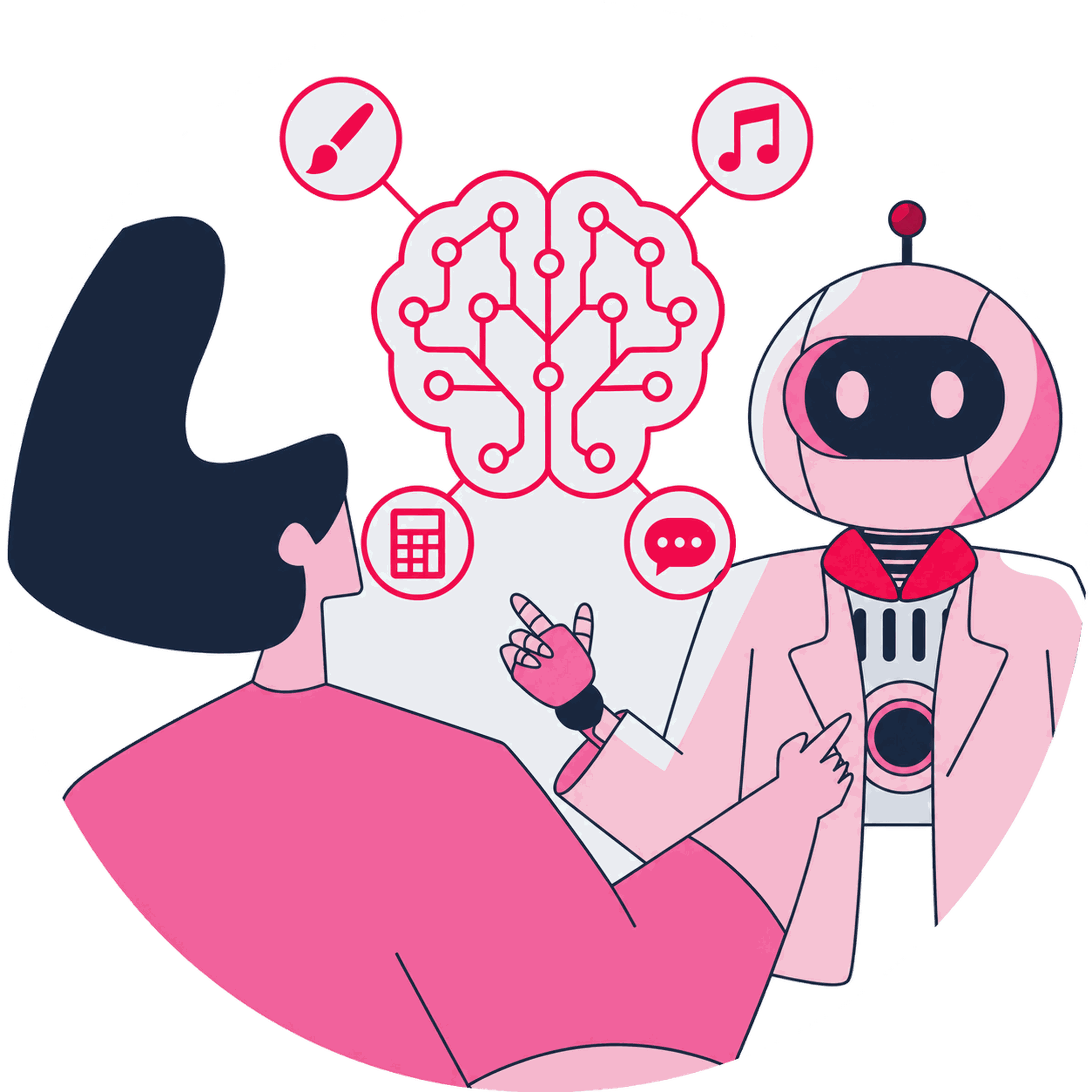

Artificial intelligence that exhibits cognitive functions across a wide range of tasks and domains.


The process of producing new content, such as text or images, based on learned patterns and data.
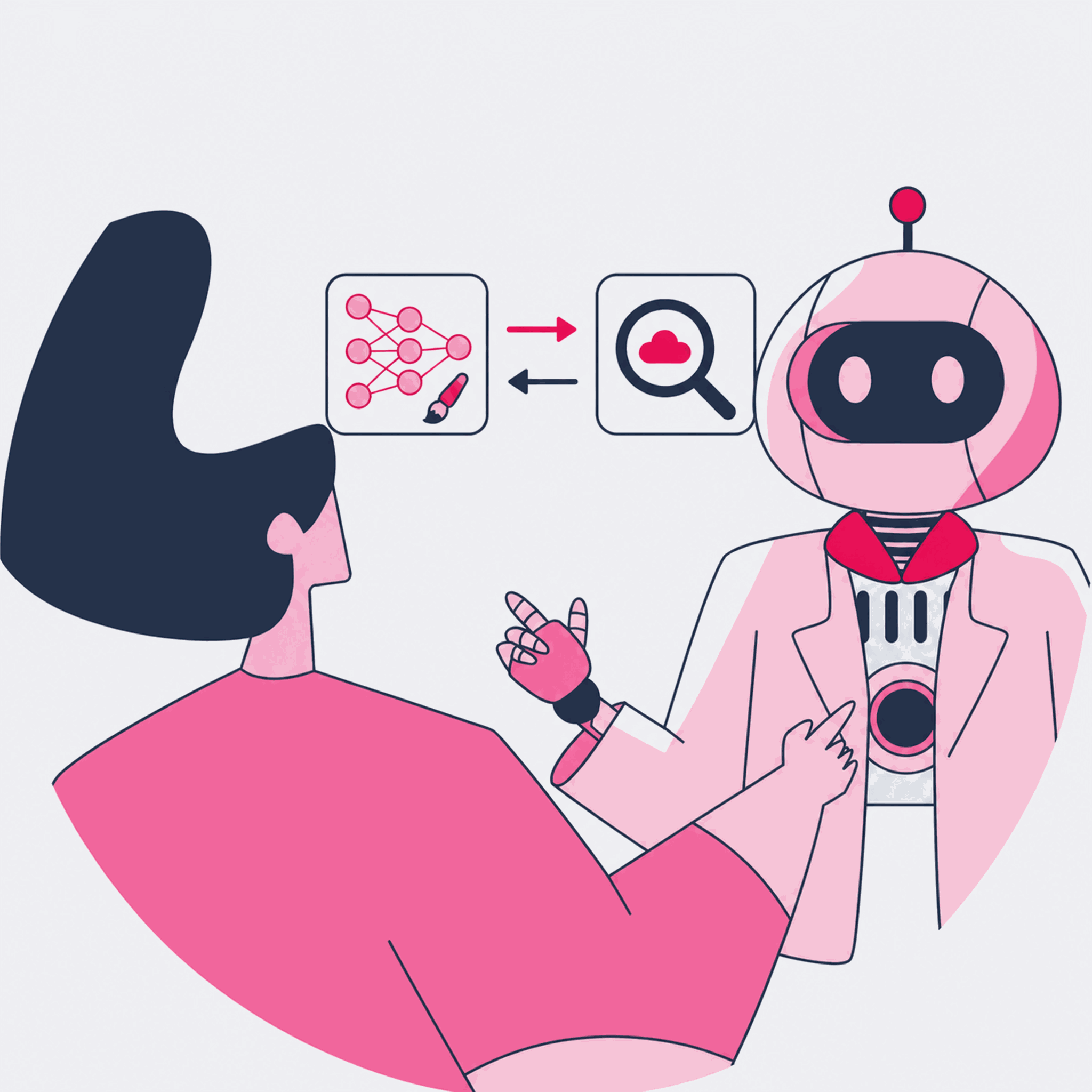

A framework for training generative models through a competitive process between networks.


AI systems capable of generating new, original content or data that mimics real-world examples.
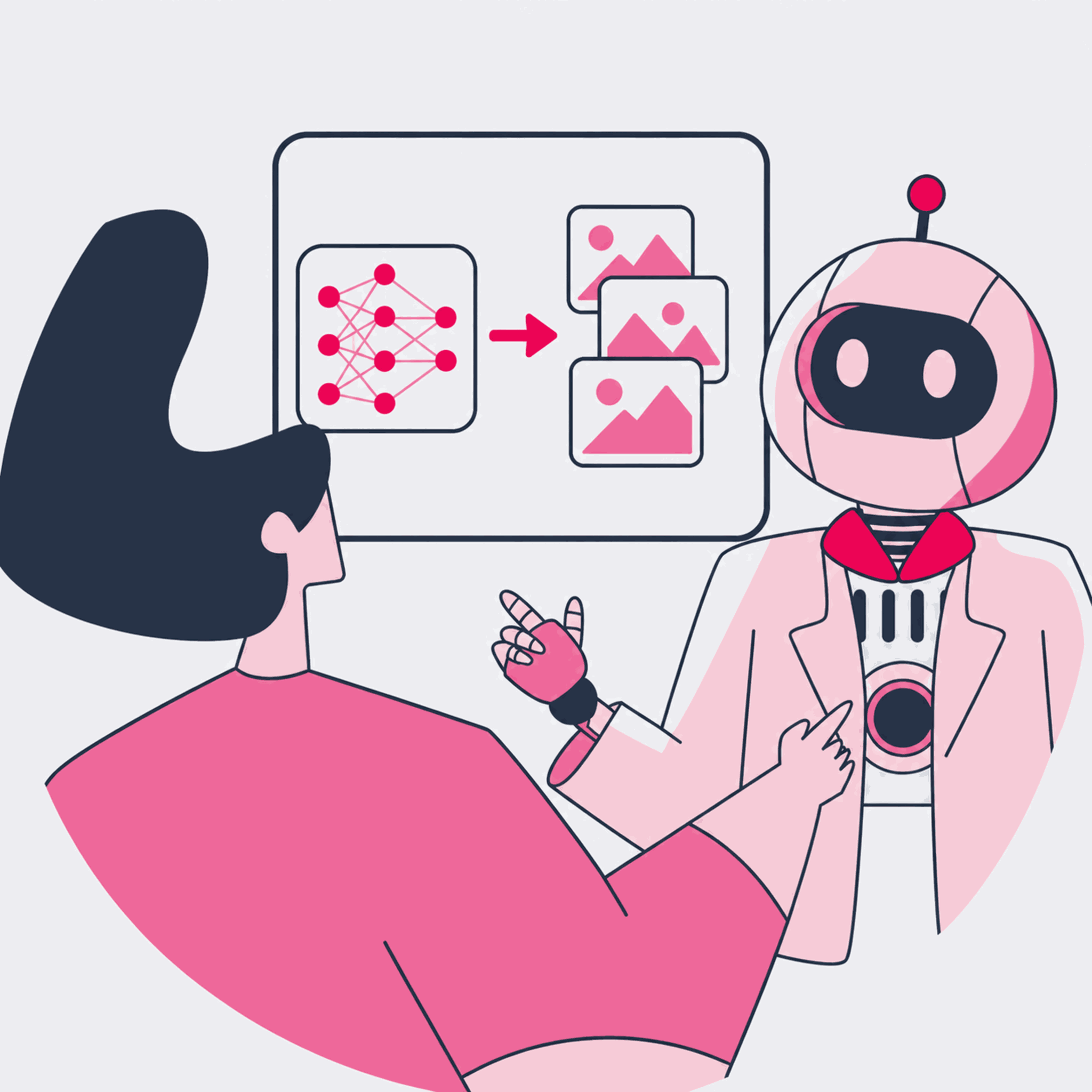

A type of AI model that can generate new data instances similar to the training data.


A type of AI model specializing in generating coherent and contextually relevant text.


In GANs, the component that creates data aiming to mimic real data as closely as possible.

The third iteration of OpenAI's generative model known for its advanced text generation capabilities.


Retrieval over a knowledge graph built from the source documents, rather than over isolated text chunks.
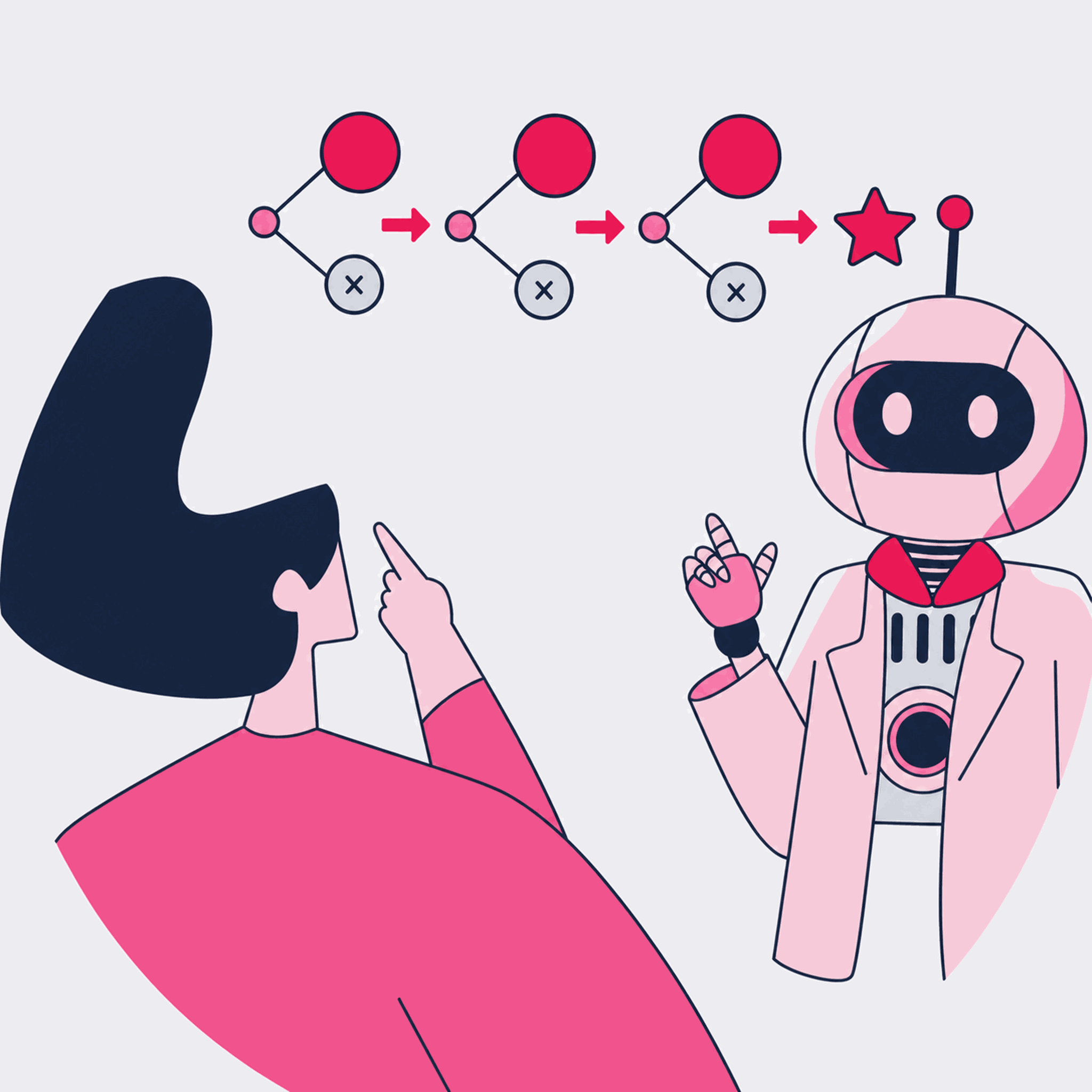

Optimization algorithms that make the locally optimal choice at each step to find a global optimum.


Checks that run around a model to block unsafe, off-policy, or malformed input and output.
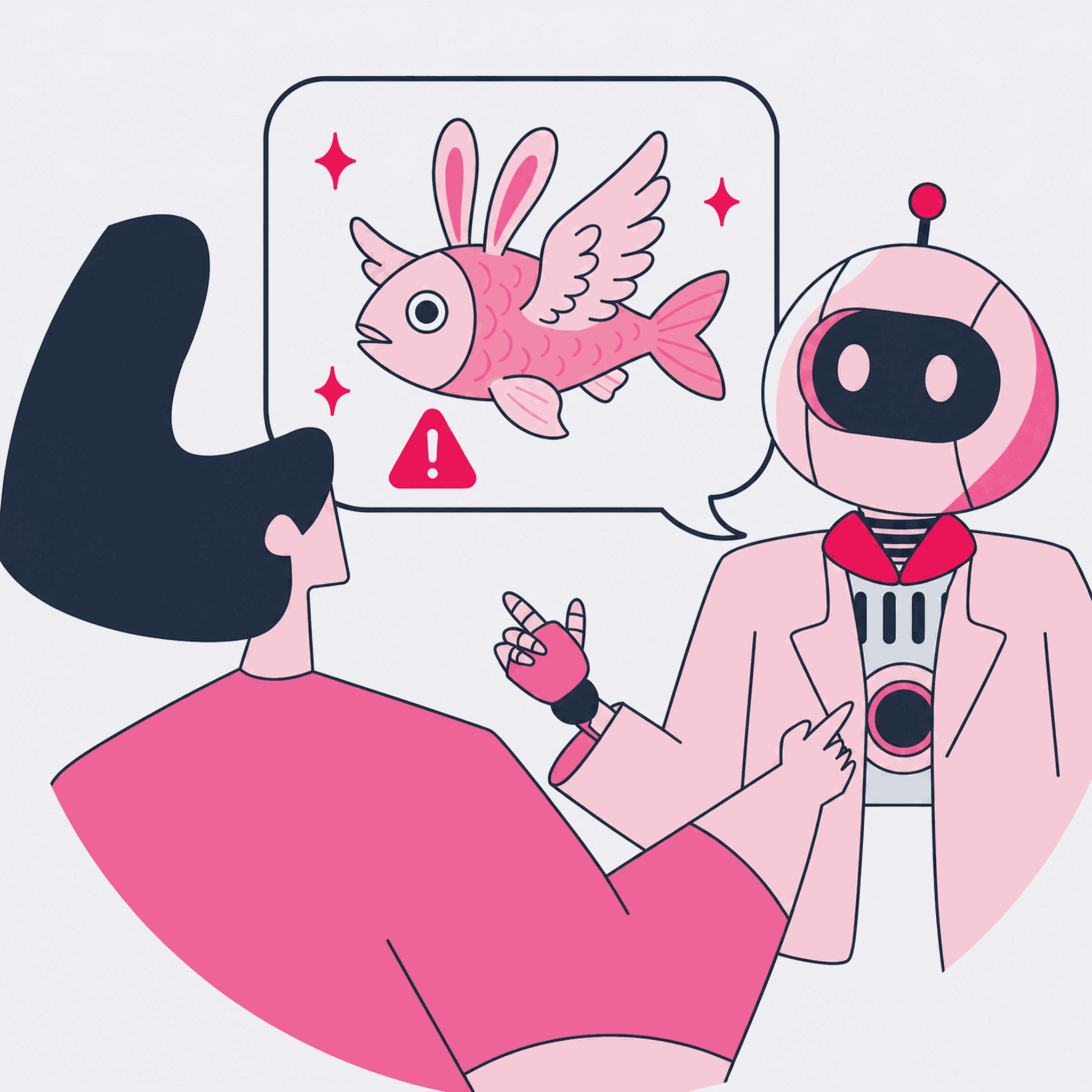

When AI generates information that is not grounded in reality, often because of limitations in its training data.


Problem-solving approaches that rely on practical methods or shortcuts to reach a solution.


Combining keyword matching and vector similarity in one retrieval step, then merging the two result sets.
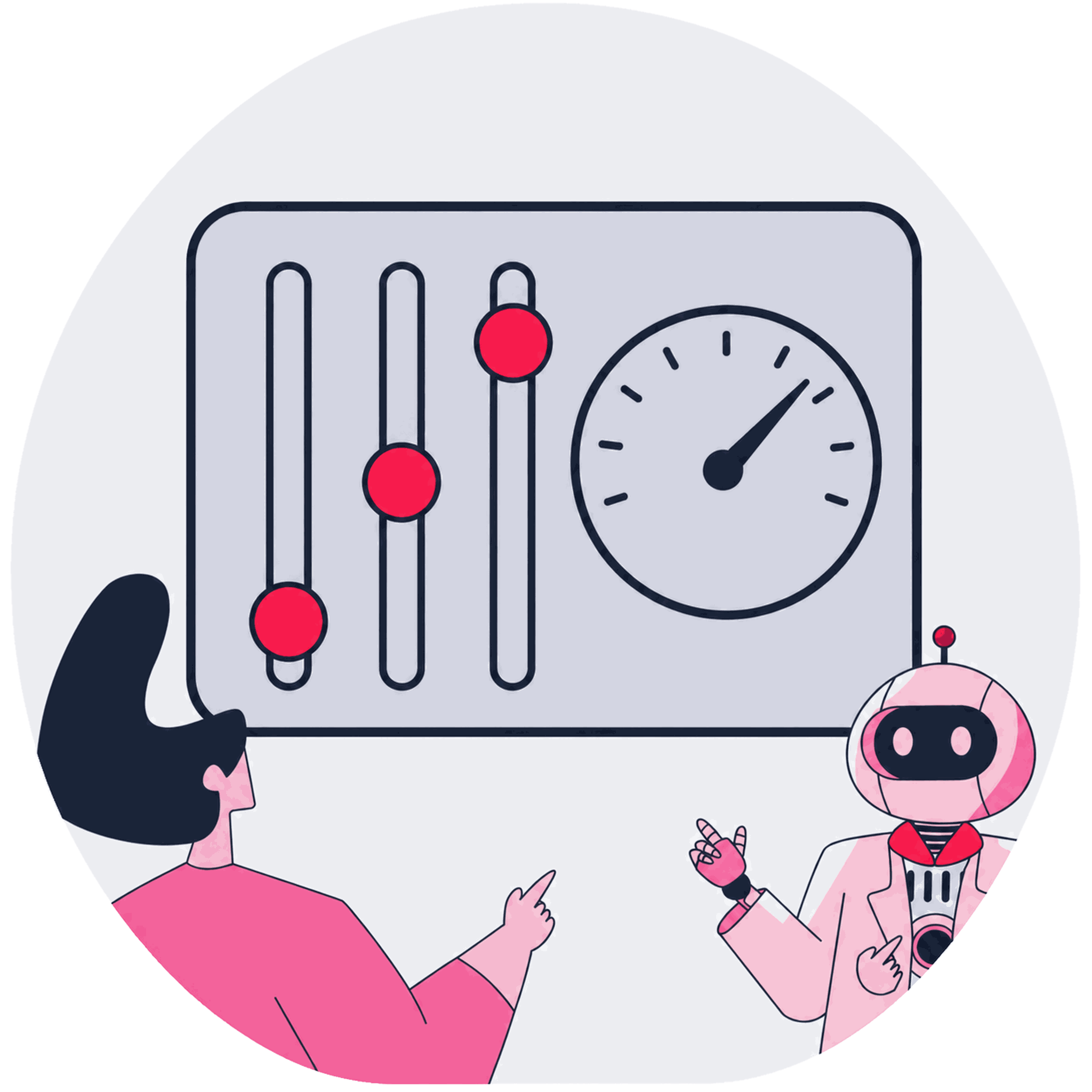

A parameter set before learning begins that influences how the training process works.
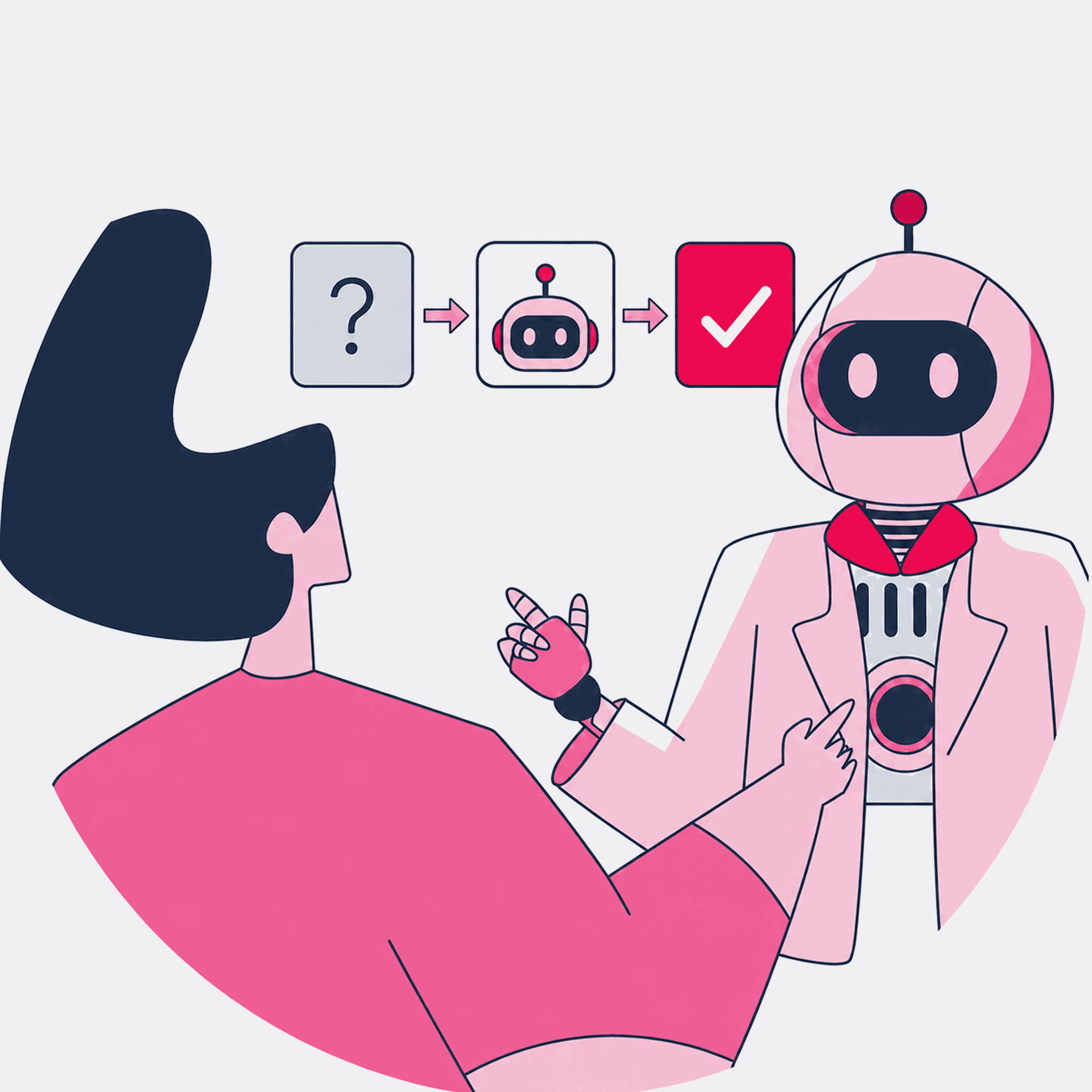

The phase in which a trained model makes predictions or decisions from new, unseen data.


The process of automatically extracting structured information from unstructured data such as text.


A variant of GPT trained to follow instructions in prompts and produce more specific responses.


The underlying purpose or goal a user wants to achieve with a query or statement.


A prompt crafted to make an aligned model produce output its safety training was meant to refuse.


The probability that two events happen at the same time in a probabilistic model.
A centralized repository of information that AI can use to provide answers or context.
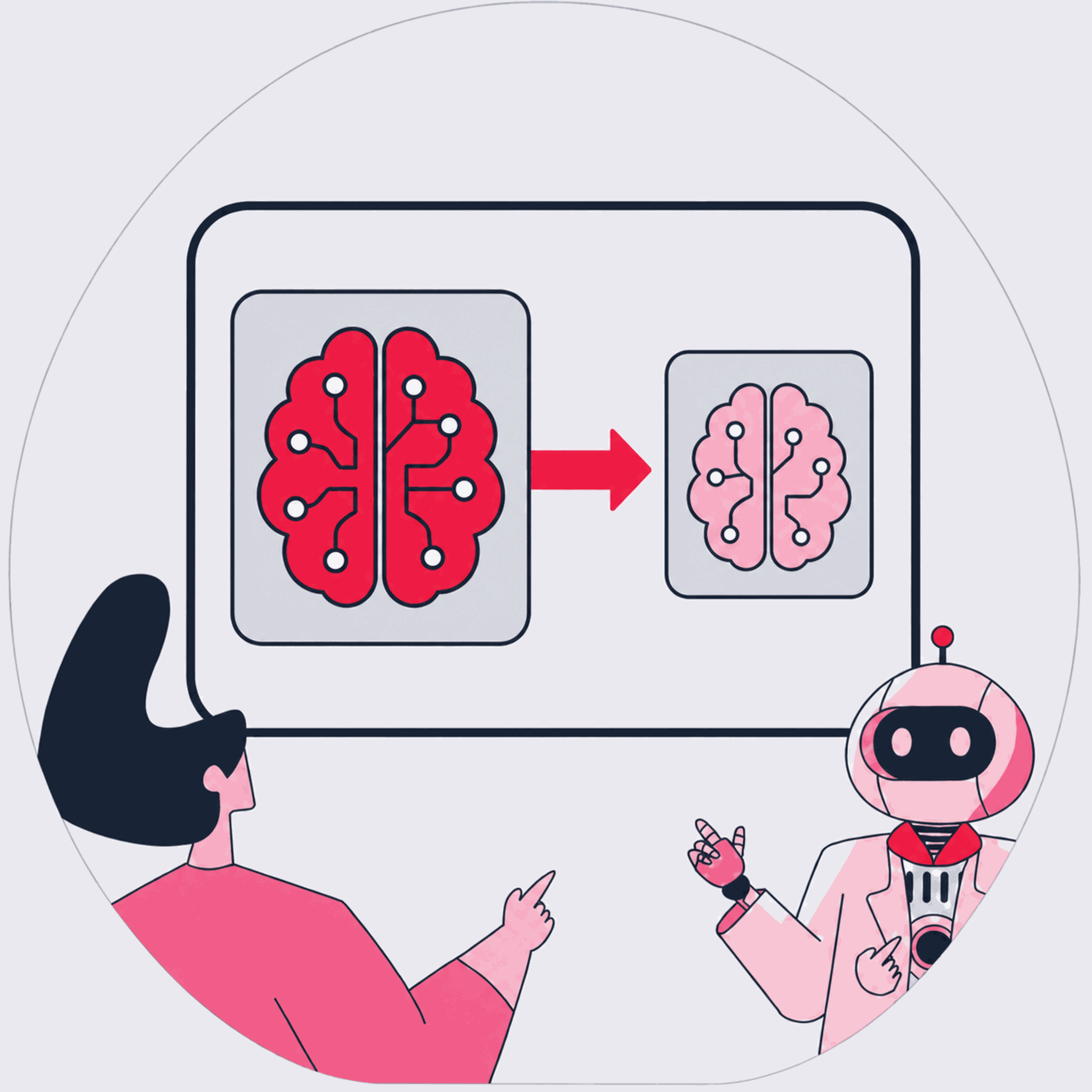
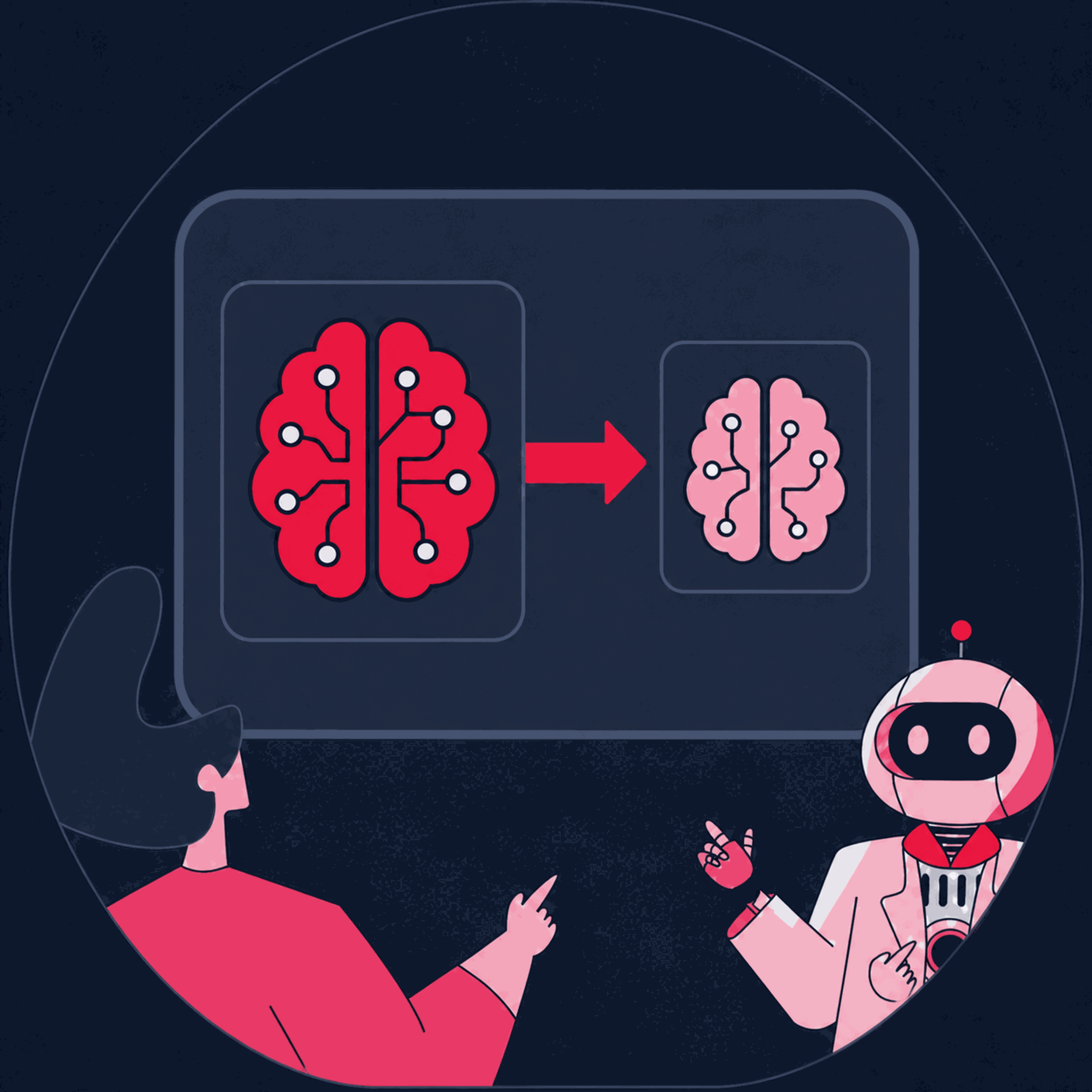
Training a small student model to reproduce the behaviour of a larger teacher model.
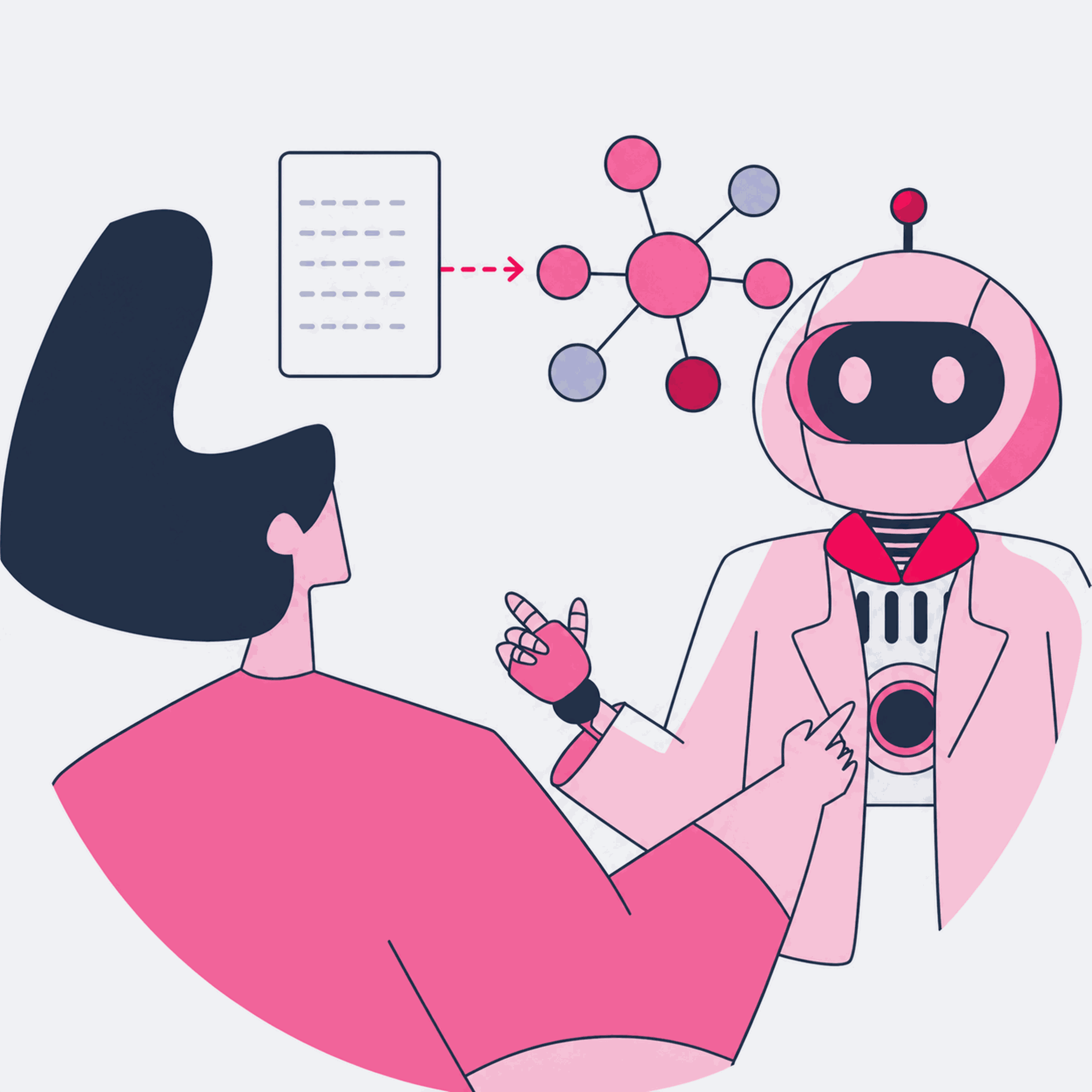

The way AI systems model, store, and retrieve knowledge to solve complex tasks.
The stored attention keys and values from earlier tokens that let a model generate the next token without recomputing the whole prompt.


A tag or annotation applied to data that indicates the correct output for supervised learning.


AI that understands, interprets, and generates human language based on statistical probabilities.


A large model trained on vast amounts of text data that can understand and generate text.


Hidden or unobservable variables that machine learning models infer from observable data.
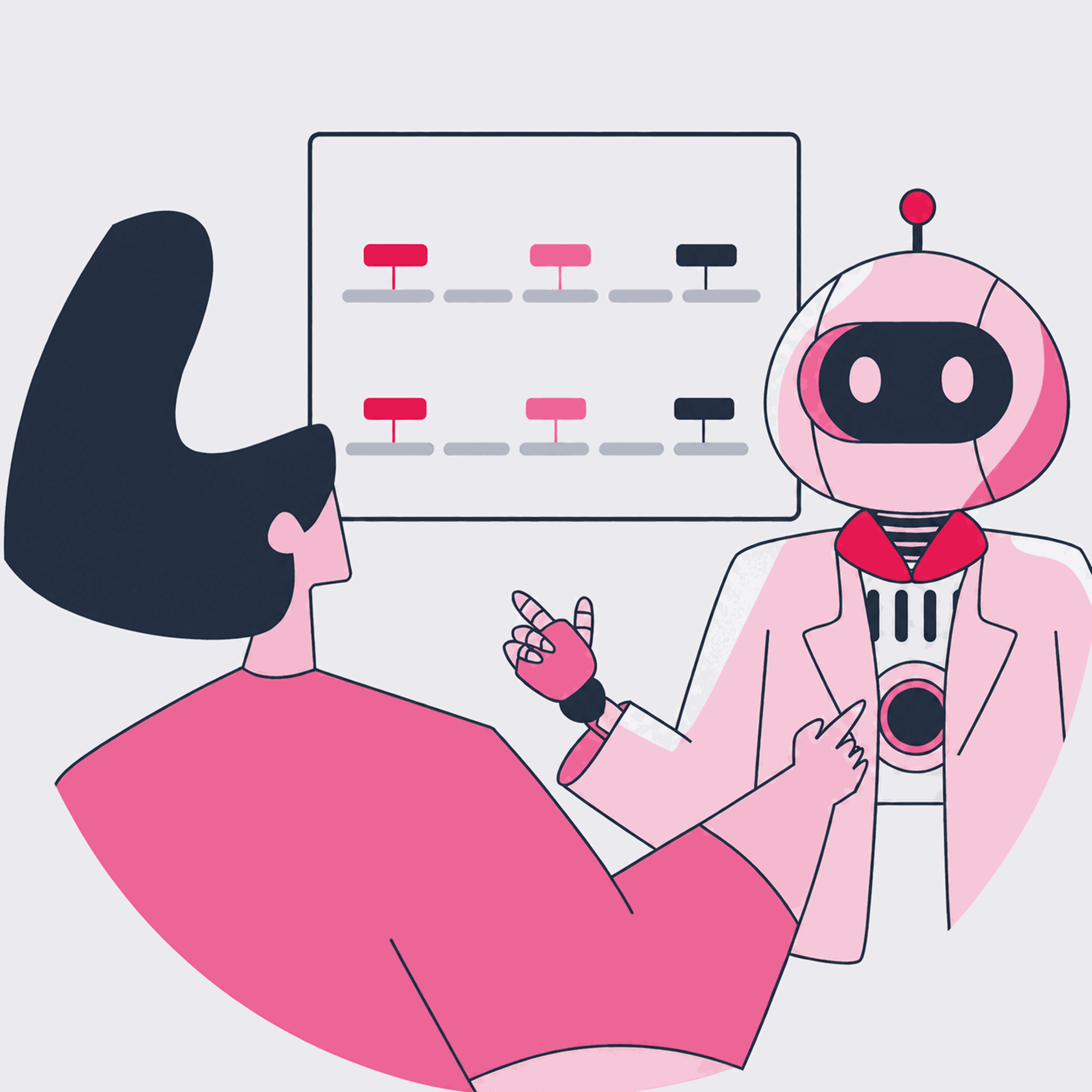

The process of adding metadata about linguistic features to text so it can be analyzed.
Using a language model to score or compare other models' outputs against a written rubric.
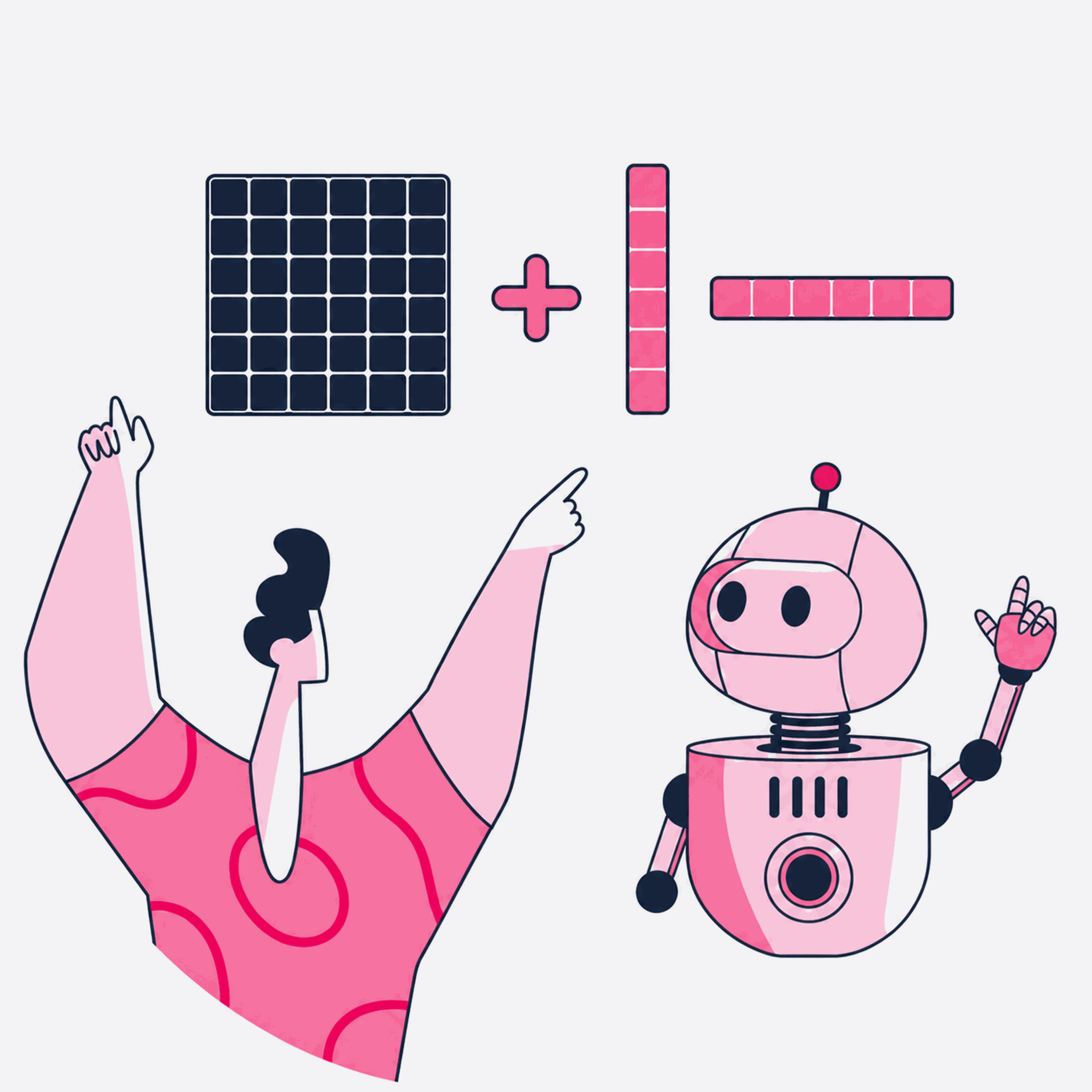

A technique for fine-tuning large models in a memory-efficient and computationally efficient way.
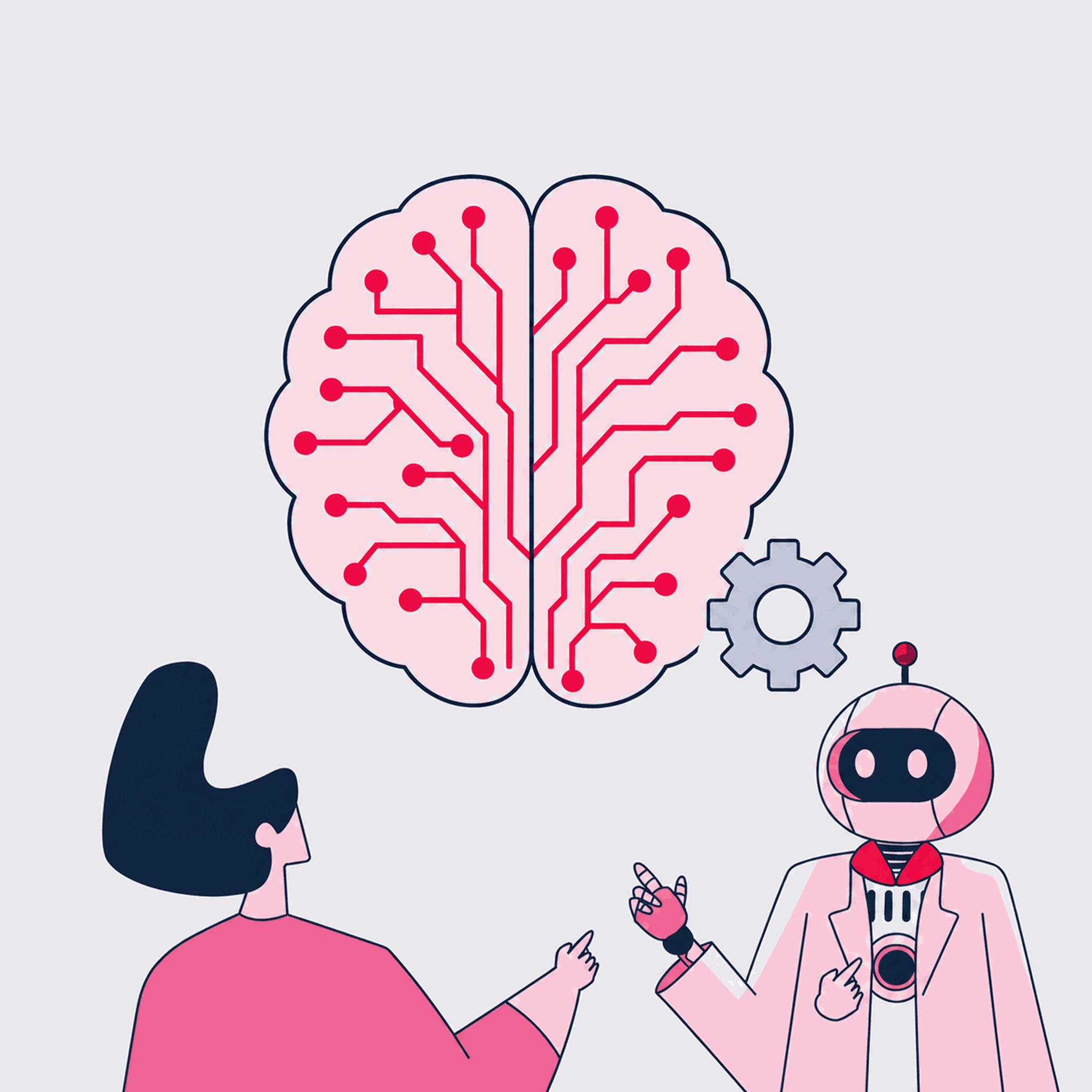
A broad term for the ability of machines to learn from data and perform tasks.

The science of getting computers to learn and act without being explicitly programmed.
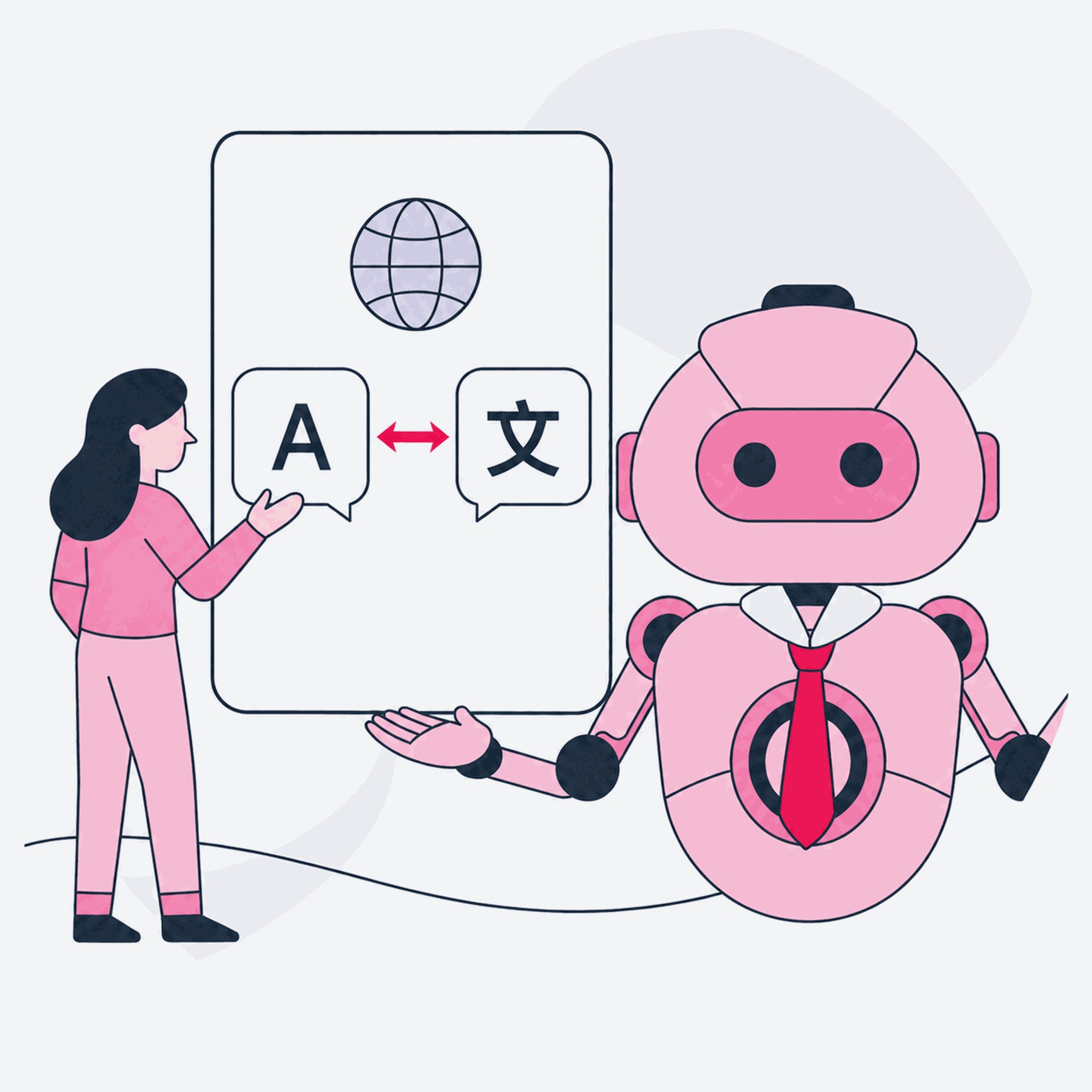
The use of software to automatically translate text or speech from one language to another.


A mathematical framework for modeling decision-making in situations with random outcomes.


A training technique in which some words in the input are hidden and the model predicts them.


The maximum amount of text or data a model can generate in response to a single prompt.
A model architecture that holds many specialised sub-networks and activates only a few of them per token.
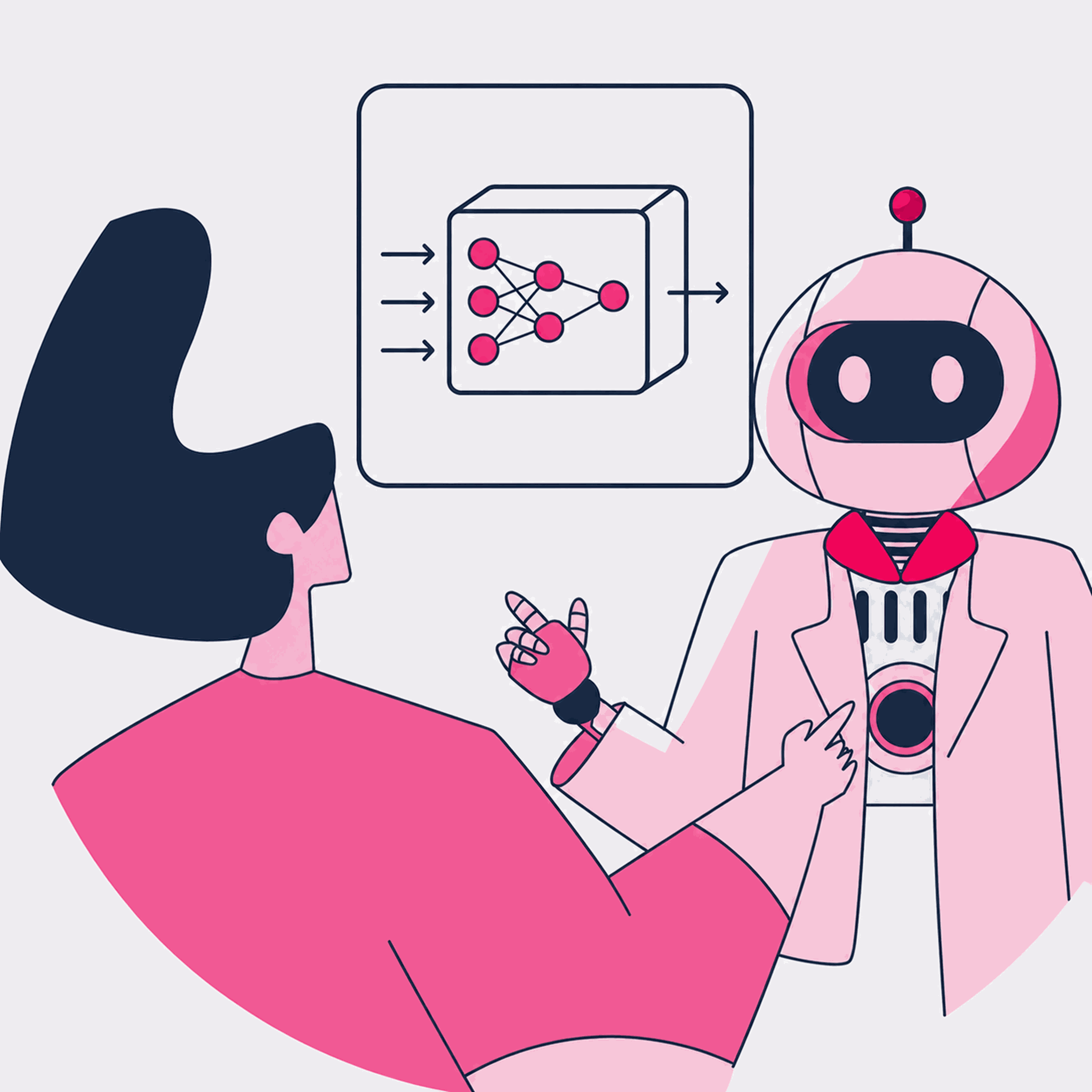

A mathematical representation of a real-world process that is trained with data to perform specific tasks.
The specific structure of a machine learning model, including how its layers and nodes are arranged.

A document that provides information about a machine learning model’s purpose and performance.


An open protocol that lets an AI model reach external tools, files, and data sources through one standard interface.
Sending each request to the cheapest model that can handle it, instead of sending everything to the largest one.
Tools that monitor and manage AI system behavior, ensuring it remains within guidelines.


AI systems that can process and interpret multiple types of data, such as text, images, and sound.
Conversations with multiple back-and-forth messages that require the system to track context.


Training one AI model on multiple tasks at the same time by leveraging what those tasks share.


The process of identifying and classifying key entities in text into predefined categories.


The use of AI to generate coherent, contextually relevant text from structured data.


The field of AI focused on how computers interact with humans through natural language.
The ability of AI to understand and interpret spoken or written human language.


A series of algorithms that mimic how the human brain recognizes relationships in data.


A reinforcement learning approach that learns optimal actions from a fixed dataset without further interaction with the environment.


Learning techniques in which a model uses one example or a small number of examples, respectively.


A model's ability to learn new information or a new task from a single example or a few examples.
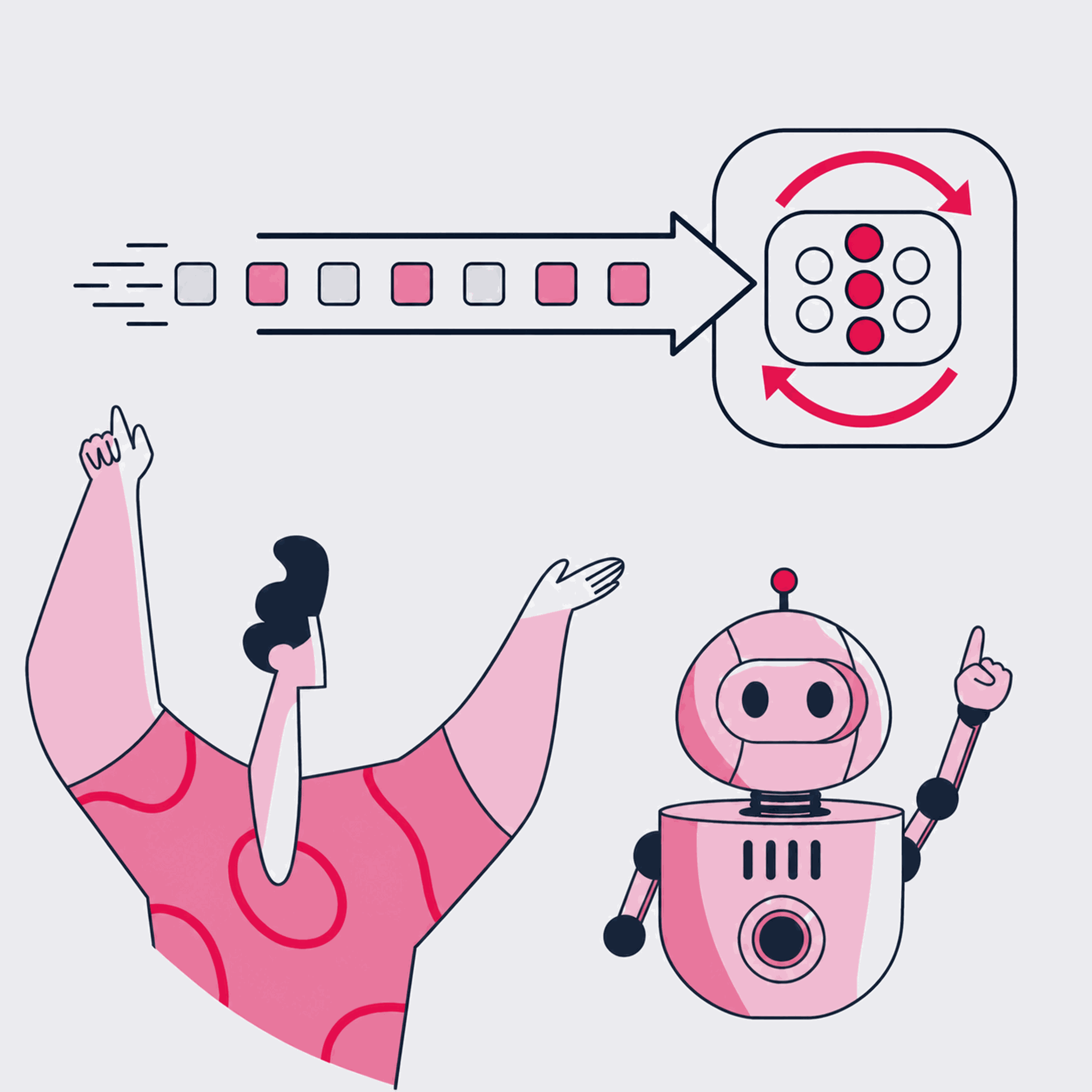
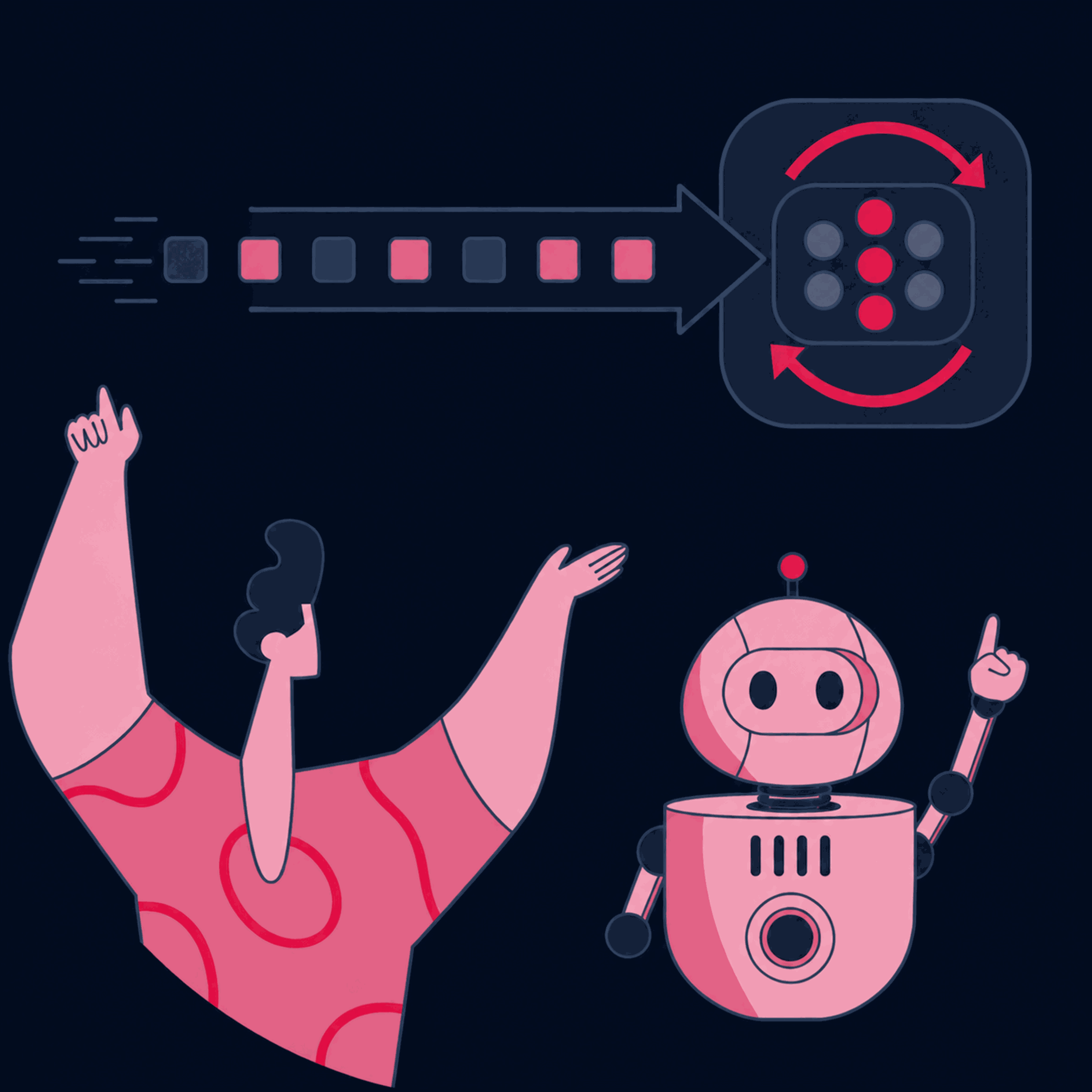
A training approach in which a model updates continuously as new data arrives.


An AI research lab focused on developing and promoting friendly AI for the benefit of humanity.
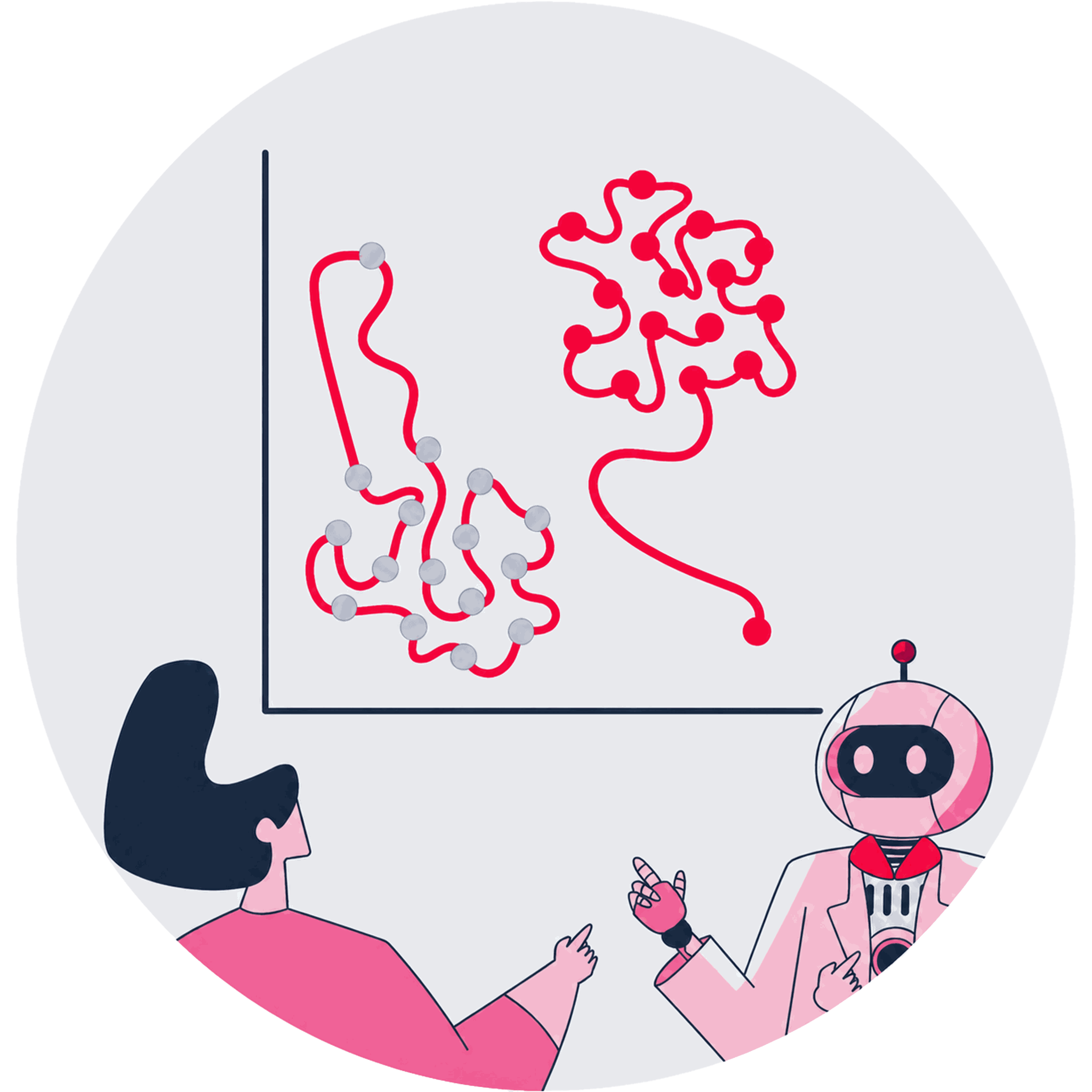
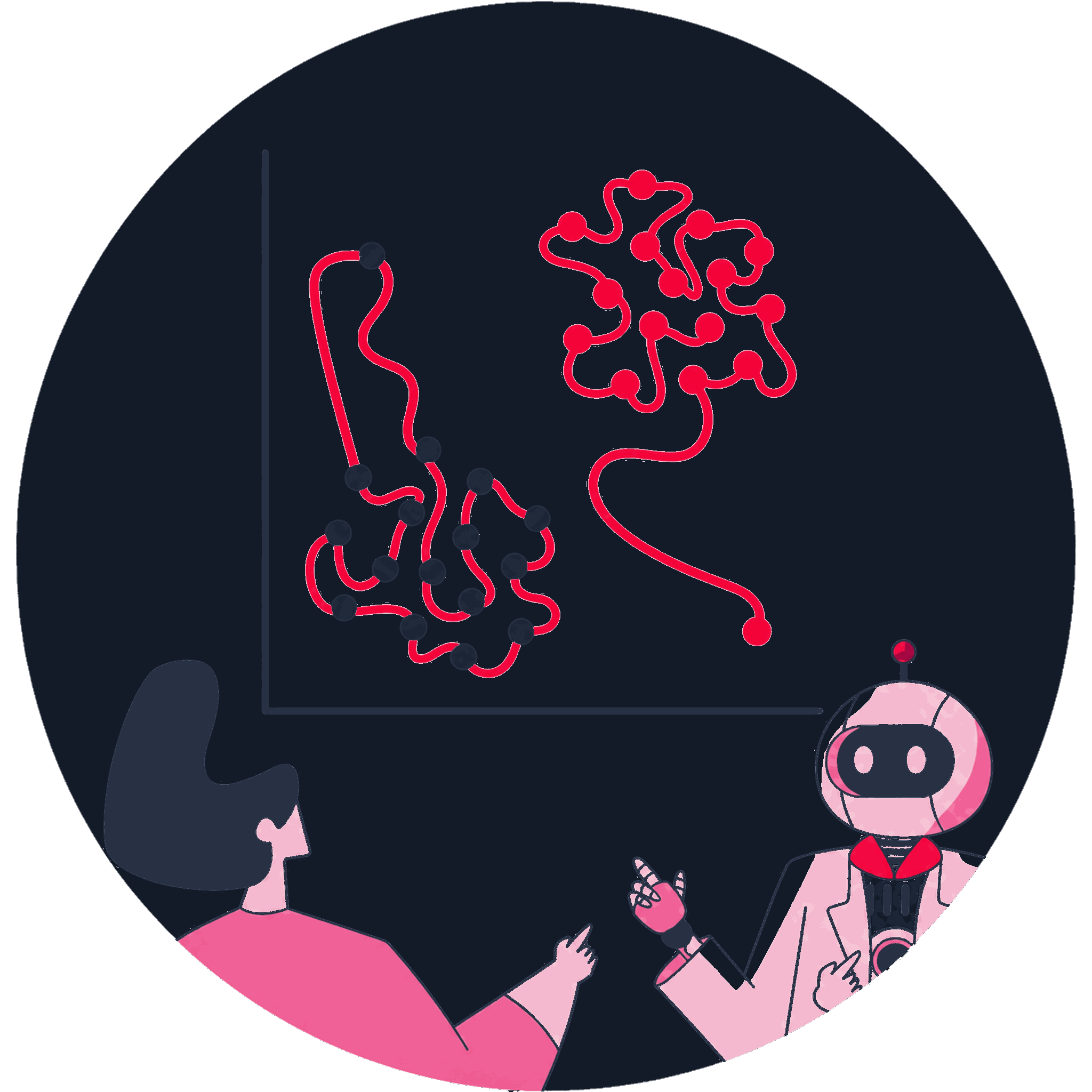
A machine learning error in which a model learns the details and noise in its training data too closely.
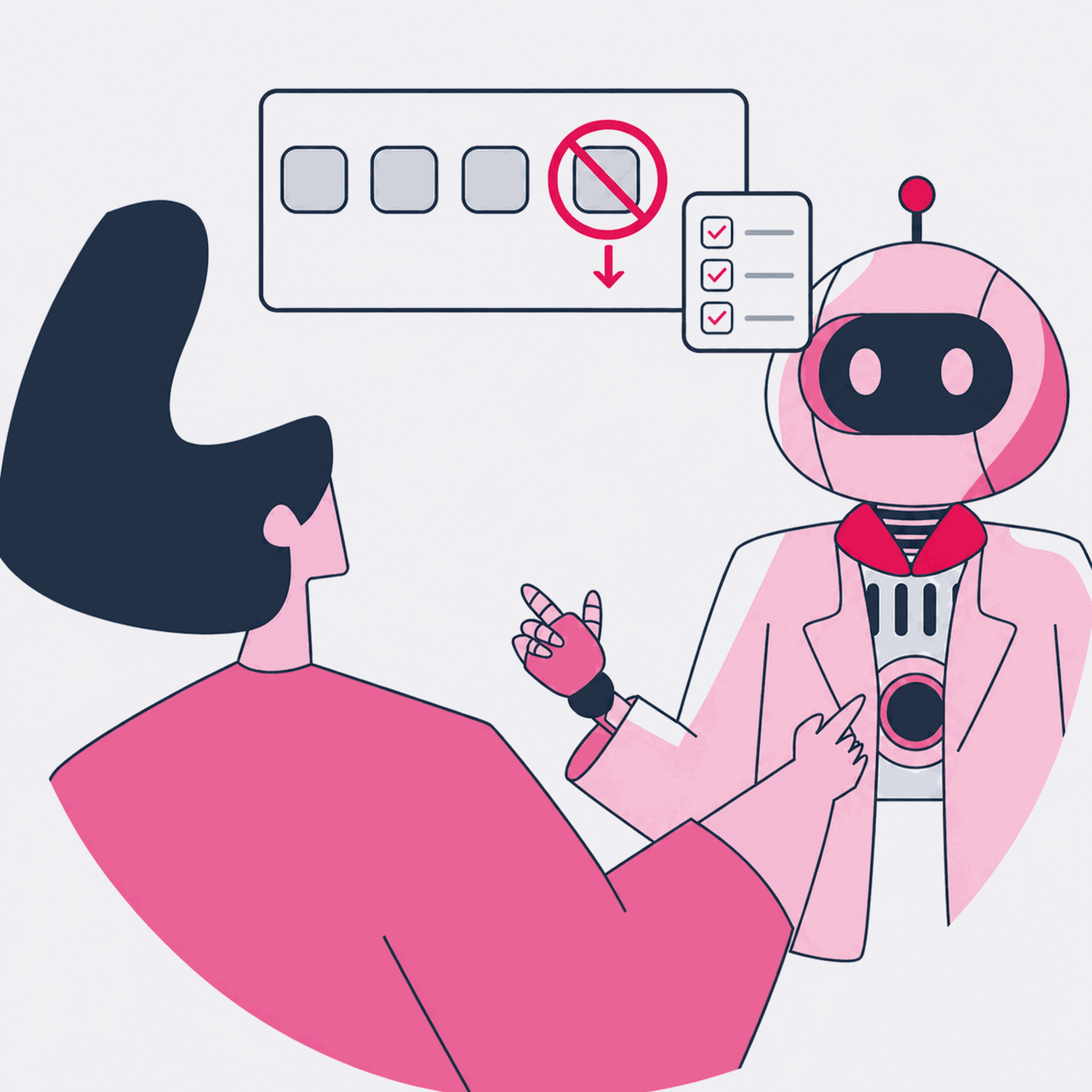

A technique that discourages repetitive or overly similar responses from generative AI models.
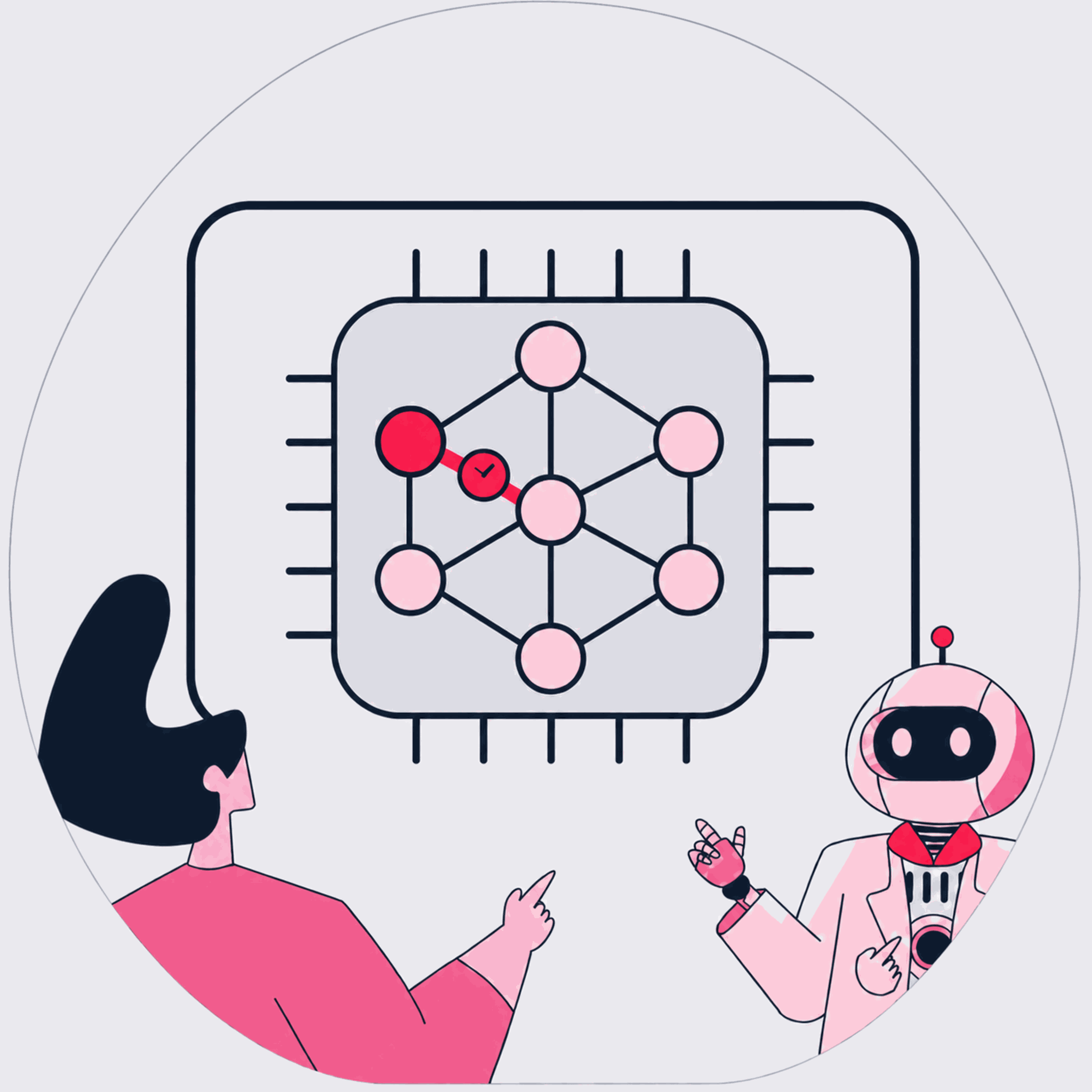

A model variable learned from training data that helps determine the model's output.


The process of labeling each word in a text with its corresponding part of speech.
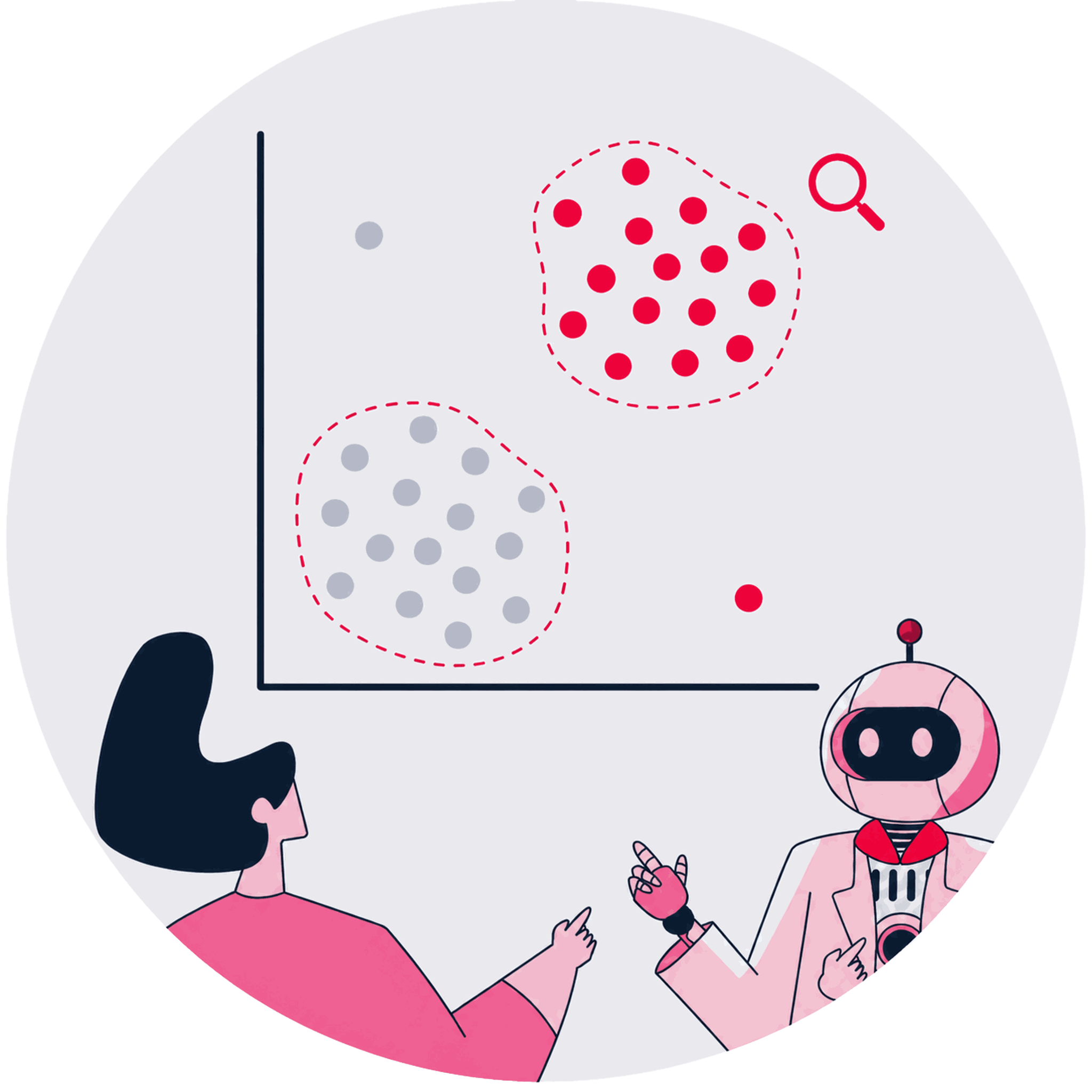

The automated detection of patterns and regularities in data using machine learning algorithms.
Software components that extend or enhance an AI system's or application's functionality.
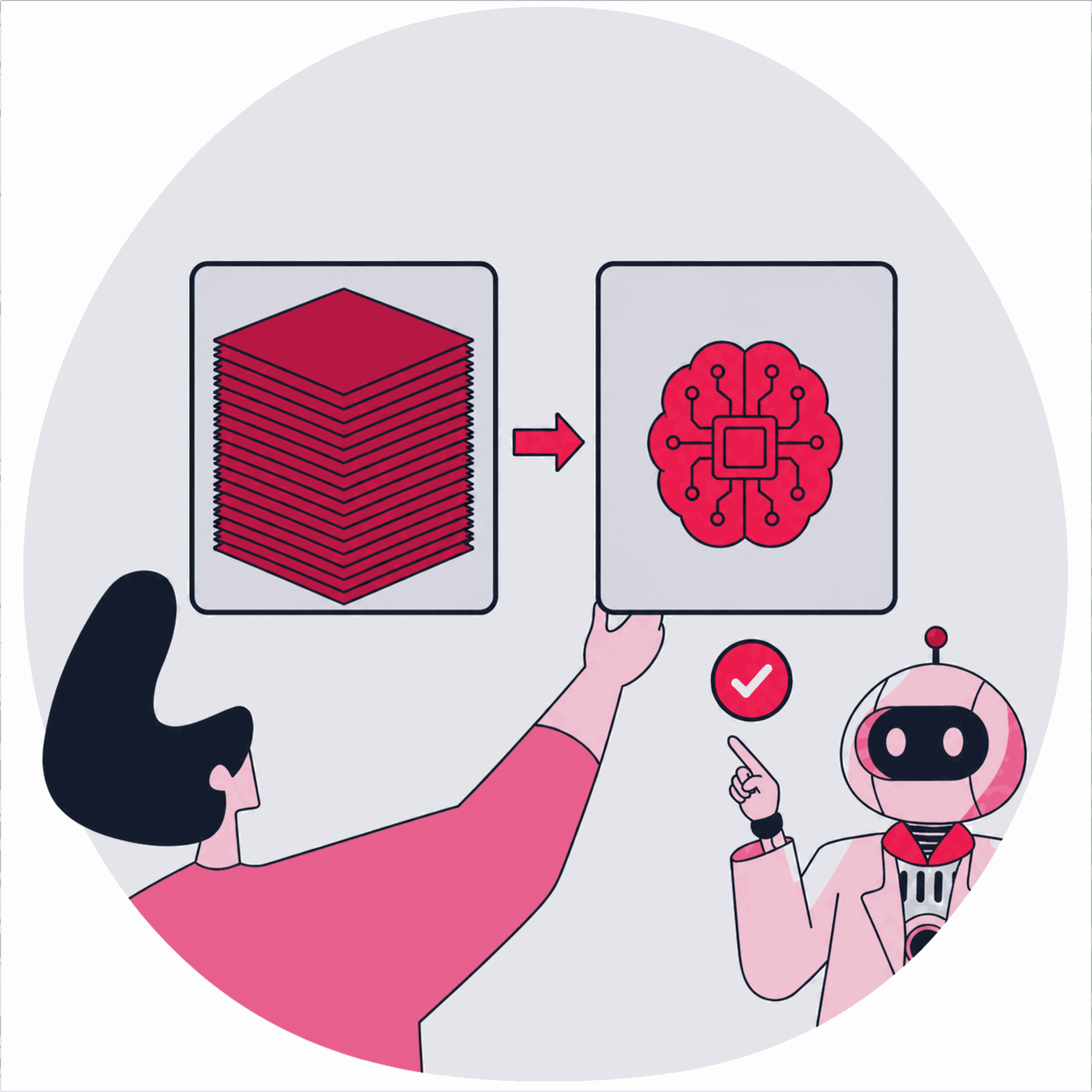
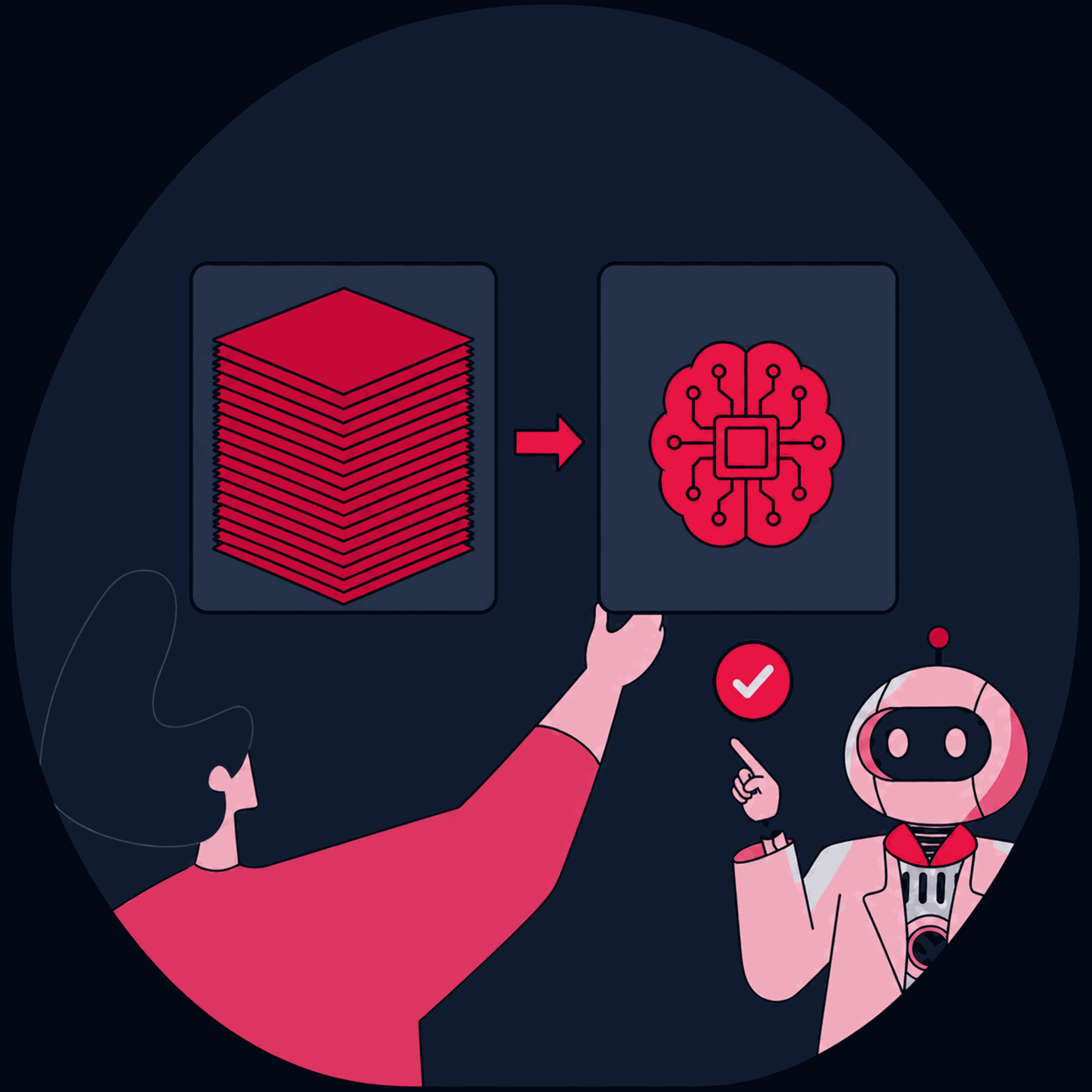
The initial phase in which a model learns from a large, general dataset before task-specific training.
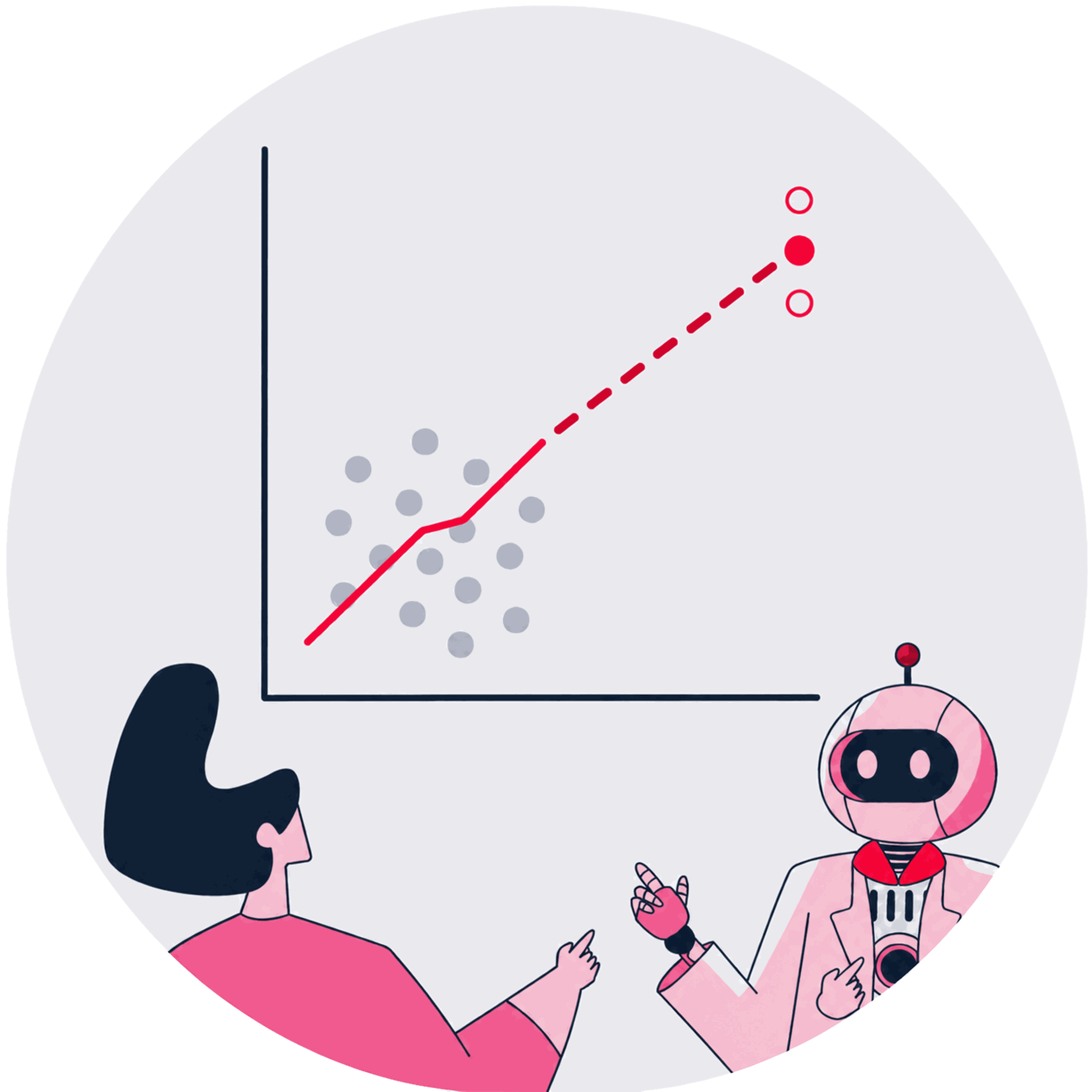
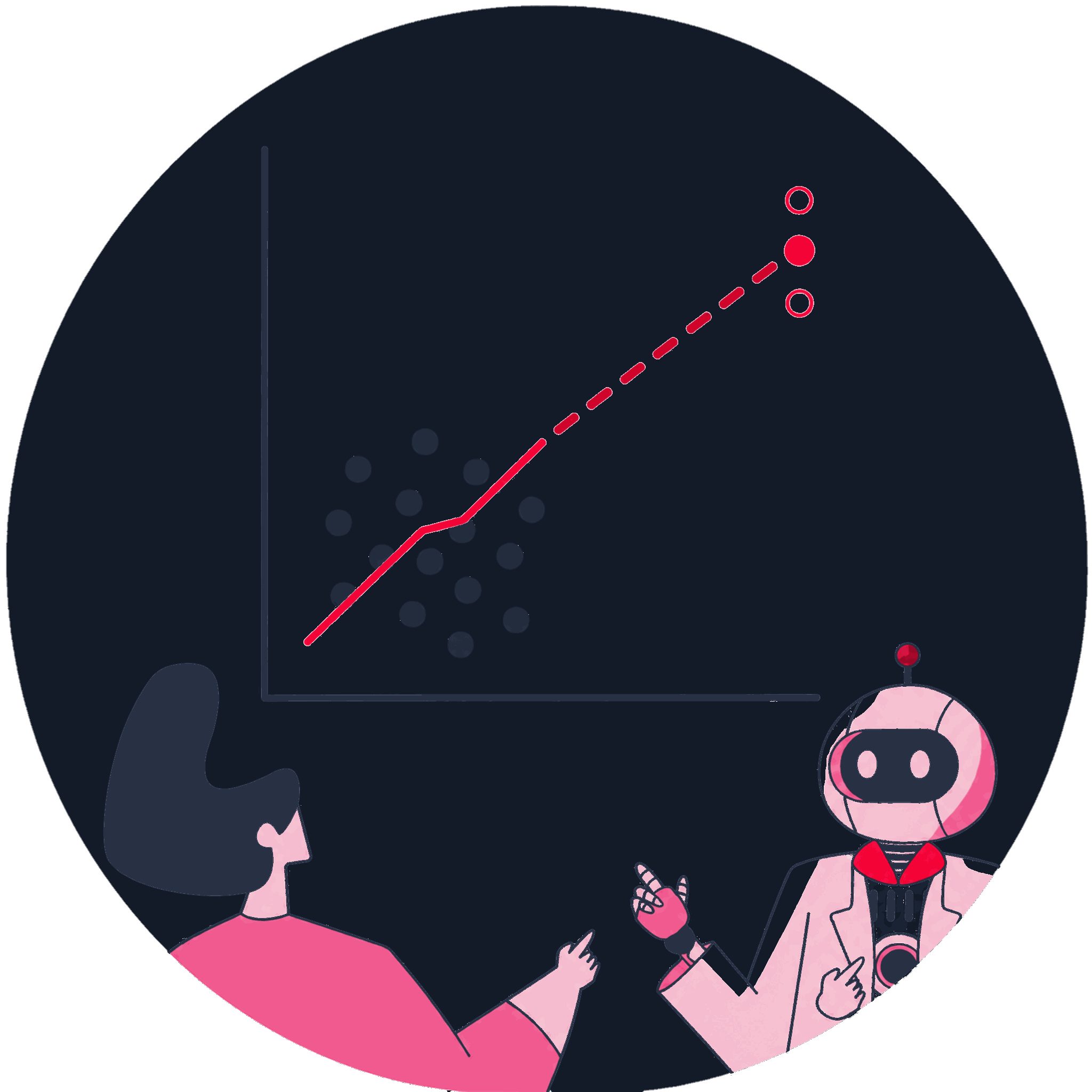
The use of data, statistical algorithms, and machine learning to estimate the likelihood of future outcomes.
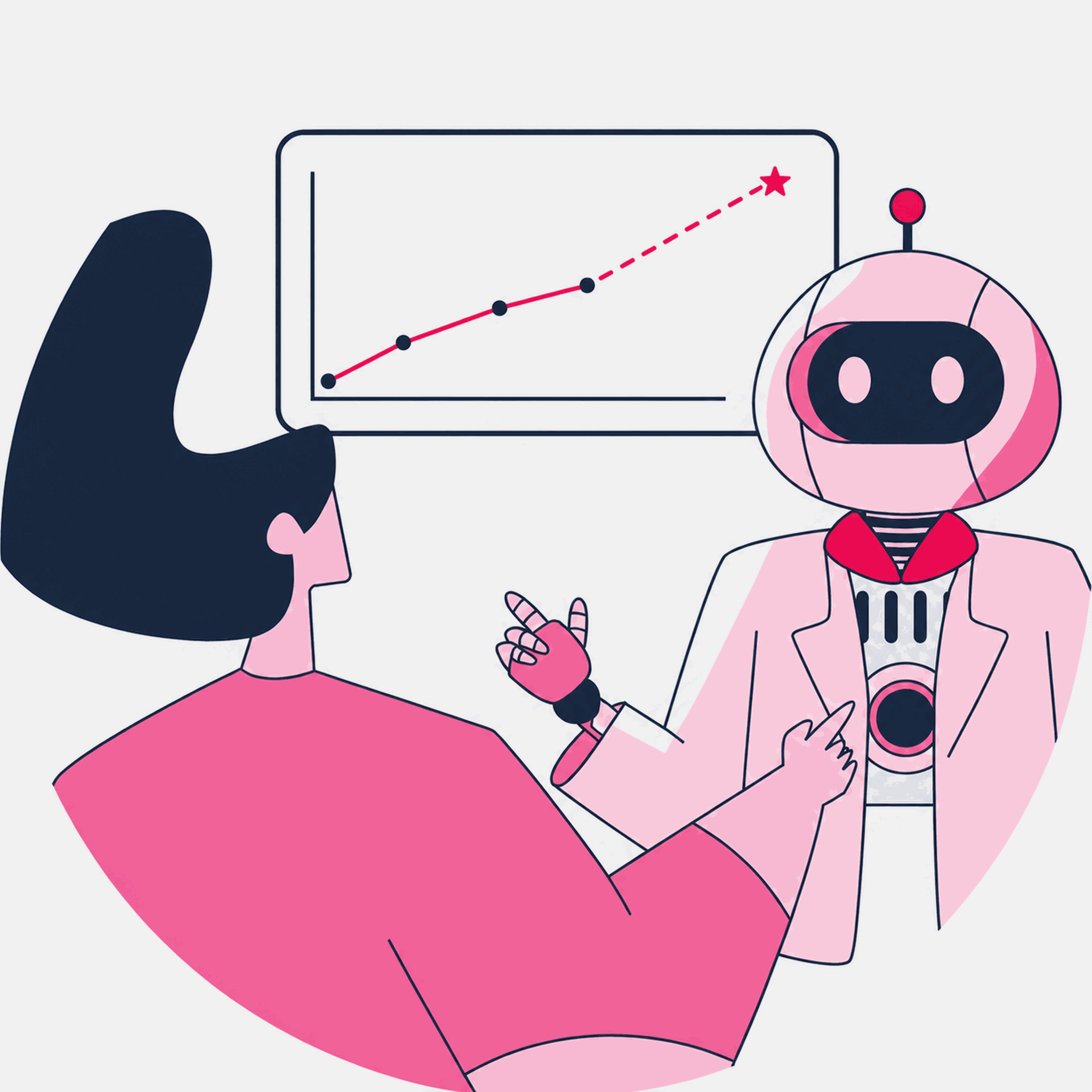

A model that predicts unknown future events from patterns found in historical data.


Text given to an AI model to elicit a specific type of response or output.
Reusing the computed attention state of a repeated prompt prefix instead of processing it again on every call.
The practice of crafting prompts that communicate effectively with AI models and elicit desired responses.
A technique that uses specially crafted inputs to influence or manipulate an AI system's behavior.
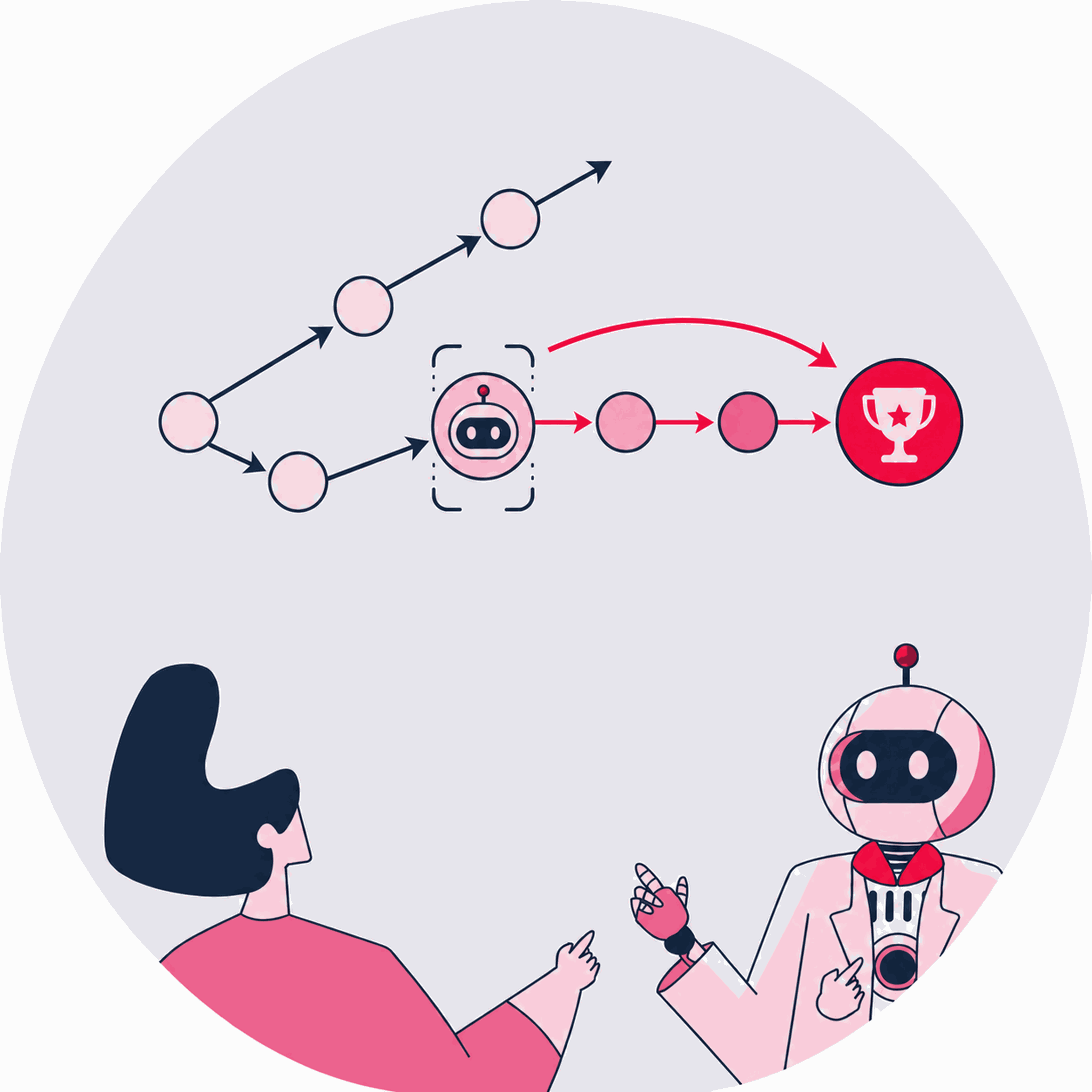

A reinforcement learning algorithm that balances exploration with exploitation during policy learning.


A high-level programming language known for clear, readable syntax and widely used in AI development.
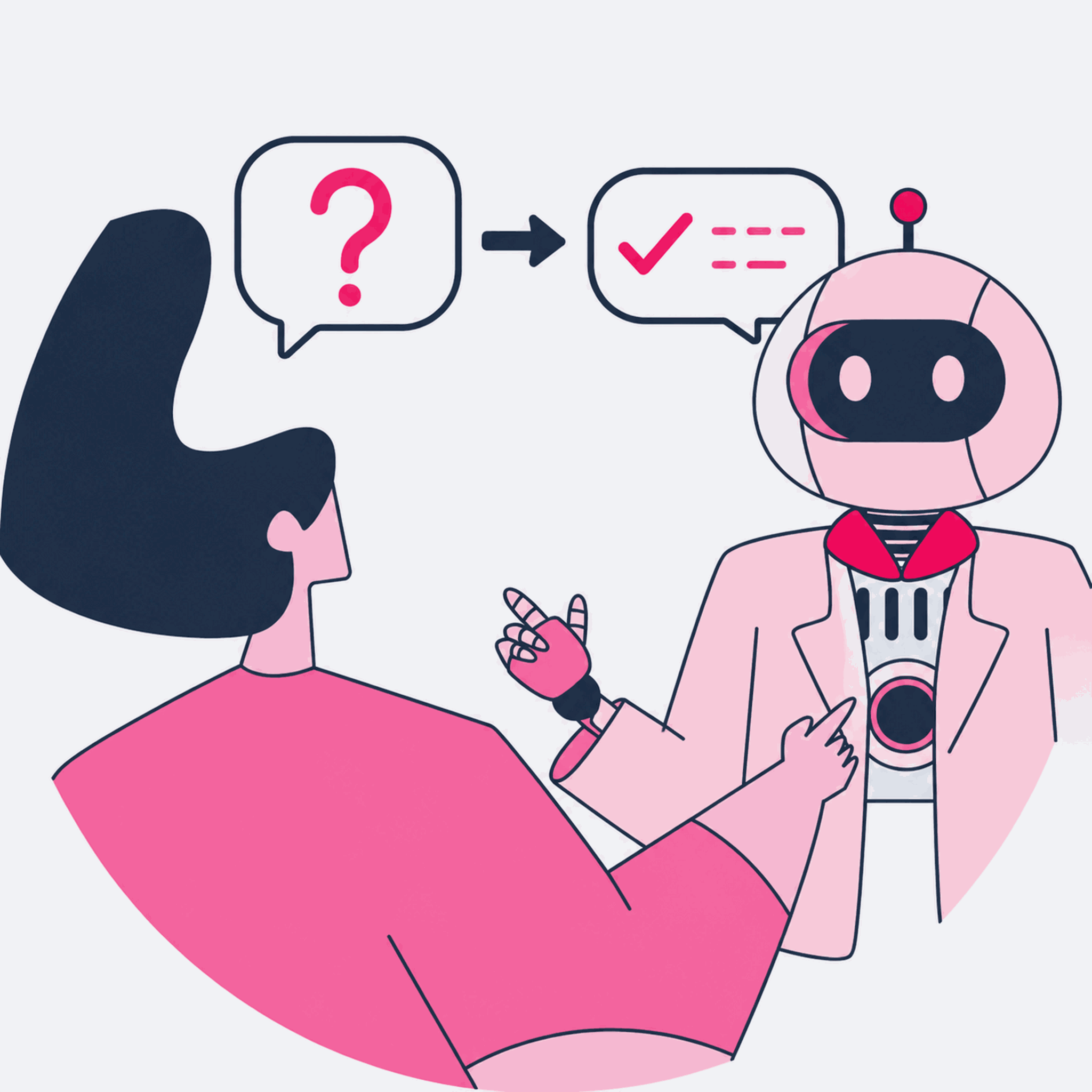
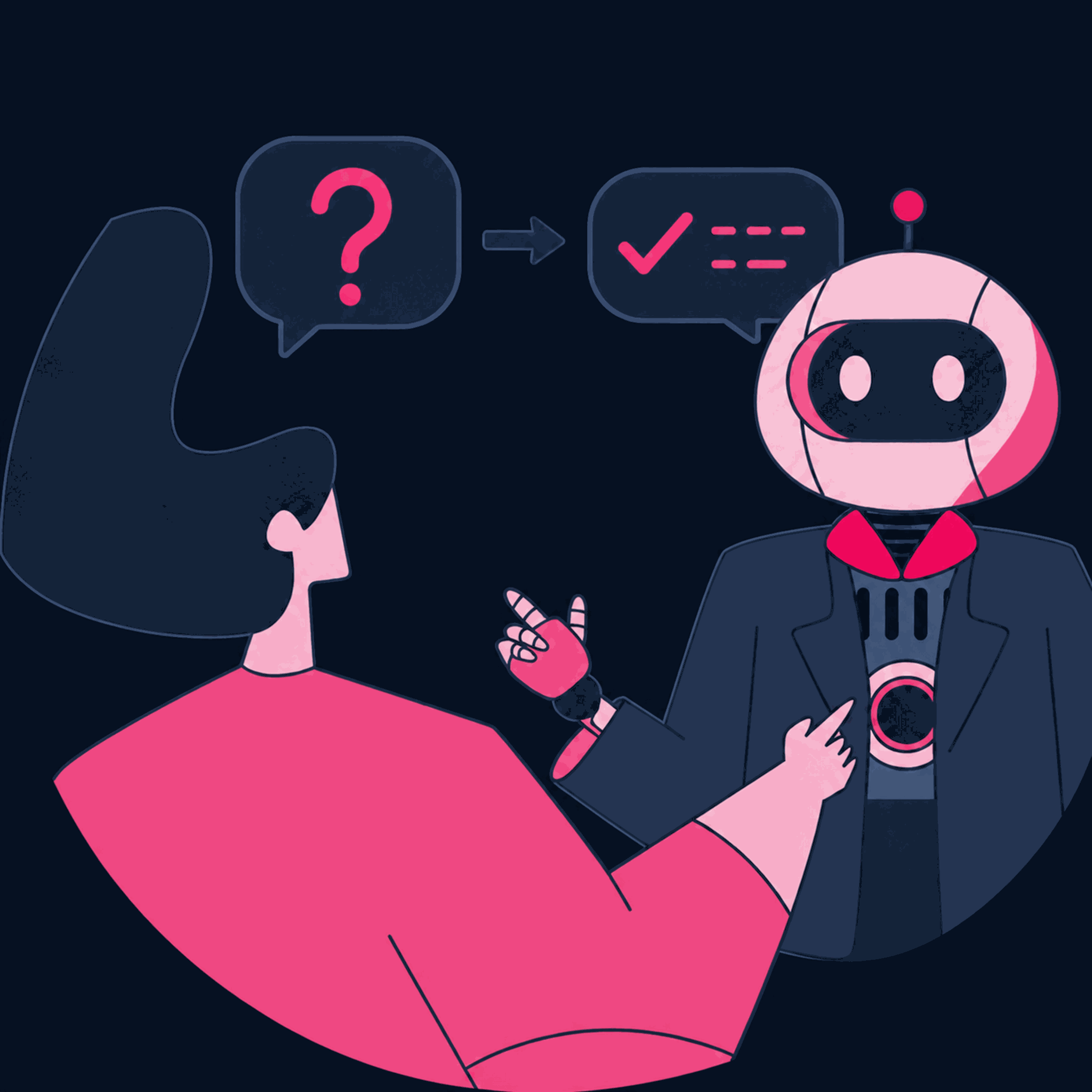
A system that automatically answers questions people ask in natural language.
Storing model weights at lower numeric precision so the model needs less memory and runs faster.

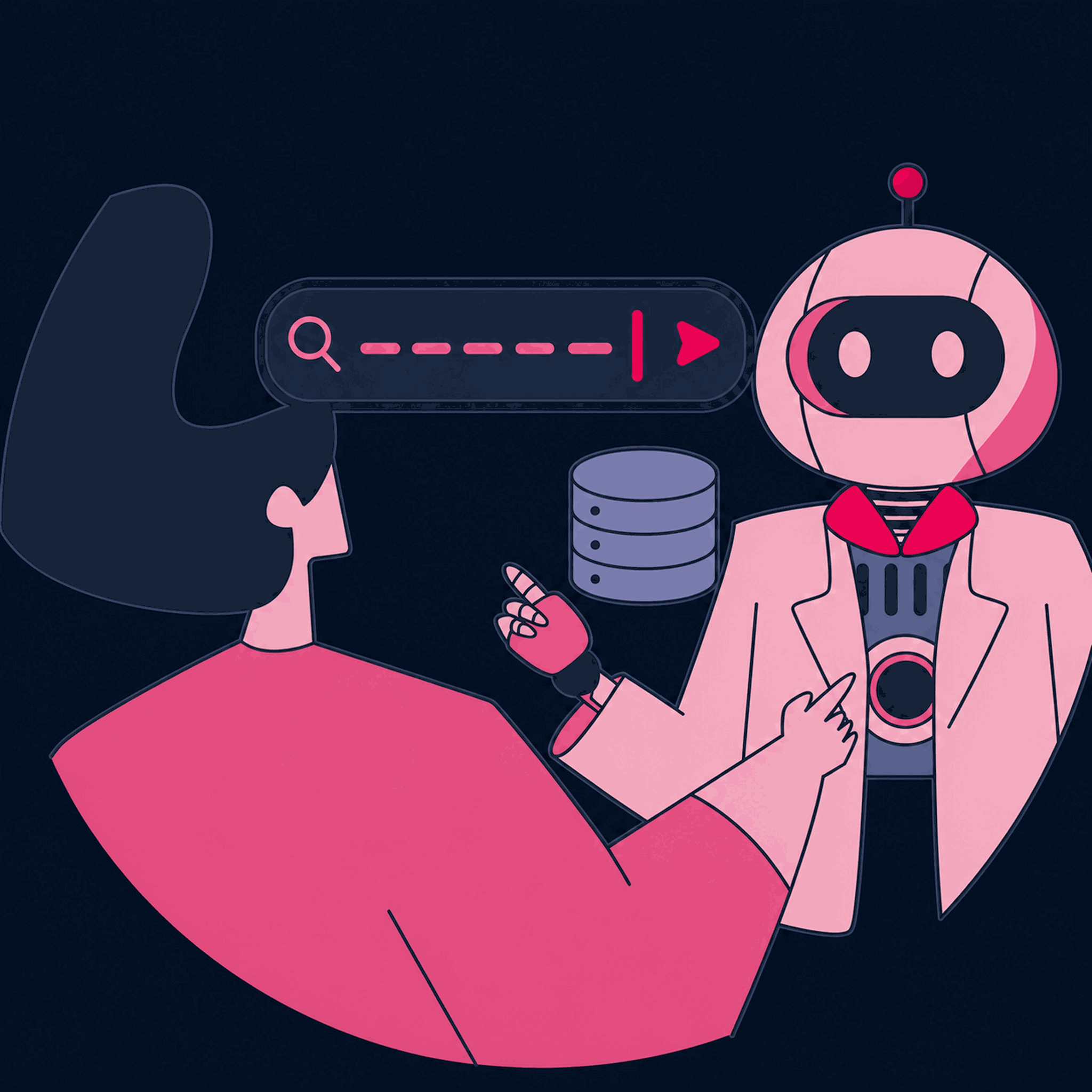
A request for information or an action sent to a database, search engine, or AI model.
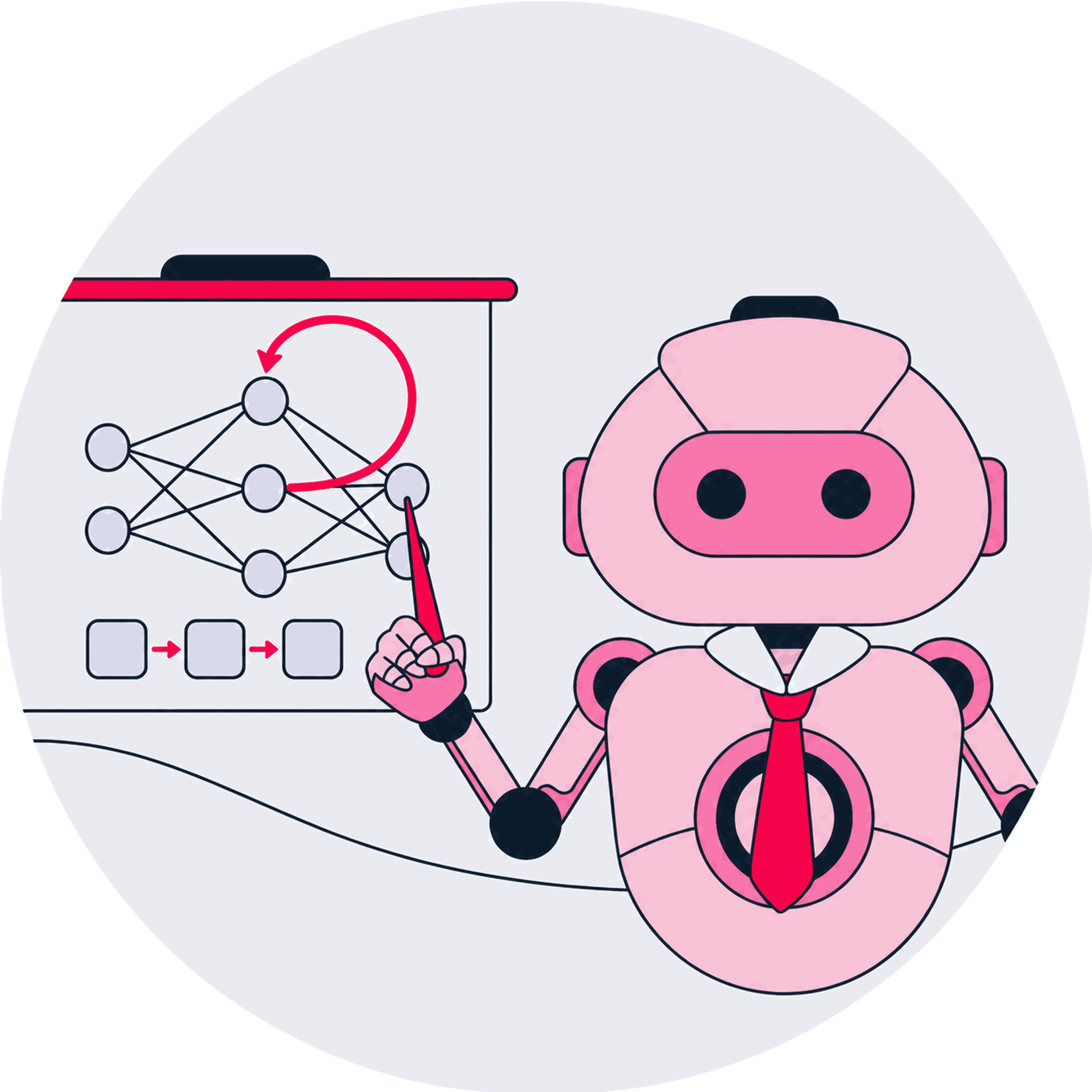

A neural network designed to process sequential data such as text or time series.
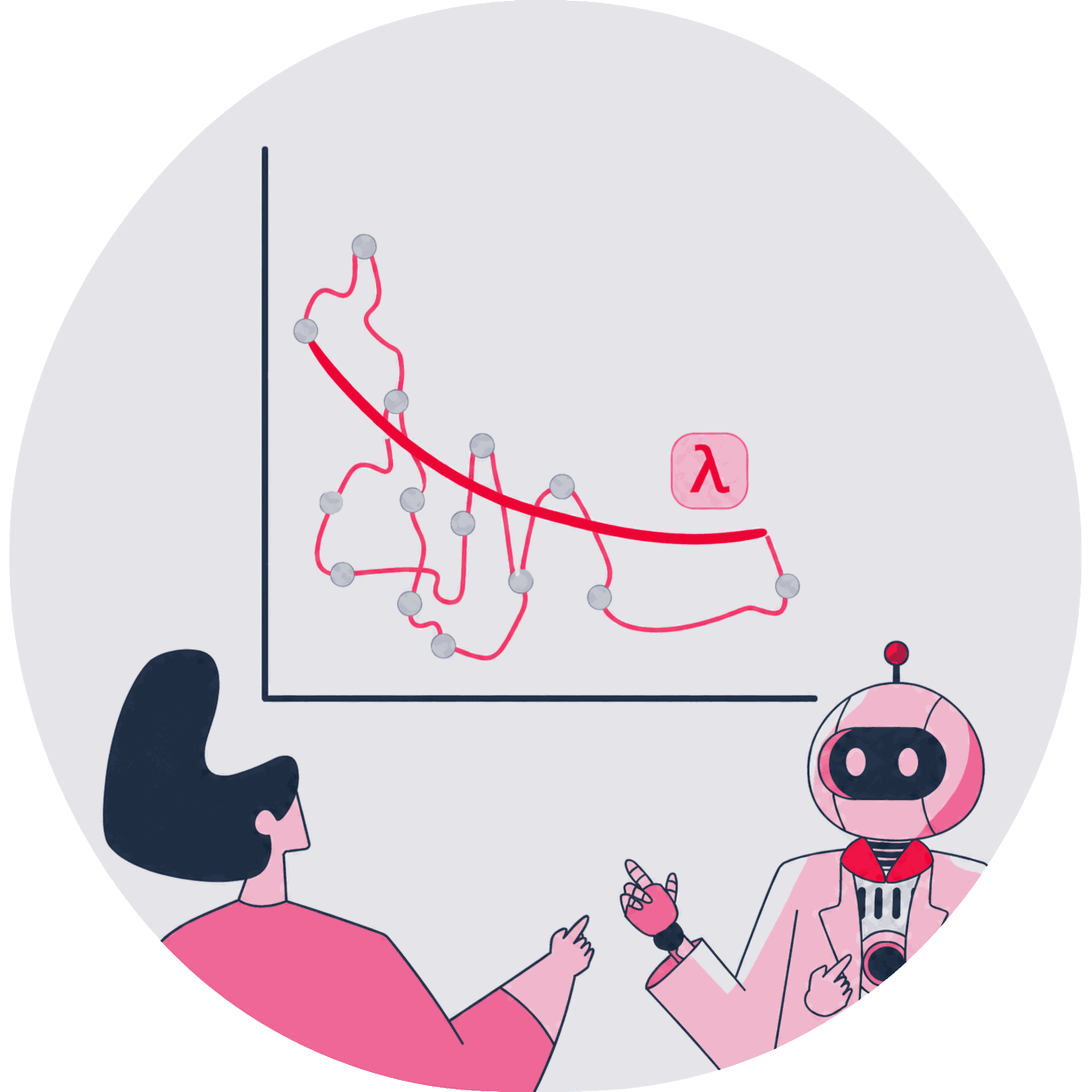
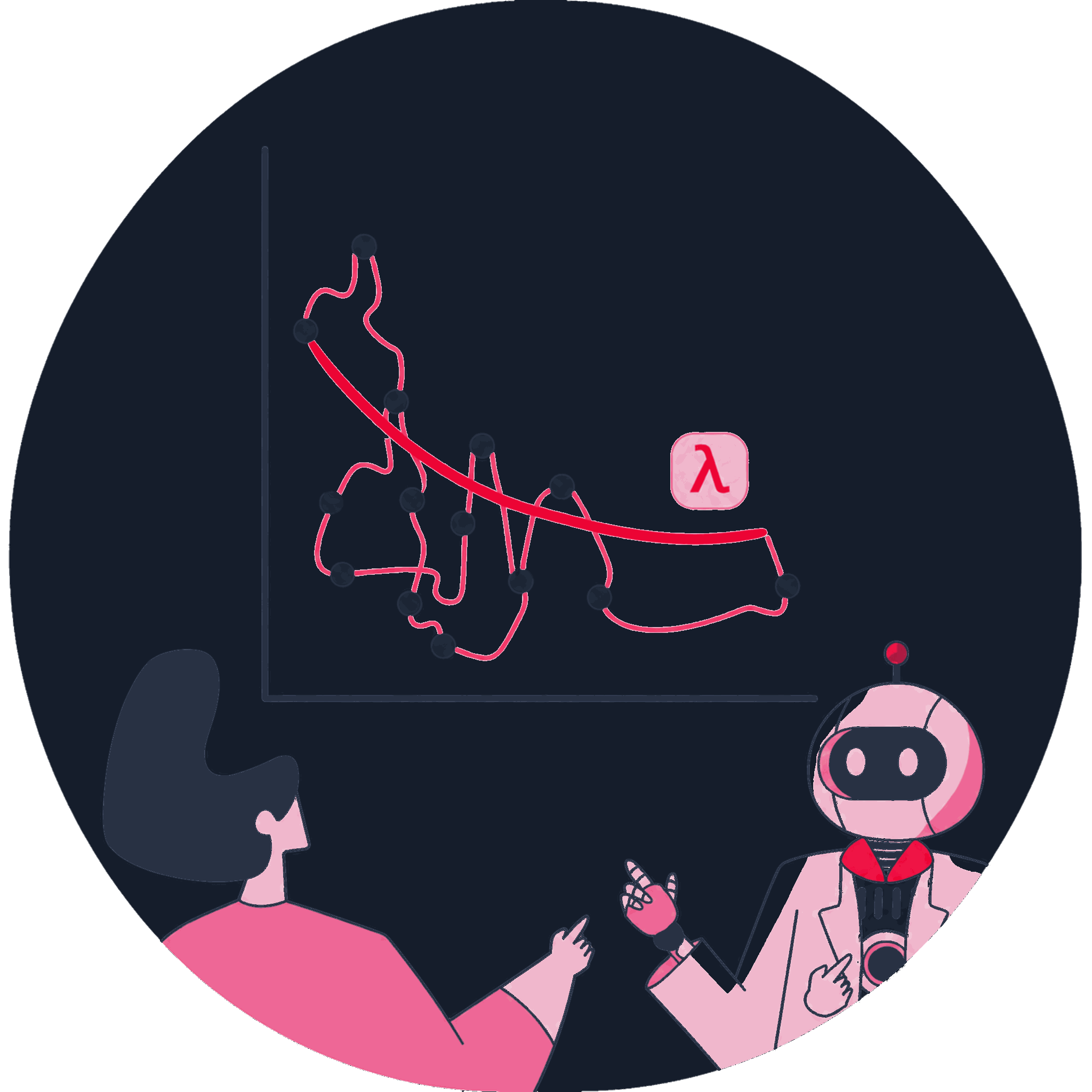
Techniques that help prevent overfitting by penalizing model complexity during training.


A type of machine learning in which an agent learns decisions by acting in an environment to earn rewards.
A training approach that refines models using feedback from human evaluators.
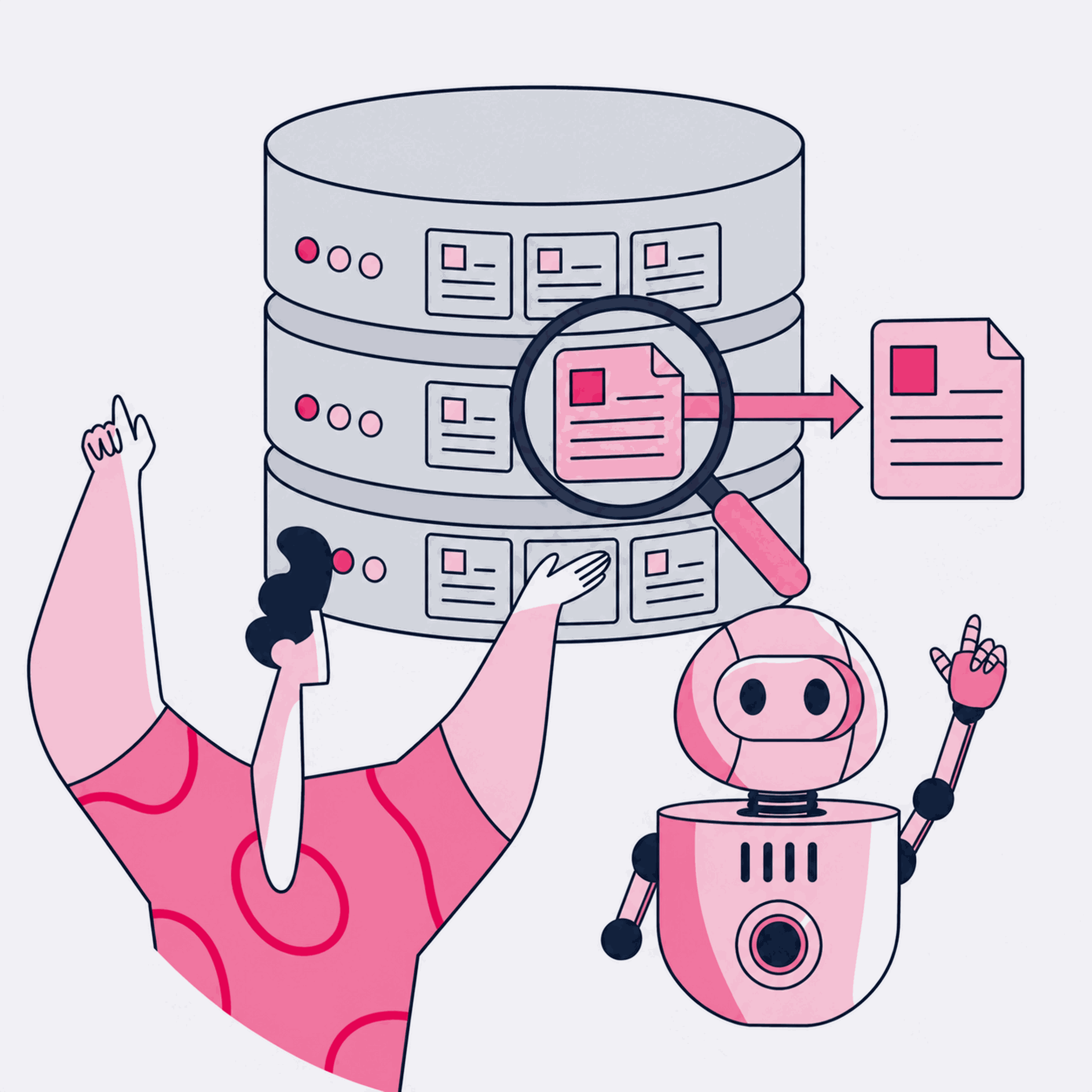
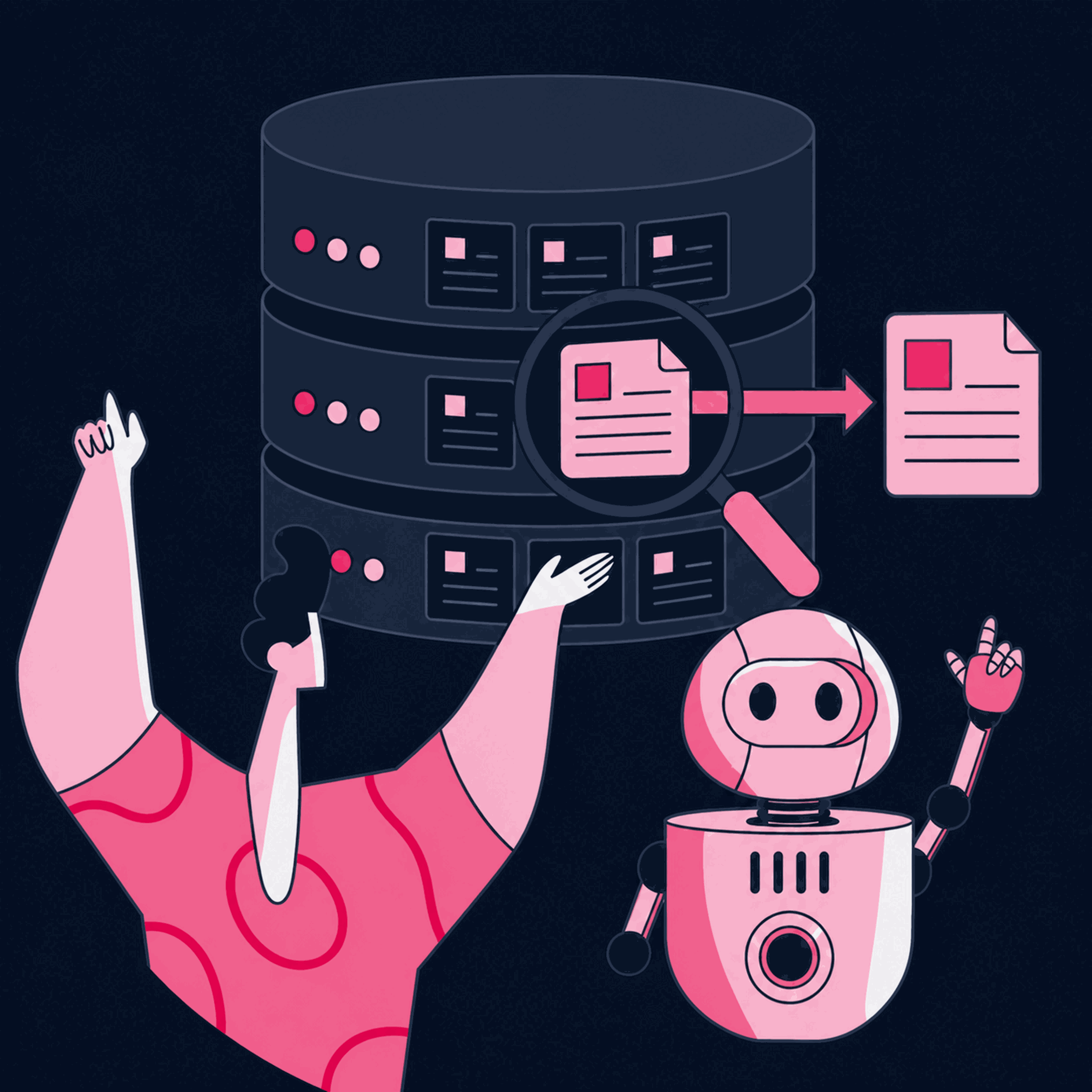
A second scoring pass that reorders retrieved documents by relevance before they reach the model.


A measure of how well an AI system's responses meet standards for relevance, coherence, and accuracy.
An approach that combines relevant retrieved information with generative models to produce informed responses.
A model that retrieves relevant information from a large dataset to support decisions or responses.
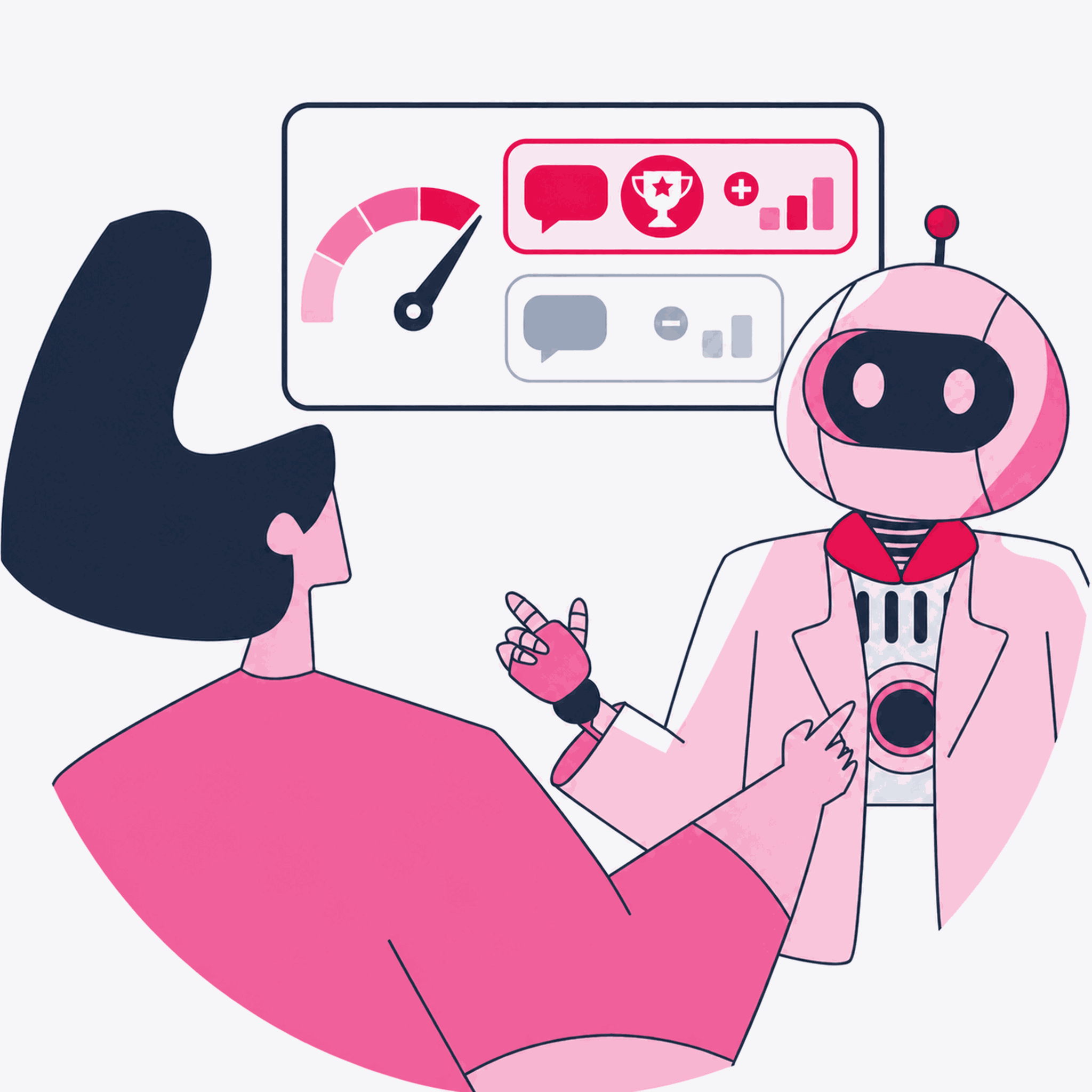

Models that evaluate possible actions or responses in reinforcement learning to guide learning toward desired outcomes.


An isolated testing environment for untested code and experiments that does not affect production.
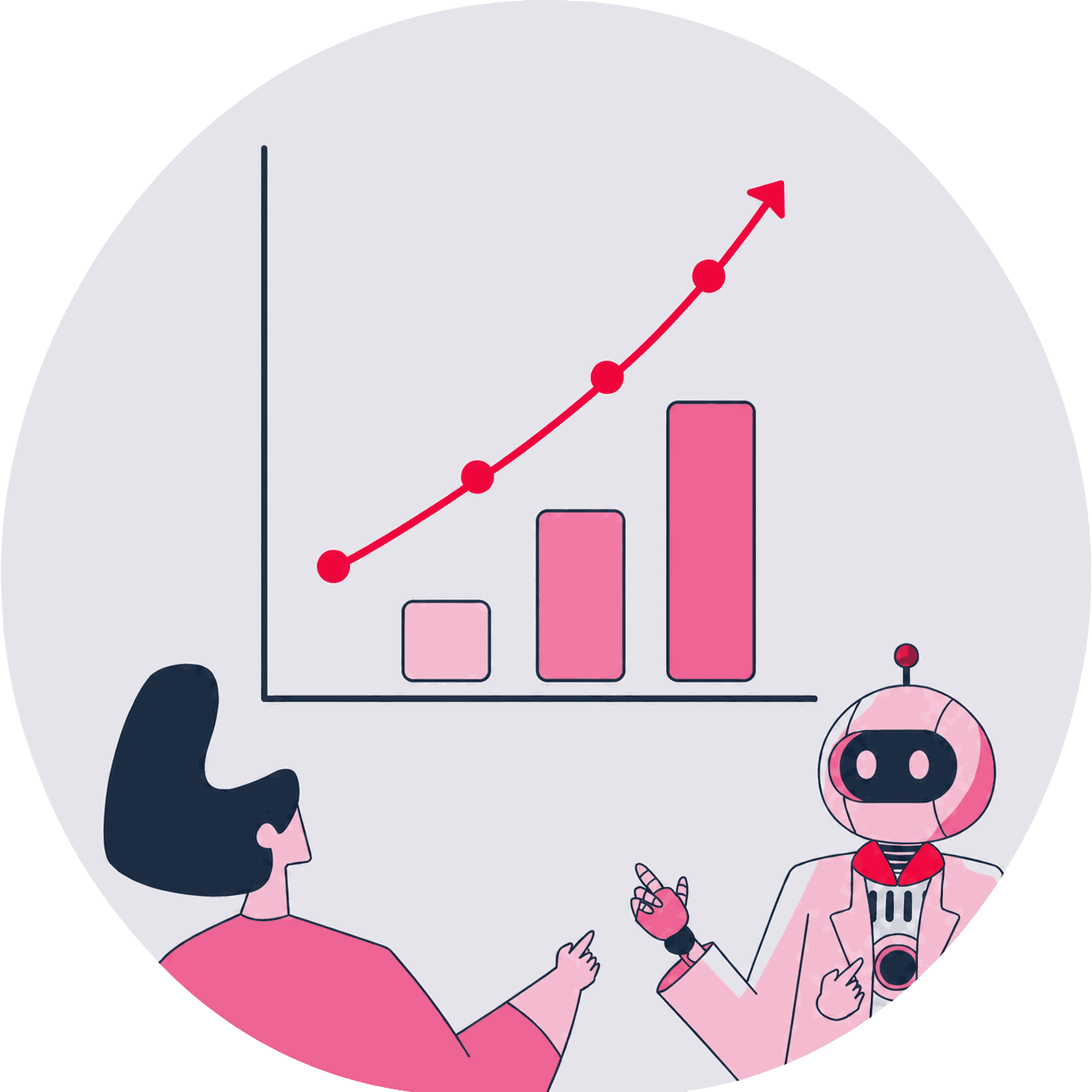
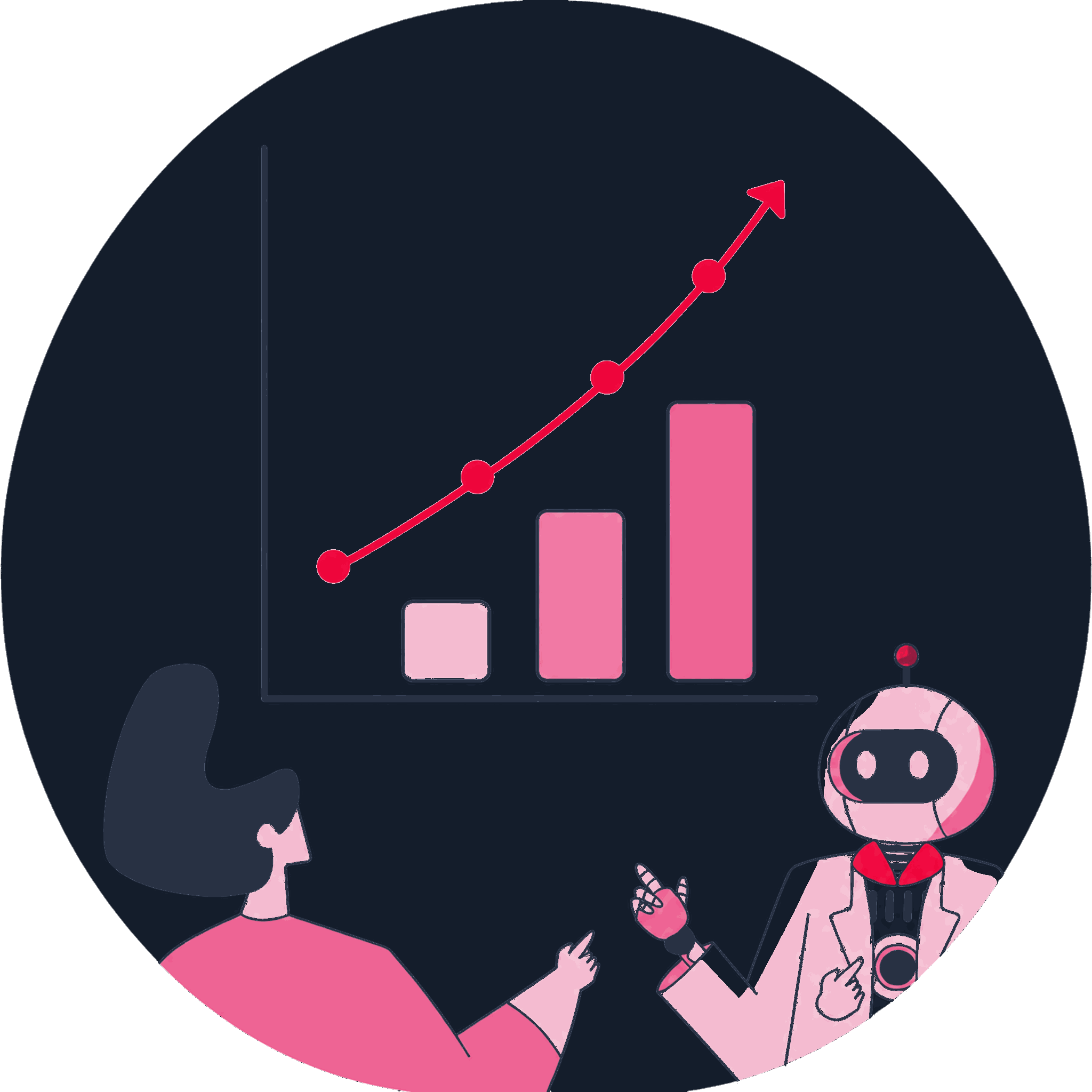
Observed patterns showing that AI model performance improves predictably as model size increases.


A mechanism that lets a model weigh the importance of different parts of its input relative to one another.
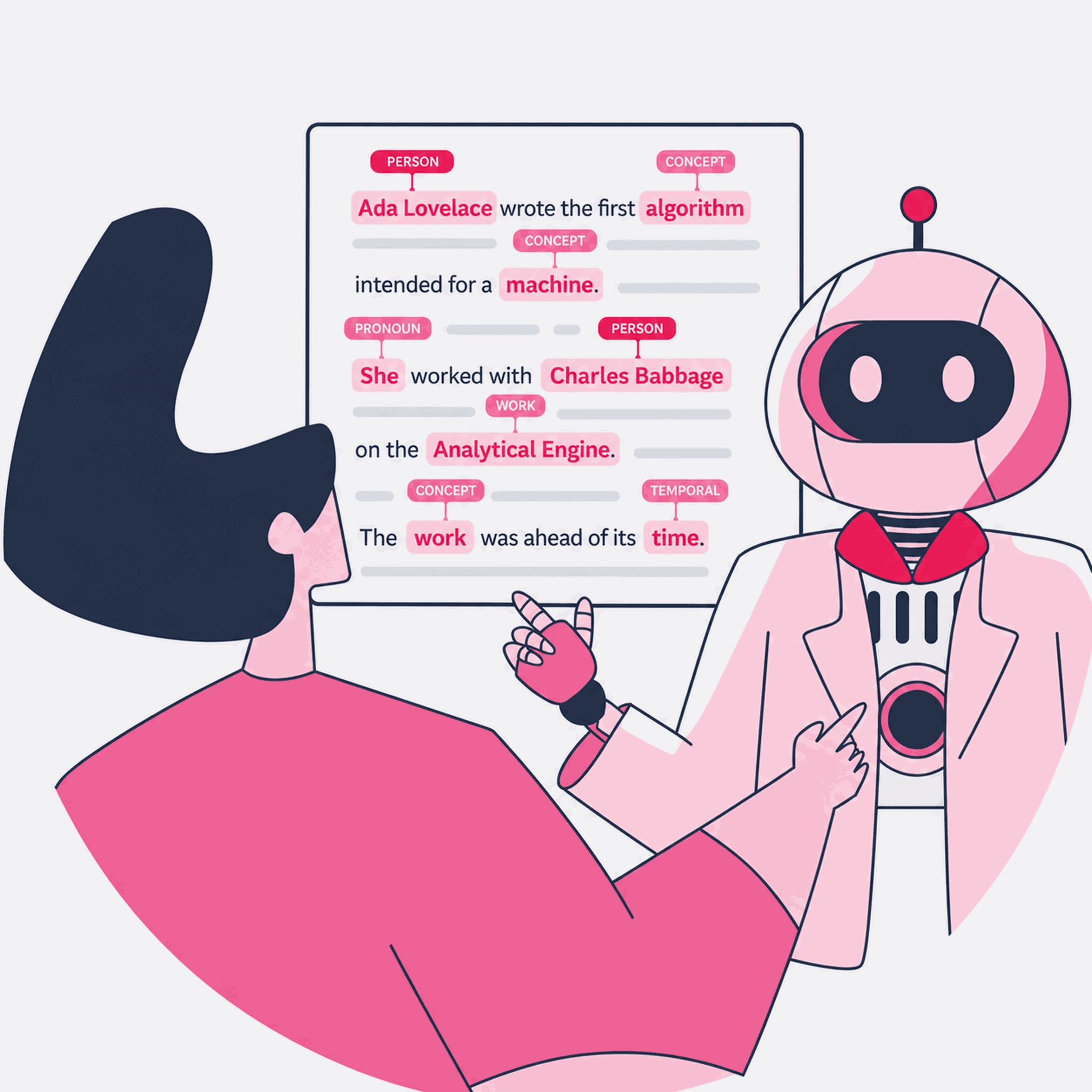

The process of adding semantic metadata to content so AI systems can understand and process it more easily.
Search technology that interprets the context and intent behind a user's query to return more relevant results.
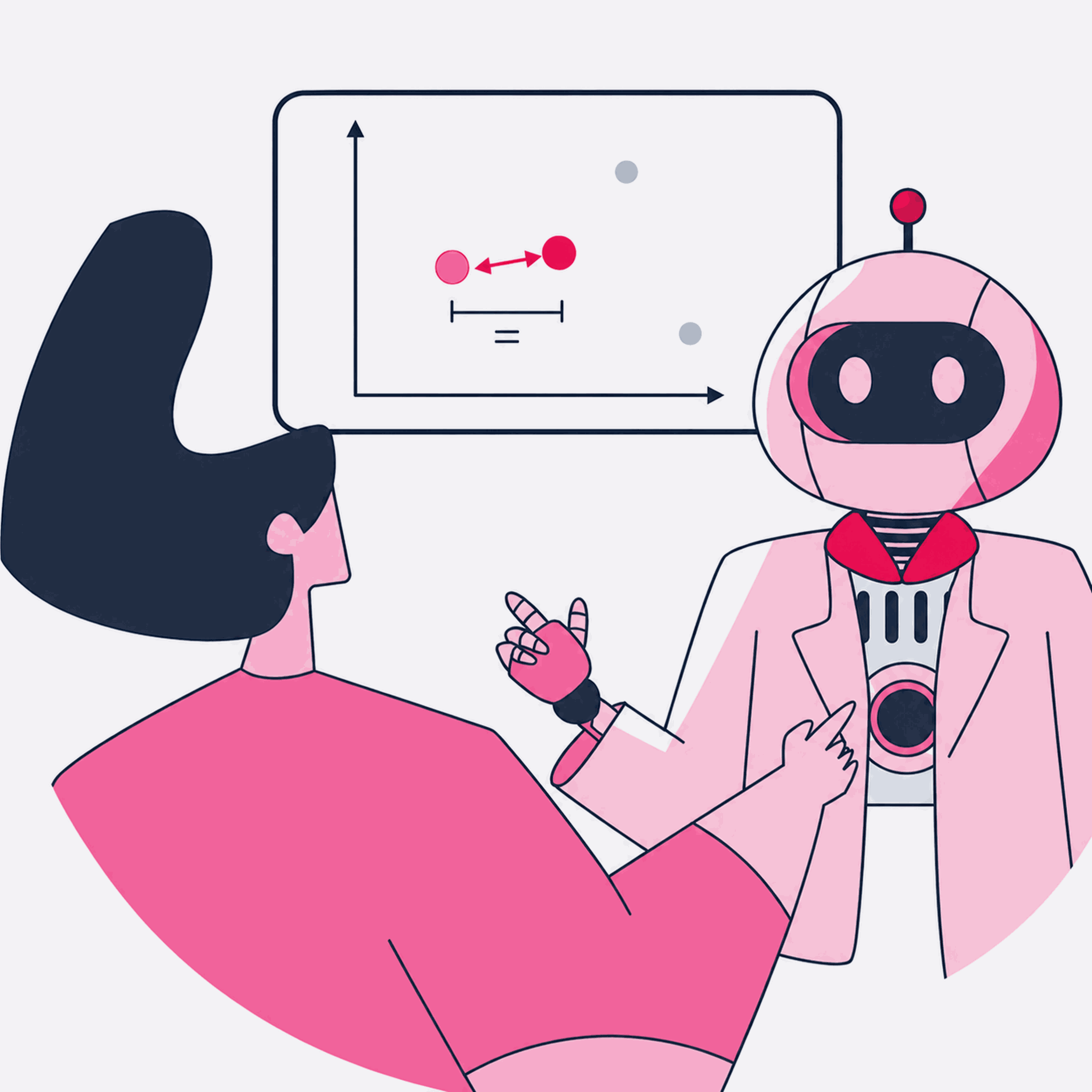

A measure of how closely two pieces of text are related in meaning, often used in NLP tasks.


The computational task of identifying opinions in text and categorizing the writer's attitude.


The process of producing an ordered series of items, such as words in generated text, from patterns an AI model has learned.
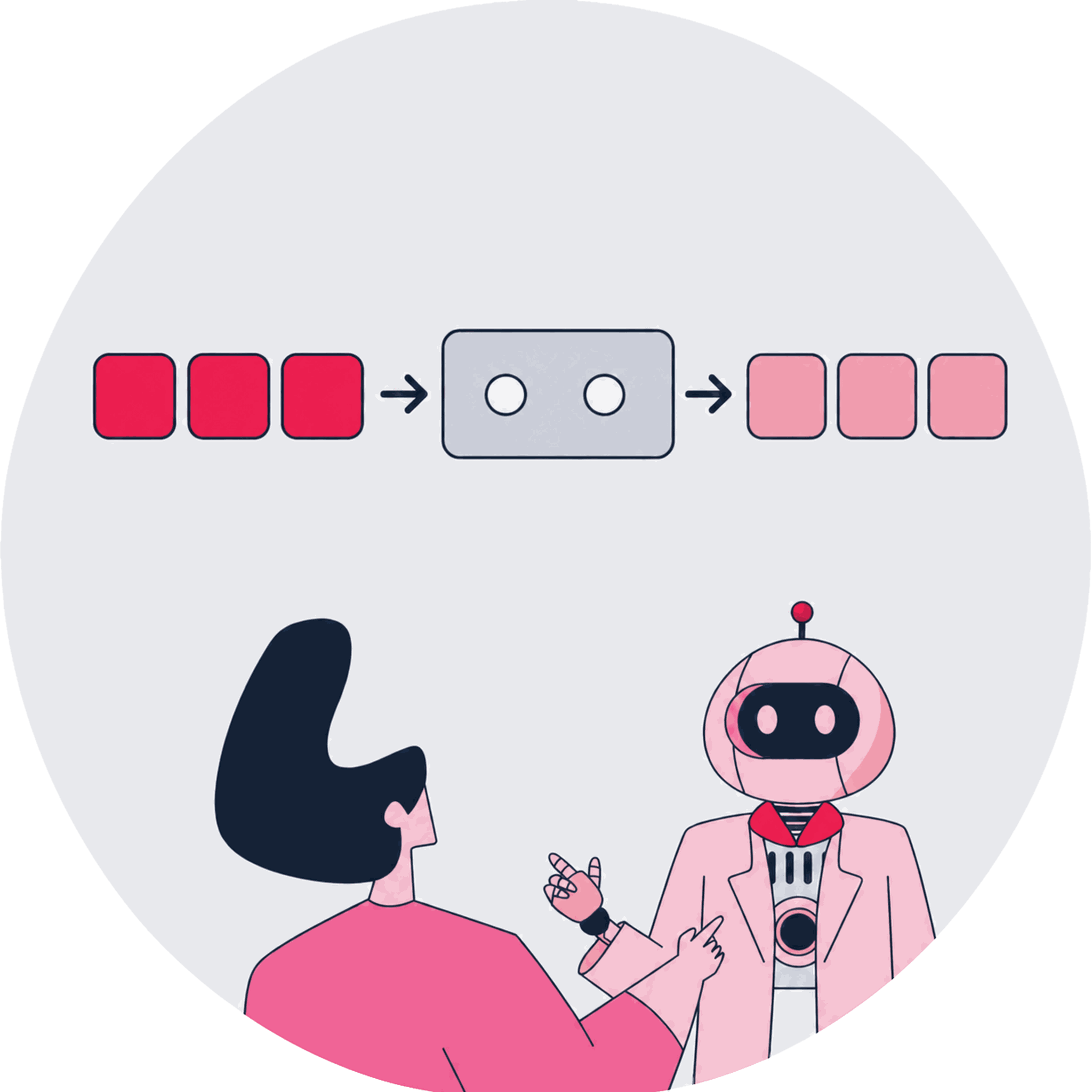
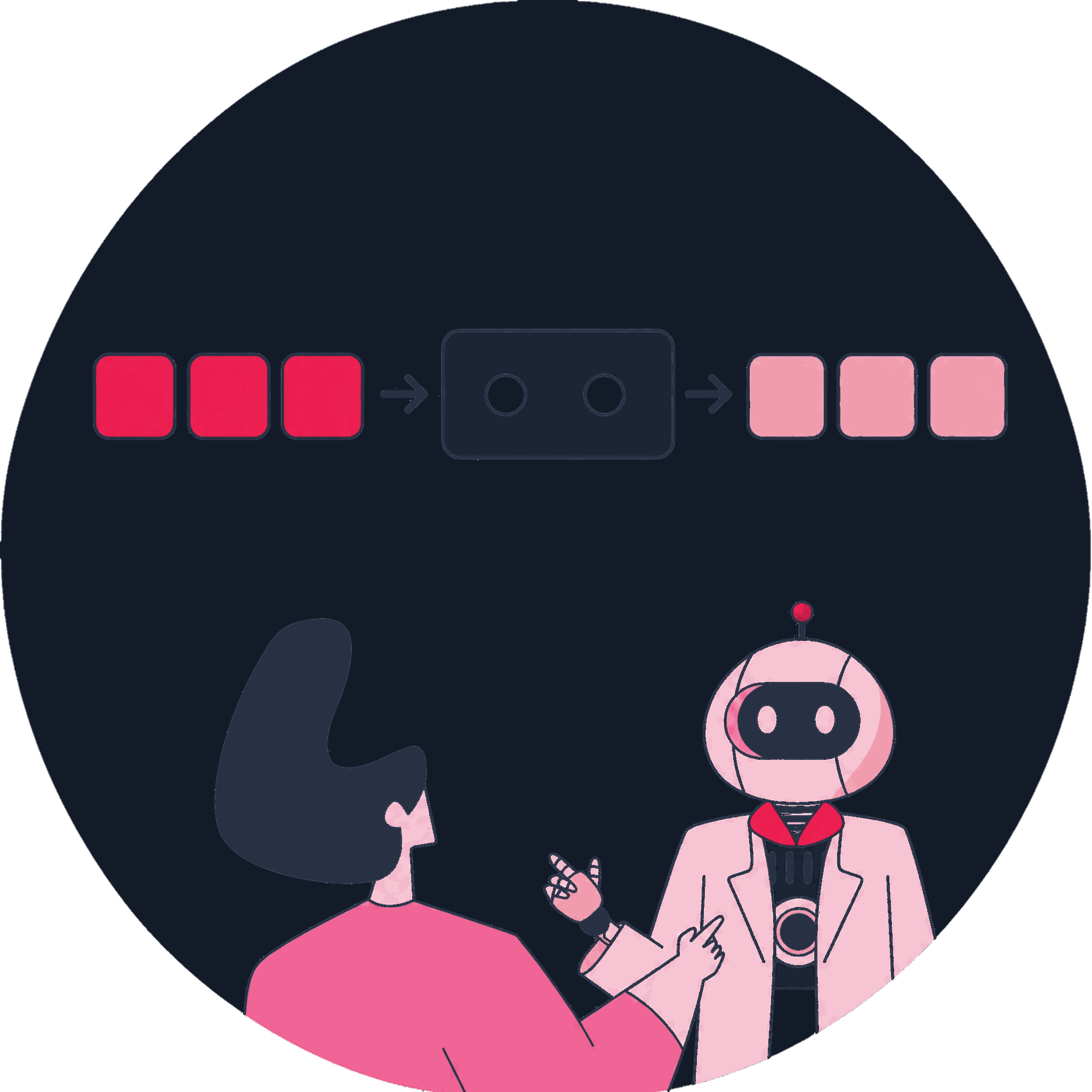
Models that transform an input sequence into an output sequence, commonly for translation and summarization.
Using a small fast model to draft several tokens ahead, then having the large model verify them in one pass.


When information that was once correct no longer applies because a date, product, or policy has changed.
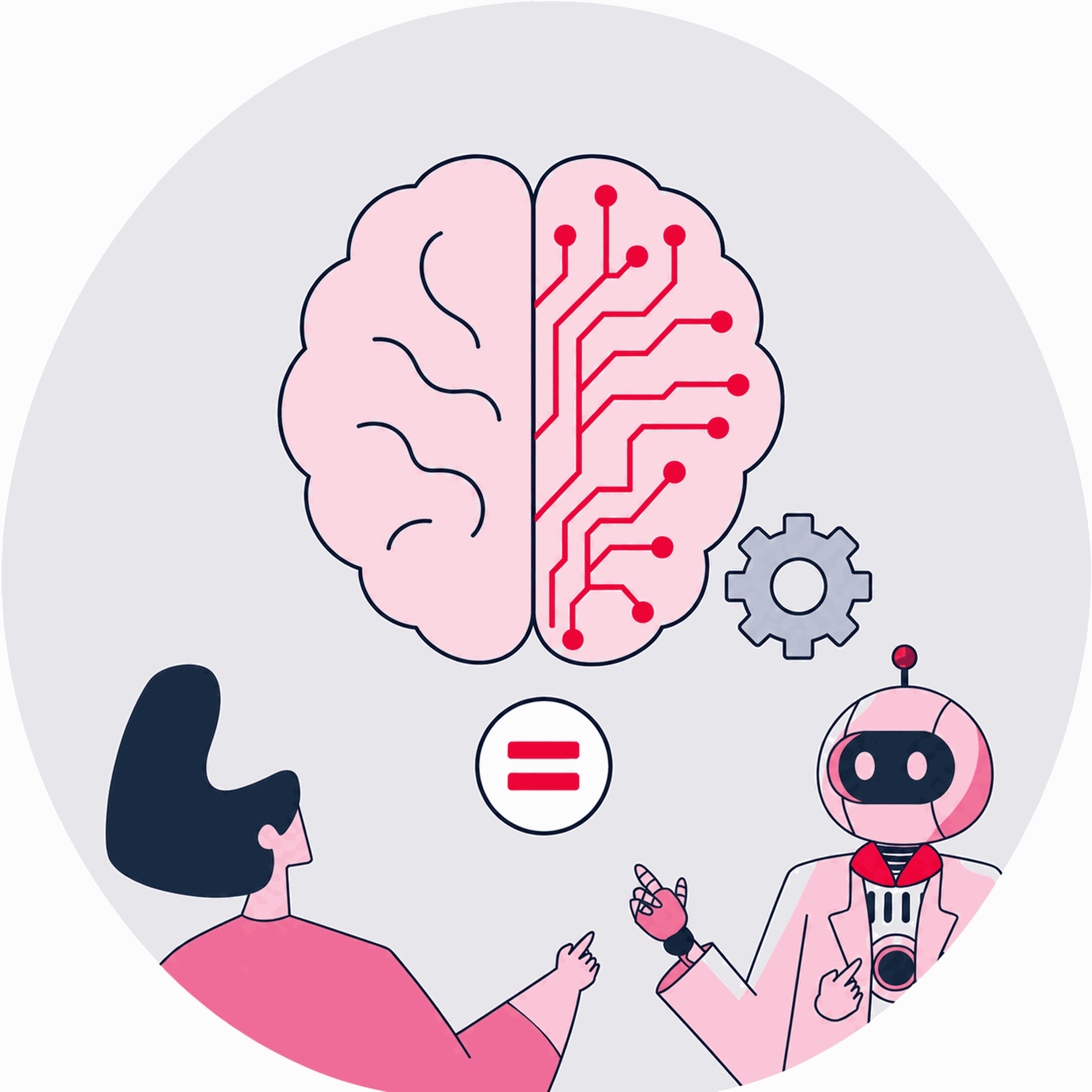
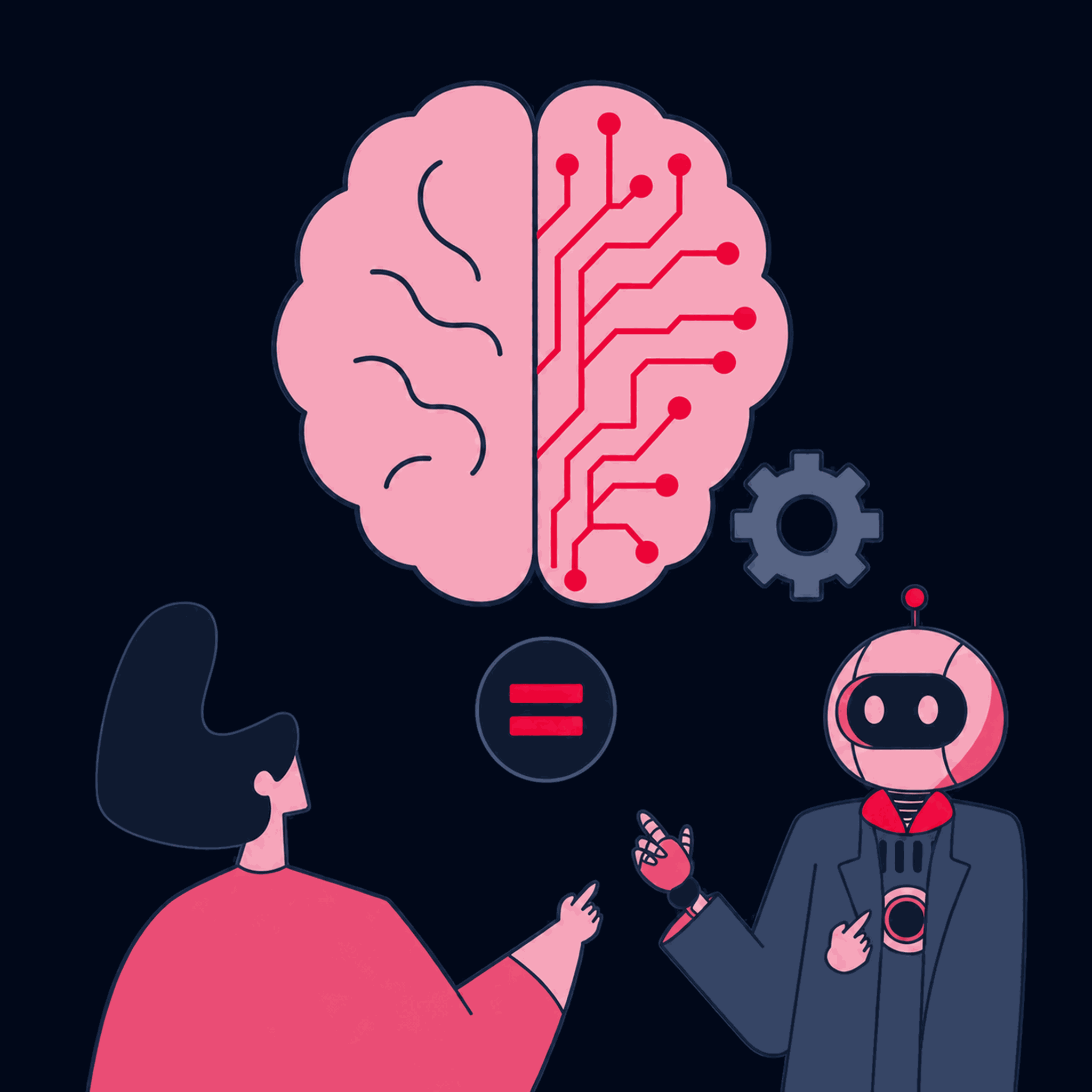
AI that can understand, learn, and apply knowledge in ways indistinguishable from human intelligence.
Constraining generation so the model can only produce text that matches a supplied schema.


The process of improving a model on specific tasks through further training with labeled data.
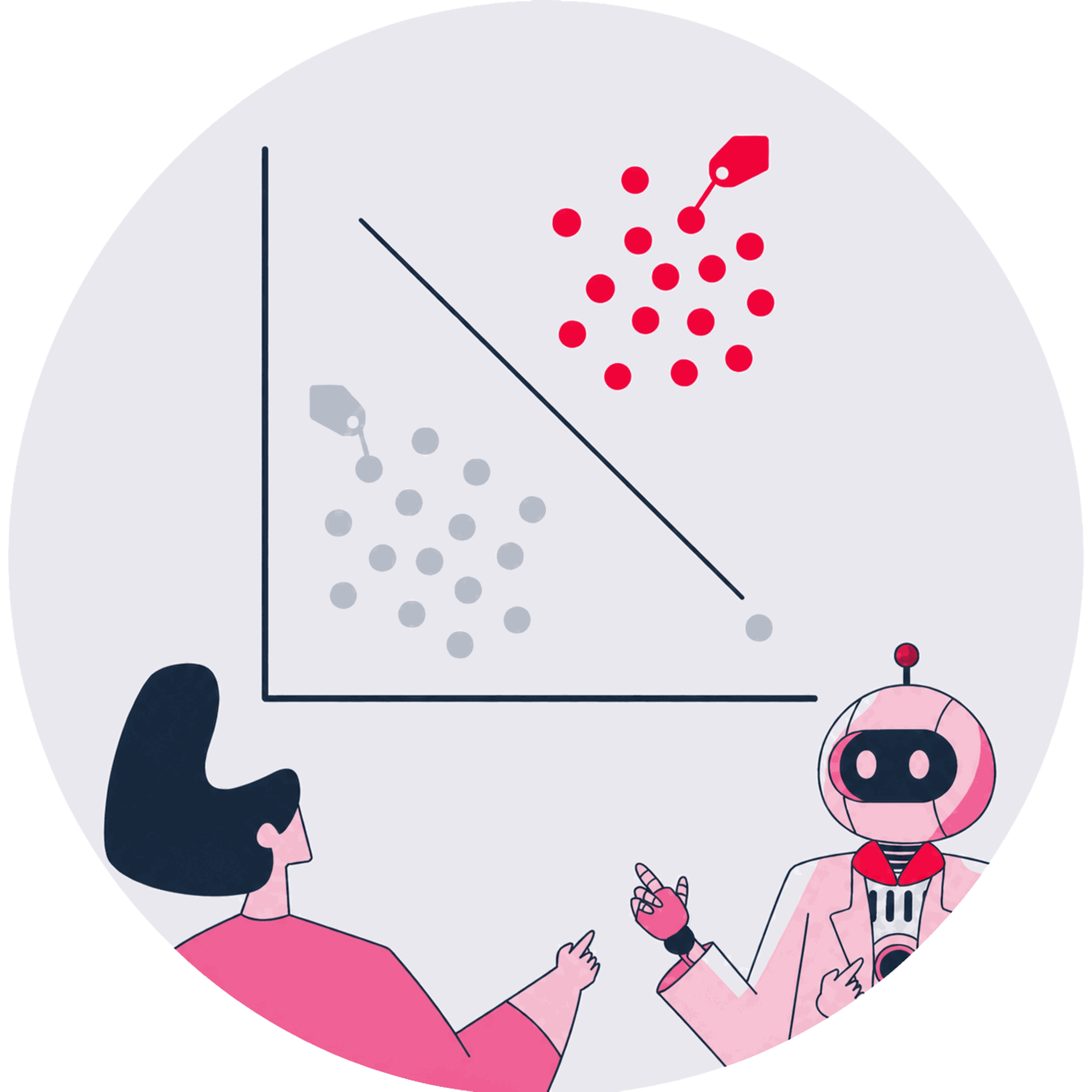
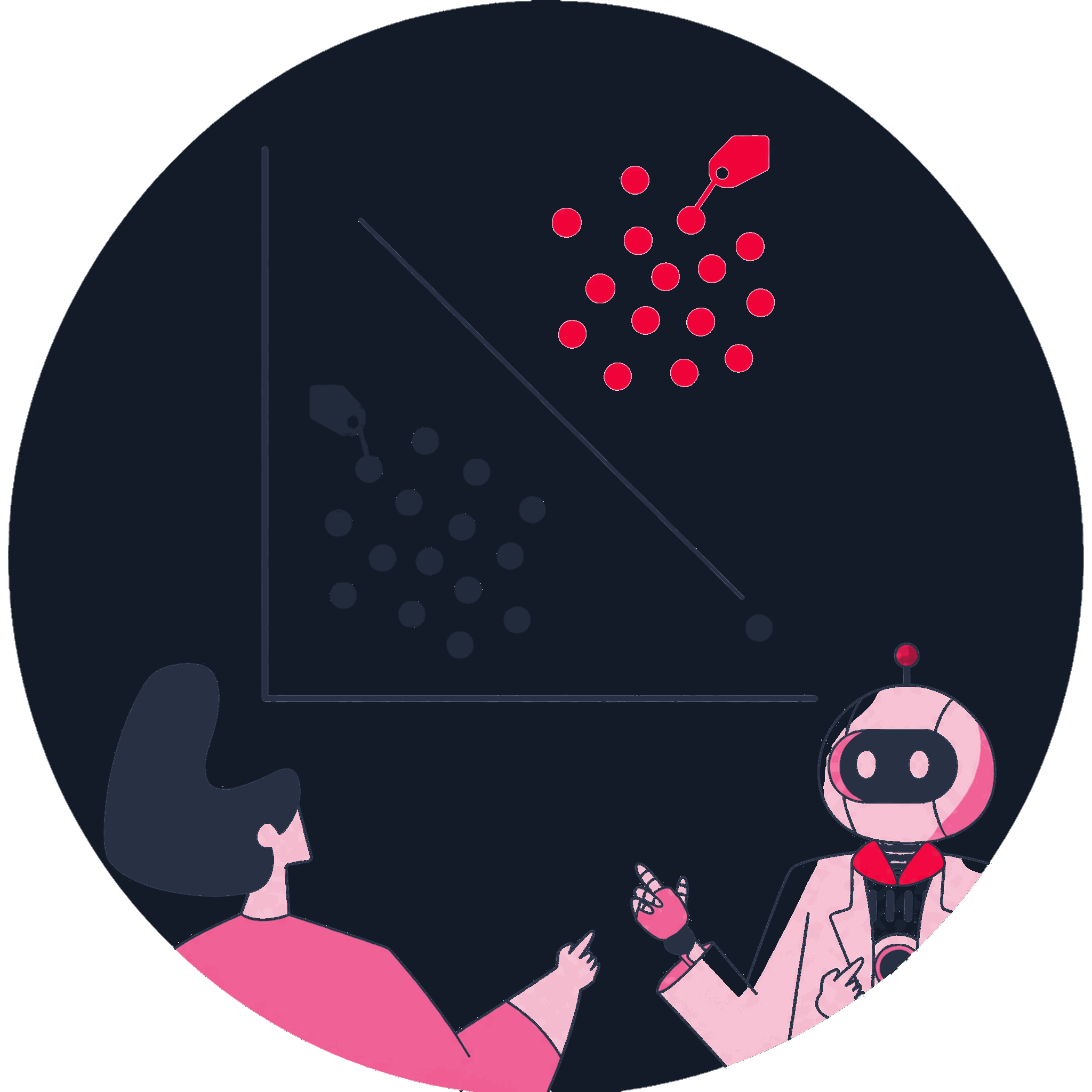
A machine learning approach that trains models on labeled examples so they can predict outcomes from new inputs.


A predefined message or prompt in a conversational AI system that guides user interactions.


Internal instructions that guide an AI model's behavior and influence how it processes and responds to input.

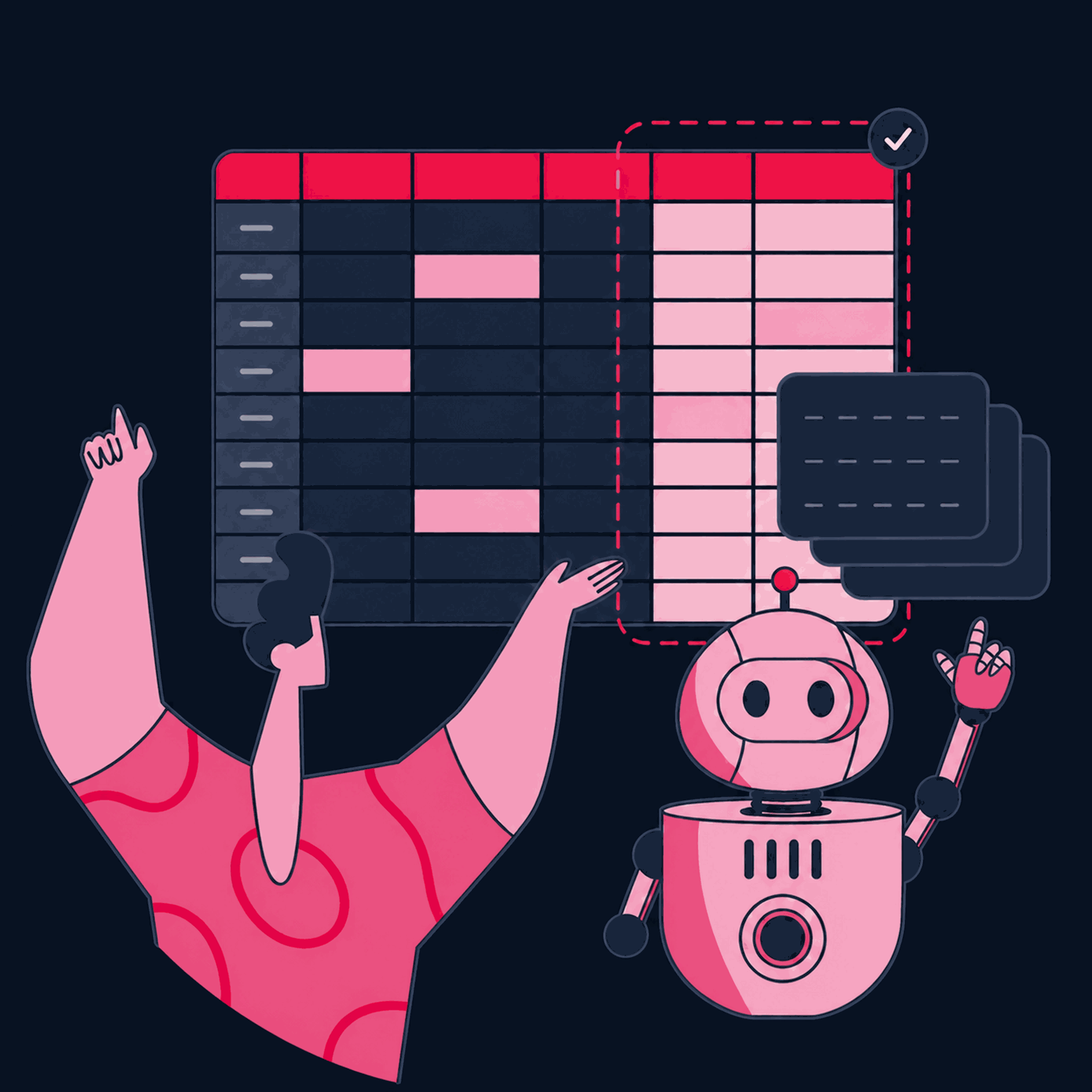
A dataset kept separate from training data and used to evaluate a machine learning model after training.
Spending more computation at inference, by thinking longer or sampling more candidates, to raise answer quality.


The task of assigning text to predefined categories, as in spam detection and sentiment analysis.
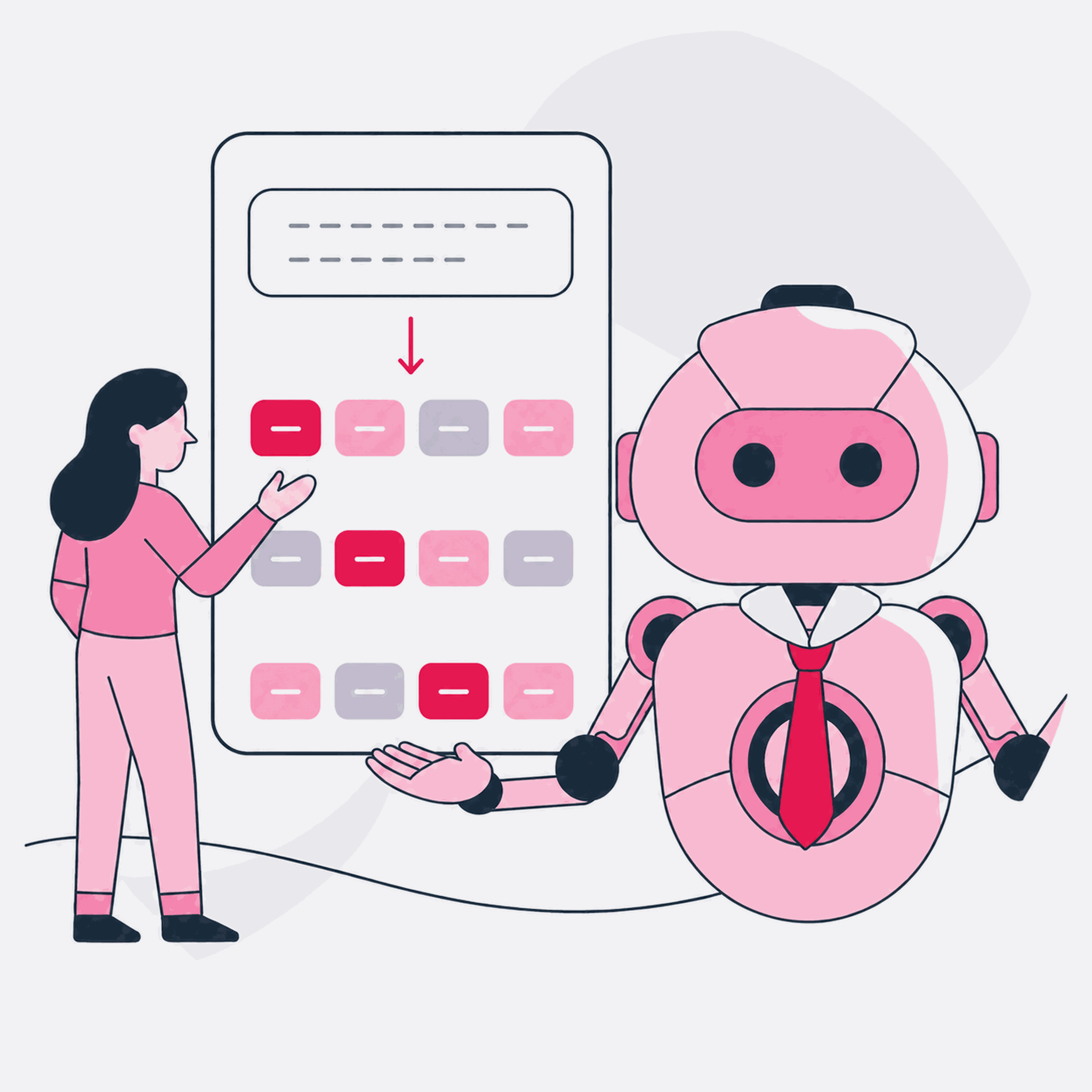

The smallest unit an NLP model processes, which may be a word, part of a word, or a character.
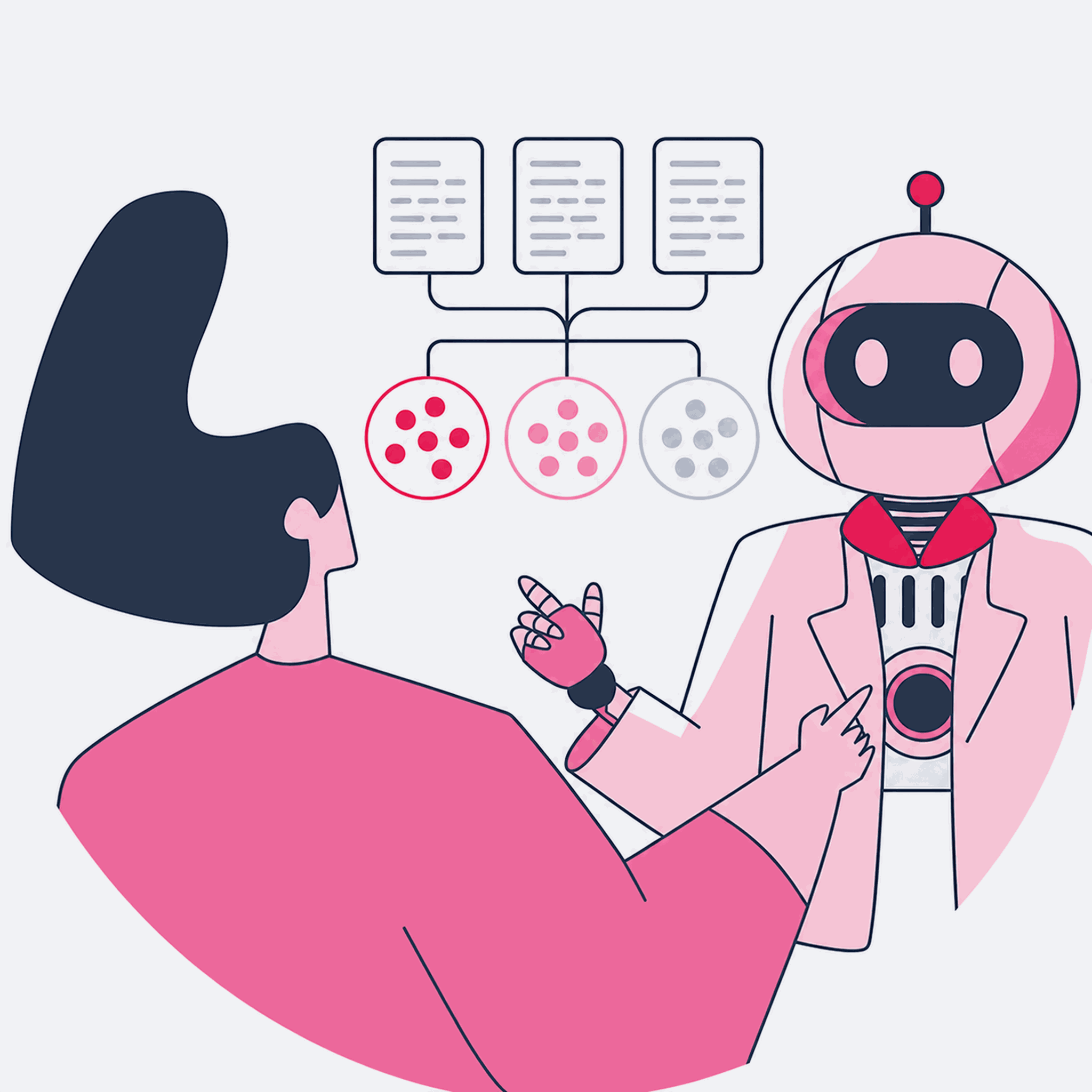

A statistical method for discovering abstract topics in a collection of documents to support content organization and discovery.
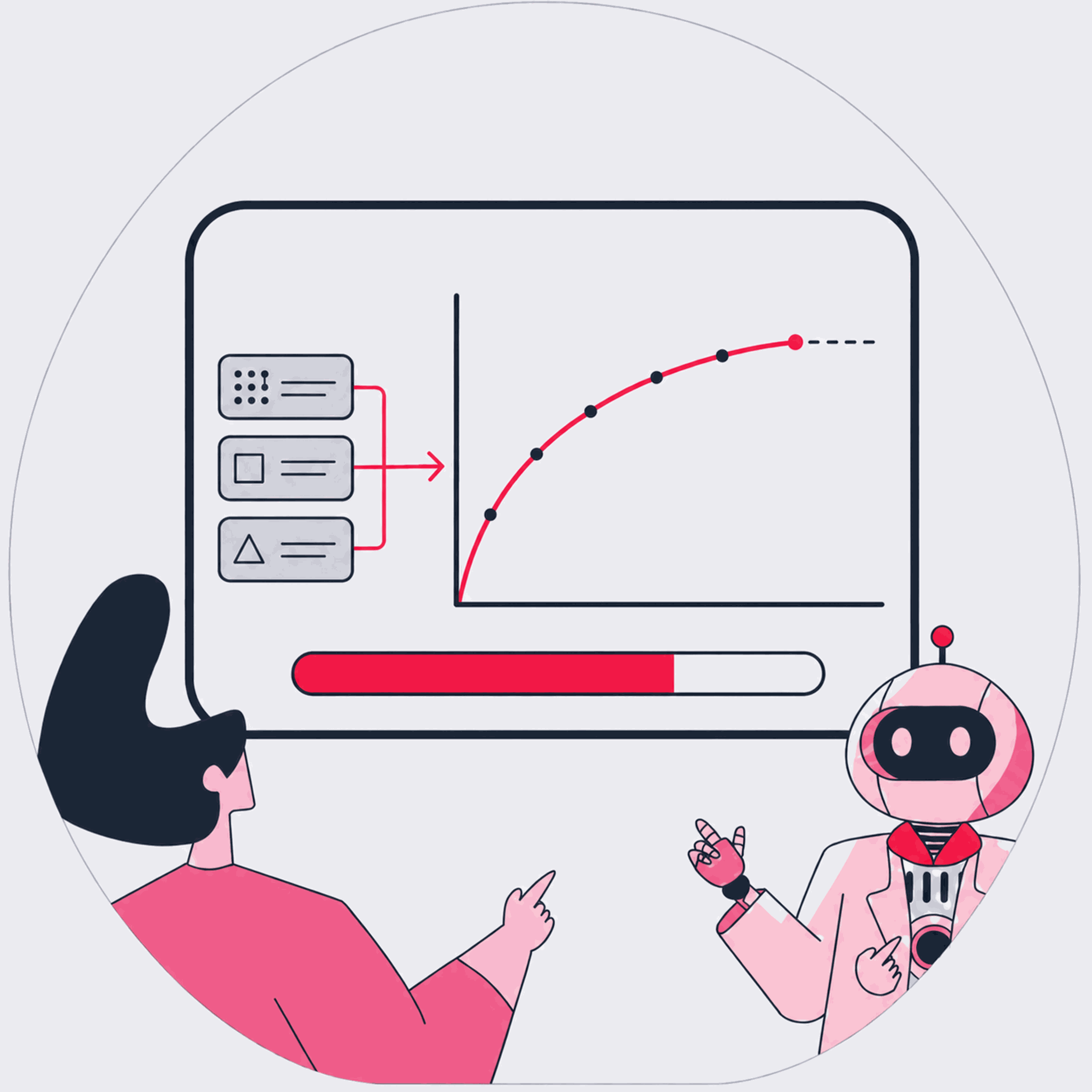
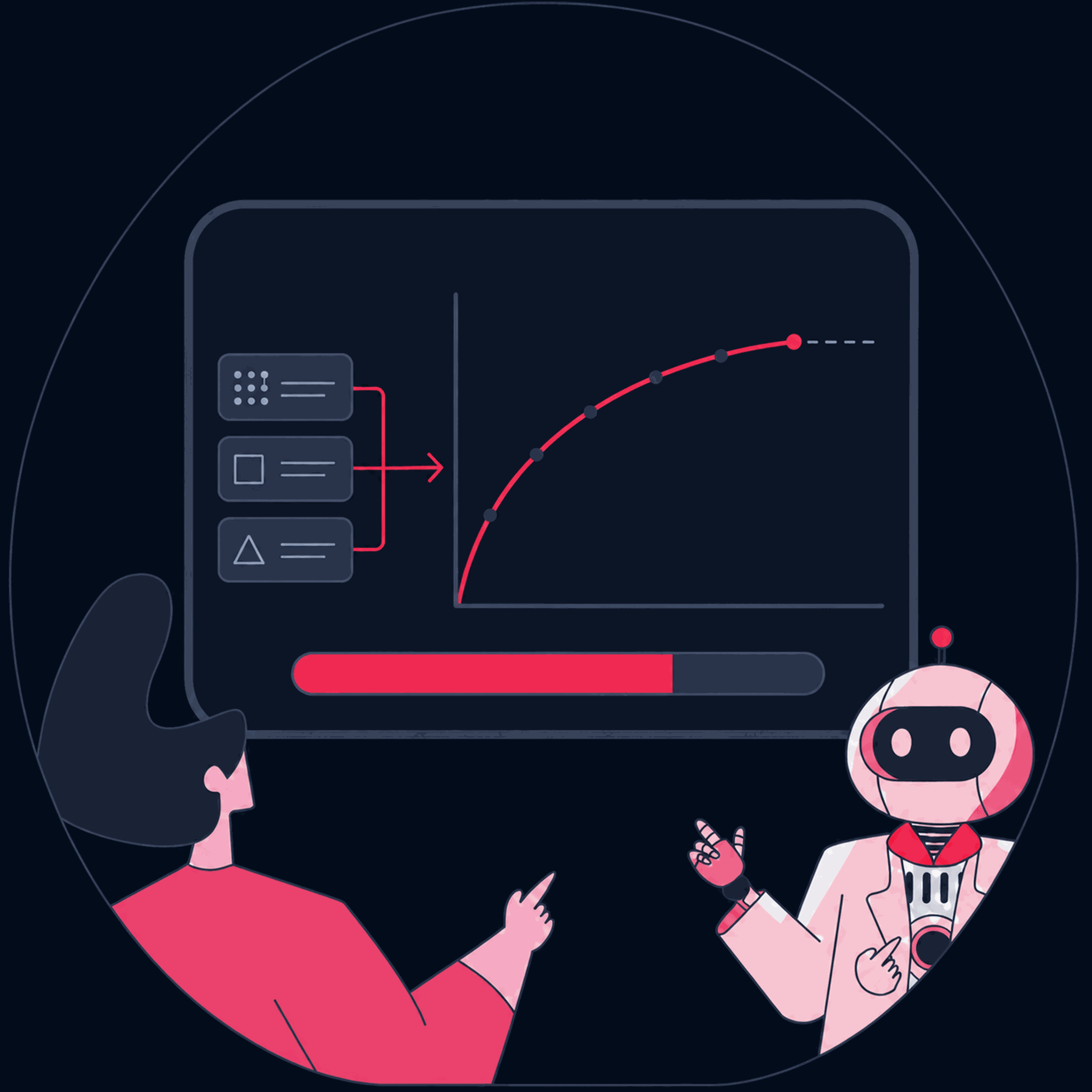
The process of teaching a machine learning model to make predictions or decisions, typically with a large dataset.

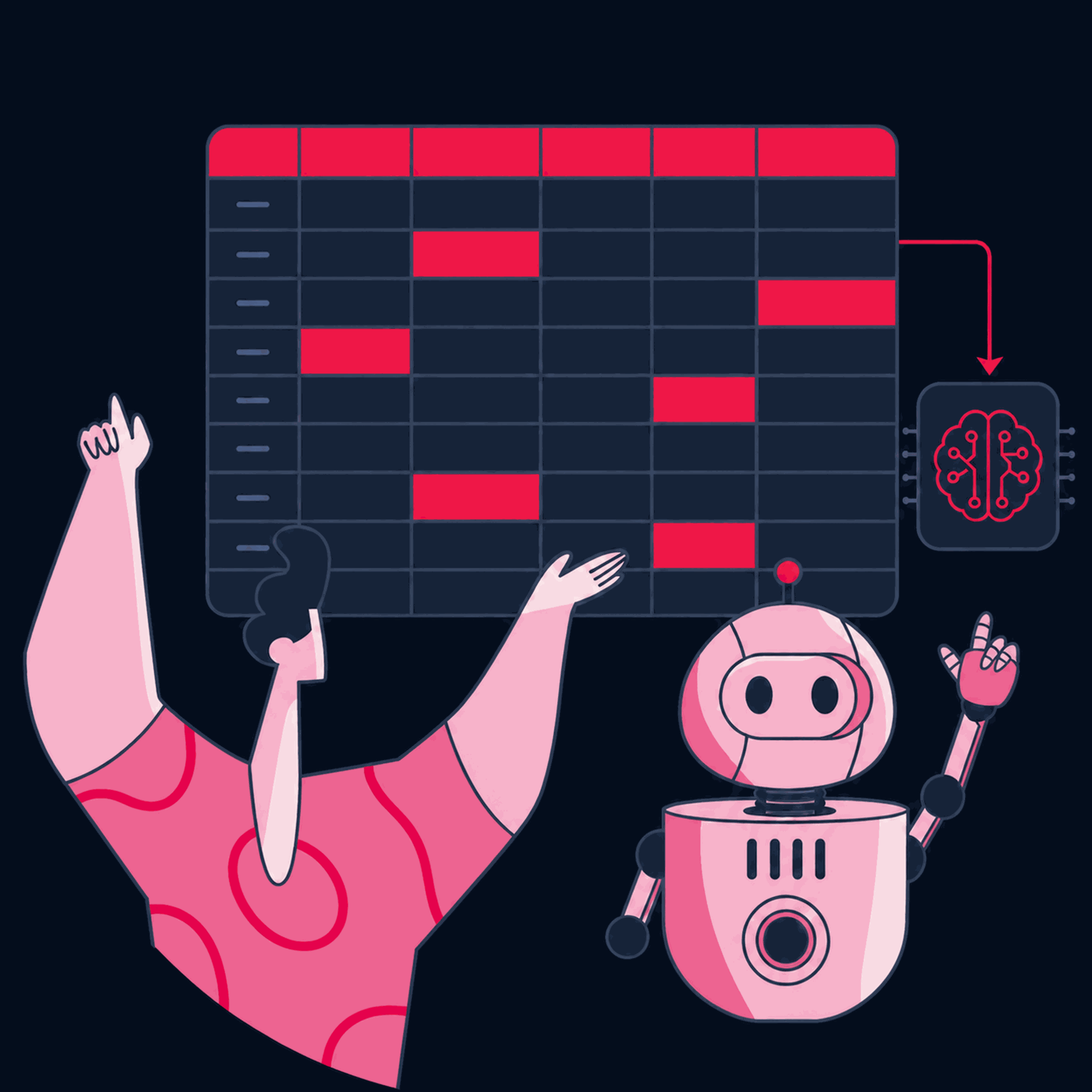
A dataset of examples used to train a machine learning model to learn patterns and behaviors.
A machine learning approach that applies knowledge gained from one problem to a different but related problem.
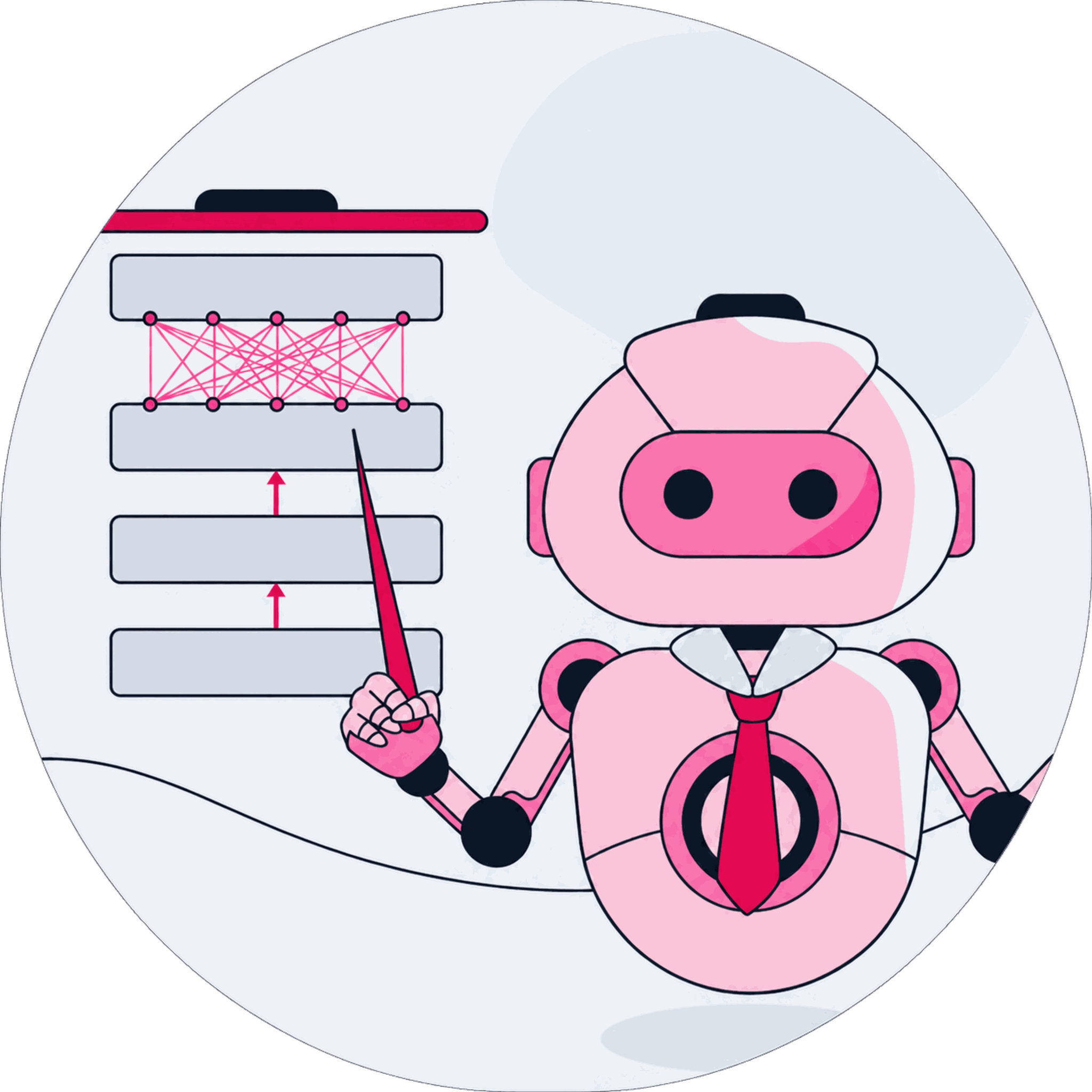

A model architecture that uses self-attention to handle tasks involving sequential data.


The part of a transformer model that generates output sequences from encoded information.
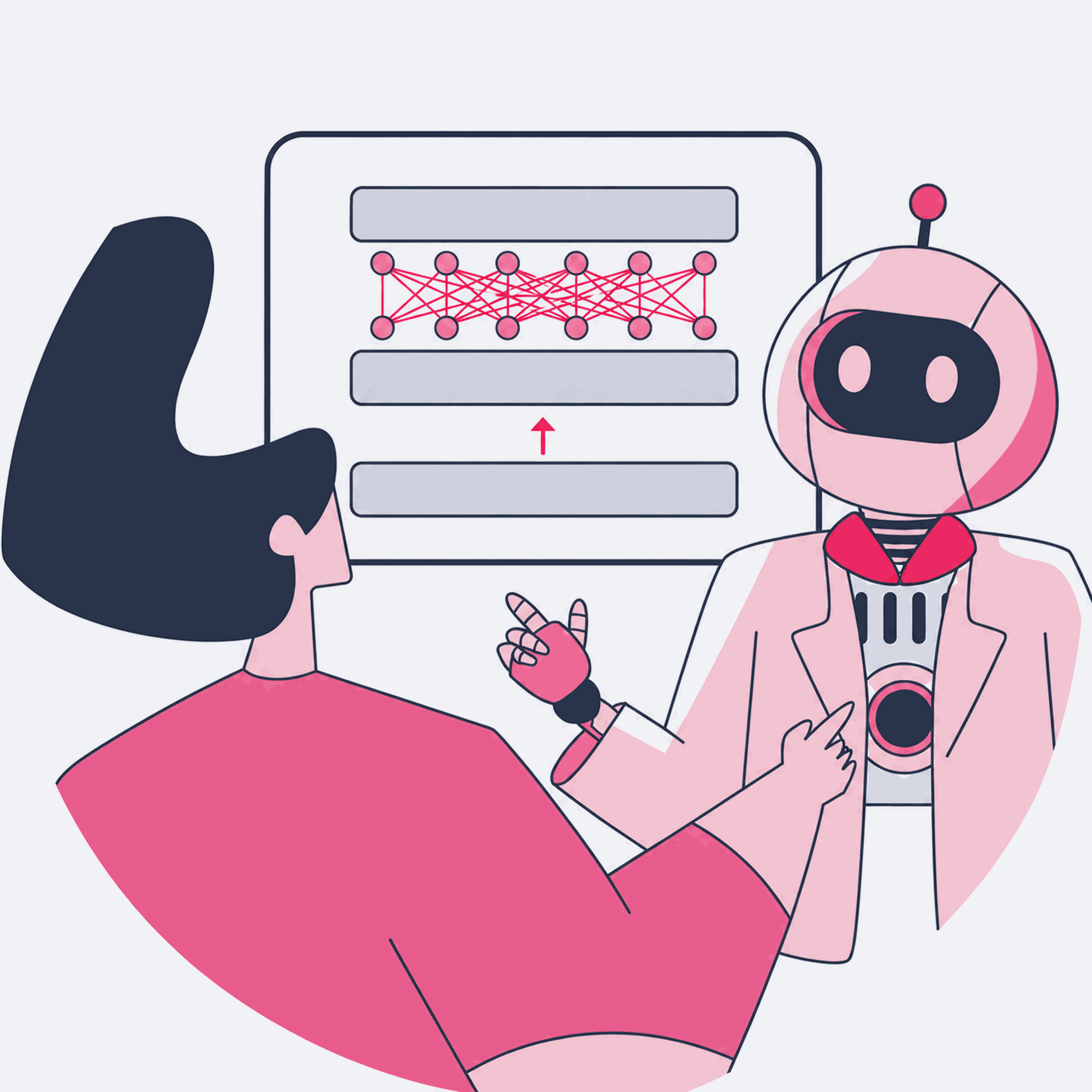

A class of deep learning models that has transformed natural language processing.


A test of whether a machine can exhibit intelligent behavior that is indistinguishable from a human's.


A type of machine learning in which models learn patterns from unlabeled data without explicit instructions.


A generative AI technique that produces multiple outputs and selects the best one by a chosen set of criteria.


The part of a computer, application, or machine through which a person interacts with it, often with a focus on ease of use.


The process of evaluating a model on separate data that was not used in training to estimate its accuracy.


Data kept separate from the training dataset and used to tune model parameters and help prevent overfitting.
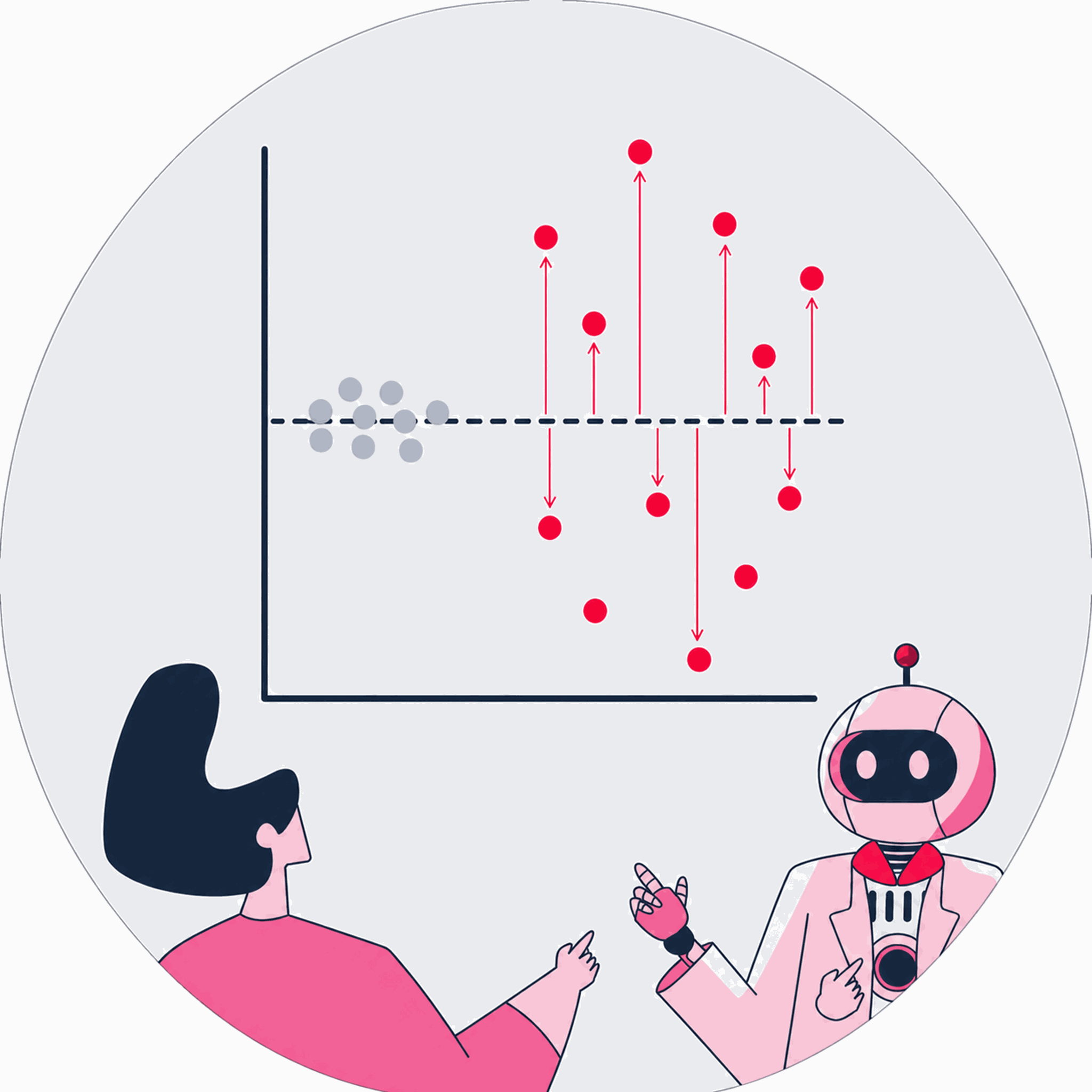
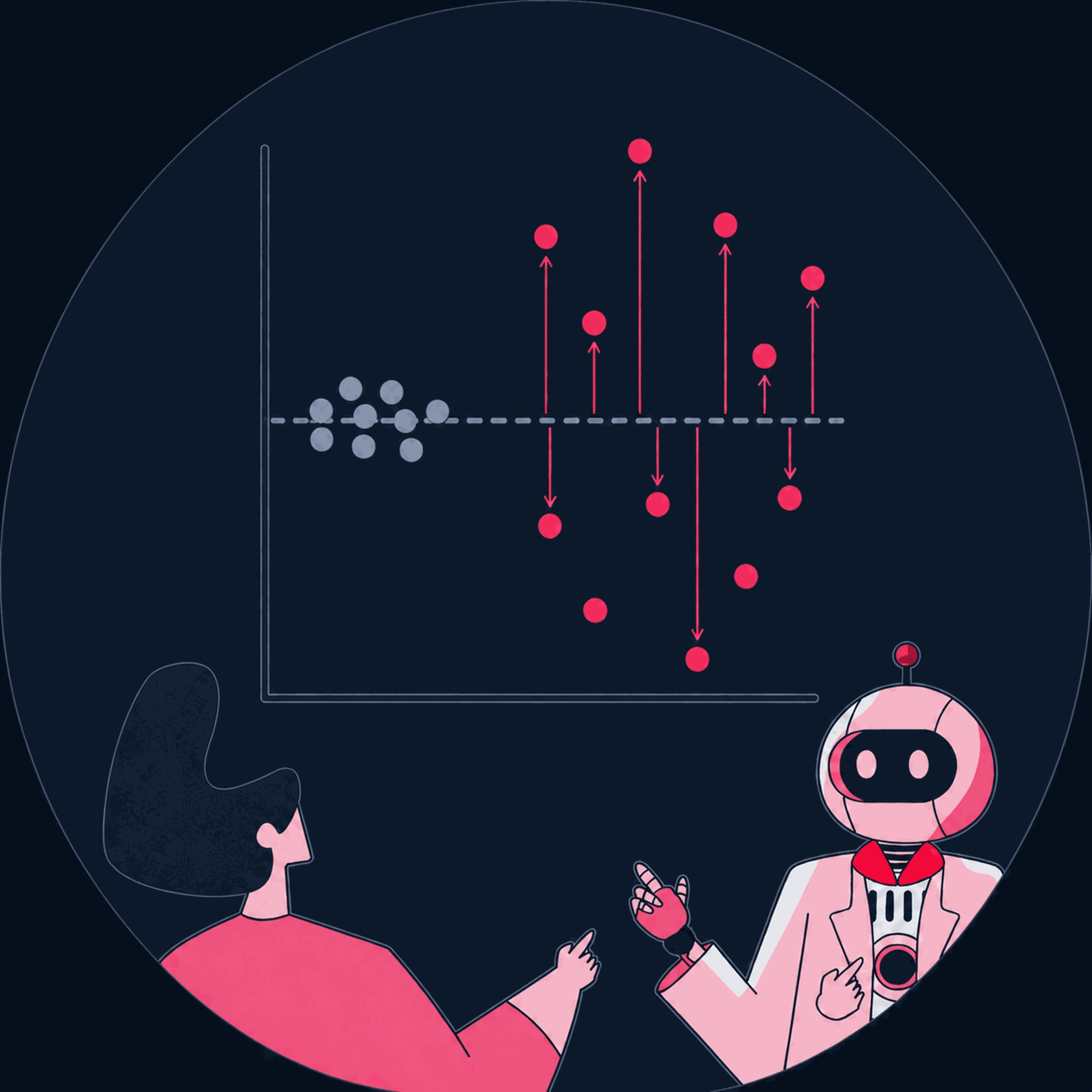
In machine learning, how much a model's predictions vary around the average prediction, showing how sensitive it is to training data.


Different phrasings that express the same intent or meaning, which matters when modeling natural language variation.
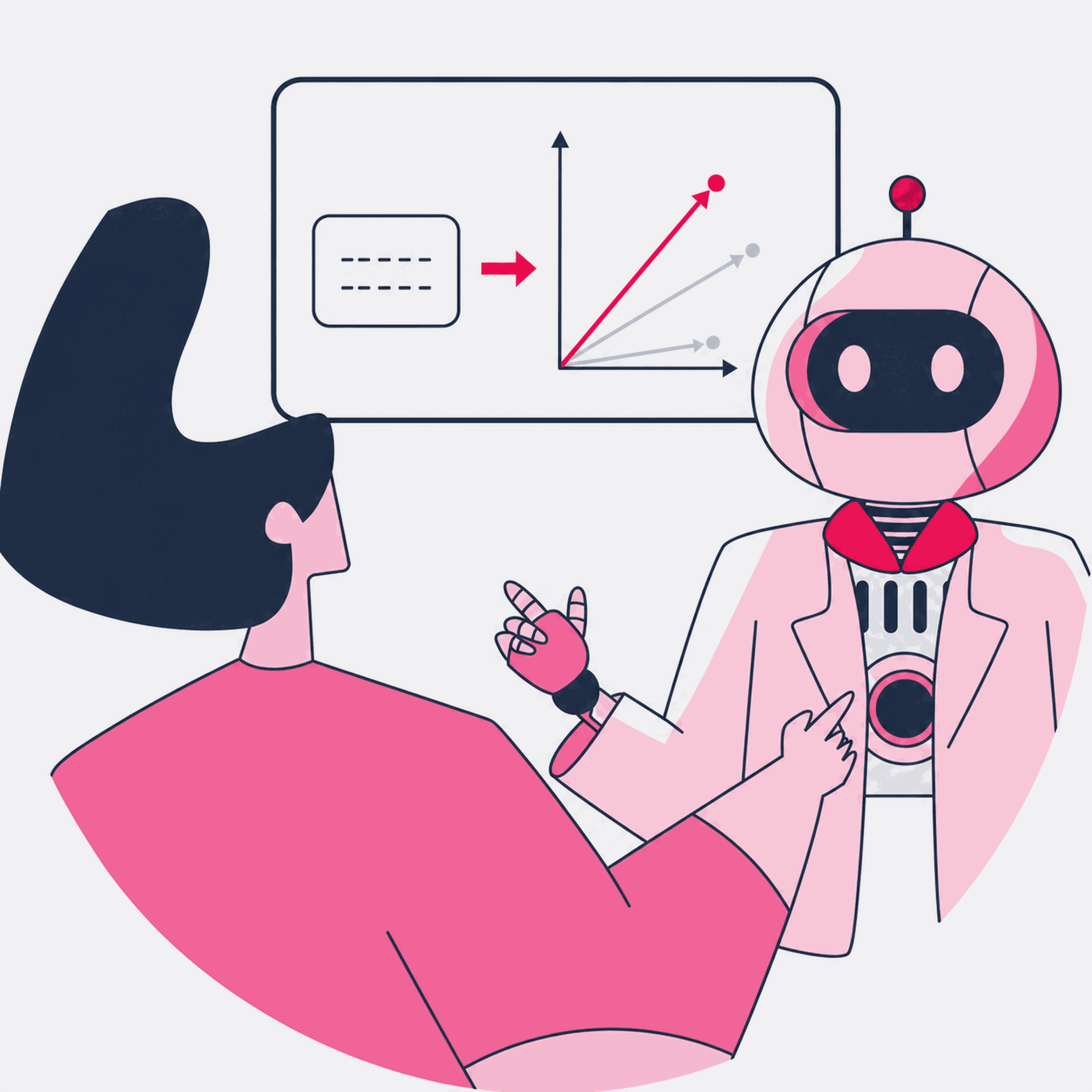

The encoding of words or phrases as numerical vectors so AI models can compare them and perform mathematical operations.
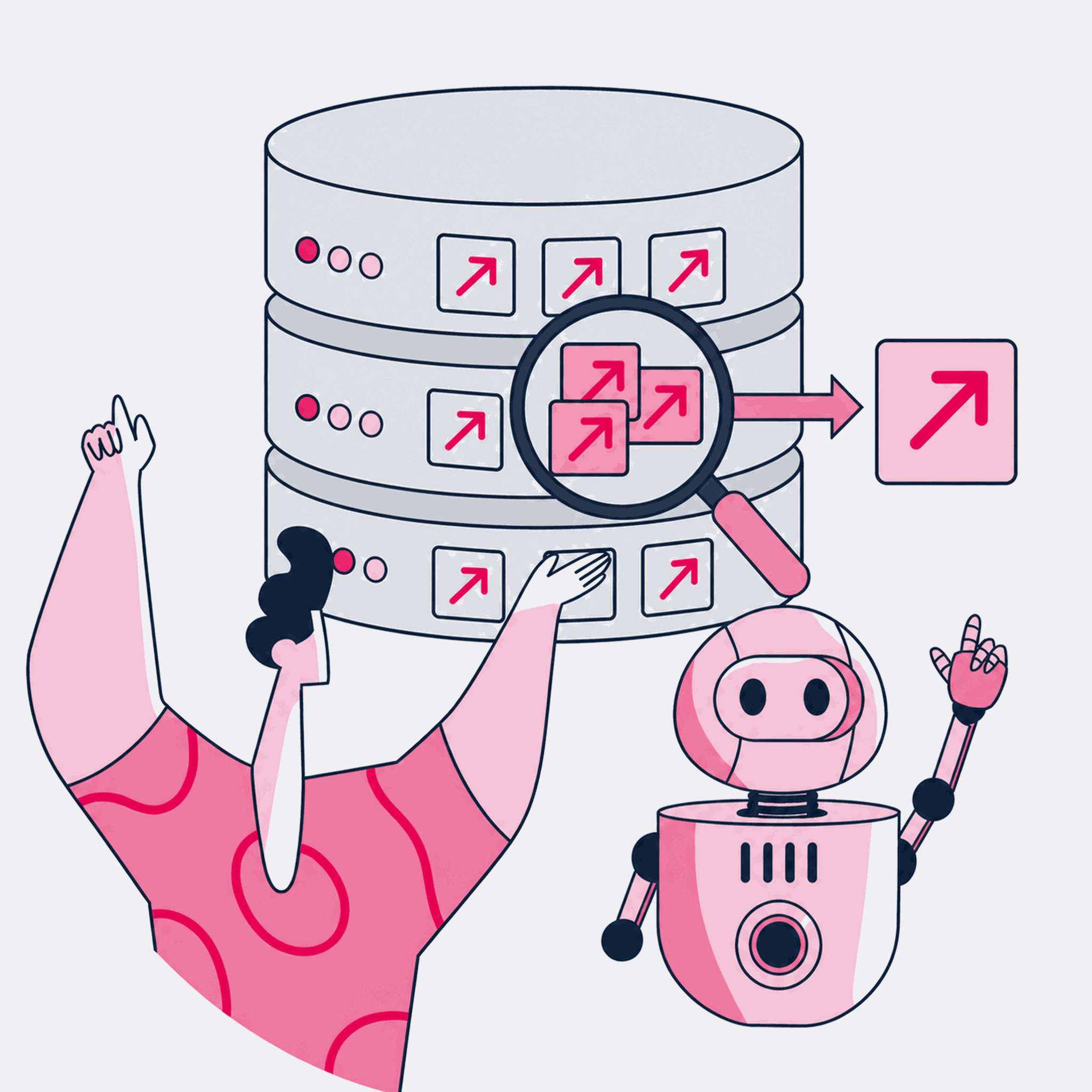
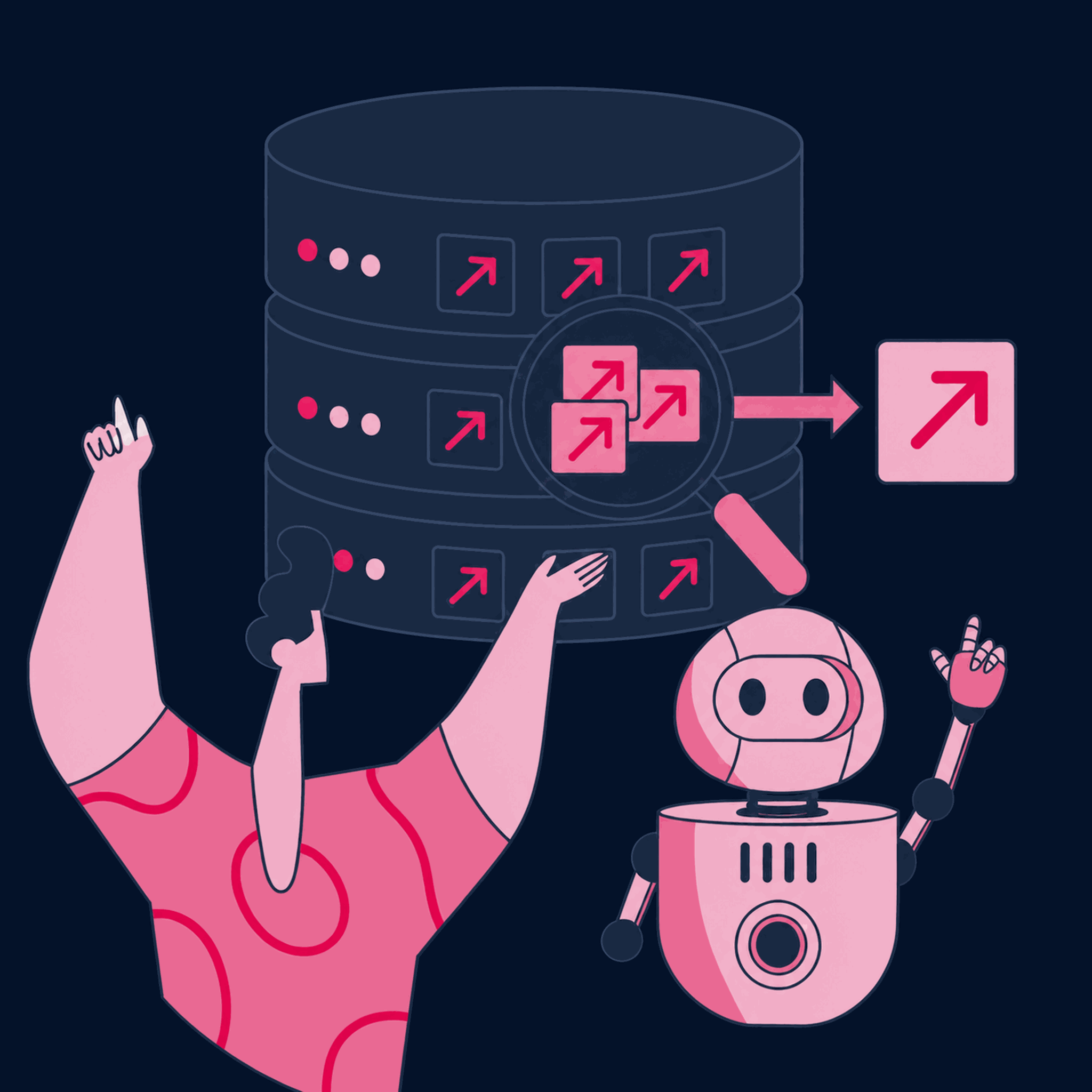
A specialized database that stores and retrieves vector representations of data for similarity search.


AI designed and trained for a specific task rather than the general cognitive abilities associated with human intelligence.
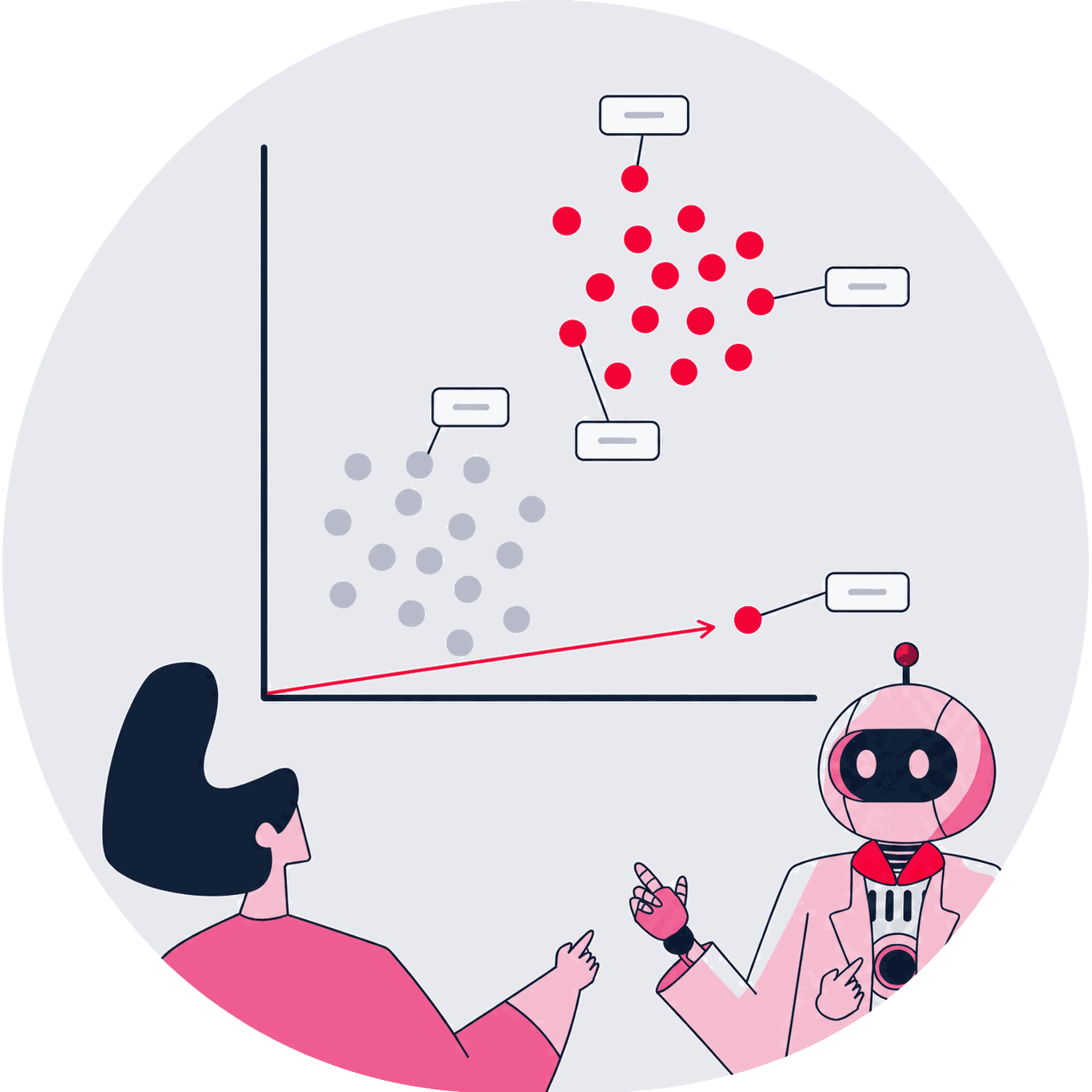
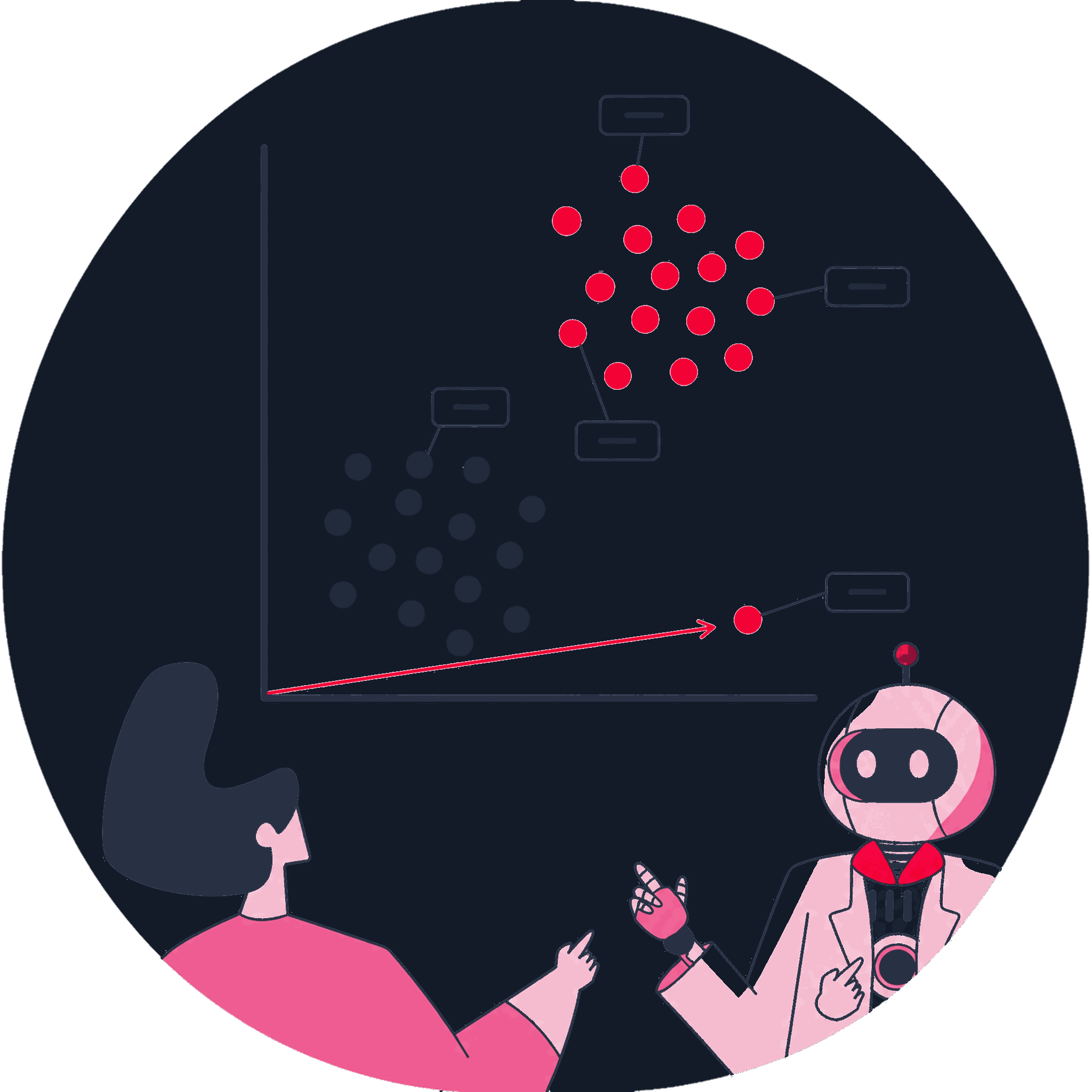
An NLP technique that represents words as vectors in a high-dimensional space to capture semantic similarity.


Diligent, reliable work that is often repetitive or requires substantial effort.


A model's ability to perform tasks it was not explicitly trained to do, demonstrating generalization.


An educational psychology concept applied to AI, describing tasks an AI can perform with guidance but not independently.