









AI Consulting Services
Build AI agents for work you can verify
Some of the 500+ brands we've worked with. Our delivery runs on 100+ AI workflows in production.
See all references





































Task-level offerings
Six ways to put an agent to work safely
Build & Integrate


Custom AIAgent Development
A custom agent fits when one repeatable job has a checkable result and needs a state map covering tools, stops, recovery, and human handoff.

AI Agent Tool& API Integration
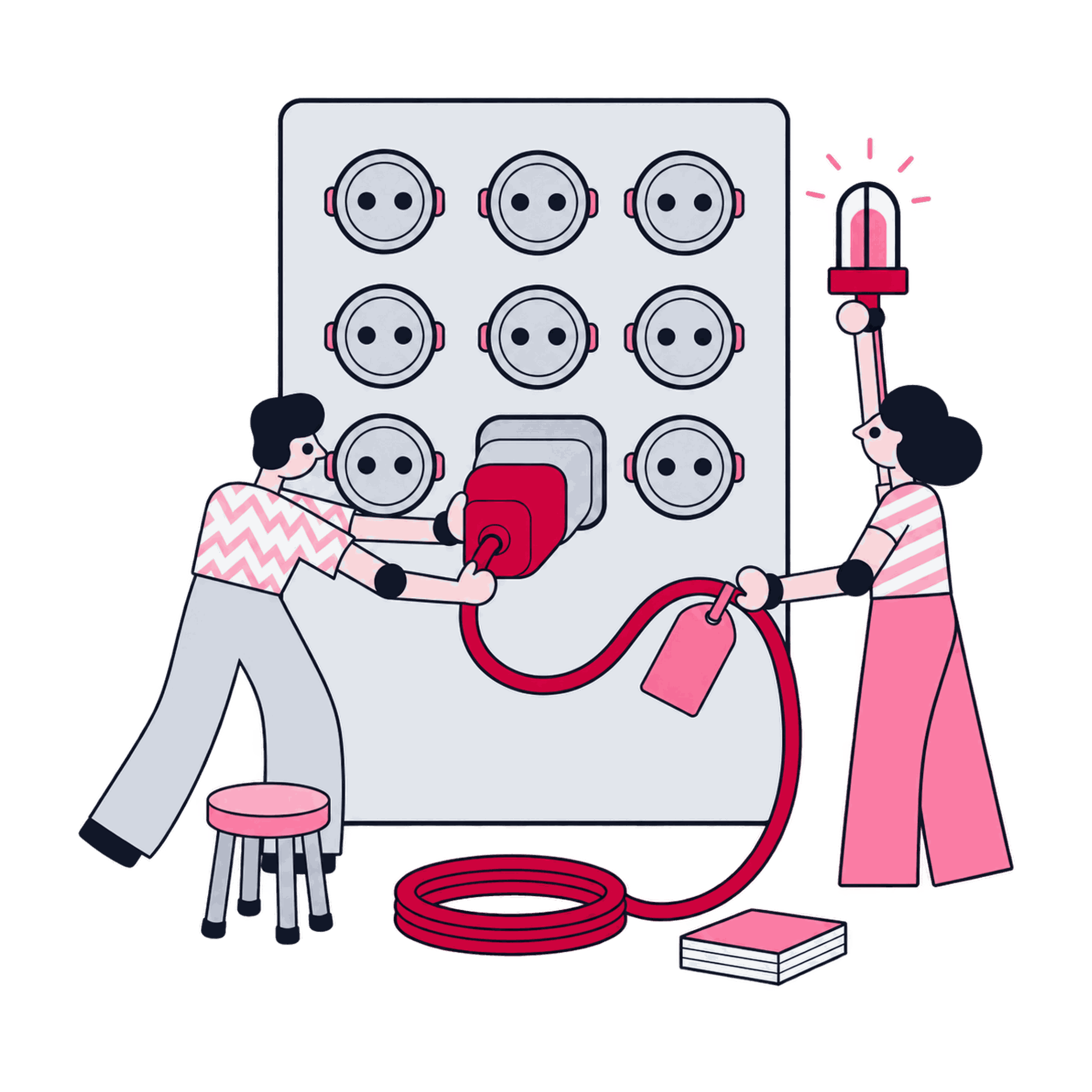
Tool integration is the right branch when the agent loop exists but timeouts, retries, and downstream side effects still lack a versioned call contract.
Knowledge-Grounded AIAgents
Ground the agent when changing internal knowledge must carry source authority, caller identity, citations, and abstention without granting permission to act.

AI Agent Strategy& Architecture
Strategy comes first when agent jobs, autonomy levels, tools, memory, and operating roles still need a defensible architecture decision record.

Multi-Agent SystemDevelopment
Multiple agents make sense only when one job crosses distinct specialist roles and needs replayable handoffs, shared-state provenance, and conflict tests.
AI Agent Identity, Permissions& Human Approval Design
Address identity and approvals when an agent can take consequential actions but its least-privilege grants, expiry rules, and human gates remain unsettled.
Why it matters
The work matters more than the conversation
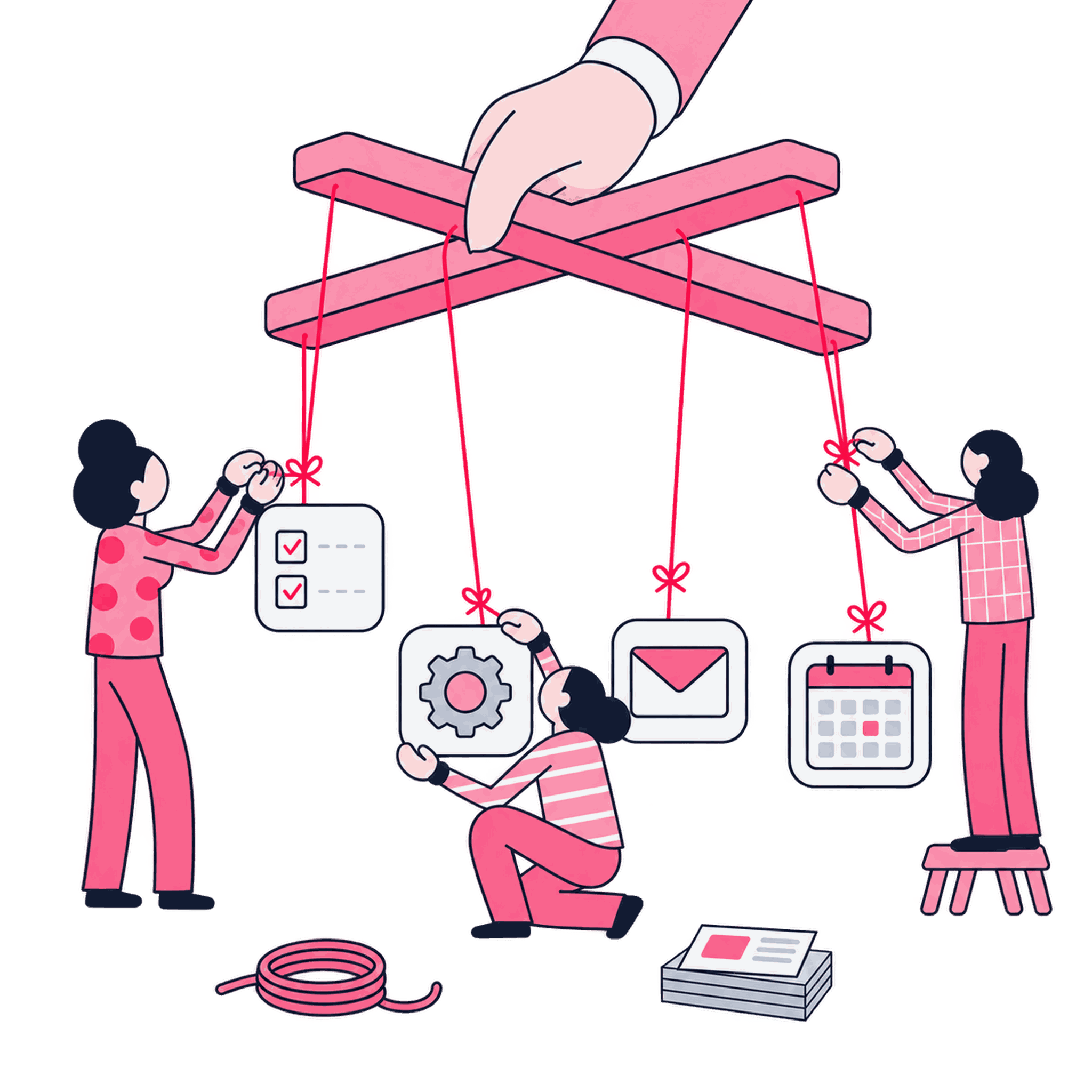
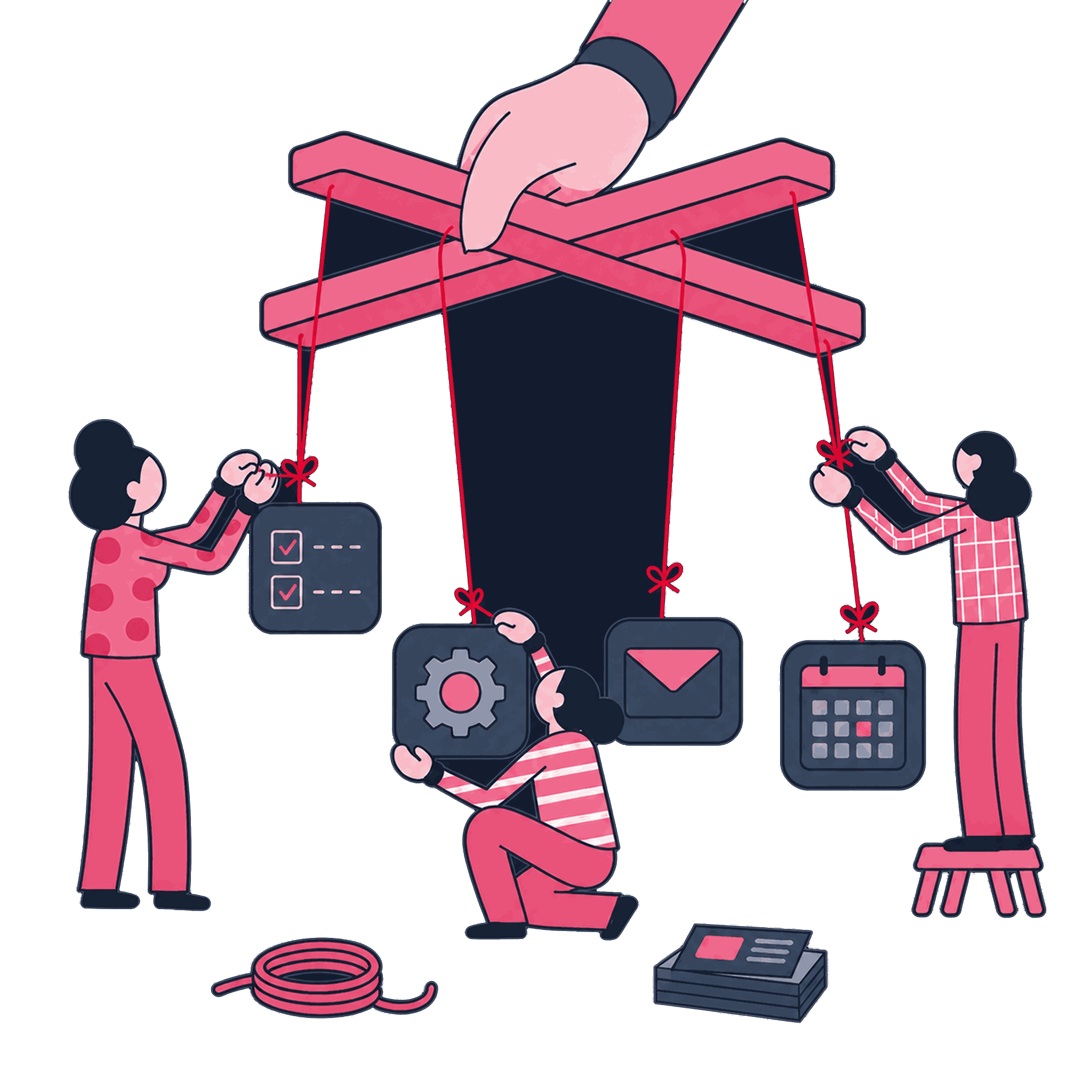
An agent may call a tool, change a record, or pass work to another system. We make its actions, permissions, evidence, failure paths, and owners as clear as the answers it produces.
How we work
Prove a narrow loop before adding authority
We begin with one task and the smallest useful access. Representative and adverse cases show whether the agent can gain another tool, permission, or workflow step, or whether the design should stay narrow.
Scope and ownership
The agent gets one job, the smallest useful access, and a named owner
A task contract is written with the workflow owner before the first tool is connected.
With the workflow owner we write down the input, the acceptable result, the forbidden actions, the data boundary, failure examples, budgets, and the decisions that stay with a person; that contract is what the planning and execution loop, tool contracts, identity and access rules, state, and safe-stop path are built against. Representative, edge, and adverse tasks produce traces we read for completion, tool calls, permissions, cost, latency, stalled loops, recovery, and escalation, and the agent gains another tool, permission, or workflow step only when that evidence supports it. Release happens within agreed limits, with tracing, monitoring, intervention, rollback, and operating ownership connected and new tests written from the failures we actually observed.
From a bounded task to a working agent
Task contract and feasibility
With the workflow owner, we write down the input, acceptable result, forbidden actions, data boundary, failure examples, budgets, and the decisions that stay with a person.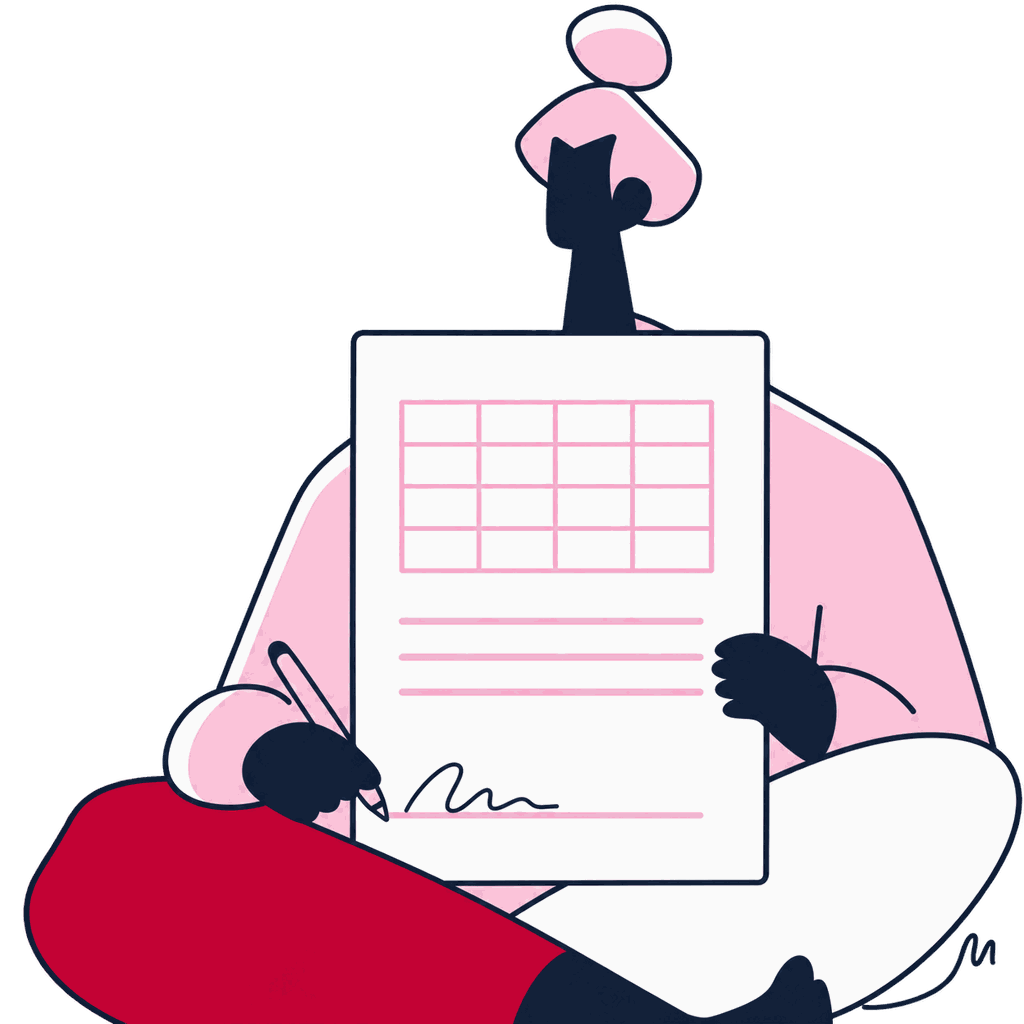
Agent loop and tool boundaries
We build the planning and execution loop, structured tool contracts, identity and access rules, state, memory, and a safe path when the agent cannot continue.
Trajectory and failure evaluation
Representative, edge, and adverse tasks produce traces we read for completion, tool calls, permissions, cost, latency, stalled loops, recovery, and escalation.
Staged release and handoff
We release within agreed limits and connect tracing, monitoring, intervention, rollback, operating ownership, and new tests created from observed failures.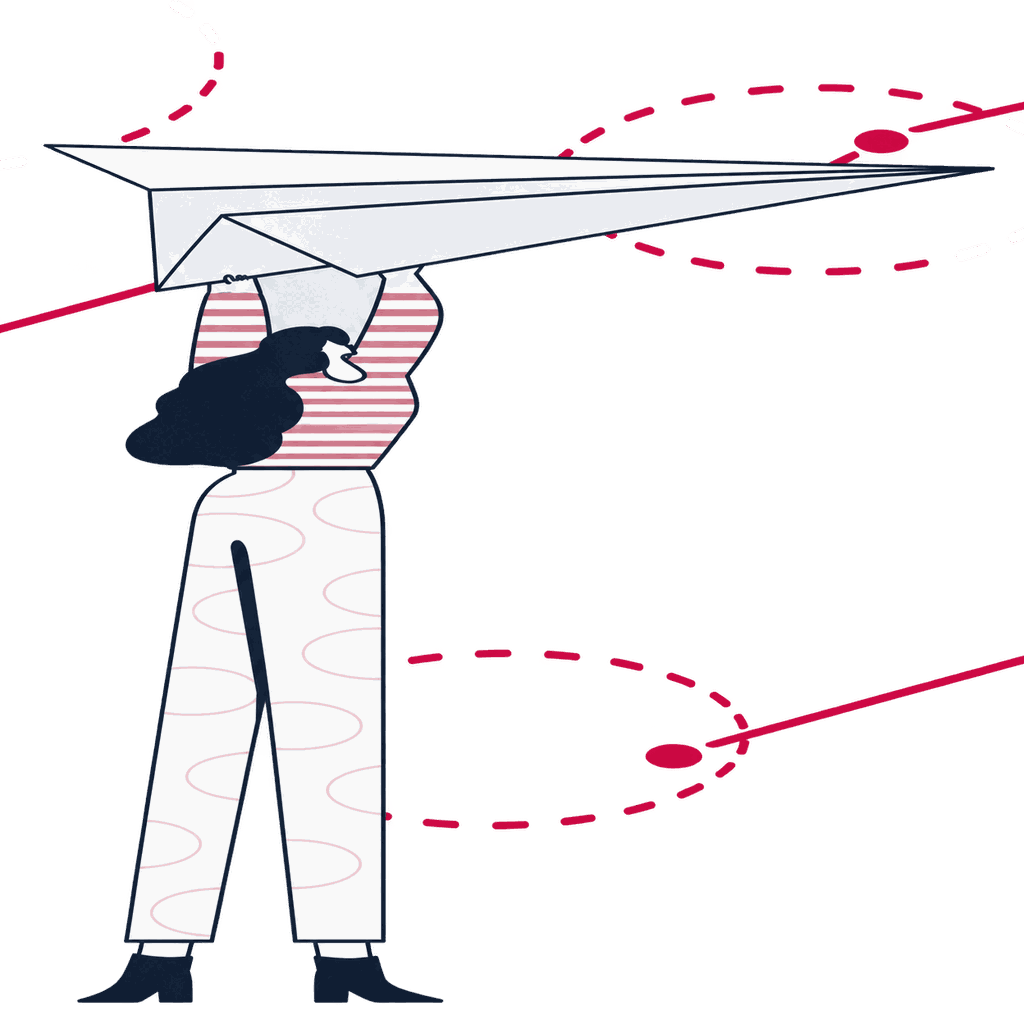


Inside our own team
Five Zeo consultants on what AI is changing in their work
Every operational consultant at Zeo has secure LLM access and training, and AI sits inside the daily work. Five of them came through our AI Bootcamp and wrote down what they expect it to change.


I see generative AI having an enormous effect on daily life and on every industry it touches. As the technology develops, the range of uses will keep widening across creativity, problem-solving, and innovation. We can already see that range in realistic image, video, and music production, pharmaceutical research, and design. I expect the effect on industries to become profound. E-commerce, healthcare, finance, and many other sectors will be able to create more engaging, personalized experiences and make their processes more efficient.
The ability to produce unique content and solutions will open new possibilities and increase efficiency.

Generative AI has the potential to transform SEO, digital marketing, and many other sectors. I expect it to play an important role in our lives in the near future, with more personal experiences, more effective marketing, faster interpretation of data, and quicker action. Products and services will improve. Processes such as customer communication will become more efficient, and organizations that fail to keep up will fall behind businesses that bring AI into their work.
Organizations should start planning the AI applications that make sense for their sector now.

We may be at a moment as significant as the computer revolution, with the potential to transform businesses and industries. Yet for many people, generative AI still means opening a tool such as ChatGPT for a task at work or in daily life. That is only the surface. Companies that integrate generative AI models into workflows and customer processes, and go beyond content production, will gain huge competitive advantages in the coming years.
I believe generative AI should be on the agenda of every board of directors as soon as possible.

I see artificial intelligence as the most exciting technology of both the present and the future. Its potential is unlimited, and we're still at the tip of the iceberg. AI is developing quickly, while much of what it could mean for different sectors remains unexplored. The effect on digital work is already substantial. In the years ahead, I expect breakthroughs that change how entire industries work.
AI's potential will keep expanding. No sector can afford to ignore the opportunity for efficiency and progress. We will keep discovering new dimensions, and I don't see a saturation point.

Work by major technology companies is likely to give generative AI a much wider role in the years ahead. It will create new dynamics in art and design, as well as in sensitive fields such as healthcare and finance. As the technology becomes part of daily life, the ethical and risk questions will grow with it. Being able to follow and experience those developments up close is what makes generative AI so exciting to me.
I look forward to seeing more uses of generative AI that benefit society.
AI Agent Proof
Case Studies
Autonomous AI agents with tool-calling capabilities executing domain-specific workflows.
People who ship the AI systems they advise on
Agents, chatbots, and RAG systems at Zeo are built by senior engineers who keep operating them after launch. The consultants below are those builders, matched to the work this page covers.







Tools we use
The AI engineering stack behind the work
Models, retrieval, evaluation and observability are separate layers of a working system. These are the ones we build and operate on.
Models and cloud platforms
- OpenAIWhen the page's first agent, one job, one inspectable result, needs a model with mature native tool-calling, OpenAI's function-calling and Responses API are the default starting point across the six child pages, from a single custom build to a multi-agent crew.
- AnthropicThe hero's requirement that an agent have clear rules for stopping, recovering, or asking a person to decide leans on a model whose reasoning is inspectable, and Claude's tool-use and extended-thinking output is what several child pages, agent strategy and identity design especially, build that inspection against.
- Microsoft Azure AIFor clients whose identity, logging, and compute already sit on Azure, Azure AI Foundry is the deployment route that keeps a new agent inside the same governed boundary rather than adding an unrelated platform, most relevant to Custom AI Agent Development and Agent Strategy & Architecture.
Agent and automation frameworks
- LangChainFor Custom AI Agent Development and the Identity, Permissions & Human Approval Design child specifically, LangChain's interrupt mechanism is where a designed approval point becomes a real pause in the running agent, rather than staying a diagram step nobody wired up.
- LlamaIndexKnowledge-Grounded AI Agents, one of this page's six children, needs retrieval that keeps a traceable link between what the agent claims and the document it came from, and LlamaIndex's index is what that specific child page builds on.
- CrewAIMulti-Agent System Development sits under this page, and CrewAI's role structure is the concrete implementation of the hero's central claim, that the first agent gets one job, scaled to several specialists each with their own narrow, declared scope.
- n8nFor AI Agent Tool & API Integration, n8n supplies a large library of ready connectors so a new external system an agent needs to reach doesn't always require writing a bespoke API client from nothing.
- AgnoWhen Multi-Agent System Development needs to test whether a stalled handoff is the agents' own logic or the orchestration layer itself, Agno's minimal-overhead runtime is chosen specifically so that distinction stays checkable.
- LangGraphAt the sub-service level, LangGraph is the orchestration layer Agent Strategy & Architecture reaches for when a design needs an explicit, inspectable graph of which specialist hands off to which, before Multi-Agent System Development narrows into the coordination-testing detail of a single running system.
- CerbosThis page's own framing, an agent carries only the authority its job needs, is Cerbos's whole product: a policy engine that evaluates every tool call an agent attempts and can revoke access instantly, which is the enforcement layer the Identity, Permissions & Human Approval Design child names as a design requirement.
- ComposioAI Agent Tool & API Integration lives under this page, and Composio addresses the part of that work n8n's general workflow connectors don't: agent-specific tool definitions with managed authentication refresh, so a new external tool an agent needs is added as a scoped, revocable grant rather than a hand-rolled OAuth flow.
Application and prompt tooling
- Pydantic AIWhere an agent's authority has to stay inside a declared tool contract, Pydantic AI's schema-typed approach is what Custom AI Agent Development and AI Agent Tool & API Integration use to keep a call inside its declared shape rather than trusting free-form output.
Retrieval, embeddings and memory
- PineconeFor Knowledge-Grounded AI Agents specifically, Pinecone is the retrieval store sized to hold up under a live agent's real query volume, distinct from the smaller embedded stores this family uses on prototype-scale RAG pages.
- LettaA narrow loop still needs to remember its own prior steps across a longer job, and Letta's persistent memory is what Custom AI Agent Development and Multi-Agent System Development both rely on to keep an agent's working state from silently drifting stale mid-task.
Gateways and hosted inference
- LiteLLMAI Agent Tool & API Integration needs a stable way to call whichever model backs a given agent without rewriting the integration layer per provider, and LiteLLM's unified interface is the piece that keeps that integration work from multiplying with every new model added.
- PortkeyWhere AI Agent Tool & API Integration has to survive an upstream API's rate limits or outages, Portkey's gateway-level retry and fallback routing is what keeps a granted tool call from failing silently the first time the underlying service hiccups.
Evaluation and observability
- LangfuseThe hero's promise is a result you can inspect, and Langfuse's run traces are what makes that inspection concrete across this page's children, from a single custom agent's tool calls to a multi-agent crew's handoffs.
- BraintrustCustom AI Agent Development needs proof the first narrow loop actually produces a correct, verifiable result, and Braintrust's eval framework is where that scoring happens before a build gets called ready to add authority to.
- TraceloopAI Agent Tool & API Integration needs proof that a deployed agent's actual call sequence stays inside its granted tool boundary, and Traceloop's execution tracing is where that comparison between designed and observed behavior happens.
Safety and security testing
- Guardrails AIPermission boundaries named in the Identity, Permissions & Human Approval Design child still need enforcement at the instant an agent tries to act, and Guardrails AI is what catches an overreach the initial grant didn't anticipate, across every child that gives an agent real authority.
- Lakera GuardThe Identity, Permissions & Human Approval Design child's exception testing has to cover the case where the boundary itself is correct but an attacker manipulates the agent into using it wrongly, and Lakera Guard is the runtime layer that catches that specific class of failure.
Next step
Deploy generative AI solutions with clear business value
FAQ
AI agent development questions
What is AI agent development?
Which tasks are good candidates for an agent?
How do you contain agent mistakes?
How much autonomy should an agent have?
How is AI agent development priced?
Pricing reflects agent architecture (single-agent vs. multi-agent orchestration), tool/MCP integrations, memory systems, and automated evaluation frameworks. Scope is structured across discovery, prototype testing, security guardrail integration, and production deployment support.