








AI Agent Tool & API Integration
A tool-calling agent is releasable only when each call has a versioned contract, bounded authority, an asserted downstream effect, and a tested response to timeout, retry, partial failure, and rollback.
A timeout can hide a completed action, and the retry can run it again. We define the contract, restrict the agent's authority, and test side effects, failures, audit traces, and the rollback paths that exist before release. Engineers and action owners receive a call inventory, permission map, side-effect findings, and operator procedures that show who can pause or reverse each consequential path.
Some of the 500+ brands we've worked with
See all references







































The run order, and who signs each step off
How we work
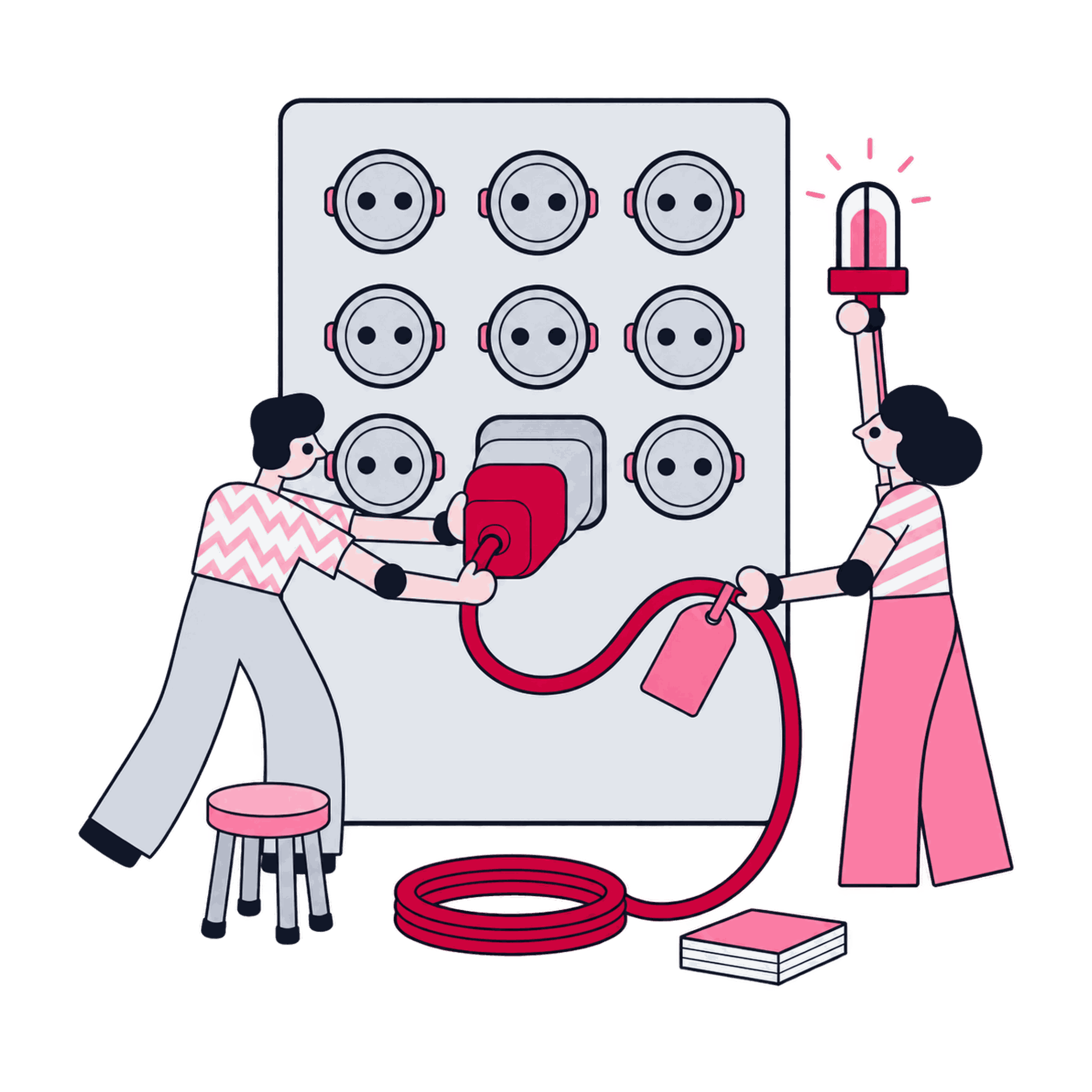
The endpoint is only the start. We define the call, bound its authority, test its asserted downstream effect, and connect the evidence to an operator response.
Write the action contract
For each necessary tool action, we sit with the API and action owners to record its schema, authentication, expected errors, side effects, approval requirement, and success evidence. The downstream action owner chooses the necessary calls and accepts what they may change.
Constrain what the agent can send
In the safe environment, we build an allowlist, validate structured parameters, apply least privilege, mark where execution waits for approval, and add idempotency and resource limits. Approval of the allowlist and every execution wait stays with the action owner.
Follow the call into the downstream system
We run successful, malformed, denied, timed-out, partially failed, repeated, and unauthorized calls. We also exercise schema changes and any available rollback path, then compare the trace with the downstream assertion defined for that action. A named downstream owner decides the response to every side-effect failure.
Give operators evidence and a response
We wire trace fields and alerts to intervention steps, available reversal paths, exception ownership, and review dates. The released integration records who can pause it and what happens next. The named action owners accept the available rollback procedure and remain accountable for unresolved exceptions.


Named artifacts you keep
What you get
The handoff gives engineers the contracts, owners the authority map, reviewers the observed side-effect evidence, and operators the response procedures.
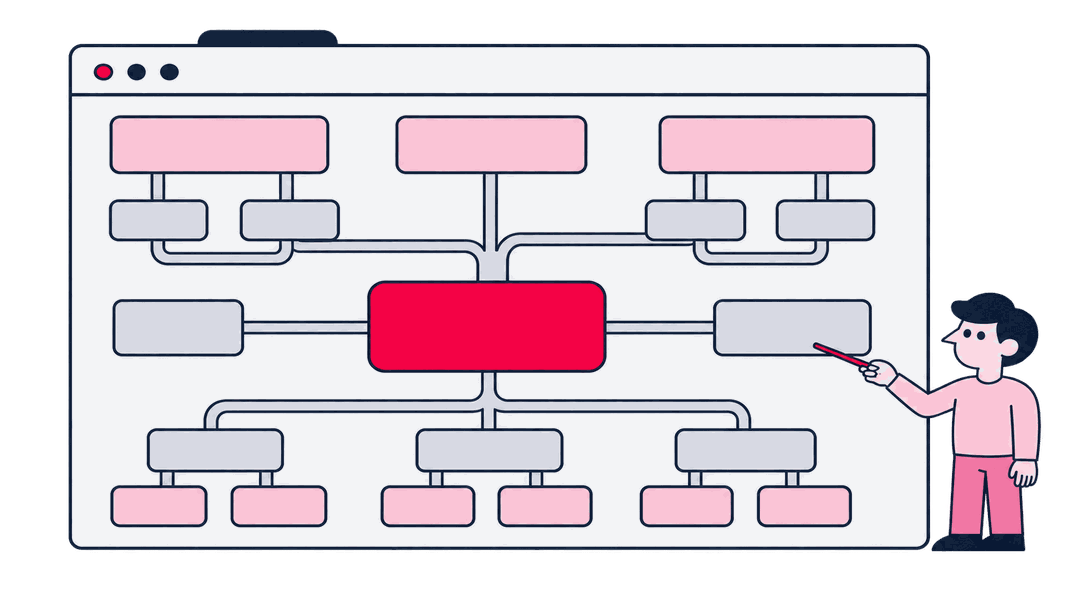
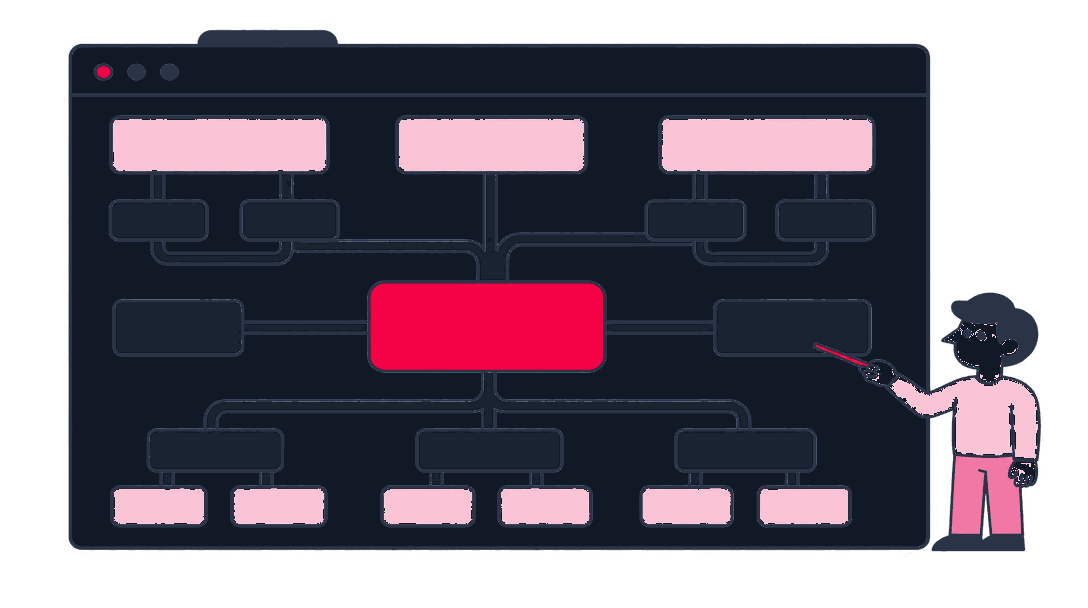
Architecture document
Versioned tool-call contract inventory
A versioned record of every approved call, including its action owner, parameter schema, authentication, errors, possible side effects, and success assertion.
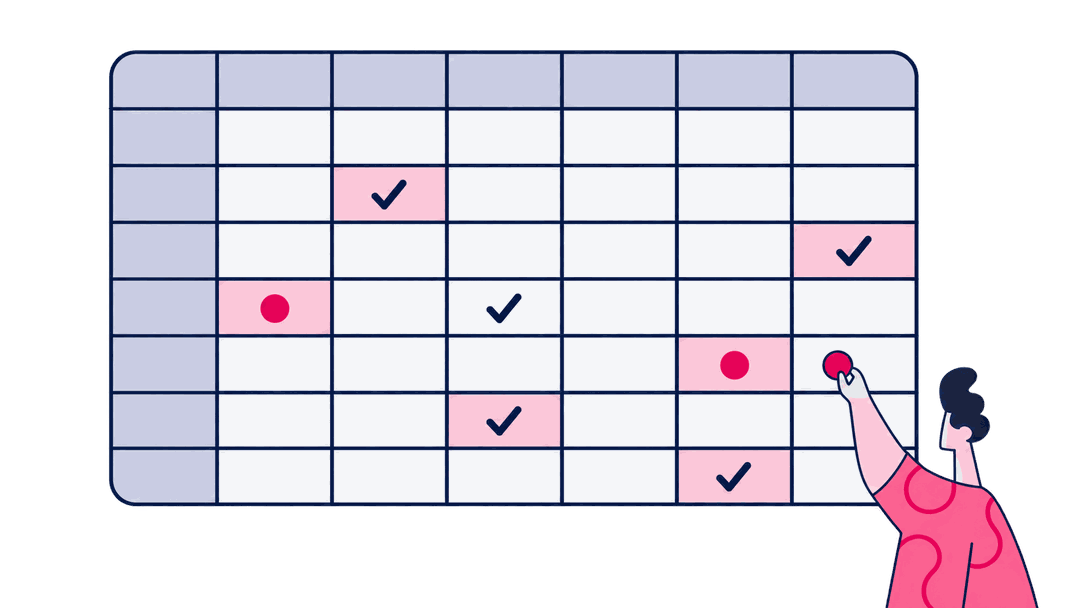
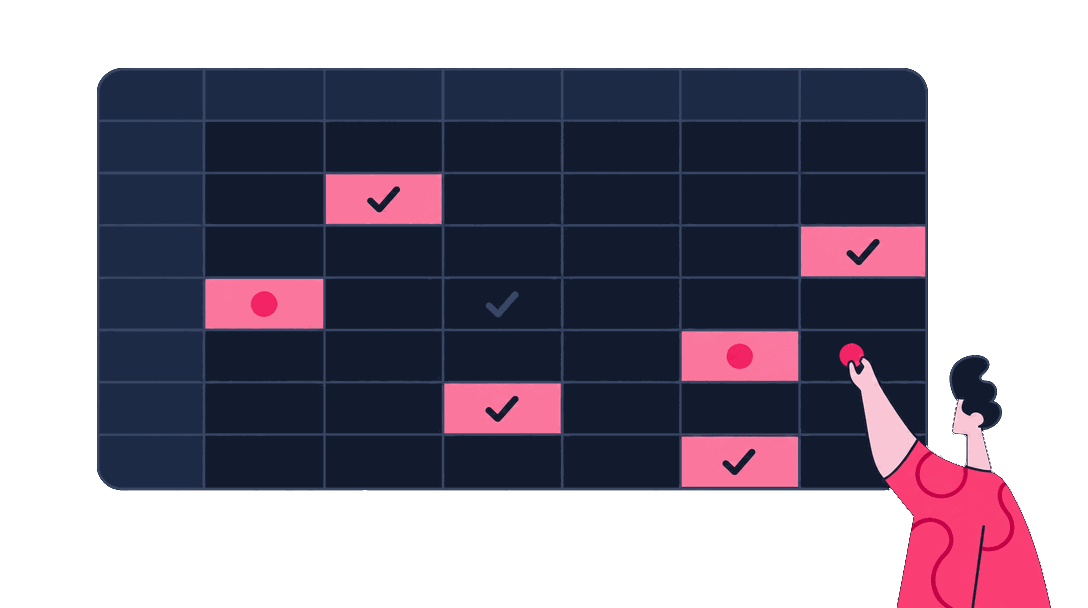
Matrix
Consequential-call permission and approval map
The allowlist, least-privilege identity, human approval waits, resource limits, forbidden actions, exception owner, and escalation route for each consequential call.
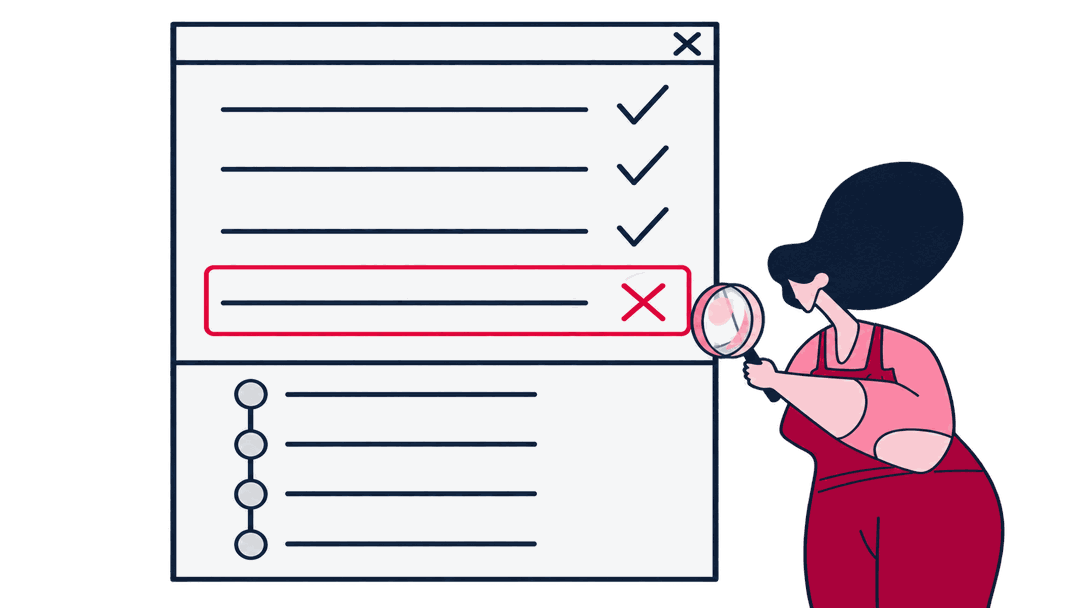
Test evidence
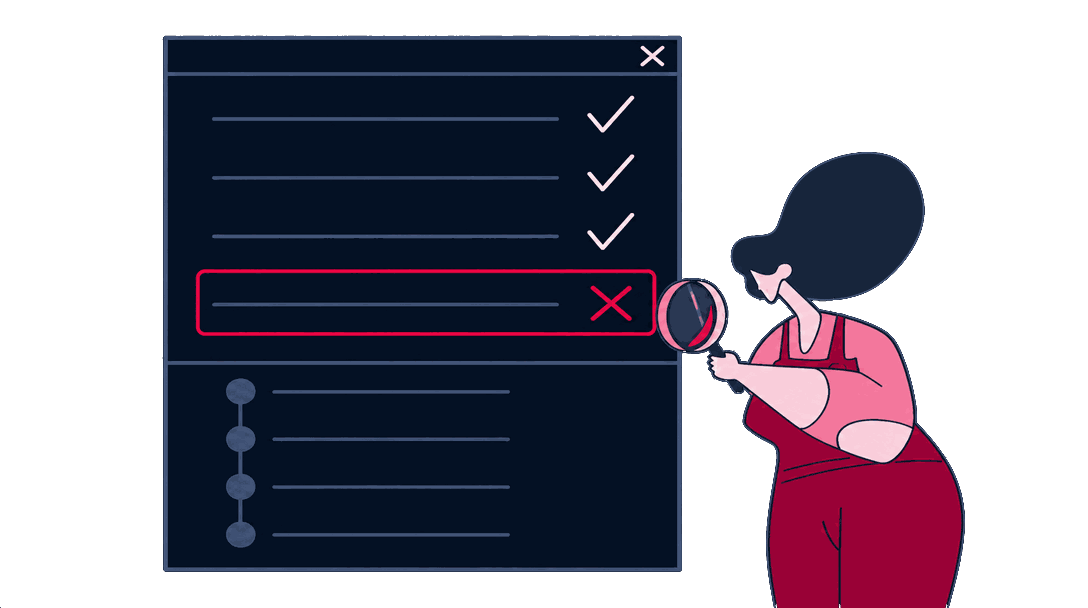
Timeout, retry, and side-effect findings pack
Representative cases for success, malformed input, denial, timeout, partial failure, retry, rollback, schema drift, and unauthorized action.
Playbook
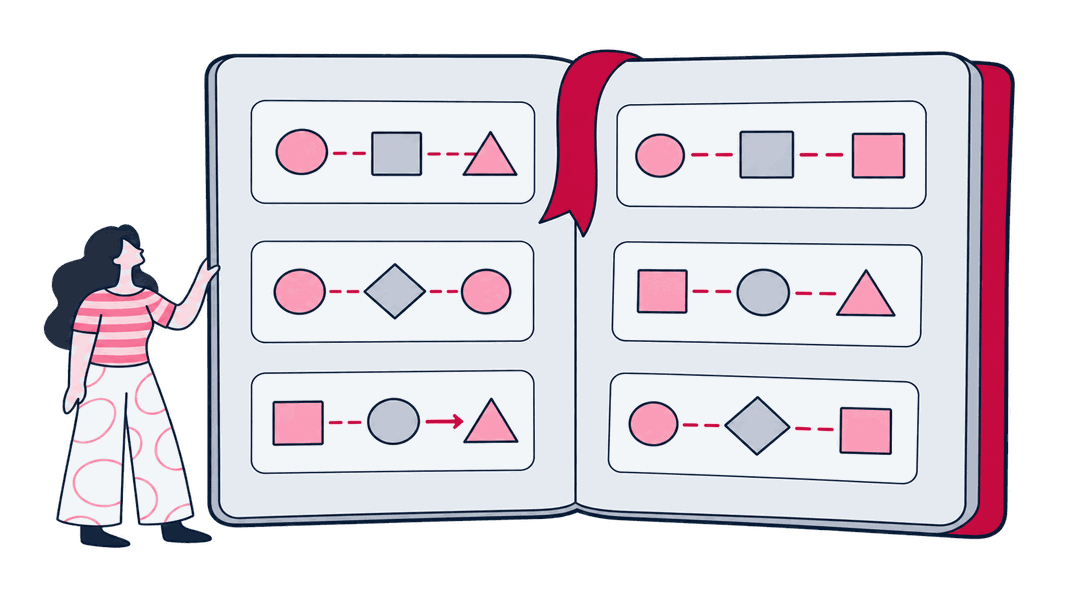
Operator rollback and intervention plan
Trace fields and alerts tied to intervention steps, available rollback paths, exception handling, named owners, and review dates.
Scope and honest limits
When to bring us in
This work fits when an agent reaches a consequential API action and malformed input, a retry, or missing approval could leave a duplicate or unauthorized effect behind.
A good fit when
- The APIs and tools already exist. Their schemas, permissions, side effects, errors, and owners still need an agent-facing contract.
- Your safe test environment covers successful and denied calls, but retries, timeouts, partial failures, and approval waits are not reproducible yet.
- A downstream action changes a real system, yet the people accountable for that effect cannot see the call, approval, and rollback evidence together.
- The tools are listed, but their schemas, authentication, errors, side effects, action owners, and success assertions are not held in one versioned contract.
- An allowlist limits the first call, while parameter validation, least privilege, approval waits, idempotency, and resource limits still vary by tool.
- The successful calls pass, yet malformed input, denial, timeout, retry, schema drift, and available rollback paths have not been compared with downstream effects.
- Audit traces exist, but operators cannot connect an alert to intervention steps, a rollback path, an exception owner, or a date when someone looks again.
Better handled as other work when
- You need broad credentials issued before the tool path, approval waits, and action owner have been reviewed. Access design must come first.
- You want an API success response treated as proof that the intended downstream effect happened once or can be reversed. That requires a separate assertion.
- You need APIs outside the agreed tool path operated or remediated in production. This integration stops at the calls and effects in scope.
If one of these is closer to your situation, start here instead: See the wider agent service
Engineers who ship production AI
This is the part of Zeo that writes and ships code. Our senior engineers build agents, chatbots, and RAG pipelines, along with the automation and data work around them, and they keep operating those systems once they're live. We've worked with more than 500 brands since 2011.







Tools we use
Tools behind this work
 Anthropic
the model API and the MCP standard most tool contracts here get written against
 n8n
n8nthe connector layer with visible execution history for the downstream systems being called
 Pydantic AI
the typed schema enforcement constraining what the agent can send before the call fires
 LiteLLM
the gateway keeping tool-calling requests on one interface across model providers
 Traceloop
the call-by-call trace giving operators the audit evidence this page promises
 Guardrails AI
the response-side validation covering what comes back, not just what goes out
Adjacent work
Where this leads

Build
Custom AI Agent Development
A contract bounds one call. The loop deciding when to make it, where to stop, and when to hand back to a person is built around a single repeatable job.

Build
Knowledge-Grounded AI Agents
Call permissions decide what the agent may do. When a retrieved document is what prompts the call, source authority and action authority have to stay on separate control paths.


Assurance
AI Agent Evaluation & Reliability
Our failure pack runs each case once against the integration. Repeating those calls on the build you intend to ship shows whether a retry or timeout behaves the same way twice.
Next step
Bring us one consequential call
Before you decide