



AI search visibility
Generative Engine Optimization
Some of the 500+ brands we've worked with
See all references

























Capabilities
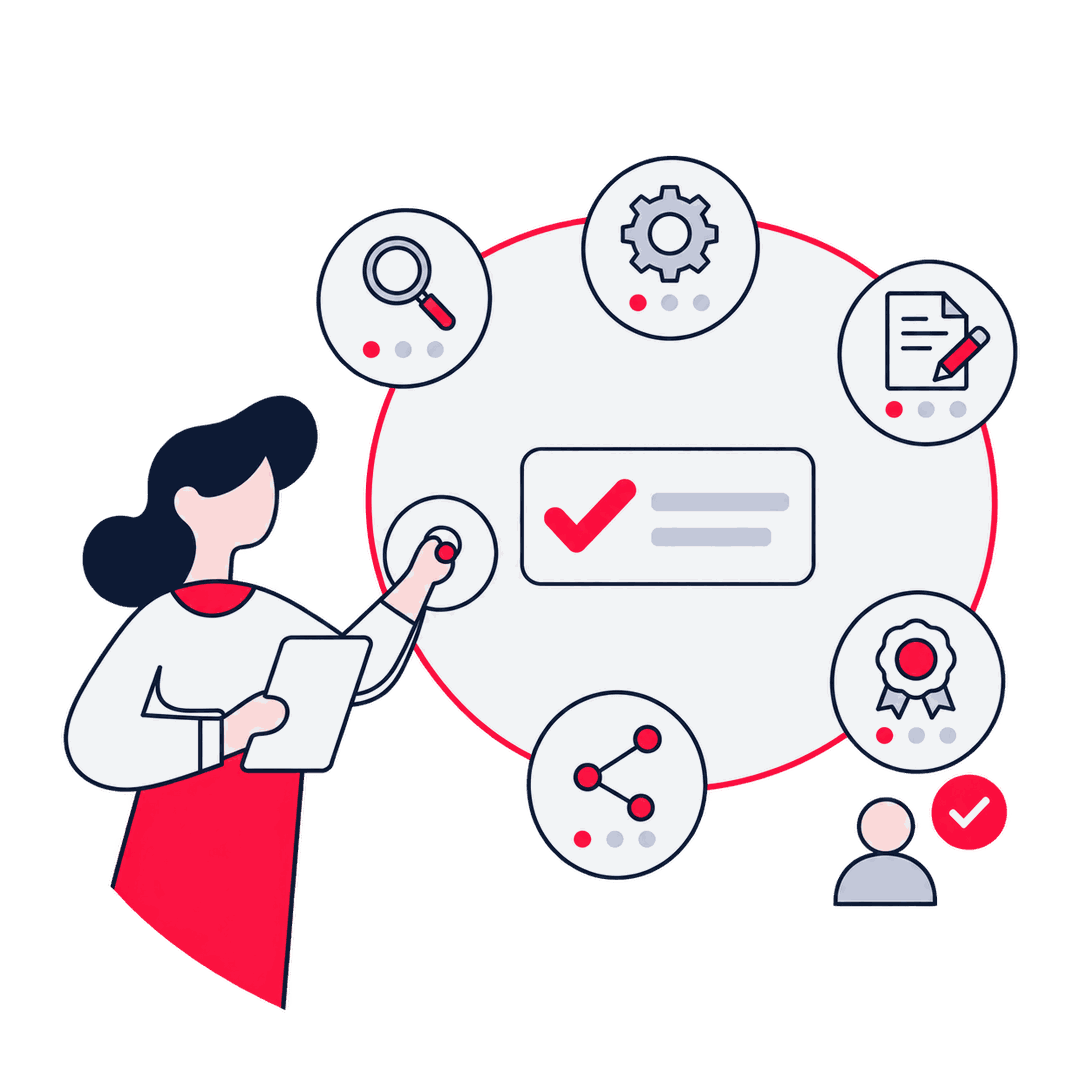
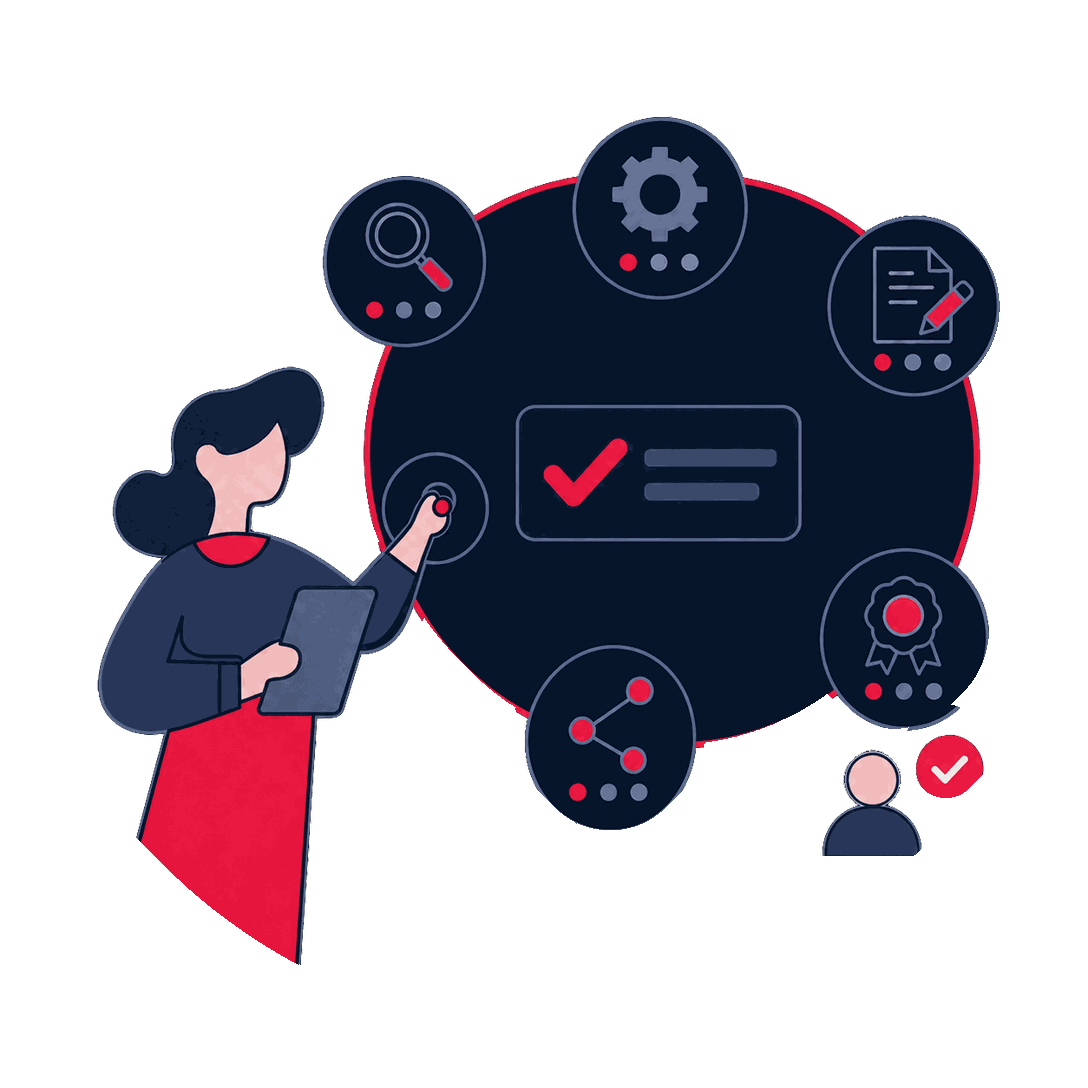
The six capabilities behind AI search visibility
The tag on each card shows when that work enters an engagement. Pick the one closest to your current gap.
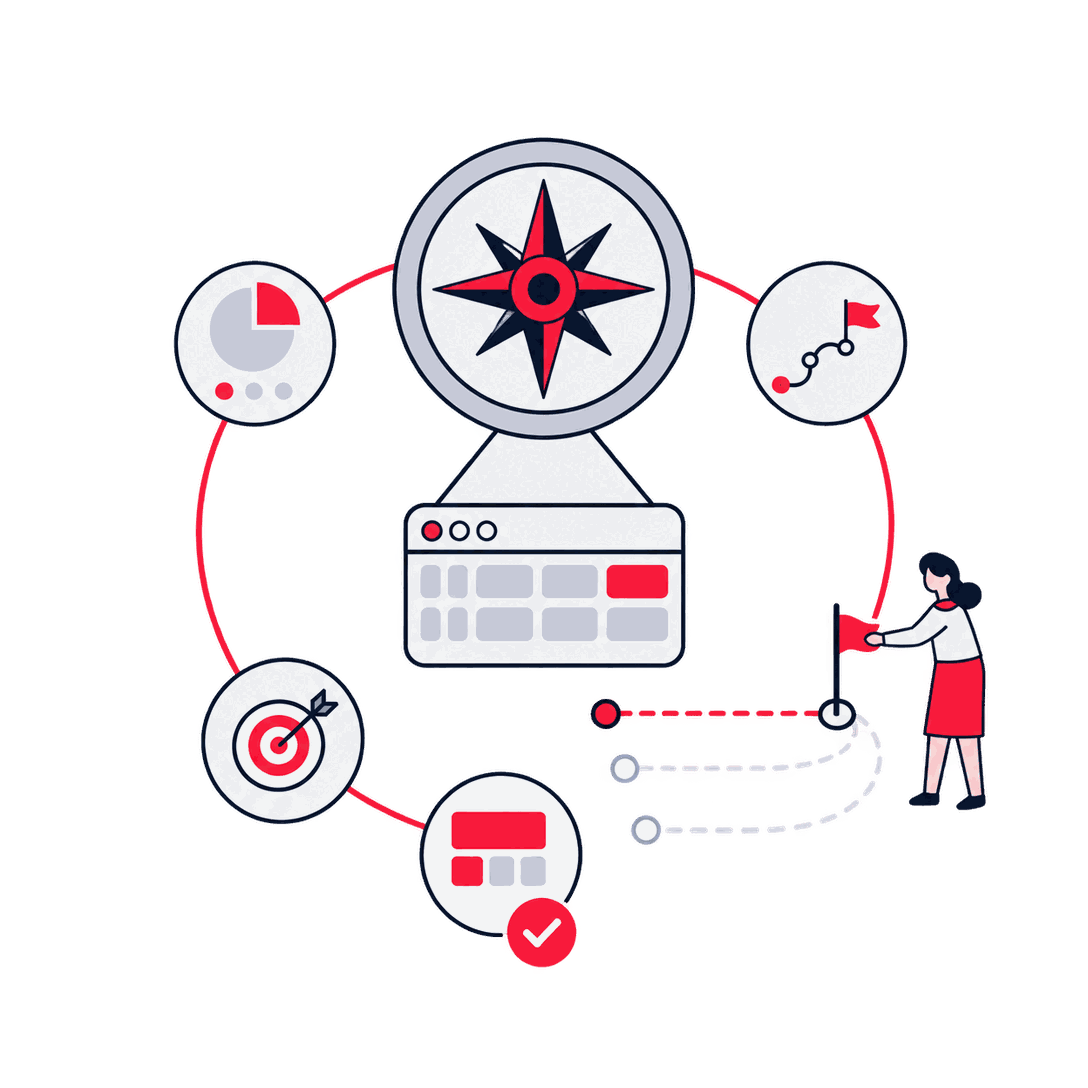
 DiscoverGEO Strategy & AI Search AuditWe choose the questions worth tracking and establish where your brand appears today. The cited sources show us which gaps deserve a closer look.See the capability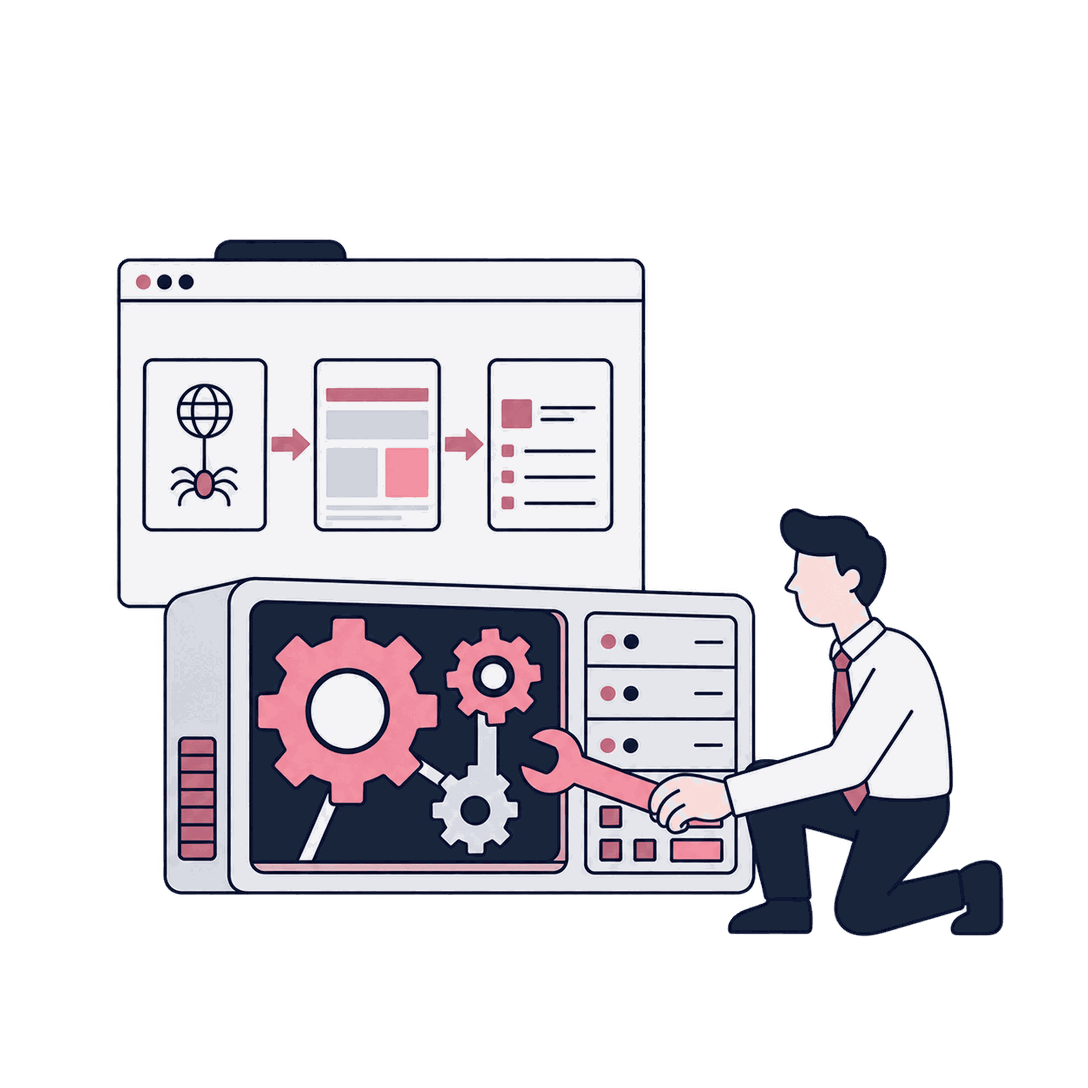
 BuildTechnical AI Search OptimizationWe check direct crawler access, render behavior, and what the system can extract from the page your visitors see. A robots.txt file tells only part of that story.See the capability
 BuildAI Citation Content OptimizationThe page answers an important question directly, keeping supporting claims and sources close enough for the passage to make sense when a system retrieves it on its own.See the capability
 BuildEntity & Knowledge Graph OptimizationWe reconcile the facts that identify your brand and its relationships. Your site and the external records that repeat those facts need to agree.See the capability
 BuildAI Search Authority & Citation StrategyWe map the publications, profiles, reviews, and expert sources appearing beside answers in your market. Your team can then judge which missing sources are worth pursuing.See the capability
 OperateAI Visibility Monitoring & Answer AccuracyA versioned prompt sample shows how mentions and citations change. The report keeps the sample's limits visible beside the findings.See the capability
 Not sure what to call it?
Searching for AI SEO, AEO, or LLM SEO? Start here
Choose the language that brought you here. Each path connects to the same GEO capability system.

 AI Search Optimization Services (AI SEO)Start here if your team calls the work AI SEO. The page separates visibility inside AI answers from the use of AI in conventional SEO, then points each issue to the service that owns it.Take a look
 Answer Engine Optimization (AEO) ServicesAEO asks whether a supported answer can still be found and understood away from the full page. Ownership may sit with content, technical, entity, or measurement specialists, depending on the evidence.Take a look
 LLM SEO & LLM OptimizationLLM SEO deals with web inputs a model may retrieve. The relevant specialists still own the technical, content, entity, and authority work. None of this can change model weights or force an answer.Take a look
 ChatGPT Visibility & OptimizationChatGPT needs a test setup that records browsing state and citation behavior. Much of the strategy and supporting work can still serve other platforms, including content, authority, and measurement.Take a look
 The working definition
What GEO covers
GEO improves the accuracy of brand mentions and citations inside AI-generated answers, including how the answer represents your brand. SEO works with a ranked list of links. GEO also checks whether cited sources support what the answer says.
The change is already visible to buyers. More questions end with an answer and no click, and that answer may name only a few brands. GEO aims to earn a place among them while keeping a record of what changed.
One way to describe this is a shift from link-based retrieval to synthesis, where the system writes the answer directly. The same behavior can be framed through the “Principle of Least Effort”.
What we examine
The main parts of a GEO strategy
An AI system may draw on several parts of your web presence for one answer. We examine the content that resolves the question, the sources a model may trust, and whether its crawlers can reach and read the page.
A published GEO benchmark reported visibility gains of up to 40% for selected tactics in its own evaluation. We use that finding as research input. It isn't a forecast or guarantee. Production work still needs a brand-specific baseline, controlled testing, and human review.
Our approach
GEO strategy
The recommendations begin with evidence.
We start by recording how often the brand appears in AI answers and which competitors receive citations for the same questions.
That baseline shows where the gaps are. We then decide which questions matter to your buyers and deserve a test.
The page work follows. We bring the useful answer forward and add schema markup when it removes ambiguity. We also check direct access for AI crawlers such as GPTBot and ClaudeBot.
After the changes go live, we keep tracking citation gaps, sentiment, and accuracy. The picture can move as models update and competitors publish.
Inside a GEO engagement
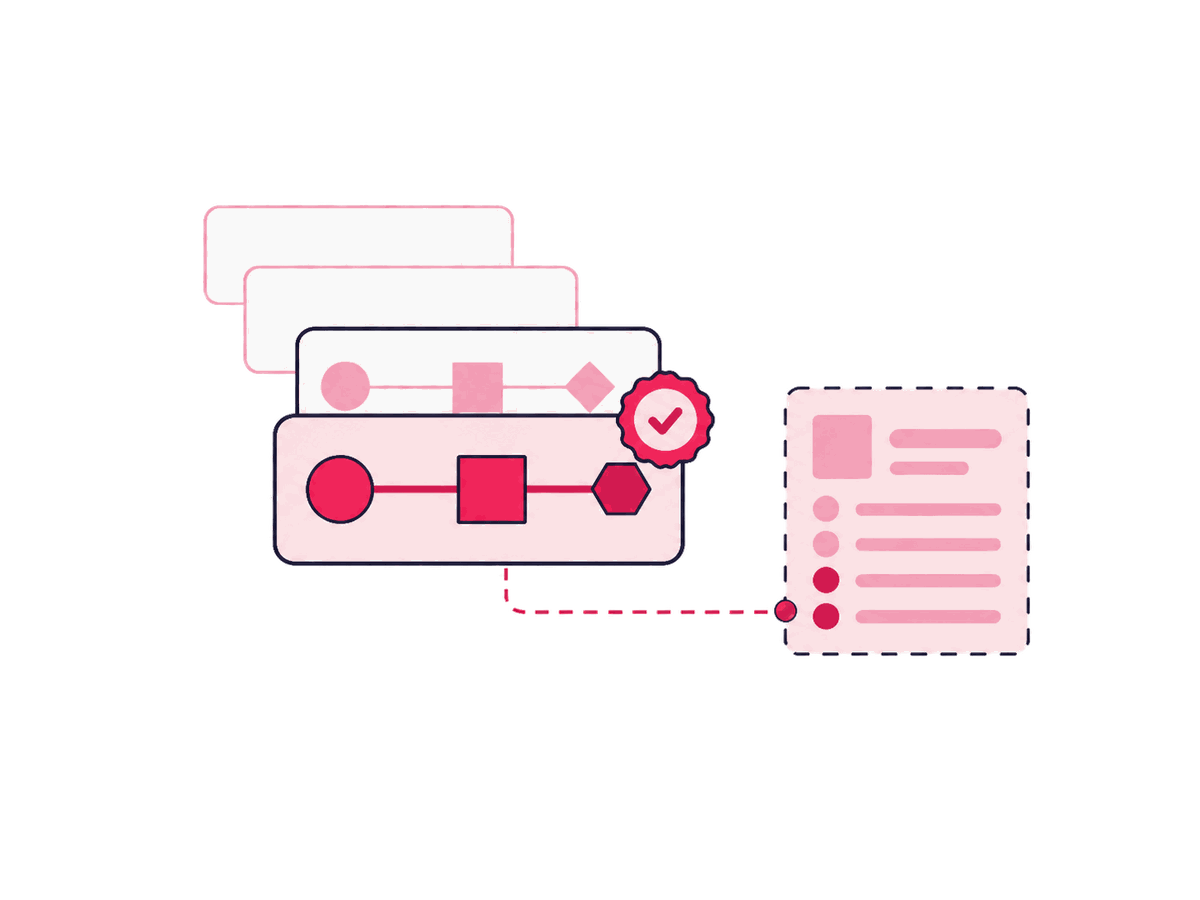
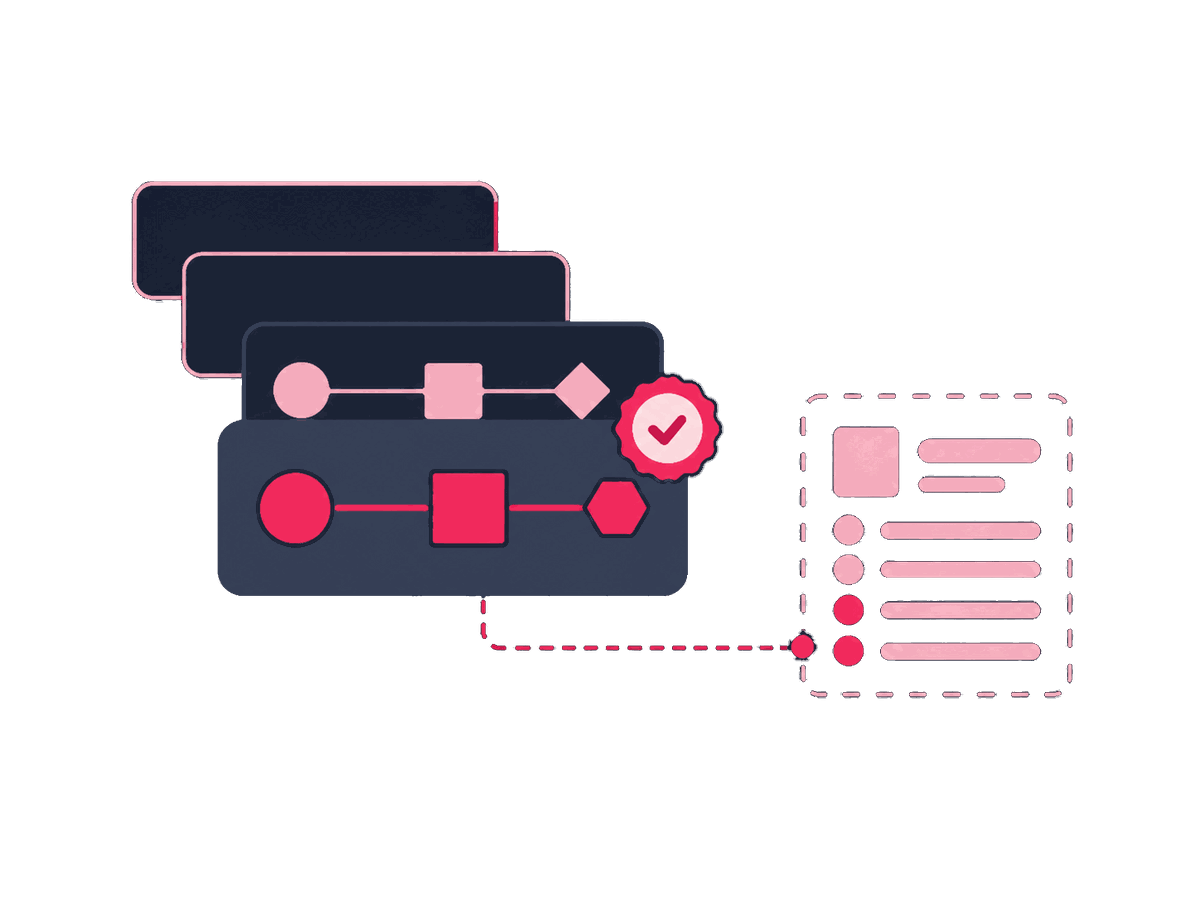
GEO adds a measurement layer to the keyword strategy you already use. Together, we agree on a versioned question set and how it will be measured. We check `robots.txt` and test direct crawler access before prioritizing changes that make the brand's facts easier to find and understand. The model still decides which sources it selects or cites. The first benchmark shows which questions cite competitors today. Those results tell us where an initial test is worth the effort.
Discover
We establish the current AI-search baseline and map the gaps. This review also covers entity and schema setup, along with direct checks of AI crawler access.
Build
We put the direct answer and its sources in place first. Then we tighten the supporting schema and, where relevant, connect real-time feeds or prepare the systems behind them.
Operate
As AI search products change, we keep the schema current and report on visibility reach, sentiment, and citation gaps.
Clients on the work
What it is like to work with Zeo
Our clients describe the work in their own words.


We were working with a global supplier on SEO before. Accessibility and process management were a little more difficult with these teams. At the same time, in terms of budget, global suppliers were more costly for us due to exchange rate differences and man-hours. When we started working with Zeo, we first went through an audit, fixing the results and problems. After these processes, we placed SEO in a strategic place for digital marketing and created an always-on SEO strategy for our brands and implemented it step by step.

As MediaMarkt, we have been working with Zeo for 6 years in a very tight and coordinated way to manage our SEO processes. We receive the highest level of feedback from Zeo on increasing and improving our organic traffic. It is very enjoyable to get fast support on all our issues 24/7 and to work with Zeo to better embrace and continuously improve our brand, and we recommend it to everyone.

We strictly follow the regulations and algorithms that can change at any time; We need to act quickly. At this point, Zeo has become a partner that meets all our expectations with its professional, innovative and solution-oriented approach. The Zeo team has become a stakeholder in success by looking at our optimization processes and our brand as their own value. As the Acıbadem Healthcare Group family, we would like to thank all the Zeo team, who work tirelessly, constantly improve, and do not compromise on keeping their energy high under all circumstances!

Besides increasing our website's visibility in the UK with Zeo, the experienced team that closely follows its work and has extensive experience in its field has always made us feel like we are in the right place for SEO. We are on the right track with Zeo in a country and industry where competition is high.


We talked to a number of agencies while we were planning our website's infrastructure migration, and we ended up with Zeo. They start by understanding the problem, then bring fresh approaches to solving it better. Communication is strong, and they support you at whatever point you turn out to need it. Every minute we spend working with them convinces us further that we made the right call. If you're looking for someone to sort out the digital side, you're in the right place.
Client work
Case Studies
Sites that had to stay findable while search results changed shape. The work behind the visibility numbers.





The people leading this work
Zeo has worked with more than 500 brands since the agency started in 2011, across six practices. Below are the leads for the one this page belongs to.








Tools we use
What we watch AI answers with
Generative search leaves less to read than a rankings report does, so most of this work is assembling evidence from tools that were never built for it.
AI answer and citation tracking
- ProfoundThe hub's opening claim, that an AI answer may mention a brand or cite a competitor while missing published evidence, is the exact gap Profound's Answer Engine Insights module records across ChatGPT, Gemini, Perplexity, and AI Overviews. It anchors the family-wide baseline that every capability below narrows into a specific method.
- Peec AIThis page promises to track brand mentions, citations as a source, and the tone of those mentions over time. Peec AI reports each of those against a named prompt and a named model rather than rolling them into one figure, which is what lets the same report also disclose its sampling method. Without that per-run breakdown, a movement in a blended score cannot be traced back to the question or the platform that produced it.
- Otterly.AIThe measurement answer on this page keeps mentions, citations, and tone as separate things being tracked, not one number. Otterly.AI records them as distinct fields per engine, and its sentiment tracking sits beside the citation log rather than replacing it. That separation matters here because the page also commits to naming its sampling method, and a blended visibility score has no sample to name.
- SemrushThis page opens by separating GEO from SEO: one is about how links rank, the other about what a system says and cites. Semrush is where both readings sit in one account, since its AI Visibility Toolkit tracks brand presence in AI answers while the classic dataset still holds the ranking and demand picture. We use it to show a client the two are moving independently, which is the argument this page is making.
- AhrefsWhere a claim needs a second, independent read on AI Overview presence, not only a purpose-built platform's number, Ahrefs' Brand Radar supplies it from data the team already holds for organic work, which is useful for the hub-level sanity check before a capability team commits to a deeper audit.
- SE RankingSE Ranking's AI Search add-on tracks AI Overview appearances and chatbot mentions inside the same rank tracker an account already runs, which suits a retainer where a dedicated AI visibility platform is hard to justify on its own. The coverage is narrower than a purpose-built tracker, so we say which of the two an engagement is running on before any baseline number on this page is quoted.
- OpenAIThis page names ChatGPT among the systems it tests and says each one retrieves and cites differently, so each needs its own test conditions. That makes ChatGPT a measured surface here rather than a drafting tool: we run the agreed question set against it and keep the answer, the cited sources, and whether browsing was active. A screenshot without those conditions attached cannot be compared with the next run.
- Google GeminiGemini is one of the systems this page commits to testing, and the page is explicit that a result on one platform does not carry to another. We run the same question panel through Gemini under its own recorded conditions and keep the output in its own series. Reading a Gemini answer as confirmation of a ChatGPT finding is exactly the shortcut the page rules out.
Entity and structured data
- Schema AppThe hub FAQ directly asks which role schema markup plays in GEO; Schema App is where that markup gets authored, connected into an entity graph, and monitored for coverage, which is the family-wide answer this hub gives before Entity & Knowledge Graph Optimization and Technical AI Search Optimization each take a narrower piece of it.
- InLinksThis page's schema answer is that structured data explicitly identifies a price, a review, or an organization so a model has less room to misread it. InLinks builds that markup from the entities it detects in the page's own copy rather than from a separate template, which keeps the JSON-LD claiming only what the visible page supports. Where a client's CMS already emits its own markup, we use InLinks as the entity reference and leave publication to the existing template.
- YextThis page argues that a mention outside your own site can carry more weight than a post on your blog. Yext is how a corrected fact reaches the directories and publisher profiles that carry that weight, with its overwrite detection showing when a listing has drifted back. It covers the syndicated network only; an independent publisher still has to be asked, and this page does not claim otherwise.
- Screaming FrogBefore any capability-level engagement starts, a Screaming Frog crawl establishes what the site's raw HTML actually exposes, since several FAQ answers on this hub and its children turn on that exact distinction between rendered and extracted content.
- Google Search ConsoleSearch Console's index coverage and URL inspection reports are the reference point the technical capability compares an AI crawler's behavior against, since a page that Googlebot indexes cleanly but an AI crawler cannot parse is a different, narrower problem than a page neither can reach.
- WikidataThe schema question on this page is really about leaving a model less room to misattribute a fact. Wikidata is where a brand's identifiers and core facts sit in a public, sourced form that several systems consume directly, so an error there propagates further than one on an owned page. We check it as part of the baseline and prepare sourced corrections; the community, not Zeo, decides what is accepted.
Content evidence and sourcing
- Surfer SEOAI Citation Content Optimization and its inner-task pages lean on Surfer during drafting to check a passage's structure and coverage against pages that already earn citations, which is the content-side counterpart to the technical checks above.
- NotionThis page commits to a full audit report with a build roadmap after roughly three weeks. That document is assembled in Notion, where each finding stays linked to the prompt and the evidence behind it and the roadmap items keep their owners. Keeping it there rather than in a slide deck is what lets the same record be reopened at the next review instead of rewritten.
Crawl and rendering for AI agents
- Cloudflare AI Crawl ControlBefore any question about what a model says, there is a question about whether it could read the page at all. Cloudflare's AI Crawl Control, generally available since it was renamed from AI Audit, reports per-bot request and block counts at the edge, so GPTBot being blocked by a WAF rule shows up as a fact rather than a theory. It covers sites already served through Cloudflare; elsewhere we read the same evidence from server logs.
Digital PR and outreach
- Muck RackAI Search Authority & Citation Strategy's earned-media work starts here: Muck Rack's current-coverage view is what keeps a digital-PR brief aimed at a reporter who genuinely covers the topic today, since a stale media list produces pitches AI-cited sources never actually needed.
Measurement and reporting
- Google AnalyticsThis page keeps its promises modest: it measures mentions, citations, and tone, and says the data does not yet come from one authoritative source. GA4 is the other half of that picture, the consented first-party record of what an AI-referred session did after it arrived. It can only see referrals that kept their source, which is why the assisted-conversion work treats stripped referrers as a named unknown rather than folding them in.
- SimilarwebWhen a program needs to show that AI visibility work is moving actual visits, not just mentions, Similarweb's AI referral segmentation is the source the hub-level reporting draws on, distinct from the citation and mention tracking that Profound and Ahrefs Brand Radar cover.
The work around GEO
Search, content, and analytics specialists stay involved where their ownership begins. We agree those handoffs before delivery starts.
Next step
Evaluate your visibility in AI search
Before the work begins
Common questions about GEO
How is GEO different from SEO?
SEO works on how links rank. GEO examines what an AI system says and the sources it cites, which calls for a different set of signals and checks.
Which AI systems can Zeo work with?
We test and optimize for major generative answer systems, including ChatGPT, Google Gemini, Perplexity, and Claude, using separate test conditions because each system retrieves and cites sources differently.
Does repeating keywords help with AI-search visibility?
No. Answer systems tend to reuse passages that resolve a question through clear, sourced statements. Repetition doesn't add evidence. We write passages a system can extract and quote, keeping the source and context close by.
Which role does Schema markup play in GEO?
Structured data (JSON-LD) explicitly identifies a price, a review, or an organization. That leaves less room for a model to misread or misattribute those facts.
Why do Reddit and other community platforms matter for GEO?
AI answer systems often use community consensus as a signal. A mention in a well-moderated community can carry more weight than a post on your own blog. We monitor how the brand is represented there and work on the parts that can be improved legitimately.
How do you measure GEO performance?
We track brand mentions, citations as a source, and the tone of those mentions over time. The report also shows the sampling method because this data doesn't yet come from one authoritative source.
How long does a GEO Audit usually take?
The initial audit typically takes three weeks. During that time, we set up the tracking infrastructure and establish the current visibility baseline. You receive a full audit report with a build roadmap.
Can anyone guarantee AI rankings or citations?
No. Generative answers are probabilistic, with no fixed positions to promise. We can improve the conditions for inclusion and citation. The model still chooses its sources.