


A broad name for several disciplines
AI Search Optimization


Some of the 500+ brands we've worked with
See all references
















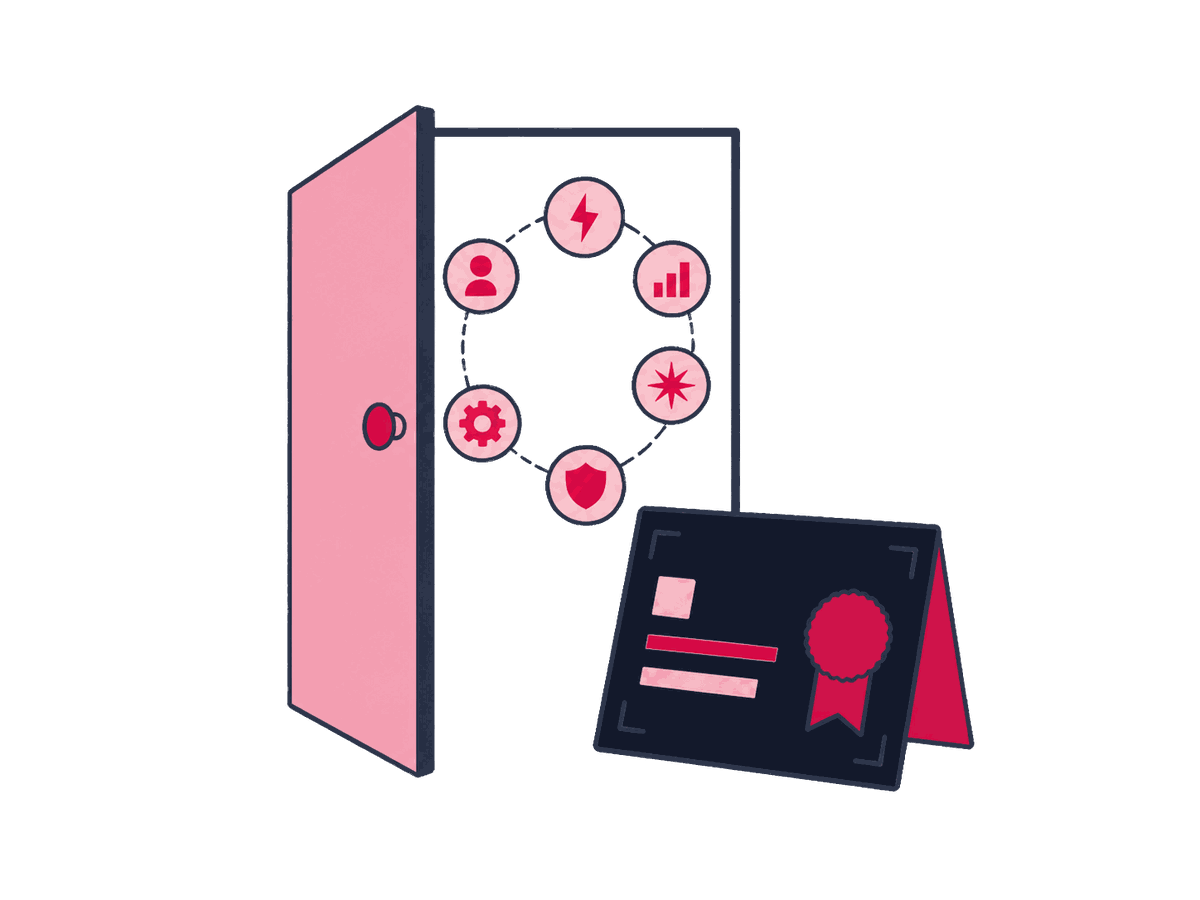
Six routes from the same front door
The evidence tells you which AI SEO capability you need
GEO Strategy & AI Search Audit
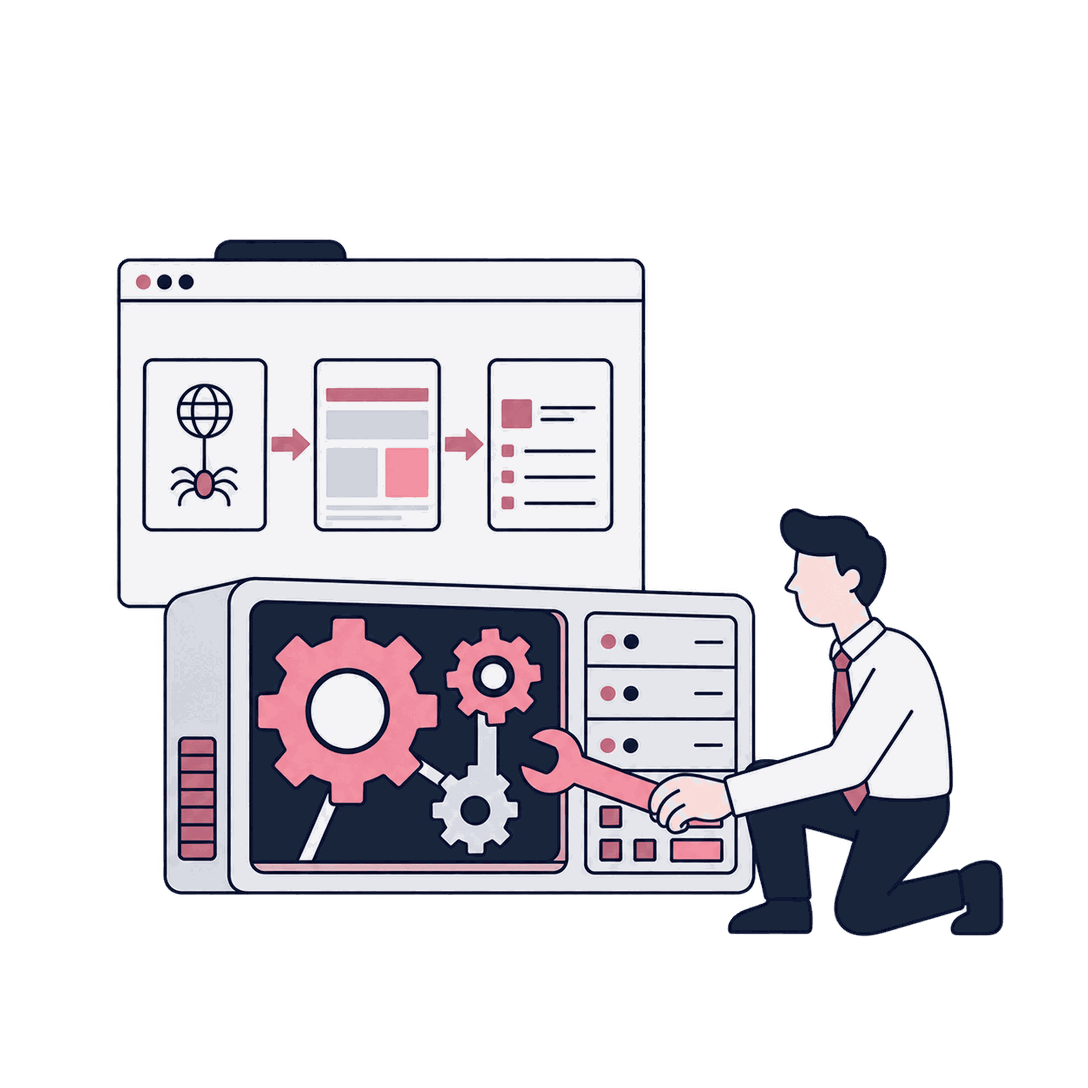

Technical AI Search Optimization
AI Citation Content Optimization
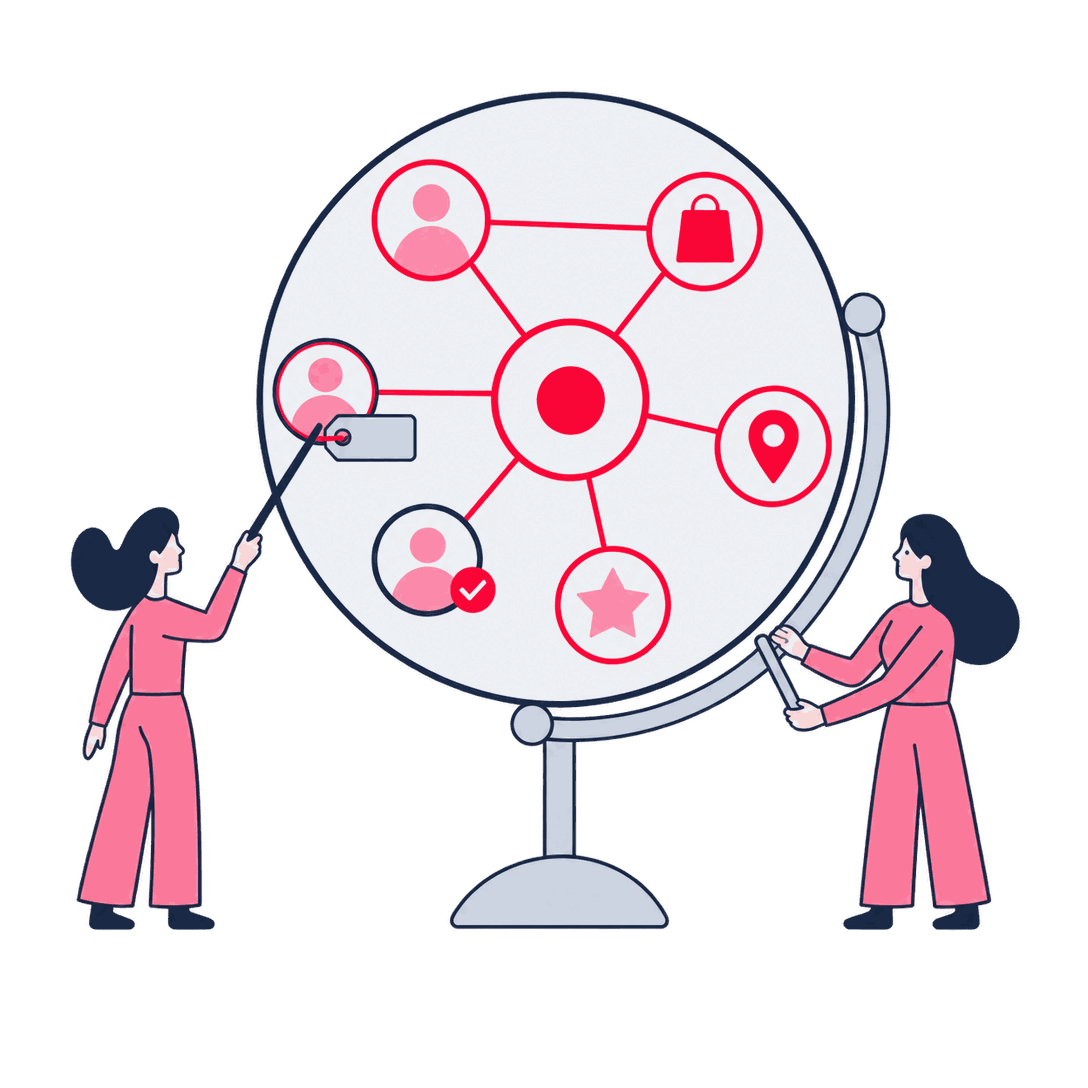
Entity & Knowledge Graph Optimization
AI Search Authority & Citation Strategy
AI Visibility Monitoring & Answer Accuracy
What the term means
AI SEO describes the visibility problem, not one method
Buyers use AI SEO for work on the information and signals that AI search systems may access, understand, verify, and use in an answer. The name is familiar, while the work beneath it crosses several disciplines.
The GEO delivery map
A broad request becomes a set of owned actions
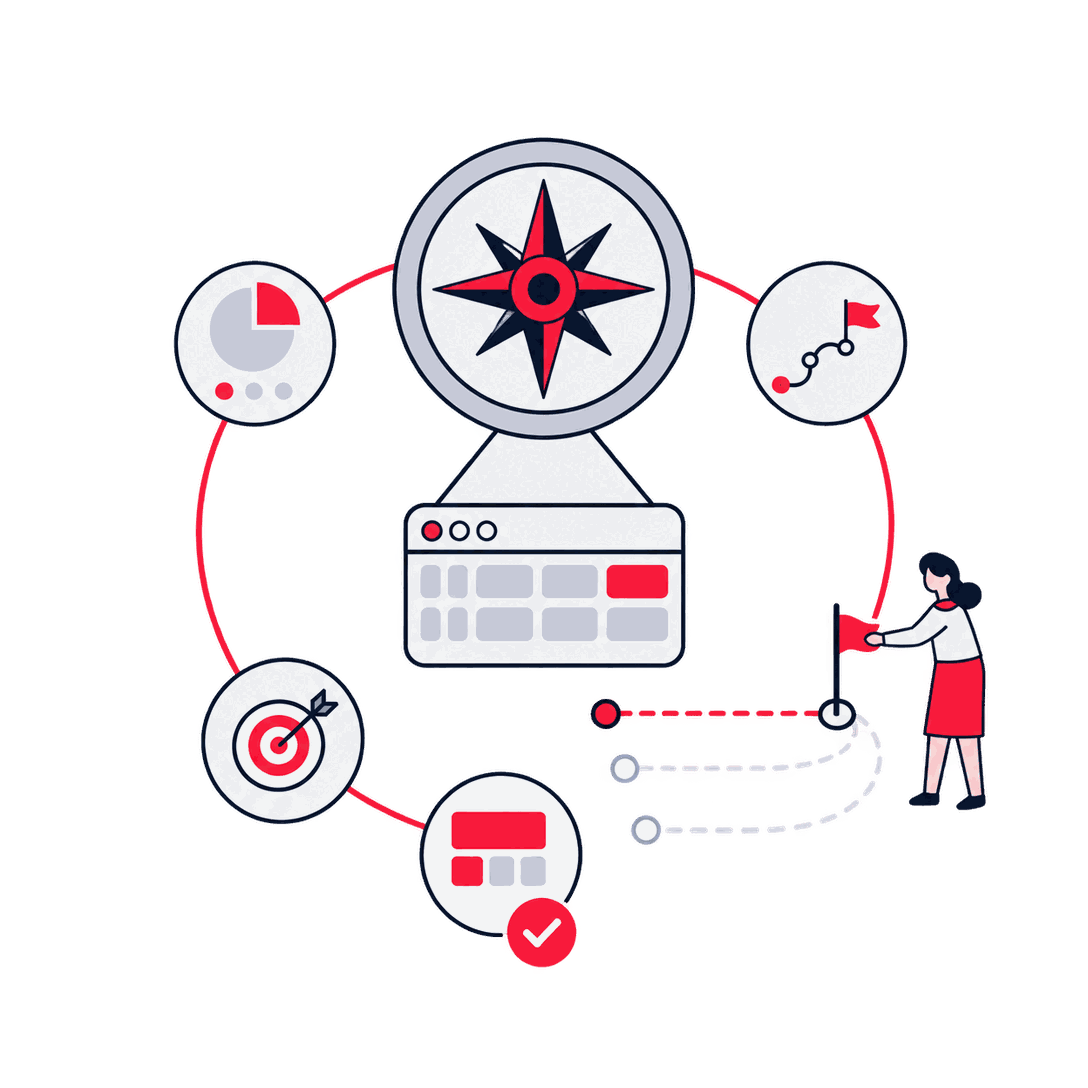
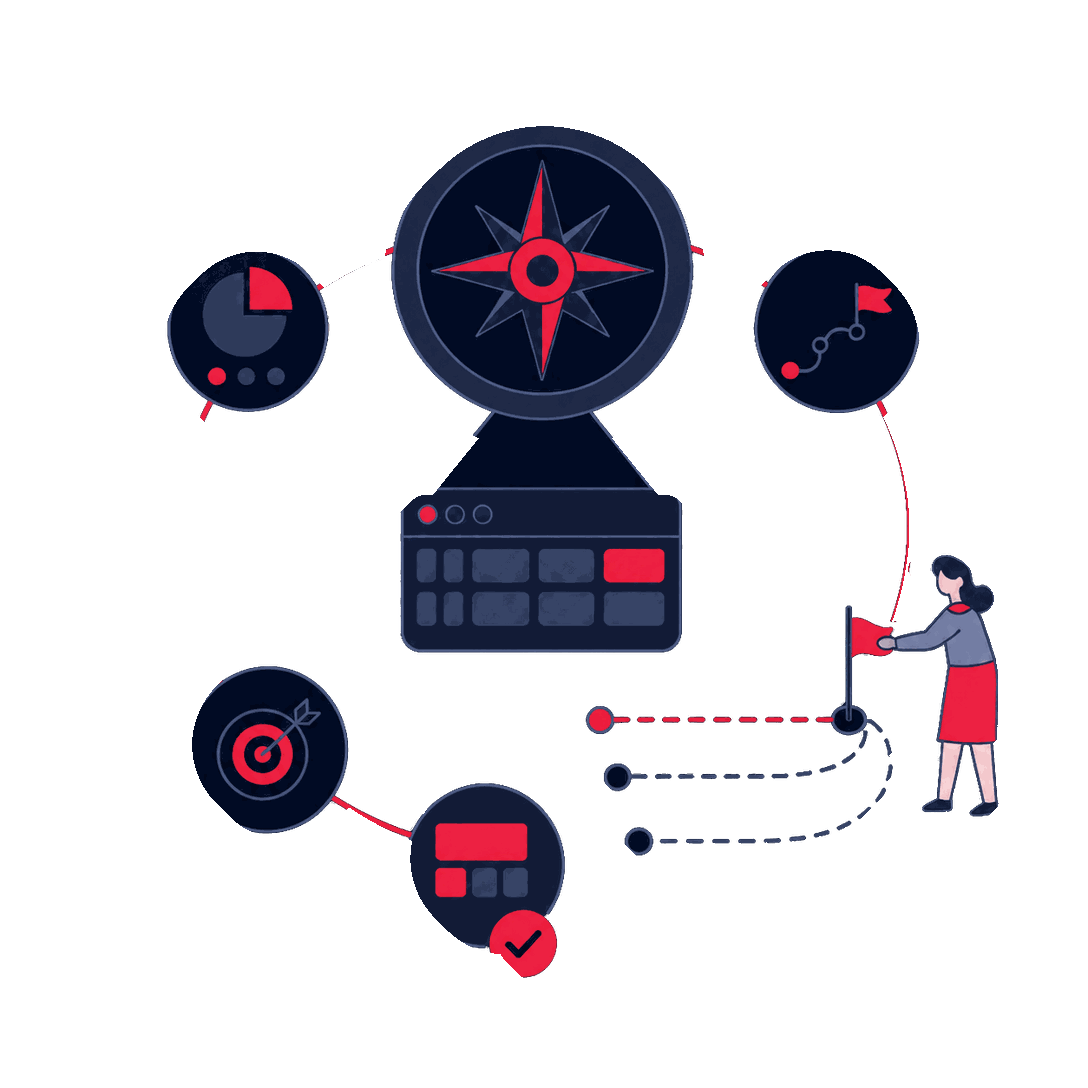
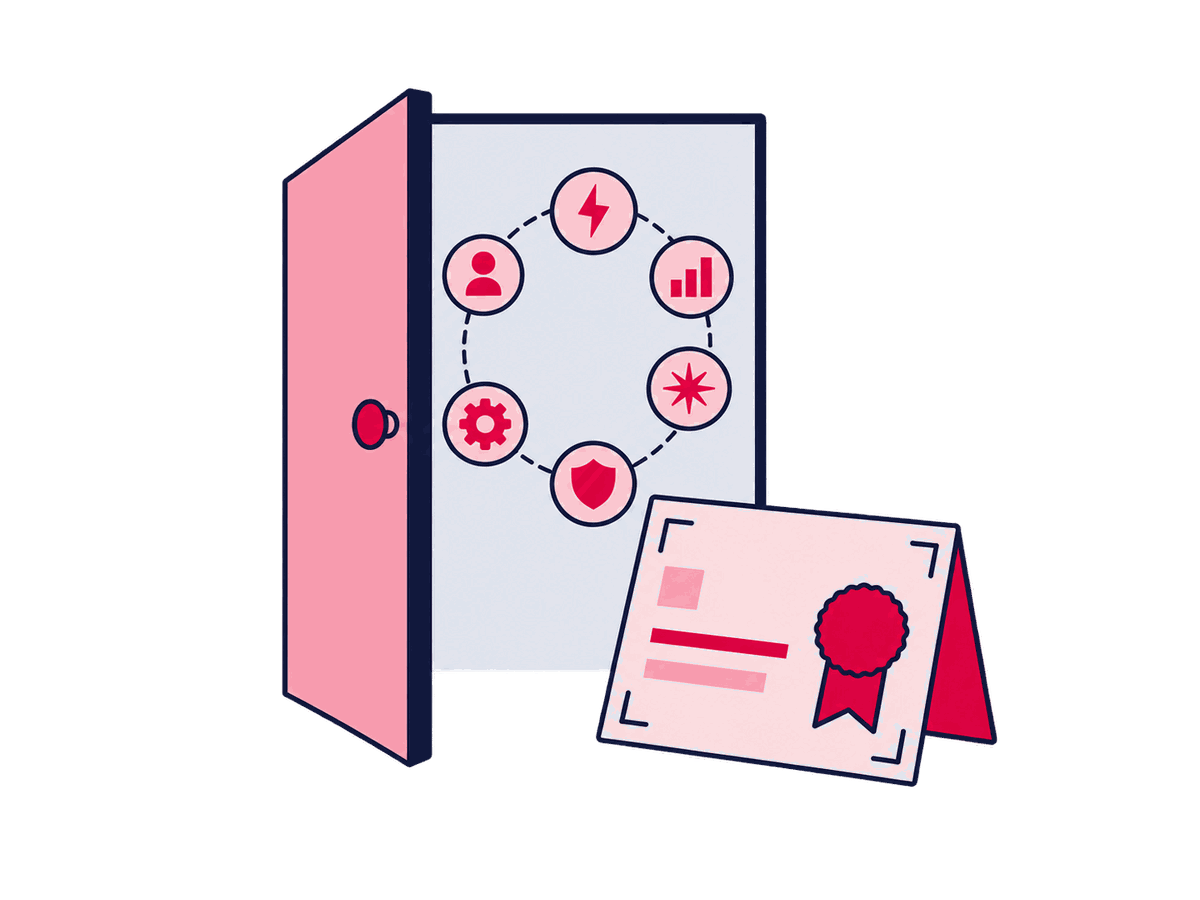
We map the request across six GEO capabilities: audit and strategy, technical access, citation-ready content, entity clarity, source authority, and measurement. AI SEO remains the front-door term. The plan identifies the specialist discipline responsible for each approved action.
Scope and ownership
AI SEO is the front door; the plan names the discipline behind each action
A broad request only becomes workable once it says which team, which evidence, and which limits apply.
We map the request across six GEO capabilities — audit and strategy, technical access, citation-ready content, entity clarity, source authority, and measurement — and record which answer experiences are in scope, since ChatGPT, Gemini, Perplexity, and AI Overviews can all sit under the same brief. Technical, content, entity, authority, and analytics teams each keep responsibility for their own work and evidence; using AI to research, write, analyze, or automate conventional SEO is a separate practice and stays out of this scope. Your team can improve access, clarity, evidence, and measurement, but the third-party model decides what it mentions or cites, so no fixed visibility guarantee is offered.
How an AI SEO request becomes workable
The label spans several answer systems
ChatGPT, Gemini, Perplexity, AI Overviews, and other answer experiences can all sit within an AI SEO brief. No single platform or mechanism defines the term.
Visibility is the business concern
The question is how the brand is found and represented in AI search. Tools used for conventional SEO research, writing, analysis, or automation belong to a separate practice.
Different disciplines own different gaps
Technical, content, entity, authority, and analytics teams may all contribute. Each keeps responsibility for its own work and evidence.
Third-party models make the final selection
Your team can improve access, clarity, evidence, and measurement. The model decides what it mentions or cites, so the work cannot carry a fixed visibility guarantee.

Clients on the work
What it is like to work with Zeo
Our clients describe the work in their own words.
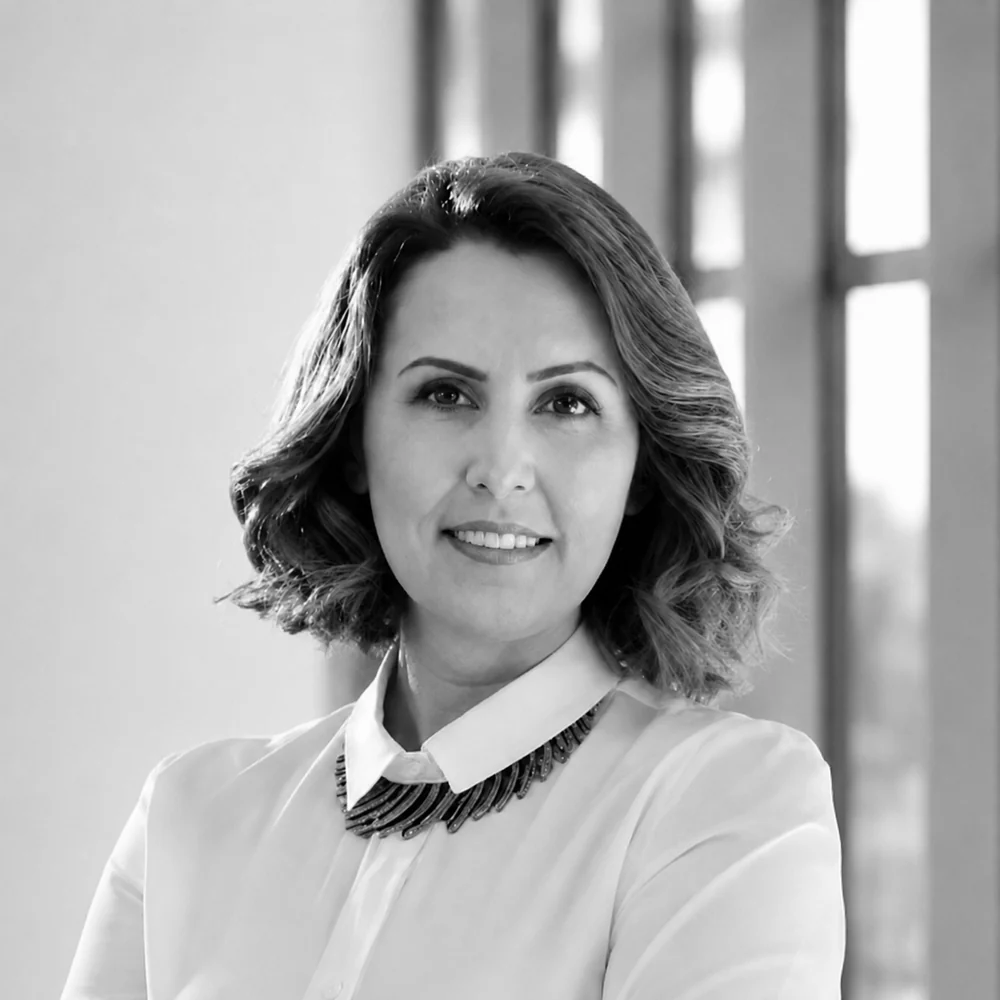

We were working with a global supplier on SEO before. Accessibility and process management were a little more difficult with these teams. At the same time, in terms of budget, global suppliers were more costly for us due to exchange rate differences and man-hours. When we started working with Zeo, we first went through an audit, fixing the results and problems. After these processes, we placed SEO in a strategic place for digital marketing and created an always-on SEO strategy for our brands and implemented it step by step.

As MediaMarkt, we have been working with Zeo for 6 years in a very tight and coordinated way to manage our SEO processes. We receive the highest level of feedback from Zeo on increasing and improving our organic traffic. It is very enjoyable to get fast support on all our issues 24/7 and to work with Zeo to better embrace and continuously improve our brand, and we recommend it to everyone.

We strictly follow the regulations and algorithms that can change at any time; We need to act quickly. At this point, Zeo has become a partner that meets all our expectations with its professional, innovative and solution-oriented approach. The Zeo team has become a stakeholder in success by looking at our optimization processes and our brand as their own value. As the Acıbadem Healthcare Group family, we would like to thank all the Zeo team, who work tirelessly, constantly improve, and do not compromise on keeping their energy high under all circumstances!

Besides increasing our website's visibility in the UK with Zeo, the experienced team that closely follows its work and has extensive experience in its field has always made us feel like we are in the right place for SEO. We are on the right track with Zeo in a country and industry where competition is high.

We talked to a number of agencies while we were planning our website's infrastructure migration, and we ended up with Zeo. They start by understanding the problem, then bring fresh approaches to solving it better. Communication is strong, and they support you at whatever point you turn out to need it. Every minute we spend working with them convinces us further that we made the right call. If you're looking for someone to sort out the digital side, you're in the right place.
Adjacent search evidence
Case Studies
Organic search engagements establishing the indexation, content depth, and domain authority that AI answer engines draw from.



People who watch how AI cites a brand
GEO work starts with recording what AI answers actually say about a brand today, then moves to the parts you can influence. The consultants below work on the specific capability this page covers.

Aybüke Göktuna
Senior SEO Analyst

Can Mutioğlu
Senior SEO Executive

Gülşah Şahin Özkan
Senior SEO Analyst
Ezgi Gülsen Yaylı
SEO Manager

Hande Parmaksız
SEO Manager

Sena Önder
Senior SEO Executive
Sinem Bakır Yavaş
Senior SEO Executive

Ali Özgün Öz
SEO Executive
Bensu Tınastepe
Senior SEO Analyst

Ruhan Tiryaki
Senior SEO Analyst

Yağmur Bayram
Sr. SEO Analyst

Emir Kağan Kahveci
SEO Analyst

Didem Himmetli
Marketing Executive
Content we've produced on this topic
Tools we use
What we watch AI answers with
Generative search leaves less to read than a rankings report does, so most of this work is assembling evidence from tools that were never built for it.
AI answer and citation tracking
- ProfoundThis page's own point is that AI SEO spans several answer systems, not one; Profound's cross-engine panel is what lets a program check visibility across that full span from a single source instead of stitching together per-engine tools, which matters specifically because this page is the umbrella a client lands on before a narrower capability gets chosen.
- Peec AIThis page's answer to where a program should start is a controlled audit that captures the current answers and the sources cited in them. Peec AI produces exactly that capture, per prompt and per model, before any technical or entity work is scoped. Starting from the captured sample is what keeps the umbrella term from turning into a generic checklist of tactics nobody traced to an observed problem.
- SemrushThis page spends its opening distinguishing AI SEO from using AI for SEO, and the same discipline applies to diagnosis. Semrush provides the conventional ranking and demand read for the topics in the audit, so a brand absent from an answer about a subject it has never ranked for is scoped as ordinary coverage work rather than routed to a GEO capability that cannot fix it.
- AhrefsOnce the audit has the cited sources, the question becomes why those pages and not yours. Ahrefs answers the authority part of that: whether the cited page sits on a domain with a materially stronger link profile. A yes accounts for the gap and points at the authority capability; a no removes authority from the list, which narrows the diagnosis to access, entity, or content support.
Entity and structured data
- Schema AppWhen an initial visibility gap traces back to entity clarity or markup, Schema App is the tool a routed engagement actually uses, which this page names as an example of a broad request becoming a set of owned actions rather than one undifferentiated AI SEO task.
- Screaming FrogThe sequence this page describes goes from captured answers to technical access and entity consistency. Screaming Frog covers the access half: a rendered crawl of the pages that should be supporting those answers, showing status, canonical, and whether the material content is present without JavaScript. It is a small enough step that it can run before anyone commits to a capability, which is the point of putting it second.
- Google Search ConsoleBecause this page's own job is routing a broad visibility request into the discipline that actually owns it, technical access is the first thing checked in Search Console before a request gets referred to entity work, content work, or authority work instead.
Content evidence and sourcing
- NotionThis page's third process step, different disciplines own different gaps, produces a written routing decision, and Notion is where that gets recorded so the client and the receiving specialist team share the same account of why a given gap was assigned where it was.
Measurement and reporting
- Google AnalyticsThis page asks a client to say where AI visibility matters to the business before work is placed with a capability. GA4 is where that gets grounded rather than asserted: which pages carry commercial outcomes and whether AI-referred sessions reach them at all. The referral view only covers sessions that kept their source, so it narrows the question rather than answering it completely.
Turn the umbrella term into a brief
Work out which discipline should move first
Using the term accurately