









Content built for retrieval
AI Citation Content Optimization

Some of the 500+ brands we've worked with
See all references





























Four parts of citation content
Keep the answer, evidence, and upkeep connected
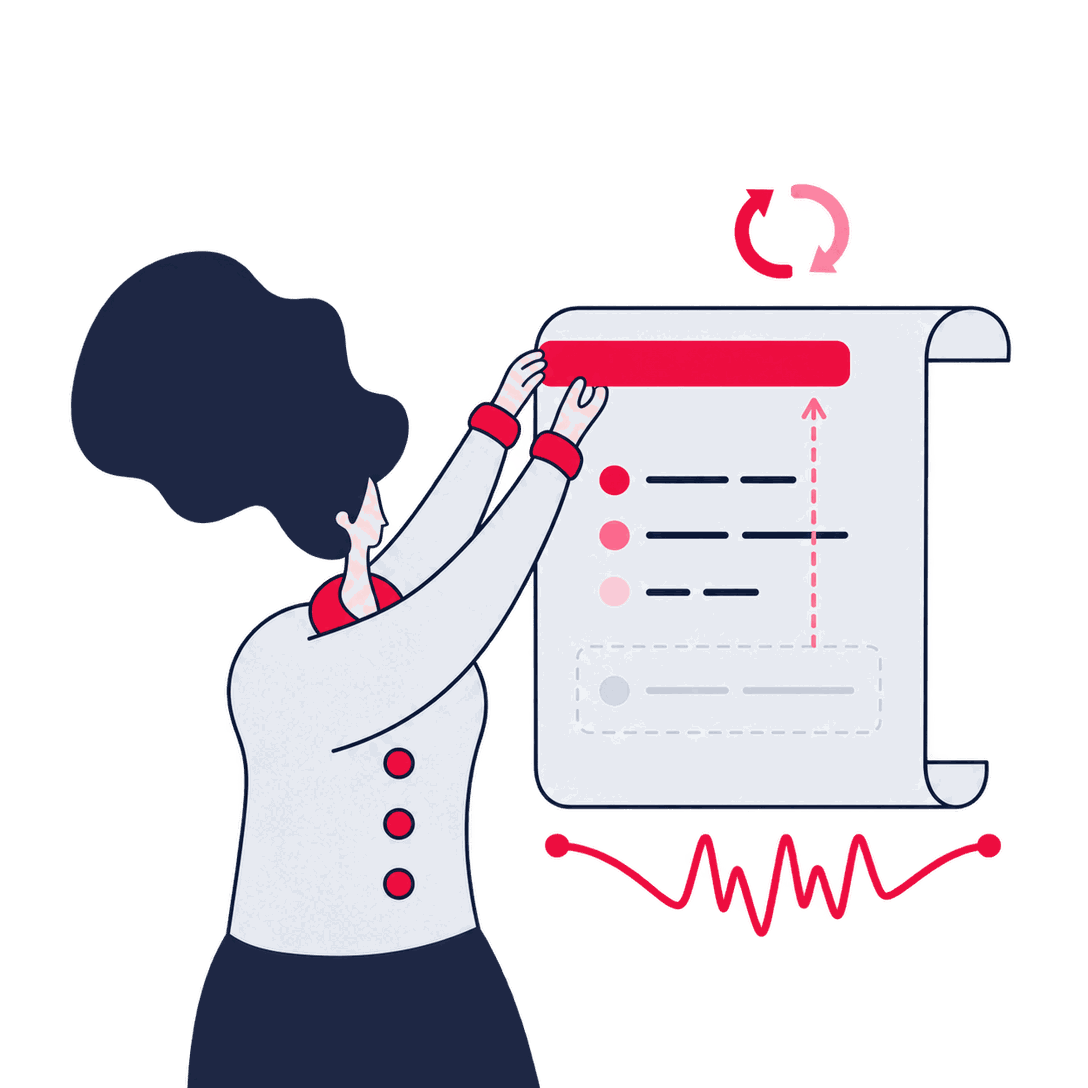

Answer-First Passage Engineering
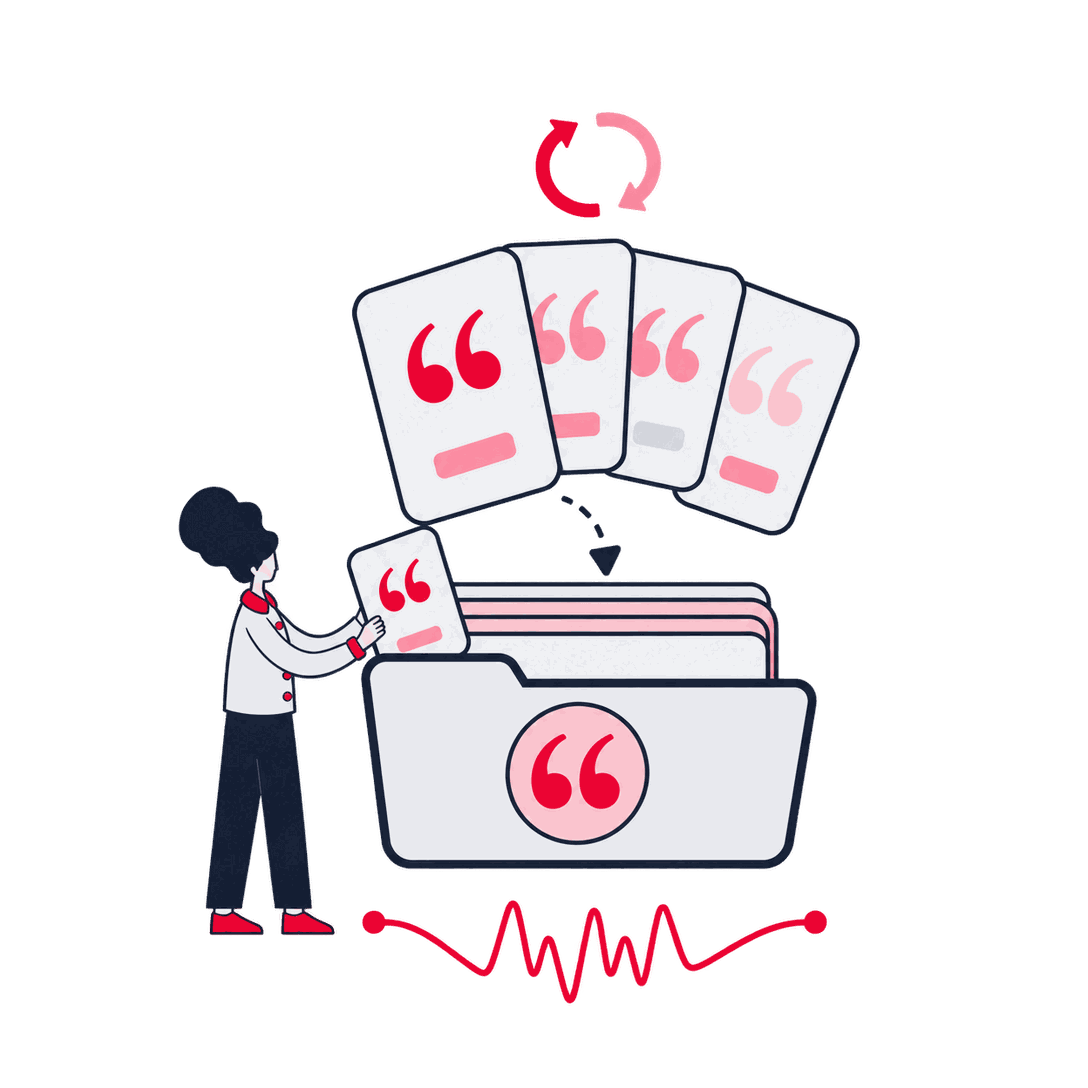
Citation-Ready Content Briefs

Fact, Proof & Provenance Design
Content Refresh & Consolidation
The content boundary
A retrieved passage needs enough context to remain true
This capability covers answer-first passages, citation-ready briefs, traceable proof, and governed refresh work for AI search. Human writers remain responsible for the copy, and people approve it. AI-assisted copy production is outside the scope.
Inputs and approvals
Research, voice, and sign-off keep their owners
Strategy research supplies the question coverage, while brand owners set the voice. A person approves the work at every quality gate. Multimodal assets remain gated until repeatable examples show what the method should cover.
Scope and ownership
Human writers keep the copy; we design the passage and its proof record
AI-assisted copy production sits outside this service, and a person approves the work at every quality gate.
We name the buyer question and the scope of the answer, record the evidence already available and the adjacent work another team owns, then version the inputs, samples, sources, and limitations into one baseline a reviewer can inspect before drafting starts. The method owner keeps the answer, its caveats, and its proof together; brand owners set the voice, Strategy research supplies the question coverage, and nothing publishes without human sign-off. Acceptance criteria are applied to the passage both in context and on its own, and the report separates what held up from what can be attributed and what stays outside any guarantee.
Carry a claim from buyer question to approved passage
Set the question and boundary
Name the buyer question and scope of the answer. Record the evidence already available and the adjacent work another team owns.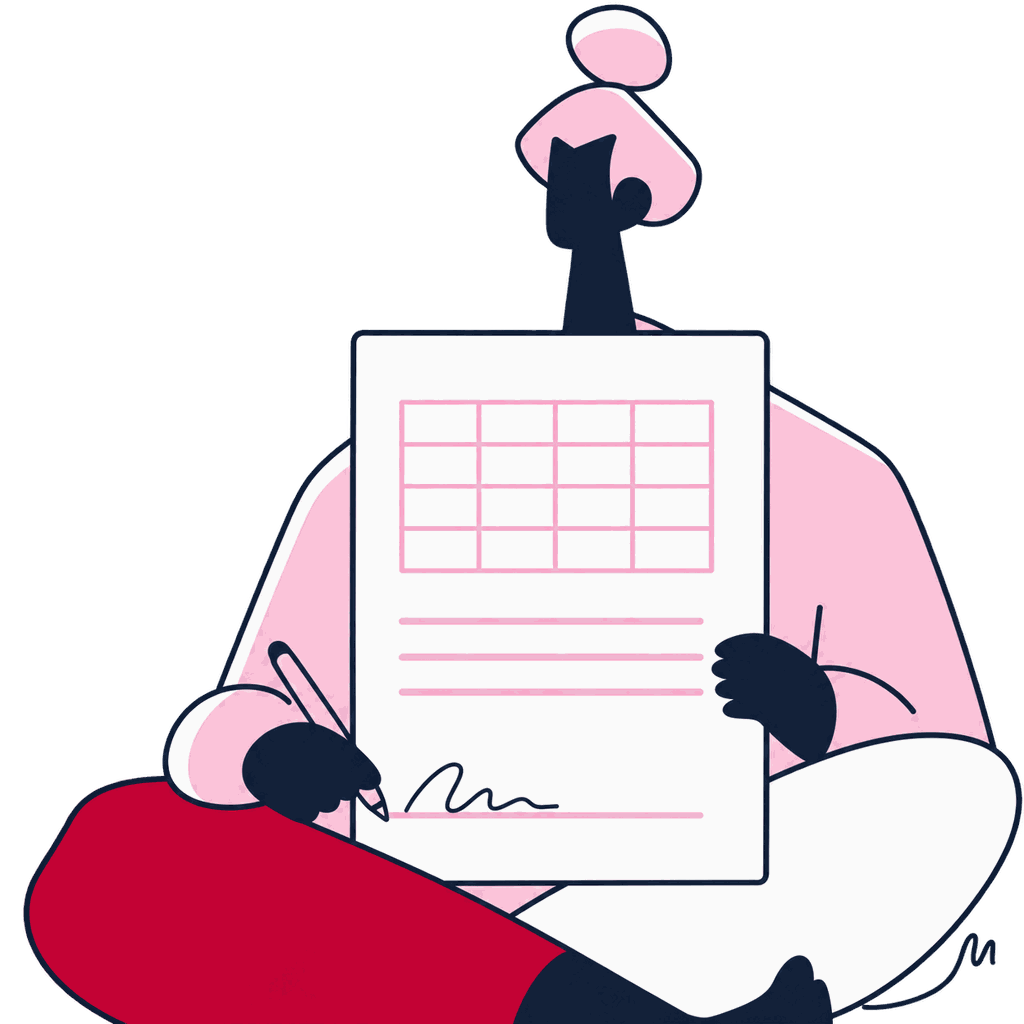
Assemble the proof record
Inputs, samples, sources, and limitations are versioned into one baseline that a reviewer can inspect before drafting starts.
Write and route the passage
The method owner keeps the answer, caveats, and proof together. Brand voice and human approval remain explicit gates. Nothing publishes without that sign-off.
Check meaning after retrieval
We apply the acceptance criteria to the passage in context and on its own. The report records what held up, what can be attributed, and what remains outside any guarantee.


Clients on the work
What it is like to work with Zeo
Our clients describe the work in their own words.


We were working with a global supplier on SEO before. Accessibility and process management were a little more difficult with these teams. At the same time, in terms of budget, global suppliers were more costly for us due to exchange rate differences and man-hours. When we started working with Zeo, we first went through an audit, fixing the results and problems. After these processes, we placed SEO in a strategic place for digital marketing and created an always-on SEO strategy for our brands and implemented it step by step.

As MediaMarkt, we have been working with Zeo for 6 years in a very tight and coordinated way to manage our SEO processes. We receive the highest level of feedback from Zeo on increasing and improving our organic traffic. It is very enjoyable to get fast support on all our issues 24/7 and to work with Zeo to better embrace and continuously improve our brand, and we recommend it to everyone.


We strictly follow the regulations and algorithms that can change at any time; We need to act quickly. At this point, Zeo has become a partner that meets all our expectations with its professional, innovative and solution-oriented approach. The Zeo team has become a stakeholder in success by looking at our optimization processes and our brand as their own value. As the Acıbadem Healthcare Group family, we would like to thank all the Zeo team, who work tirelessly, constantly improve, and do not compromise on keeping their energy high under all circumstances!

Besides increasing our website's visibility in the UK with Zeo, the experienced team that closely follows its work and has extensive experience in its field has always made us feel like we are in the right place for SEO. We are on the right track with Zeo in a country and industry where competition is high.


We talked to a number of agencies while we were planning our website's infrastructure migration, and we ended up with Zeo. They start by understanding the problem, then bring fresh approaches to solving it better. Communication is strong, and they support you at whatever point you turn out to need it. Every minute we spend working with them convinces us further that we made the right call. If you're looking for someone to sort out the digital side, you're in the right place.
Adjacent search evidence
Case Studies
Organic search engagements establishing the indexation, content depth, and domain authority that AI answer engines draw from.


People who watch how AI cites a brand
GEO work starts with recording what AI answers actually say about a brand today, then moves to the parts you can influence. The consultants below work on the specific capability this page covers.

Can Mutioğlu
Senior SEO Executive

Samet Özsüleyman
SEO Manager

Hande Parmaksız
SEO Manager
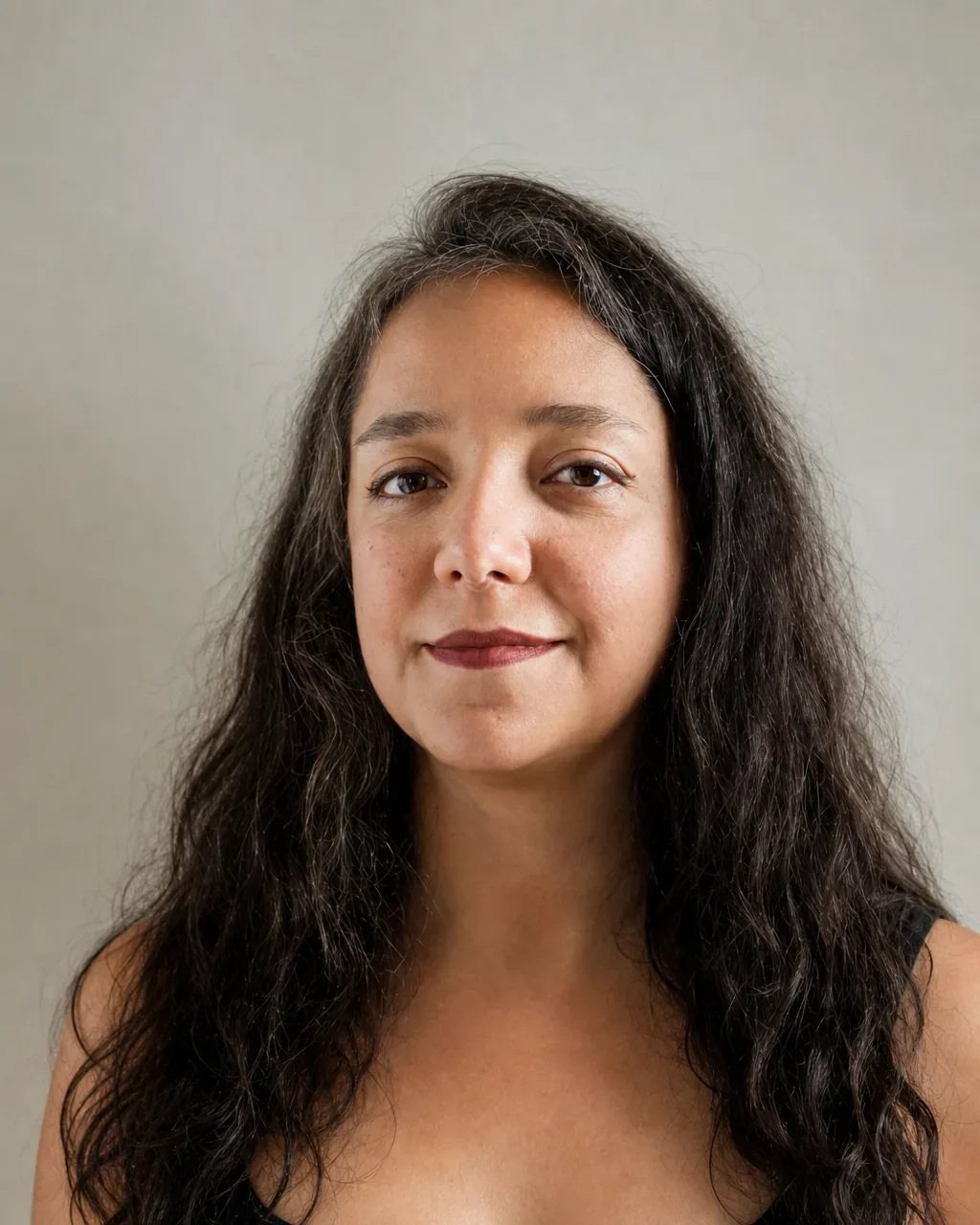
Ezgi Gülsen Yaylı
SEO Manager

Elif Naz Akan Karakoç
Senior SEO Executive

Metehan Urhan
New Business & Partnership Manager

Aybüke Göktuna
Senior SEO Analyst

Bensu Tınastepe
Senior SEO Analyst

Emir Kağan Kahveci
SEO Analyst

Burak Pehlivan
Co-founder & CEO

Ozan Ketenci
VP of Consulting & Strategy

Zafer Yıldız
Web Analytics Manager

Ataberk Yüzat
SEO Executive
Tools we use
What we watch AI answers with
Generative search leaves less to read than a rankings report does, so most of this work is assembling evidence from tools that were never built for it.
Entity and structured data
- Google Search ConsoleThis page's fourth step, check meaning after retrieval, uses Search Console's query data to confirm the shipped passage is actually being served for the question it was built to answer, closing the loop the drafting-stage scores in Surfer and Clearscope can't close on their own.
Content evidence and sourcing
- Surfer SEOOnce a passage is written, Surfer's content-score check is where it gets measured against what already earns citations for that question, which is a structural check, not a substitute for the human sign-off this page insists production copy still requires.
- ClearscopeWhere a passage is high-stakes enough to want two independent structural opinions before it moves to sign-off, Clearscope's competitive report is the second check run alongside Surfer's, since this page is explicit that AI-assisted copy production itself stays out of scope and human judgment, informed by tool output, makes the call.
- FraseThis page owns answer-first passages and their briefs, and says plainly that AI-assisted copy production sits outside the service. Frase is used on the brief side of that line: it gathers the questions and the competing coverage a passage has to account for, which is what tells a writer where the direct answer belongs. Its drafting features stay unused here, because the page commits to people writing and approving the copy.
- MarketMuseOne of this capability's four methods is the refresh schedule that keeps a passage current. MarketMuse contributes the topical-depth reading behind that decision: whether existing coverage of a subject is thin enough to justify a new page or strong enough that a refresh is the better move. It informs the brief, not the prose, which keeps it on the correct side of this page's boundary against AI-assisted copy production.
- NeuronWriterTwo optimization tools disagreeing about the same passage is useful information, because it shows the score is a proxy rather than a measurement. We run NeuronWriter as the second reading beside the primary one, and where they diverge an editor decides on the passage itself. The page is explicit that people approve the copy, so neither score is allowed to act as the approval.
- Originality.aiThis page states plainly that AI-assisted copy production remains outside this service; Originality.ai is the check that verifies a draft was actually written and edited by a person before it moves to the retrieval-parity test, not merely fed through a generator and lightly touched.
- GrammarlyThis page keeps writing and approval with people, so the automated check here is deliberately narrow. Grammarly handles the mechanical layer, agreement, punctuation, and clarity, on copy a person has already written, which clears that noise before the specialist review that actually matters gets to the claims. It has no view on whether a claim is supported, and nothing on this page asks it to.
- AlsoAskedAn answer-first passage has to survive being read on its own, and what a reader asks next is the test of whether it kept enough. AlsoAsked's question tree goes a level or two past the first page of results, which surfaces the follow-up that would otherwise be discovered after publication. The brief uses that tree to decide which definitions and exceptions travel with the answer.
- NotionThis page's own proof-record step, assembling evidence and boundary before drafting starts, is written and reviewed in Notion, since a passage cannot go to sign-off without a traceable proof entry a second person can check against the finished text.
- AirtableThe refresh schedule this capability owns is only real if each passage carries a last-verified date and a next review. Airtable holds that as structured rows, one per passage, linking its claims, its approver, and its review date. A schedule kept in a document drifts; one kept as queryable rows can answer which passages are overdue this month, which is the question the schedule exists to answer.
Map the source gaps
Check whether a priority claim can stand on its own
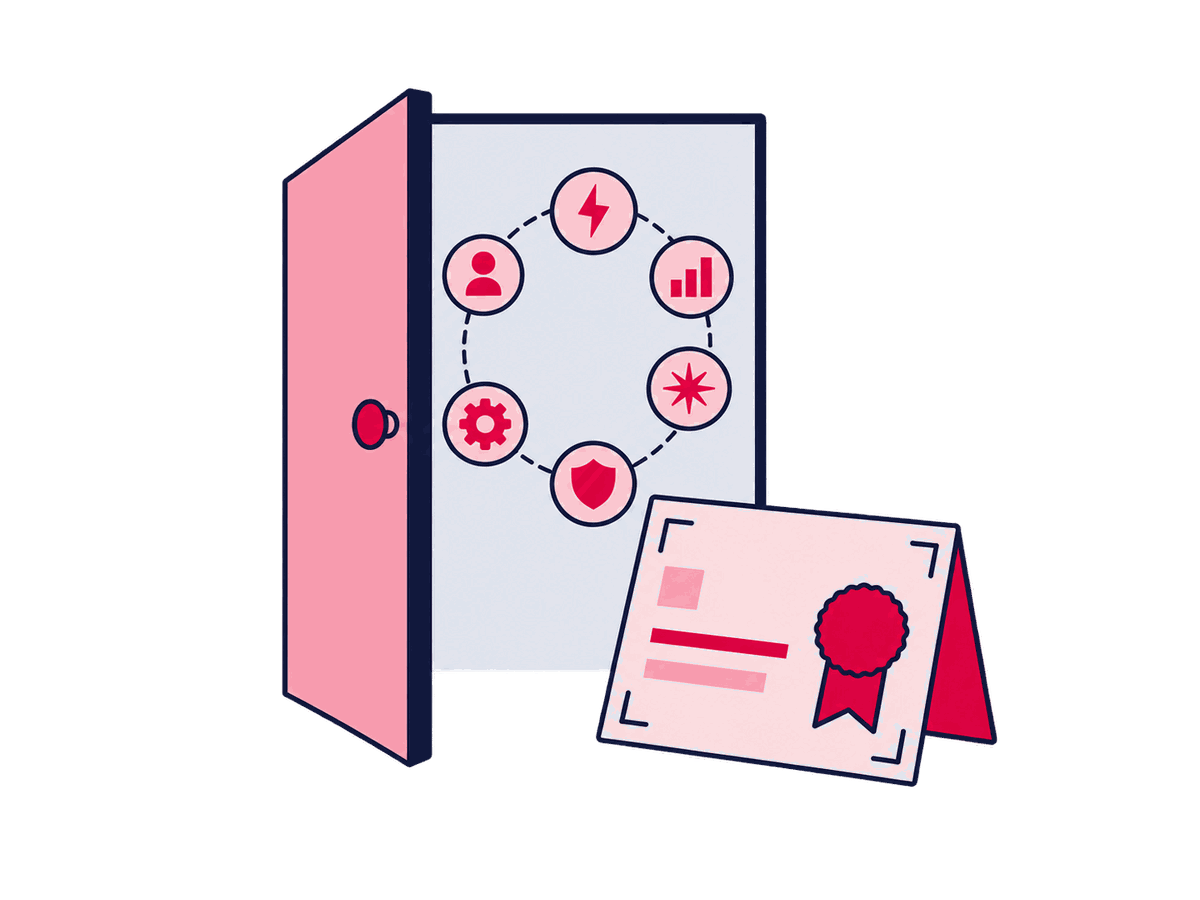

Scope, proof, and approval