






Research that is ready for a writer
Citation-Ready Content Briefs
No claim gets into the brief until we know where it came from, how sure we are of it, and who signs off on it.
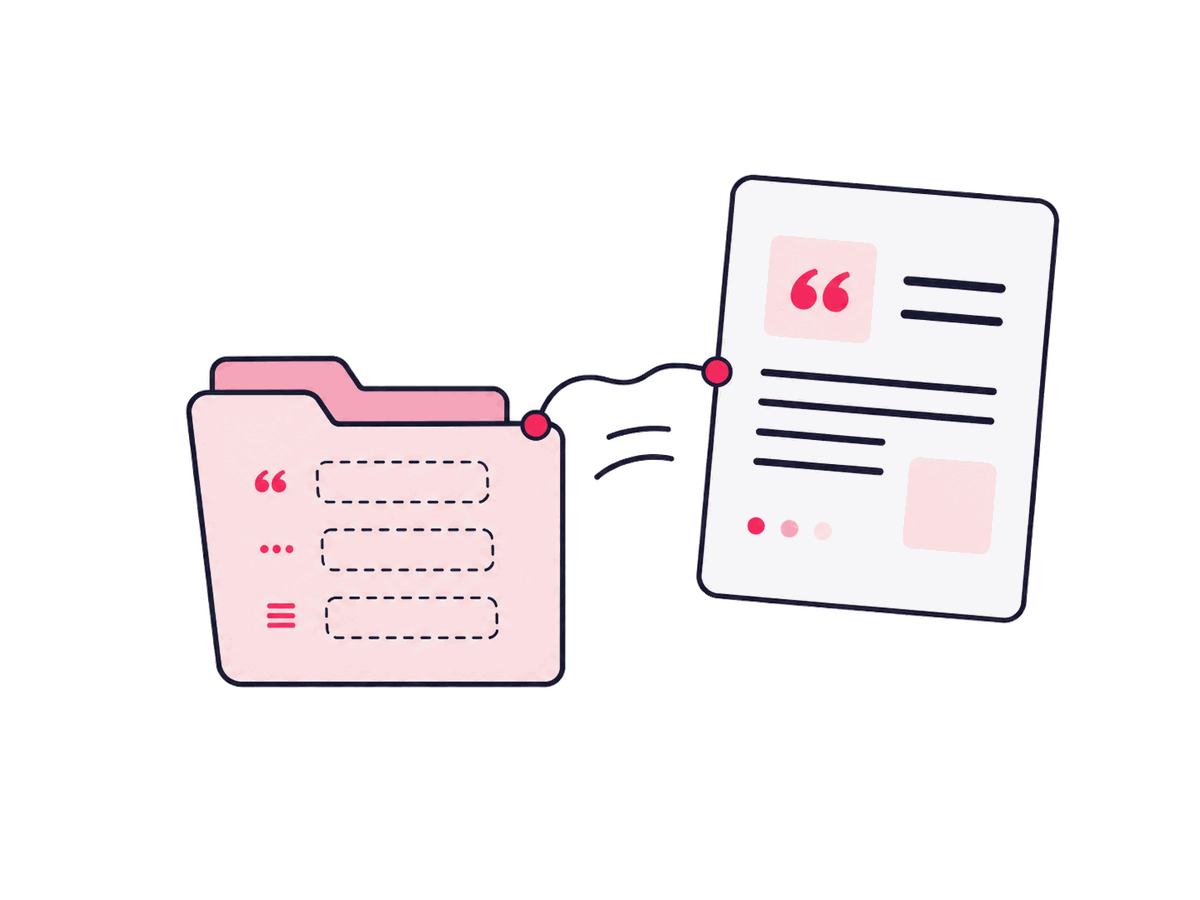
Useful evidence often sits in long documents, first-party data and conversations with specialists. We bring those materials together before drafting, record the boundary on each claim and make the publication decision visible. Writers get a brief where every claim already carries its source and its approver, so drafting stops being a second research pass. Editors and content strategists who keep finding unsupported claims after a page has already shipped.
Some of the 500+ brands we've worked with
See all references











































From question to approved brief
The source check that happens before drafting
We verify the source behind each proposed claim and prepare the brief from approved material. Named specialists decide support, wording, and whether a claim is ready to publish.
How we hold ourselves to it
- One claim, one source
- Certainty labeled outright
- Named approver per claim
- No manufactured statistics
Map questions to existing evidence
We group real search, sales, and support questions by decision need and check which ones already have a claim on the page that is traceable to a source. The content strategist and audience owner approve question scope and priority.
A question-to-evidence map showing coverage, owner, source, and unanswered gaps.

Decompose content into atomic claims
We break draft and live copy into independently checkable facts, interpretations, and recommendations. An editor and domain specialist validate claim boundaries and strip out anything that reads as filler.
An atomic claim ledger with source, certainty, reviewer, and publishing status.


Verify provenance, freshness, and context
We check that each source is current, relevant, usable, and strong enough for the exact wording sitting beside it. Subject-matter and legal owners approve support level, limitations, and publishing rights.
A source review trail with supported, partially supported, stale, and disputed claims.


Design answer and evidence units
We compose concise answer, definition, comparison, or procedure modules with the proof and context kept right next to the claim. Editorial and brand owners approve wording, context, and placement on the page.
An annotated content architecture with answer-unit boundaries and evidence placement.


Run specialist, legal, and brand review
Subject-matter, editorial, brand, and legal owners each review the claims that cross into their remit before anything ships. Only the accountable human owner can approve a material claim for publication.
An approved publication pack with edits, abstentions, disclosures, and unresolved questions.


Publish, extract, and retest with questions we held back
We extract the released page and replay the representative questions plus a set we held back, without touching the rule the release is judged against. An independent reviewer accepts the release only under the original correction and dispute rule.
A before/after support report with extraction diffs, disputes, and observed citation variance.


The brief and its support trail
The approved brief, modules, and support report
The approved brief arrives with its claim-to-source trail intact. A named owner controls each handoff, and the comparison rule is fixed before the work is measured.

Evidence-backed content brief
A page-level brief that ties every audience question to an approved claim, source, module type, and human gate. We refresh it whenever the underlying claim map changes.
Publish-ready answer modules
Reviewed definitions, answers, comparisons, and procedures ready to ship, each carrying its own proof and caveats.
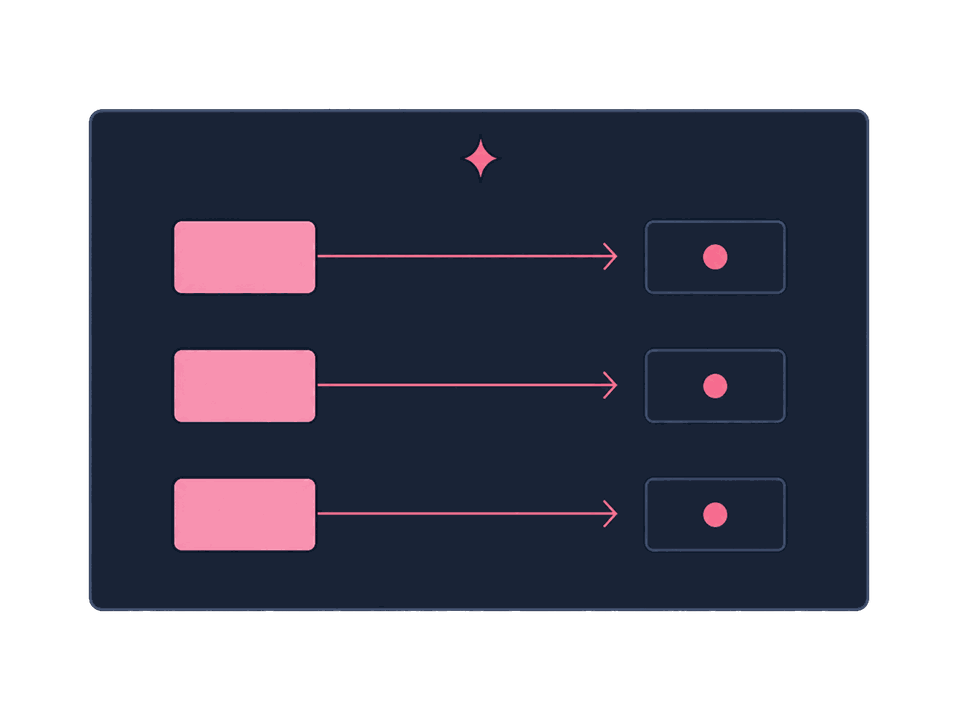
Claim and source register with freshness tracking
A maintainable register of every external or first-party claim, its current source, and its next review date, plus the coverage and precision metrics that come from it.
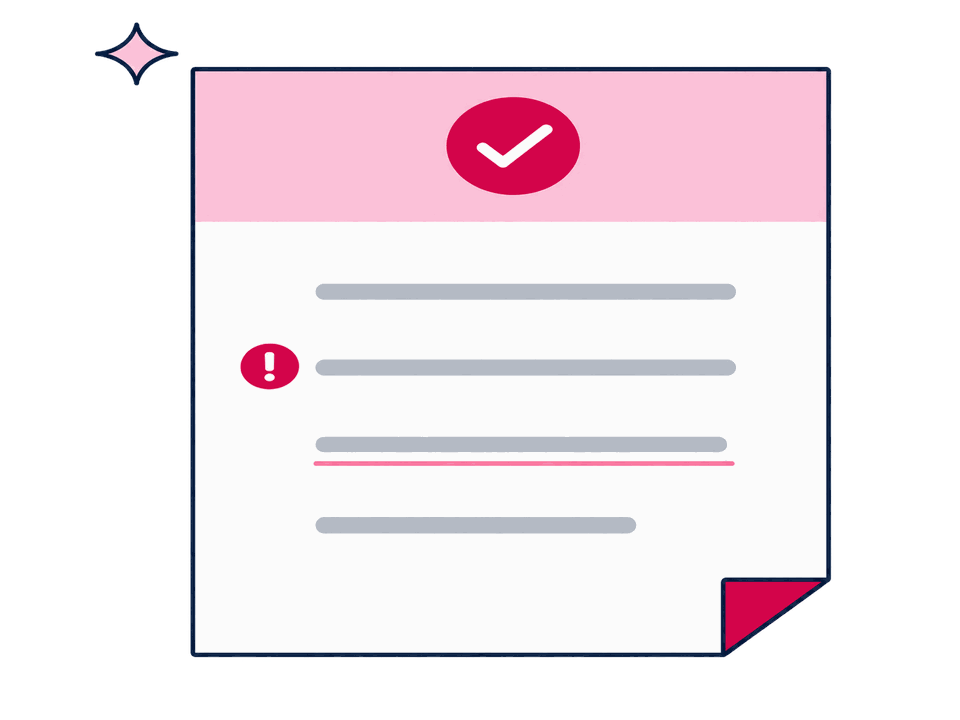
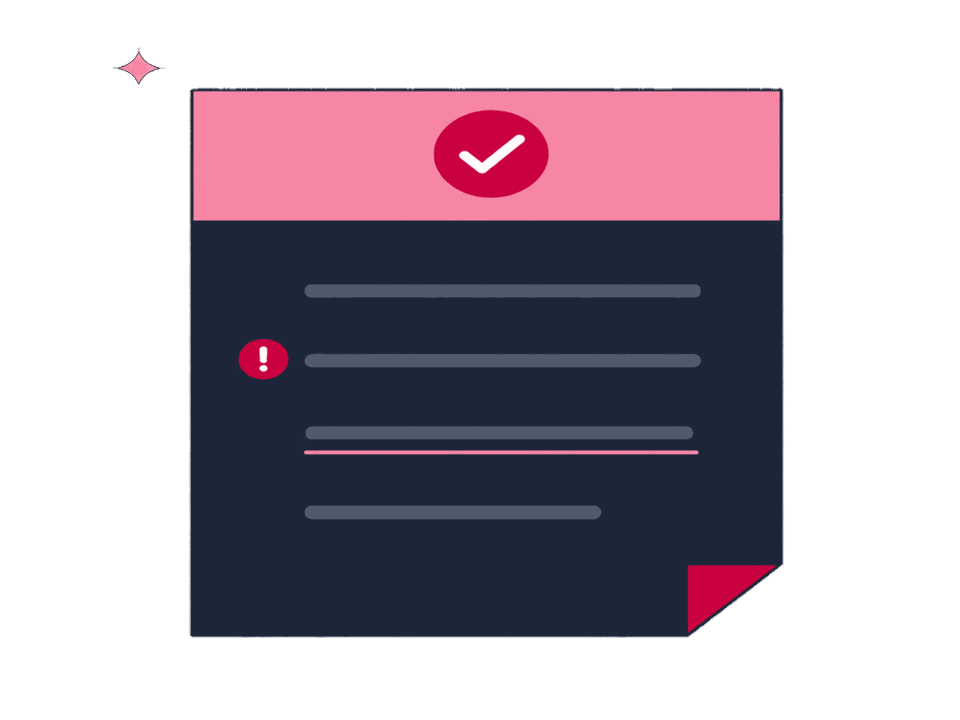
Extraction and retest report
What improved and what didn't after the page shipped, tested against the original questions and a set we held back. It says whether to keep the change, revise a passage, or go looking at a different retrieval or source problem. You get a fresh one at every release and on a quarterly source-map refresh.
The source pool is there, but the trail is missing
Writers need evidence they can trace
Strong answers may be buried across long pages and internal teams, or slow to verify during review. This method builds the approval trail before drafting. Structural repairs to an existing page belong in answer-first work, while ageing content needs a refresh decision.
A good fit when
- Useful expertise is buried across pages and teams — The writer cannot carry a source trail from scattered files and specialist knowledge into the draft.
- The draft mixes approved fact with interpretation — The review trail does not show which generated wording or claims are ready to publish.
- Claims and sources live in separate records — Research, first-party data and expert input lack a ledger tying each claim to its date and boundary.
- The source pool exists but no approver owns each claim — Expert access, approved research and brand or legal limits have not been assigned before drafting.
- Priority questions lack a complete answer boundary — The shortest usable passage and the context needed to interpret it have not been paired.
- Externally checkable statements stay bundled together — Each claim still needs its own primary or otherwise appropriate source.
- A source loses its date, scope, units or exception in the draft — The extracted claim then says more than the underlying evidence can support.
Better handled as other work when
- You want citation bait without supporting evidence — Decorative statistics, borrowed authority and decontextualized quotes belong outside this brief.
- You need the brief to invent statistics, quotes or consensus — Third-party endorsements must exist before they enter the claim record.
- You need a confidence score to approve publication — Domain, legal and editorial owners still decide whether a material claim may publish.
People who watch how AI cites a brand
GEO work starts with recording what AI answers actually say about a brand today, then moves to the parts you can influence. The consultants below work on the specific capability this page covers.

Can Mutioğlu
Senior SEO Executive

Samet Özsüleyman
SEO Manager

Hande Parmaksız
SEO Manager

Sena Önder
Senior SEO Executive

Elif Naz Akan Karakoç
Senior SEO Executive

Sinem Bakır Yavaş
Senior SEO Executive

Deniz İmre Temiztürk
Content Specialist

Ali Özgün Öz
SEO Executive

Aybüke Göktuna
Senior SEO Analyst

Bensu Tınastepe
Senior SEO Analyst

Ruhan Tiryaki
Senior SEO Analyst

Emir Kağan Kahveci
SEO Analyst

Ataberk Yüzat
SEO Executive
Tools we use
Tools behind this work
 Notion
the brief itself, where each claim's source and boundary sit next to the writing instruction
 Airtable
tracks each claim's source check and approval status before a writer ever drafts it
 Frase
Fraseassembles the question set the brief decomposes into atomic claims
 MarketMuse
flags which questions the organization's existing material can actually support
 AlsoAsked
provides the follow-up questions held back for the post-publication retest
 Hunter
finds the direct contact when a claim's evidence has to come from a specialist conversation
Nearby methods and services
Parent capability
AI Citation Content Optimization
See how citation-ready briefs fit alongside answer-first passages, proof design, and refresh work as one capability.


Where the brief becomes a page
Answer-First Passage Engineering
Once the evidence units exist, this method turns them into a page that answers the question first.


Shares the evidence ledger
Fact, Proof & Provenance Design
The claim ledger this method builds is the same ledger a deeper fact-verification pass works from.
No claim leaves the brief without its approver
Give writers evidence they can use