







Web Analytics Consultancy
Web Analytics & Digital Measurement
Zeo designs and operates measurement systems that connect business decisions to governed collection, trustworthy data, useful reporting, and bounded analysis. Start with the owner that matches your decision and system boundary.

Some of the 500+ brands we've worked with
See all references














































The measurement lifecycle
Start wherever your team needs it most
Some teams need their KPI definitions settled first; others need collection, reporting, or attribution fixed. These eight areas cover the whole measurement lifecycle, and each one hands its work to the next with a defined boundary.
Strategy


Collection & implementation

 Google Analytics & GA4Configure, validate, and govern GA4 properties, business events, ecommerce collection, integrations, and reporting correctness.See the service
 Google Tag ManagerImplement and govern browser-side containers, tags, triggers, variables, and dataLayer behavior against an approved measurement contract.See the service
 Data foundation

 Server-Side & First-PartyOperate consent-aware first-party endpoints, server containers, routing, destination delivery, and reliability controls.See the service
 Analytics EngineeringTransform, enrich, test, and activate analytics data beyond collection tools with explicit lineage and ownership.See the service
 Decision systems
 Dashboards & ReportingWe build dashboards, automated reports, and decision-ready explanations from your approved metrics and models.See the service
 Marketing MeasurementMeasure channel contribution, incrementality, uncertainty, and future scenarios without taking ownership of live media execution.See the service
 Product & CustomerMeasure in-product behavior, experiment integrity, retention, and customer value with reproducible definitions and bounded claims.See the service
 Choose by decision
A lifecycle, not a list of disconnected tools
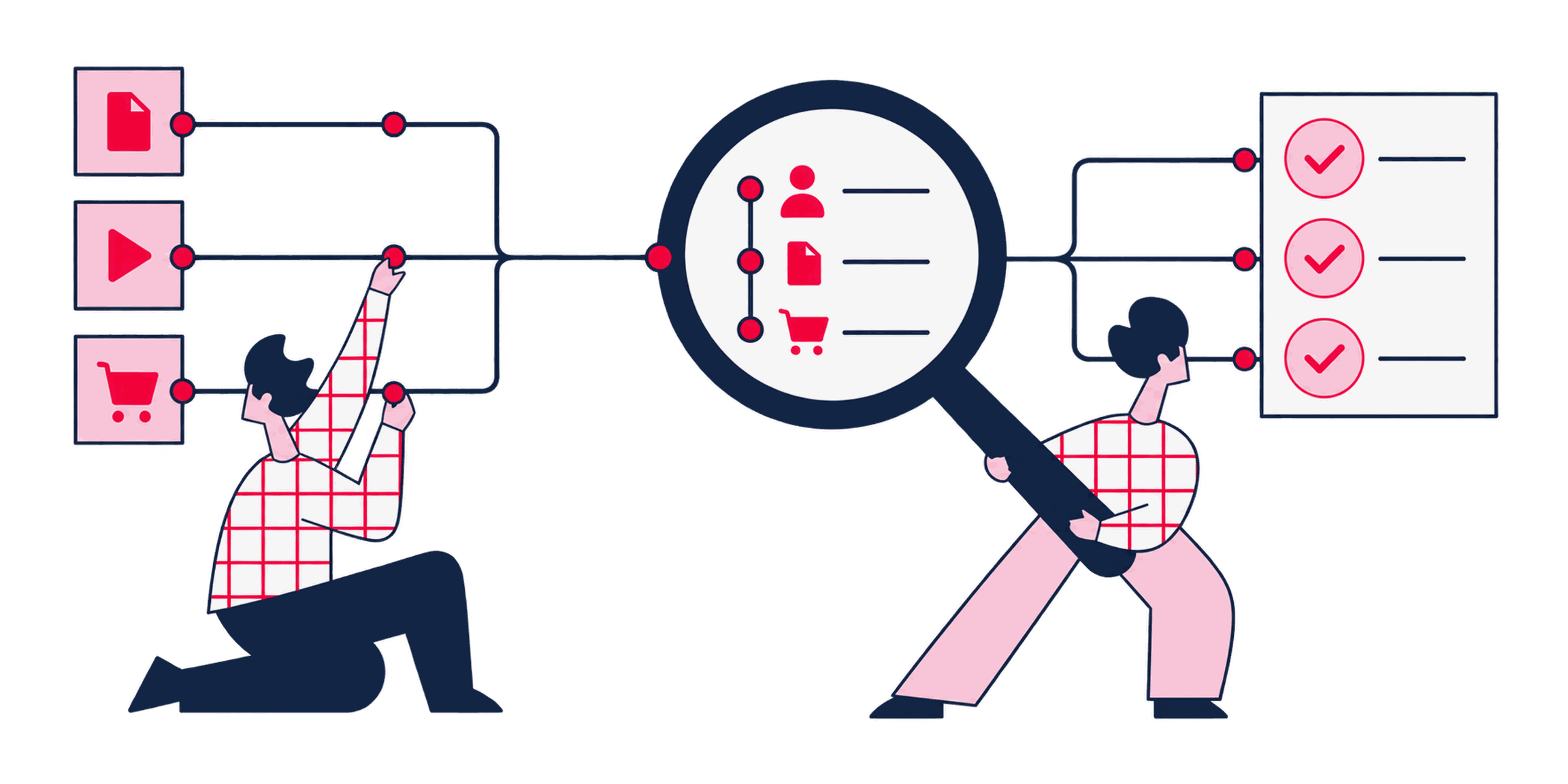
Measurement starts by deciding what matters, continues through controlled collection and data foundations, and ends in decision systems with explicit limits. Each owner has a defined handoff to the next.
Choose by boundary
One canonical owner for every task
KPI definitions belong to Strategy, browser tags to GTM, server endpoints to Server-Side, transformations to Engineering, reporting interfaces to Dashboards, channel contribution to Marketing, and in-product behavior to Product.
How Zeo runs measurement work
Every task shows its method, proof, and limits
Every published task has a distinct decision, method, deliverable, acceptance test, worked example, limitation, and bilingual owner.
We use AI agents for bounded inspection, comparison, and documentation. Named specialists reproduce material findings. Client owners approve meaning, privacy choices, and release. We do not publish capability-gated services until their owner and proof gates pass.


From decision to operated measurement
Each stage leaves the next owner a clear output they can build on.
Decide
Define decisions, KPIs, event contracts, ownership, and quality gates.

Collect
Configure GA4 and browser-side GTM against the approved contract.
Connect
Operate first-party collection and durable transformations with lineage.


Understand
Build trusted reporting, customer analysis, and bounded measurement models.


Act and learn
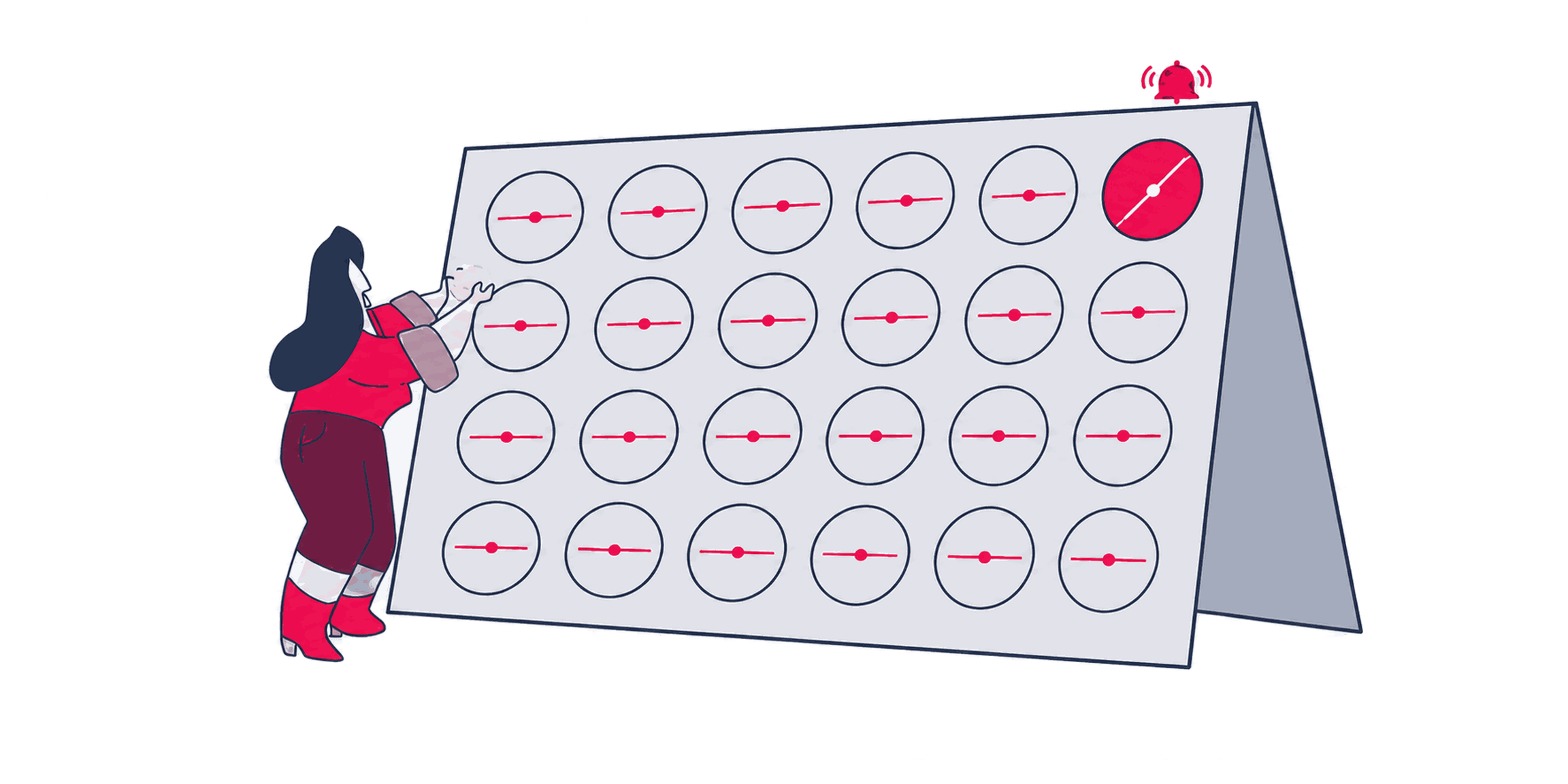
Authorize decisions, monitor controls, record outcomes, and update the contract.
From our clients
What clients say about measurement work
A client describing the planning and reporting problems we started from.


Before working with Zeo, we had serious problems, especially with planning and measurement. Because we couldn't get complete measurements and reports, we struggled to evaluate our work. Evaluating the data correctly, in line with scientific rules, was the most important thing for us.
Reported results
Case Studies
Engagements where the reporting had to hold up before the result meant anything.




The people leading this work
Zeo has worked with more than 500 brands since the agency started in 2011, across six practices. Below are the leads for the one this page belongs to.

Deniz Çağın Demirci
Frontend Developer

Mirzamin Aghazada
UI/UX Designer

İpek Ezer
Performance Marketing Executive

Onur Durdağı
Performance Marketing Executive

Sevda Yurtvermez
Performance Marketing Team Lead

İlker Emir
Senior Performance Marketing Executive

Serap Yurtvermez
Performance Marketing Team Lead

Abdullah Tanıdır
Performance Marketing Team Lead
Tools we use
The measurement stack behind the work
Collection, tagging, product analytics and reporting are separate problems with separate tools. These are the ones we build measurement on.
Core web analytics platforms
- Google AnalyticsThis hub is explicit that web analytics is a lifecycle, not a disconnected tool list. GA4 remains the common baseline Zeo checks first before recommending changes to engineering, dashboards, attribution, or product measurement.
- MatomoThe hub's scope question often becomes a governance question as much as a reporting one. Matomo is the family-level anchor for clients whose measurement architecture is constrained by privacy, hosting, or retention ownership requirements.
Tag management, CDPs and server-side tracking
- Google Tag ManagerThe hub's Decide and Collect steps become real here. GTM is where event definitions, consent conditions, and outbound platform tags are actually implemented, making it the natural hub-level anchor for measurement execution.
- Twilio SegmentThis hub's Connect step needs an explicit owner and system boundary. Segment is the canonical routing layer when Zeo needs one governed stream to feed analytics, CRM, experimentation, and activation surfaces without redefining each event repeatedly.
- SnowplowServer-side, first-party, and analytics engineering work often start when packaged analytics is too limiting. Snowplow is the hub-level anchor for that deeper ownership path, where the event model is treated as infrastructure rather than configuration.
BI, dashboards and reporting
- Looker StudioThe hub asks how dashboards are built and delivered. Looker Studio is the practical answer at family level: a reporting surface close enough to the governed data model that owners can review outcomes without introducing a second analytics logic layer.
Product and mobile app analytics
- PostHogProduct & Customer is one of the hub's named owner tracks. PostHog is the clearest anchor for that territory because it joins behavioral analysis, replay, and experimentation in one operating surface instead of several stitched tools.
- AmplitudeWhen the hub's Understand step becomes a product question about funnels, retention, or pathing, Amplitude is the specialist analysis surface Zeo reaches for beyond general-purpose reporting.
Related Zeo services
Next step
Turn measurement into reliable business decisions


Questions about web analytics consultancy