









Data Driven
Content Marketing
Zeo partners with enterprise and growth brands on digital strategy. Our story began in 2006 when we launched Turkey's first SEO blog.
We start by looking at your brand's audience, the market context, and what your team can ship. Those findings turn into a content strategy where every piece has a clear job and owner.


Some of the 500+ brands we've worked with
See all references















































Our
Content Marketing Services
Tell us where the program is stuck. We can take responsibility for the whole system or support a specific part, from strategy and writing to distribution and measurement.

 Content CreationEditorial capacity planned around your brand voice and review standards.Explore this capability
 SEO CopywritingSearch-led copy that answers the query and gives the reader a clear next step.Explore this capability
 Content WritingArticles, guides, and landing pages written from verified sources and expert input.Explore this capability
 B2B Content MarketingContent planned for the people, questions, and evidence involved in a long B2B decision.Explore this capability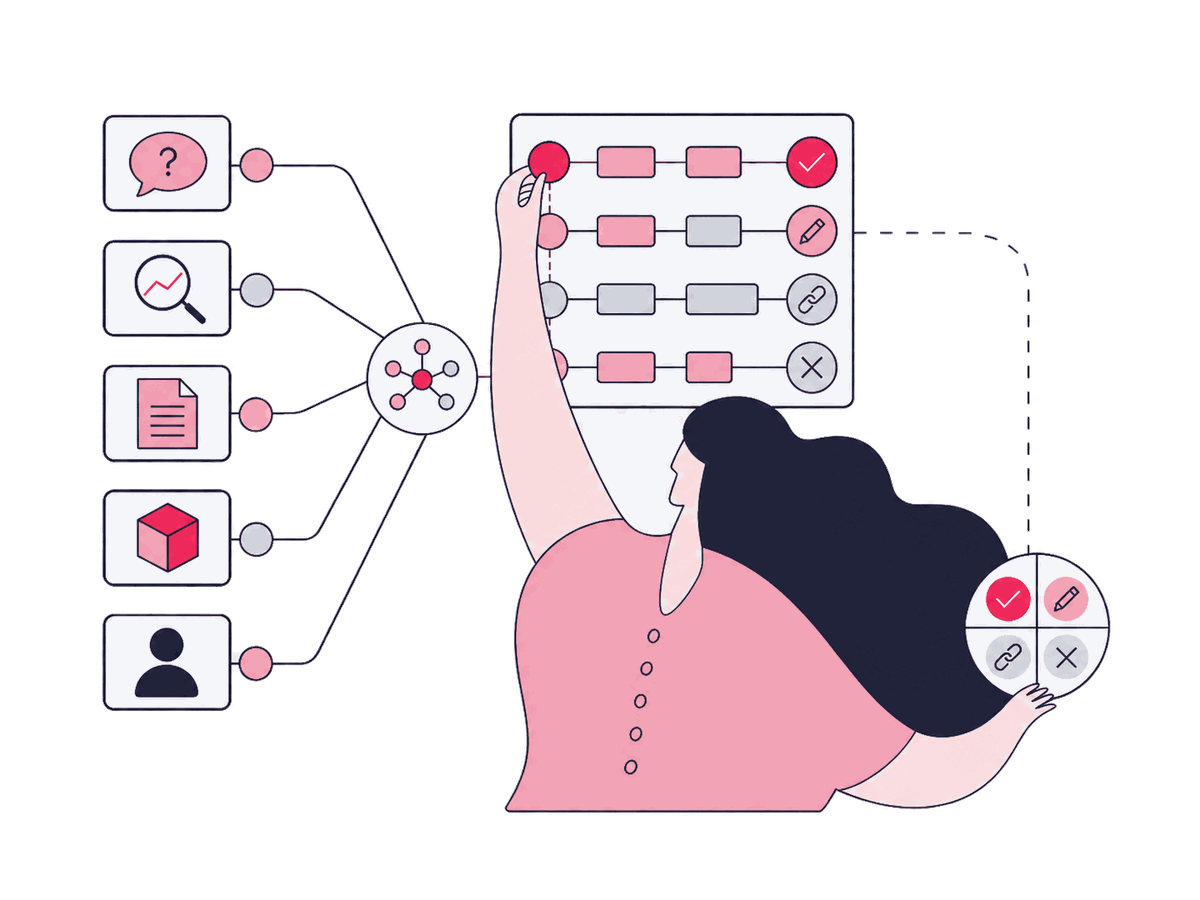
 Content StrategyA plan for what to create, update, combine, or stop, tied to a business goal.Explore this capability
 Digital PRSource-backed stories pitched to journalists when the subject is genuinely worth covering.Explore this capability
 Blog WritingAn editorial program that connects search demand, expert input, distribution, and regular updates.Explore this capability
 The basic idea
What is Content Marketing?
Content marketing means planning, producing, and distributing material that is useful to a defined audience. The difficult part is choosing the right subject and format, which starts with understanding what that audience needs.
Start with the decision
Give every piece a reason to exist
A clear objective helps you decide what to leave out as well as what to make. Audience research, search demand, business priorities, and distribution all become practical filters for the calendar.
How we run
A Content Marketing Program
We set the strategy, produce and publish the work, then compare performance with the goal agreed at the start.
The detailed workflow depends on your team and the part of the program we own. We agree the steps and responsibilities with you, and if your team will take over part of the work, we can support that handoff with training.


Content Marketing Process
No two teams begin with the same audience, content estate, or production capacity. We review the current position, ask what the program needs to achieve, and prioritize the work most likely to answer that need in the near term. The four stages below show the typical flow.
Content Strategy
Review existing content and competitors, define the audience, and agree the program goal


Content Generation
Study search demand, prepare briefs, and train the team where it will own production


Publishing Content
Publish on the website, social channels, and email, with outreach where it fits the work


Performance Measurement
Compare results with the agreed goals and mark the CTR work that needs attention
Our Clients'
Thoughts about Zeo
Their accounts of the work are more useful than another claim from us.


We were working with a global supplier on SEO before. Accessibility and process management were a bit harder with those teams. On top of that, global suppliers were more costly for us because of exchange rate differences and man-hours. When we started working with Zeo, we first went through an audit and fixed the issues it surfaced. After that, we gave SEO a strategic role in our digital marketing, created an always-on SEO strategy for our brands, and rolled it out step by step.


We strictly follow regulations and algorithms that can change at any moment, so we need to act fast. Here, Zeo has become a partner that meets all our expectations with a professional, innovative, and solution-oriented approach. The Zeo team has become a true stakeholder in our success, treating our optimization processes and our brand as if they were their own. On behalf of the Acıbadem Healthcare Group family, we'd like to thank the entire Zeo team — they work tirelessly, keep improving, and never compromise on bringing their energy no matter the circumstances!
Content work
Case Studies
Programmes where the gain came from what was published: recipe libraries, product copy and category pages that had to earn their rankings.






The people leading this work
Zeo has worked with more than 500 brands since the agency started in 2011, across six practices. Below are the leads for the one this page belongs to.

Deniz Çağın Demirci
Frontend Developer

Mirzamin Aghazada
UI/UX Designer

İpek Ezer
Performance Marketing Executive

Sinem Bakır Yavaş
Senior SEO Executive

Sevda Yurtvermez
Performance Marketing Team Lead

İlker Emir
Senior Performance Marketing Executive

Serap Yurtvermez
Performance Marketing Team Lead

Abdullah Tanıdır
Performance Marketing Team Lead
Tools we use
The content stack behind the work
Research, briefing, editing and outreach each need their own tool. These are the ones our writers and editors work in.
Research and demand intelligence
- SemrushThis hub says every piece needs a reason to exist. Semrush is the family-level demand baseline Zeo uses to decide which topics, clusters, and briefs deserve resources before content production begins.
- AhrefsThe hub moves from audience and market context into a content strategy with clear ownership. Ahrefs connects those planning decisions to the competitive realities of what already ranks, earns links, and deserves a better answer.
- BuzzSumoThe hub asks why brands should invest in content marketing at all. BuzzSumo helps answer that by showing what people in the category actually read and share, not just what they search for.
Content optimization and AI writing
- MarketMuseBecause this hub covers both new content and ongoing program management, Zeo needs a way to tell whether a topic truly needs a new asset or whether the existing corpus simply lacks enough depth. MarketMuse answers that planning question.
Editorial planning and design
- NotionThis hub's program orientation requires someone to own each piece and each review cycle. Notion is where those ownership and review structures stay visible after the kickoff deck is forgotten.
- AirtableThe hub's final move is from strategy into an actual content program. Airtable is the family-level anchor for that shift, because it makes calendar slippage, ownership gaps, and format imbalances visible rather than buried in documents.
Publishing, distribution and measurement
- Google Search ConsoleThis hub's program view includes performance measurement, not just planning. Search Console is the direct evidence for whether a topic needs new production, a rewrite, or a consolidation instead of another fresh page.
- Google AnalyticsThe hub asks how content marketing effects are measured. GA4 is the shared behavior layer that tells Zeo whether a piece attracted attention and whether that attention turned into meaningful action.
Services that meet the content program
These disciplines hand work to and from Content Marketing at agreed points. Each one stays with the team that runs it every day.
Next step
Build a content strategy that earns traffic


About Content Marketing
Questions we are often asked
Why does content marketing fail?
The most common reason is that production begins without a strategy built for the brand's actual audience, goals, and capacity. An incomplete strategy can lead to the same problem, which is a growing set of pages with no shared direction or clear owner.
Why invest in content marketing?
- Build trust between the audience and the brand.
- Increase brand recognition.
- Improve organic search visibility.
- Reach potential customers.
- Bring more visitors back to the site.
How do you measure the effects of content marketing?
We keep engagement, feedback, and brand-awareness signals beside sales impact and on-site behaviour. Looking at both sets over the same period makes it easier to compare activities without pretending every outcome can be attributed to one piece of content.
What is Content Marketing?
Content marketing plans and distributes useful material for a defined audience. It can help a brand stay visible and build an ongoing relationship when the subject, format, and channel fit what that audience needs.
The work needs a clear strategy and a production rhythm the team can maintain. Consistent publishing and distribution can support engagement, recognition, and conversion goals, but each outcome still needs its own measure.
How Does Content Marketing Add Value to Your Brand?
Brand Loyalty: Relevant content gives people a reason to return and can strengthen familiarity with the brand over time. Loyalty depends on the wider experience as well as the publishing program.
Connection with Your Target Audience: Publishing in the channels your audience already uses creates more opportunities for useful contact. Trust grows when the material is accurate, relevant, and consistent with the experience the brand provides elsewhere.
Brand Awareness: Content distributed through suitable channels can introduce the brand to people who do not know it yet. The strategy decides which audience, subject, and channel deserve the effort.
Conversion Goals: A conversion is the completion of a goal you have set. That might be more website traffic, more members, additional purchases, or increased revenue, depending on the program.
One piece of content may contribute to several goals at once. Traffic, awareness, and revenue should still be reviewed separately so the team can see what the content appears to support and what remains uncertain.
How Important is Competitor Analysis in Content Marketing?
Competitor analysis helps you see which subjects, formats, and channels already receive attention in the market. The useful question is where your brand has evidence or expertise that adds something different.
Reviewing competitors can reveal strengths, gaps, and conventions the audience already recognizes. Those findings inform the strategy, but they do not determine market share or guarantee that a particular move will work.
How Do You Identify Competitors?
In digital content marketing, paid tools such as Ahrefs and Semrush include modules like "Competing Domains/Top Competitors" that can help you identify sites competing for similar searches.
These modules show which keywords and pages appear to drive traffic for those sites. If you want to examine the Ahrefs workflow in more detail, see the Comprehensive Ahrefs User Guide we've prepared.
Search overlap is only one view. The channels your audience uses can reveal a different group of competitors, so include the brands and publishers that consistently earn attention there.
Brand positioning adds another view of the market. Compare organizations with a similar offer, audience, or use case, then decide which ones are relevant to the question your strategy needs to answer.
What Should You Consider When Analyzing Competitors?
It can help to separate short-, medium-, and long-term competitors. A brand that has just entered a sector may learn from an established company without treating it as the most useful short-term comparison.
Look closely at what the audience needs and how competitors respond. Gaps in their coverage can suggest subjects worth investigating, provided your brand has the expertise and evidence to address them.
Also review:
- The market position of competing brands,
- How they're positioned in consumers' minds,
- Whether they've become a lovemark,
- How they produce content,
- Which platforms they focus on most, and the tone of communication they use there.
What Are the Most Common Methods in Content Marketing?
Organizing Webinars: A webinar can give potential customers direct access to useful expertise and create material the team can distribute afterwards.
Creating a Blog Page: A maintained blog gives the site room to answer recurring questions in the area you serve. Search visibility and repeat visits depend on the usefulness of the posts and how they connect to the rest of the site.
Video Content: Video can support SEO, PPC, and social media when the subject benefits from demonstration or a visual explanation. Platforms with billions of users, such as YouTube, can extend reach, but the format still needs a clear audience and purpose.
Audio Content: Podcasts let people follow a subject while commuting or away from a screen. They suit topics that benefit from conversation, interviews, or a continuing series.
Downloadable Content: E-books, templates, and similar resources can explain a subject in depth and give interested people a reason to continue the conversation with the brand.
Social Media Content: Billions of people use platforms such as Twitter, Instagram, Facebook, and Pinterest. The useful channels are the ones your audience actually uses, with each post adapted to that platform and linked to a relevant next step.
Infographics: An infographic presents information visually. It can make a long or complex subject easier to scan by selecting the points the audience needs and showing how they relate.
Why Is Content Important?
Content is an idea expressed in written, audio, or visual form for a specific audience. Brands use it to explain products and services, answer questions, provide guidance, and stay present in the channels their audience uses.
A historical source retained for this page reported that 60.1% of the world's population was online, with a large share also active on social media. Google, Instagram, YouTube, Twitter, Pinterest, and Facebook each support different behaviours, so the content and distribution plan need to match the audience and the task.
What Should You Keep in Mind During the Content Writing Process?
Headline: The headline tells a potential visitor what the page covers and helps them decide whether to open it. Keep it accurate, specific, and consistent with the SEO title, description, and CTA.
Authenticity: Original work protects the brand's credibility and gives the page a reason to exist. Copied or lightly reworked material can create trust, legal, and search-quality problems.
Keyword Research: Research before drafting shows how people search for the subject and which questions recur. Use that evidence to set the scope and language, without treating a keyword as a ranking guarantee.
Competitor Analysis: Review how other pages cover the subject, then identify the information your audience still needs. Video or images can help when they explain something the prose cannot show as clearly.
Quality: Write for people first. Keep the brand voice, audience, accuracy, usefulness, and readability in view, and use the length the subject requires.
Is Keyword Analysis Necessary in the Content Marketing Process?
Keyword analysis shows which searches recur, which terms people use, how competitors describe the subject, and which topics have recently gained attention.
That evidence helps set the scope and language before drafting. A detailed analysis can improve the fit between the content and real search demand, but it cannot guarantee visibility or performance.
What Should You Consider When Choosing Content Types?
When deciding which types of content to produce, start with your target audience. Consider factors like their average age, the country they live in, their education level, and what they do and don't enjoy. If your audience doesn't like to read much and spends its time on platforms like YouTube, for example, then focus on video content. You can dig into this further by building personas.
It also helps to consider user intent. Content for an informational query has a different job from content for a transactional one, so choose the format and depth around what the person is trying to do.
What Makes Content Marketing Different from SEO?
SEO and content marketing overlap, but they answer different questions. SEO covers the technical and editorial work that helps a site become accessible and relevant in search. Content marketing plans and distributes material for a defined audience across search and other channels.
Content marketing owns the subject, format, production, and distribution decisions. SEO contributes search evidence, technical requirements, and the connections between pages.
The two work best from a shared plan. Content gives SEO useful pages to surface, while SEO shows where search demand and technical constraints should influence the content program.
Why is User Experience Important?
User experience covers what people encounter while using a product, service, or website. Companies such as Google, Amazon, and Apple invest in it because friction can make a task harder and give customers a reason to consider an alternative.
A slow homepage is a simple example. A visitor who cannot reach what they need may leave for another site, which can affect traffic, conversion, and retention. Testing the experience helps the team find where the journey breaks before deciding what to change.
How Does a Good User Experience Contribute to a Brand?
A good user experience can:
- Strengthen brand perception.
- Lower some support and outsourcing costs.
- Support better search performance.
- Contribute to revenue and conversion rates.
- Reduce avoidable loss of potential customers.
What Should You Consider to Improve User Experience?
To improve user experience, you first have to pinpoint where it falls short, which means putting it through the right tests. You might use a tool like Google Analytics to track your conversion goals with the data it provides. Measurement tools like these hand you valuable data you can draw insights from. As you review that data, it's well worth answering the following questions:
- Do users leave the moment they land on your website?
- Does your website deliver the same experience on every platform (mobile, desktop, and so on)?
- How many visitors leave without taking any action?
- What percentage of visitors leave right away, and what percentage keep browsing?
- If you run an e-commerce site, what percentage of users abandon the order once they reach the checkout screen?
- What do your competitors offer that you don't?
Use the answers to form a hypothesis, then test the change and measure what happens afterwards. Bounce rate may fall or rise for several reasons, so A/B tests and follow-up observation provide evidence for the decision without proving a single cause on their own.
Are User Experience and Content Quality Related?
User experience and content quality affect one another. Accurate, useful content supports the task a visitor came to complete, while structure, readability, speed, and interaction determine whether that content is easy to use. A content marketing review should examine both.
What Approach Should You Take to Improve User Experience?
Start by defining the audience and the task people are trying to complete. Behavioural UX data can then show where they pause, leave, or repeat an action. UX tests add context to those patterns, but cause-and-effect conclusions still need careful test design.
A UX review turns the evidence into a list of problems, opportunities, and candidate actions. Competitor analysis can add context. The team then prioritizes the actions, implements them, and measures the result before deciding what to keep or revise.
Is It Possible to Measure Content Marketing?
Content marketing can be measured against the KPIs agreed in the strategy. If the goal is a form submission, analytics can show how many visitors reached and completed the form at the end of the content.
The same tools can report time on page, bounce rate, views, and clicks. Google Analytics, YouTube Analytics, and Yandex Metrica help track those observations, but the interpretation still depends on the measurement setup and the other activity influencing the audience.
Do Metrics for Content Marketing Give Precise Results?
No metric gives a perfectly precise account of content marketing on its own. User data records observable behaviour within the limits of the tracking setup, and regular measurement helps the team compare periods and investigate changes.
Free and paid tools can differ in coverage, definitions, and data quality. A maintained platform such as Google Analytics can provide a consistent source, but the team still needs to check implementation, consent, attribution, and context before using the data to set a strategy.
How Do You Measure User Experience?
User experience (UX) covers what people encounter while using a product or service, including the actions they take, the obstacles they meet, and the feedback they give.
Measurement shows where people appear to struggle or abandon a task and whether a change alters that pattern. It does not explain every motive, so behavioural data works best alongside direct research.
A/B testing can compare two versions, satisfaction surveys can collect feedback, and Google Analytics can show behavioural signals such as bounce rate. A visitor leaving without acting may point to the content, the interface, the traffic source, or another part of the experience, which is why the team tests before assigning a cause.
How Does the Measurement Process Work in Content Marketing?
Strategy: Set the content marketing strategy, conversion targets, audience, and competitor context before production begins. The measurement plan should use the same definitions throughout the program so later comparisons remain meaningful.
Content Preparation: Use the strategy, audience research, and competitor review to prepare the content. The channel affects the scope and format, so make that decision before the team drafts or produces the asset.
Measurement: Review the work against the KPIs set in the strategy. The data can show where content underperforms or where the team should investigate further. Focus on the metrics closest to the intended conversion, and keep wider brand and channel effects separate.