



Evidence behind AI answers
AI Search Authority & Citation Strategy
Some of the 500+ brands we've worked with
See all references














Evidence before outreach
Some source gaps need work. Others need restraint.
AI Citation Source Gap Analysis
Digital PR & Earned Media for AI Search
What the source record reveals
Authority work begins with a defensible gap
We compare priority answers with the exact pages they cite. The review may uncover weak owned evidence, stale coverage, or a missing independent source. It may also show ordinary answer variation. The evidence decides whether to improve a source you control, develop independent material, pursue earned media, or leave the issue alone.
The point of handoff
Diagnosis ends where delivery ownership begins
We own the source-gap diagnosis and the authority brief. Your content team owns publishable evidence on the site. Digital PR handles publisher research, outreach, and media relationships. Measurement follows later citation and source behavior. Keeping those roles distinct prevents the brief from becoming a placement promise.
Scope and ownership
We own the source-gap diagnosis and the brief, not the placement
Keeping the roles distinct is what stops an authority brief from turning into a promise of coverage.
The approved question panel, answer, mode, locale, date, repetition, and exact cited pages stay in one record, and a reviewer marks each material statement as direct support, partial support, context only, contradiction, or uncertainty before anyone calls it a gap. Zeo names the specific missing evidence — owned material, independent research, expert commentary, profile consistency, or earned media — and hands each approved action to one owner: your content team publishes evidence on the site, Digital PR handles publisher research and outreach, and measurement follows later citation behaviour. Ordinary answer variation is reported as variation, and the decision to leave an issue alone is a legitimate outcome.
From cited passage to an owned decision
Keep the answer with its conditions
The approved question panel, answer, mode, locale, date, repetition, and exact cited pages remain one record.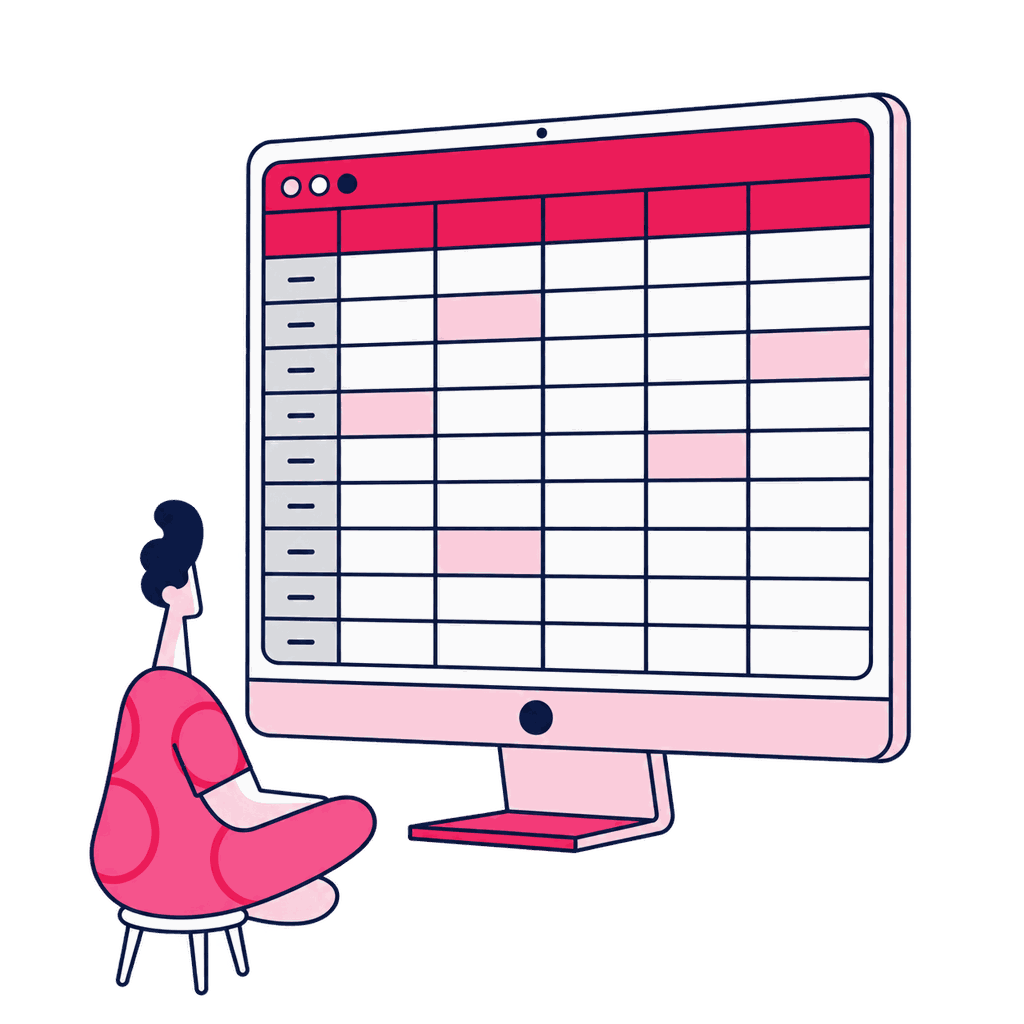
Read the passage against the claim
A reviewer checks every material statement and marks the source as direct support, partial support, context only, contradiction, or uncertainty.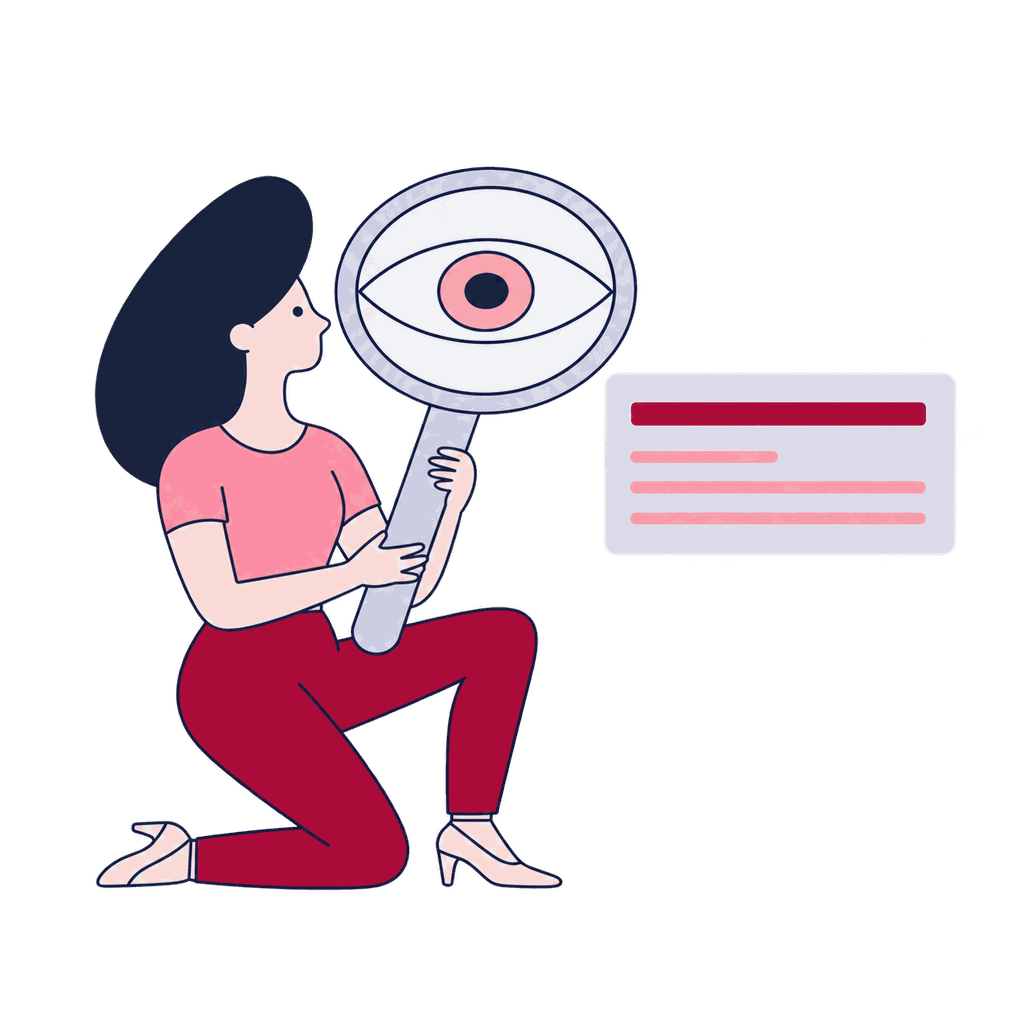
Name the missing evidence
The gap might concern owned material, independent research, expert commentary, profile consistency, or earned media. We record the specific need.
Hand it to one team
One owner accepts each approved action. Once something is published, we validate the evidence and report later citation behavior as a separate outcome.

Clients on the work
What it is like to work with Zeo
Our clients describe the work in their own words.

We were working with a global supplier on SEO before. Accessibility and process management were a little more difficult with these teams. At the same time, in terms of budget, global suppliers were more costly for us due to exchange rate differences and man-hours. When we started working with Zeo, we first went through an audit, fixing the results and problems. After these processes, we placed SEO in a strategic place for digital marketing and created an always-on SEO strategy for our brands and implemented it step by step.

As MediaMarkt, we have been working with Zeo for 6 years in a very tight and coordinated way to manage our SEO processes. We receive the highest level of feedback from Zeo on increasing and improving our organic traffic. It is very enjoyable to get fast support on all our issues 24/7 and to work with Zeo to better embrace and continuously improve our brand, and we recommend it to everyone.

We strictly follow the regulations and algorithms that can change at any time; We need to act quickly. At this point, Zeo has become a partner that meets all our expectations with its professional, innovative and solution-oriented approach. The Zeo team has become a stakeholder in success by looking at our optimization processes and our brand as their own value. As the Acıbadem Healthcare Group family, we would like to thank all the Zeo team, who work tirelessly, constantly improve, and do not compromise on keeping their energy high under all circumstances!
Besides increasing our website's visibility in the UK with Zeo, the experienced team that closely follows its work and has extensive experience in its field has always made us feel like we are in the right place for SEO. We are on the right track with Zeo in a country and industry where competition is high.

We talked to a number of agencies while we were planning our website's infrastructure migration, and we ended up with Zeo. They start by understanding the problem, then bring fresh approaches to solving it better. Communication is strong, and they support you at whatever point you turn out to need it. Every minute we spend working with them convinces us further that we made the right call. If you're looking for someone to sort out the digital side, you're in the right place.
Adjacent search evidence
Case Studies
Organic search engagements establishing the indexation, content depth, and domain authority that AI answer engines draw from.
People who watch how AI cites a brand
GEO work starts with recording what AI answers actually say about a brand today, then moves to the parts you can influence. The consultants below work on the specific capability this page covers.
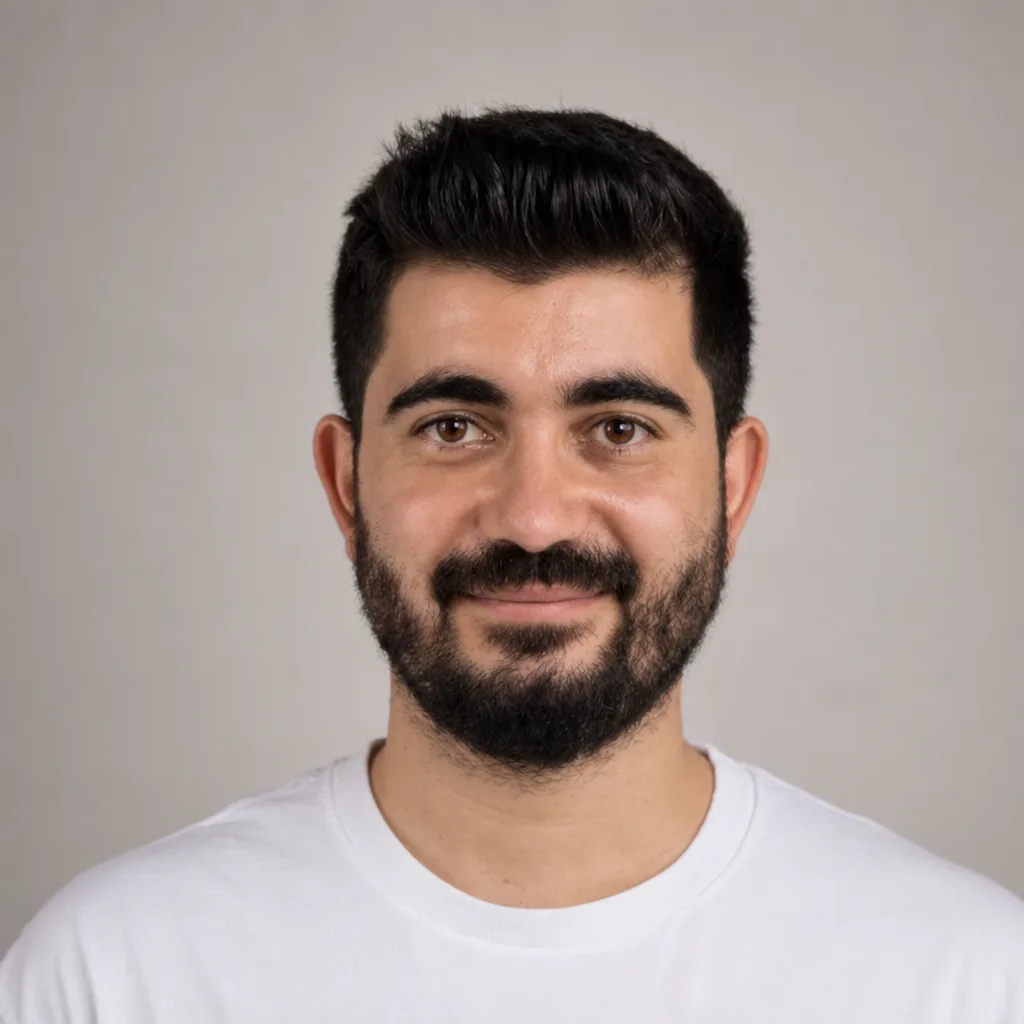
Samet Özsüleyman
SEO Manager

Hande Parmaksız
SEO Manager
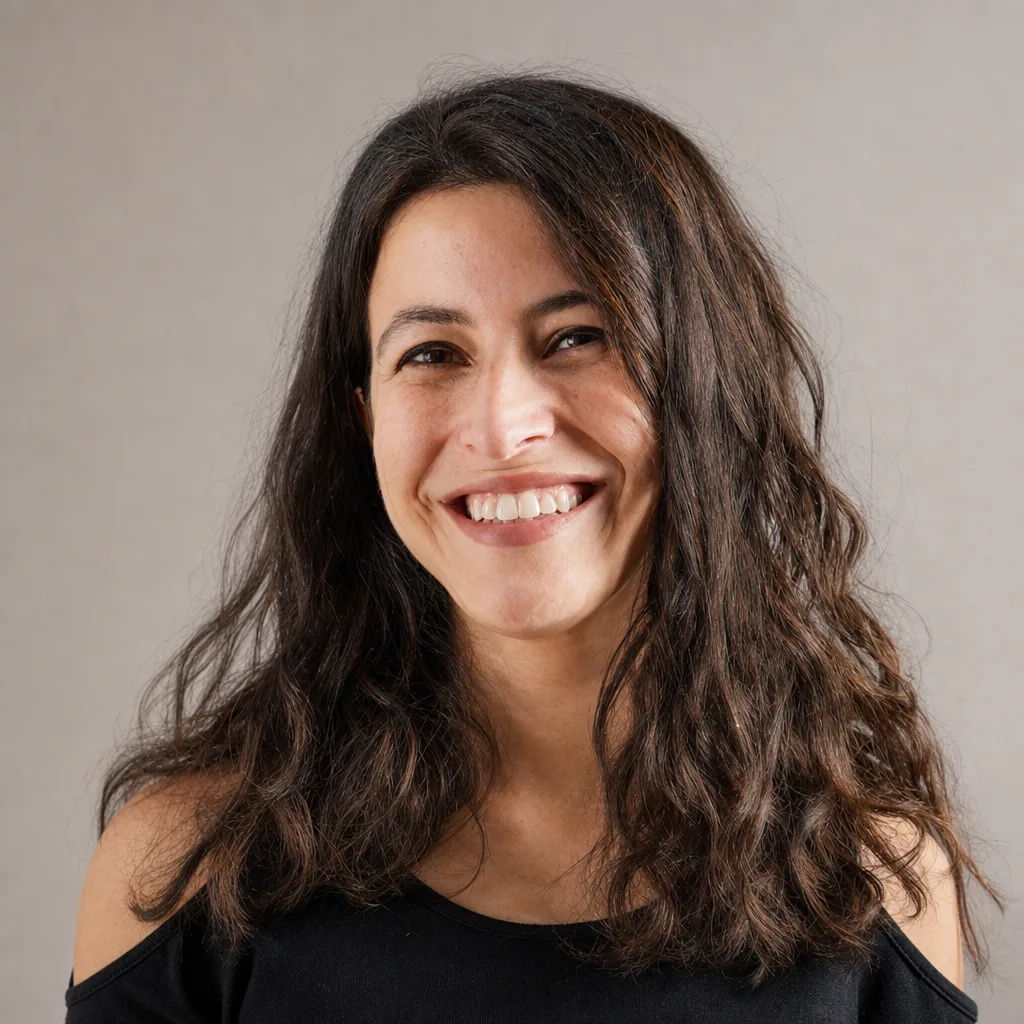
Sena Önder
Senior SEO Executive
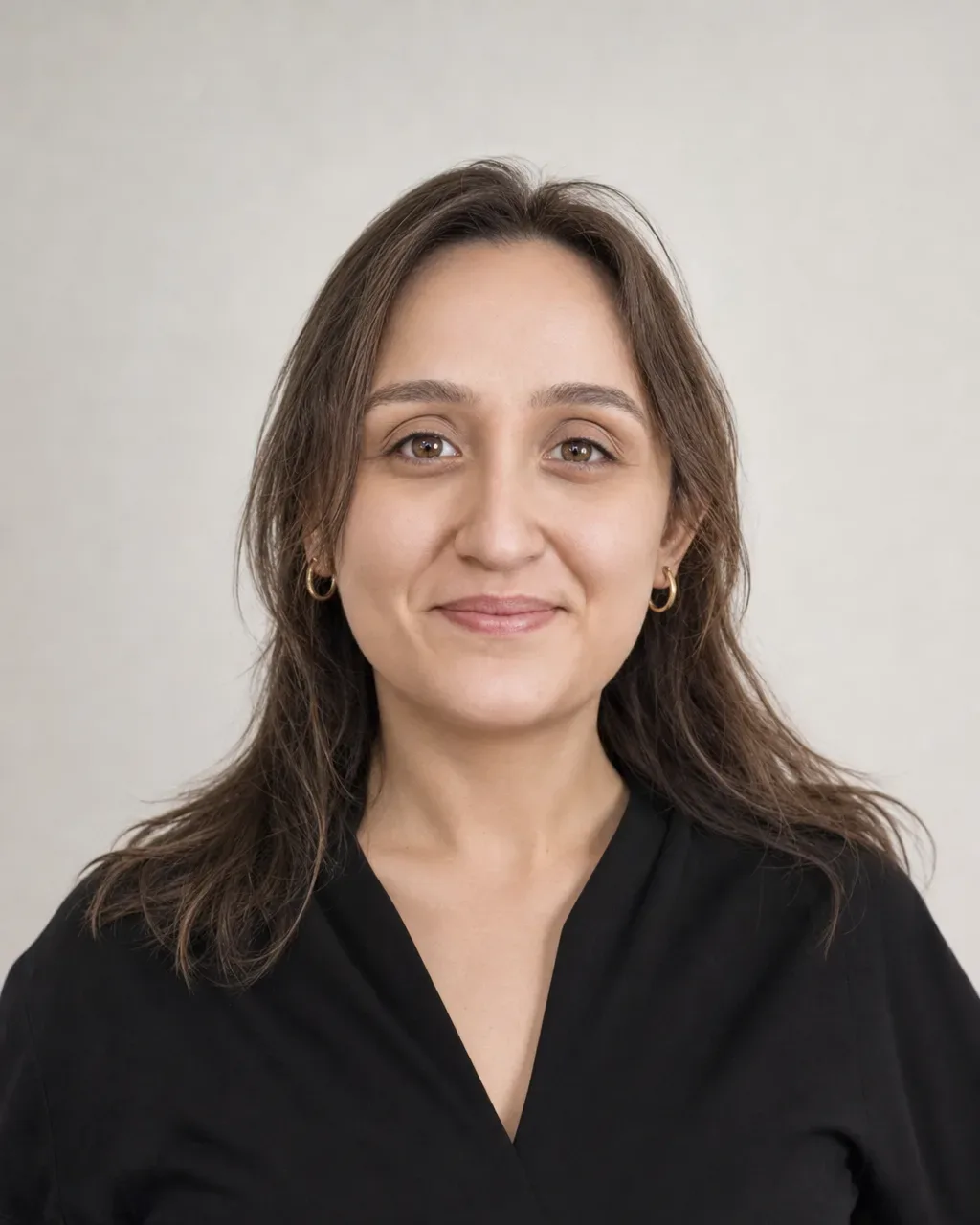
Sinem Bakır Yavaş
Senior SEO Executive
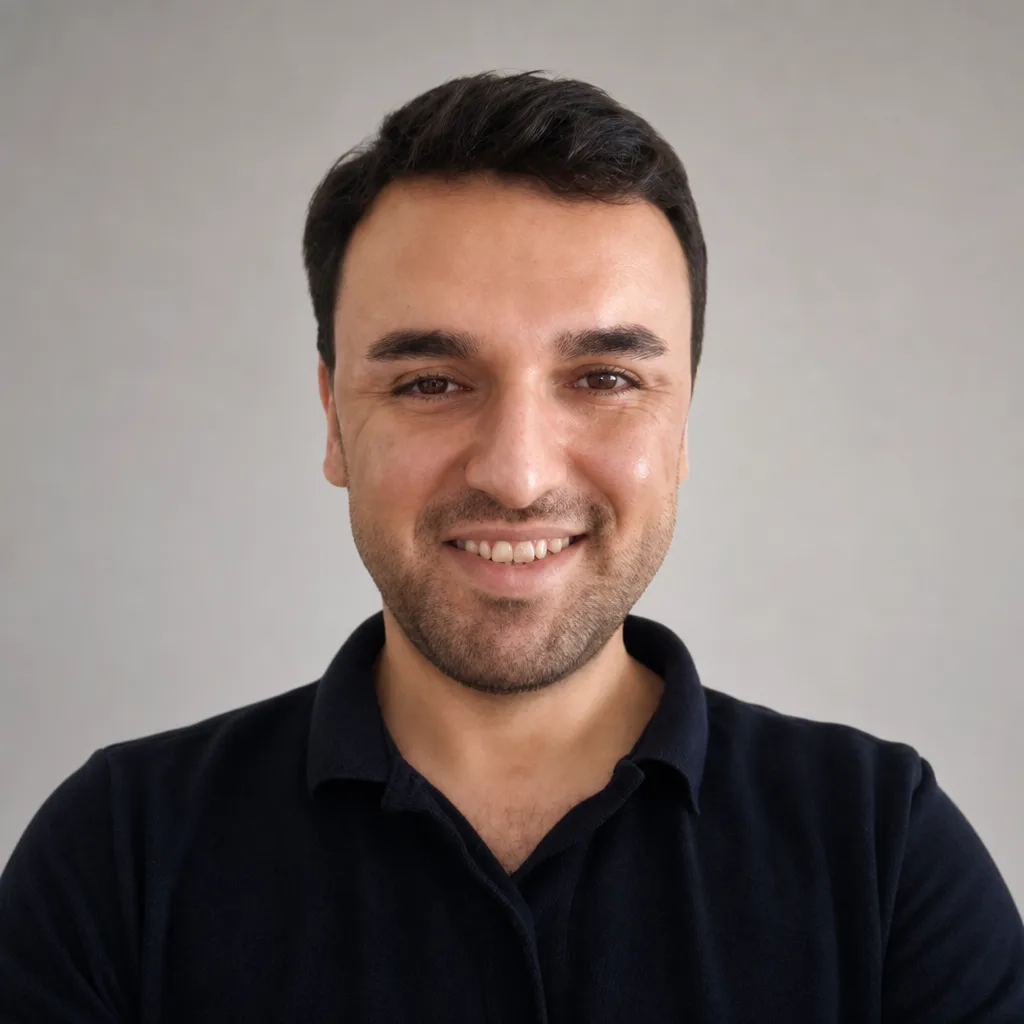
Ali Özgün Öz
SEO Executive
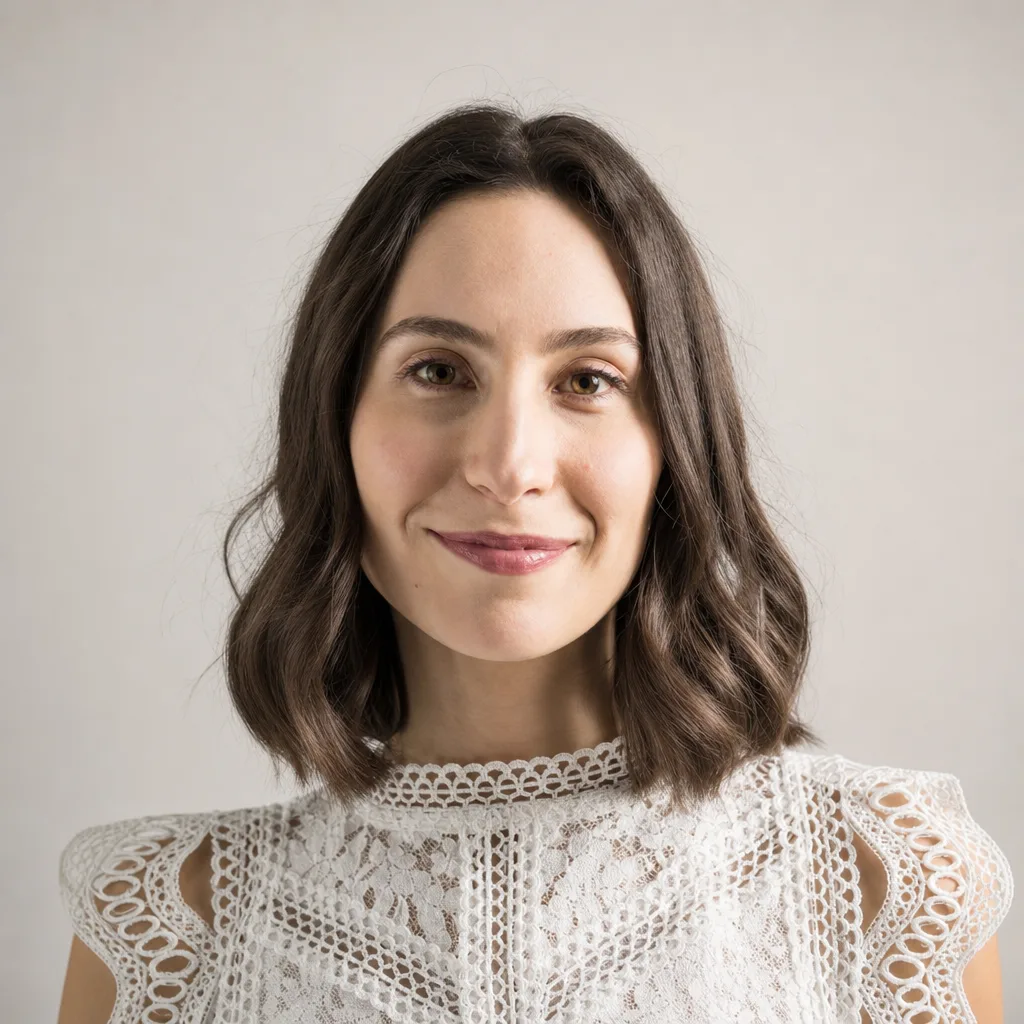
Aybüke Göktuna
Senior SEO Analyst
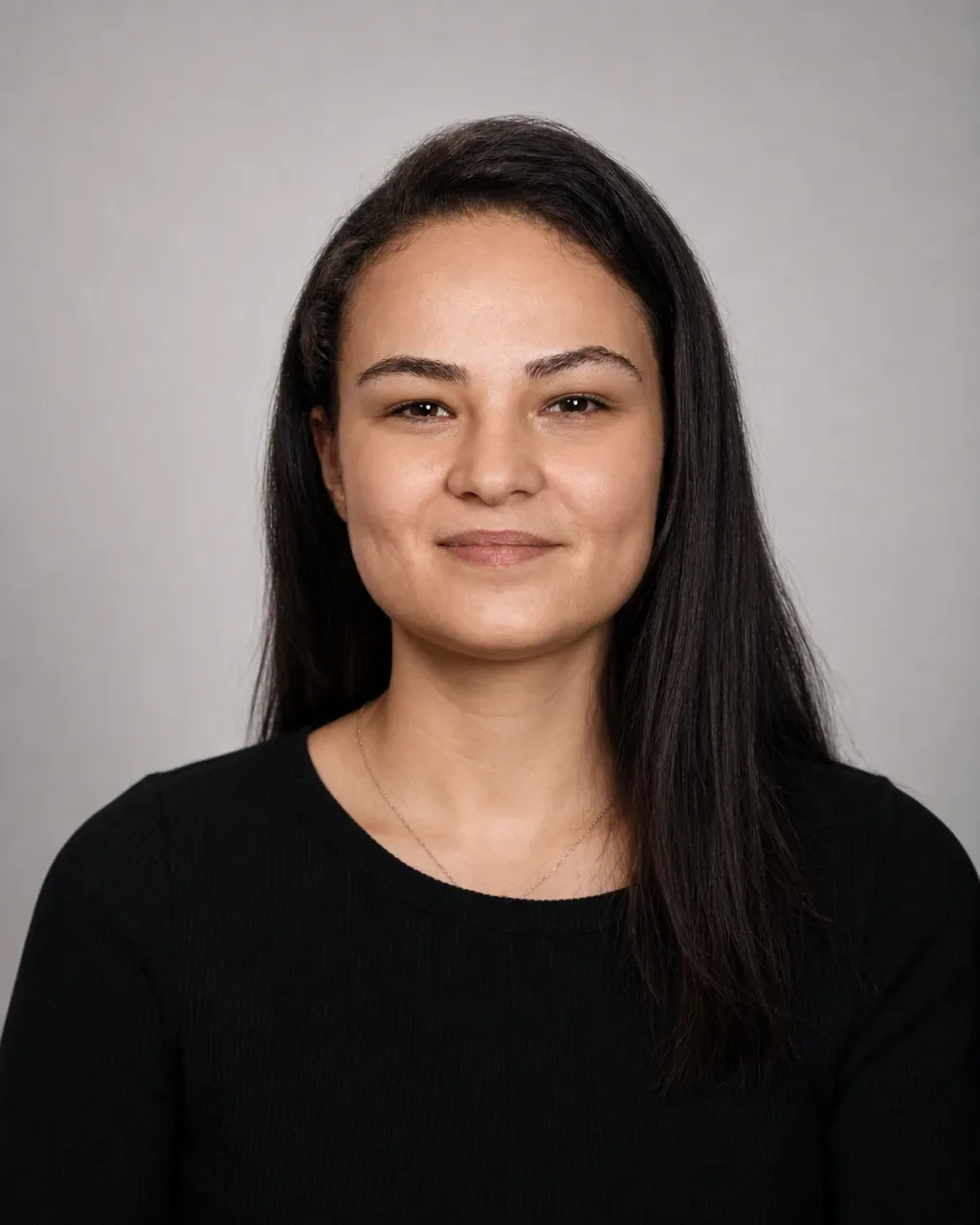
Bensu Tınastepe
Senior SEO Analyst
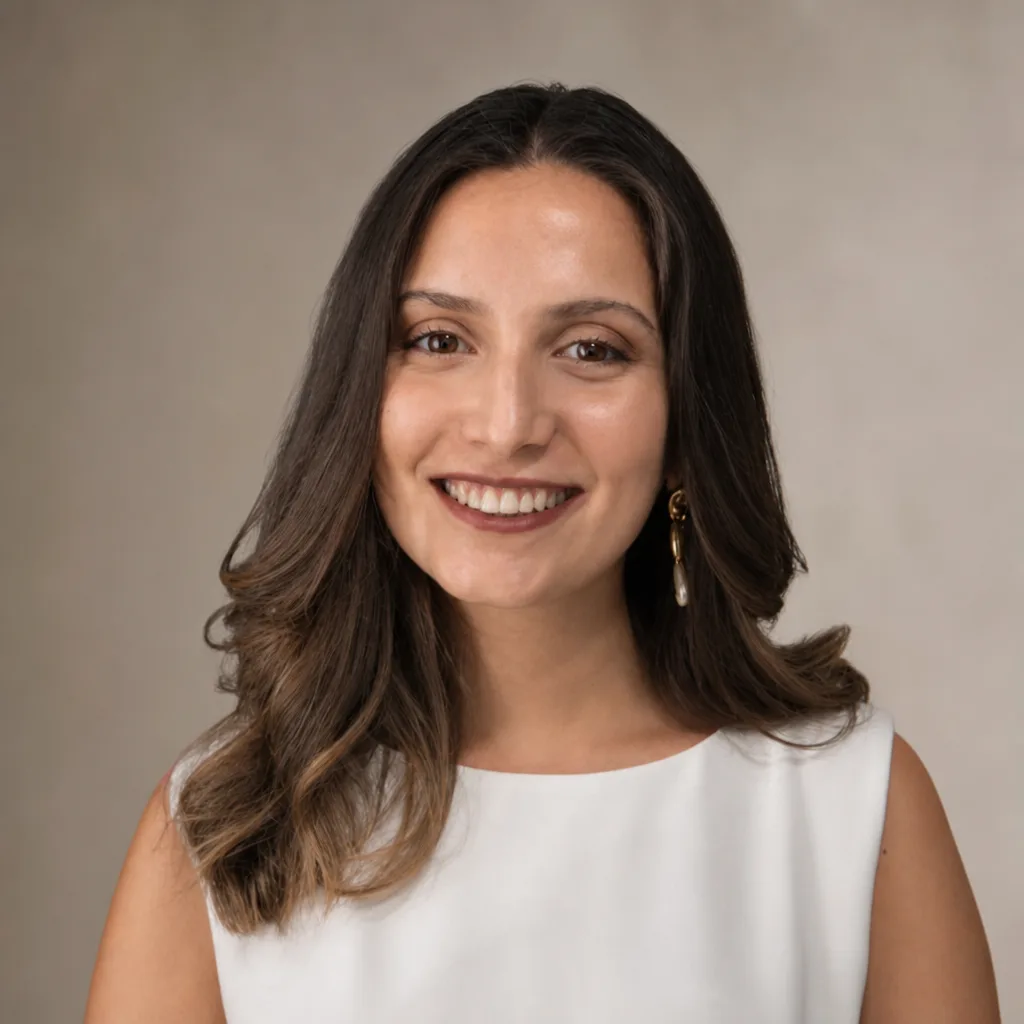
Gülşah Şahin Özkan
Senior SEO Analyst

Ruhan Tiryaki
Senior SEO Analyst
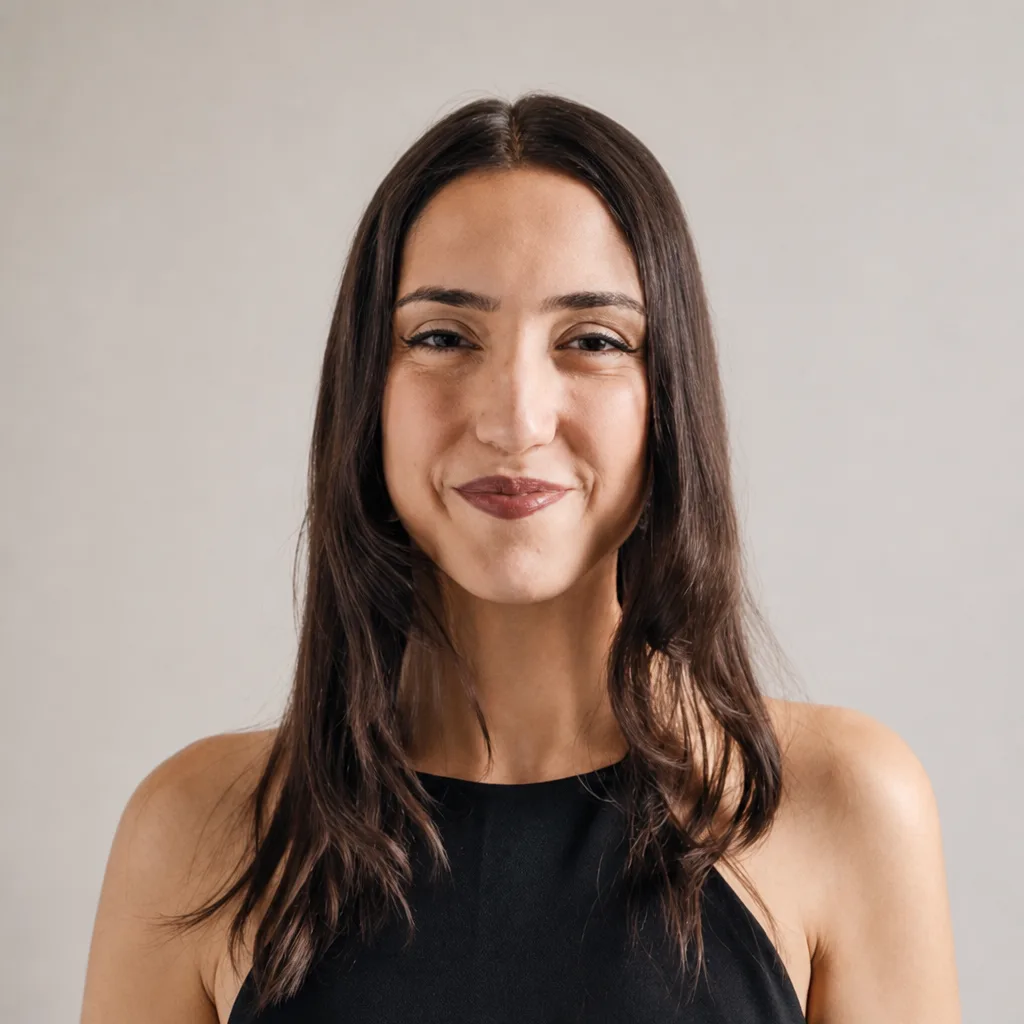
Yağmur Bayram
Sr. SEO Analyst
Emir Kağan Kahveci
SEO Analyst

Zafer Yıldız
Web Analytics Manager
Ataberk Yüzat
SEO Executive
Content we've produced on this topic
Tools we use
What we watch AI answers with
Generative search leaves less to read than a rankings report does, so most of this work is assembling evidence from tools that were never built for it.
AI answer and citation tracking
- ProfoundThis page's own first step, keep the answer with its conditions, needs the citing sources attached to the answer, not inferred afterward; Profound's citation-source capture is what supplies that record before the passage-versus-claim read happens.
- Peec AIThis page defines a source gap through the cited set: irrelevant, stale, concentrated, or too weak for the claim beside it. Peec AI exposes the cited domains per prompt and per model, so that set can be inspected as a portfolio rather than one answer at a time. Concentration in particular only shows up across many runs, and it is one of the four gap types the page names.
- AhrefsOnce a citing source is identified, Ahrefs' Brand Radar and its underlying domain data let the review weigh that source's own authority signals, which feeds directly into whether a genuine evidence gap exists or the pattern is normal variation.
Digital PR and outreach
- Muck RackThis sub-service covers both diagnosing a citation gap and the earned-media response to it; Muck Rack is what a specialist checks while still in the diagnosis stage, reading whether an outlet the audit flagged as under-represented actually has an active reporter on the beat right now, before the case for authority work is even made.
- ProwlyThis page is explicit that media research, relationships, outreach, and placement belong to Zeo's canonical Digital PR service, not here. Prowly is that team's tool: it sends the pitch and tracks it through to a placement or a silence. It appears on this page because the brief this capability produces has to be usable by that team, and the placement record it returns is what closes the loop on an approved opportunity.
- PitchboxThe boundary this page draws puts outreach execution with the canonical Digital PR owner. Pitchbox is where that owner runs an approved queue as a sequence instead of a manual send. What this capability contributes is the evidence attached to each entry, the source gap and what would close it, so an outreach queue is worked from an approved opportunity rather than a scraped list.
- BuzzSumoThis page rejects a missing brand mention as evidence of a gap on its own, and asks instead what credible support a claim actually needs. BuzzSumo shows which formats and angles in a category have earned engagement and which publishers keep covering the subject, which distinguishes a source type that exists from one an audience reads. That reading feeds the opportunity brief; it does not decide it.
- MajesticThis page separates a genuine evidence gap from normal variation partly by checking whether the missing or weak source is actually low-authority by an independent measure; Majestic's Trust Flow is that independent check, run before the case for authority work gets made.
- LinkResearchToolsThis page rules out manufactured authority, so a candidate source has to be checked before it is proposed, not after a placement lands. LinkResearchTools groups suspicious link patterns on a domain for manual review, which is how a publisher that sells placements gets separated from one that earns them. The judgment stays human here; the tool assembles the pattern, a specialist reads the context.
Start with the source trail
Find out whether the evidence calls for action
Before anything gets published