






Authority earned through evidence
Digital PR & Earned Media for AI Search
Give one Digital PR team enough evidence to judge whether an opportunity deserves pursuit, and enough clarity to reject it when it does not.
The approved source gap is only the starting point. We test whether the organization has something useful to contribute, document the evidence and rights, then pass external execution to the canonical Digital PR owner. The handover is a single evidence-backed brief that a Digital PR team can accept or reject. PR and content leads sitting on real data or expert access who want it turned into a pitch a publisher might actually take.


Some of the 500+ brands we've worked with
See all references





































Build the case before the contact list
Evidence and rights decide whether the brief moves
Evidence quality and provenance decide whether the opportunity advances. Rights and external action then go to the relevant owners, and any missing release condition stops the brief before outreach.
How we hold ourselves to it
- The editor has the final call
- No guaranteed placements
- Evidence before outreach
- No fabricated quotes
Accept the approved authority gap
Intake starts with the existing gap record and a check for missing inputs. The brief does not open until the upstream authority gap is signed off with its exclusions on the record.
Signed opportunity intake with upstream evidence and exclusions.


Select an editorially useful angle
Existing coverage and candidate formats are compared against the audience need. An angle is carried forward only when it answers a real audience need with evidence a competitor cannot repeat.
Angle matrix tied to audience need and differentiated evidence.


Validate the evidence asset
Every material statement is linked to its source and accountable owner. No asset leaves review until every claim has an approved source, a stated method and a cleared permission.
Claim ledger, methodology, rights and expert-approval pack.


Create the execution brief
The approved material becomes an actionable package without a media list. The execution brief moves only after the named Digital PR owner accepts the scope and the stop conditions.
Audience, hook, proof, exclusions, assets and success boundary.


Hand off outreach and production
GEO records the handoff status and goes no further. The outreach begins only once the single accountable owner, the dependencies and the approval gates are recorded.
Digital PR execution record with owners and approval gates.


Validate the published evidence
The live page is checked against the approved evidence pack. A publication is accepted only when the live page's facts, links, attribution and disclosure are verified against the pack.
Publication QA record for facts, links, attribution and disclosure.
Ready to accept, reject, or correct
The evidence package Digital PR receives
The handoff gives Digital PR the angle, evidence, rights, restrictions, owner, and publication checks needed for a clear acceptance decision. Weak proof blocks release.
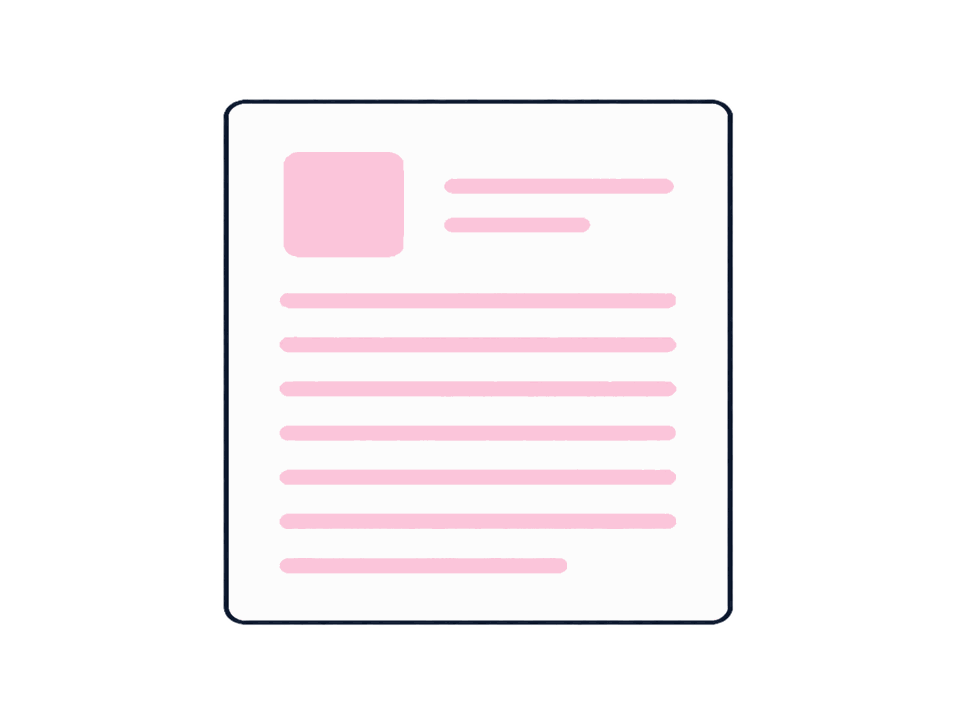

Authority opportunity brief
Digital PR can accept or reject it without repeating the analysis.
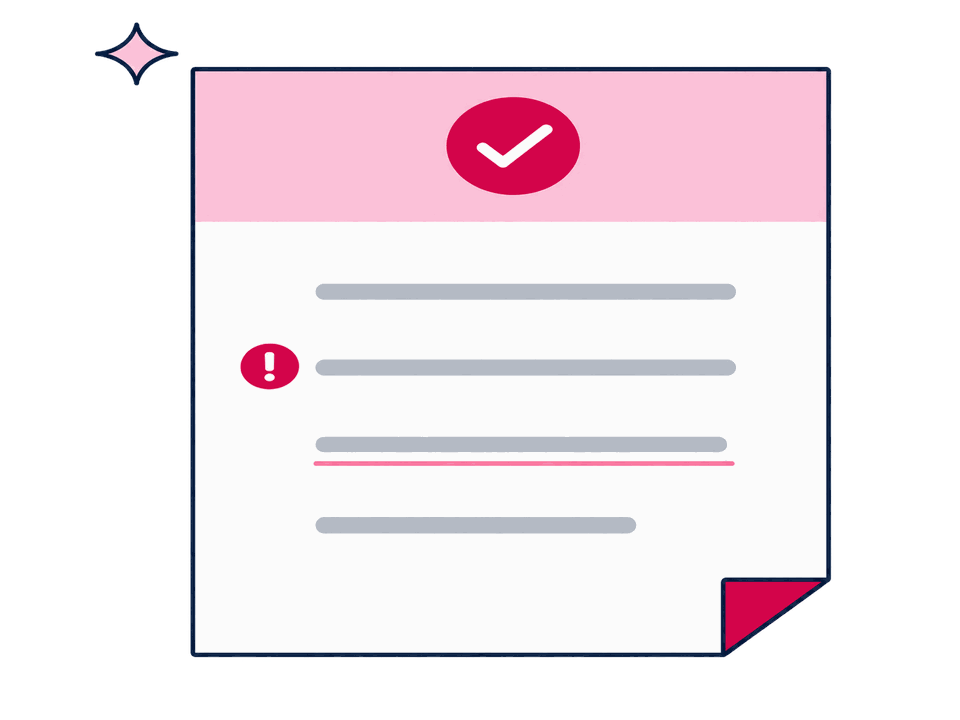

Evidence and rights pack
Missing provenance remains a release blocker.
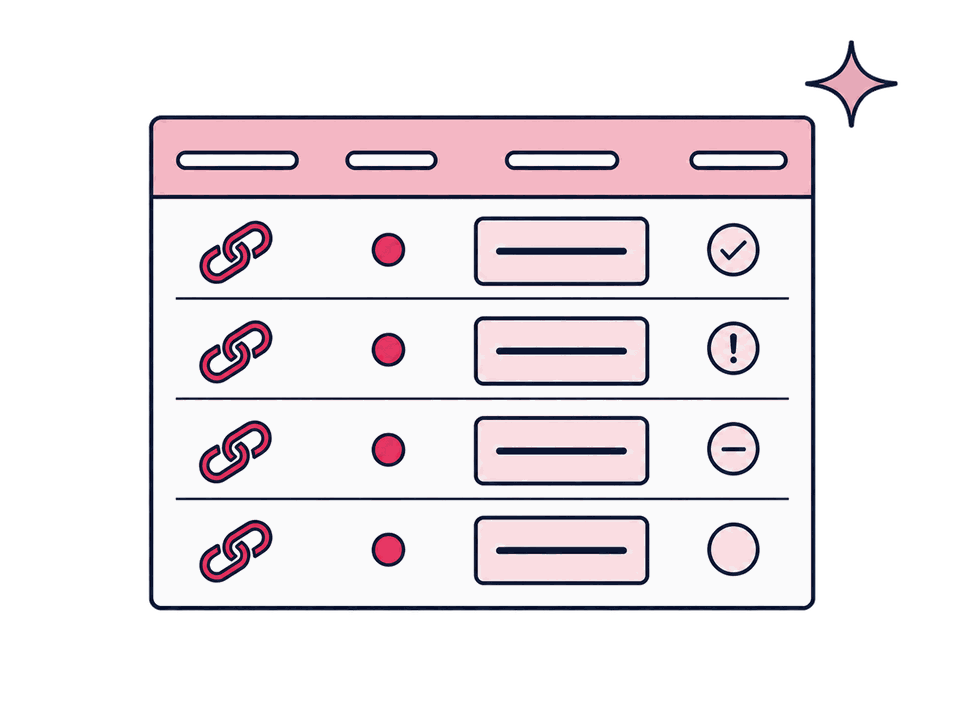
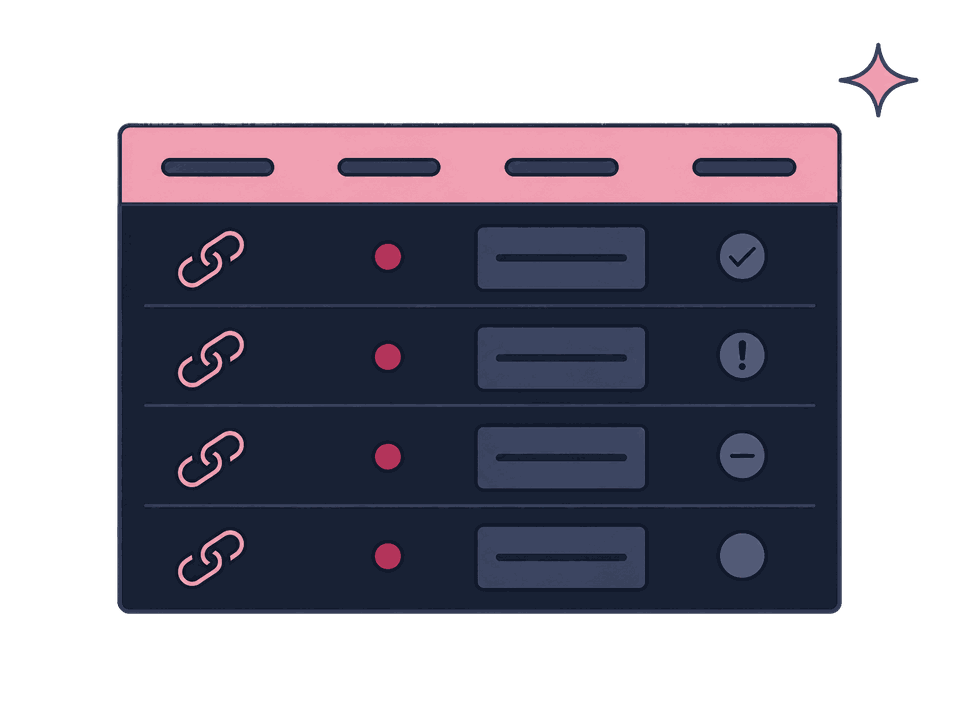
Digital PR execution handoff
No duplicate outreach function is created.
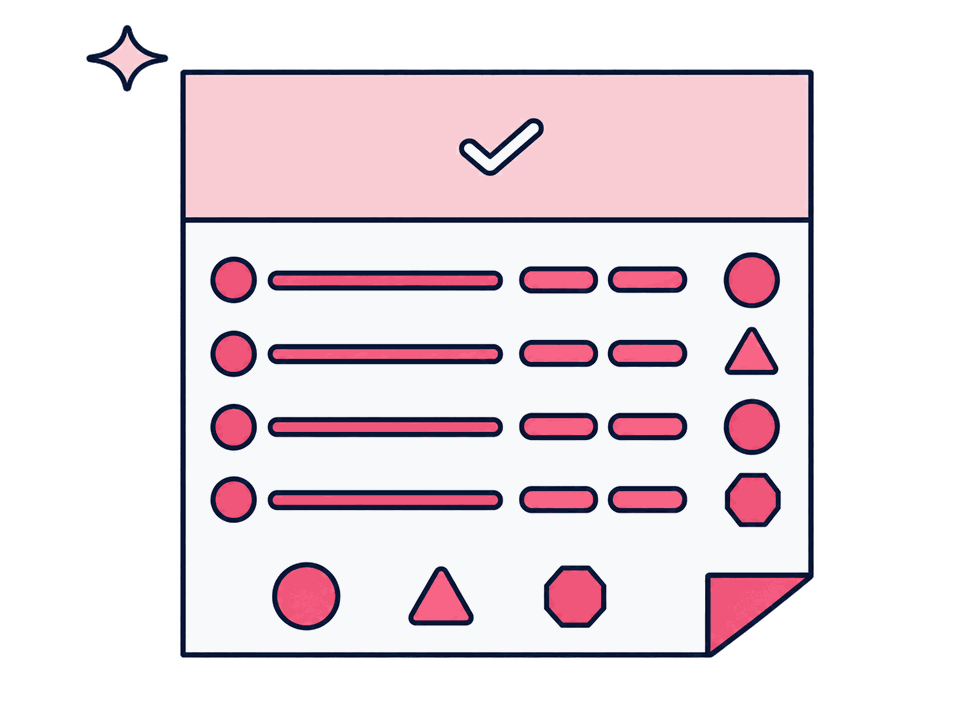

Publication validation record
AI visibility observations live in separate monitoring records.
The release threshold, agreed before handoff
A compelling angle can't make up for weak proof, so missing provenance still blocks release. Low completion rates aren't automatically a failure, since they can reflect a team holding a healthy line instead of forcing something through.
Before anyone pitches
The gap is approved and the evidence can carry a story
This method begins after the source gap has been diagnosed. It also requires original, reviewable evidence and a named Digital PR owner willing to take responsibility for external work.
A good fit when
- An approved source gap already exists — The record names the priority claims, audience, and excluded topics, so this work never becomes another citation audit.
- You hold first-party evidence or expert access — Data, methodology, source files, and named specialists are reviewable, and a model-generated quote is not one.
- Rights and disclosure rules are settled — Data rights, embargo, sponsorship, and conflict rules decide what may be published and how.
- A named Digital PR team owns outreach — That team runs media research and relationship management, and no external action starts before it accepts.
- The organization can stand behind the evidence — Recycled statistics and generic opinion fail the evidence gate.
- The brief turns a gap into an editorial opportunity — The upstream source-gap analysis stays the canonical audit behind it.
- The brief specifies the proof the story needs — Research, data, or expert evidence is named here, and content production and legal approval keep their owners.
- Acceptance criteria ship with the handoff — Media lists, outreach, and journalist relationships stay with Digital PR.
- The published page still needs a factual check — Facts, attribution, and links are verified there, while ongoing AI citation tracking stays with Measurement.


Better handled as other work when
- Citation monitoring and on-page proof have their own methods — Related methods stay linked but separate from this brief.
- You want a guaranteed placement — The editor decides whether to engage or publish, and payment is never presented as earned interest.
- You want authority manufactured — Synthetic quotes, unverifiable data, and coordinated source manufacturing stay prohibited, and a human approves every claim.
People who watch how AI cites a brand
GEO work starts with recording what AI answers actually say about a brand today, then moves to the parts you can influence. The consultants below work on the specific capability this page covers.

Ezgi Gülsen Yaylı
SEO Manager

Hande Parmaksız
SEO Manager

Sena Önder
Senior SEO Executive

Elif Naz Akan Karakoç
Senior SEO Executive

Sinem Bakır Yavaş
Senior SEO Executive

Mehmet Aktuğ
Co-Founder & COO

Ali Özgün Öz
SEO Executive

Bensu Tınastepe
Senior SEO Analyst

Ruhan Tiryaki
Senior SEO Analyst

Yağmur Bayram
Sr. SEO Analyst

Emir Kağan Kahveci
SEO Analyst

Zafer Yıldız
Web Analytics Manager

Didem Himmetli
Marketing Executive
Tools we use
Tools behind this work
 Notion
the evidence package itself, documented so Digital PR can pick it up and run
 Muck Rack
identifies who currently owns the beat, the identification step this page hands off with the brief
 Prowly
the Digital PR owner's send-and-track layer, used only after the brief is accepted
 Pitchbox
sequences the accepted brief's outreach for the team that owns the relationship
 BuzzSumo
compares existing coverage against the approved gap, which is how a stale angle gets rejected
 Majestic
checks a candidate publication's real authority before the evidence package targets it
Nearby methods and services
Parent capability
AI Search Authority & Citation Strategy
See where earned media sits inside the wider authority and source strategy.

Required upstream decision
AI Citation Source Gap Analysis
Identify the missing source relationship before developing an earned-media opportunity.


Execution owner
Digital PR Services
Media research, relationships, outreach, negotiation, and placement stay with Zeo’s Digital PR service.
Placements are earned, never promised
Is the evidence ready for a Digital PR decision?