





Work on the information available to retrieval
SEO for Large Language Models
Some of the 500+ brands we've worked with
See all references







































Inputs your team can examine
The useful work happens before the model makes its choice
GEO Strategy & AI Search Audit
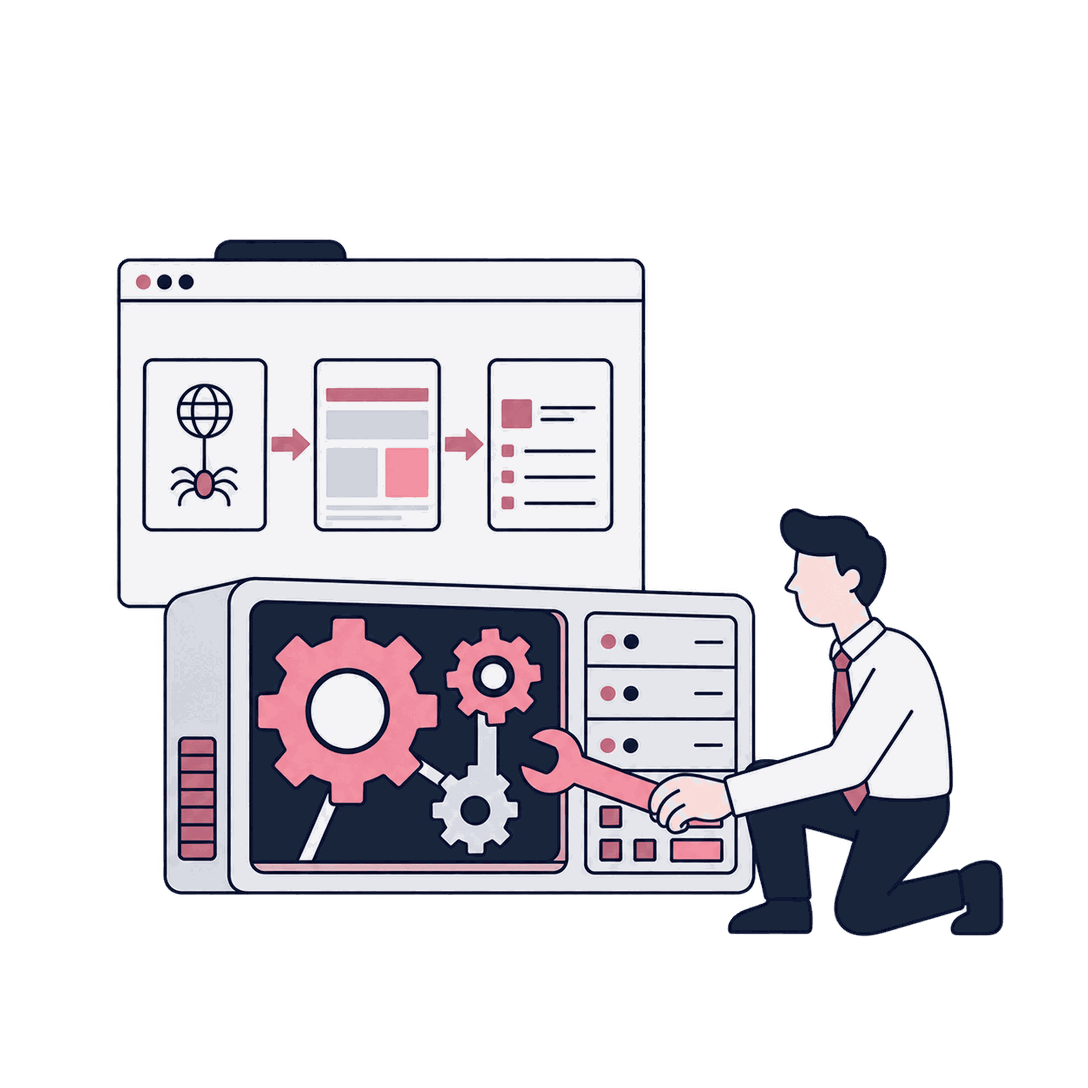

Technical AI Search Optimization


AI Citation Content Optimization
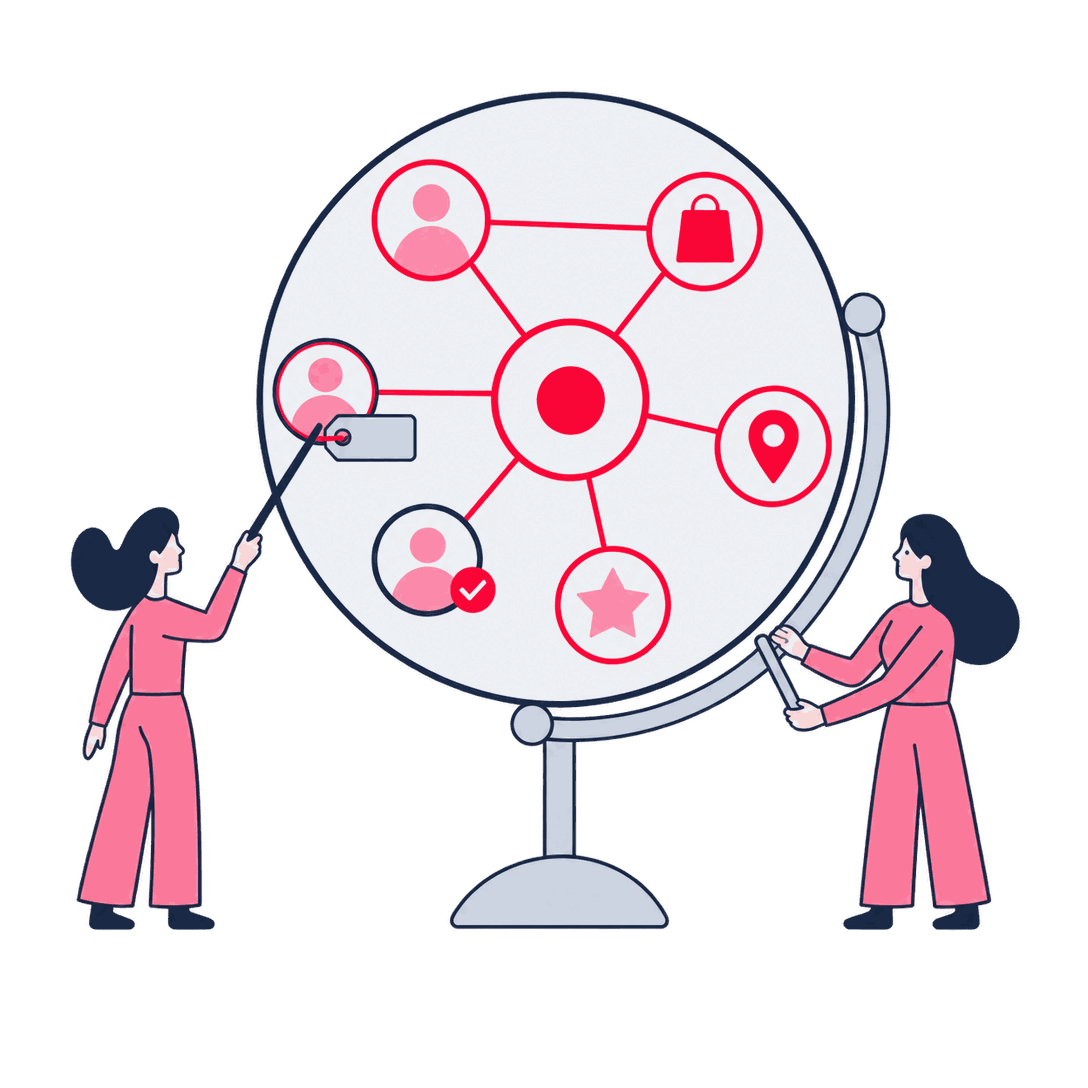
Entity & Knowledge Graph Optimization
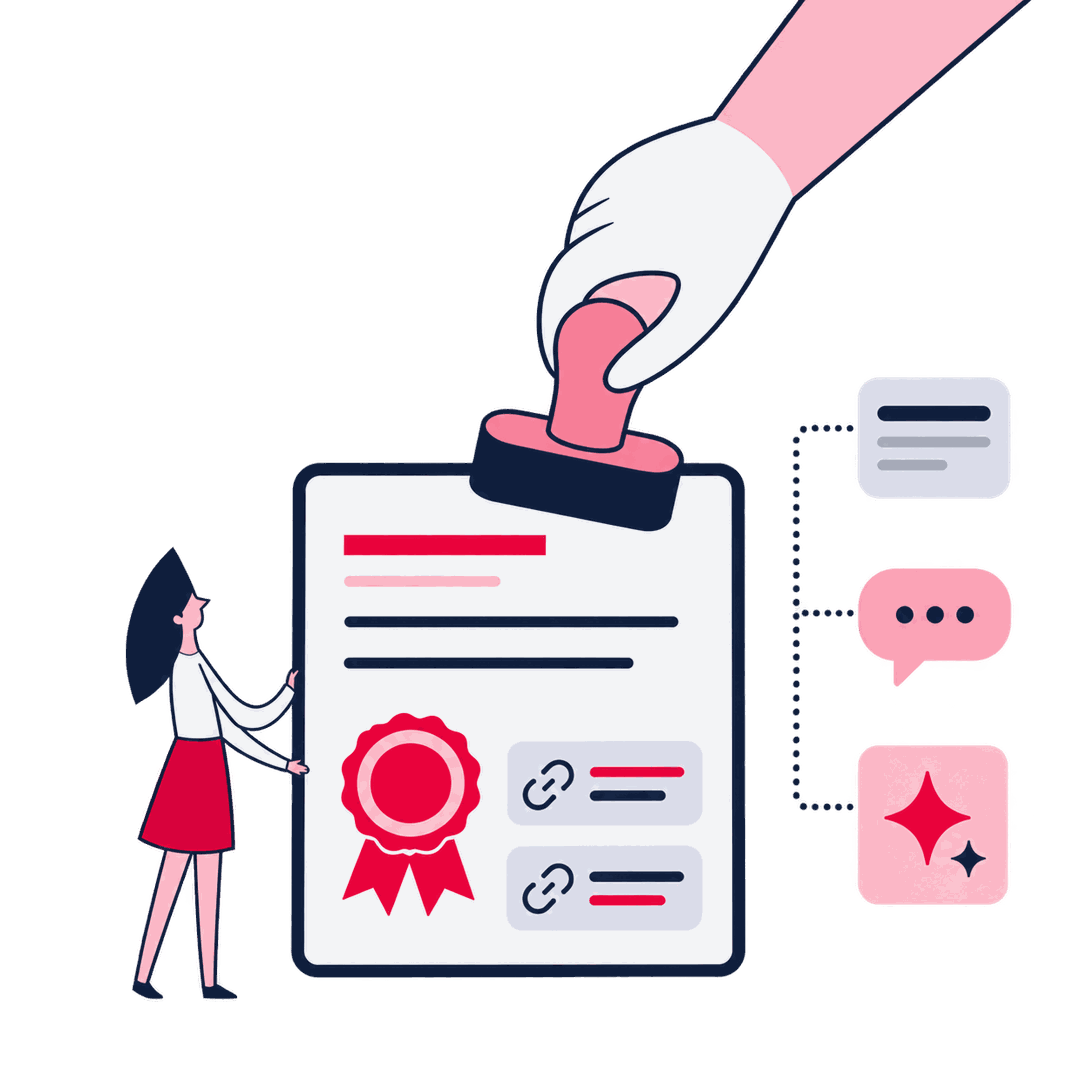
AI Search Authority & Citation Strategy
AI Visibility Monitoring & Answer Accuracy
Information available at retrieval time
LLM SEO works with retrieval-time information
When an LLM browses or retrieves web content, it receives whatever pages and sources that system can access at the time. LLM SEO improves the accessibility, quality, and consistency of those inputs.
The GEO path into the model layer
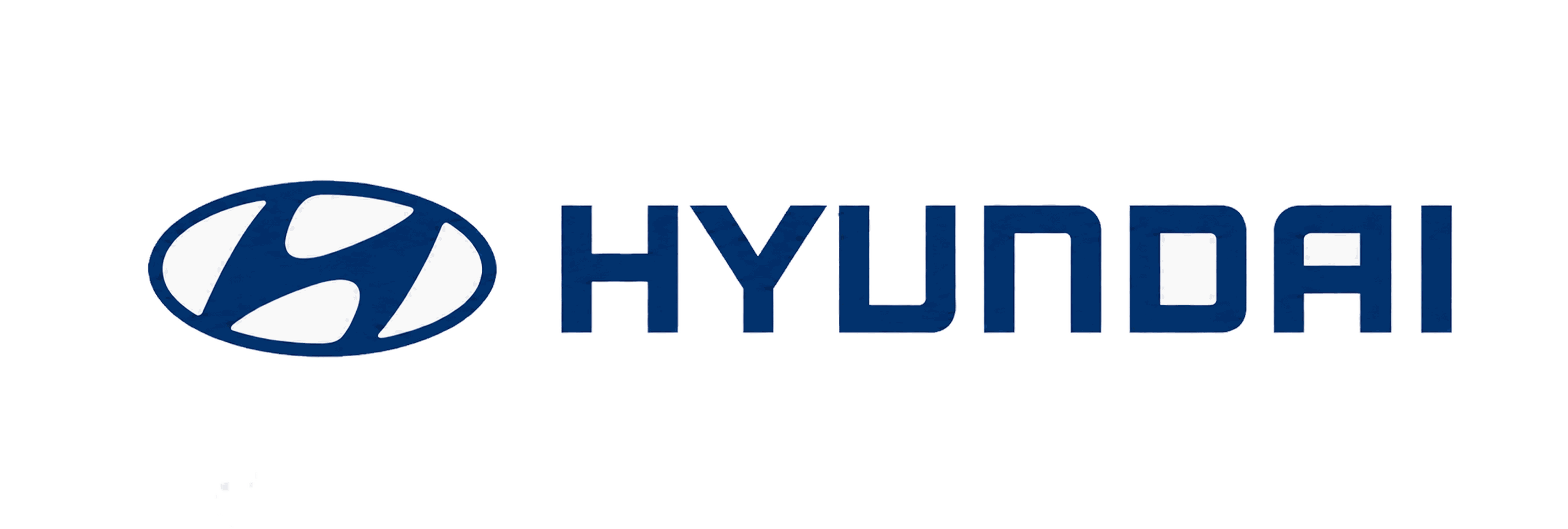
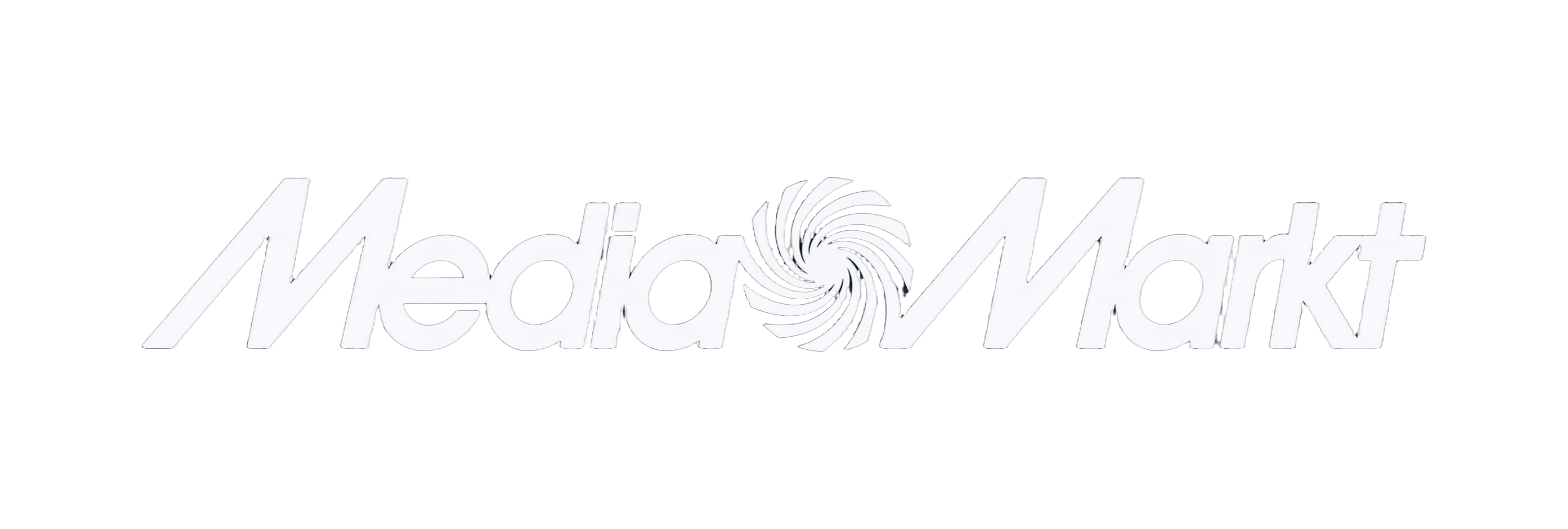
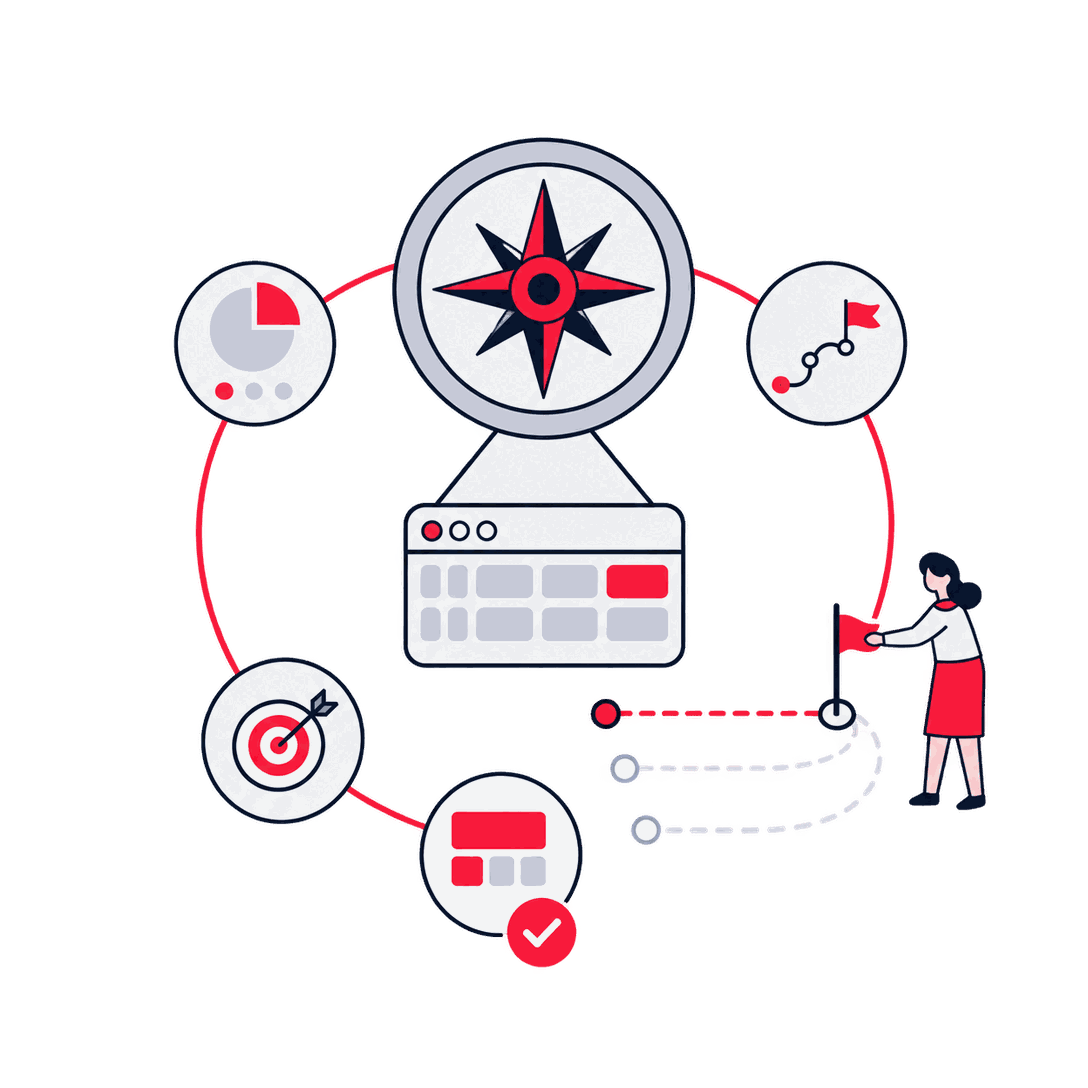
Access, extraction, identity, then corroboration
The path begins with crawler access, then moves through extracted passages, entity understanding, and corroborating sources. GEO can work on each of those conditions. Training choices, hidden retrieval rules, and final answer generation stay with the platform.
Scope and ownership
We work on the retrieval-time inputs; the model layer is not ours to move
The label is useful because it marks where your influence over web information ends.
We improve the accessibility, clarity, and consistency of the pages and sources an LLM can reach at retrieval time, working through crawler access, extracted passages, entity understanding, and corroborating evidence in that order. A live page being browsed or retrieved does not change a system's trained parameters, so the test follows the information path actually in use; a retrieved fragment keeps its subject, source relationships, and necessary qualifications so it stays true on its own. Training choices, hidden retrieval rules, and final answer generation remain with the third-party platform, and observed outputs cannot reveal — much less place under your control — every internal ranking decision.
Separate what you can observe from what you cannot control
Current retrieval does not rewrite training
A system may browse or retrieve a live page without changing its trained parameters. The test must follow the information path that is actually in use.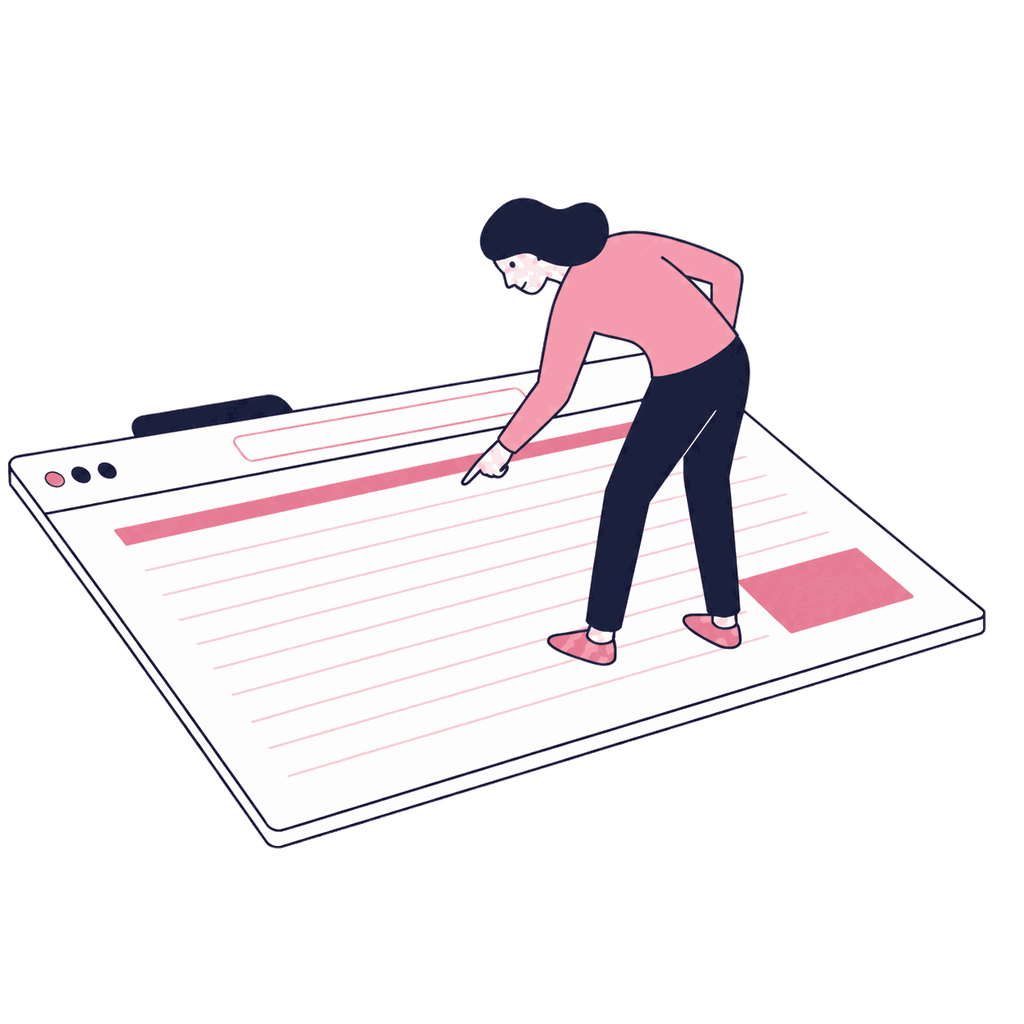
A fragment may carry the whole answer
Its subject and source relationships need to remain explicit. Necessary qualifications stay with the fragment as well.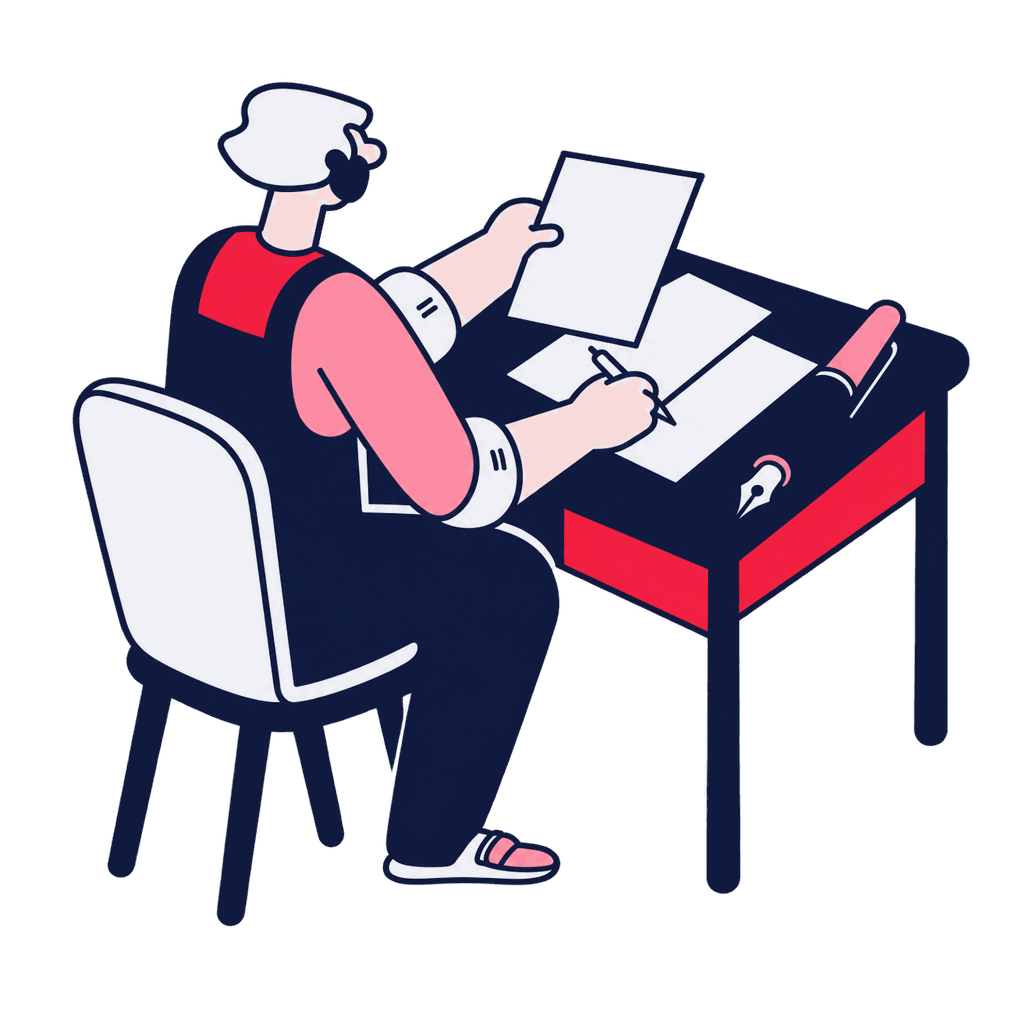
Independent evidence adds corroboration
Consistent facts across owned and external sources give the system more evidence to assess than one self-published claim.
Hidden ranking decisions remain hidden
We can test outputs and exposed sources. Those observations cannot reveal every internal ranking or generation decision, much less place it under your control.


Clients on the work
What it is like to work with Zeo
Our clients describe the work in their own words.


We were working with a global supplier on SEO before. Accessibility and process management were a little more difficult with these teams. At the same time, in terms of budget, global suppliers were more costly for us due to exchange rate differences and man-hours. When we started working with Zeo, we first went through an audit, fixing the results and problems. After these processes, we placed SEO in a strategic place for digital marketing and created an always-on SEO strategy for our brands and implemented it step by step.

As MediaMarkt, we have been working with Zeo for 6 years in a very tight and coordinated way to manage our SEO processes. We receive the highest level of feedback from Zeo on increasing and improving our organic traffic. It is very enjoyable to get fast support on all our issues 24/7 and to work with Zeo to better embrace and continuously improve our brand, and we recommend it to everyone.


We strictly follow the regulations and algorithms that can change at any time; We need to act quickly. At this point, Zeo has become a partner that meets all our expectations with its professional, innovative and solution-oriented approach. The Zeo team has become a stakeholder in success by looking at our optimization processes and our brand as their own value. As the Acıbadem Healthcare Group family, we would like to thank all the Zeo team, who work tirelessly, constantly improve, and do not compromise on keeping their energy high under all circumstances!

Besides increasing our website's visibility in the UK with Zeo, the experienced team that closely follows its work and has extensive experience in its field has always made us feel like we are in the right place for SEO. We are on the right track with Zeo in a country and industry where competition is high.


We talked to a number of agencies while we were planning our website's infrastructure migration, and we ended up with Zeo. They start by understanding the problem, then bring fresh approaches to solving it better. Communication is strong, and they support you at whatever point you turn out to need it. Every minute we spend working with them convinces us further that we made the right call. If you're looking for someone to sort out the digital side, you're in the right place.
Adjacent search evidence
Case Studies
Organic search engagements establishing the indexation, content depth, and domain authority that AI answer engines draw from.





People who watch how AI cites a brand
GEO work starts with recording what AI answers actually say about a brand today, then moves to the parts you can influence. The consultants below work on the specific capability this page covers.

Didem Himmetli
Marketing Executive

Can Mutioğlu
Senior SEO Executive

Gülşah Şahin Özkan
Senior SEO Analyst

Hande Parmaksız
SEO Manager

Ezgi Gülsen Yaylı
SEO Manager

Sena Önder
Senior SEO Executive

Ataberk Yüzat
SEO Executive

Sinem Bakır Yavaş
Senior SEO Executive

Aybüke Göktuna
Senior SEO Analyst

Ruhan Tiryaki
Senior SEO Analyst

Yağmur Bayram
Sr. SEO Analyst

Mehmet Aktuğ
Co-Founder & COO

Deniz İmre Temiztürk
Content Specialist
Tools we use
What we watch AI answers with
Generative search leaves less to read than a rankings report does, so most of this work is assembling evidence from tools that were never built for it.
AI answer and citation tracking
- OpenAIThis page promises to follow information from crawler access to retrieval and then show exactly where a client's influence stops. Running the question set directly against ChatGPT is how that boundary gets demonstrated rather than described: the same question with browsing on and off produces different behavior, and the page is explicit that you cannot place content in a model's training set or edit its weights.
- OpenRouterThis page measures with a versioned set of prompts, markets, and platforms and reports only what appeared in the observable sample. OpenRouter lets the same prompt run against several models through one interface, which keeps the comparison honest about what changed: when a passage performs differently across providers, the difference belongs to the model, not to a variation in how the request was made.
- AhrefsSince this page is explicit that hidden ranking decisions stay hidden, work here can only be judged by its downstream effect; Ahrefs Brand Radar's citation tracking is what gets checked afterward to see whether improved access and corroboration moved anything, rather than promising the mechanism itself.
Entity and structured data
- Schema AppThis page's fourth step, independent evidence adds corroboration, is a role Schema App's structured entity data plays directly: markup that states a fact in machine-readable form alongside the prose gives a retrieval system a second, independently checkable version of the same claim.
- InLinksBecause retrieval selects a limited section, this page requires that section to carry its own subject and claim. InLinks derives entity markup from the copy in place, so the machine-readable identification of the subject stays attached to the passage rather than living in a page-level template the extracted section leaves behind. Where the CMS owns markup output, we take the entity reference and leave publication there.
- Screaming FrogThis page's own framing, that LLM SEO addresses information a model may encounter while browsing or retrieving sources at inference time, starts with a Screaming Frog crawl under the relevant bot's user-agent to establish page access, before content clarity or entity consistency is even assessed.
- DiffbotBecause this page's own point is that a retrieval-time fragment may carry the whole answer, Diffbot's fact-and-entity extraction is used to preview what a retrieval pipeline is likely to pull from a given page, showing whether the extracted fragment actually preserves the claim's qualifications or loses them outside full-page context.
Crawl and rendering for AI agents
- Prerender.ioThis page's boundary is that current web content may enter a browsing or retrieval flow, which only holds if the content is in the response. Prerender.io serves a rendered snapshot to declared bots, which closes that gap on a client-rendered application without a rebuild. It is a mitigation rather than a fix: we still record that the underlying delivery depends on JavaScript, because a snapshot service is one more thing that can fail.
- Cloudflare AI Crawl ControlThe trace this page describes starts at crawler access, and the honest answer to whether a named bot reached the site comes from the edge rather than from a robots.txt reading. Cloudflare's AI Crawl Control reports allowed and blocked request counts per AI crawler, which distinguishes a deliberate policy from an accidental WAF rule. It applies to sites served through Cloudflare; elsewhere the same evidence comes from server logs.
Follow the retrieval path
Mark the boundary between your inputs and the model
The limits around the model layer