




Custom AI Agent Development
A custom agent is ready for release only when one checkable job, its tool permissions, stop conditions, recovery paths, traces, and human intervention rules form one bounded loop.
Bring us one repeatable job with an input your team recognizes and a result they know how to judge. We build the shortest agent loop that can do it, then trace where it finishes, gets stuck, fails, and hands the work back to a person. At handoff, your release owner receives a working agent slice, reviewed task traces, explicit tool authority, and a first-use plan for intervention, rollback, and recovery.
Some of the 500+ brands we've worked with
See all references







































The run order, and who signs each step off
How we work
We begin with one path all the way from input to a checked result. A second tool, another recovery route, or a broader release condition comes later, when the trace gives us a reason to add it.
Put the job in writing
We sit down with the workflow owner and pin down the input, acceptable result, forbidden actions, approved tools and data, and known failures. We also agree the cost and latency limits and who may approve an exception. The workflow owner draws the job boundary and has the final word on tools and exception authority.

Make one complete path work
We implement the goal, state, memory, grounding, tool contracts, permissions, and stop conditions needed to carry one representative task through a thin end-to-end path in the real workflow. Before the test set runs, your engineering lead signs off on tool access and permission boundaries.


Test the paths that go wrong
We run representative, edge, and adverse tasks. Their traces expose invalid actions, repeated side effects, stalled loops, recovery attempts, missed escalation, cost, latency, and incomplete work. If any failure classes are acceptable for a limited release, that call belongs to your security lead.
Leave the team with working controls
Before handoff, we tie the reviewed traces to release limits, monitoring, intervention, rollback, and recovery, then assign the operating duties. The release owner sets the rollout limits and names who can pause the agent.

Named artifacts you keep
What you get
You get the working slice and the record behind it. That gives the owner something concrete to use when deciding whether the agent stays narrow, changes, or takes on more work.
Architecture document
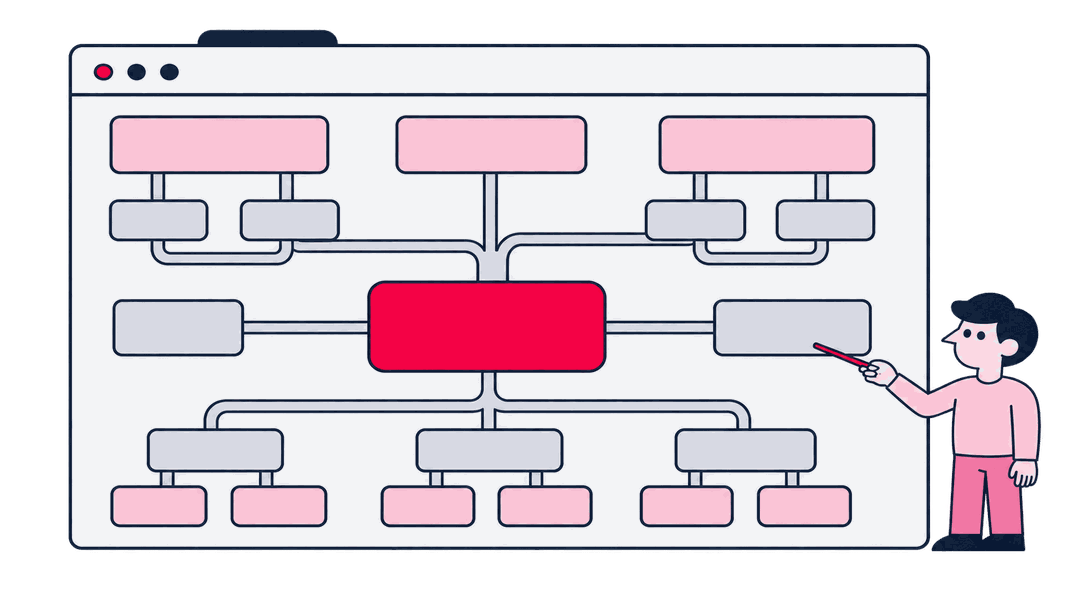
Agent loop, state, and stop-condition map
A readable map of the agent's goal, loop, states, memory, grounding, stop conditions, tool limits, and ownership.
Matrix
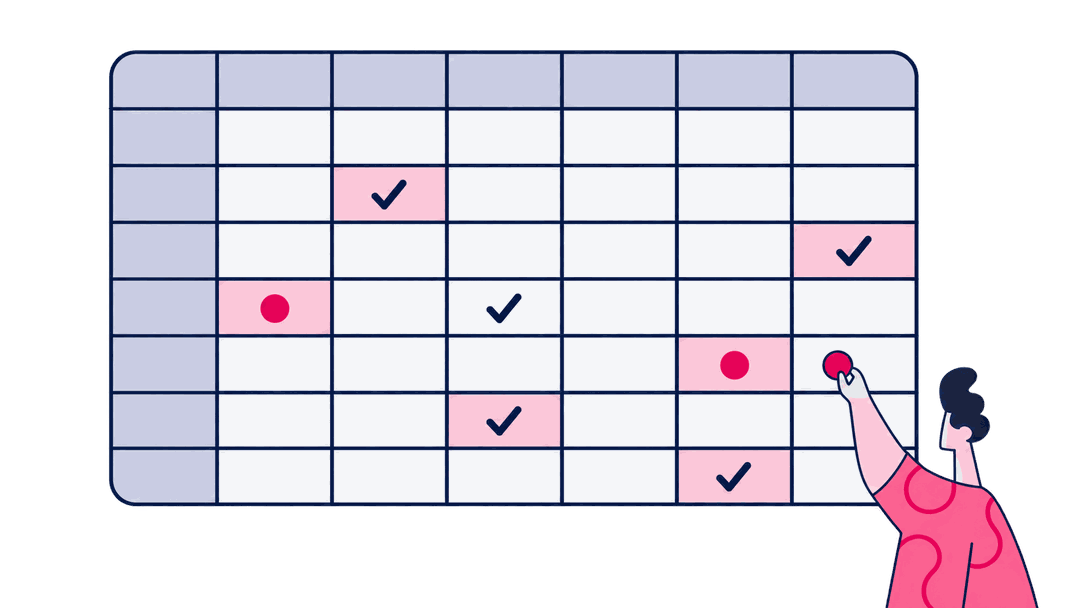
Tool contracts and escalation authority record
The contract for each approved tool, alongside its schema, permissions, approval points, forbidden actions, resource budgets, and escalation route.
Test evidence
Reviewed trajectory traces and failure findings
The representative, edge, and adverse tasks we ran, with traces for completion, invalid action, recovery, escalation, and resource use.
Playbook
First-use intervention and recovery plan
The agreed rules for first use, monitoring, intervention, rollback, recovery, and later review, with the operating duties attached.
Scope and honest limits
When to bring us in
The right first job is repeatable and already familiar to the people who own it. They can recognize the input, judge the result, and show us how the work usually goes wrong.
A good fit when
- The job moves through tools and state changes, but one prompt or fixed rule cannot carry its trace from input to a checked result.
- You can bring representative tasks, known failures, the required tool and data access, and somewhere safe to run the first tests.
- Cost, latency, and recovery rules sit in different places, so the agent has no single boundary for intervention.
- The repeatable job has a recognizable result, but the agent's state, memory, grounding, stop conditions, and completion loop are not defined together.
- Approved tools exist, yet their contracts, permissions, budget limits, and routes back to a person do not form one authority boundary.
- A working slice can complete familiar tasks, while its traces still do not cover the failures and bounded recovery paths agreed for testing.
- End-to-end tasks can be tested, but first-use limits, intervention controls, and operating duties have not reached the release owner.
Better handled as other work when
- You want an open-ended autonomous worker before its job, authority ceiling, and finish line are defined. Agent strategy should settle those choices first.
- The agent needs high-impact access or irreversible actions before its controls are reviewed. Security design and authorization must come first.
- You need Zeo to run production, acquire new data, or build integrations beyond the agreed slice. Those duties require separate scopes.
If one of these is closer to your situation, start here instead: See the AI agent service
Engineers who ship production AI
This is the part of Zeo that writes and ships code. Our senior engineers build agents, chatbots, and RAG pipelines, along with the automation and data work around them, and they keep operating those systems once they're live. We've worked with more than 500 brands since 2011.

Can Mutioğlu
Senior SEO Executive

Yiğit Konur
Founder & Chief Strategy Officer

Ozan Ketenci
VP of Consulting & Strategy

Burak Pehlivan
Co-founder & CEO

Mehmet Aktuğ
Co-Founder & COO

Ataberk Yüzat
SEO Executive

Elif Naz Akan Karakoç
Senior SEO Executive
Content we've produced on this topic
Tools we use
Tools behind this work
 OpenAI
the model API and agent runtime the shortest working loop actually gets built on
 LangChain
the graph-based loop showing exactly where control hands back to a person
 Pydantic AI
the typed output layer that fails fast at the boundary instead of downstream
 Langfuse
the full step-by-step trace the page's own FAQ contrasts with the final answer
 Braintrust
the scoring harness that runs the paths that go wrong before rollout
 Helicone
the cost and latency log rollout authorization gets checked against, alongside correctness
 Guardrails AI
one of the working controls the team is left with, enforcing output at runtime
Adjacent work
Where this leads
Build
AI Agent Tool & API Integration
Our thin loop connects only the minimum approved tools. When one of those calls changes a real record, that path needs its own contract, retry, and rollback testing.
Build
Knowledge-Grounded AI Agents
If the job's checkable result depends on internal documents whose owners disagree about what is current, register source authority and identity rules before the loop consumes them.

Assurance
AI Agent Evaluation & Reliability
Our traces cover the tasks we ran once. Before the release owner widens the rollout, repeat those tasks against the same build and see whether the result holds.
Next step
Bring us one job your team can judge
Before you decide