









Multi-Agent System Development
A multi-agent system earns its coordination cost only when each role has a distinct job, bounded authority, traceable handoff, and a human completion owner.
Some jobs move from research to a tool action and then to evaluation, with no single agent equipped to finish the whole path. We build a bounded system for those jobs, then test stale state, role conflict, stalled work, budget pressure, and the route back to a person before your team releases it. A named person can pause or accept the combined result, working from a replayable orchestration plan with its tested conflict responses and budget limits.

Some of the 500+ brands we've worked with
See all references












































The run order, and who signs each step off
How we work
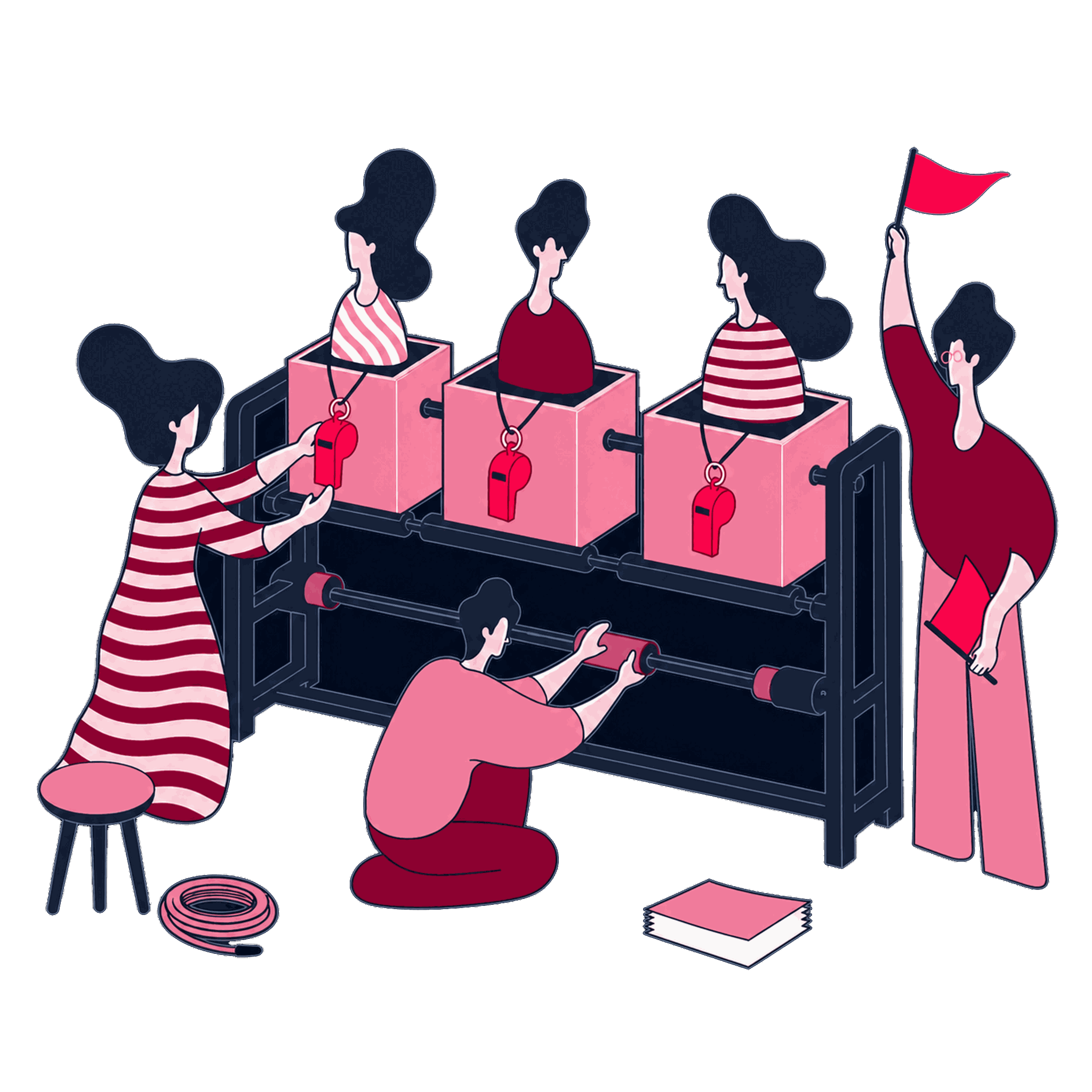
We start at the seams between roles. The build has to show what crosses each handoff, who owns shared state, and how the system contains a disagreement, a stalled task, or a spent budget.
A narrow job for every specialist
With the workflow owner, we define the role's input, context, tools, authority ceiling, expected output, budget, finish condition, and the exact point where work moves to another agent or a person. The workflow owner sets each role's purpose, authority ceiling, budget, and finish condition.

The handoff becomes a contract
We connect routing, shared state, dependencies, conflict rules, and escalation. Every handoff names what moves, which role supplied it, who may change it, and who owns the combined result. Routing, state ownership, conflict rules, and escalation need the workflow owner's approval.

Conflict belongs in the test
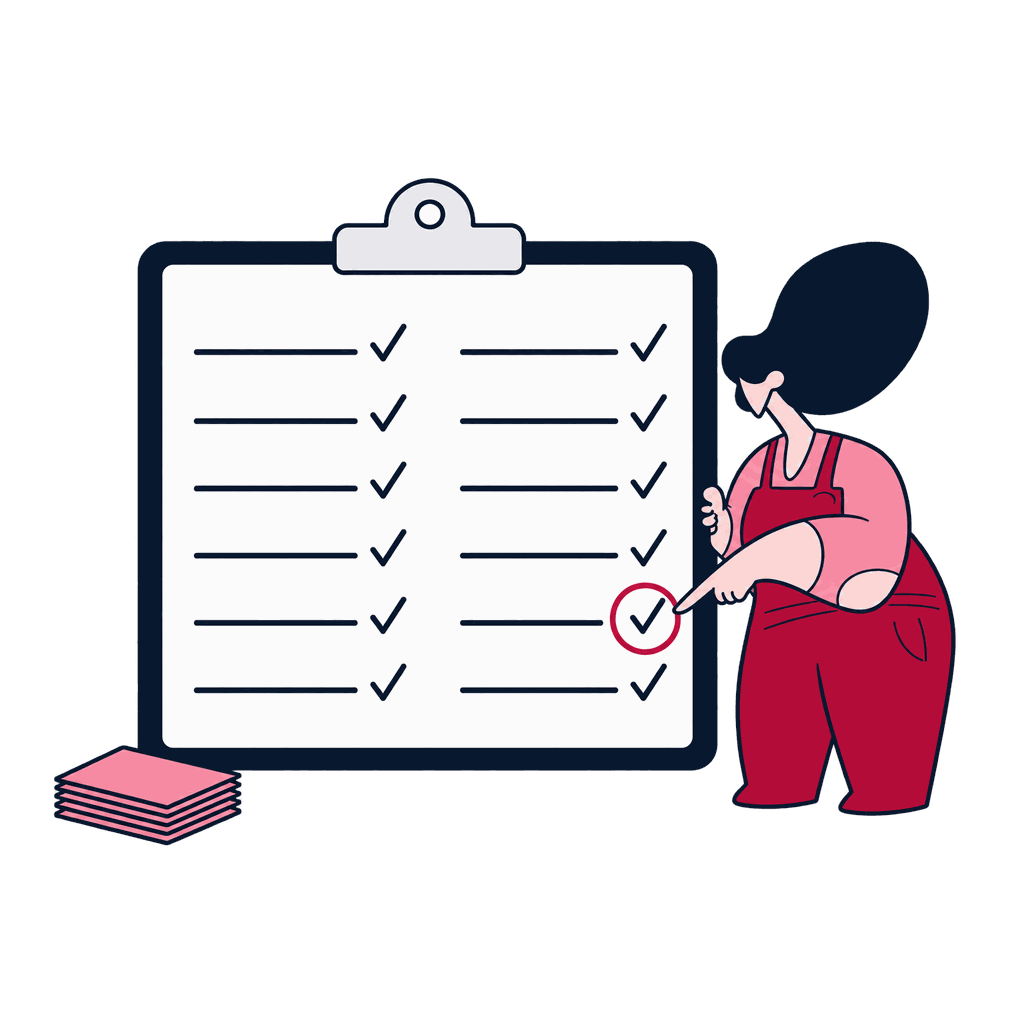
We run normal and adverse work through conflicting outputs, missing results, stale state, repeated tasks, incomplete handoffs, and pressure on token, time, tool, and concurrency budgets. Every critical coordination failure goes to the workflow owner for a response decision.
One accountable system changes hands
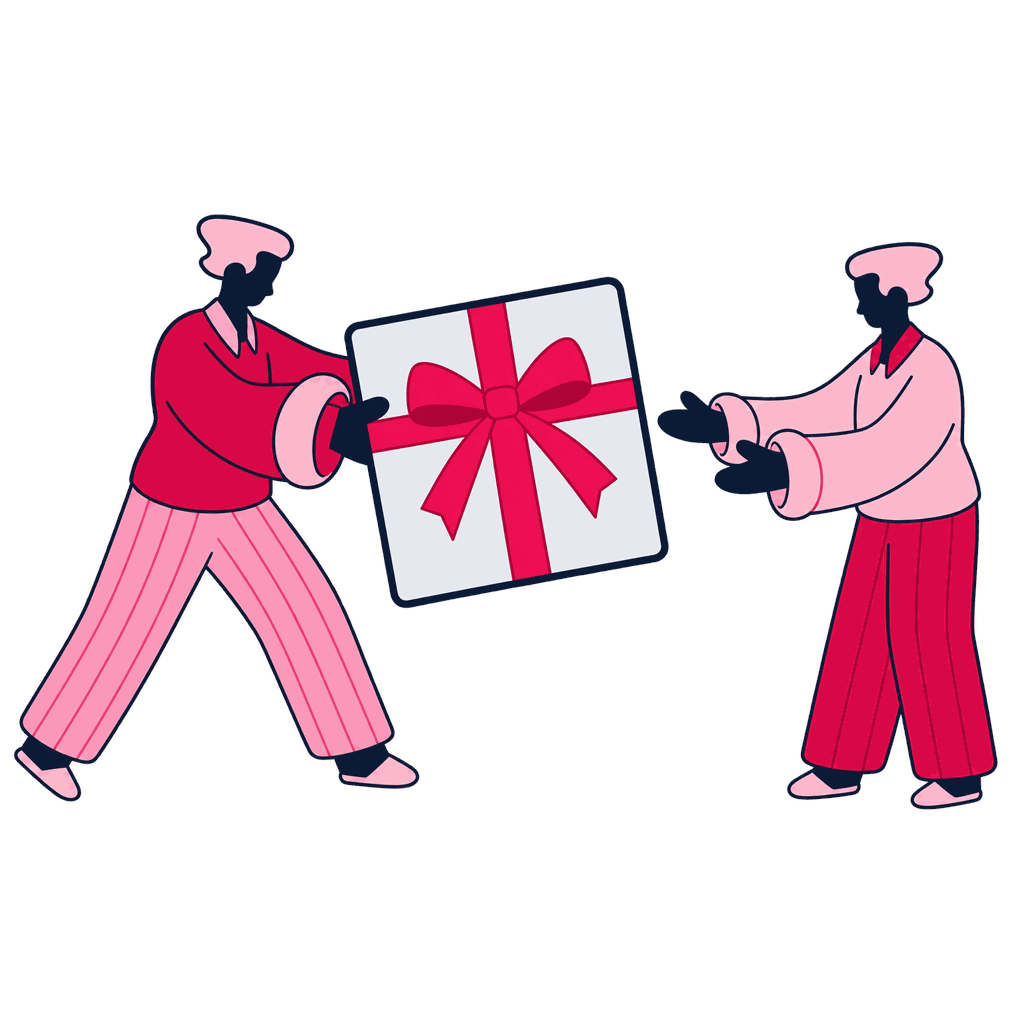
We tie the tested traces to monitoring, budget ceilings, intervention rules, operating owners, and a review date. The handoff records which exceptions remain and who may pause the system. The completion owner accepts the release decision, intervention authority, and review cadence.

Named artifacts you keep
What you get
The handoff leaves the orchestration inspectable. Operators can replay its decisions, see where each boundary sits, and find the person responsible when the system stops.
Playbook
Replayable orchestration and intervention plan
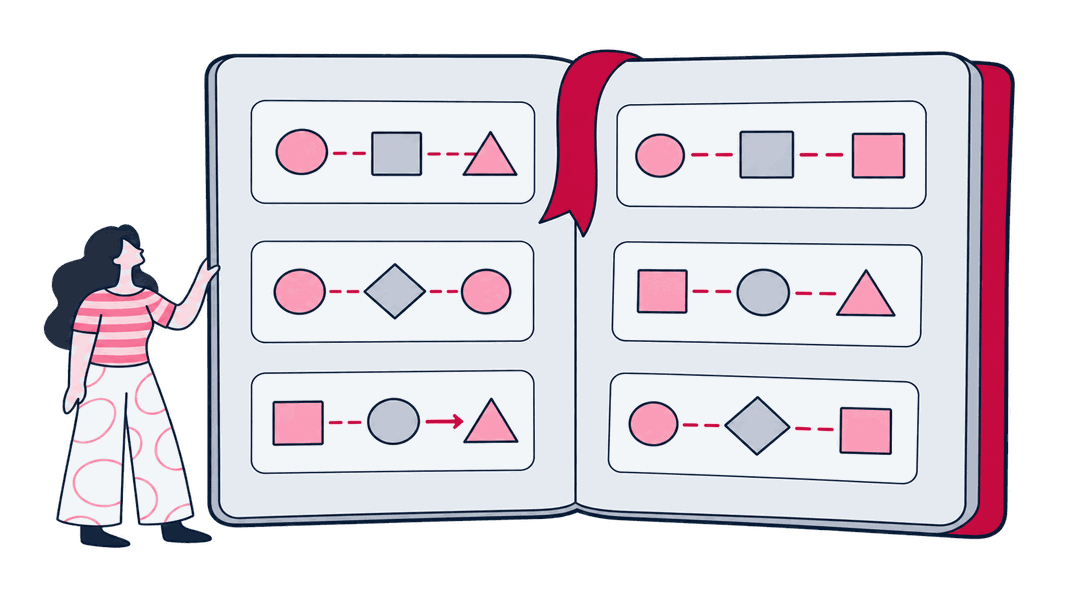
The implemented role map, routing and shared-state flow, conflict paths, budget ceilings, intervention rules, and responses exercised in testing.
Risk register
Shared-state dependencies and budget-condition inventory
Assumptions about each role's context and tools, plus shared-state dependencies, budget conditions, and open coordination questions.
Test evidence
Coordination failure and exception report
The observed results from normal coordination and from role conflict, missing work, stale state, repetition, budget pressure, and incomplete handoffs.
Decision record
Combined-result acceptance and intervention log
Completion criteria, remaining exceptions, operating owners, intervention authority, and the date the evidence is reviewed again.
Scope and honest limits
When to bring us in
Bring us a job that crosses genuinely different kinds of work and keeps failing when one agent is expected to carry the whole path.
A good fit when
- One agent reaches its context or tool boundary halfway through the job, so the remaining evaluation and action work stalls.
- Handoffs move shared state between specialist roles, but missing provenance and conflict rules make the combined result hard to trust.
- The combined result reaches a human completion owner, yet coordination failures still leave them without a clear takeover point.
- Each specialist needs a role contract, because its context, tools, authority ceiling, budget, finish condition, and handoff differ.
- Shared state moves between roles, but nobody can trace who supplied it, who may change it, or who owns the combined result.
- Token, time, tool, and concurrency budgets exist, but the stop and human-intervention rules are unclear.
- Normal work completes in a demo, but adverse replays still expose stale state, repeated tasks, conflict, or incomplete handoffs.
Better handled as other work when
- One agent or a simpler workflow already finishes the job, so multi-agent coordination would add handoffs without a distinct capability.
- You want roles to expand their own remit or delegate without limits, while this build keeps authority ceilings and completion with people.
- You need ongoing production operation or agent builds beyond the agreed workflow, because this handoff covers one tested orchestration.
If one of these is closer to your situation, start here instead: See AI agent development
Engineers who ship production AI
This is the part of Zeo that writes and ships code. Our senior engineers build agents, chatbots, and RAG pipelines, along with the automation and data work around them, and they keep operating those systems once they're live. We've worked with more than 500 brands since 2011.







Tools we use
Tools behind this work
 LangGraph
the state-graph framework where a handoff between specialists becomes an enforced contract
 CrewAI
the role-based framework giving each specialist its own narrow, declared job
 Agno
AgnoLightweight multi-agent framework for building autonomous stateful AI agent workflows
 Letta
Lettathe persistent memory layer that keeps a long-running agent's state from going stale
 Modal
Modalthe compute layer scaling each specialist independently under budget pressure
 Langfuse
the connected trace across every specialist's steps in one multi-agent run
Adjacent work
Where this leads

Build
Custom AI Agent Development
Before splitting work across roles, one agent has to reach its context or tool boundary in practice. That boundary shows up when a single bounded loop is built and traced first.
Build
AI Agent Tool & API Integration
A handoff between roles is traceable, but the tool call at the end of the chain still changes a real system. Its contract, idempotency, and rollback are specified separately.
Build
Knowledge-Grounded AI Agents
Shared state carries provenance between roles. When the material entering that state comes from internal documents, it also needs a source owner, an access rule, and a freshness expectation.
Next step
Bring us the job one agent can't finish
Before you decide