













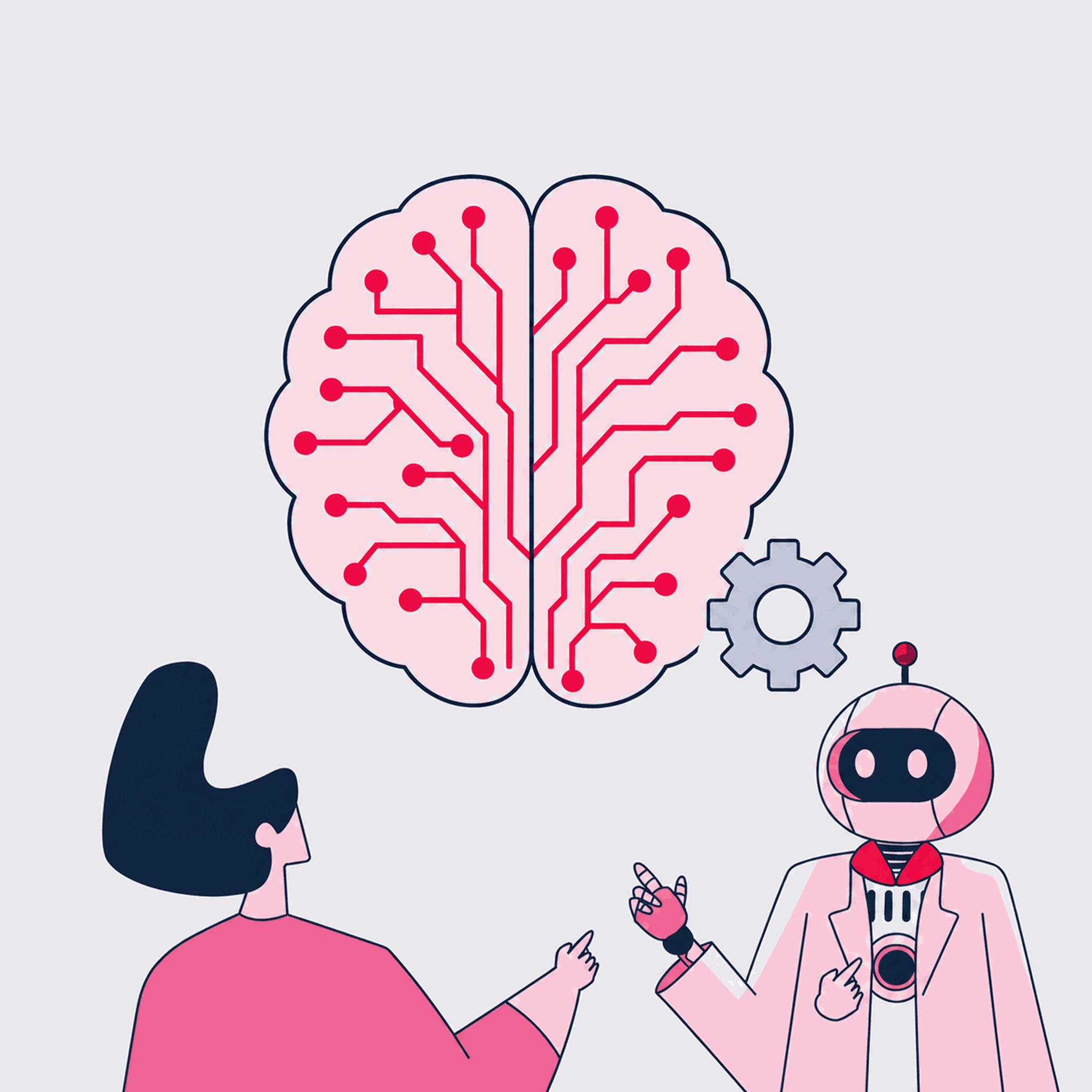
Machine intelligence is an umbrella term for the ability of machines to learn from data and carry out tasks. It does not point at one method. Machine learning, deep learning, natural language processing, computer vision and rule-based expert systems all sit under it.
The difference from the term artificial intelligence is mostly emphasis. Artificial intelligence carries the idea of imitating human intelligence and brings the philosophical argument along with it. Machine intelligence looks more at the work being done: does the system learn from data, does it improve a decision, does it complete the task. Industry and research writing often prefers it as the more neutral phrasing.
The methods inside that scope behave very differently. A rule-based system runs on logic an expert wrote, and you can read why it decided what it decided. A deep learning model learns from data and its reasoning is not directly visible. Both sit under the same umbrella while standing in different places on auditability.
A concrete case: quality control in a factory has two layers. Dimensional tolerances are checked by a rule-based system, surface defects by a model that learned from images. The first layer's decisions are open to inspection, and the second needs separate explanation techniques.
Because the term is broad it promises nothing on its own. Saying a system uses machine intelligence says nothing about which method it runs or what data it learned from.