













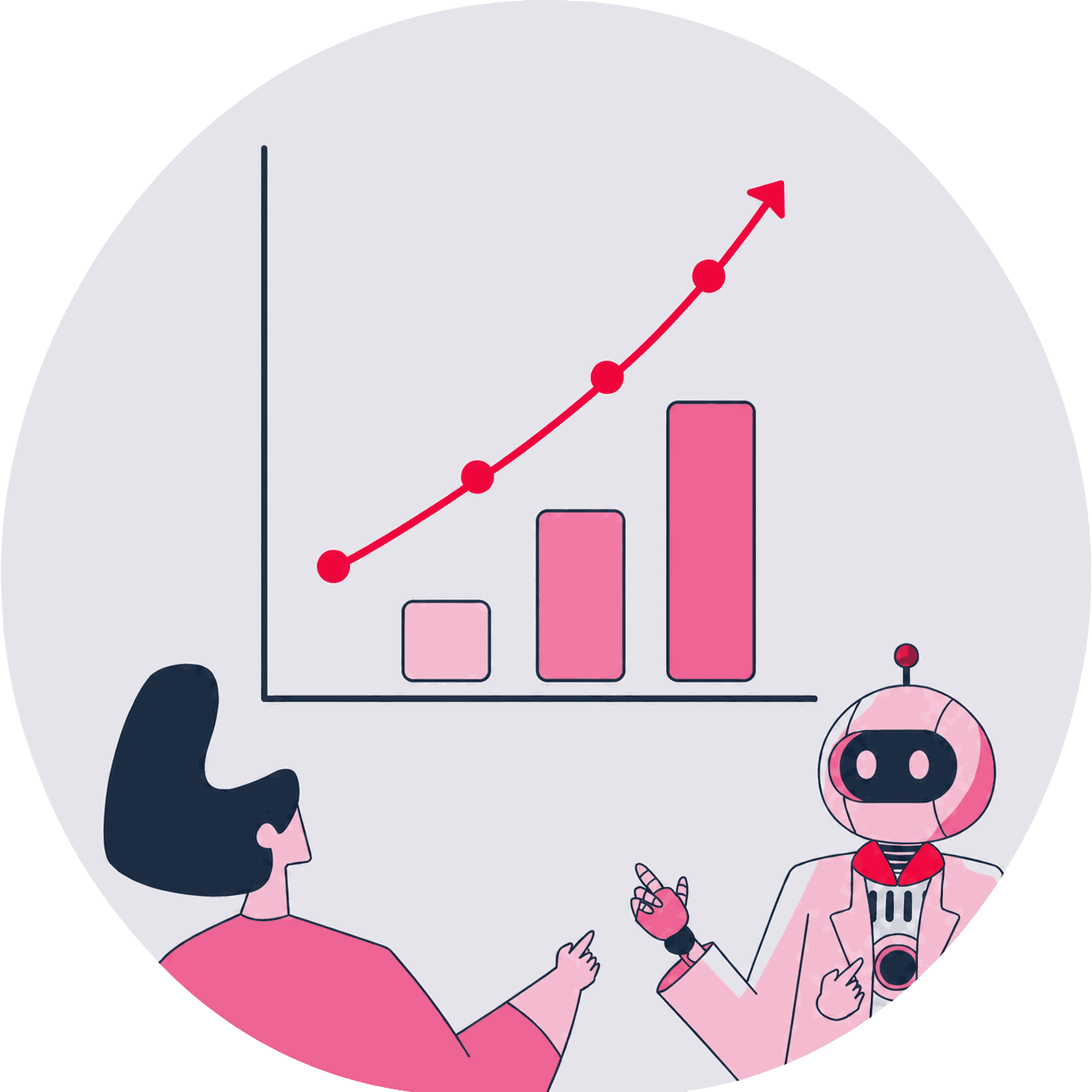
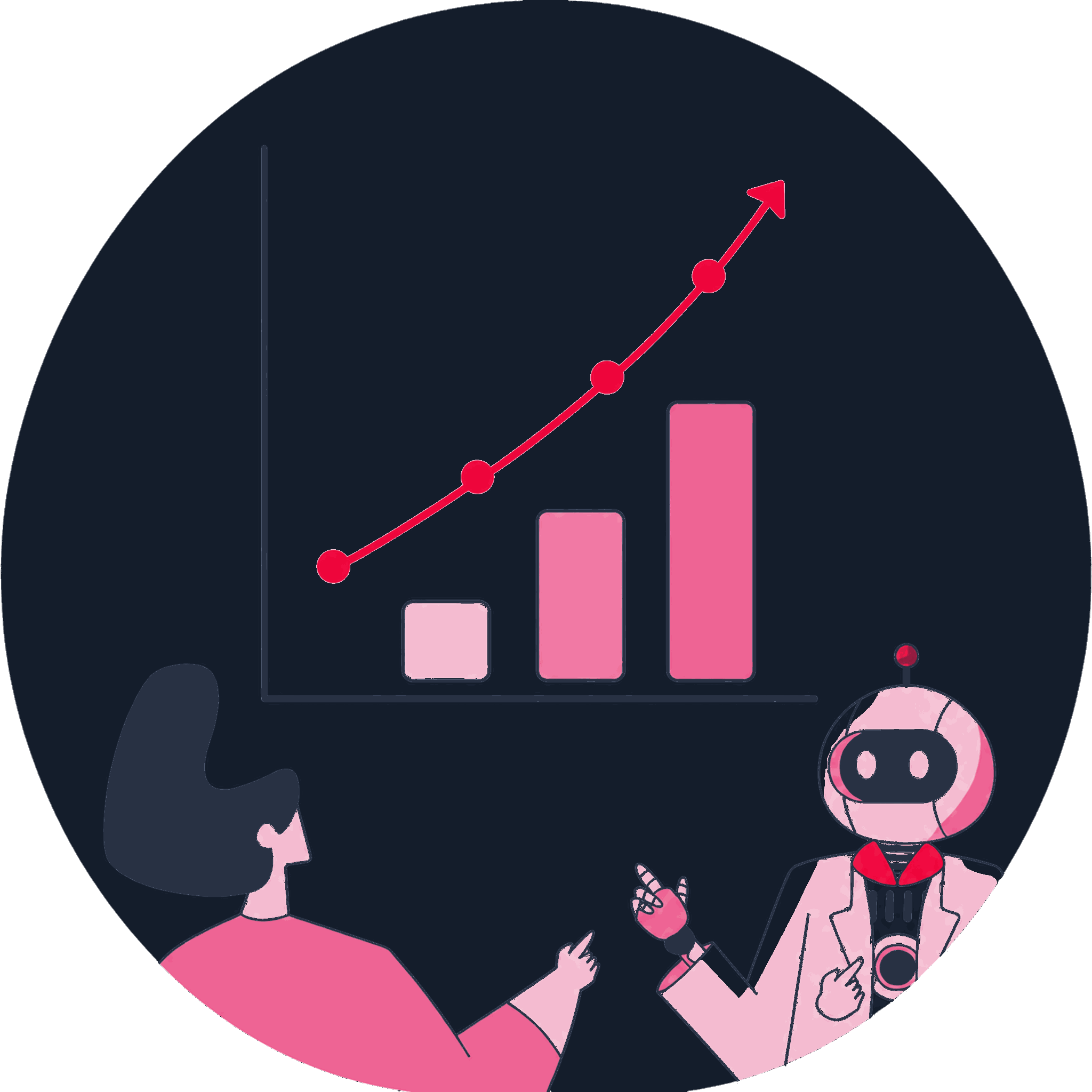
Scaling laws are empirical relationships describing how a language model's performance changes with model size, training data volume and compute spent. They are observations pulled from many experiments rather than a theory. Loss falls along a regular curve as those three inputs grow, and the curve stays surprisingly predictable.
Their practical value is in planning. Reading the curve from small-scale experiments lets you estimate how much data and compute a far larger model will need. DeepMind's Chinchilla work corrected the picture here, showing that the large models of the day had been trained on too little data for their size. The industry then shifted toward smaller models that had seen far more data.
The curve has its limits. Loss keeps dropping but returns diminish, so twice the compute does not buy twice the improvement. A smooth fall in loss also does not mean product-level capabilities improve just as smoothly.
A concrete case: a team has a fixed budget to train a model. The scaling curve says spending it on longer training over more data, rather than on a bigger model, will land at a lower loss. The decision comes from the curve rather than from trial and error.
The laws say nothing about data quality. Scaling up on repetitive, low-grade data does not deliver the gain the curve promises.