













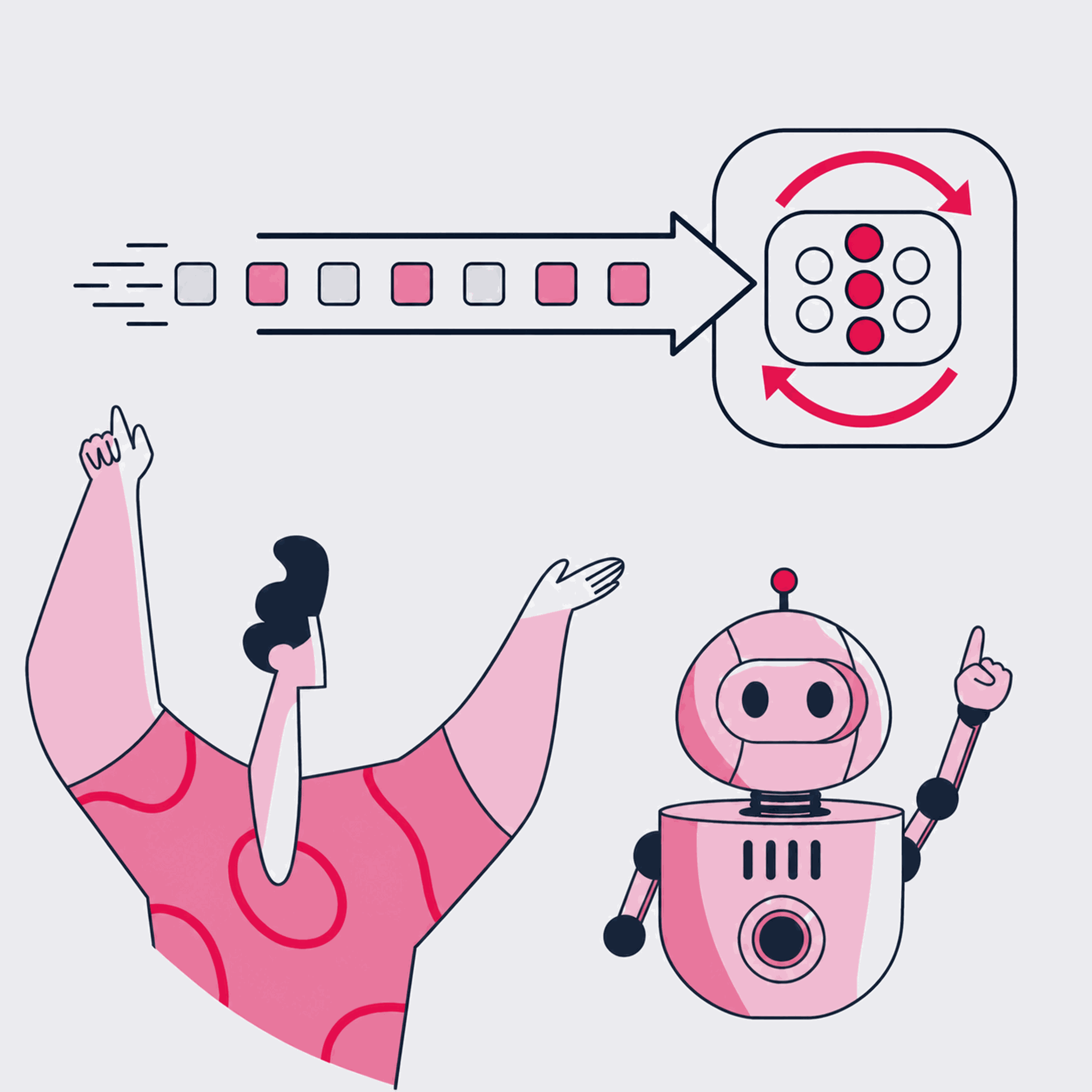
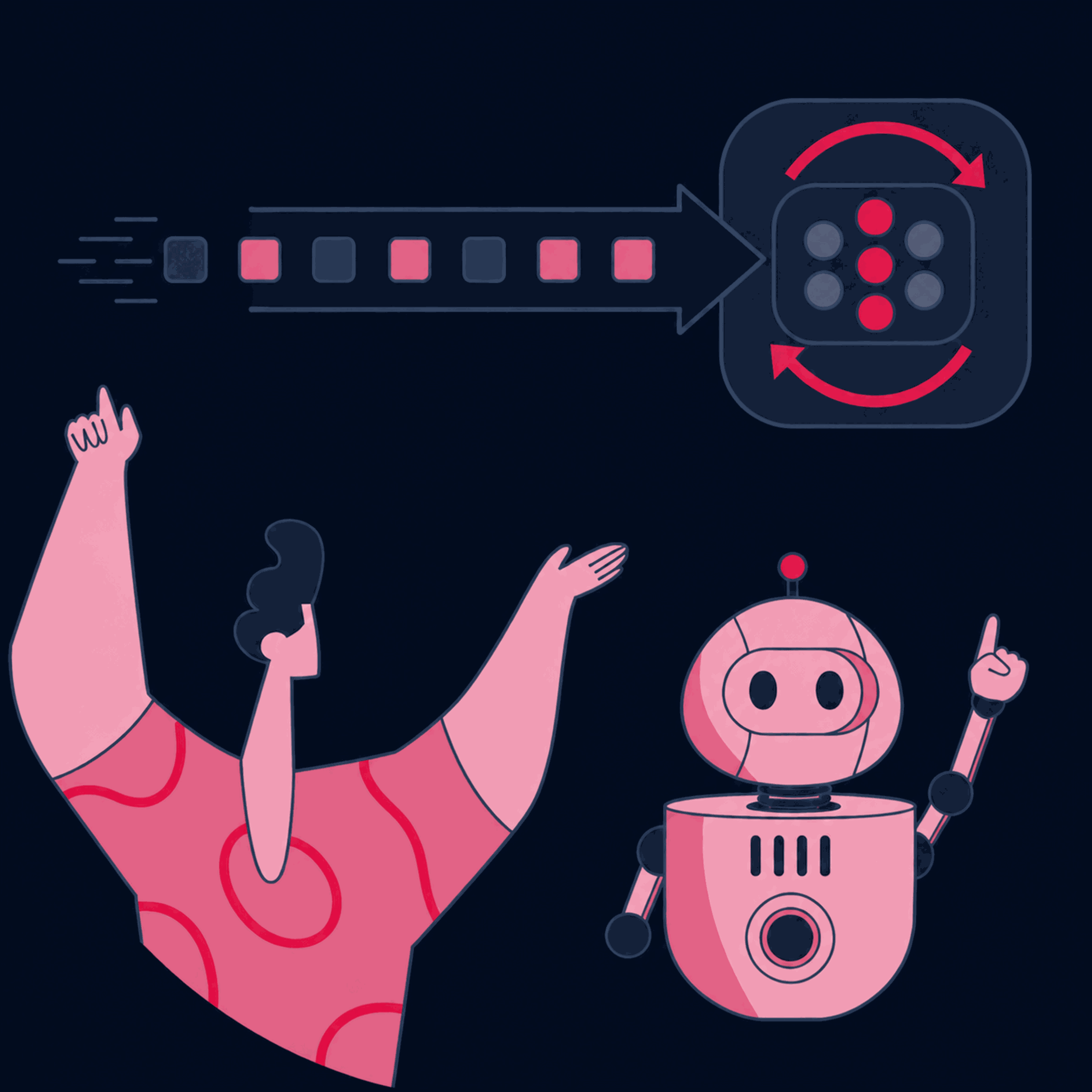
Online learning is a training approach where the model updates continuously as new data arrives, rather than being retrained from scratch on a fixed dataset. Each new example, or small batch of them, adjusts the weights immediately.
The alternative is batch learning, where data is collected over a period, the model is trained on all of it and then deployed as a frozen artifact. Batch training is easier to reason about and easier to roll back. Online learning is what you reach for when the underlying pattern shifts faster than a retraining cycle.
It fits situations where data is continuous and behaviour drifts. Content ranking in a feed, ad bidding, fraud detection and demand forecasting under changing conditions all qualify. The model tracks the change instead of lagging behind it.
A concrete case: a news site ranks articles by click behaviour. Reader interest shifts within hours during a breaking story, so a model retrained nightly is always a day late. Updating continuously from the incoming click stream keeps the ranking current.
The risk is that the model tracks noise as readily as signal. A brief anomaly or a manipulated traffic burst can move the weights in the wrong direction, so production systems bound how far the model may move in a window and keep a rollback point.