









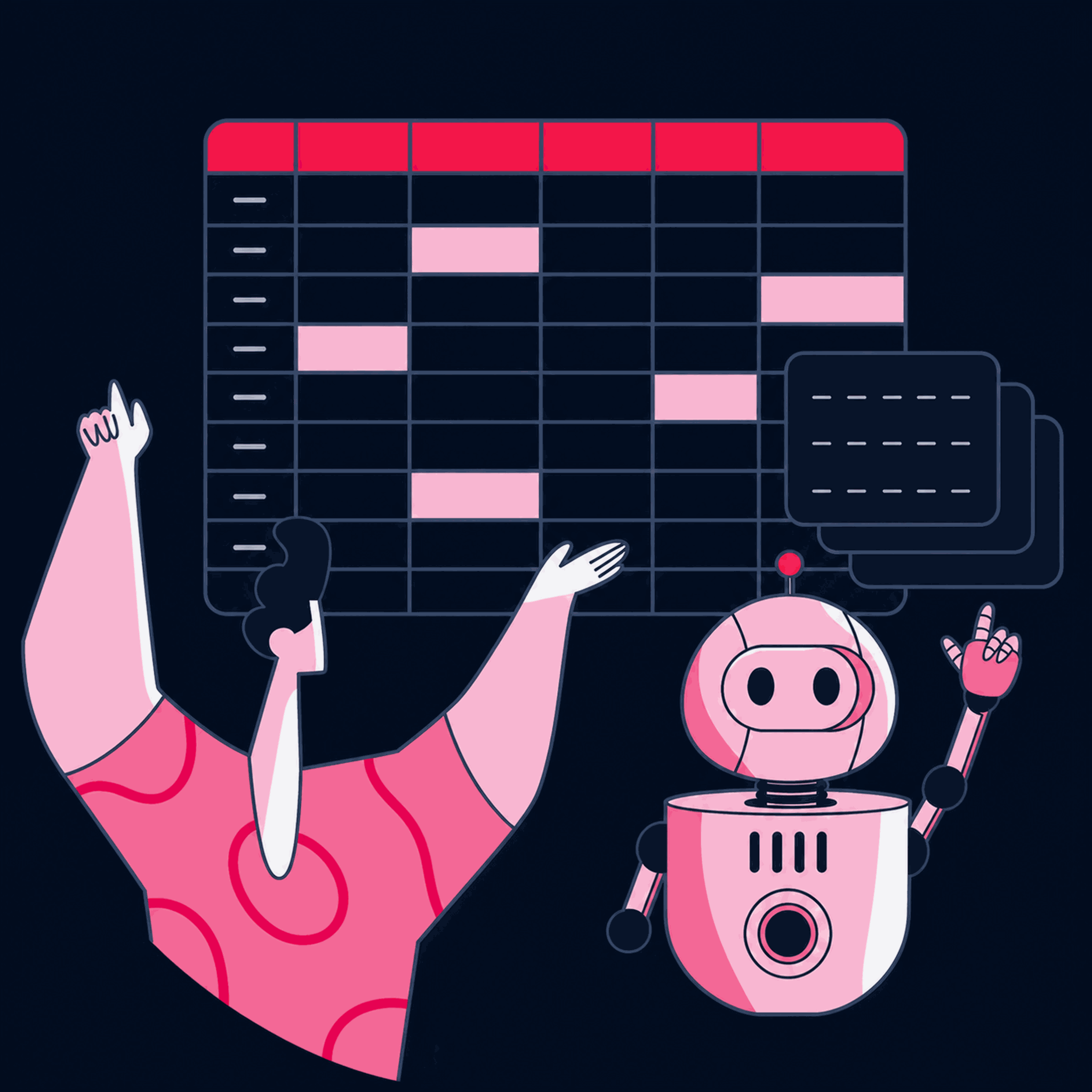
A dataset is a collection of records gathered and organised for a purpose. In machine learning the word usually means a structured body of tabular rows, text, images or audio that a model will work on.
In practice it rarely stays a single pile. The same data gets divided into training, validation and test portions, and how that split is made decides how much the results can be trusted. Time series data is split by date. When several records belong to the same user, the split happens at user level, otherwise one person's data lands in both training and test and the score inflates.
What a dataset carries with it also gets recorded. Its source, collection date, licence, which fields count as personal data and its known gaps all belong in documentation. Without that, a dataset turns into a folder nobody can trace a few months later.
A concrete case: a retail chain merges three years of sales data for demand forecasting. The set includes the pandemic period, where the sales pattern was completely different. Training without separating that stretch degrades forecasts for normal periods. Knowing what is inside the dataset is the step before building the model.
Public datasets speed the work up but need licence and coverage checks. Ready-made sets are scarce for some languages, which leaves many projects collecting their own data.