










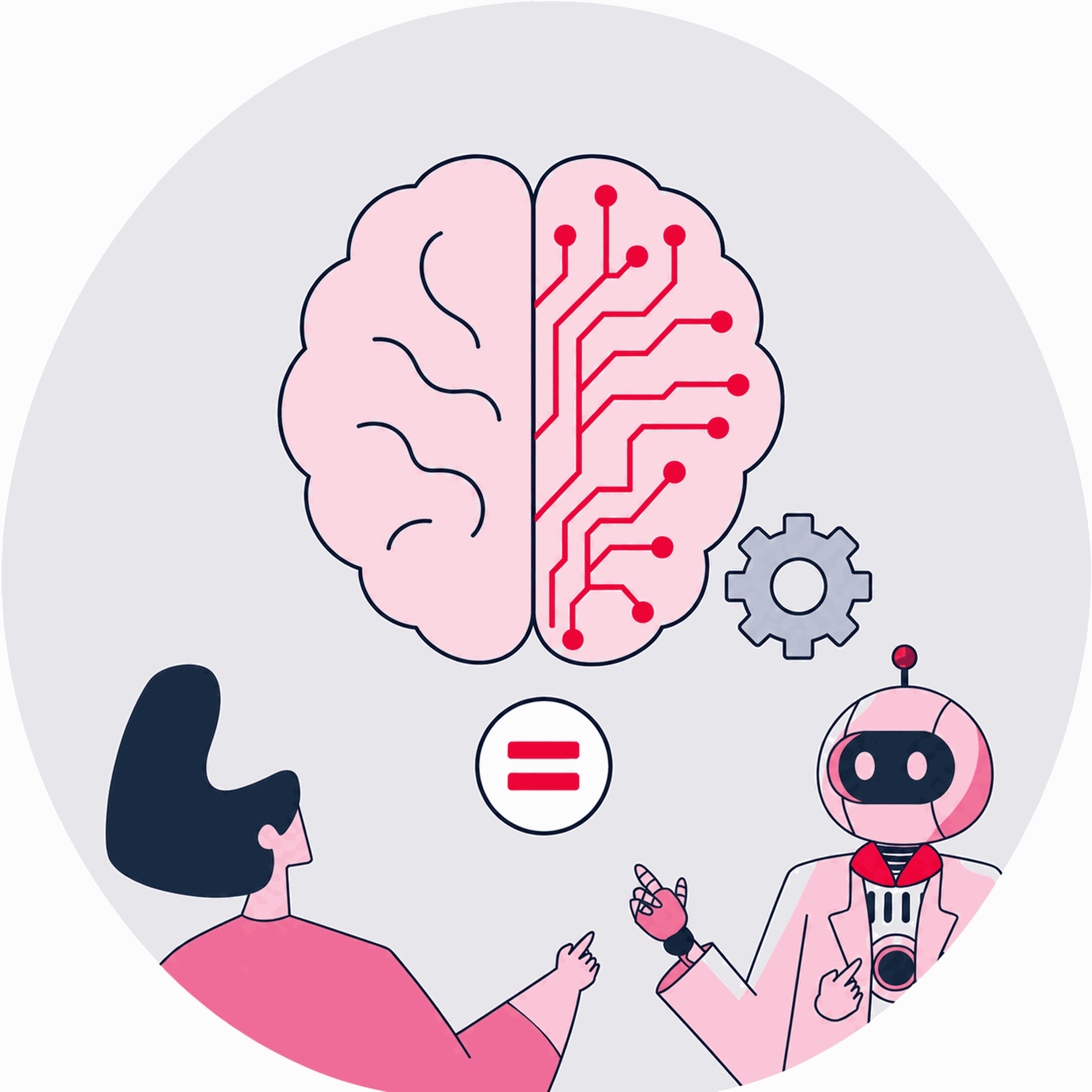
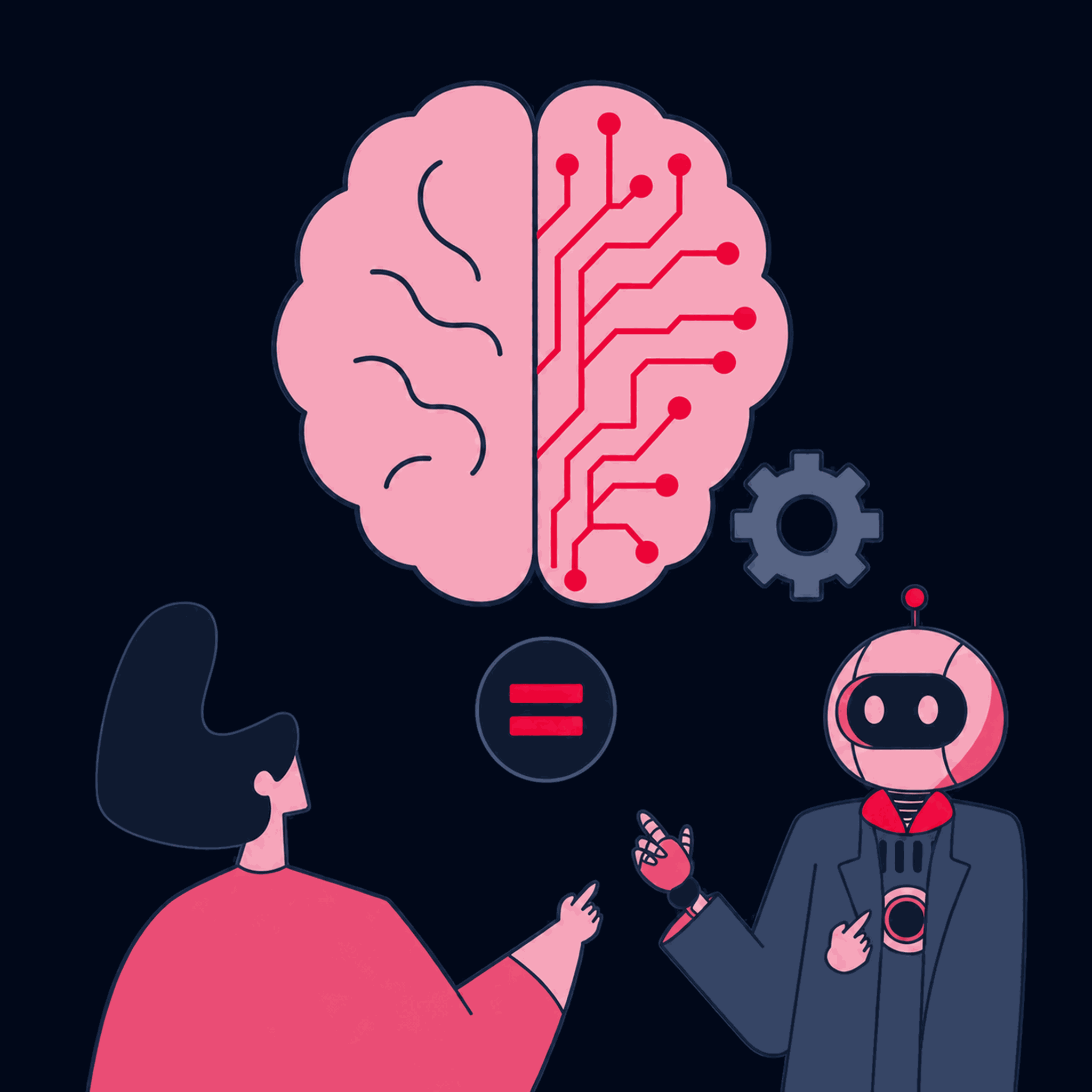
Strong AI is the idea of a system that reasons in a general-purpose way, as a person does. Being good at one task is not enough. It is expected to learn when it meets a new domain, carry knowledge from one area to another, and solve a problem nobody described to it in advance. The literature often uses it interchangeably with general AI.
Its counterpart is weak AI, and every system in production today sits on that side. Models that play chess, generate text, classify images and recognise speech produce impressive results inside their domain and can do nothing outside it.
The term spread after philosopher John Searle's Chinese Room argument in 1980. Searle's question was whether a system producing the right answer can be said to understand anything. The debate has run ever since and gets asked in the same form about today's language models.
A concrete case: a language model can read the rules of a game it has never seen and play it, which looks like generalisation. The same model then makes an error in a simple chain of arithmetic. The question of which behaviour is real understanding and which is pattern matching sits exactly there.
Expert estimates for when strong AI might arrive spread across a very wide range. That uncertainty is what makes the subject a policy and safety discussion as much as a technical one.