








A token is the smallest unit a language model works with when processing text. Models do not operate on words, they operate on tokens. A token can be a whole word, part of a word, a single character or a punctuation mark.
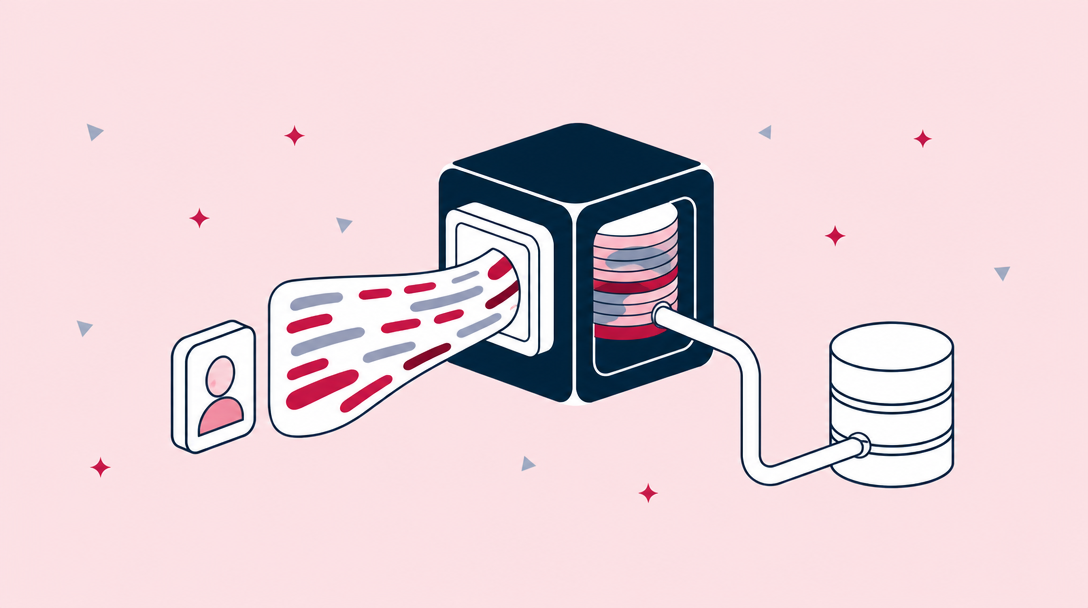
The splitting is done by a tokenizer, usually with subword methods. Frequent words stay as one token while rare words break into pieces. That is how a model handles a word it has never seen, by recognising its parts. Each token maps to a number, and the model works on those numbers.
Token counts differ sharply across languages. Morphologically rich languages produce more tokens per sentence, and tokenizers built mostly on English data split their words more aggressively. This has two direct consequences: less content fits in the context window, and API costs rise for the same meaning.
A concrete case: "unbelievability" is one English word but a tokenizer may split it into three or four pieces, while a common word like "the" stays a single token. The same effect applied across a whole document is what moves the bill.
Counting tokens is part of planning. To estimate the cost and latency of a flow, teams measure the token length of the prompt and response, then multiply by call volume.