










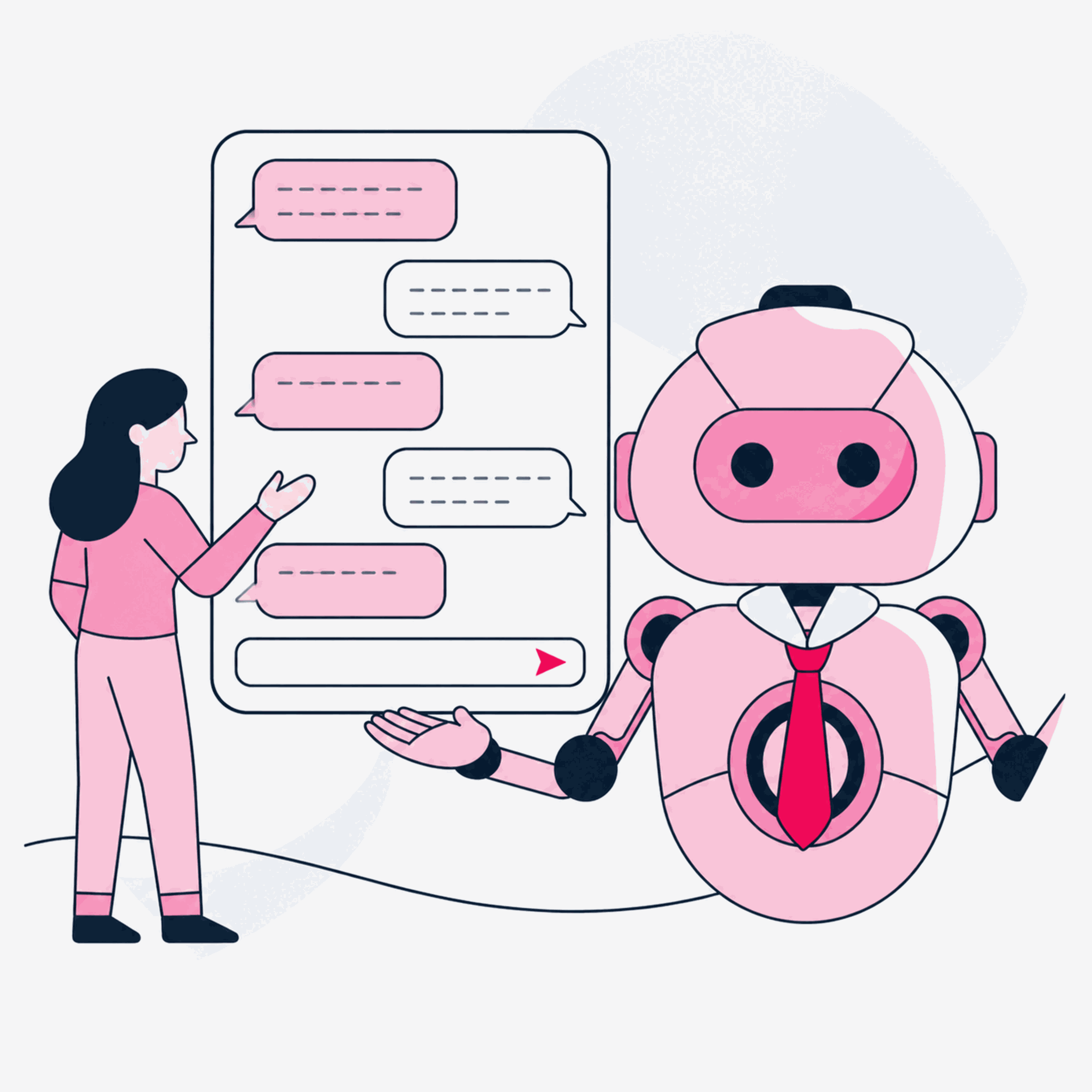
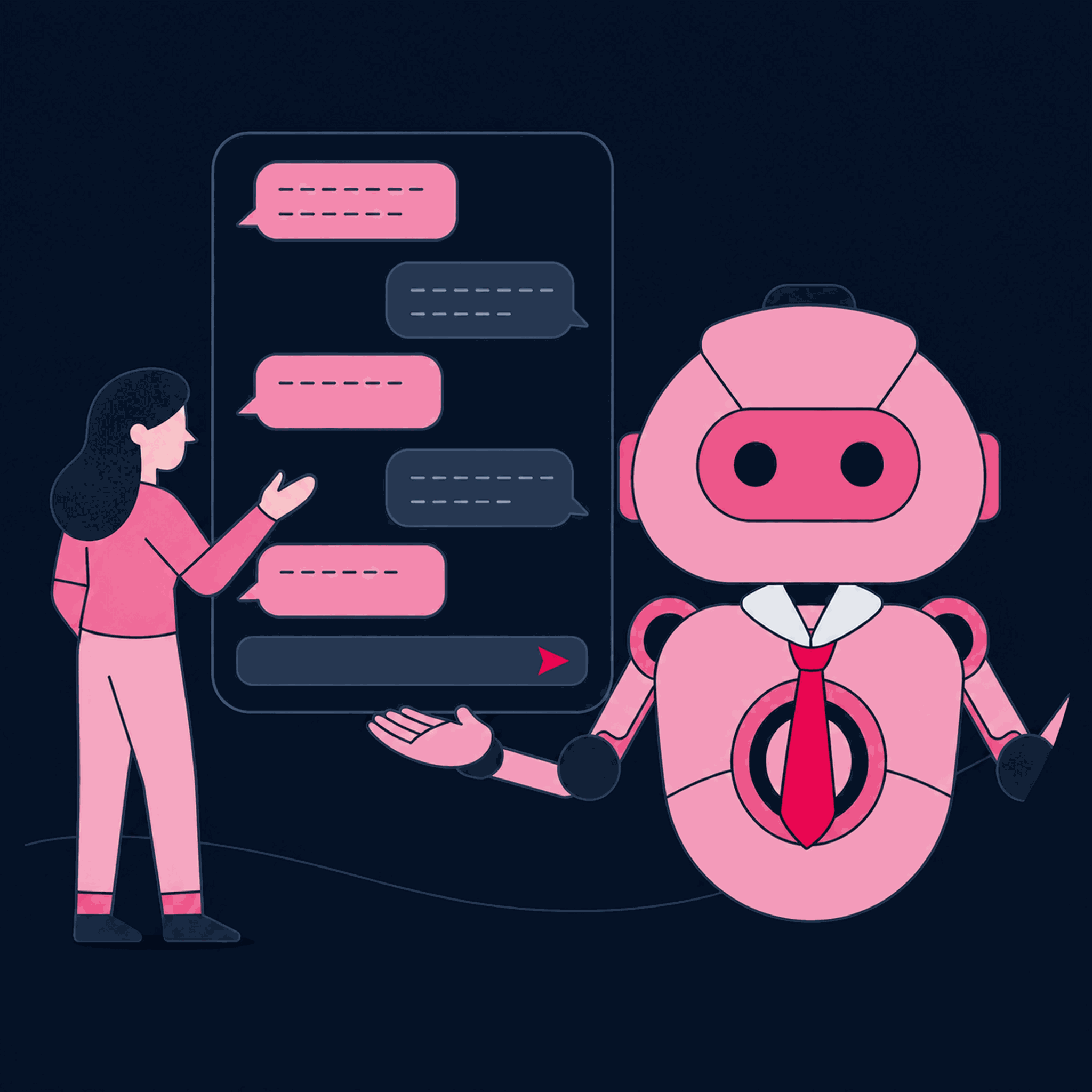
A dialogue system is the general name for software that converses with people in natural language. Chat assistants, voice assistants, contact centre bots and in-app help windows all sit under this heading. What they share is a user writing or speaking freely and the system replying in turn.
There are two main types. Task-oriented systems get a specific job done: booking an appointment, changing a flight, checking a bill. Those involve intent detection, filling the required fields and connecting to a backend service. Open-ended systems converse without a subject boundary, and the spread of large language models has pulled the two types closer together.
The classical architecture had several components: understanding what the user said, tracking the state of the conversation, deciding the next move, and rendering the reply as text. Language models absorbed most of those into a single model, though state tracking and backend wiring are still written separately.
A concrete case: someone types "where is my parcel" to a courier's assistant. The system reads the intent, notices the tracking number is missing, asks for it, calls the tracking service with the number it receives, and turns the result into a sentence. Skip any one of those four steps and the conversation stalls.
Evaluation does not fit into a single accuracy score. Task completion rate, how many turns it took, and where users abandon the conversation are measured together.