









Content Distribution & Promotion
Content Promotion
Give a strong piece a focused push instead of sending the same message to everyone.
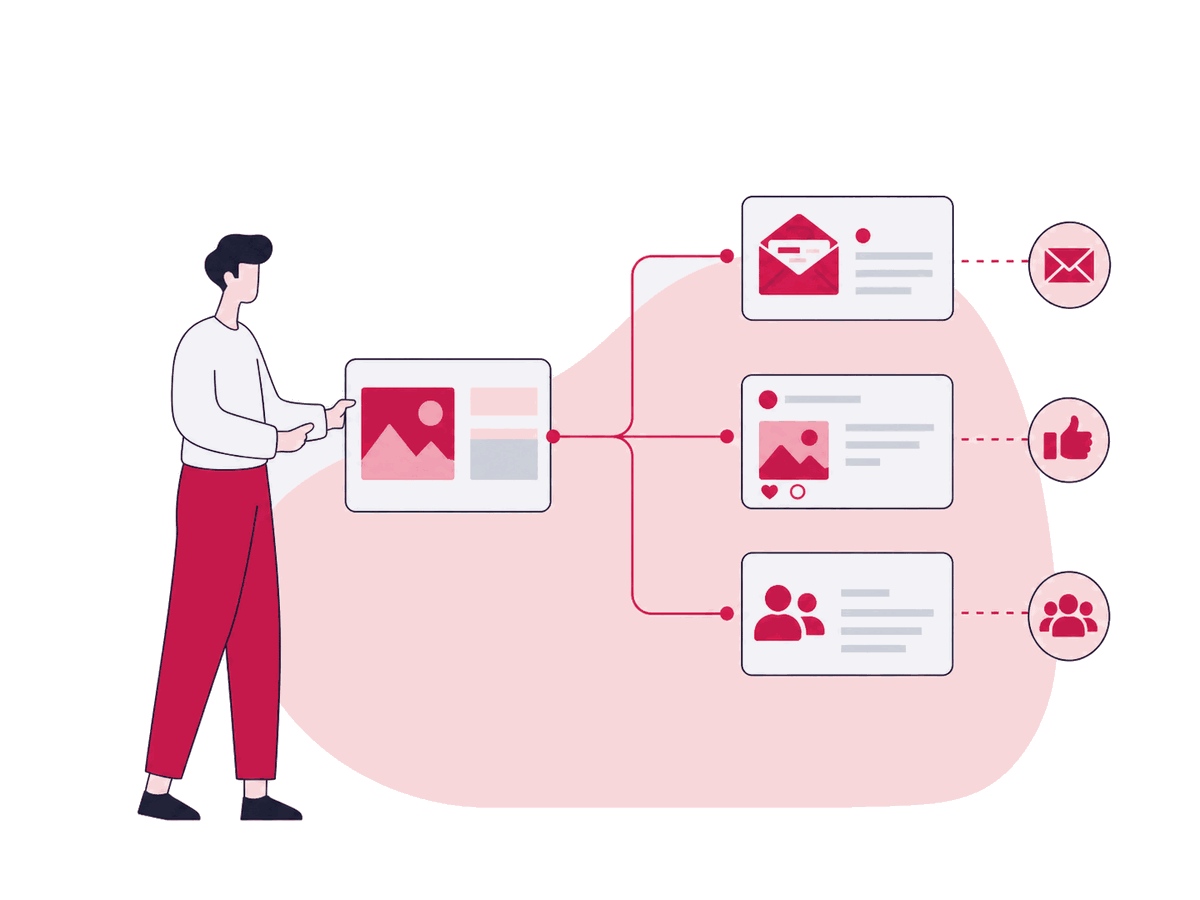
Publishing a strong asset does not guarantee an audience. Content Promotion selects the channels, audience segments, and message for a deliberate push behind a specific piece that already exists. You walk away with the piece in front of the segments it was written for, tracking that shows what happened, and an honest read on whether the push was worth it.
Some of the 500+ brands we've worked with
See all references































How we run it
How we plan a focused promotion push
We first decide whether the asset is strong enough to promote, then choose the audiences, channels, messages, schedule, and tracking.
Confirm the asset is actually worth promoting
Not everything deserves a push. We check that the piece holds up before spending effort getting it in front of more people. A strategist makes the go/no-go call on the piece before any channel gets contacted.
A go/no-go call on the asset, with reasoning.
Match audience segments to real channels
We figure out who actually benefits from this specific piece and where those people already pay attention. The easiest channel to post to is rarely the answer. The strategist signs off on the segment-to-channel map before messaging starts.
A segment-to-channel map.


Write channel-specific messaging
The pitch for a newsletter isn't the pitch for a partner's audience. Each channel gets framing written for it. Every channel variant is compared with the source asset by an editor before it ships.
Message variants per channel, checked against the source asset.

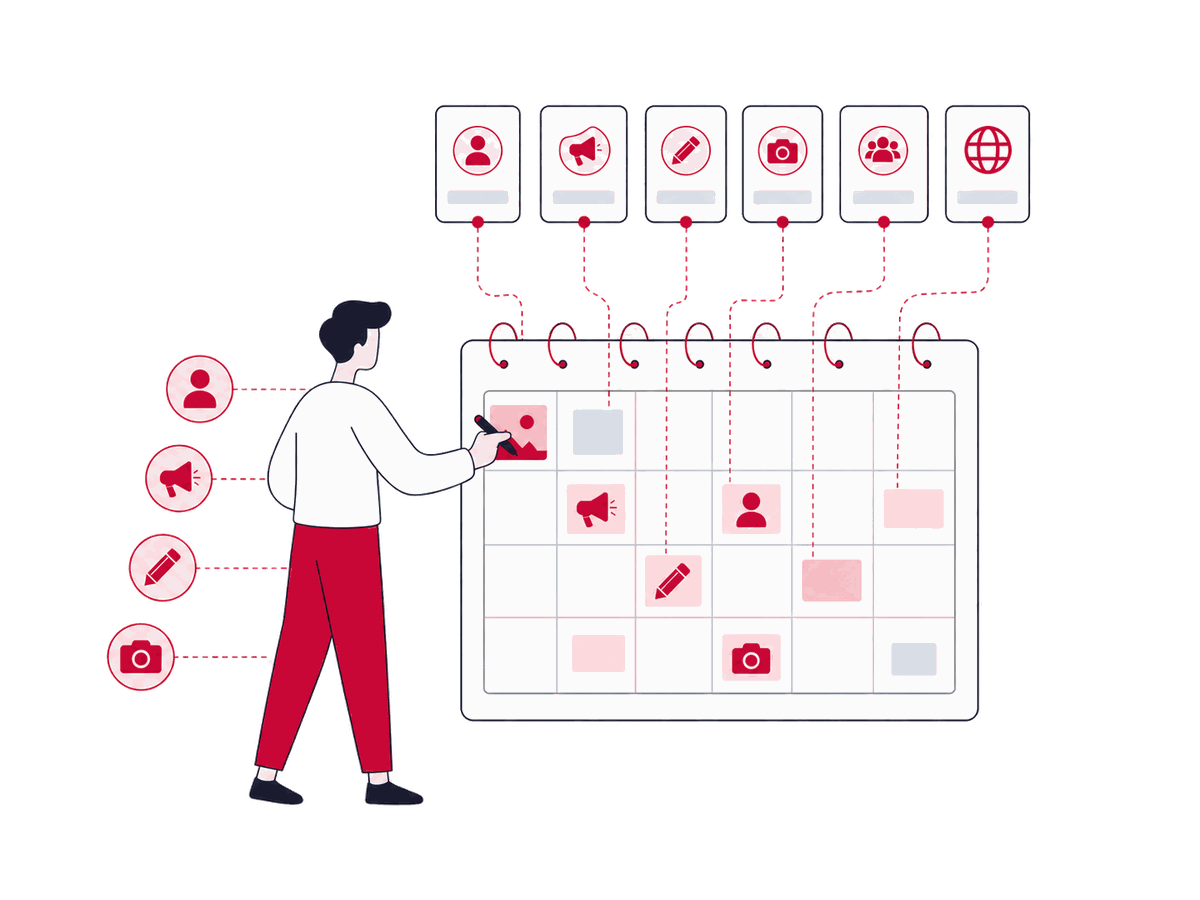
Set the calendar and the tracking
We schedule the push and set up tracking so we know afterward whether it reached anyone worth reaching. The strategist confirms the schedule and tracking are both live before the push starts.
An activation calendar with tracking in place.

Watch what happened and report it plainly
After the push, we look at what moved and what didn't, without dressing up a quiet result as a loud one. The strategist owns the honest read on the result, quiet or loud.
A plain-language results note.
Deciding a piece has earned a push stays with us
Past campaign data can narrow the options quickly. An agent can group the segments that responded to similar work and draft early message variants for each channel. The promotion decision starts with the asset itself, though. A strategist reads it, considers the relationship with each channel or partner, and signs off before anything goes out. If the piece has not earned the push, we leave the audience alone.
What you get
What the promotion package includes
The plan, channel messaging, and results note make the work accountable and reusable for the next suitable asset.
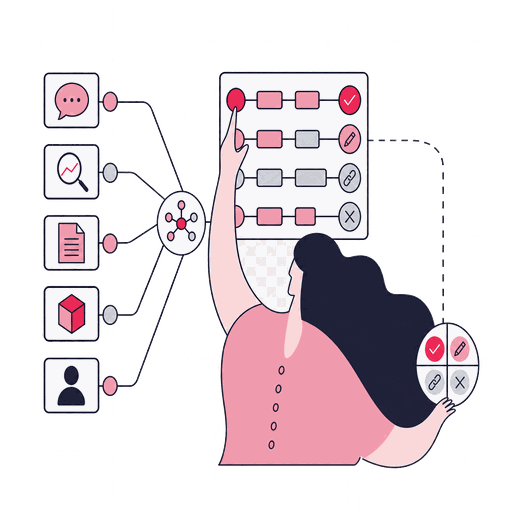
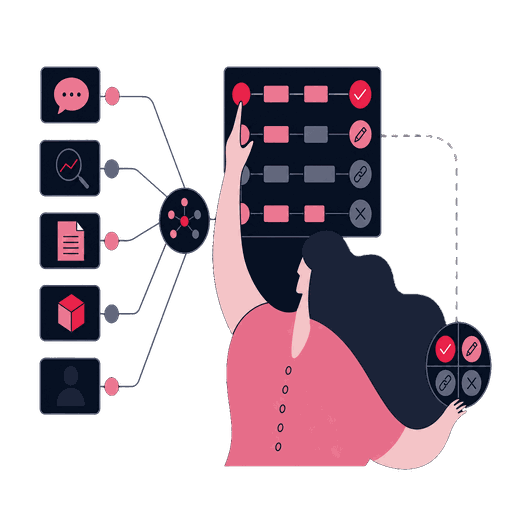
The promotion plan
Which segments, which channels, and the reasoning behind where the effort went.
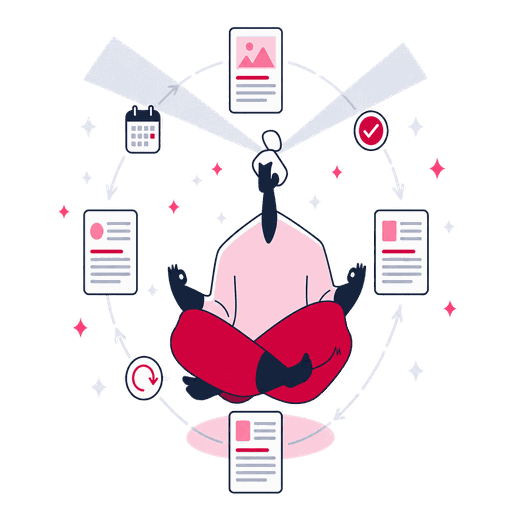
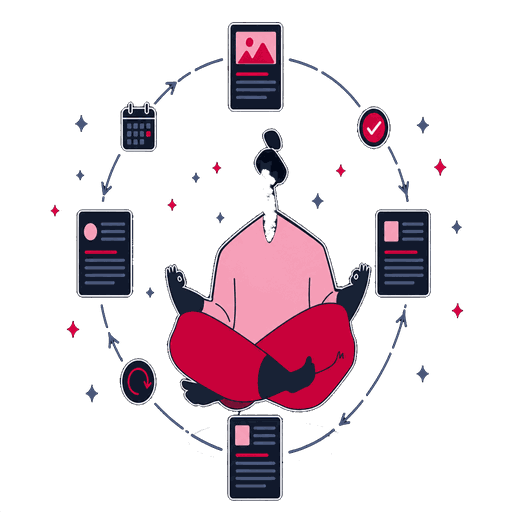
Channel-specific message variants
The actual copy used per channel, written specifically for that audience.
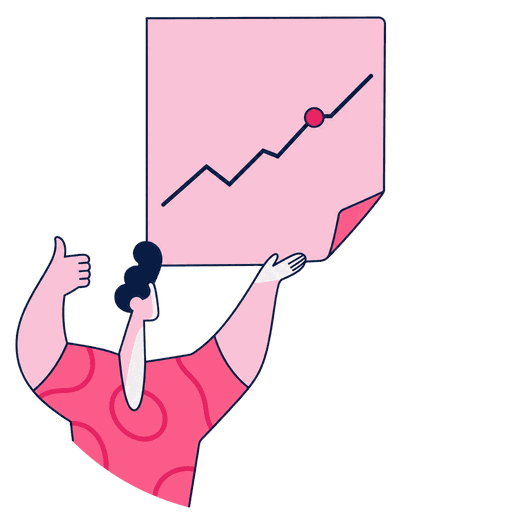
A results note
What the push produced, reported honestly, including where it didn't land.
We call it done when: the piece has actually reached the segments it was meant for, tracking shows what happened, and you have an honest read on whether it was worth it.
Who it fits
Focused promotion for an asset that earns it
This method supports a specific asset that is ready and worth promoting. It concentrates effort on the pieces most likely to benefit rather than applying the same treatment to every publication.
A good fit when
- A strong asset sits quietly after publication, but its intended audience still lacks a focused channel or reason to find it.
- You know which segment would value the piece, yet the team has not matched that audience to the newsletter, community, or partner channel it already uses.
- Several channels are available, but you need a reasoned shortlist because this asset does not deserve the same message everywhere.


Better handled as other work when
- Every published piece is expected to receive the same promotion treatment, so nobody is making the asset-level go or no-go call this method requires.
- The immediate job is paid media buying, journalist outreach, partner republication, or new formats, while this method only runs a focused non-paid push.
People who write and ship this content
Some of these consultants write the pages themselves. Others plan distribution or check how a piece performs once it's live, so the team below covers more than one stage of the work.

Hande Parmaksız
SEO Manager

Sena Önder
Senior SEO Executive

Sinem Bakır Yavaş
Senior SEO Executive

Yağmur Bayram
Sr. SEO Analyst

Deniz İmre Temiztürk
Content Specialist

Gülşah Şahin Özkan
Senior SEO Analyst

Ruhan Tiryaki
Senior SEO Analyst

Abdullah Tanıdır
Performance Marketing Team Lead

İlker Emir
Senior Performance Marketing Executive

Sevda Yurtvermez
Performance Marketing Team Lead

Serap Yurtvermez
Performance Marketing Team Lead

İpek Ezer
Performance Marketing Executive

Onur Durdağı
Performance Marketing Executive
Tools we use
Tools behind this work
 SparkToro
confirms which channels this specific audience segment actually uses
 Buffer
schedules the channel-specific messaging against the push calendar
 Google Analytics
shows which channel actually drove traffic once the push is live
Where this leads next
Methods connected to Content Promotion


Upstream
Content Localization
If the piece needs adapting for a different market before it's pushed there, that happens first.
Downstream
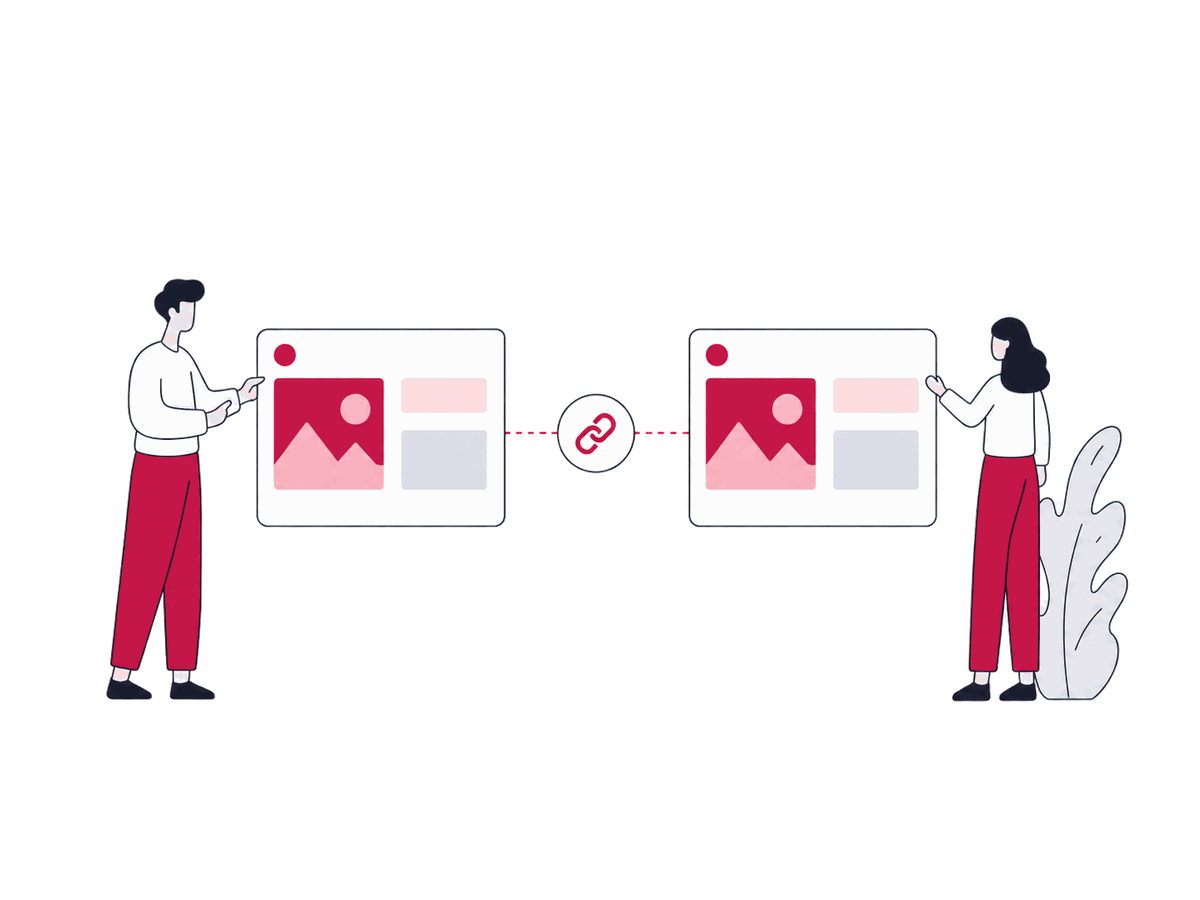
Content Syndication
If the goal is ongoing partner republishing rather than a one-time push, that's a related but separate arrangement.
Complementary
Multi-Channel Content Distribution
When the plan needs to run across several channels on an ongoing schedule instead of one push, that's this other method's job.
Start the work
Have a strong piece that has not reached its audience?


Before we start