









Content Optimization & Operations
Content Localization
Preserve the meaning while adapting the language for the market.
Content Localization adapts a page to a new market's language, search behavior, and expectations. It begins with the meaning and purpose of the page rather than translating one sentence at a time. You walk away with a page rebuilt for the target market, approved by a native reviewer, with consistent terminology and the two locales routing to each other correctly.


Some of the 500+ brands we've worked with
See all references











































How we run it
How we adapt meaning for another market
We protect the source meaning, research the market, adapt the page, secure native review, and verify locale routing.
Lock what has to travel
Before anything gets adapted, we agree what the source content claims, what's true only in the original market, and what the target page's job is. The source team confirms which claims are true everywhere before anything gets adapted.
A locked source meaning with any claims flagged that don't automatically transfer.


Research the market behind the language
A native-language researcher looks at how people in that market actually search, which terms they use, and what local rules or sensitivities the source content doesn't know about. The native-language researcher decides which local terms and rules actually matter. A glossary lookup cannot make that call.
Local terminology, search patterns, and regulatory notes specific to the target market.


Rebuild the page for the market
Structure, examples, proof points, and calls to action get rebuilt for the target reader. A case study that means nothing locally gets swapped out, even though that breaks parity with the source. The strategist decides which examples and proof points get swapped versus kept.
A drafted locale version built around local relevance rather than sentence-level matching to the source.


Route through a native reviewer
Someone who lives in the target market's language checks the draft for meaning, tone, and anything that reads as translated rather than written. The native reviewer decides whether the draft sounds written rather than translated. The source-language team does not get that call.
A reviewed locale draft with native-speaker sign-off.


Wire it up correctly
Hreflang, routing, and metadata get set so the two locales point at each other correctly instead of one silently defaulting to the source language. A person checks the live hreflang and routing before calling the locale launched.
Confirmed locale routing and a QA record.


Only someone who speaks the language can tell you it lands
A localization draft has plenty of mechanical checks. Terms need to stay consistent, placeholders and links must survive, and a rough first pass can save typing time. Agents help with that work. The harder question is whether a phrase sounds natural in Istanbul and means what the source intended. A native reviewer answers it. Evidence gathered in English also stays English-language evidence after translation, so any claim that does not clearly transfer is flagged before the reviewer signs off.
What you get
What each market receives
The localized page comes with the terminology decisions and routing checks needed to keep it accurate and discoverable.
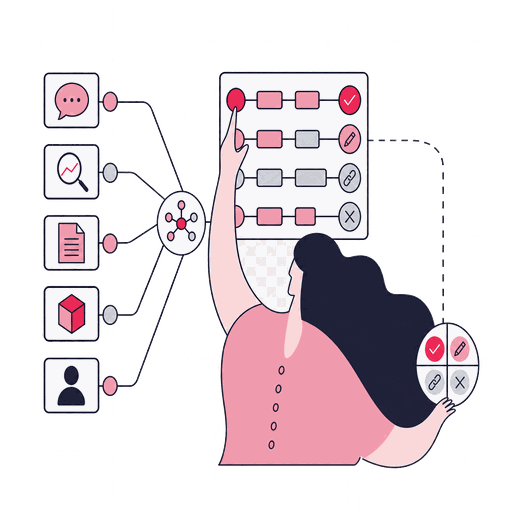
Market research notes
Local terminology, search behavior, and anything regulatory or cultural the source content didn't account for.


Localized content package
The adapted page or set of pages, built for the target market rather than translated toward it.


Routing and QA record
Confirmed hreflang and locale routing, plus the native-reviewer sign-off on meaning.
We call it done when: a native-language reviewer has approved the meaning, terminology is consistent, and the two locales route to each other correctly.
Who it fits
A market needs more than translated words
A reviewer who knows the market guides the adaptation. Unattended translation memory cannot.
A good fit when
- A market has its own search behavior, terminology, or regulations the source content doesn't account for.
- The draft can be translated, but nobody who uses the target language daily has checked whether its meaning survives in that market.
- The target page reads like a sentence-by-sentence translation, so local terminology, examples, and calls to action still feel borrowed.


Better handled as other work when
- You want a literal, sentence-by-sentence translation with no adaptation. That's a different and cheaper service.
- No native-language reviewer can approve the meaning before launch, which reduces the work to translation without a market-level check.
- Source-market claims are expected to carry across unchanged, but nobody has checked whether they remain true in the target market.
People who write and ship this content
Some of these consultants write the pages themselves. Others plan distribution or check how a piece performs once it's live, so the team below covers more than one stage of the work.

Samet Özsüleyman
SEO Manager

Ali Özgün Öz
SEO Executive

Didem Himmetli
Marketing Executive

Deniz İmre Temiztürk
Content Specialist

Hande Parmaksız
SEO Manager

Sinem Bakır Yavaş
Senior SEO Executive

Sena Önder
Senior SEO Executive

Bensu Tınastepe
Senior SEO Analyst

Ruhan Tiryaki
Senior SEO Analyst

Burak Pehlivan
Co-founder & CEO

Can Mutioğlu
Senior SEO Executive

Emir Kağan Kahveci
SEO Analyst

Ataberk Yüzat
SEO Executive
Tools we use
Tools behind this work
 Phrase
the approved term list a translator's word choice gets checked against
 DeepL
DeepLa first-pass draft the native reviewer edits, never the shipped copy
 Weglot
the hreflang and routing layer, wired once the copy is approved
Where this leads next
Methods connected to Content Localization
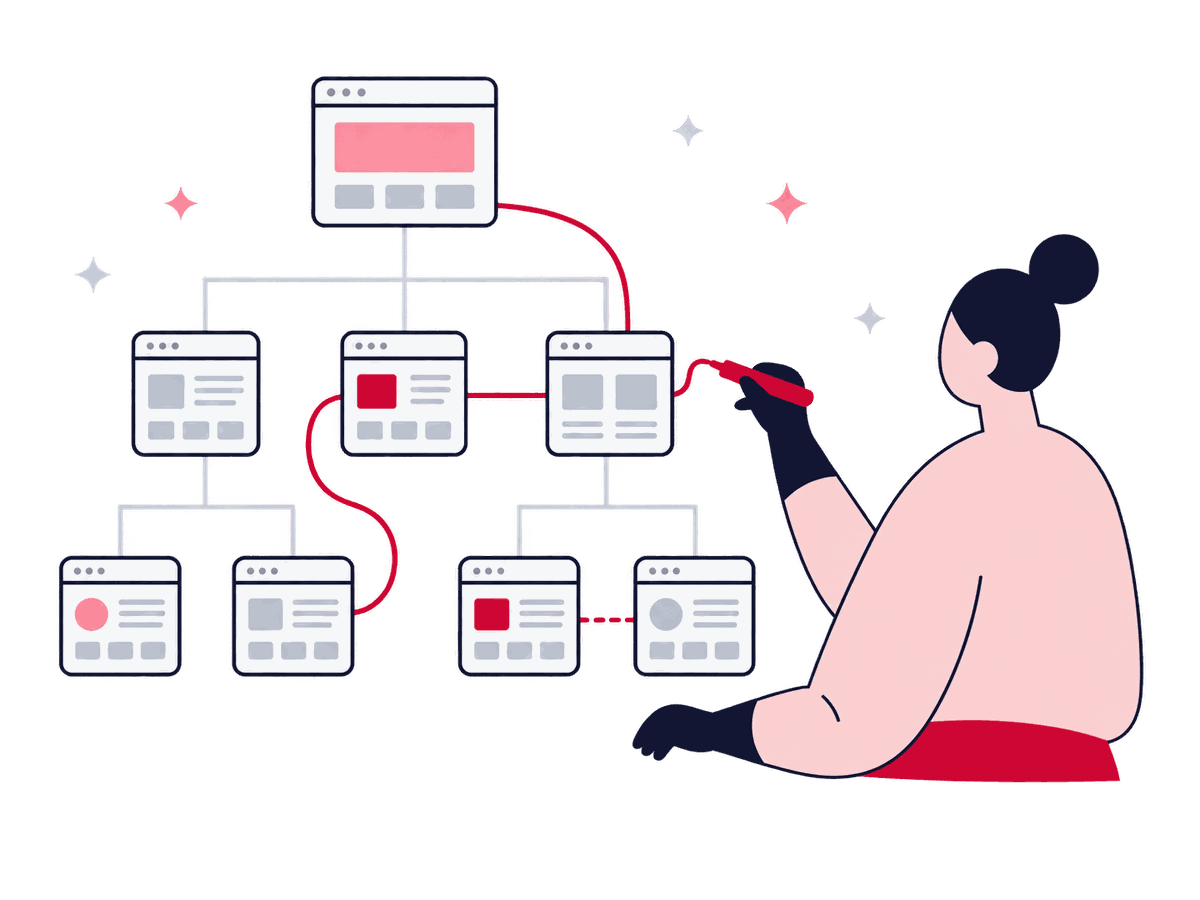
Upstream
Internal Linking Strategy & Implementation
Get the source page's internal links sorted first. Localizing a page whose own link structure is a mess just carries the mess into a second language.
Downstream
Content Promotion
Once the locale version is live, promotion decides how it reaches that market's channels and audience.


Complementary
Content Pruning & Consolidation
Before localizing an entire portfolio, pruning is what identifies which pages are worth the translation effort in the first place.
Start the work
Preparing content for a new market?


Before we start