








Content Distribution & Promotion
Multi-Channel Content Distribution
Give every channel a clear role in one sequence so each piece supports the next.
Multi-Channel Content Distribution gives each channel a specific job and places those jobs in a deliberate sequence. The result is one coordinated plan rather than copies of the same message competing for attention on the same day. You walk away with a job and an owner for every channel, a sequence with no conflicting asks, and a way to read how the channels performed together.
Some of the 500+ brands we've worked with
See all references

























How we run it
How we build a plan channels can follow
We define what each channel is for before scheduling anything, so the sequence has a reason behind it.
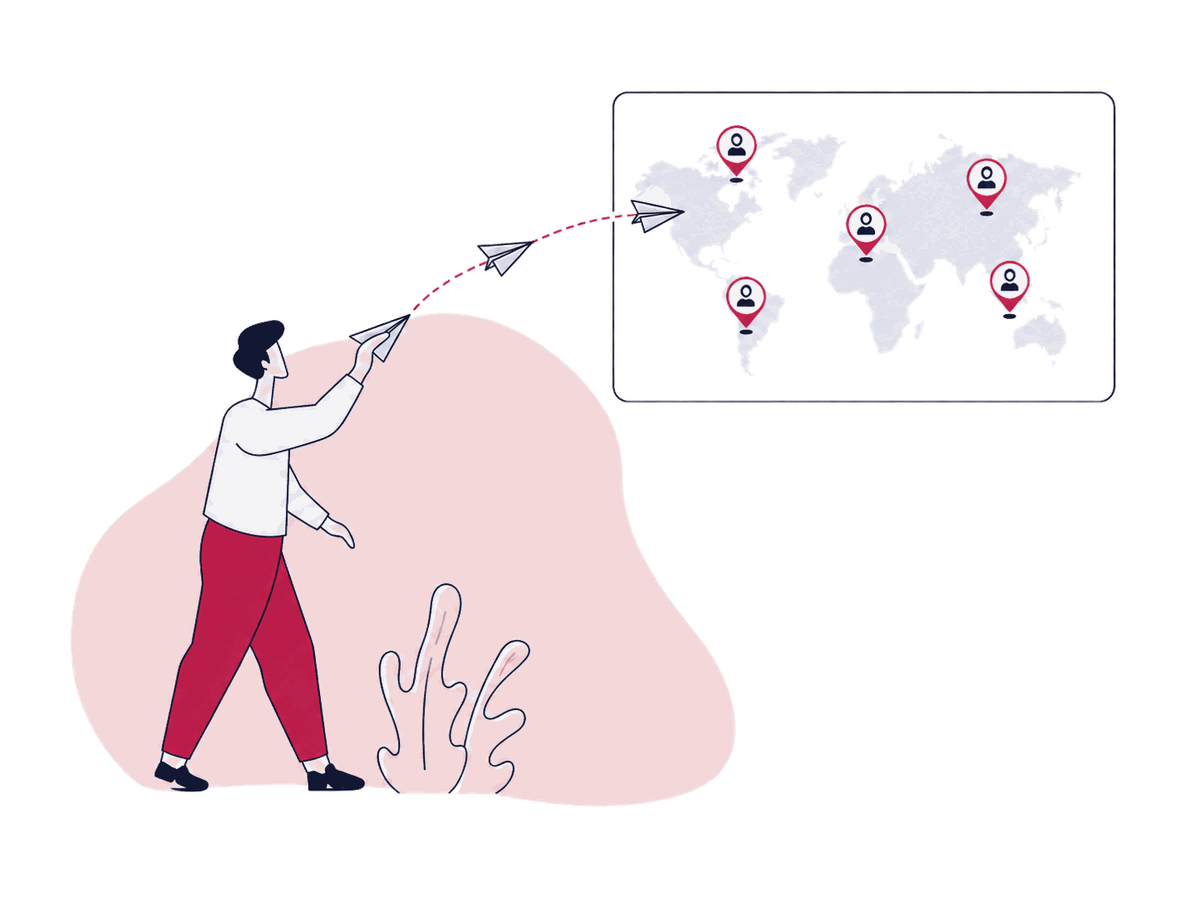
Map the real audience journey
We trace how someone moves from first hearing about something to acting on it, across the channels you have. The journey map goes forward after a strategist has checked it against how people actually move through your channels.
A journey map showing where each channel fits.


Assign each channel a distinct job
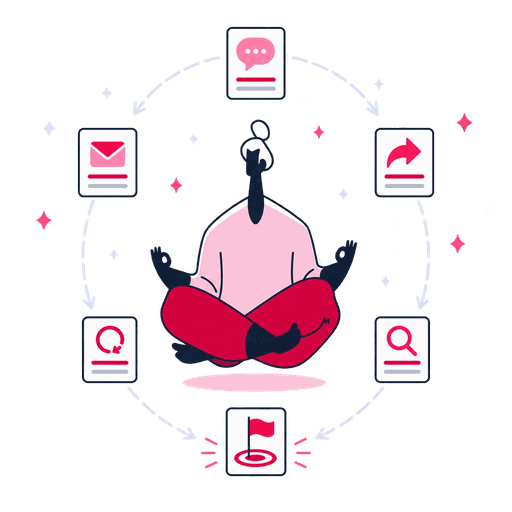
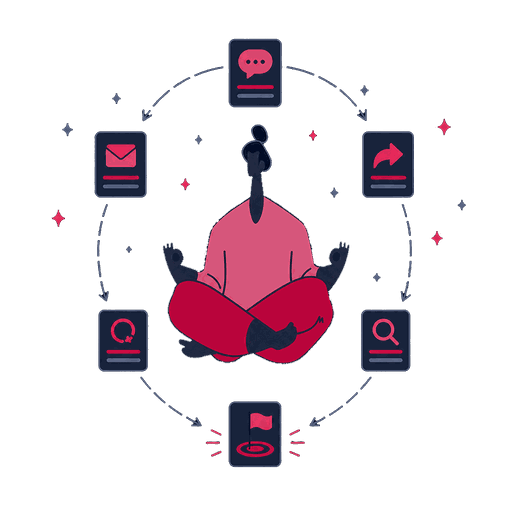
Email may introduce the idea, social may build familiarity, and the website may support the final action. We assign each channel a distinct job. The strategist decides which channel leads and which one waits, a call the channel owners don't make for themselves.
A channel role assignment with reasoning.
Sequence the release
We set the order and timing so channels build on each other. A strategist sets the final order after checking real production and approval capacity.
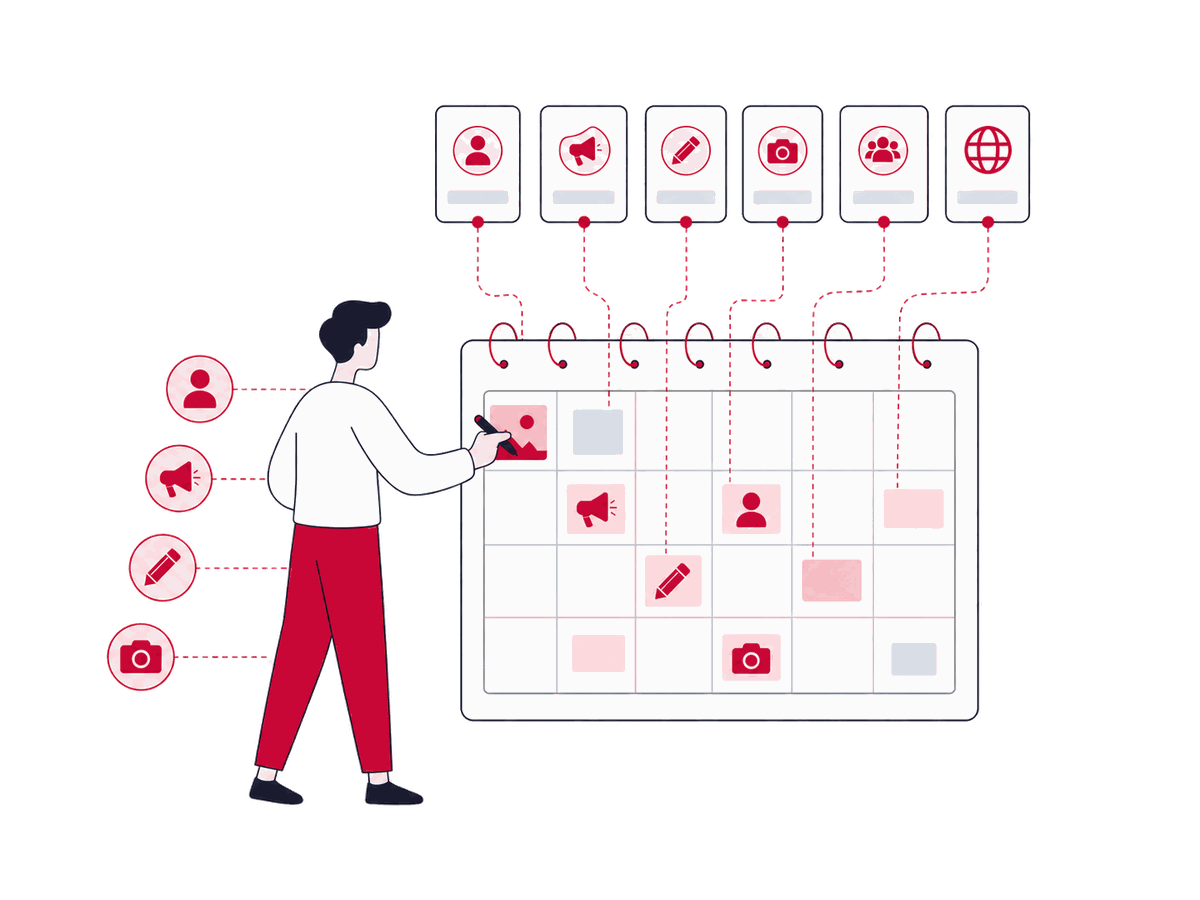
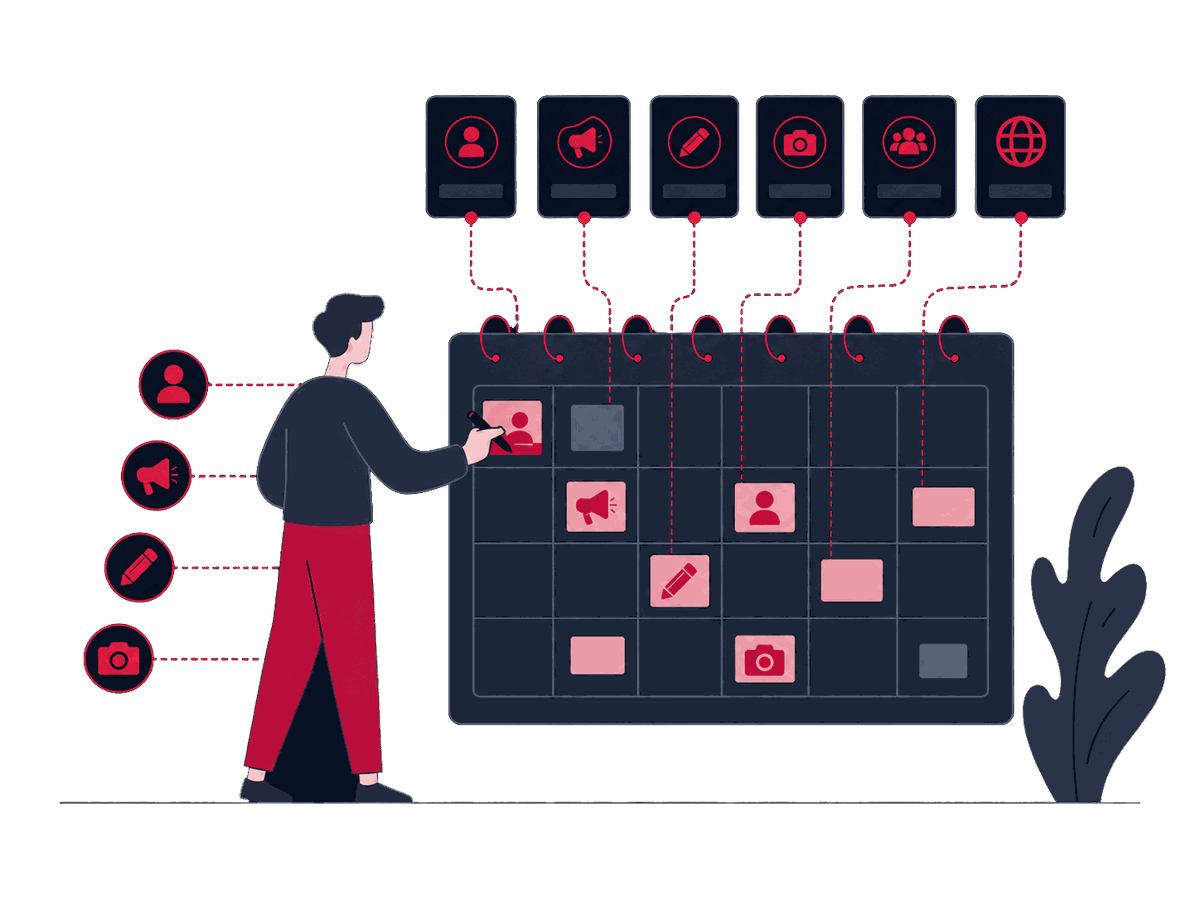
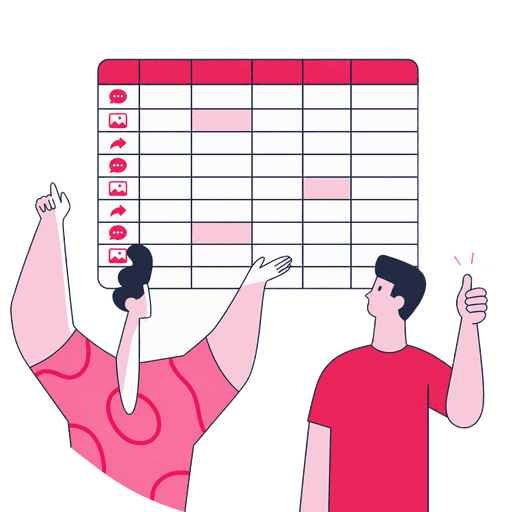
A sequenced activation calendar.
Resolve conflicting messages and CTAs
Before launch, we check that no two channels are quietly asking the reader to do two different things at once. The channel owners agree which flagged conflict is real and needs a fix before launch. A flag alone does not win the argument.
A reconciled message and CTA set across channels.
Assign real owners
Every channel in the plan gets a named owner responsible for it going out on time. Each named owner confirms they can deliver their channel on the date before it's locked into the calendar.
An ownership map tied to the calendar.


Watch how channels perform together
We look at whether channels are reinforcing each other or working against each other, which per-channel numbers alone will never show. A strategist decides whether a pattern in the cross-channel note is worth changing the plan over, or just noise.
A cross-channel performance note.
Somebody has to own the running order
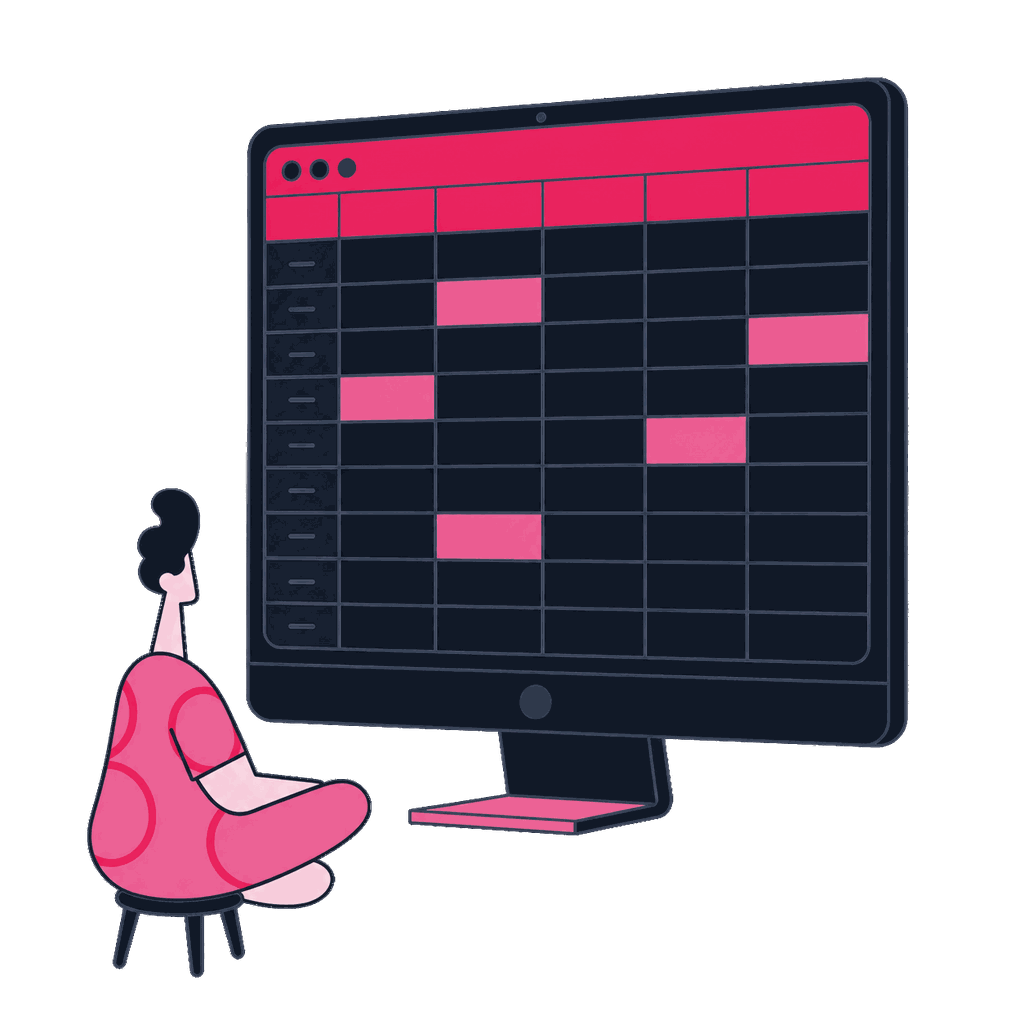
A busy calendar can hide two channels asking for different actions on the same day. AI is useful for finding those collisions, overlapping timing, and contradictory claims across a large set. The running order still belongs to the strategist who understands the audience and the teams doing the work. That person decides which channel leads and which flagged conflicts must be resolved before launch.
What you get
What the plan actually hands you
You receive the calendar, channel roles, ownership map, and measurement view needed to keep the sequence coordinated.
The channel role map
What each channel is for in this plan, and why it's sequenced where it is.
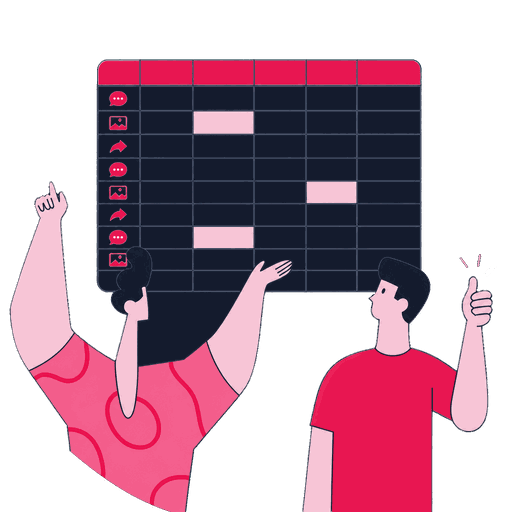
The activation calendar
When each piece goes out on which channel.
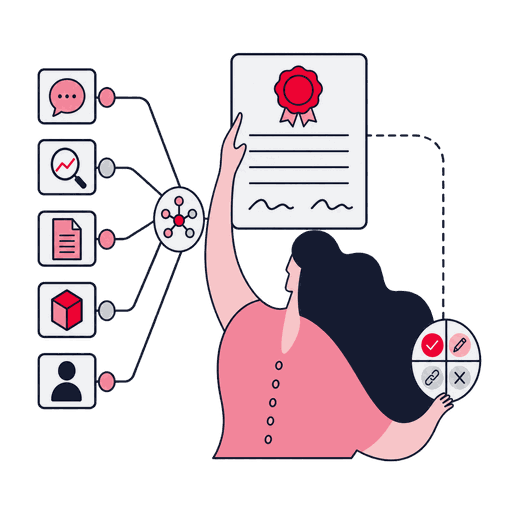
An ownership map
Who's responsible for each channel going out on time, by name.
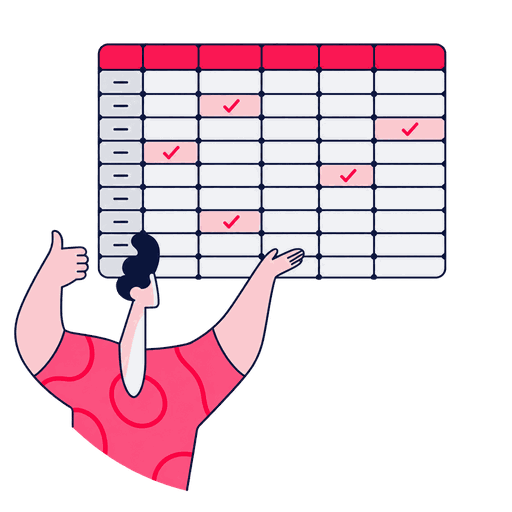
A cross-channel performance note
How the channels worked together, read alongside each one's own numbers.
We call it done when: every channel has a defined job and a named owner, the sequence and messaging don't conflict, and there's a way to see how the channels performed together.
Who it fits
When your channels need one shared plan
This method coordinates sequencing and ownership across channels. Creating the individual assets for those channels is separate work.
A good fit when
- Different teams run email, social, and the website with no shared plan, so a launch lands as five uncoordinated blasts.
- The same message appears everywhere at once, but no channel gets the audience ready for what the next channel asks them to do.
- You have active channels and material ready to publish, yet nobody has agreed which channel introduces the idea, builds familiarity, or carries the final action.
- Channel owners keep answering timing questions in separate threads, so you need one calendar that shows who publishes what and when.


Better handled as other work when
- Only one channel is active today, so there is no cross-channel sequence or conflicting call to action for this coordination work to resolve.
- The calendar would go live without a named owner, and nobody would adjust the sequence when production capacity or approval timing changes.
People who write and ship this content
Some of these consultants write the pages themselves. Others plan distribution or check how a piece performs once it's live, so the team below covers more than one stage of the work.

Hande Parmaksız
SEO Manager

Sena Önder
Senior SEO Executive

Sinem Bakır Yavaş
Senior SEO Executive

Deniz İmre Temiztürk
Content Specialist

Ruhan Tiryaki
Senior SEO Analyst

Yağmur Bayram
Sr. SEO Analyst

Gülşah Şahin Özkan
Senior SEO Analyst

İlker Emir
Senior Performance Marketing Executive

Sevda Yurtvermez
Performance Marketing Team Lead

Serap Yurtvermez
Performance Marketing Team Lead

İpek Ezer
Performance Marketing Executive

Onur Durdağı
Performance Marketing Executive

Abdullah Tanıdır
Performance Marketing Team Lead
Tools we use
Tools behind this work
 Asana
Asanasequences the release across channels and assigns each one a real owner
 Supermetrics
pulls every channel's own numbers into one comparable report
 Notion
the single messaging brief that keeps every channel's CTA aligned
 Hootsuite
publishes the social legs of the sequence from one shared calendar
Where this leads next
Methods connected to Multi-Channel Content Distribution
Upstream
Content Repurposing
The derivatives that fill each channel usually come from repurposing one strong source asset.
Downstream
Media Outreach
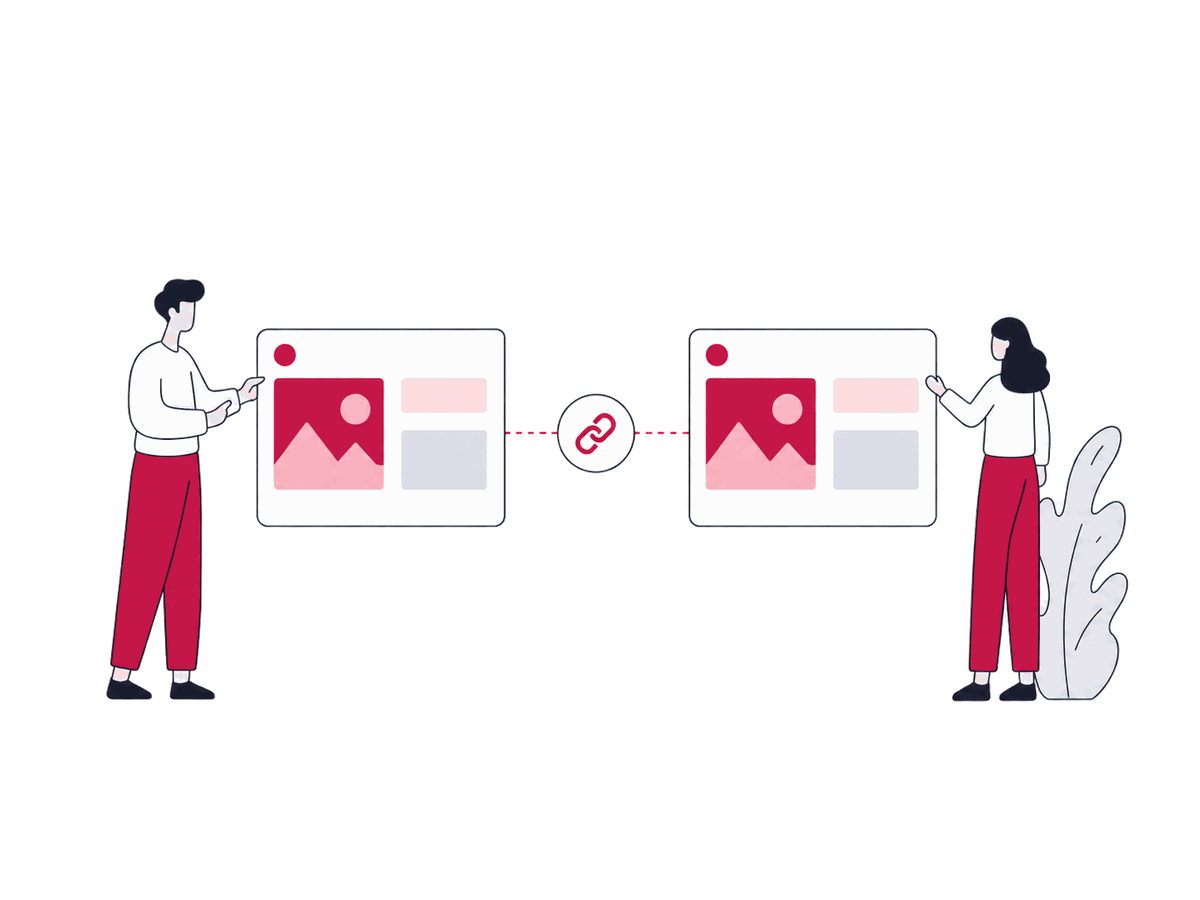
Once owned channels are sequenced, earned coverage through press outreach can be timed to reinforce the same push.
Complementary
Content Syndication
One channel in this plan can be a syndication partner, provided the canonical tag routes credit back to the original the way that method requires.
Start the work
Need one plan across several channels?


Before we start