







Content Distribution & Promotion
Content Repurposing
Adapt one verified idea for the channels where it has a useful role.
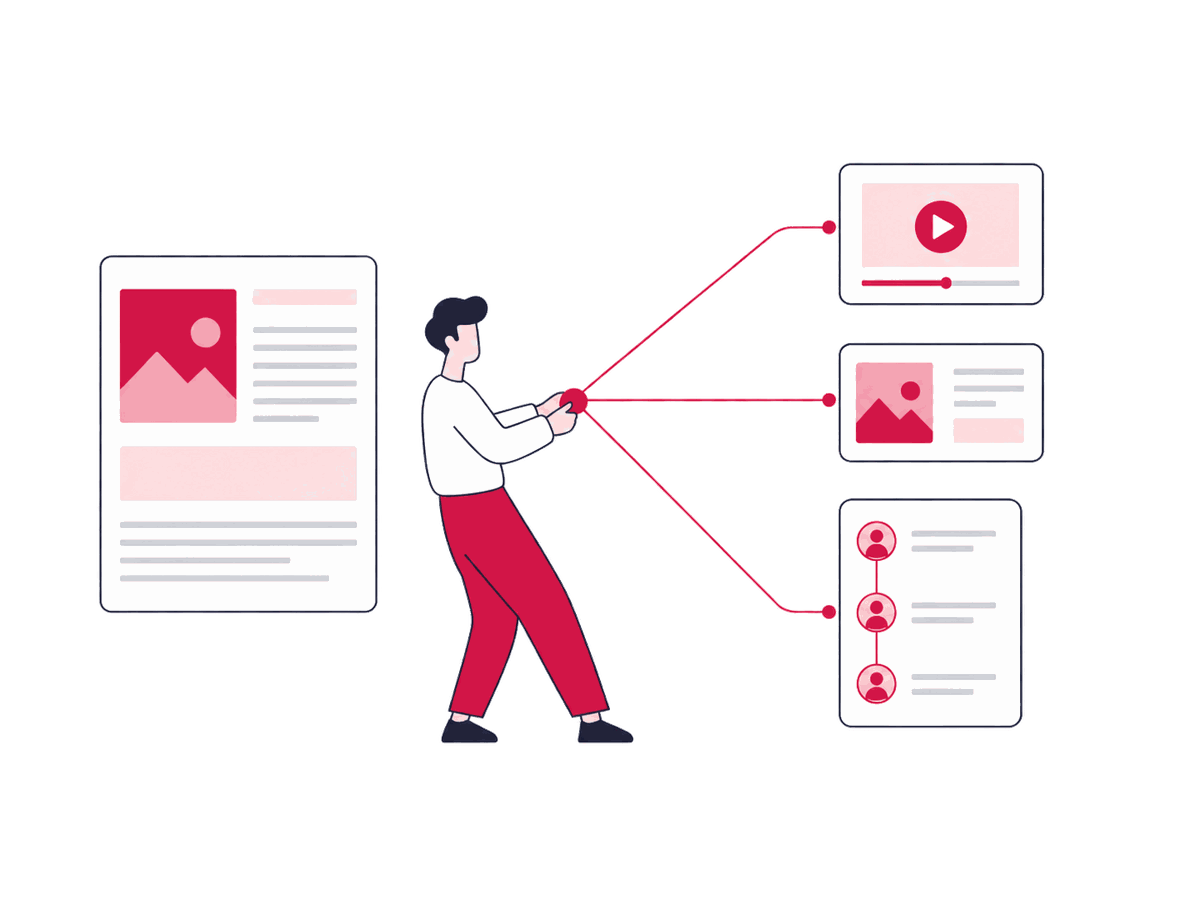
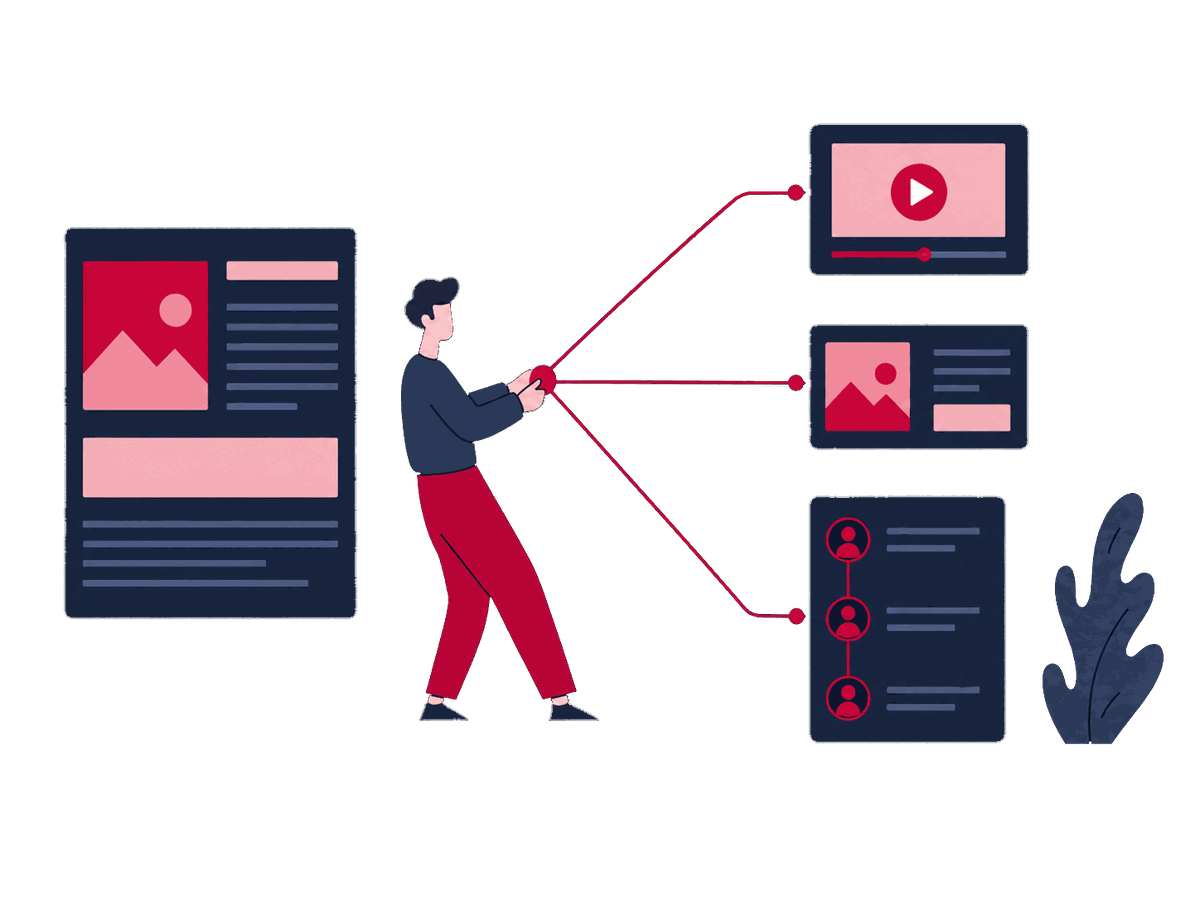
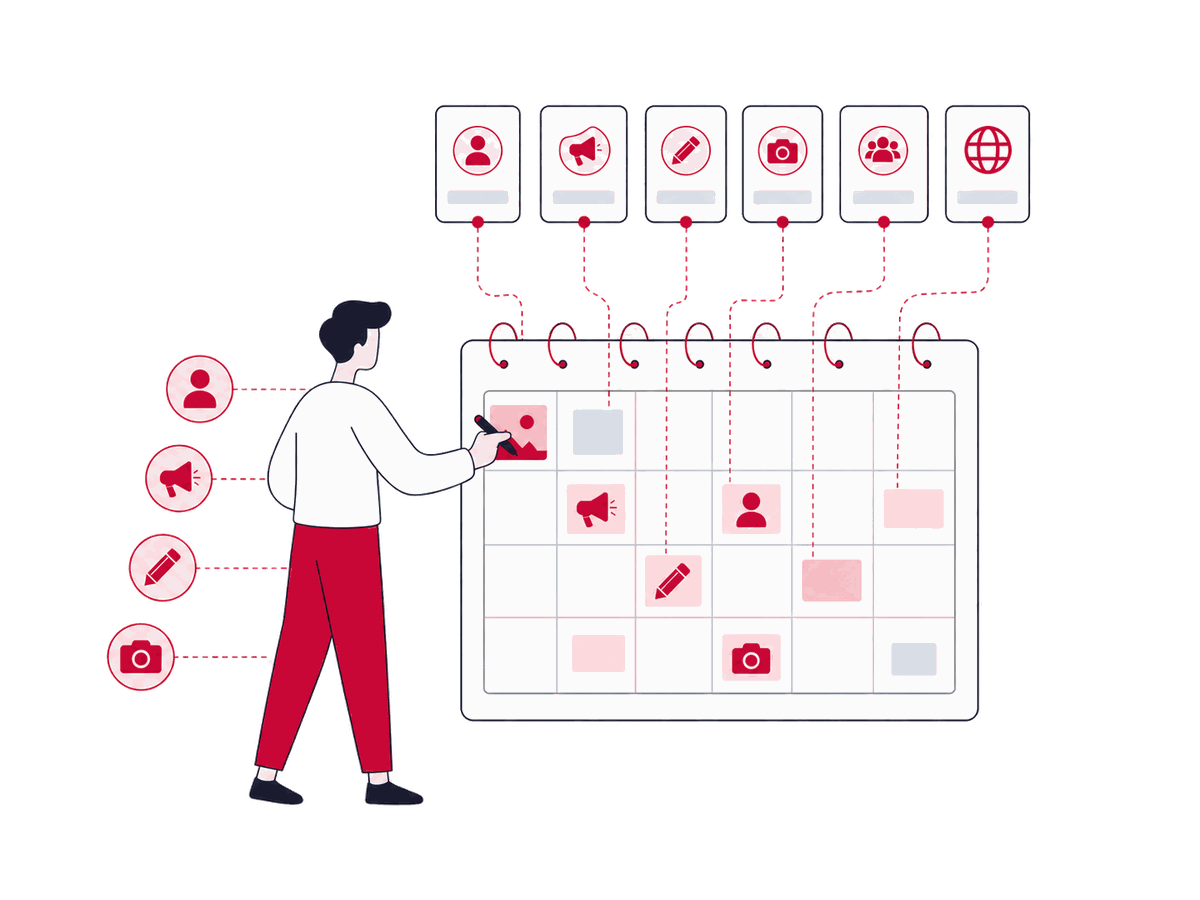
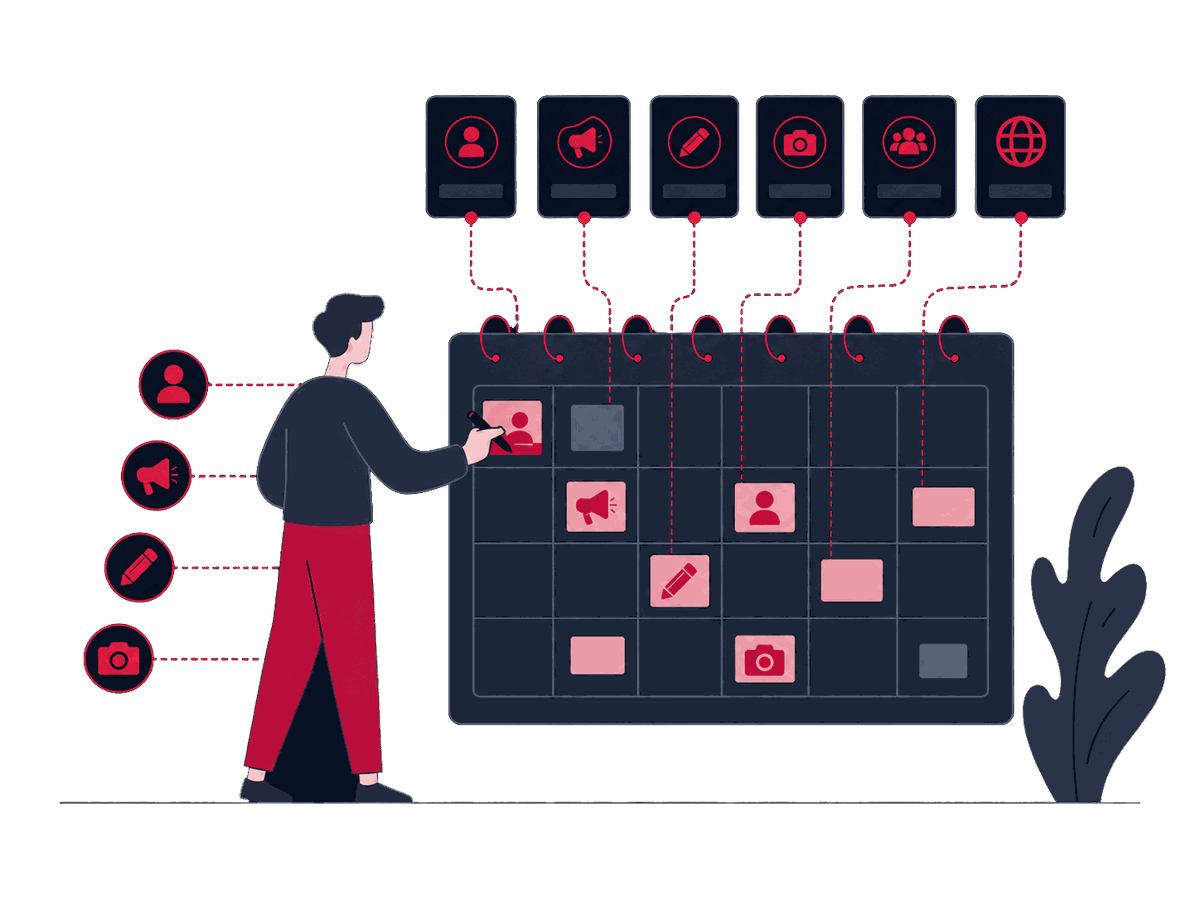
One strong asset can support threads, slides, clips, emails, and other useful formats without changing its verified claims. Content Repurposing reshapes the source for each channel rather than copying the same text into new containers. You walk away with a set of derivatives that still say what the source says, each fitted to its channel and its access needs, and a map back to the original.
Some of the 500+ brands we've worked with
See all references


























How we run it
How we create accurate derivatives from one source
Every derivative remains linked to the approved source so future corrections can reach each version.
Lock the source and its claims
Before creating anything derivative, we confirm exactly what the source says and who owns corrections to it. The content owner confirms the source version and rights before any derivative gets built.
An approved source asset with claims and rights confirmed.
Give every derivative a real job
We only build formats that serve a genuine audience need in that channel. Being able to make something is not a reason to. A strategist approves the derivative list before drafting starts.
A short list of derivatives, each with its own reason to exist.
Draft each derivative against the source
Every version gets checked against the original claims while it's being written. Before a draft moves on, an editor verifies that it still says what the source said. Reading well is the easier half.
First drafts with source references attached.
Adapt voice and length per channel
A LinkedIn carousel and an email aren't the same length or tone even when they carry the same idea. We adjust for each without changing the facts. The editor confirms the adapted facts still match the source before a channel gets its version.
Channel-ready derivatives with consistent facts.
Confirm accessibility for each format
A clip needs captions and a visual needs alt text. Each derivative gets checked against the access needs of its own format. A person checks captions, alt text, and transcripts by hand. Automated generation always gets reviewed before it ships.
Derivatives with format-appropriate accessibility built in.
Link everything back to the source
We record which derivative came from which source, so a future correction reaches every version. The content owner confirms the source-to-derivative map is complete before it's called done.
A source-to-derivative map and update trigger list.


Where a paraphrase quietly stops matching the source
Turning an article into a thread outline, or a report into slide text, is exactly the kind of repetitive transformation a model does well and fast. The risk is quiet drift. A paraphrase can be technically different but subtly wrong, or a stat can get rounded differently in five places until none of them match the source anymore. An editor checks every derivative against the original claim rather than only for tone, and the source-to-derivative map exists so a correction doesn't get lost in whichever format was made third.
What you get
What the repurposing package includes
The derivative set comes with a source map that keeps every version traceable and maintainable.
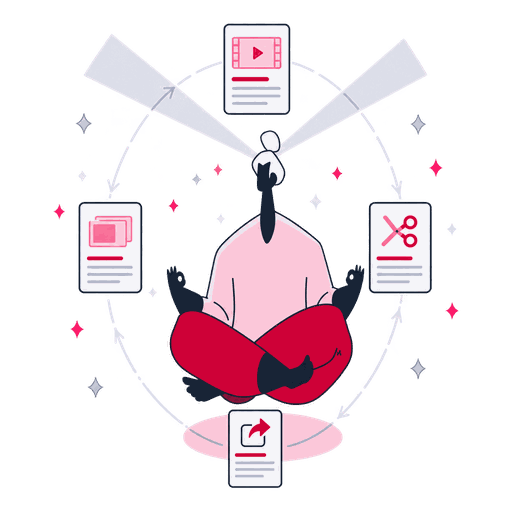
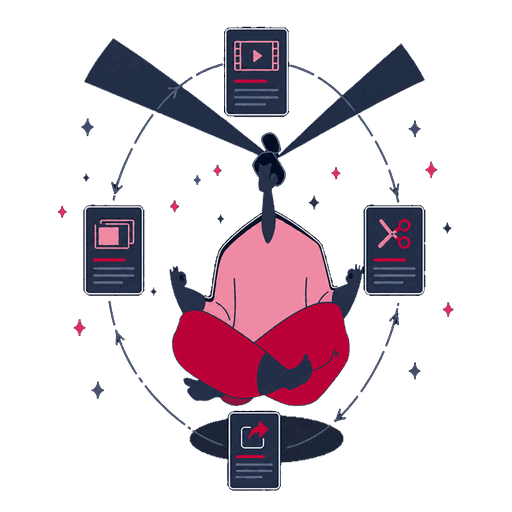
The finished derivative set
Whichever formats earned their place, whether clips, slides, threads, or emails, each built for its own channel.
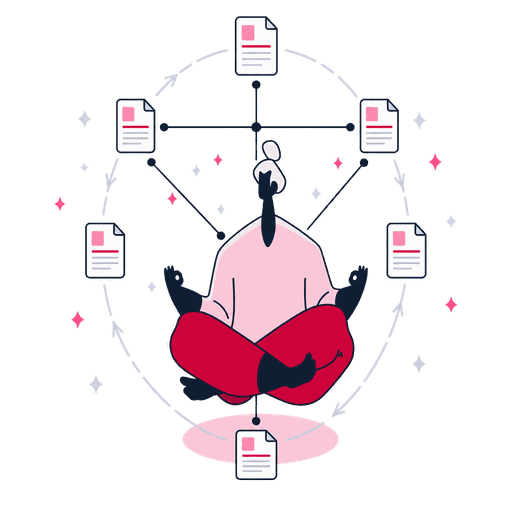

A source-to-derivative map
Which piece came from which source, so a correction or update can find every copy.
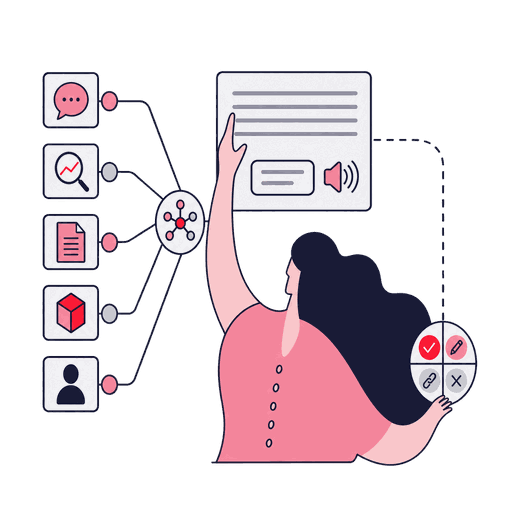
Channel-specific accessibility notes
Captions, alt text, or transcripts, matched to whatever each derivative needs.
An update trigger list
What would mean these derivatives need revisiting, such as a source correction, an expired stat, or a changed offer.
We call it done when: every derivative still says what the source says, each one fits its channel's format and access needs, and you can trace any of them back to the original.
Who it fits
One strong source can support more formats
This method begins with an approved source worth extending. If the source does not yet exist, create it first.
A good fit when
- A verified long-form asset has useful material, but its current shape does not fit the channels where another audience needs it.
- Different audiences need the same idea at different depths, while the team keeps sending one version that is too long in one channel and too thin in another.
- You want each derivative to carry the same facts as the source, so a loose paraphrase can't drift over time.
- Teams are rebuilding ideas that already exist, so production time is being spent without a source-to-derivative map anyone can reuse.


Better handled as other work when
- The source is thin, unverified, or missing reuse rights, so turning it into more formats would multiply a problem the editor cannot approve.
- The request is to post the same text unchanged in every channel, so nothing would reshape structure, length, and access needs per format.
- Nobody records which derivative came from which source, so a later correction or expired statistic cannot reach every version.
People who write and ship this content
Some of these consultants write the pages themselves. Others plan distribution or check how a piece performs once it's live, so the team below covers more than one stage of the work.

Hande Parmaksız
SEO Manager

Sena Önder
Senior SEO Executive

Sinem Bakır Yavaş
Senior SEO Executive

Bensu Tınastepe
Senior SEO Analyst

Deniz İmre Temiztürk
Content Specialist

Gülşah Şahin Özkan
Senior SEO Analyst

Ali Özgün Öz
SEO Executive

Ruhan Tiryaki
Senior SEO Analyst

Yağmur Bayram
Sr. SEO Analyst

Emir Kağan Kahveci
SEO Analyst

Burak Pehlivan
Co-founder & CEO

Mehmet Aktuğ
Co-Founder & COO

Can Mutioğlu
Senior SEO Executive
Tools we use
Tools behind this work
 WAVE
WAVEconfirms each individual derivative actually meets accessibility, not just the source
 Notion
the locked source claims every derivative traces back to
 Repurpose.io
automates turning the source recording into each platform-native format
 Airtable
tracks every derivative's channel and format against its one source
Where this leads next
Methods connected to Content Repurposing
Upstream
Content Syndication
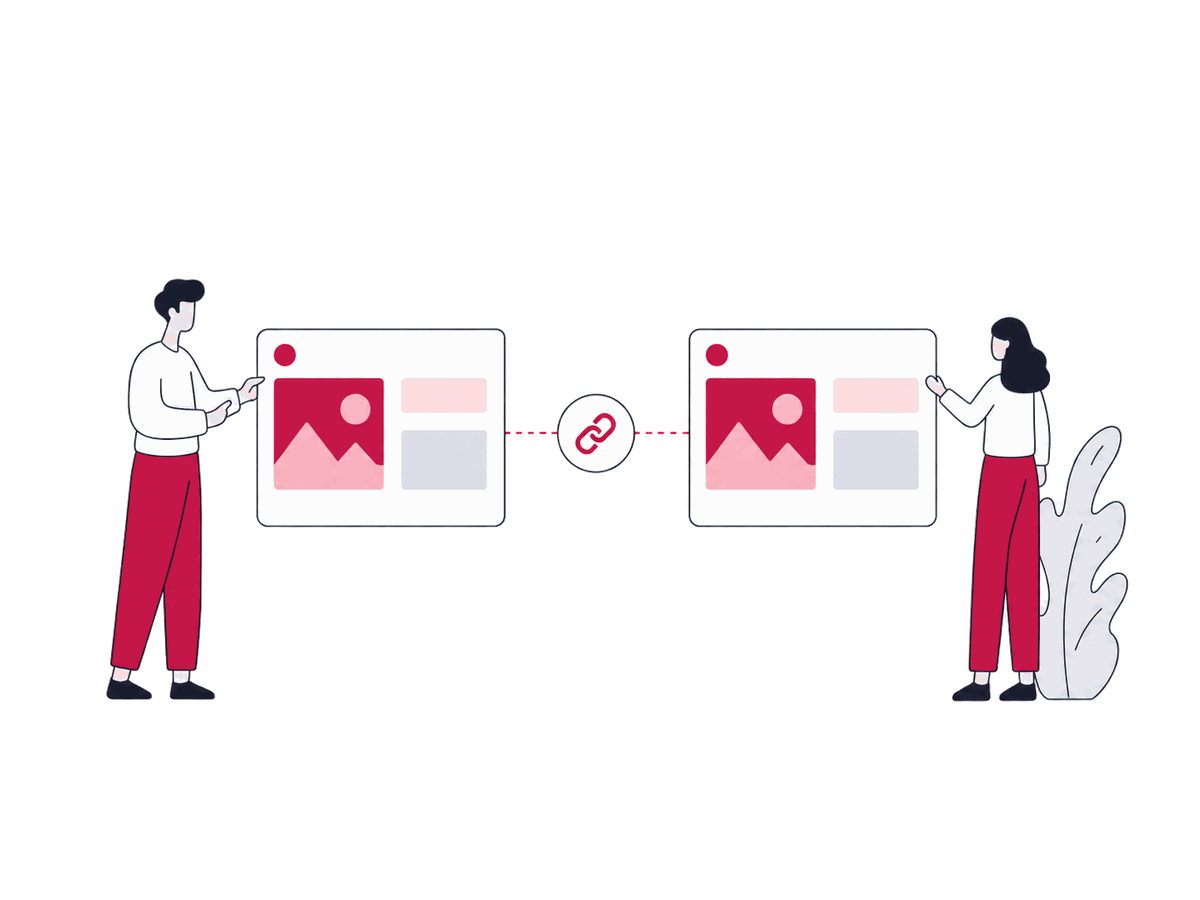
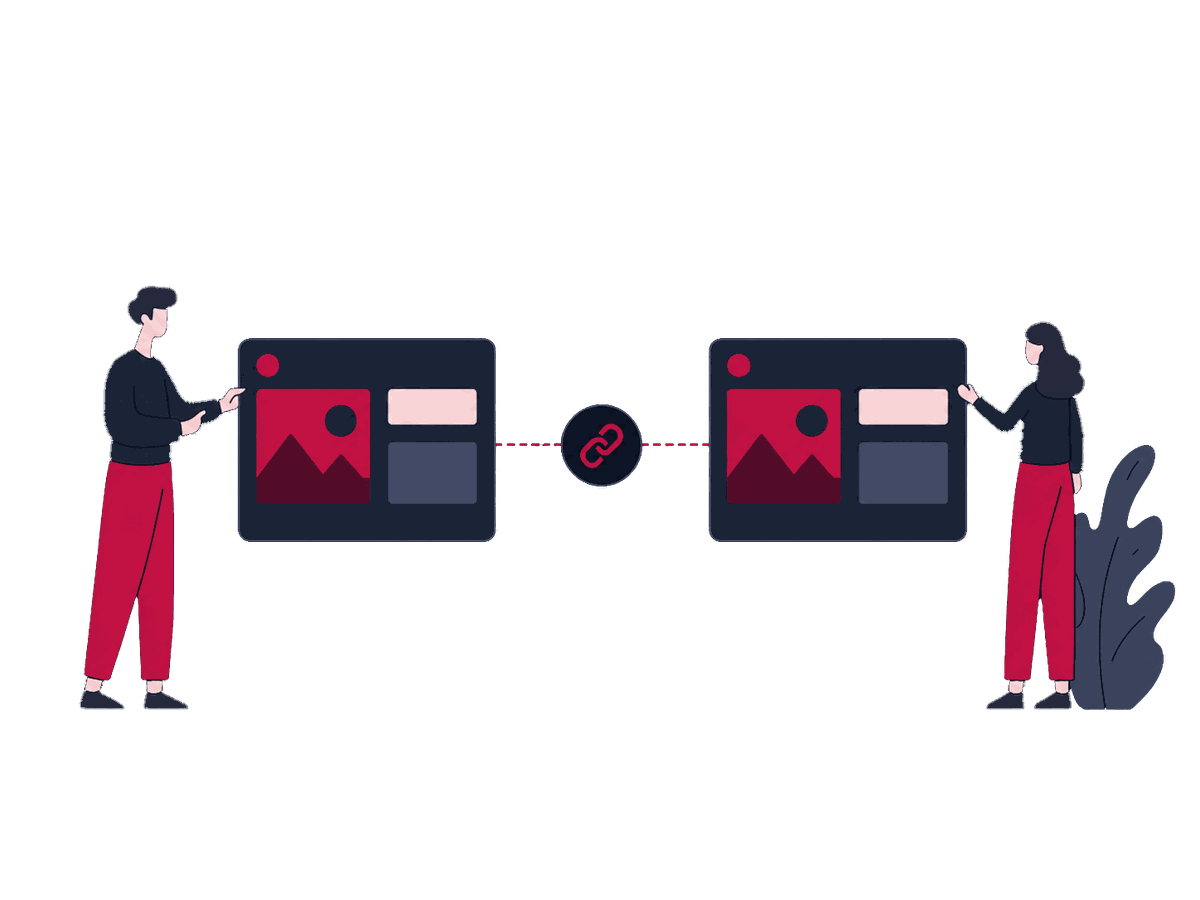
If a partner is republishing the source itself rather than a new format, that's a related but separate arrangement.
Downstream
Multi-Channel Content Distribution
Once the derivatives exist, this is how they get sequenced across channels instead of released all at once.
Complementary
B2B Case Study Writing
A case study is exactly the kind of approved asset worth turning into a deck slide, a clip, or a thread afterward.
Start the work
Could one strong asset serve more than one channel?


Before we start