









SEO Content Writing & Editorial Programs
B2B Case Study Writing
Tell one customer's verified result clearly enough to stand up to a skeptical buyer's questions.
B2B Case Study Writing turns a verified customer outcome into proof a prospective buyer can examine. We interview the people involved, check every number, and secure customer approval before publication. You walk away with one customer-approved account of a verified result, with the numbers checked, the quotations signed off, and sales-ready versions of the same story.

Some of the 500+ brands we've worked with
See all references



























How we run it
How a verified case study comes together
Each of the five steps produces something you can verify before the work moves forward.
Check that the story is viable
We review the outcome, check whether it is specific enough to be useful, and confirm that the customer is willing and able to take part. The account team confirms customer availability and willingness before an interview is scheduled.
A qualified story with a specific outcome and a customer who has agreed to participate.


Agree on consent and boundaries
We document what may be published, what remains private, how quotations will be attributed, and who gives final approval. The customer's authorized signer confirms in writing what may be published and who has final approval.
Written consent and an agreed scope that all reviewers can reference.
Interview the participants and verify the record
We interview the customer and your delivery team, then verify every figure against its source rather than relying on memory. The writer confirms every figure in its original source before it is marked as fact. A transcript records what was said. The source establishes whether it was correct.
Interview notes and a verified timeline, with a source attached to every claim.


Write the draft and check every claim
We shape the problem, decision, work, and result into a clear narrative, then compare every sentence with the evidence before external review. The writer chooses the opening that represents the evidence faithfully, even if another version sounds more dramatic.
A fact-checked draft ready for customer review.


Secure approval and prepare the formats
The customer and your internal reviewers approve the draft. We resolve their comments, then adapt the approved story into formats sales can use. Both the customer and your internal reviewer approve the story before any version reaches sales.
An approved case study with shorter versions for a sales deck or landing page.


The customer approves every number in this
A transcript is useful, but the case study depends on what happens after it exists. AI can surface a date that conflicts with the project timeline and offer several openings drawn from the same material. A Zeo writer checks the source documents, listens for the meaning behind the customer's answer, and decides which detail carries the proof. The customer approves every figure and quotation, and the people who lived the story confirm the final account before publication.
What you get
What your team receives
The finished case study is supported by an evidence and approval trail that makes every claim defensible.
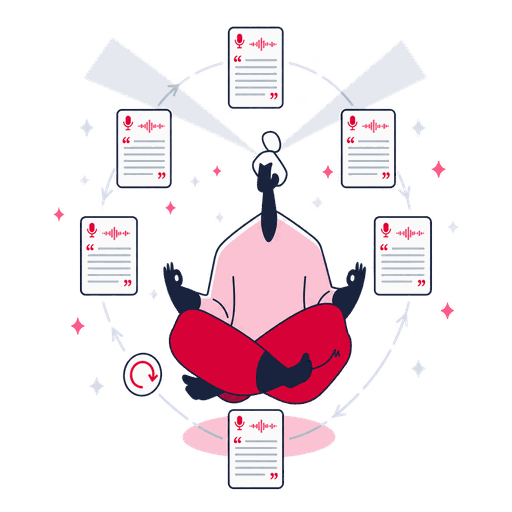

Interview and evidence record
Transcripts, source figures, and a clear distinction between verified facts and remembered details.

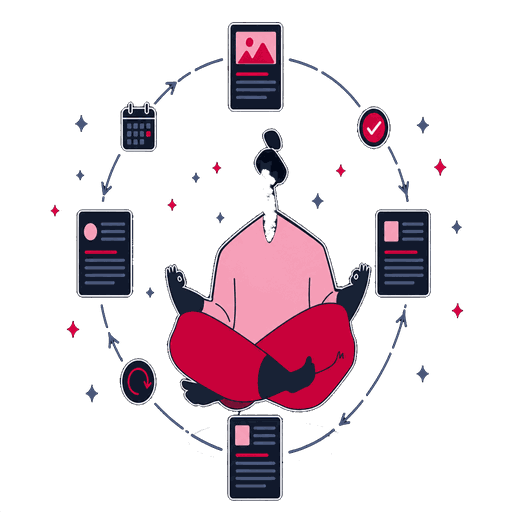
Customer-approved case study
The completed narrative, reviewed line by line by both the customer and your team.

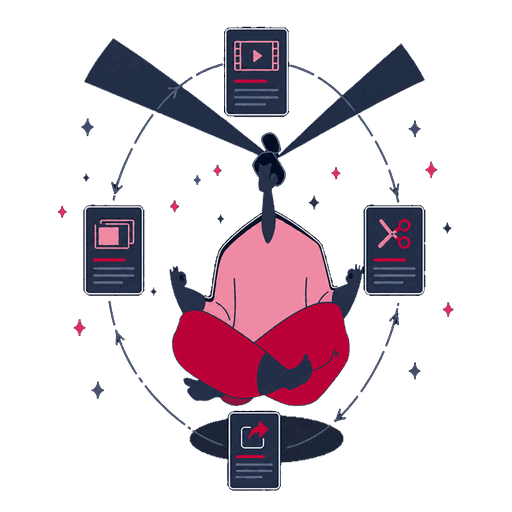
Sales-ready versions
Shorter versions for a deck, one-pager, or landing page, all based on the same approved facts.
We call it done when: the customer has approved every quotation and figure, your reviewers have signed off, and sales has credible proof to share with a skeptical buyer.
Who it fits
Case studies work when the customer will participate
A strong case study needs a customer who is ready to participate and a result that survives verification. It is not the right format for an uncertain outcome or an unconfirmed success.
A good fit when
- A customer has a specific result, and they will take part in an interview and approve the final story.
- Prospects keep asking sales for evidence from a company like theirs, but the team has no customer-approved account to share.
- The result looks credible, but its figures still need an interview, source records, and an authorized customer review before publication.


Better handled as other work when
- A positive email is the whole evidence set, and nobody has agreed to an interview or approved a quotation for publication.
- The story is expected to promise the next buyer the same result. A case study records one verified outcome, so it cannot make that guarantee.
- The customer cannot review the figures or quotations before publication, which leaves no authorized person able to approve the final account.
People who write and ship this content
Some of these consultants write the pages themselves. Others plan distribution or check how a piece performs once it's live, so the team below covers more than one stage of the work.

Yiğit Konur
Founder & Chief Strategy Officer

Sinem Bakır Yavaş
Senior SEO Executive

Metehan Urhan
New Business & Partnership Manager

Hande Parmaksız
SEO Manager

Samet Özsüleyman
SEO Manager

Sena Önder
Senior SEO Executive

Bensu Tınastepe
Senior SEO Analyst

Gülşah Şahin Özkan
Senior SEO Analyst

Ali Özgün Öz
SEO Executive

Ruhan Tiryaki
Senior SEO Analyst

Yağmur Bayram
Sr. SEO Analyst

Emir Kağan Kahveci
SEO Analyst

Ataberk Yüzat
SEO Executive
Tools we use
Tools behind this work
 Grammarly
final mechanical pass before a case study goes back for customer sign-off
 Hunter
confirms the right stakeholder's email before the sign-off request goes out
 Grain
Grainrecords the customer interview and clips the quotable, verifiable moments
 Notion
the approval trail: consent terms, claim-by-claim sign-off, version history
 Canva
Canvathe one-page PDF and slide versions sales teams actually attach to emails
Where this leads next
Where a case study can lead next


Upstream
Industry Commentary & Newsjacking
If the timely story is a market development rather than a customer result, Industry Commentary & Newsjacking is the better fit.


Downstream
White Paper & Research Report Writing
Use a white paper or research report when one strong proof point needs to support a broader argument.
Complementary
eBook Writing
Choose an eBook when the lesson behind the customer result needs a longer, chapter-based treatment.
Start the work
Have a customer result worth documenting?


Before we start