









Timely industry commentary with a named expert
Industry Commentary & Newsjacking
Publish a clear, expert-backed response while the event still matters.
Industry Commentary puts a named expert's point of view in front of readers while the story is still timely. We work quickly, but every fact is checked and the expert approves the interpretation before publication. You walk away with an expert-approved interpretation, a timeline that checks out against dated sources, and the piece live while the topic still matters.
Some of the 500+ brands we've worked with
See all references















































How we run it
How we respond quickly without skipping the checks
The workflow is compressed for speed, but fact-checking and expert approval remain mandatory.
Decide whether the event deserves a response
Before assigning the piece, we verify that the event happened, remains current, and matters to the audience you serve. An editor reviews the moment and decides whether a same-day response is warranted.
A go or no-go call on whether this moment is worth a response.

Build the factual timeline first
We assemble a dated timeline from primary sources, separate confirmed details from open questions, and record conflicts in early reports. Before a source enters the timeline, a person verifies that it still holds up as the story develops.
A source-dated timeline with open questions marked.

Interview the expert for the interpretation
We interview your expert for the interpretation only they can provide, which is what the event means for people doing the work. The expert is the only one who can give the interpretation that goes into the brief.
A point-of-view brief with the expert's actual reasoning attached.


Draft quickly, then verify every claim again
The writer follows the approved brief, rechecks each claim against the source record, and sends the complete piece to the expert for a final read. The expert gives the final read and sign-off before anything goes out under their name.
An approved piece with the expert's sign-off on the interpretation.


Publish while the analysis is useful, then monitor the story
The piece goes live while readers still need it, with a review point for developments that may change or contradict the analysis. An editor decides when the expiry note should trigger an update or a retraction.
A published piece with an expiry note for when it needs a second look.

Source work can move faster than editorial judgment
AI helps assemble early sources, timestamp a developing story, and compare a draft with the fact record. The expert supplies the interpretation and remains accountable for what the event means in practice. Before the piece carries that person’s name, an editor verifies the timeline and the expert approves the opinion.
What you get
What you receive on a compressed timeline
Speed comes from compressing the workflow while the checks that make the piece credible stay in place.
A dated source timeline
A source-linked chronology that distinguishes confirmed facts, unresolved details, and the origin of each claim.


Commentary approved for publication
A checked and approved response prepared for your blog, newsletter, or social channels.


A review and expiry note
A clear trigger for reviewing, updating, or retiring the piece as the underlying story develops.
We call it done when: the expert has approved the interpretation, the timeline checks out against sources, and the piece is live while the topic still matters.
Who it fits
When the story deserves a timely expert response
This works when a real event meets a named expert with a specific, informed interpretation. A reaction without evidence or substance is not enough.
A good fit when
- A recent industry event has consequences your team can explain from experience, but the interpretation has not yet been written for the people doing the work.
- Your audience has already seen the headline, yet they still need a named expert to explain what the event changes in practice.
- A named expert can discuss the event on the current timeline, and they can personally approve the interpretation before the piece carries their name.


Better handled as other work when
- The plan borrows attention from a trend without informed analysis, so an accountable expert and defensible point of view must come first.
- No one can verify the dated source timeline and review the draft while the story is current, so the required checks would arrive after the useful window.
- The proposed take depends on early reports that may change, and no review or expiry note is planned for the facts that emerge later.
People who write and ship this content
Some of these consultants write the pages themselves. Others plan distribution or check how a piece performs once it's live, so the team below covers more than one stage of the work.

Ezgi Gülsen Yaylı
SEO Manager

Samet Özsüleyman
SEO Manager

Hande Parmaksız
SEO Manager

Deniz İmre Temiztürk
Content Specialist

Sinem Bakır Yavaş
Senior SEO Executive

Metehan Urhan
New Business & Partnership Manager

Sena Önder
Senior SEO Executive

Bensu Tınastepe
Senior SEO Analyst

Gülşah Şahin Özkan
Senior SEO Analyst

Ali Özgün Öz
SEO Executive

Ruhan Tiryaki
Senior SEO Analyst

Yağmur Bayram
Sr. SEO Analyst

Emir Kağan Kahveci
SEO Analyst
Content we've produced on this topic
Tools we use
Tools behind this work
 Google Trends
checks whether search interest in the story is still rising before we commit
 BuzzSumo
checks which angle on the story is already getting traction before we pick ours
 Grammarly
the fast mechanical check that fits inside a same-day deadline
 Muck Rack
watches who's already covering the story while we decide whether to respond
 Hunter
finds the expert's direct contact fast enough to still make the deadline
Where this leads next
Methods connected to Industry Commentary & Newsjacking
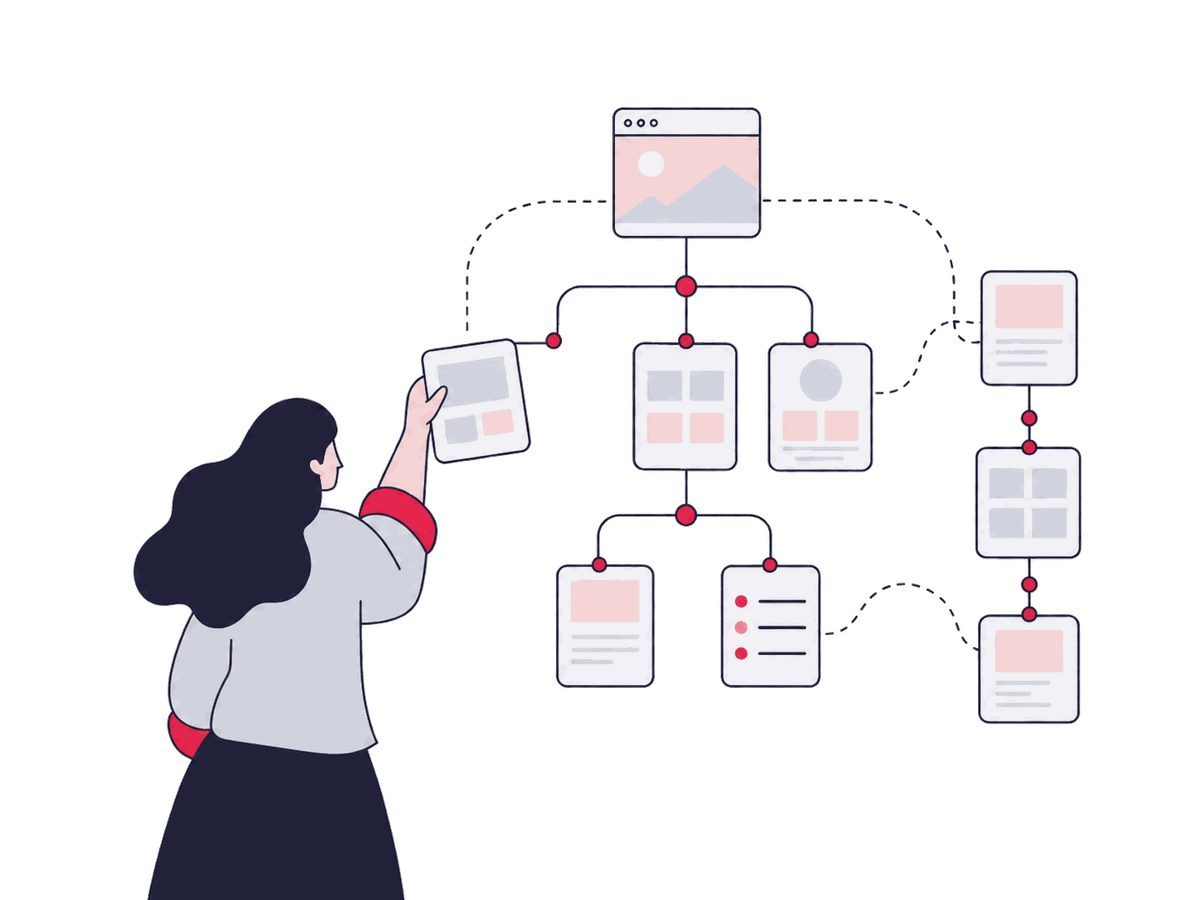
Upstream
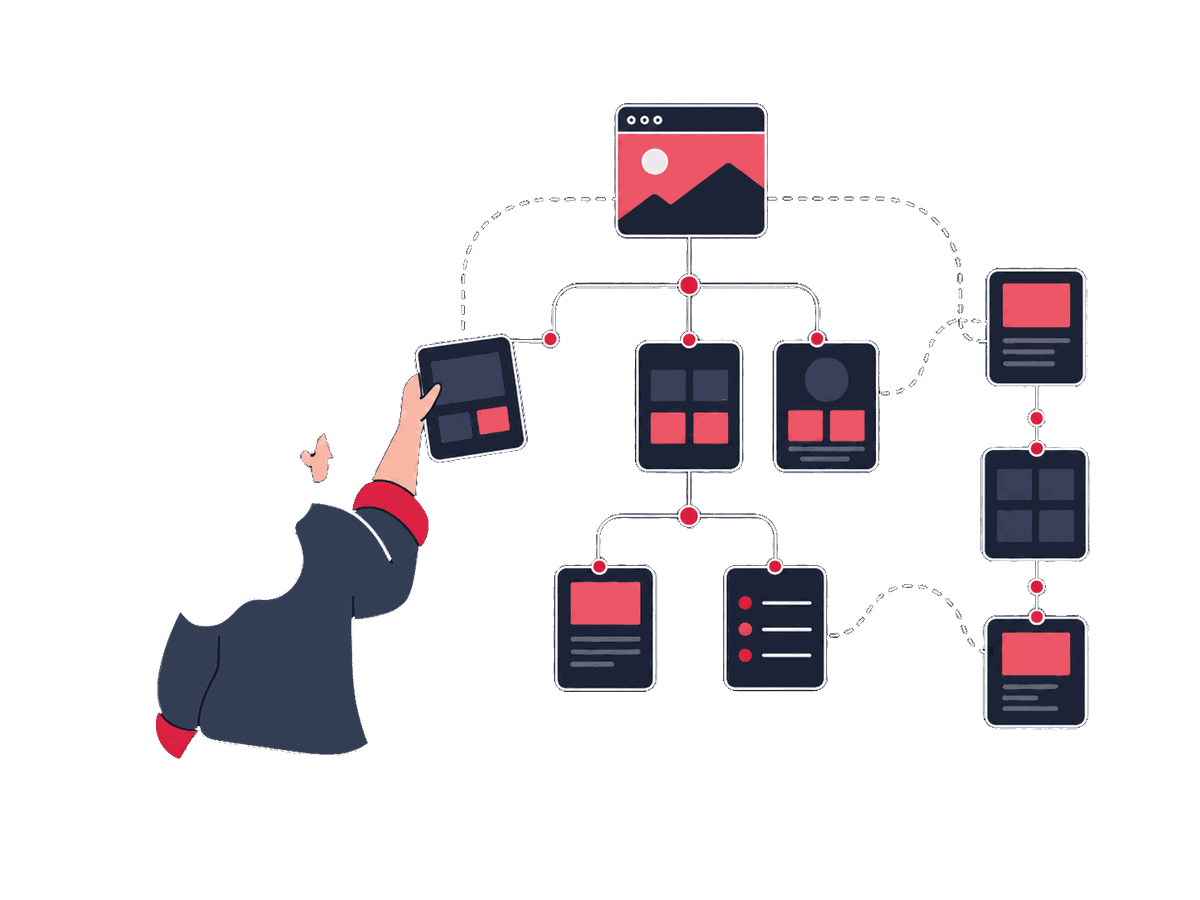
Website Content Architecture
Knowing where commentary lives on your site makes each new piece easier to place well.

Downstream
B2B Case Study Writing
If today's reaction turns into next quarter's proven result, that's where the story goes next.
Complementary
Long-Form Content & Guides
A commentary piece written in the moment can later seed a long-form guide once its topic has settled into something worth teaching in full.
Start the work
Put the right expert on a story while it still matters


Before we start