







SEO Content Writing & Editorial Programs
Website Content Architecture
A site where every page has a clear job and people can find the right path through it.
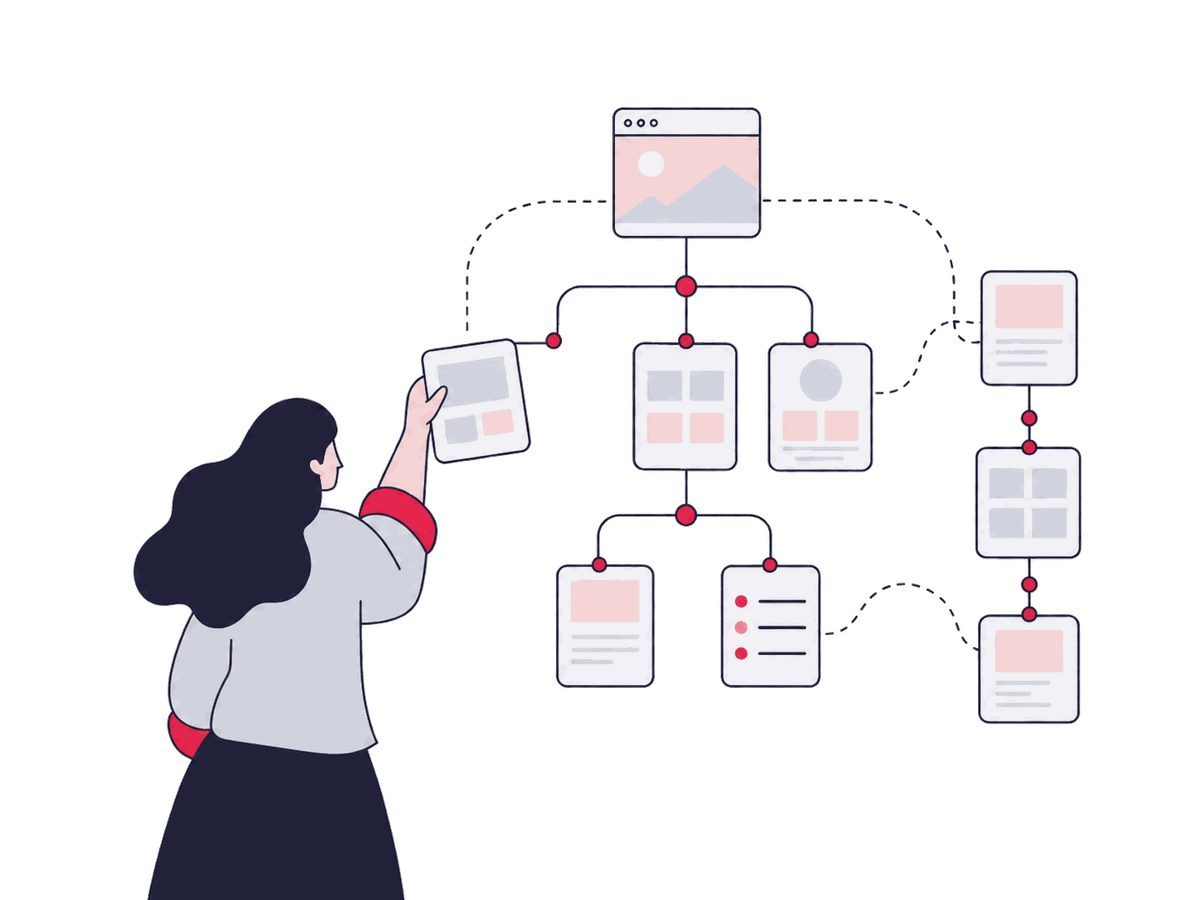
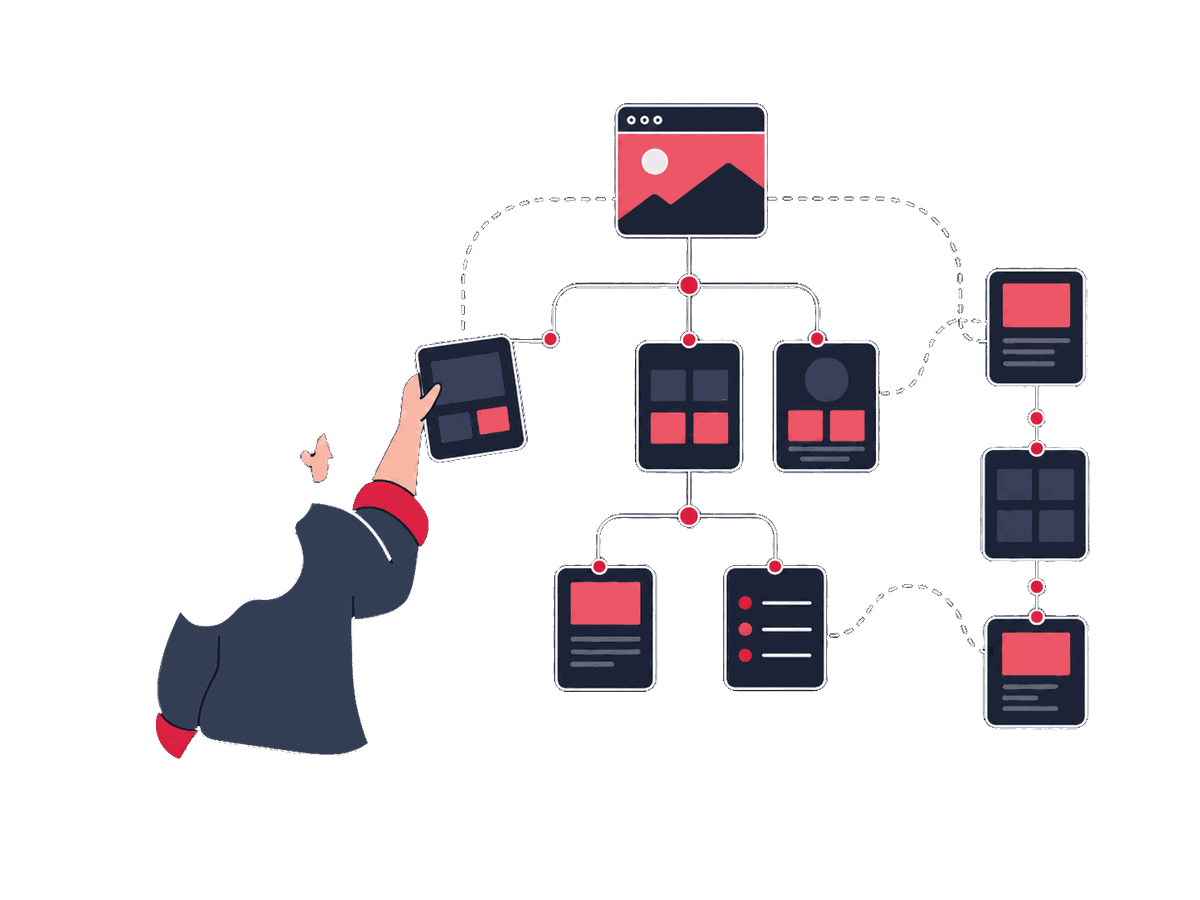
Website Content Architecture gives every page a defined purpose, shows how pages connect, and sets the content model that keeps the site coherent as it grows. It plans the system beneath the words. Writing the persuasive copy is a separate job. You walk away with one clear job per page type, a documented content model, and a navigation and migration plan that tells builders where new content belongs.
Some of the 500+ brands we've worked with
See all references












































How we run it
How we turn the current site into a workable structure
We start with the site as it exists, then define the structure it needs.
Audit the current site
We inventory the current pages, use analytics to see how people use them, and identify stalled tasks and competing pages. The inventory is checked against the live site before the strategist uses the analytics export.
A page inventory with real usage data attached.


Define one job for each page
We give every page type one clear purpose and flag places where two pages are trying to serve the same need. A strategist signs off on every page-purpose call, especially where two pages currently overlap.
A page-purpose map with duplicated jobs flagged.
Design the content model
We define the fields, templates, and taxonomy that keep pages consistent, so new pages follow the model instead of copying the nearest example. A strategist reviews the content model against real page examples before it's handed to production.
A content model with defined fields and a shared taxonomy.

Map navigation and internal links
We trace how people move between pages to complete a task, then shape navigation and internal links around that path. A strategist confirms the navigation plan actually matches how people complete the task.
A navigation and link plan tied to real user tasks.


Prepare the migration handoff
We package the content model, page map, and migration checklist so the team moving or rebuilding pages knows what changes and why. Whoever owns the migration signs off on the checklist before pages start moving.
A migration-ready checklist plus the full structure documentation.


Traffic patterns do not settle page ownership
On a site with hundreds of pages, AI helps us compare structures and find pages that have drifted into the same job. It can also group analytics patterns that would take much longer to inspect one by one. Then the organizational questions begin. Traffic alone cannot tell us which competing page should remain or whether a user task needs its own page. Product, support, and sales owners make those calls because they understand the relationships behind the numbers.
What you get
What your team can build from
Your team gets working documentation the build can actually run on.
Page inventory and purpose map
What exists today, what it's for, and where jobs currently overlap.
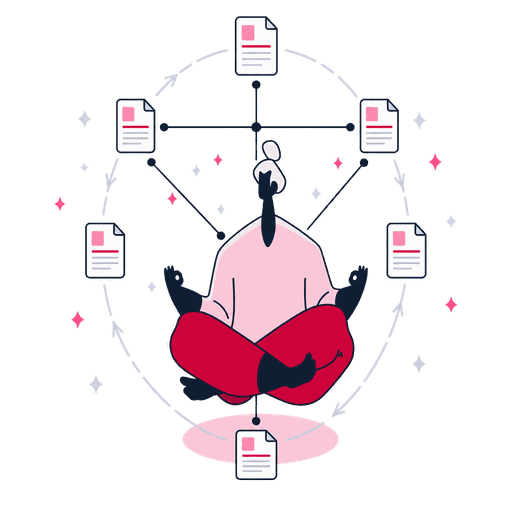

Content model and taxonomy
The fields, templates, and shared vocabulary that keep new pages consistent with the rest of the site.
Navigation and migration plan
How pages connect for a real user task, plus a checklist for the team doing the build.
We call it done when: every page type has one clear job, the content model is documented, and the people building pages know exactly where new content belongs.
Who it fits
Structure problems show up between pages
This work fits when pages compete, important tasks disappear between them, or teams disagree about what a page is meant to do. It defines the plan for the site. The persuasive writing comes afterward.
A good fit when
- Visitors keep reaching the site without knowing which page answers their question, so important tasks disappear between overlapping routes.
- Teams keep adding pages before checking the inventory, so two URLs claim the same job and the content model no longer tells builders where new content belongs.


Better handled as other work when
- Page roles and navigation already make sense, but the language inside them is weak, so Website Copywriting is the narrower next step.
- Only one page needs a stronger headline, while the wider page map and content model are still doing their jobs.
- Nobody will own the content model after handoff, so new templates and taxonomy decisions will drift as soon as the site grows.
People who write and ship this content
Some of these consultants write the pages themselves. Others plan distribution or check how a piece performs once it's live, so the team below covers more than one stage of the work.

Yiğit Konur
Founder & Chief Strategy Officer

Elif Naz Akan Karakoç
Senior SEO Executive

Ozan Ketenci
VP of Consulting & Strategy

Deniz İmre Temiztürk
Content Specialist

Didem Himmetli
Marketing Executive

Metehan Urhan
New Business & Partnership Manager

Ezgi Gülsen Yaylı
SEO Manager

Gülşah Şahin Özkan
Senior SEO Analyst

Burak Pehlivan
Co-founder & CEO

Mehmet Aktuğ
Co-Founder & COO

Emir Kağan Kahveci
SEO Analyst

Zafer Yıldız
Web Analytics Manager

Ataberk Yüzat
SEO Executive
Tools we use
Tools behind this work
 Screaming Frog
the full inventory of every existing page and how they currently link together
 Slickplan
the visual sitemap and the one-job-per-page content model the client actually reviews
 Airtable
the row-per-page migration ledger: old URL, new job, new URL, redirect status
 Notion
the written rationale behind the model, for whoever owns it after handoff
 Google Search Console
shows which current pages are actually earning organic value before we decide their fate
Where this leads next
Methods connected to Website Content Architecture
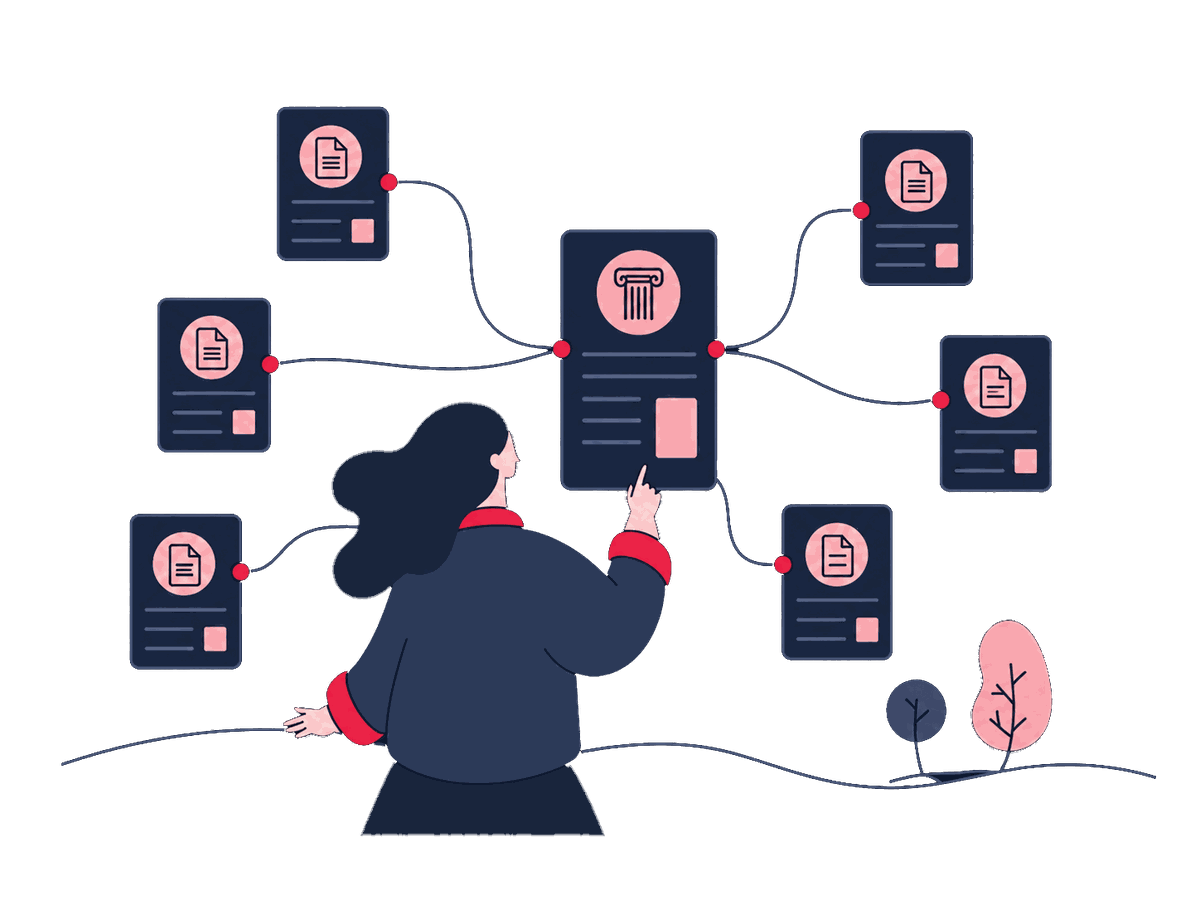
Upstream
Pillar Pages & Topic Clusters
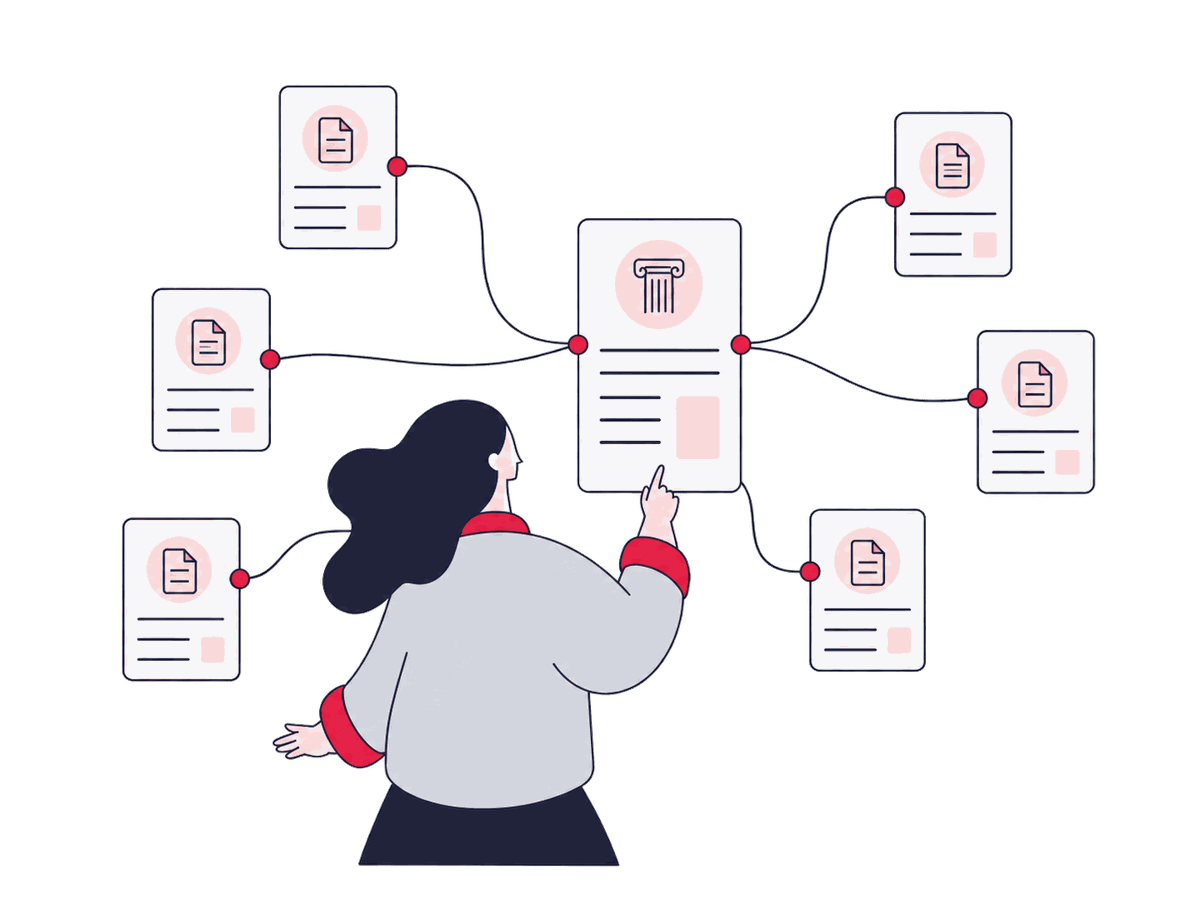
If a cluster's already been built, its structure is useful raw material for the wider site map.
Downstream
Industry Commentary & Newsjacking
Once the structure exists, it's easier to decide exactly where fast-moving commentary should live.


Complementary
Content Audits
A good first step if you're not sure how much of the current site is worth keeping before restructuring it.
Start the work
Which pages on your site are doing the same job?


Before we start