









Content Strategy & Research
Content Audits
Get a reasoned keep, fix, merge, or cut decision for every page before making changes.
Your site contains pages that perform, pages that have slipped, and pages nobody remembers creating. A Content Audit gives every URL a keep, fix, merge, or cut decision based on performance and quality evidence. You walk away with a keep, fix, merge, or cut decision for every page in scope, the safe order to act in, and a post-change review already defined.


Some of the 500+ brands we've worked with
See all references












































How we run it
How each page gets a decision
We move from a verified inventory to a page-level action plan, with evidence supporting every decision.
Build a verified inventory
We collect every canonical URL and compare it with analytics and search performance rather than relying on a potentially outdated sitemap. The inventory is accepted as reliable only after a strategist checks a sample against the live site.
A complete URL inventory verified against the live site and available data.


Apply consistent criteria to every page
We assess traffic, rankings, backlinks, content quality, and business ownership using the same criteria across the inventory. The strategist opens every borderline page and every proposed deletion before assigning its action.
A scored inventory with quality and performance flags for each URL.


Assign a keep, fix, merge, or cut action
Every page receives one of four actions and a written reason. No page is removed on intuition alone. A strategist approves every keep, fix, merge, or cut decision before the action is finalized.
A URL-level action sheet with evidence and reasoning for every decision.


Sequence the changes safely
We order redirects, consolidations, and content updates to protect live traffic and existing links. A strategist sequences the rollout to avoid disrupting pages that still receive traffic.
A prioritized roadmap with redirect destinations and consolidation targets.


Review the results after launch
Once the changes are live, we check for broken redirects, ranking changes, and issues the plan did not anticipate. A strategist reviews the post-change evidence and decides which items, if any, require follow-up.
A post-change measurement note with any pages or issues that need another review.

Nothing gets deleted on a score alone
Scoring makes a large URL inventory manageable. Agents apply the agreed criteria across hundreds or thousands of pages and bring the unusual or borderline cases to the surface. They never authorize a deletion or consolidation. A Zeo strategist opens each removal candidate, compares the data with the live page, and signs off before the site changes. If the evidence leaves two plausible actions, the audit records that uncertainty instead of hiding it behind a score.
What you get
What comes out of the audit
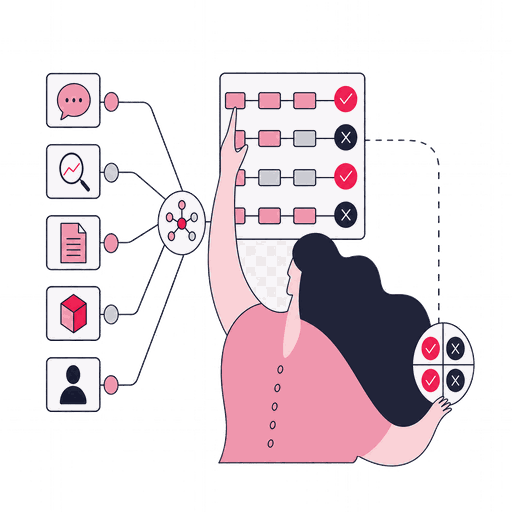
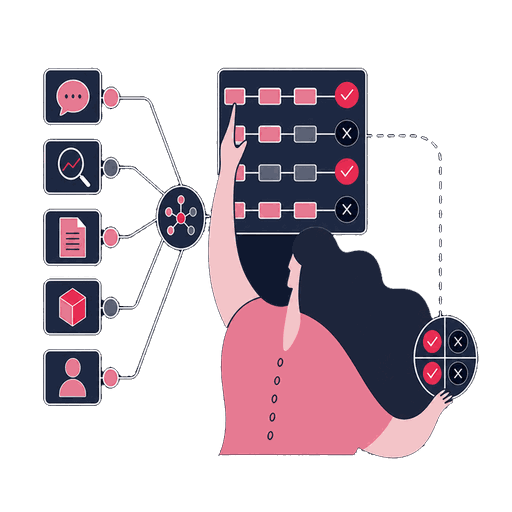
The action sheet gives each page a decision, while the rollout plan and follow-up review reduce execution risk.
Page-level action sheet
A keep, fix, merge, or cut decision for every page in scope, with the supporting evidence.


Consolidation and redirect plan
A precise record of which pages will be consolidated and where each redirect will lead.


Post-change review note
The signals to monitor after launch and the conditions that should trigger further investigation.
We call it done when: every page in scope has an evidence-backed decision, a person has approved every deletion or merge, and the post-change review is defined.
Who it fits
Evidence for keep, fix, merge, or cut decisions
An audit evaluates pages that already exist. If you are deciding what to create next, a research or planning method will fit better.
A good fit when
- Your URL inventory has outgrown anyone's memory, so nobody knows which pages still exist on the live site.
- You suspect thin pages, outdated claims, or competing URLs are creating problems, but the evidence has not been assembled.
- Pages are about to be deleted, merged, or redirected, but the team still lacks one evidence-backed action list and rollout order.


Better handled as other work when
- You want every low-traffic page removed automatically. Traffic alone does not determine whether a page is valuable.
- The plan starts from an incomplete analytics export without checking it against the live site, so the inventory itself remains unverified.
- Traffic recovery has to be guaranteed before any page changes, and an audit controls neither technical indexability nor implementation.
People who write and ship this content
Some of these consultants write the pages themselves. Others plan distribution or check how a piece performs once it's live, so the team below covers more than one stage of the work.

Can Mutioğlu
Senior SEO Executive

Samet Özsüleyman
SEO Manager

Deniz İmre Temiztürk
Content Specialist

Sinem Bakır Yavaş
Senior SEO Executive

Ezgi Gülsen Yaylı
SEO Manager

Hande Parmaksız
SEO Manager

Sena Önder
Senior SEO Executive

Bensu Tınastepe
Senior SEO Analyst

Gülşah Şahin Özkan
Senior SEO Analyst

Ali Özgün Öz
SEO Executive

Ruhan Tiryaki
Senior SEO Analyst

Mehmet Aktuğ
Co-Founder & COO

Emir Kağan Kahveci
SEO Analyst
Tools we use
Tools behind this work
 Screaming Frog
the crawl that builds a verified inventory of every live page in one pass
 Ahrefs
which pages carry real backlink equity, so a cut doesn't waste it
 LinkChecker.pro
retests every planned redirect before the sequenced changes go live
 Airtable
the page action sheet: one row per URL, decision and reasoning attached
 Google Search Console
per-page impressions and clicks, so a quiet page isn't mistaken for a dead one
Where this leads next
Where the audit can lead next
Upstream
Linkable Asset Campaigns
Use Linkable Asset Campaigns when the audit finds a page worth developing into something that can earn links.

Downstream
Audience & Demand Research
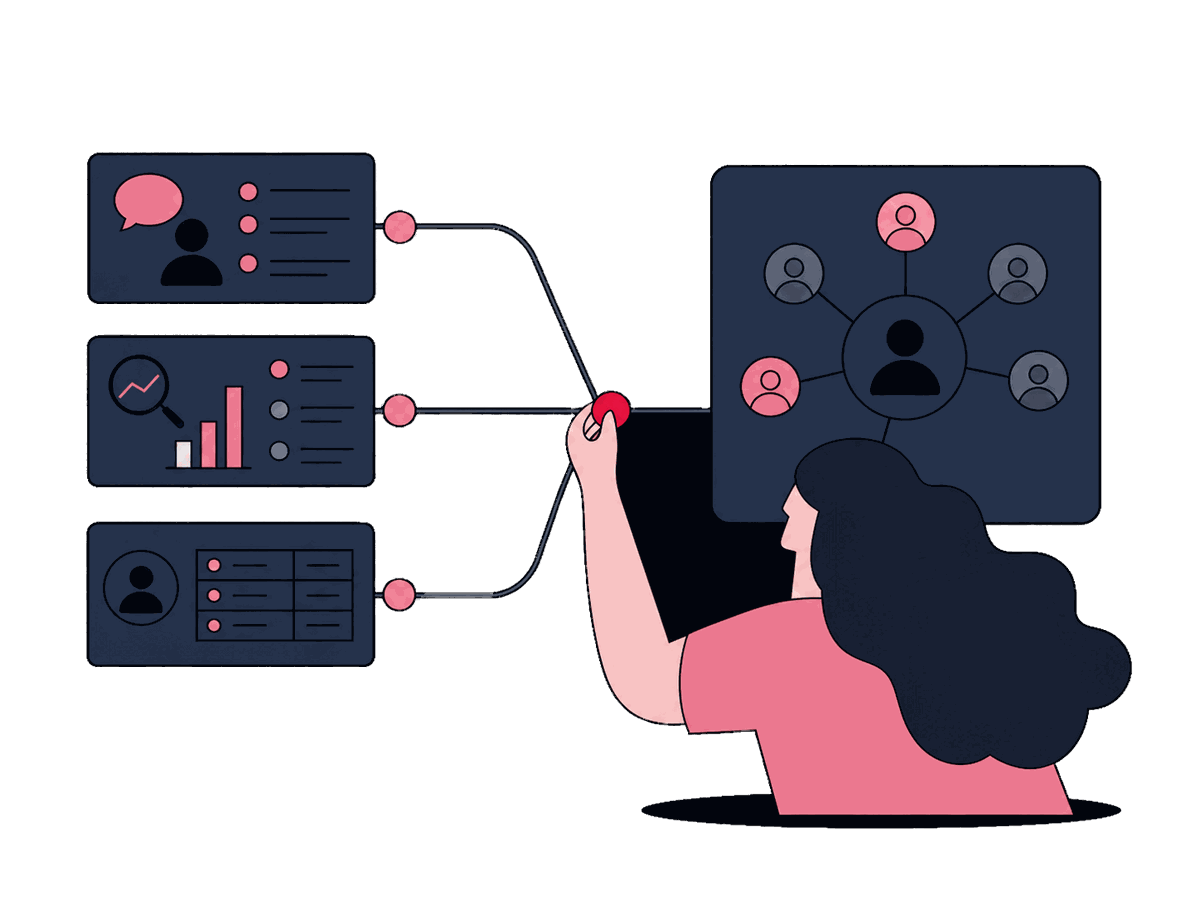
Once the retained pages are clear, Audience & Demand Research identifies who those pages need to serve.


Complementary
Competitor Content Analysis
Run Competitor Content Analysis alongside the audit to compare retained pages with competitor coverage.
Start the work
Need a clear decision for every page on your site?


Before we start