









Digital PR & Earned Media
Linkable Asset Campaigns
Create a tool, dataset, or resource that gives publishers a genuine reason to cite it.
Earning links starts with creating something worth citing. We develop a useful tool, calculator, dataset, or resource, then run the campaign that puts it in front of relevant publishers. You walk away with a working asset, a documented methodology, outreach to a qualified list, and a named owner responsible for keeping it current.
Some of the 500+ brands we've worked with
See all references














































How we run it
How we build something worth citing
For an asset to earn citations on its merits, it must be useful and defensible, so the most important checks happen before launch.
Find the real gap
We review the tools, datasets, and resources already available to determine whether the proposed gap is real. Design starts only after a specialist has confirmed the gap is real. Plenty of things look missing until you know the field well.
A confirmed gap with existing alternatives named and assessed.


Design the asset around genuine utility
Whether the asset is a calculator, interactive dataset, or reference guide, its design starts with how people would actually use it. A specialist approves what belongs in the final asset rather than treating a draft structure as the finished design.
An asset concept with its core utility defined.


Build and independently check it
After the asset is built, an independent reviewer tests whether it works and holds up under scrutiny. An independent reviewer tests the asset before launch, paying particular attention to anything that could mislead users.
A working asset checked by someone other than its builder.


Make it citable
We document the methodology, provide an embeddable version where useful, and make specific results easy to reference. A specialist reviews the documented methodology for gaps a skeptical publisher would poke at.
A citation-ready asset with methodology documented.


Launch and pitch it
We identify publishers with a clear reason to reference the asset and pitch the specific gap it fills. A specialist qualifies the outreach list by real relevance. Covering the general topic is too loose a filter.
A qualified outreach campaign based on the asset's practical value.

Keep it current
We define refresh triggers such as new data, a broken calculation, or a changed rule, because outdated tools stop earning citations. A named owner monitors each maintenance trigger and makes sure the asset is updated when needed.
A maintenance schedule and a first refresh trigger.
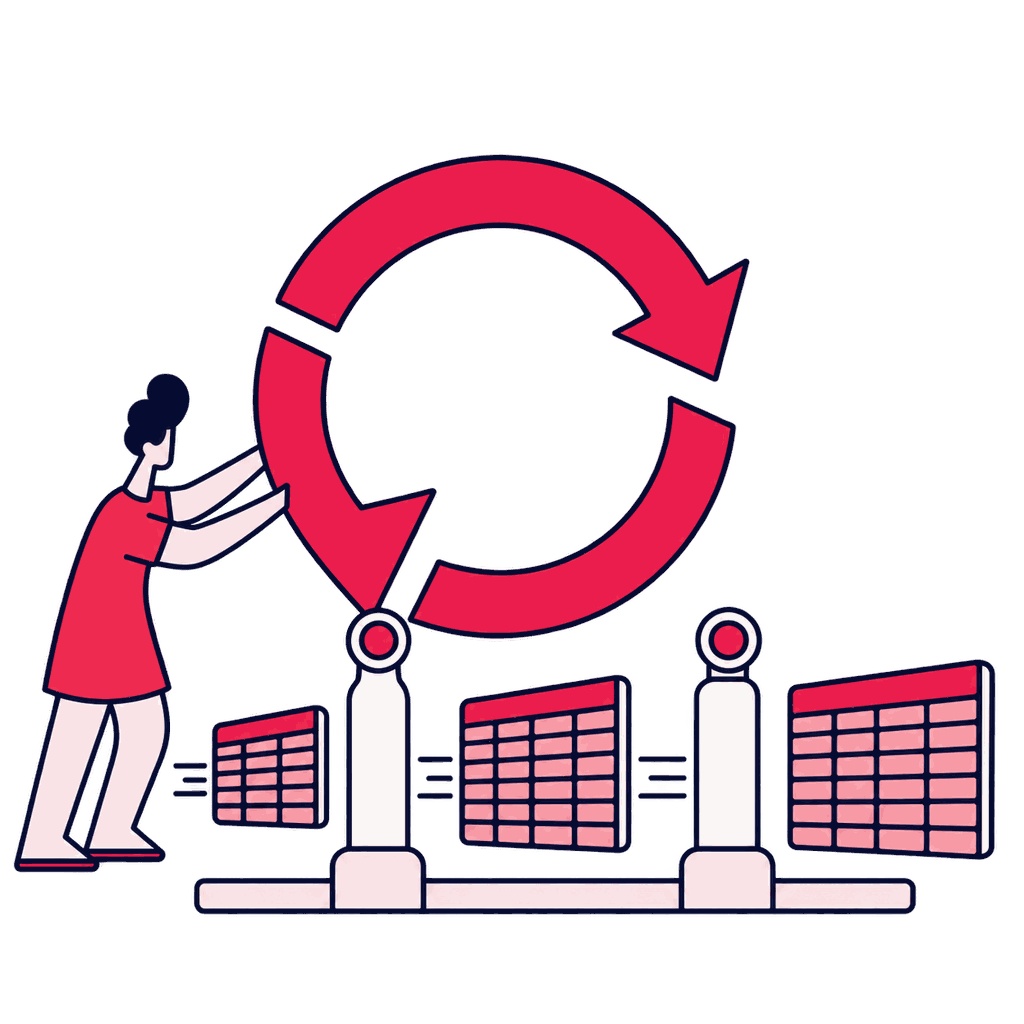
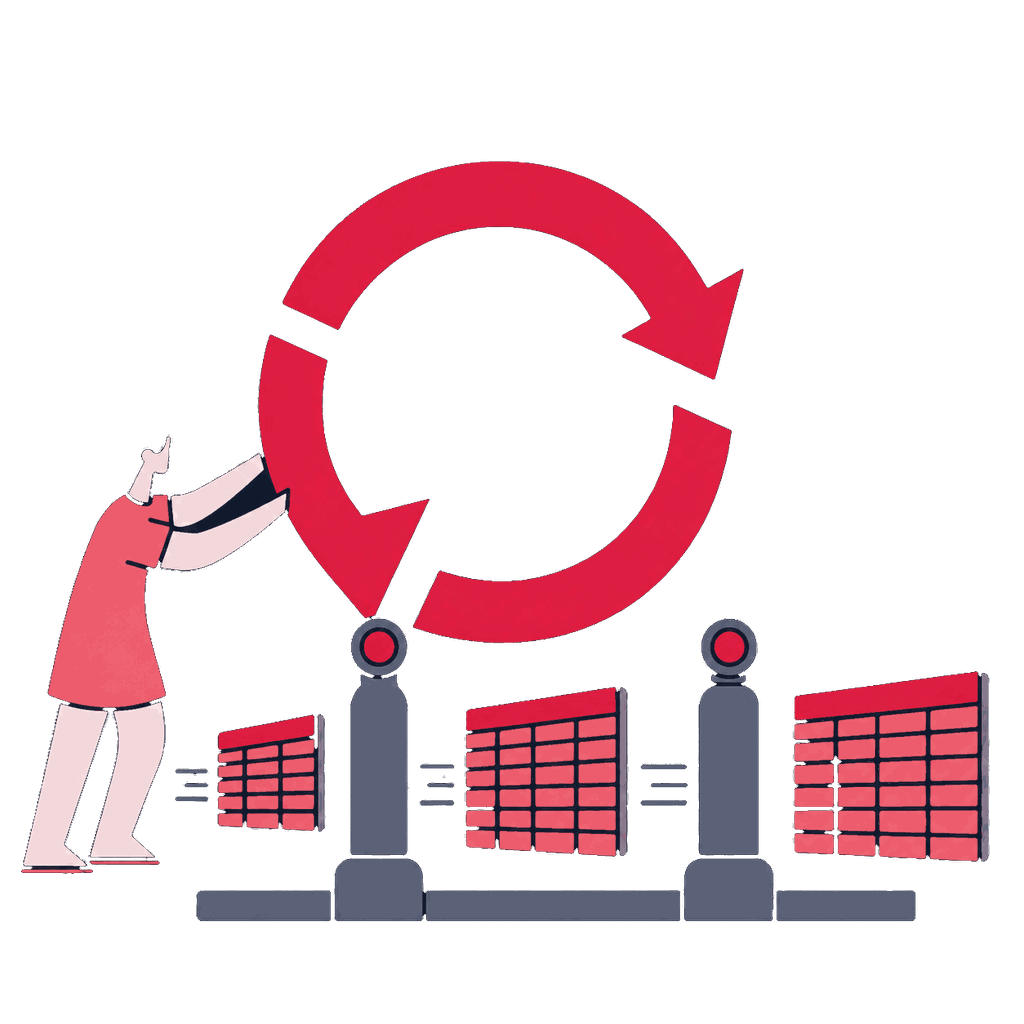
An independent specialist tries to break it first
A calculator can look convincing while one ordinary input quietly produces the wrong result. We use agents to survey existing resources, sketch structures for a calculator or dataset, and prepare early explanatory copy. Then a specialist who did not build it tests the utility and the risky edge cases. The asset does not ship if that review finds it misleading or likely to damage the client's credibility.
What you get
The asset and its maintenance plan
You receive the asset and the supporting campaign materials, including a maintenance plan to keep it useful after launch.
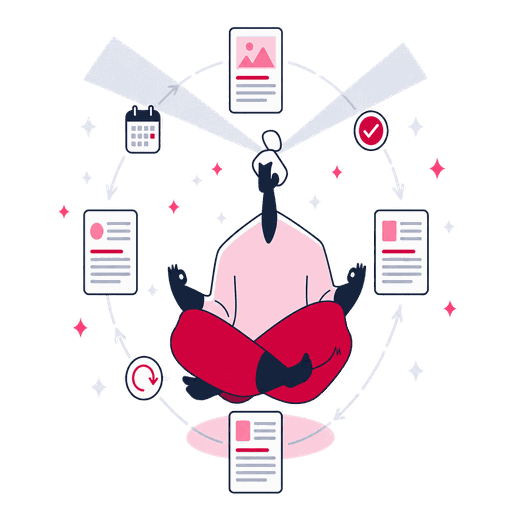

The linkable asset
The tool, dataset, or resource itself, built around a genuine, checked gap.
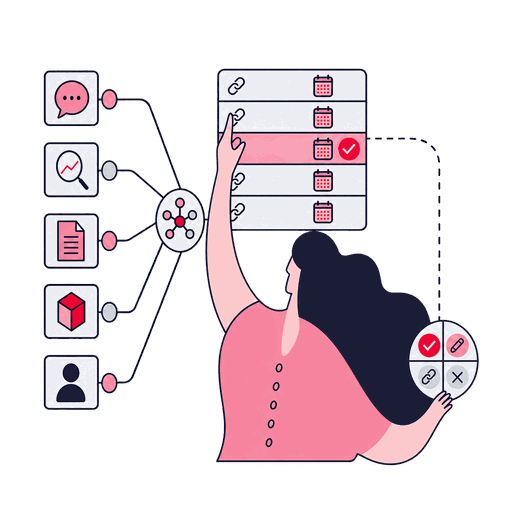
Methodology and evidence dossier
How it works or how the data was gathered, documented well enough to survive a skeptical look.
Qualified outreach list
A list of publishers with a genuine reason to cite the asset, ready for the outreach campaign.


Maintenance plan
A record of what needs updating, when to review it, and who is responsible after launch.
We call it done when: the asset works, its methodology is documented, it has been pitched to a qualified list, and a named owner is responsible for keeping it current.
Who it fits
Use this when you have nothing useful to cite yet
This method creates the asset itself. If you already have something citable and only need outreach, Digital PR Link Earning is the better fit.
A good fit when
- Links are the goal, but no tool, dataset, or resource yet gives a publisher a genuine reason to cite your work.
- Public information leaves a checked gap, but no free calculator, clean dataset, or clear explainer currently helps people use that missing material.
- The proposed resource depends on data, calculations, or rules that will change, so its first maintenance trigger needs to be part of the campaign.
- The idea's value can be tested by someone who did not build it, because the campaign needs utility that survives scrutiny before anyone pitches it.


Better handled as other work when
- A citable asset already exists and the remaining job is publisher outreach, so Digital PR Link Earning should handle the campaign instead.
- The proposed resource is a product page under a thin wrapper, so publishers have no independent utility to cite once the offer is removed.
- After the first campaign ends, nobody owns updates, so the dataset, calculation, or source ages while the asset still appears current to publishers.
- The headline depends on manipulating a calculator's inputs, so an independent check would expose a flattering statistic the method cannot defend.
People who write and ship this content
Some of these consultants write the pages themselves. Others plan distribution or check how a piece performs once it's live, so the team below covers more than one stage of the work.

Hande Parmaksız
SEO Manager

Ezgi Gülsen Yaylı
SEO Manager

Sinem Bakır Yavaş
Senior SEO Executive

Sena Önder
Senior SEO Executive

Gülşah Şahin Özkan
Senior SEO Analyst

Deniz İmre Temiztürk
Content Specialist

Didem Himmetli
Marketing Executive

Ali Özgün Öz
SEO Executive

Ruhan Tiryaki
Senior SEO Analyst

Yağmur Bayram
Sr. SEO Analyst

Bensu Tınastepe
Senior SEO Analyst

Emir Kağan Kahveci
SEO Analyst

Burak Pehlivan
Co-founder & CEO
Tools we use
Tools behind this work
 Ahrefs
shows which existing assets in the space already earn links, and where the gap is
 Flourish
builds the interactive tool itself, the thing publishers actually cite
 Schema App
marks up the asset's data so search engines and AI systems can read it directly
 Respona
runs the launch pitch as one workflow: prospecting through acquisition
Where this leads next
Methods connected to Linkable Asset Campaigns
Upstream
Press Release Writing & Distribution
If the asset warrants a formal announcement, prepare it before wider outreach begins.


Downstream
Content Audits
Once the asset is live, check whether it competes with or cannibalizes existing site content.
Complementary
Audience & Demand Research
Use this first to confirm that people are actually searching for a solution to the identified gap.
Start the work
Need something genuinely worth citing?


Before we start