









Content Strategy & Research
Competitor Content Analysis
See what competitors have already published and where the market still lacks a stronger, more credible answer.
The analysis stays with observable evidence: published pages, visible claims, and the formats competitors use. Private strategy remains outside the comparison. Competitor Content Analysis turns public evidence into a map of where your content can offer a more useful or credible answer. You walk away with a map of what competitors have actually published, a ranked set of gap hypotheses, and a brief a writer can act on without guessing.


Some of the 500+ brands we've worked with
See all references















































How we run it
How we compare the field
Every step is grounded in published pages. We do not turn observable content into unsupported claims about private strategy.
Define the comparison
We agree on the competitors, topics, and pages that belong in scope so the analysis stays focused. Content, SEO, and product marketing approve the competitor set before research begins to prevent the scope from expanding.
A defined competitor set and a clear comparison scope.


Collect the public evidence
We record URLs, formats, visible claims and their sources, freshness, and search-result presence. The collected material goes to a strategist, who selects the findings relevant to the comparison.
A dated set of public competitor pages that separates what is visible from anything that cannot be known.


Compare the claims side by side
We compare what each competitor claims, what evidence supports those claims, and how the information is presented. Brand preference does not enter the assessment. A strategist evaluates the published claims and formats without making the analysis a matter of brand preference.
A side-by-side view of topic coverage, claims, evidence, and format patterns.


Turn weak coverage into testable hypotheses
Thin coverage, unsupported claims, and weak treatment become hypotheses to test rather than conclusions presented as fact. The strategist reopens the relevant pages and decides whether the proposed gap is strong enough to enter the analysis.
A focused list of content-gap hypotheses ranked by confidence.


Turn the findings into a usable brief
We translate the comparison into clear direction for writers and editors, including where to add depth and what to avoid repeating. The brief reaches a writer only after an editor has verified that it gives enough direction.
A differentiated content brief ready for writing or editorial planning.


Collecting pages is easy. Calling a gap real is not.
A large competitor set creates a lot of repetitive collection work. Agents help capture URLs, search results, and page details in a consistent form. The analysis begins when a Zeo strategist opens those pages, tests each proposed gap, and separates an interesting exception from a pattern worth acting on. We stay with what is publicly visible. The final comparison does not assign motives to a competitor or promote a small sample into proof of a trend.
What you get
What the comparison leaves you with
Every finding links back to a public page your team can review.
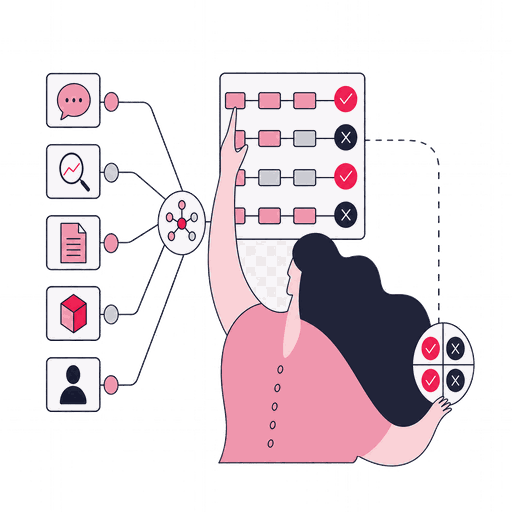
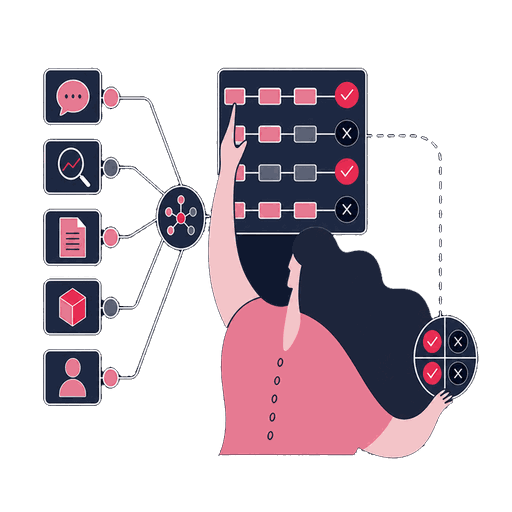
Competitor content map
A view of every page in scope, including its claims, format, and search performance, linked to the source URL.
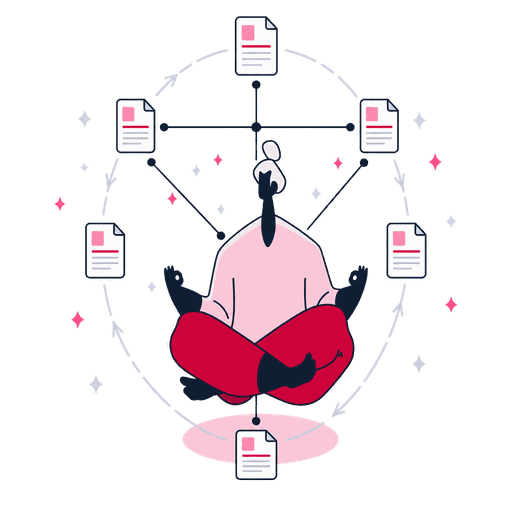

Ranked gap hypotheses
Specific areas where coverage is thin or unsupported, ranked by confidence and clearly presented as hypotheses.
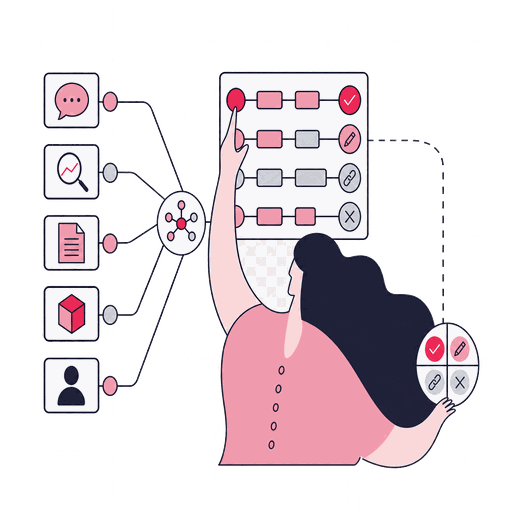

Differentiated content brief
Practical direction for creating a piece that addresses the gap rather than repeating existing coverage.
We call it done when: every competitor claim traces to a public page, each gap is labeled as a hypothesis, and the brief gives a writer clear next steps.
Who it fits
Useful competitor analysis starts with a real comparison question
This method stays with public evidence and makes no claims about a competitor's internal roadmap.
A good fit when
- Competitor pages cover the topic, but your content still needs an angle that adds useful evidence without copying what is already there.
- Competitors appear visible for the topic, yet nobody has traced that position back to the public pages, dated captures, and published claims supporting it.
- Content, SEO, and product marketing are working from different gap lists, so writers have no shared reference for what to test.


Better handled as other work when
- You want conclusions about a competitor's private strategy or roadmap. We only assess published evidence.
- Someone expects the writer to reproduce a rival's structure or claims, but this analysis only supports an independent, differentiated answer.
- A ranking or revenue guarantee has to follow from closing one content gap, although the page only treats each gap as a hypothesis to test.
People who write and ship this content
Some of these consultants write the pages themselves. Others plan distribution or check how a piece performs once it's live, so the team below covers more than one stage of the work.

Metehan Urhan
New Business & Partnership Manager

Sinem Bakır Yavaş
Senior SEO Executive

Deniz İmre Temiztürk
Content Specialist

Hande Parmaksız
SEO Manager

Sena Önder
Senior SEO Executive

Bensu Tınastepe
Senior SEO Analyst

Gülşah Şahin Özkan
Senior SEO Analyst

Ali Özgün Öz
SEO Executive

Ruhan Tiryaki
Senior SEO Analyst

Yağmur Bayram
Sr. SEO Analyst

Emir Kağan Kahveci
SEO Analyst

Zafer Yıldız
Web Analytics Manager

Ataberk Yüzat
SEO Executive
Content we've produced on this topic
Tools we use
Tools behind this work
 Similarweb
estimated traffic and top pages for a competitor with no account access needed
 Ahrefs
the keyword gap: what every named competitor ranks for that we don't
 BuzzSumo
which of a competitor's articles actually earned shares and engagement
 Screaming Frog
pulls the specific claims and citations off every competitor page in one crawl
 Airtable
the gap-hypothesis table, each row traceable back to the evidence behind it
Where this leads next
Where competitor findings can lead next
Upstream
Audience & Demand Research
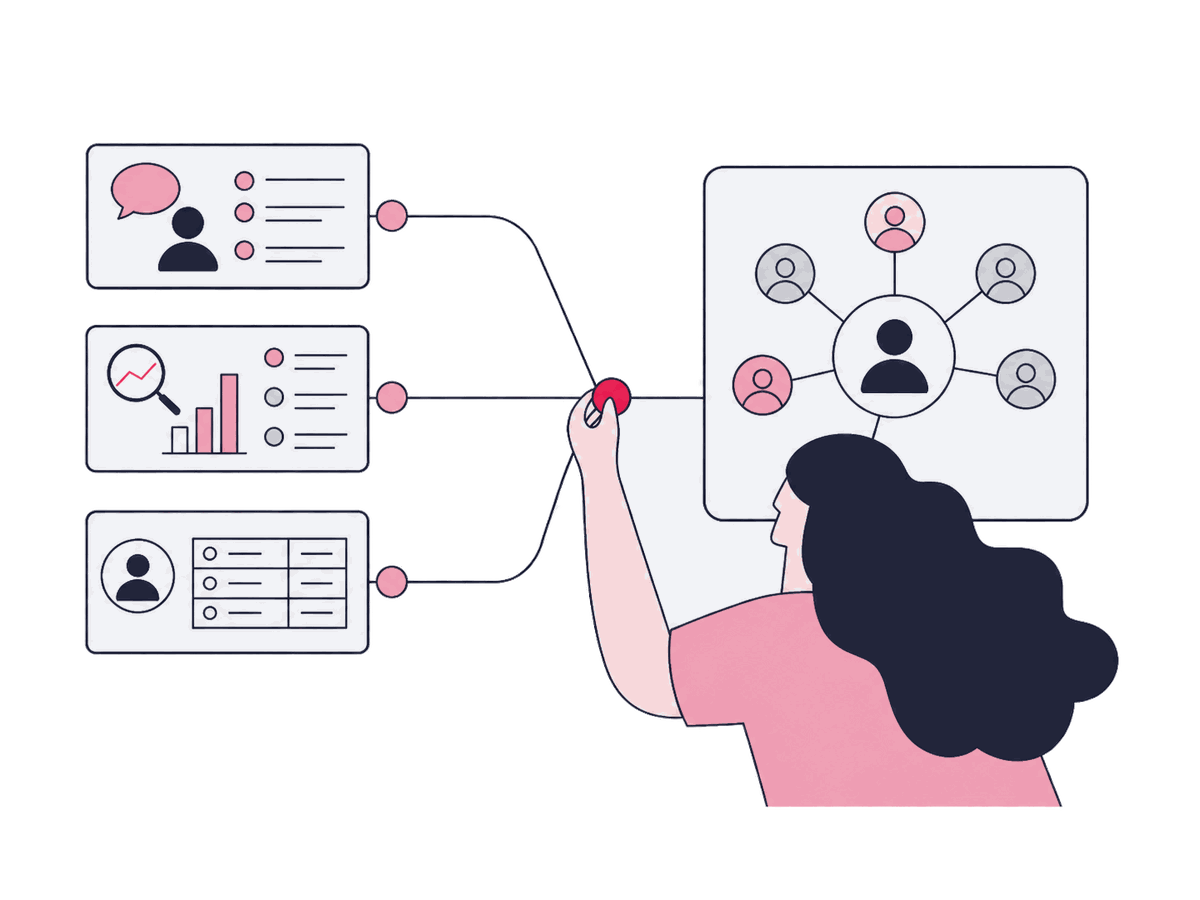
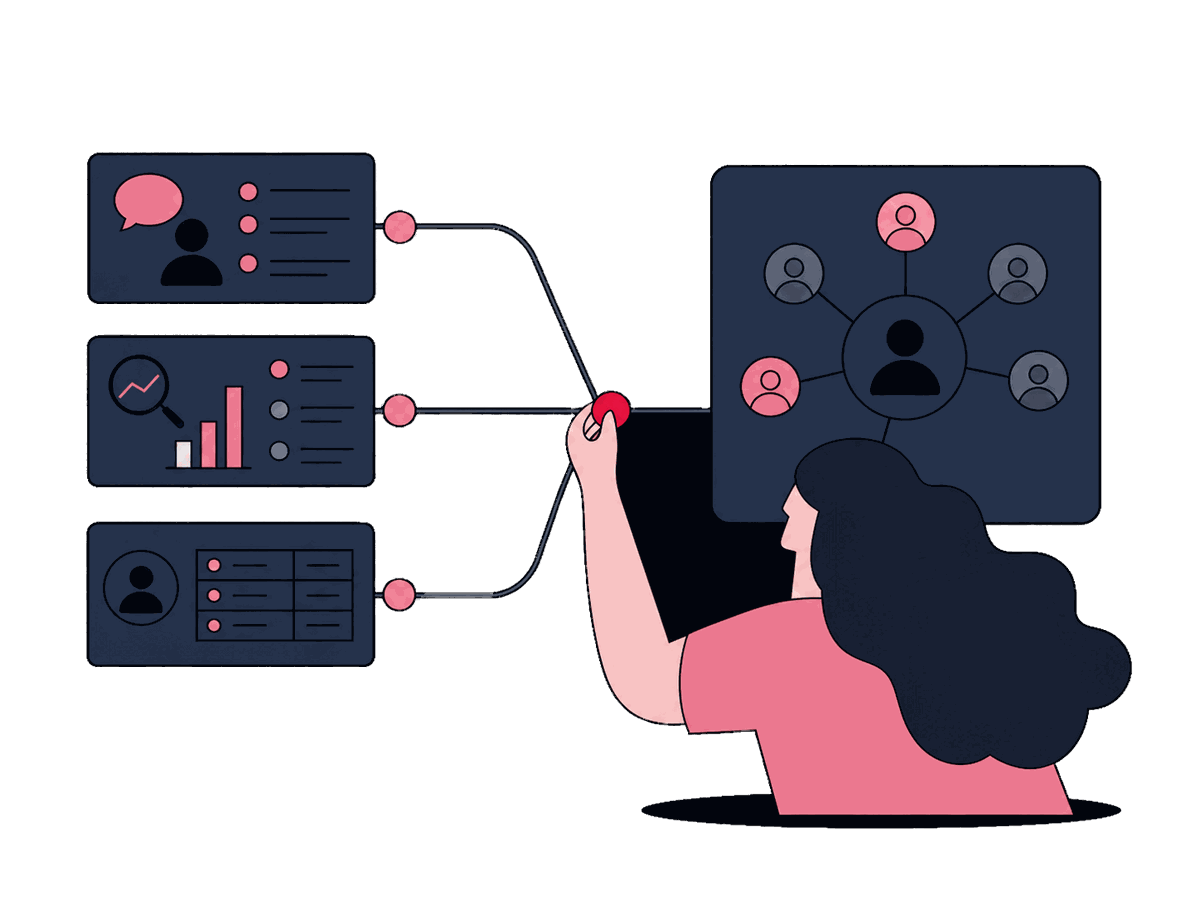
Start with your own audience so you can judge whether a competitor's angle would be relevant to them.

Downstream
Keyword & Topic Research
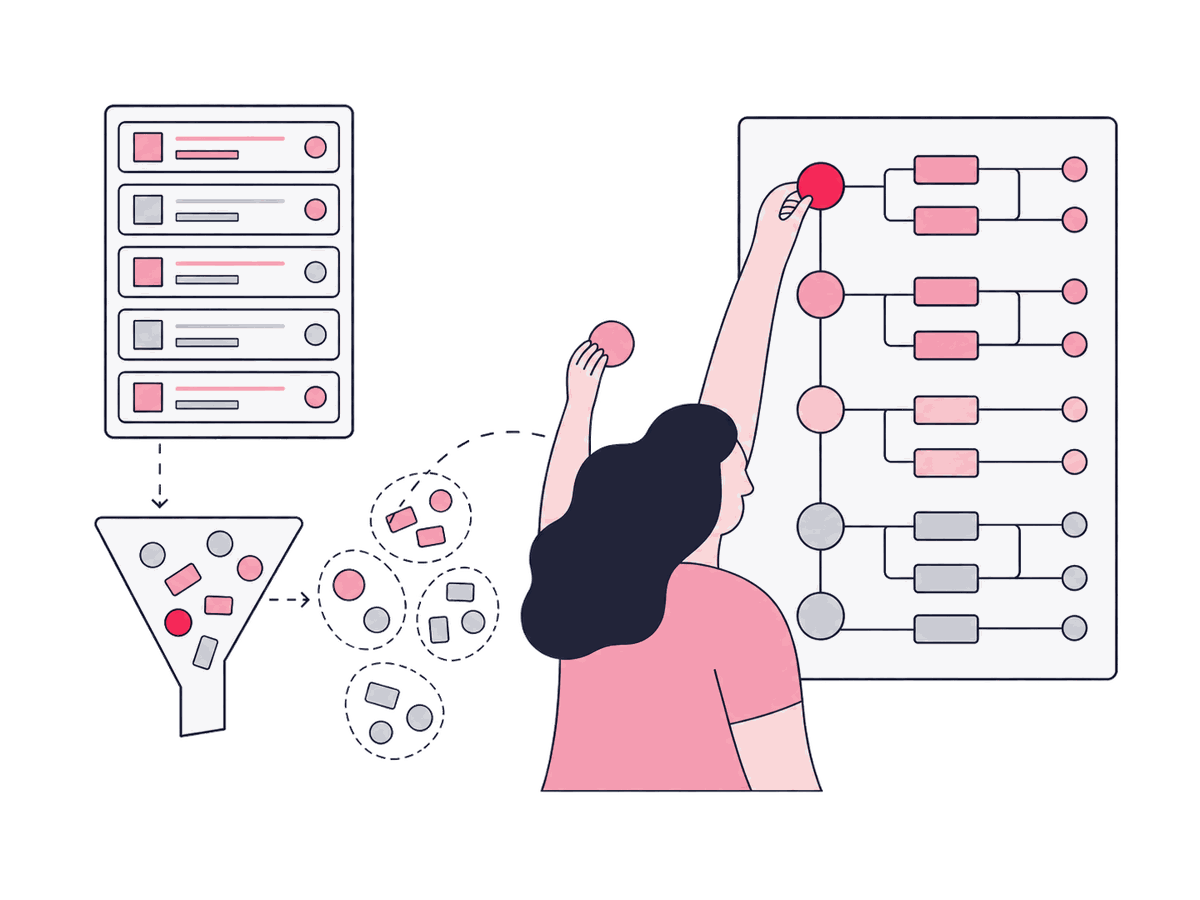
Use Keyword & Topic Research to turn promising gaps into a prioritized topic list.

Complementary
Editorial Calendar Planning
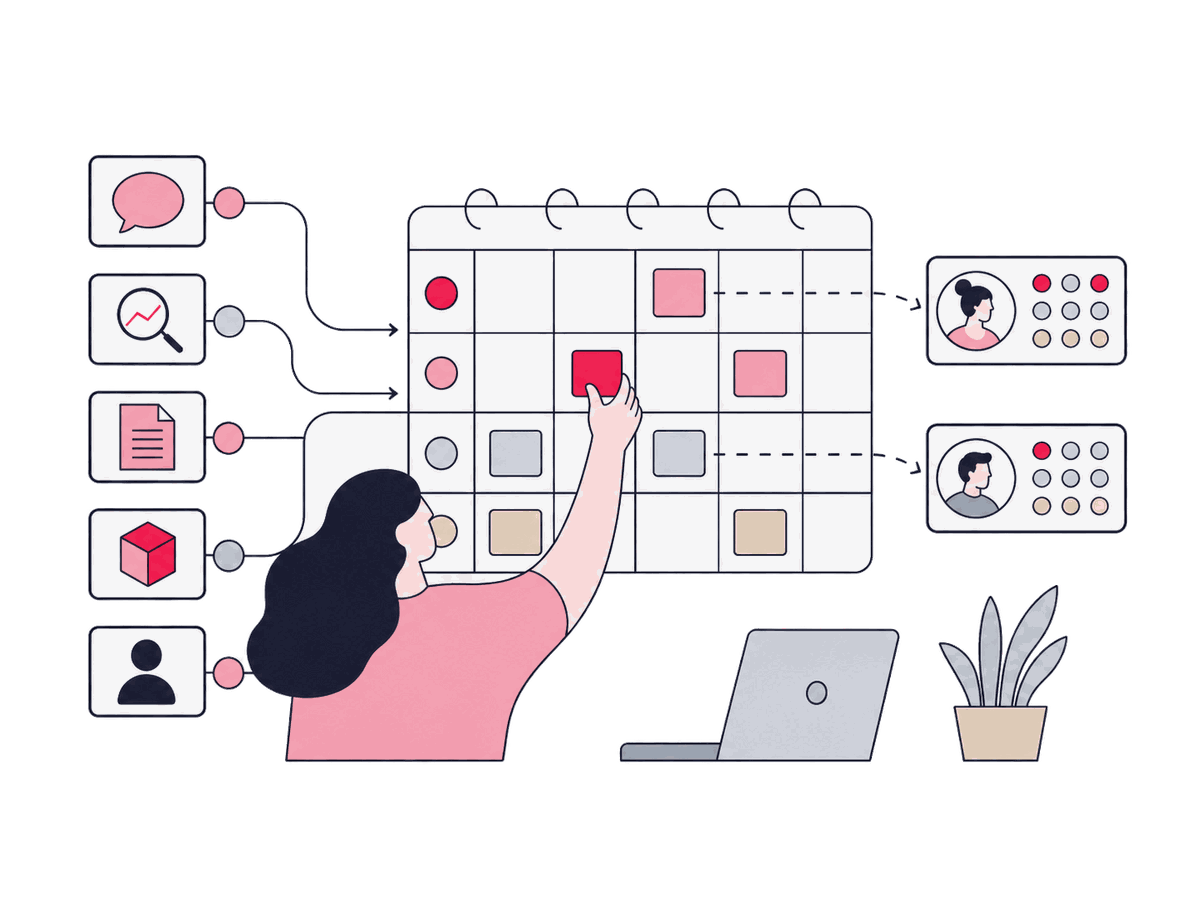
Editorial Calendar Planning assigns selected gaps to writers and publication dates.
Start the work
Want a clearer view of the competitive content field?


Before we start