









SEO Content Writing & Editorial Programs
eBook Writing
Give a substantial topic the chapter structure, pacing, and editorial care it needs to reward a longer read.
eBook Writing turns a topic that genuinely needs depth into a chaptered reading experience. We shape the argument, write and edit the manuscript, clear rights, and prepare the asset for web, download, and the journey that follows. You walk away with a chaptered manuscript that has passed accuracy and continuity checks, cleared rights on its visuals, and files that work on the devices your readers use.
Some of the 500+ brands we've worked with
See all references















































How we run it
How we build a coherent eBook
The work follows the reader's journey from outline to final package, with continuity, accuracy, and rights checked before handoff.
Define the reader's starting point and destination
We define what the reader is likely to know at the start, what the asset should help them understand by the end, and whether that distance justifies an eBook. Whether the knowledge gap warrants a whole eBook is the editor's call.
A reader arc that justifies the format.
Build the chapter sequence
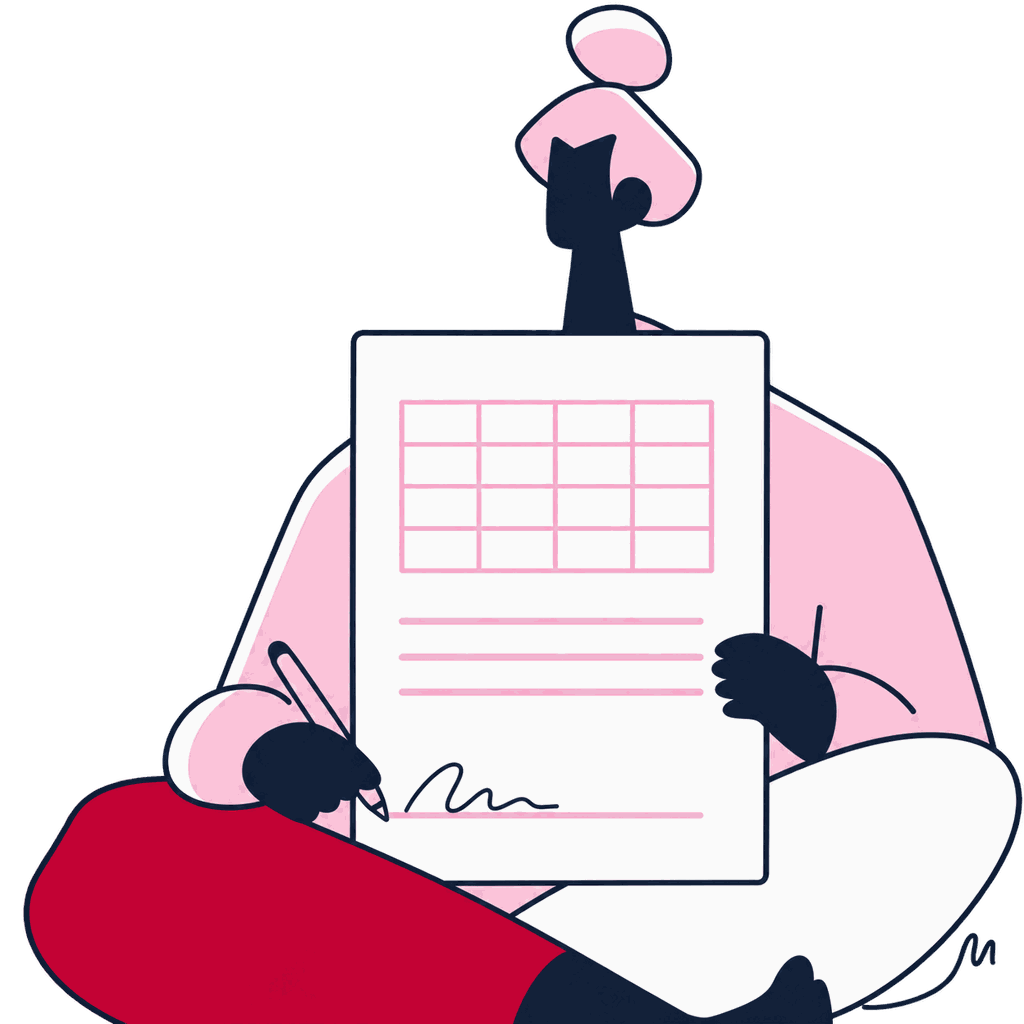
We arrange the chapters so the argument develops in order, identify where sources or expert interviews are required, and remove sections that do not move the reader forward. The lead writer decides which chapters need an expert interview and what lands on the cut list.
A chapter outline with sources, dependencies, and a cut list.

Draft, edit, and reconcile each chapter
Each chapter is drafted and edited for accuracy, pace, and consistency with the rest of the manuscript. Contradictions are resolved rather than carried into design. When a later chapter contradicts an earlier one, the editor decides which version is actually right.
An edited manuscript with continuity and source checks passed.


Plan the reading experience across formats
We specify the visuals and structure the web and download versions together so navigation, hierarchy, and layout support the reading experience. A designer signs off that the layout doesn't get in the way of reading before it goes to production.
A visual brief and a working web-and-download pair.


Clear rights and prepare the handoff
We complete the accessibility review, confirm usage rights for every image and quotation, and prepare approved derivatives such as an excerpt, summary, or slide deck. Someone personally confirms every image and quote has cleared usage rights before the file ships.
A packaged eBook plus a short list of ready-to-use derivatives.


A full-manuscript check catches quiet drift
A figure can change between chapter two and chapter nine, or a term can acquire a second meaning halfway through the book. AI helps by comparing the complete manuscript and surfacing those inconsistencies together. The editor then returns to the approved sources, resolves each conflict, and reads the full draft for pace and usefulness. That final judgment includes whether every chapter still deserves the reader's time.
What you get
What you receive at handoff
You receive the chaptered asset and the supporting pieces needed to publish, distribute, and reuse it responsibly.
Chapter outline
The complete chapter sequence, including source needs, dependencies, and the job each chapter must complete.


Continuity-checked manuscript
The edited manuscript with chapter-level accuracy, pacing, terminology, and continuity checks completed.
Approved derivative pack
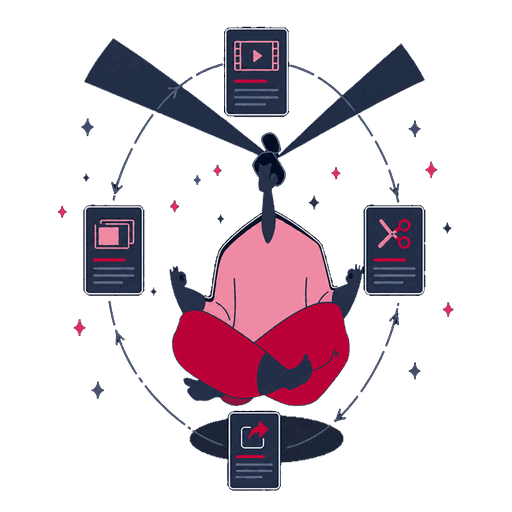
An excerpt, summary page, or slide deck drawn from the approved manuscript without adding new claims.
We call it done when: every chapter has passed an accuracy and continuity check, the visuals and rights are cleared, and the file is accessible on the devices your readers actually use.
Who it fits
The topic genuinely needs chapters
Some subjects need a sequence of chapters to make the argument useful. When the same idea fits comfortably on one page, an eBook only adds length.
A good fit when
- The subject has a clear progression, and each proposed chapter teaches something the reader needs before the next one can make sense.
- The intended readers need a structured explanation and have a reason to spend more than a few minutes with it.
- Approved sources, worked examples, or expert input can support several chapters, but the material has not yet been shaped into a coherent reader journey.


Better handled as other work when
- The whole idea can be answered clearly in one article, so adding chapters would lengthen the file without improving the reader's understanding.
- The project exists mainly to gate thin content for email collection, so the topic and reader value need separate work before an eBook is justified.
- No one will own the chapters most likely to age after launch, so a downloaded file could keep circulating after its facts have changed.
- Images, quotations, or datasets still lack confirmed usage rights, and the package is expected to ship before those permissions are cleared.
People who write and ship this content
Some of these consultants write the pages themselves. Others plan distribution or check how a piece performs once it's live, so the team below covers more than one stage of the work.

Deniz İmre Temiztürk
Content Specialist

Hande Parmaksız
SEO Manager

Metehan Urhan
New Business & Partnership Manager

Sinem Bakır Yavaş
Senior SEO Executive

Sena Önder
Senior SEO Executive

Bensu Tınastepe
Senior SEO Analyst

Gülşah Şahin Özkan
Senior SEO Analyst

Ali Özgün Öz
SEO Executive

Ruhan Tiryaki
Senior SEO Analyst

Yağmur Bayram
Sr. SEO Analyst

Emir Kağan Kahveci
SEO Analyst

Zafer Yıldız
Web Analytics Manager

Ataberk Yüzat
SEO Executive
Tools we use
Tools behind this work
 Designrr
turns the approved manuscript into the PDF, flipbook, and Kindle-ready files
 Grammarly
the consistency check across chapters drafted on different days
 Copyscape
the originality check before a gated asset goes out under the client's name
 Notion
the chapter outline and status board across weeks of drafting
 Canva
Canvathe cover, chapter dividers, and pull-quote graphics inside the manuscript
Where this leads next
Methods connected to eBook Writing


Upstream
White Paper & Research Report Writing
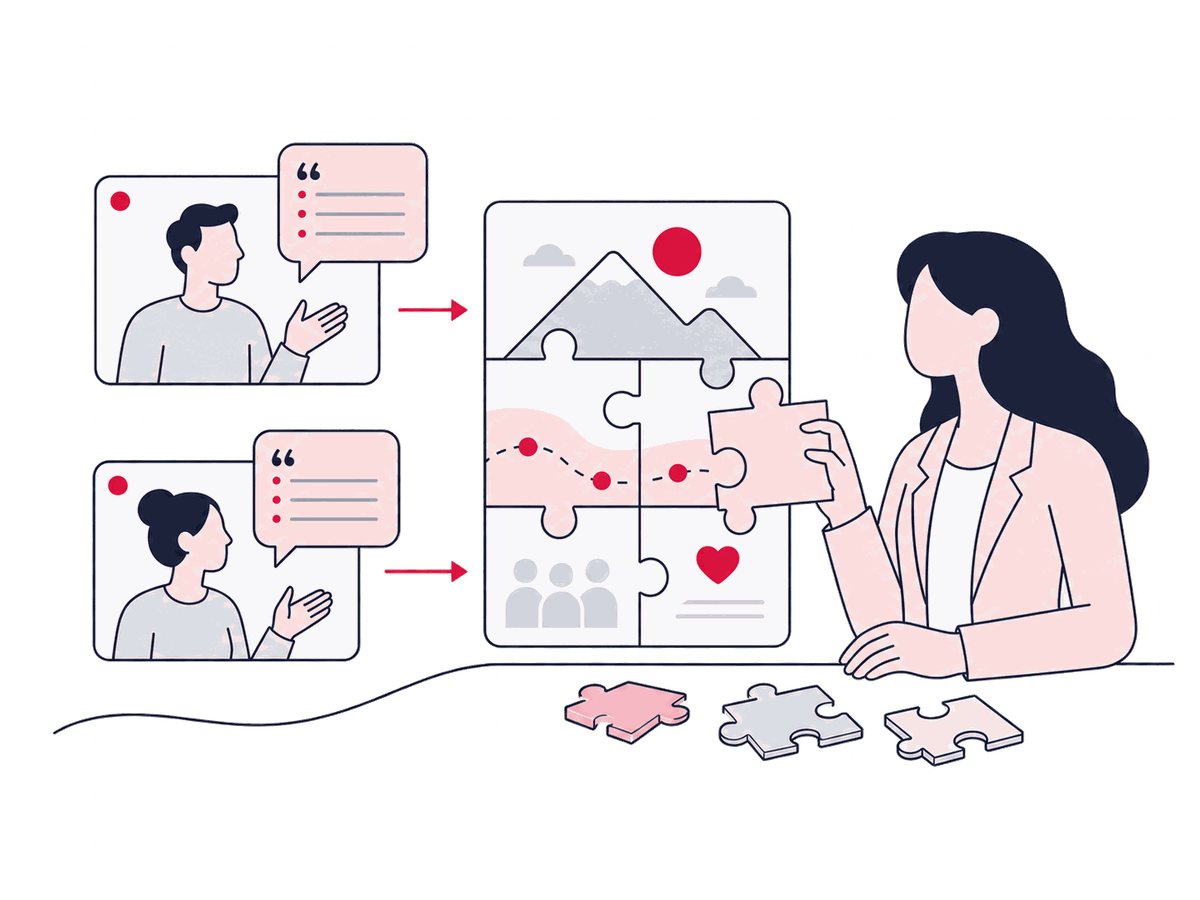
If the eBook needs original research behind it, that argument gets built first, then packaged into chapters.
Downstream
Brand Messaging & Storytelling
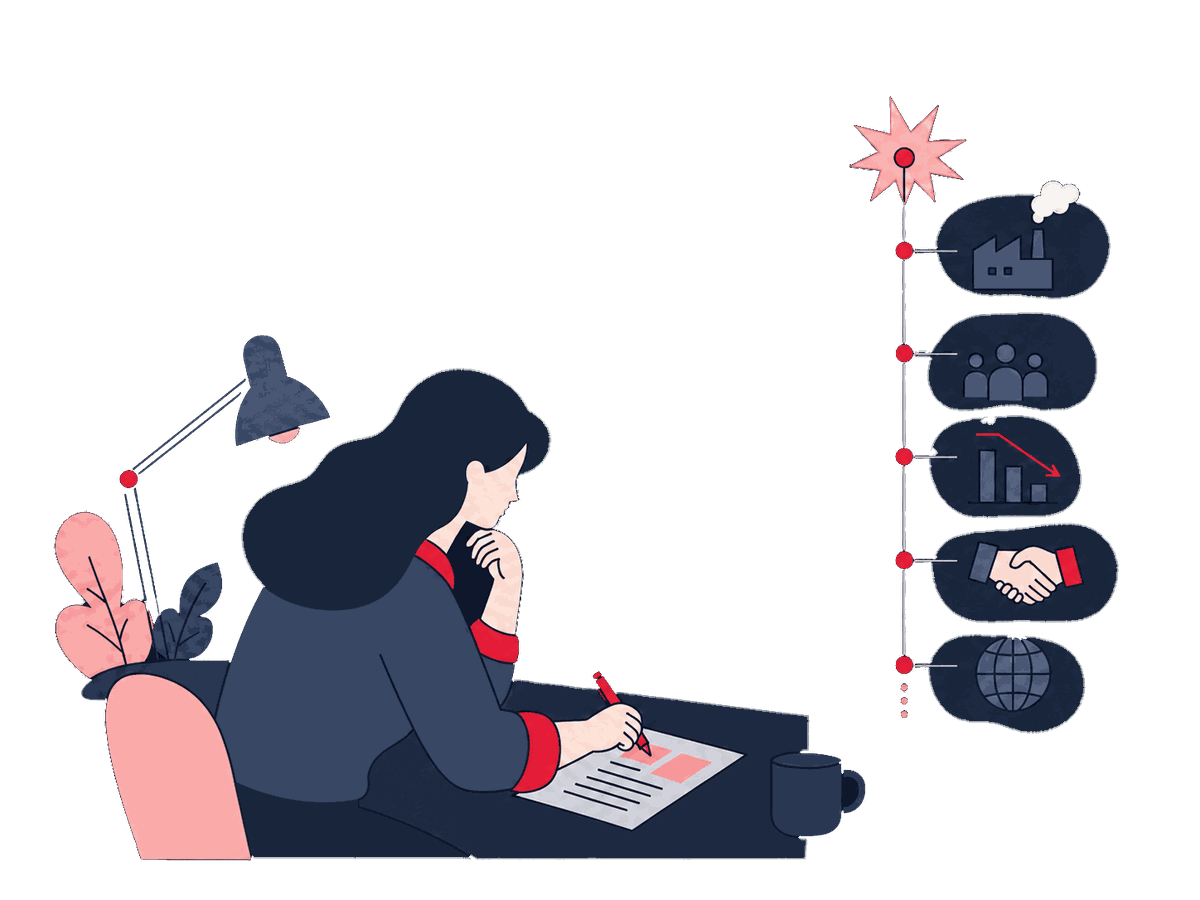
Once the eBook exists, this is where its voice and story get folded into the wider message.

Complementary
Industry Commentary & Newsjacking
Between eBook release cycles, industry commentary is what keeps a point of view visible on whatever's happening in the market right now.
Start the work
Have a topic that may deserve a chaptered asset?


Before we start