









Content Distribution & Promotion
Content Syndication
Reach a partner audience while protecting the original page in search.
Allowing a partner to republish your work can extend its reach, but poor canonical handling may put the original page at risk. Content Syndication vets the partner, sets clear terms, and verifies the live canonical or attribution setup. You walk away with a vetted partner, written terms, and a verified live canonical or attribution setup, plus a date to check that it still resolves correctly.
Some of the 500+ brands we've worked with
See all references











































How we run it
How we set up and verify a syndication agreement
We agree the rights, edits, attribution, and canonical handling before republication, then verify the setup on the live partner page.
Decide whether the partner is worth the risk
We look at the publication's audience, standards, and technical setup before agreeing to anything. A low-quality partner isn't worth the exposure risk. A strategist makes the go/no-go call on the partner before terms get discussed.
A go/no-go call on the partner, with reasoning.


Agree the terms in writing
Canonical tag, attribution, allowed edits, and how long the arrangement runs all get settled before republication. Negotiating any of it after a problem shows up is far harder. Both sides sign the written agreement before anything republishes.
A written syndication agreement covering rights and canonical handling.


Prepare the partner's version
We adapt formatting or length where the partner genuinely requires it, without changing the underlying claims. The content owner reviews any flagged changes before the partner version goes live.
A partner-ready version with any changes flagged for review.


Test the live canonical
Once the partner page is live, we check whether the canonical tag or attribution resolves as agreed. An SEO lead checks the live page by hand. The agreement's wording is never taken as proof.
A verified canonical or attribution check, with a screenshot or crawl record.
Set a review date
Syndication deals drift as partners redesign and links break, so we set a date to check the arrangement is still working as agreed. The content owner confirms the review date and what triggers an earlier check.
A review date and what to check on it.


Somebody has to open the partner's page and look
A model can shorten the first research pass by reviewing a prospective partner's archive and drafting possible terms. The agreement still isn't evidence that the live setup works. After publication, an SEO lead opens the partner page, checks where the canonical resolves, and compares the copy with the approved version. We repeat that check on the review date because redesigns, broken links, and quiet edits can change the arrangement later.
What you get
What the syndication package includes
The written agreement and live verification protect the original page as much as the partner-ready copy extends its reach.
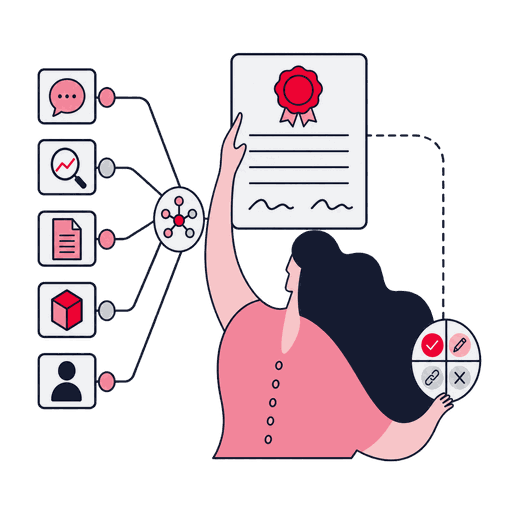
The written syndication agreement
Rights, canonical handling, attribution, and edit terms, agreed before anything republishes.
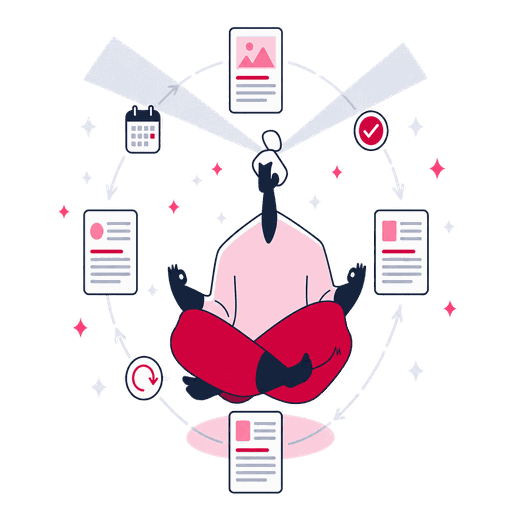
The partner-ready version
The version published on the partner's site, with any adaptations flagged.
A canonical verification record
Proof the canonical tag or attribution resolves correctly on the live page.
We call it done when: the partner is verified, the canonical or attribution resolves correctly on the live page, and there's a date set to check it again.
Who it fits
When partner republication is worth considering
This method supports a genuine partner relationship with agreed terms. It is not mass republication intended to inflate backlink counts.
A good fit when
- A specific publisher reaches a relevant audience you cannot reach directly, but the original page still needs protection from a competing copy.
- Rights, attribution, canonical handling, and allowed edits can be settled before republication, because fixing them after a problem leaves the original exposed.
- You have a verified asset worth republishing, while its source version stays fixed as the partner adapts the agreed format.


Better handled as other work when
- The goal is to place the content on any site that will take it, so publisher quality and the original page's search risk are being ignored.
- Nobody has checked where the partner's live canonical or attribution resolves, so the written agreement would be mistaken for technical proof.
- The partner may change the copy without your content owner reviewing it, so the approved source and the live version are free to drift.
- The actual goal is journalist coverage, paid placement, or owned-channel coordination, so another method needs to handle the work beyond partner republication.
People who write and ship this content
Some of these consultants write the pages themselves. Others plan distribution or check how a piece performs once it's live, so the team below covers more than one stage of the work.

Metehan Urhan
New Business & Partnership Manager

Hande Parmaksız
SEO Manager

Sena Önder
Senior SEO Executive

Sinem Bakır Yavaş
Senior SEO Executive

Elif Naz Akan Karakoç
Senior SEO Executive

Deniz İmre Temiztürk
Content Specialist

Gülşah Şahin Özkan
Senior SEO Analyst

Ali Özgün Öz
SEO Executive

Ruhan Tiryaki
Senior SEO Analyst

Yağmur Bayram
Sr. SEO Analyst

Bensu Tınastepe
Senior SEO Analyst

Emir Kağan Kahveci
SEO Analyst

Burak Pehlivan
Co-founder & CEO
Tools we use
Tools behind this work
 Similarweb
checks a prospective partner's real audience before we agree to anything
 Screaming Frog
confirms the live canonical tag actually points back to our original
 Google Search Console
shows which version Google actually chose as canonical, tag aside
Where this leads next
Methods connected to Content Syndication
Upstream
Content Promotion
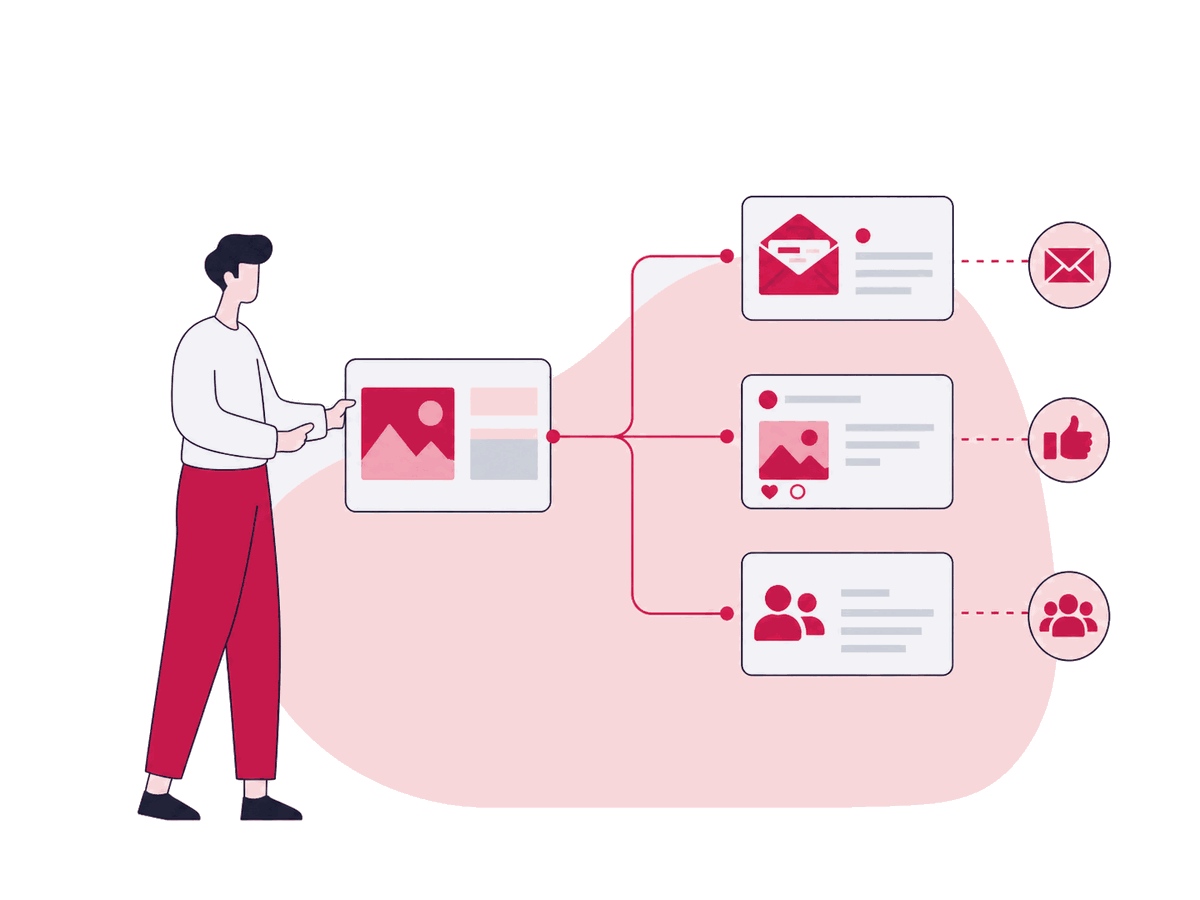
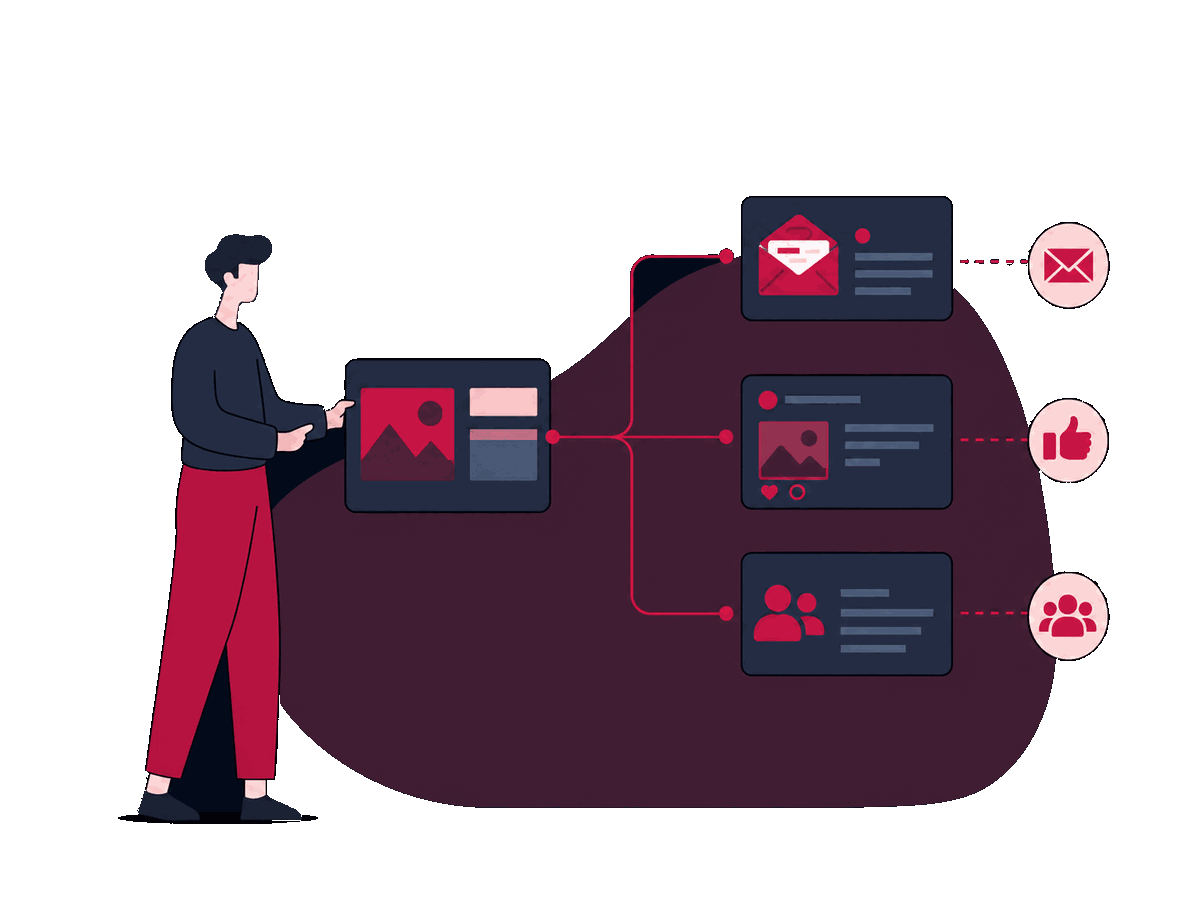
Often the piece worth syndicating is one that's already proven itself through a promotion push.
Downstream
Content Repurposing
If the partner needs a different format rather than the same piece republished, that's the repurposing job instead.
Complementary
Email Copywriting
A piece you've syndicated out can also anchor a nurture sequence, giving email copywriting a fresh proof point without duplicating the original text.
Start the work
Considering a syndication partnership?


Before we start