






Supply Path & Fee Transparency
Every extra hop between your budget and the impression takes a cut.
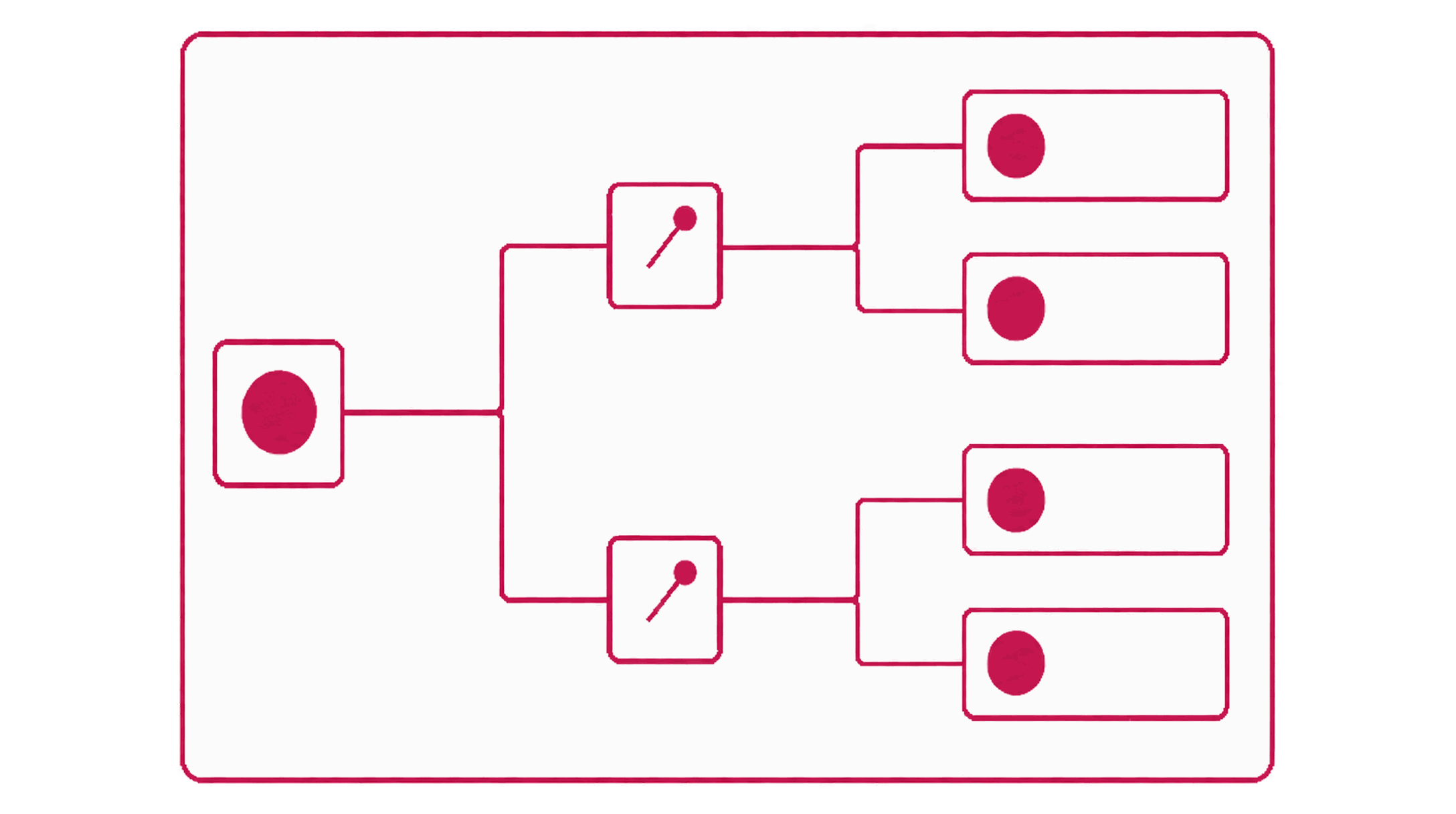
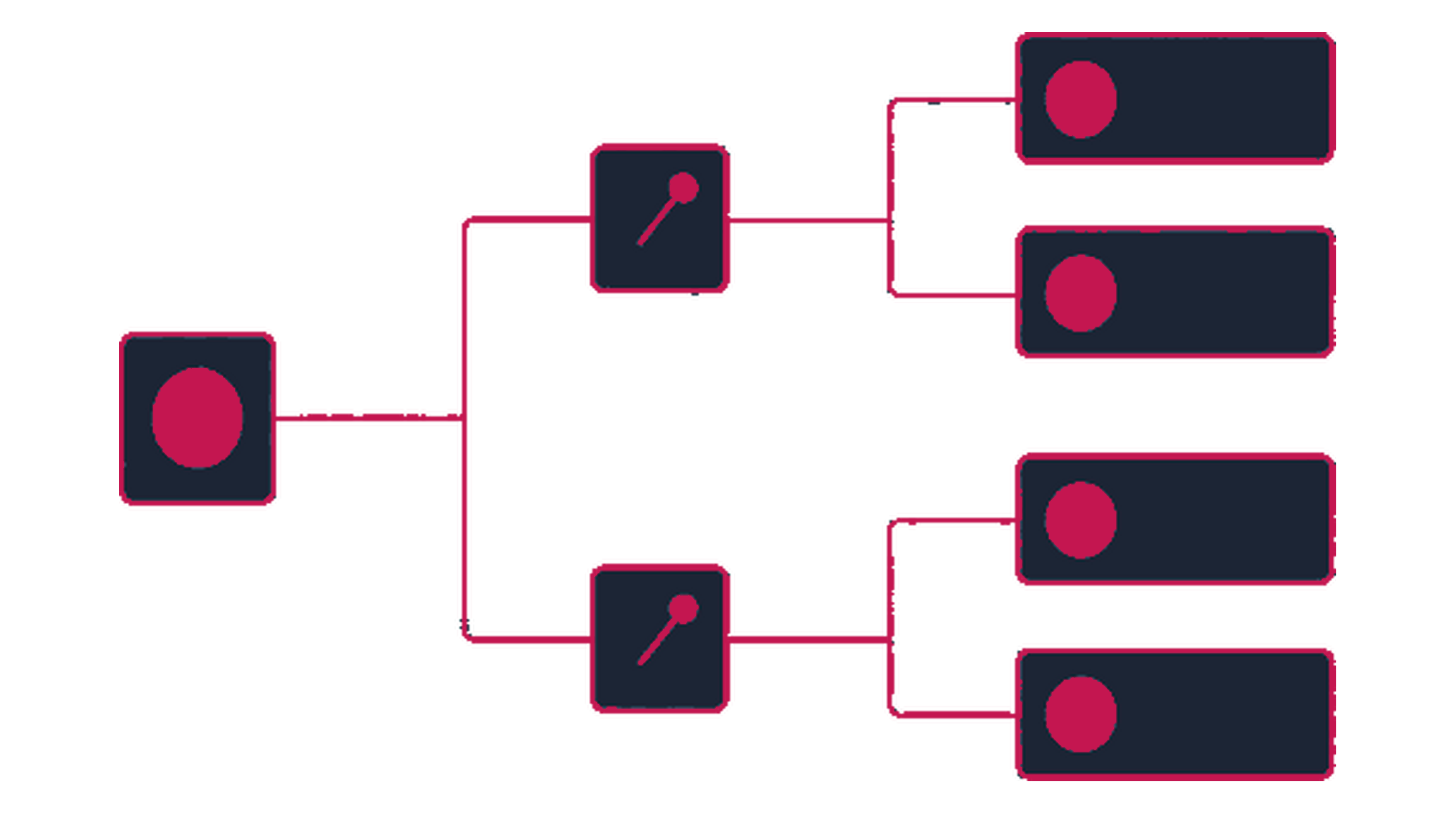
We trace each disclosed buy from the advertiser through the DSP, exchange, any reseller and finally the publisher. Then we check seller authorization against ads.txt and sellers.json. If a hop isn't disclosed, it stays marked as unknown. Unnecessary routes and unexplained fees go to the client owner before the next vendor decision. You end up with a supply map that finance and procurement teams can use without first translating programmatic terminology. For teams who've never actually seen a hop-by-hop breakdown of where their programmatic budget goes, and want one before the next renewal conversation.


Some of the 500+ brands we've worked with
See all references















































How the work runs
Keep the known fees and the gaps on the same map
We compare ads.txt, sellers.json, platform exports and sampled buys in one working file. AI cross-references the entries and drafts the exception list. It never approves a supply path, selects a vendor, approves a fee or moves budget.
How we hold ourselves to it
- Map the disclosed path, name the rest as unknown
- Check seller authorization against ads.txt and sellers.json
- Every disclosed fee and hop gets named
- Flag duplicate paths to the same inventory before they compete with each other
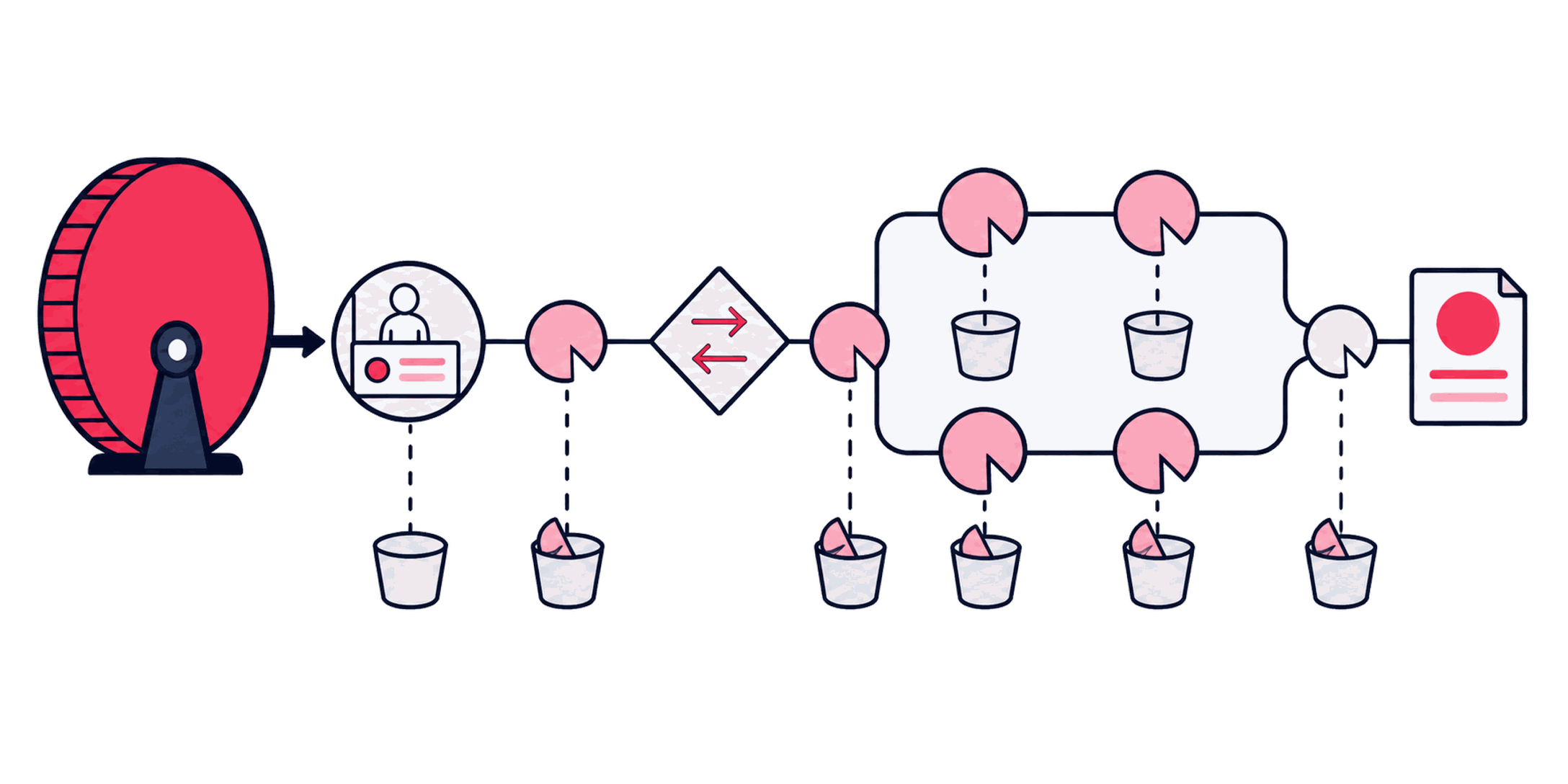
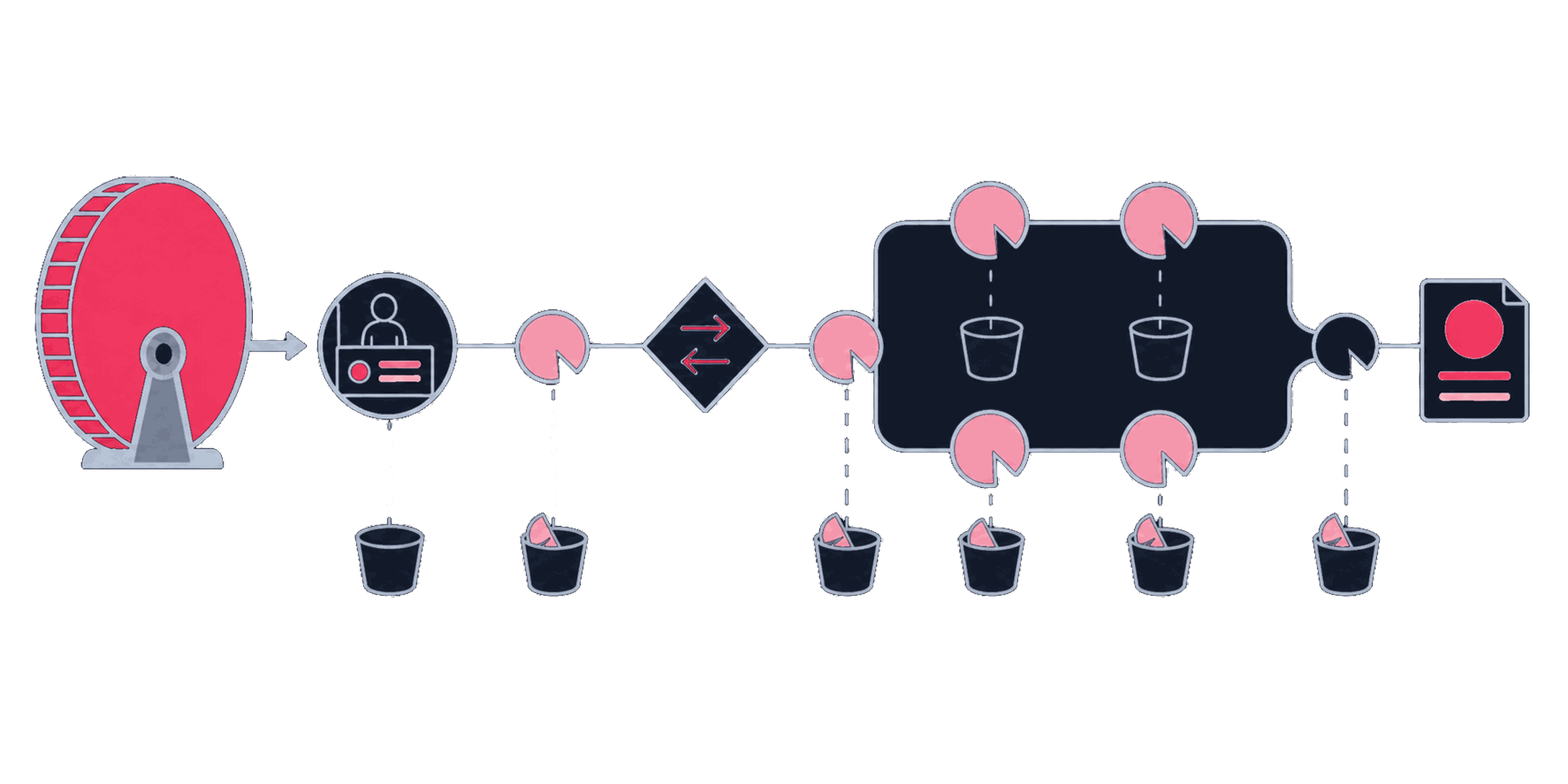
Pull every declared path
Gather every DSP, exchange, and reseller relationship currently in use, along with what each one discloses about its own role in the chain. The media lead confirms the list is complete before mapping starts.
Inventory of every DSP, exchange and reseller relationship with what each discloses about its role.

Cross-check ads.txt and sellers.json
Verify each disclosed seller against the publisher's own ads.txt file and the exchange's sellers.json listing, and flag anything that doesn't match or can't be found. A supply-chain reviewer confirms unmatched entries before they're treated as risk.
Verification status per seller against the publisher's ads.txt and the exchange's sellers.json.


Identify duplicate and unnecessary hops
Find inventory reachable through more than one path, and flag paths with resellers that add a hop without adding disclosed value. The media lead decides which path to consolidate toward.
Duplicate-path list naming inventory reachable by more than one route.


Reconcile declared fees against real buys
Compare what each vendor discloses about its take rate with what a sample of real buys actually shows, and flag any gap that can't be explained. Media lead and client owner review unexplained gaps together.
Fee reconciliation comparing declared take-rates with a sample of real buys.


Propose a consolidated path
Recommend which paths to keep, which to drop, and which vendor relationship to renegotiate, with the evidence behind each call. The client owner approves any change to an active vendor relationship.
Consolidation recommendation naming paths to keep, drop or renegotiate with the evidence behind each.


Record the map and set the next review
Write down the approved supply path, the fee reconciliation, the open questions, and when the map gets checked again. The media lead signs the record. The client approves the next review date.
Approved supply-path map with its open questions and the next review date.
What lands with your team
Give procurement a map it can question
The supply path is written in plain language and checked against more than the vendor's own account of its role.

Supply path map
Every disclosed hop from budget to impression, with each party's role and its ads.txt or sellers.json verification status, and every undisclosed hop marked as unknown.

Fee reconciliation ledger
Declared take-rates set against sampled real buys, with every unexplained gap listed by name.


Duplicate-path exception log
Inventory reachable through more than one route, and the recommendation for which path to consolidate toward.

Vendor decision record
Which paths were kept, dropped, or renegotiated, and the evidence behind each decision.
Before the work starts
When this work is the right next step
The invoice rarely shows the full chain. A media plan can show a neat line-item cost while hiding three or four hops between the budget and the final impression. Each intermediary may take a share before the publisher is paid. Those costs don't always appear separately on the invoice, so we examine the chain to see how they affect the buy's effective CPM.
A good fit when
- Programmatic runs through several buying paths, and nobody has seen a hop-by-hop view of where the budget goes.
- A new DSP, exchange, or reseller is under review, but no verified supply-path map shows what extra hop or disclosed fee that relationship would add.
- Finance or leadership is asking where programmatic fees go, and the honest answer right now is "we're not fully sure."
- Nobody on the team can name every party the budget passes through before it reaches a publisher.
- The same inventory shows up reachable through two or three different resellers, and nobody knows which one to actually buy through.
- A seller's ads.txt or sellers.json listing doesn't match what the reseller claims about their own authorization.
- "Take rate" gets discussed in general terms, but nobody has actually reconciled it against a real buy.
Better handled as other work when
- The buy follows one disclosed route and the vendor mix has stayed unchanged, so a hop-by-hop map would only confirm what the current chain already shows.
- You want a number that proves programmatic fees are lower than another channel's. This method maps the chain instead.
- The review expects one vendor to account for every fee, while the disclosed supply chain shows several parties sharing the path to the publisher.
People who own a single channel
Paid Search, Paid Social, CRO, and Programmatic each run under a named owner at Zeo. The consultants below are matched to the channel this page is about, so you can see who you'd actually work with.

Abdullah Tanıdır
Performance Marketing Team Lead

Sevda Yurtvermez
Performance Marketing Team Lead

Serap Yurtvermez
Performance Marketing Team Lead

İlker Emir
Senior Performance Marketing Executive

İpek Ezer
Performance Marketing Executive

Onur Durdağı
Performance Marketing Executive

Metehan Urhan
New Business & Partnership Manager
Tools we use
Tools behind this work
 The Trade Desk
the direct-connection route the consolidated path gets proposed against
 IAB Tech Lab ads.txt / sellers.json
the standard itself, not a vendor's read of it, that every declared path gets cross-checked against
Related work


Parent service
Programmatic, Display & Video Advertising
No DSP seat and no proprietary inventory are claimed there, which is precisely why every disclosed hop between budget and impression has to be traced and named here.


Sibling method
Programmatic Setup & Trafficking
Where the supply-path choices this method maps actually get built into a live campaign structure.


Sibling method
Brand Safety, Fraud & Verification Controls
The suitability and verification layer that often runs alongside supply-path decisions.
Follow the money to the impression
Trace the supply path before the next renewal