



Brand Safety, Fraud & Verification Controls
No control stack removes all risk. The priority is to detect and respond quickly.
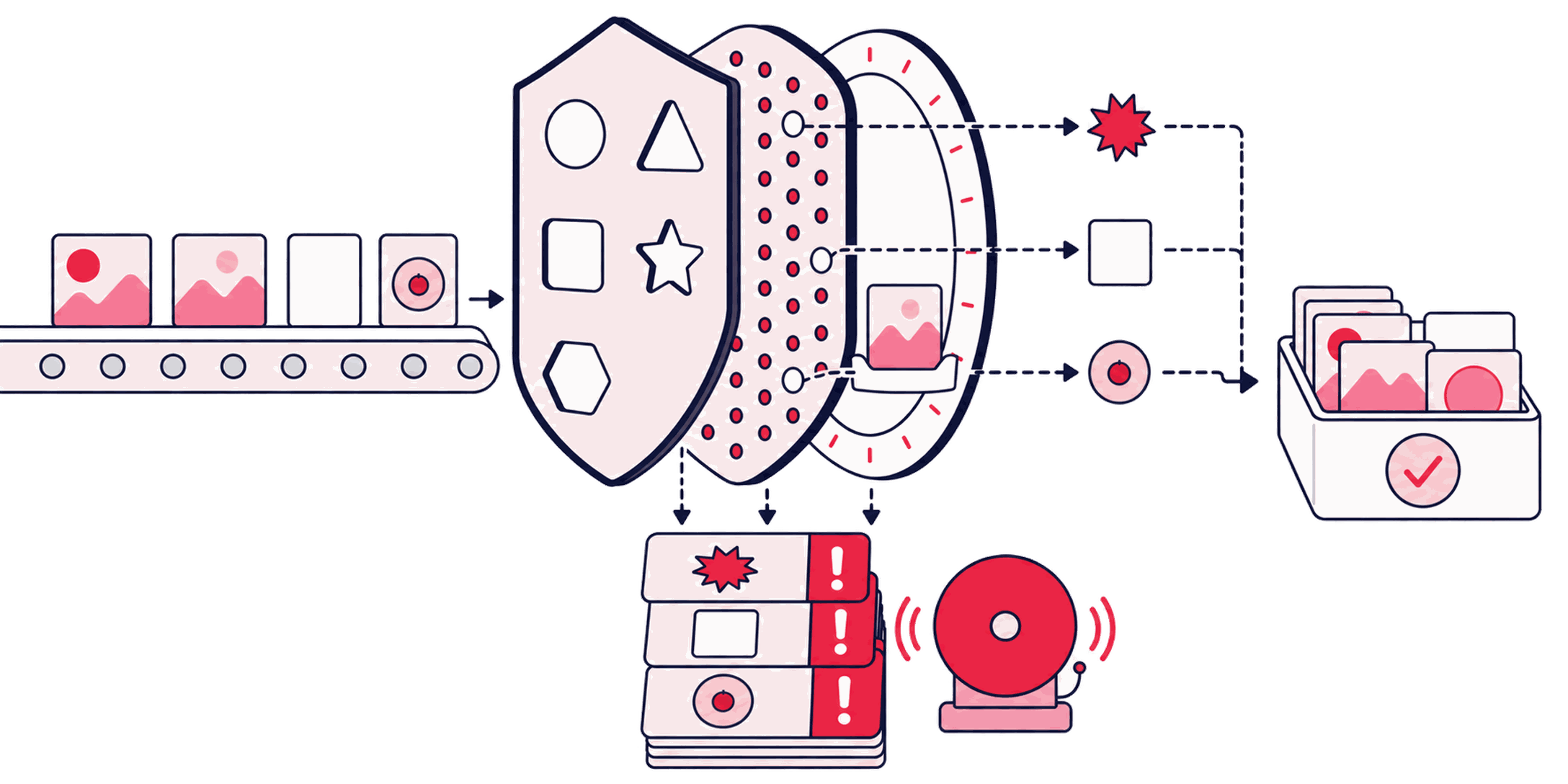
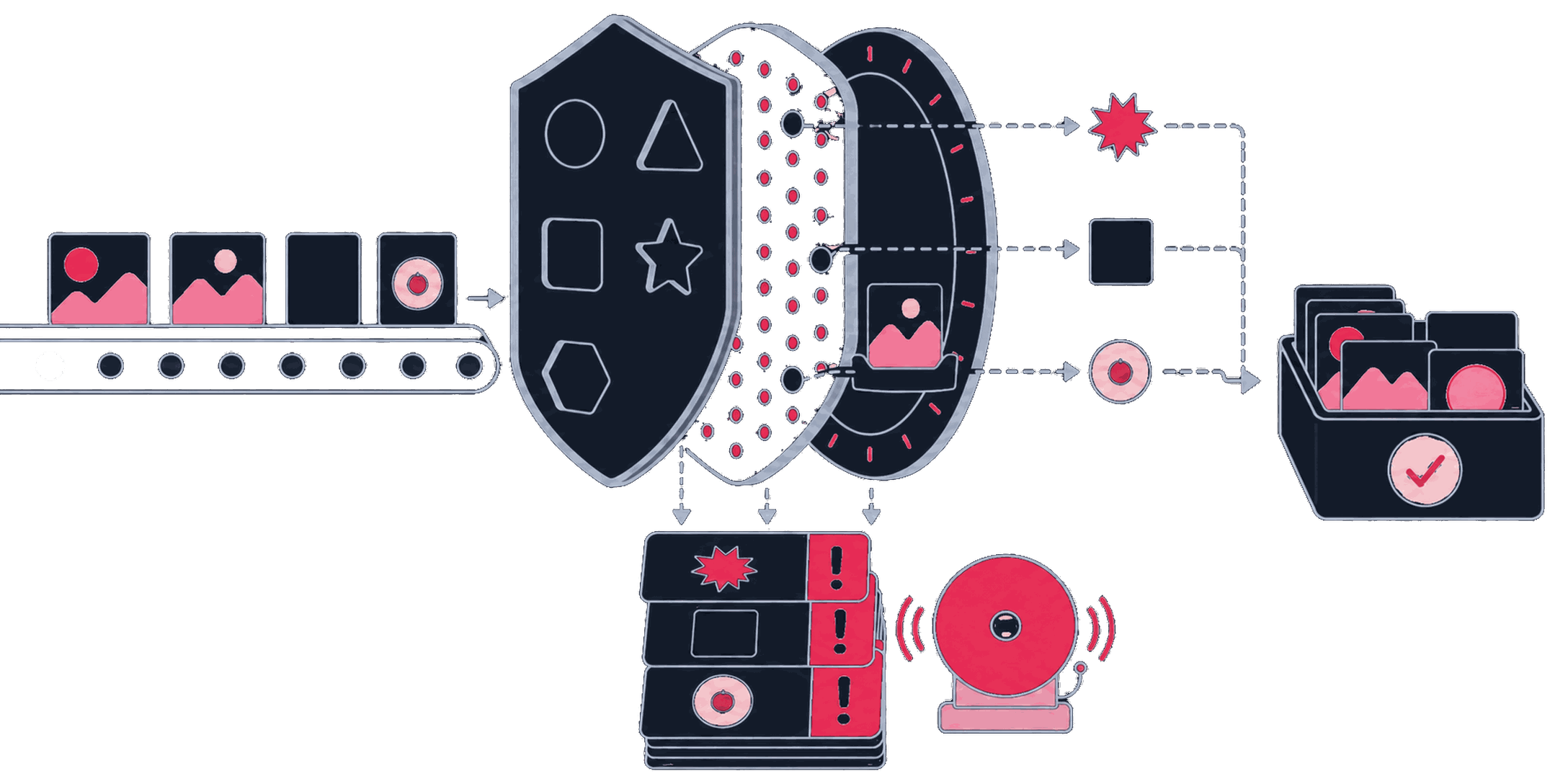
We set suitability and exclusion rules from the client's actual risk tolerance before launch, then add verification signals where the buy supports them. During delivery, we watch for invalid traffic and placements that drift outside the policy. Anything crossing an agreed threshold reaches a named owner that day. Some issues will still get through. What matters is how quickly someone spots them and responds. You end up with a record of the controls in place, the issues they identified or missed, and the response that followed. It does not claim that incidents can never occur. You've been told "brand safe" before and want to know exactly what backs that phrase this time.


Some of the 500+ brands we've worked with
See all references















How the work runs
Turn the suitability policy into daily checks
The same trail holds the agreed thresholds, incoming signals and escalation decisions. AI may group anomalies and compare verification exports with those thresholds. A named reviewer decides what is brand-safe, and no placement is removed without human confirmation.
How we hold ourselves to it
- Set suitability and exclusion rules before a single impression runs
- Platform controls stay in place when verification signals are added
- Watch for invalid traffic and suitability drift while the campaign is live
- Route anything that gets through to a named owner the same day
Set suitability and exclusion policy
Define which content categories, placements, and inventory types are excluded before launch, based on the client's actual risk tolerance. The client owner approves the suitability policy before launch.
Approved suitability policy naming excluded categories, placements and inventory types with the risk reasoning behind each.

Configure platform and verification controls
Apply the approved exclusions inside the platform, and layer a verification vendor's tag where the buy and budget support it. The media lead confirms the configured controls before go-live.
Applied platform exclusions plus the verification tag where the buy and budget support it.
Monitor delivery for suitability and invalid traffic
Watch verification and platform signals for content drift, unexpected placements, and invalid-traffic patterns while the campaign runs. A media owner reviews the queue and decides what needs action.
Daily anomaly log of verification and platform signals while the campaign runs.
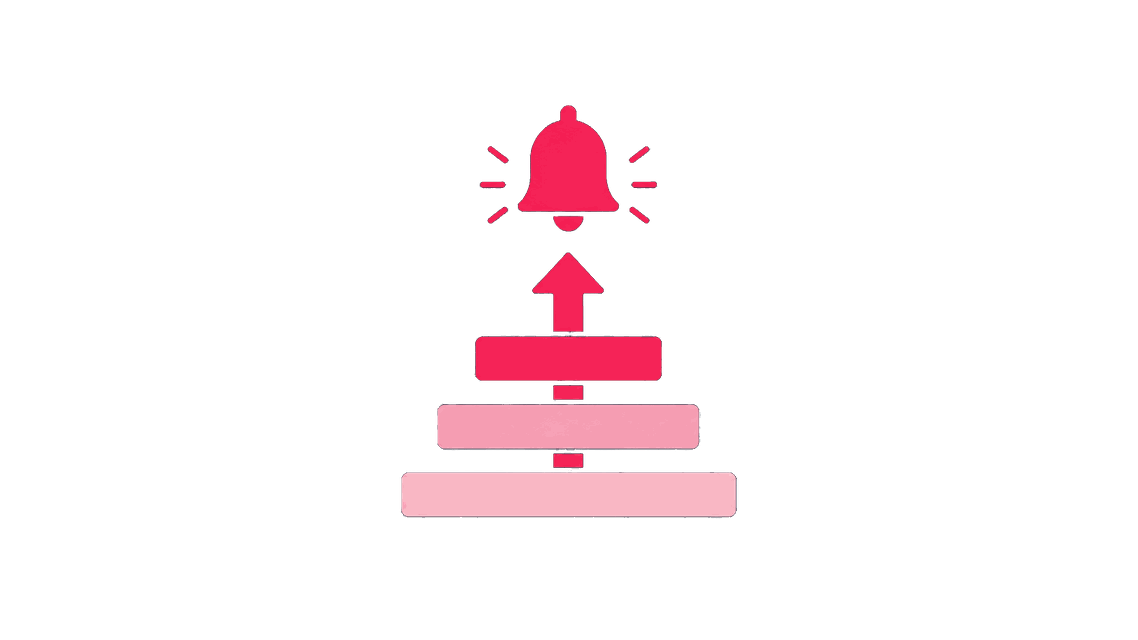
Escalate anything that crosses a threshold
When a placement, domain, or traffic pattern crosses an agreed threshold, escalate it to a named owner the same day. The named owner decides whether to exclude, pause, or investigate further.
Same-day escalation record naming the breach and the owner it went to.


Check the response and document what happened
After an exclusion or pause, check whether the same signal appears in later delivery. Record what was found, the action taken, and anything still unresolved. The media lead signs off that the issue is closed or still open.
Post-action check recording whether the signal reappeared and what remains unresolved.
Review the policy against what actually happened
On a set cadence, compare the suitability policy against what verification and platform data actually showed, and adjust the policy where the evidence supports it. The client owner approves any change to the suitability policy.
Policy review comparing the written policy with what the delivery evidence actually showed.

What lands with your team
You can see which controls ran and what they found
The deliverables show the active controls, the signals they picked up and the calls that needed a person. The known limits of brand-safety checks remain visible.
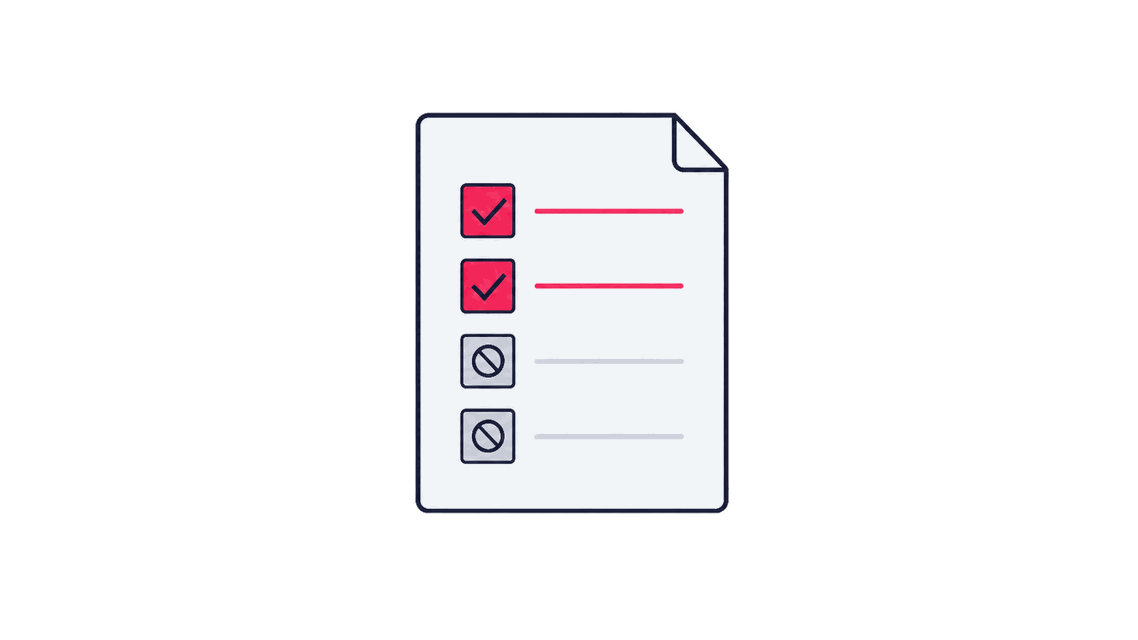
Suitability policy record
The approved exclusion categories, placements, and risk tolerance, with the reasoning behind each call.
Verification and anomaly log
What verification and platform signals flagged, day by day, and which items needed a human decision.
Escalation and incident record
Every threshold breach, who it went to, what was decided, and whether it's closed or still open.
Policy review summary
What the suitability policy caught, missed, or over-excluded, and what changed as a result.
Before the work starts
When this work is the right next step
Verification reduces risk but cannot remove every gap. Suitability settings, exclusion lists and third-party verification each cover a different part of the risk. They also miss different things, such as uncategorized domains, invalid traffic that resembles genuine behavior or content that changes after review. The controls are useful because the team keeps watching them and acts when the signals change.
A good fit when
- Your suitability and exclusion settings exist, but nobody has checked whether they still match the approved policy and current risk tolerance.
- Verification reports surface uncomfortable signals, but the team files the monthly export before anyone reads those findings.
- Placement or fraud signals can cross agreed thresholds during delivery, so a named owner needs to make the same-day exclude, pause, or investigate call.
- Content suitability settings were configured once at campaign launch and haven't been revisited since.
- A verification report gets generated every month and nobody can say who actually reads it.
- "Brand safe" gets used as a guarantee even though the controls have known limits.
- When a placement or fraud signal looks wrong, there's no clear owner for what happens next.
Better handled as other work when
- You need a guarantee that no ad will ever appear beside unsuitable content, but no platform and verification control stack can make that claim.
- The budget cannot support any verification layer, so the campaign needs a platform-only control review with its blind spots stated plainly.
- The brief puts blame on one vendor when an incident slips through, while policy, platform controls, verifier, media team, and client each hold part of the decision.
People who own a single channel
Paid Search, Paid Social, CRO, and Programmatic each run under a named owner at Zeo. The consultants below are matched to the channel this page is about, so you can see who you'd actually work with.

Serap Yurtvermez
Performance Marketing Team Lead

Abdullah Tanıdır
Performance Marketing Team Lead

Sevda Yurtvermez
Performance Marketing Team Lead

İlker Emir
Senior Performance Marketing Executive

İpek Ezer
Performance Marketing Executive

Zafer Yıldız
Web Analytics Manager

Ozan Ketenci
VP of Consulting & Strategy
Tools we use
Tools behind this work
 DoubleVerify
sets the pre-bid suitability policy, then watches delivery against it and against invalid traffic
Related work


Parent service
Programmatic, Display & Video Advertising
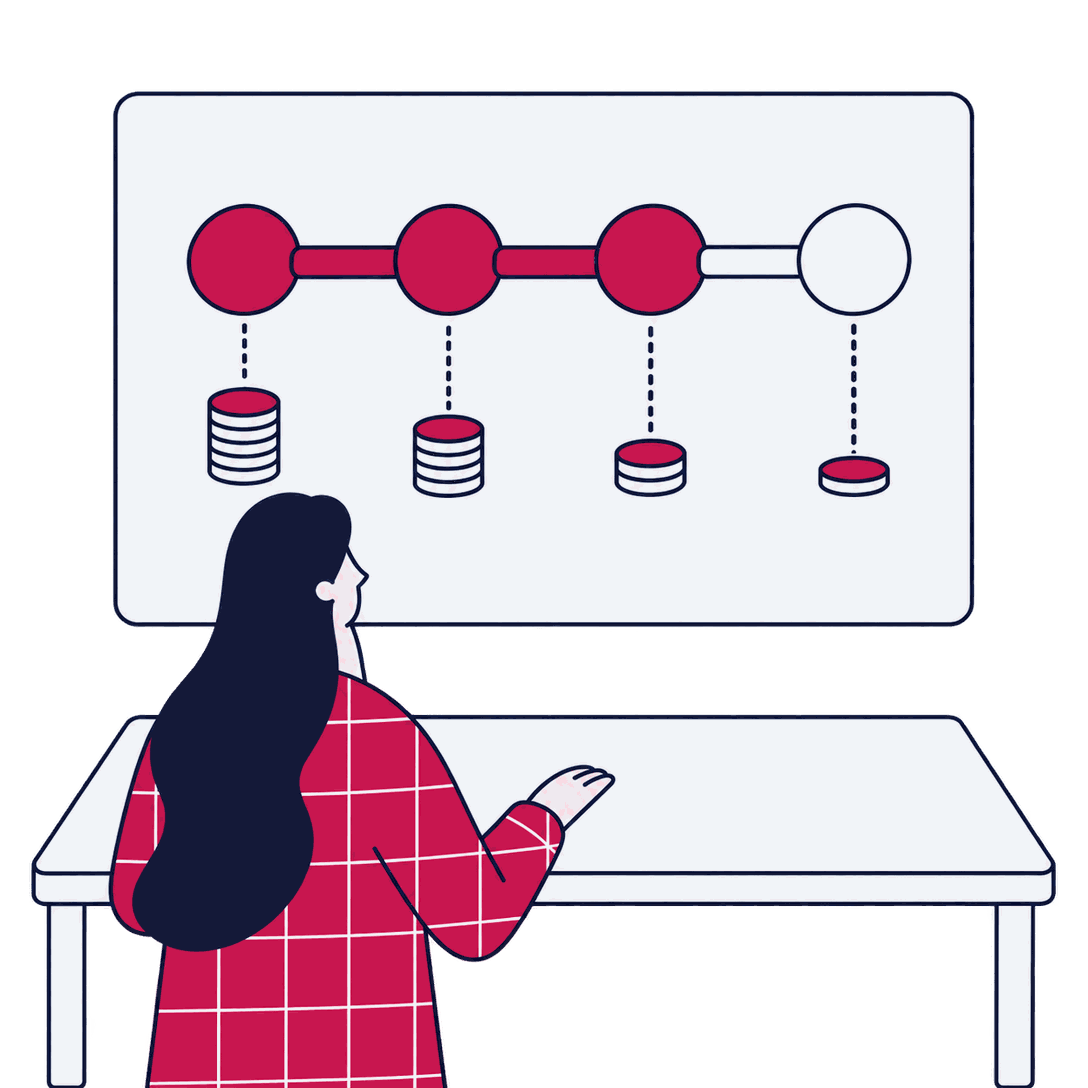
Verification settings are disclosed rather than promised there; this method turns them into thresholds, a daily anomaly queue and a same-day escalation owner.
Sibling method
Supply Path & Fee Transparency
The seller-authorization mapping that often runs alongside suitability and verification decisions.

Sibling method
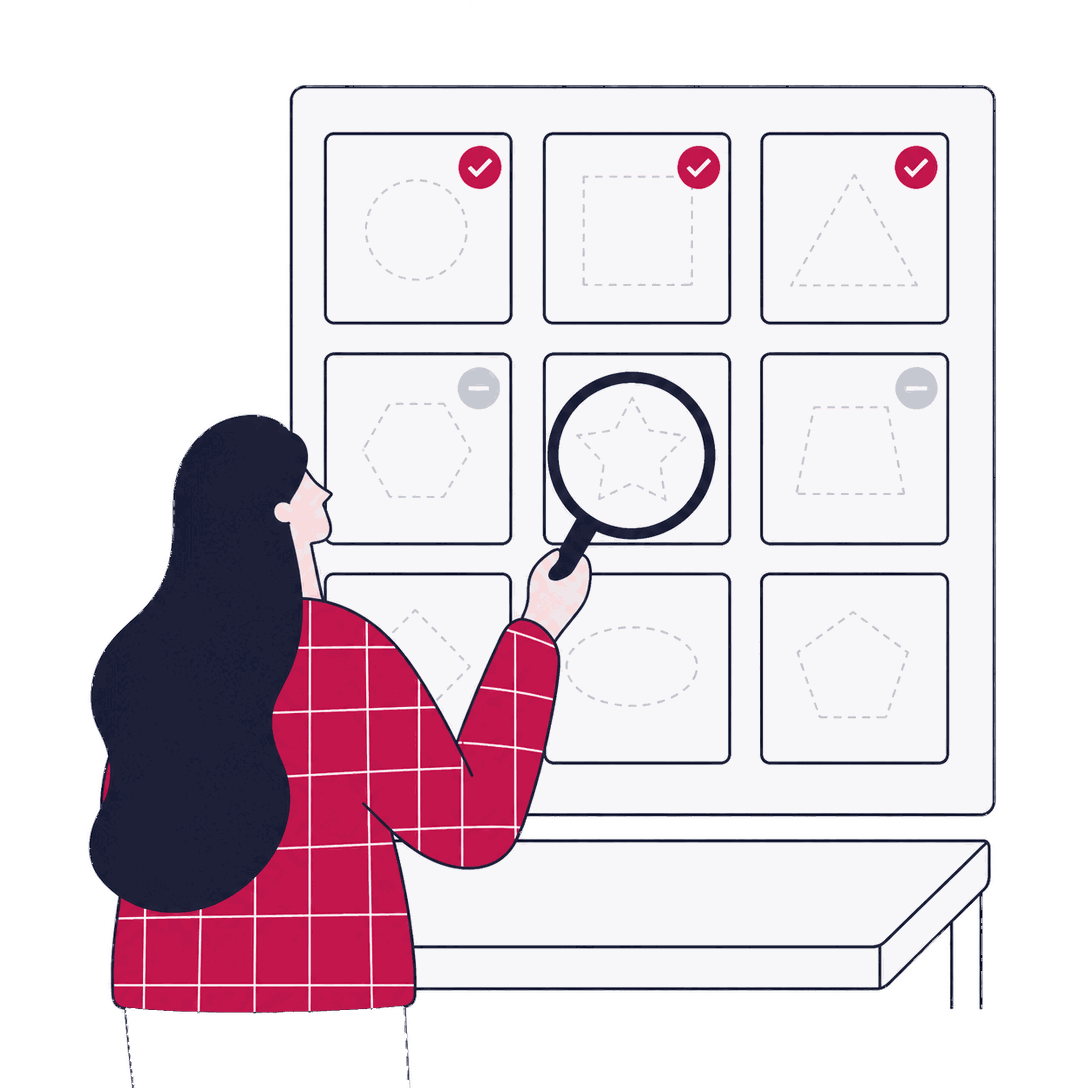
Placement Quality & Post-Campaign Audit
Where verification and suitability signals get reconciled against what actually ran, after the campaign ends.
Know who responds when a control fires
Check the policy behind your current settings