






Placement Quality & Post-Campaign Audit
Settled figures and the final placement list become available after the campaign ends.
The live dashboard helps with pacing, but it isn't the final account of what happened. After the campaign closes, we review every placement, wait for viewability and invalid-traffic credits to settle, and check final fees against the agreed supply path. The closing report reconciles those findings and turns them into specific changes for the next campaign. You end up with a closing report built from settled evidence, with the live dashboard kept as context. The only post-campaign report you've seen is a screenshot of the dashboard everyone watched during flight.


Some of the 500+ brands we've worked with
See all references








































How the work runs
Start the closing audit when the figures stop moving
We mark which exports are final, note what the review found and attach each approved change to the next plan. AI may reconcile placement and billing exports. The media lead and client owner interpret the results and sign off on the closing report.
How we hold ourselves to it
- Settled delivery goes back against the plan
- The full placement list gets reviewed
- Viewability and invalid-traffic credits wait until they settle
- Each finding becomes a change for the next campaign
Pull final, settled data
Wait for delivery, viewability, invalid-traffic, and billing data to fully settle, then pull the complete export after the mid-flight numbers have stopped moving. The media lead confirms the data is final before the audit starts.
Settled delivery, viewability, invalid-traffic and billing export pulled after the numbers stopped moving.


Review the full placement list
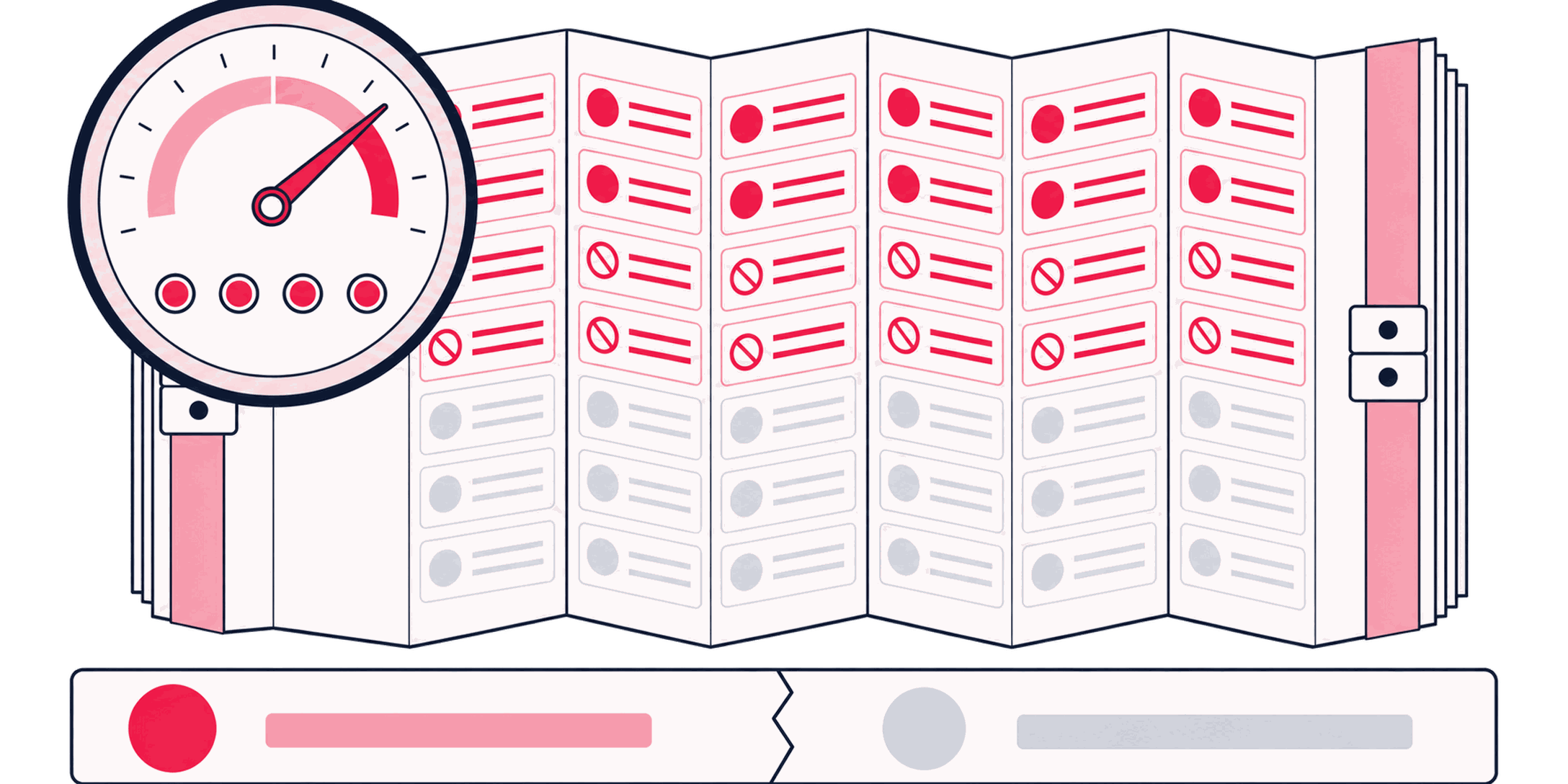
Review every placement where impressions ran and flag anything that does not match the approved suitability and targeting settings. A reviewer confirms flagged placements before they're treated as a finding.
Reviewed placement list with every entry outside the approved suitability and targeting settings flagged.


Reconcile viewability and invalid-traffic credits
Check the final viewability rate and any invalid-traffic credits against the invoice, and confirm they match what the platform and verification data show. The media lead confirms any unresolved gap before it goes in the report.
Reconciliation of final viewability and invalid-traffic credits against the invoice.


Reconcile fees against the supply path
Check the final fees paid against the supply path and vendor agreements in place, and flag anything that drifted from what was agreed. The media lead reviews unexplained fee gaps with the client owner.
Fee reconciliation against the supply path and vendor agreements, with drift flagged.


Compare delivery to the original plan
Set final delivery, pacing, reach, and frequency against the plan agreed at launch, and write down where it matched and where it didn't. The media lead signs off on the comparison before it's finalized.
Plan-versus-actual comparison of delivery, pacing, reach and frequency.


Write the closing report and the next-plan changes
Turn every finding into a specific recommendation for the next campaign that a reader can act on. Media lead and client owner agree the next plan's changes.
Closing report turning each finding into a specific change for the next campaign.
What lands with your team
Close the campaign with a report people can use
The final document uses settled figures and gives each finding a specific recommendation for the next campaign.

Placement review record
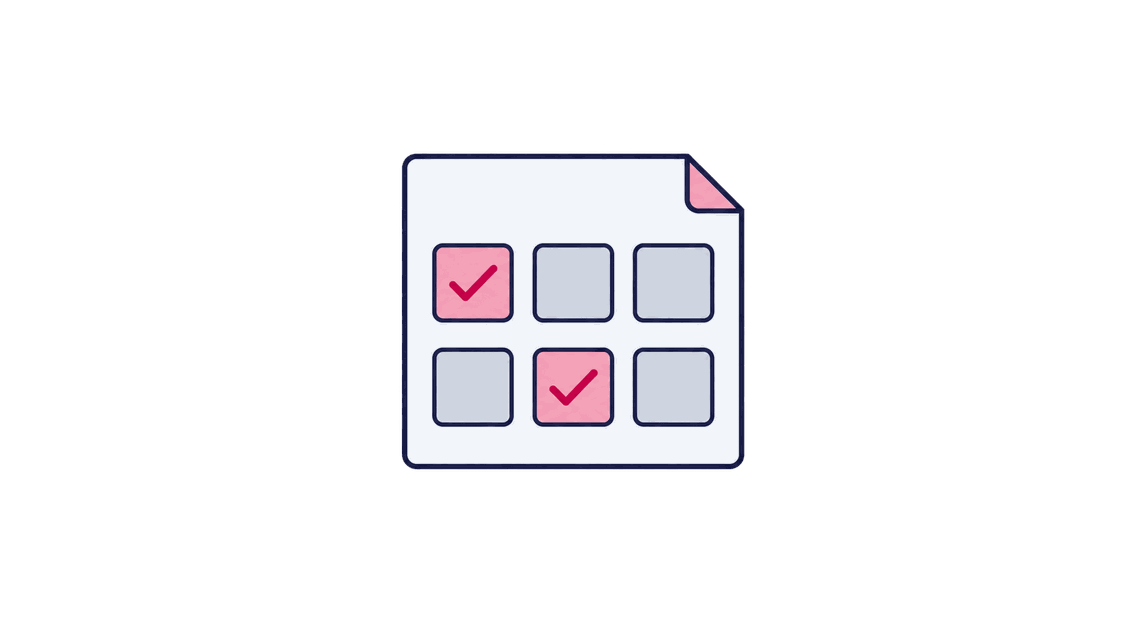
The full placement list reviewed against approved settings, with every flagged entry and its resolution.


Viewability and credit reconciliation
Final viewability rates and invalid-traffic credits checked against the invoice, with any unresolved gap stated.
Fee reconciliation summary
Final fees checked against the agreed supply path, with any drift explained or flagged.


Plan-versus-actual closing report
Where delivery, pacing, reach, and frequency matched the original plan, and specific changes recommended for the next campaign.
Before the work starts
When this work is the right next step
A healthy live dashboard still needs a closing reconciliation. A dashboard may show healthy pacing and a strong completion rate while the placement list sits unopened. Viewability figures can still move, and a fee may no longer match the original agreement. Once the data settles, the closing audit puts those final figures back against the approved plan.
A good fit when
- The campaign has closed and its delivery, viewability, invalid-traffic, and billing figures have settled, so the audit can use final exports.
- A clean summary looks complete, but the full placement list has not been checked against the approved suitability and targeting settings.
- The next media plan is still open to change, so a confirmed placement, fee, or credit finding can alter the campaign that follows.
- The "post-campaign report" is a screenshot of the same live dashboard, taken a week later.
- Nobody has looked at the actual list of where impressions ran, only a top-line summary.
- Viewability and invalid-traffic credits get mentioned but never reconciled against the final invoice.
- The same mistake shows up in the next campaign because nothing from the last one got written down.

Better handled as other work when
- The campaign is still mid-flight. It needs a pacing and delivery review before any closing audit.
- The audit is expected to confirm a number chosen in advance, so settled delivery and invoice evidence would not be allowed to change the conclusion.
- No settled, final data is available yet. Credits, viewability, and invalid-traffic adjustments often take time to finalize.
People who own a single channel
Paid Search, Paid Social, CRO, and Programmatic each run under a named owner at Zeo. The consultants below are matched to the channel this page is about, so you can see who you'd actually work with.

Sevda Yurtvermez
Performance Marketing Team Lead

Serap Yurtvermez
Performance Marketing Team Lead

Abdullah Tanıdır
Performance Marketing Team Lead

İlker Emir
Senior Performance Marketing Executive

Onur Durdağı
Performance Marketing Executive

Mehmet Aktuğ
Co-Founder & COO

Metehan Urhan
New Business & Partnership Manager
Tools we use
Tools behind this work
 Integral Ad Science
the settled viewability read the closing audit waits for, measured to the MRC standard both sides recognize
 The Trade Desk
the supply-path record the fee reconciliation checks the invoice against
Related work


Parent service
Programmatic, Display & Video Advertising
Platform-reported delivery is kept separate from evidence of incrementality there, and this audit is where that separation meets settled placements, credits and final fees.


Sibling method
Programmatic Setup & Trafficking
The build this audit reconciles against. It holds the plan and structure the campaign was supposed to follow.


Sibling method
Brand Safety, Fraud & Verification Controls
The verification signals this audit reconciles into a final, settled record.
Wait for the final numbers
Reconcile the campaign after the data settles