






Programmatic Setup & Trafficking
Buying the inventory is the easy part. Wiring it correctly is the job.
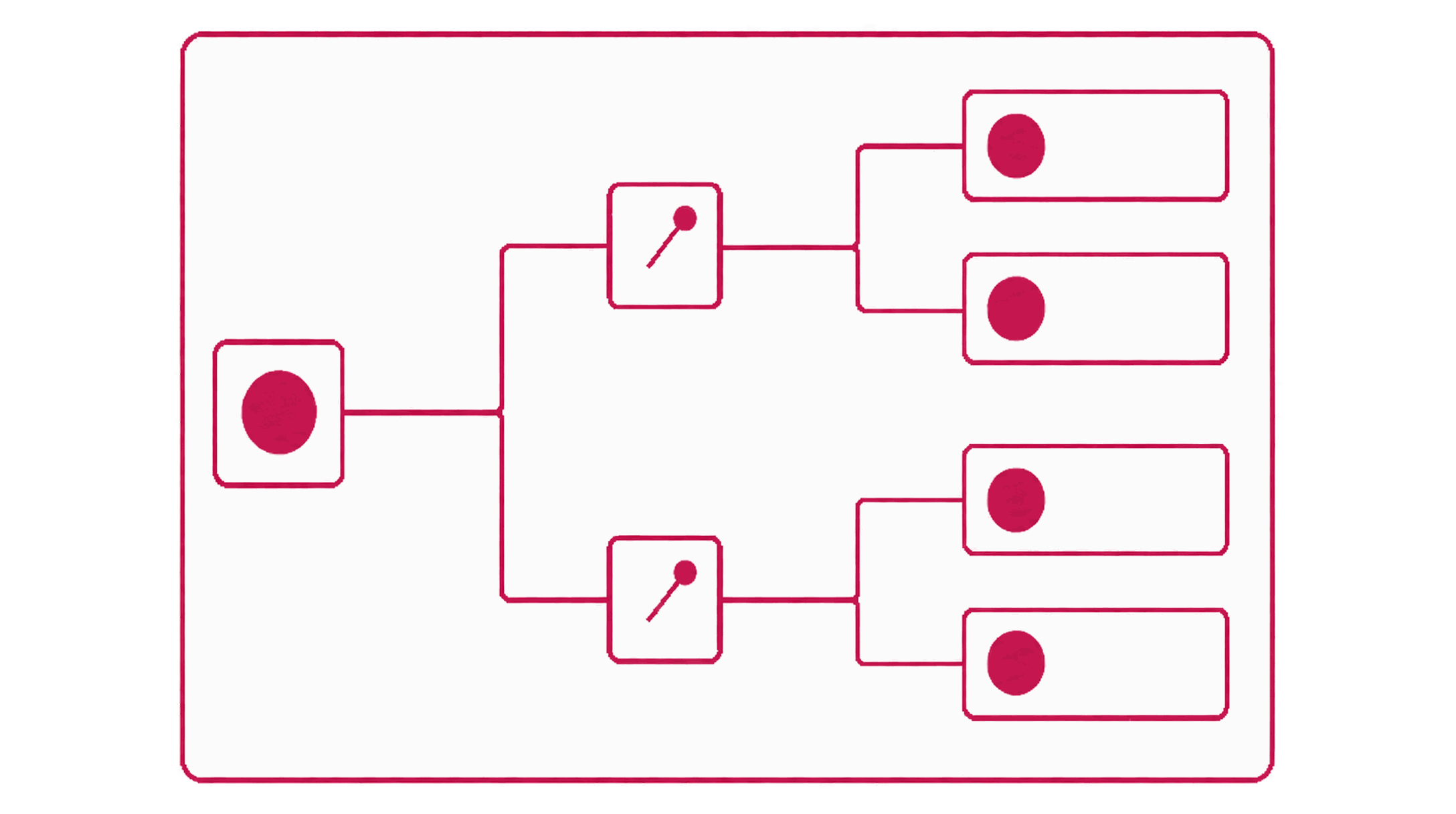
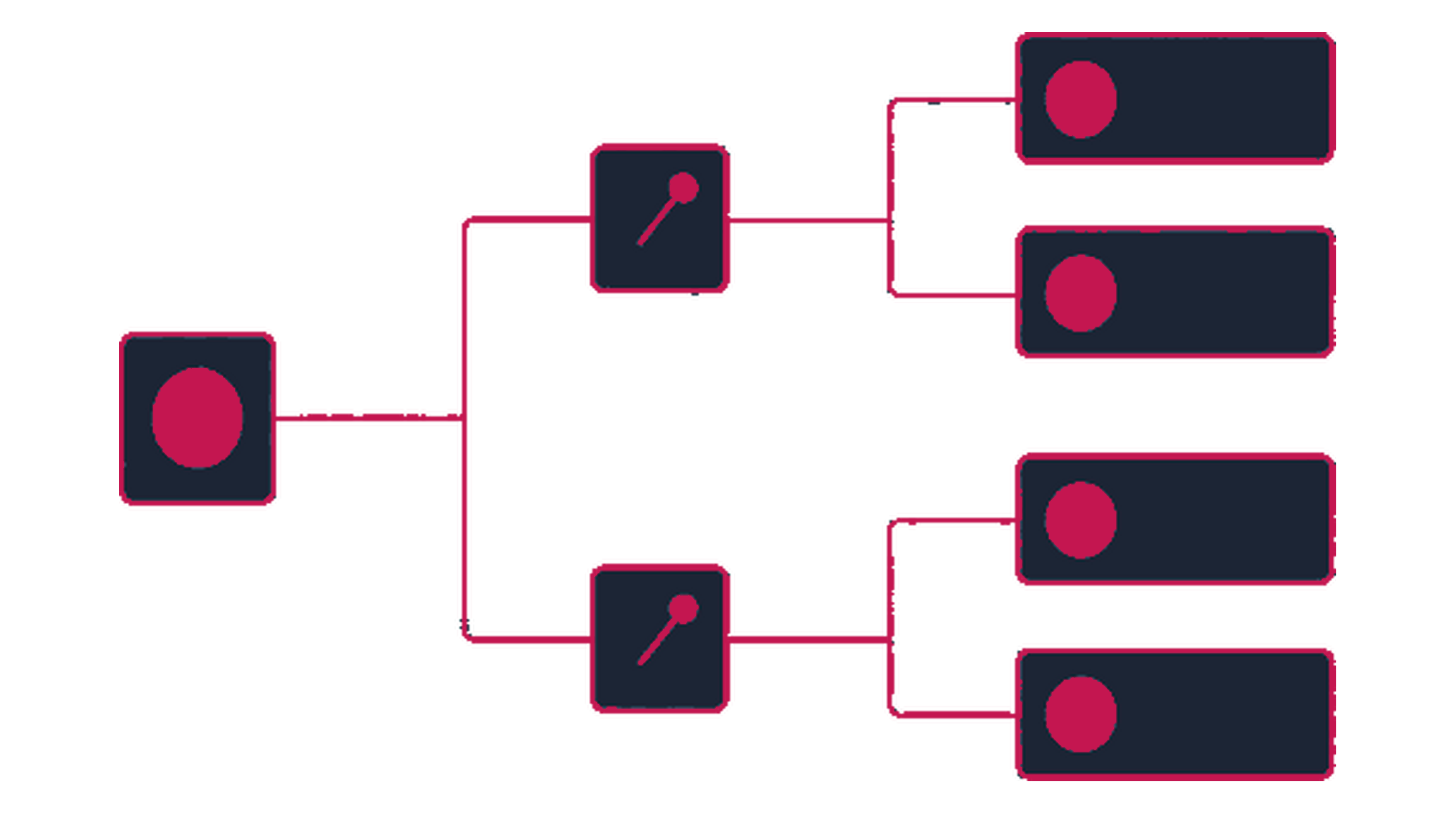
We agree on the structure, naming and ownership before anyone starts building. Each asset is checked against the format requirements, then the tracking tags are placed and tested. We build the campaign paused and compare it with the approved sheet line by line. It only goes live after the full build matches the plan. You end up with a campaign structure another specialist can open and quickly understand, including what is running, why it is named that way, and what it tracks. You've seen a pixel never fire or a naming convention stop at the second line item.


Some of the 500+ brands we've worked with
See all references







































How the work runs
The signed build sheet is the launch gate
The build sheet holds the structure, creative specs, tag checks and QA sign-offs through launch. AI may compare the build with a naming convention or specification sheet. A person still creates each line item, sets the budget and publishes the campaign.
How we hold ourselves to it
- Structure and naming are locked before build
- Every asset must meet the format specs
- Tracking tags fire on staging first
- The paused build is checked against the approved sheet
Lock the structure and naming convention
Decide the account, campaign, and line-item hierarchy, the naming convention, and who owns which piece, before anyone opens the platform to build. Trafficking lead and account owner approve the structure.
Locked hierarchy, naming convention and ownership record, agreed before the platform is opened.


Match creative to format specs
Check every asset's dimensions, weight, duration, and file type against what the format and placement actually require, and flag anything that needs re-cutting before it reaches the build. The creative lead signs off on the spec-checked set.
Creative-to-spec check on dimensions, weight, duration and file type, with re-cuts flagged.


Wire and test tracking tags
Place every pixel and conversion tag, fire them on staging, and confirm each one reports to the right destination before the campaign gets built around it. An analytics owner confirms every tag before the build begins.
Staging tag verification proving each pixel and conversion tag reports to the right destination.


Build paused and check it against the sheet
Build every line item without publishing it. Add the targeting, budget, frequency, dates and floor logic, then compare the finished build with the approved sheet line by line. A second trafficker signs the build QA before launch.
Line-by-line QA comparing the paused build with the approved sheet, signed by a second trafficker.
Activate and confirm delivery is real
Turn on only what's approved, then confirm within the first hours that impressions are actually posting, tags are firing on the live domain, and budget is pacing the way the plan expected. The trafficking lead approves go-live and owns the first-day check.
First-hours confirmation that impressions post, tags fire on the live domain and budget paces to plan.


Record what shipped and what to check next time
Write down the final structure, any deviation from the original sheet and why, and what the next build should copy or avoid. Trafficking lead signs the record. Account owner reviews deviations.
Shipped-structure record naming every deviation from the sheet and its reason.


What lands with your team
Another specialist can understand the live build
The handover explains the campaign structure and the checks behind every active line item.
Build sheet and structure map
The full naming convention, line-item hierarchy, and ownership record for the campaign, current as of launch.

Tag verification log
Every tracking pixel and conversion tag, where it was tested on staging before launch, and its live-domain recheck in the first hours of delivery.

Build QA checklist
The line-by-line comparison between the approved sheet and the paused build, signed by a second trafficker.

First-week delivery brief
A record of impression delivery, pacing, tag behavior, and any adjustment made during the first week.
Before the work starts
When this work is the right next step
A wrong setting may keep running without an obvious error. A mistyped audience ID, a frequency cap applied to the wrong line item, or a tag still pointing to a staging container may not look unusual in a status report. Spend and impressions continue, so the campaign appears active. The issue may only become visible weeks later, when conversion data does not match a campaign that appeared to be delivering normally.
A good fit when
- A new seat, vertical, or complex line-item hierarchy is being built, but naming and ownership are not settled enough for another trafficker to follow.
- Naming and tagging rules can be agreed before the first line item is built, so the paused campaign has one sheet to be checked against.
- Creative is close to final, yet its dimensions, weight, duration, or file type have not been checked against the placement specs.
- Line items get copied from an old campaign and only half the settings get rechecked before launch.
- A tag fires correctly on staging but nobody retests it once the campaign moves to the live domain.
- Two people build in the same seat with different naming habits, and nobody can tell whose line item is whose.
- Floor prices, caps, and targeting get set once at launch and never checked against actual delivery again.
Better handled as other work when
- The live structure already matches the approved sheet, while the actual need is a creative refresh inside the existing line items.
- Nobody's available to sign off a paused build before launch. Skipping that step defeats the point.
- A guaranteed delivery figure is required before any line item, tag, or targeting rule exists, so setup evidence cannot support that promise.
People who own a single channel
Paid Search, Paid Social, CRO, and Programmatic each run under a named owner at Zeo. The consultants below are matched to the channel this page is about, so you can see who you'd actually work with.

Sevda Yurtvermez
Performance Marketing Team Lead

Serap Yurtvermez
Performance Marketing Team Lead

Abdullah Tanıdır
Performance Marketing Team Lead

İlker Emir
Senior Performance Marketing Executive

İpek Ezer
Performance Marketing Executive

Zafer Yıldız
Web Analytics Manager

Ozan Ketenci
VP of Consulting & Strategy
Tools we use
Tools behind this work
 Campaign Manager 360
the ad server where the paused build gets checked line by line before it goes live
 Google Tag Manager
confirms the tracking tags actually fire, and in the right order, before the paused build gets checked against the sheet
Related work


Parent service
Programmatic, Display & Video Advertising
The buying route decides which controls a build can set at all, and it is documented there before anyone here names a line item.


Sibling method
Supply Path & Fee Transparency
The supply-path decisions made at setup time, covering which routes and vendors a build actually buys through.


Sibling method
Placement Quality & Post-Campaign Audit
The reconciliation that checks whether the build this method QA'd actually delivered as planned.
Check the build while it's still paused
Start with a structure everyone has signed off