






Lead Quality Feedback Loop
A cheap lead and a good lead look identical in Ads Manager. Somewhere else, they don't.
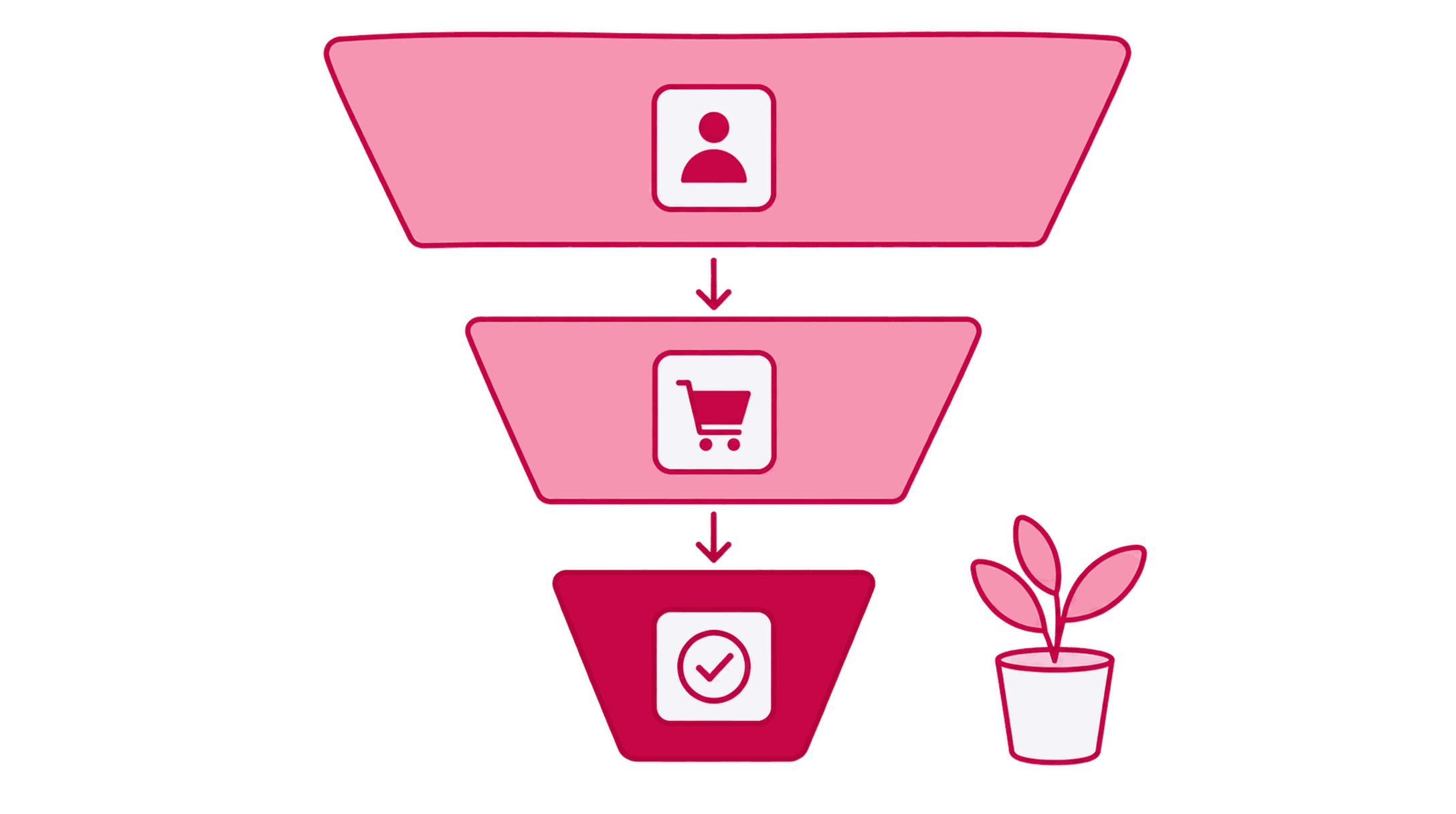
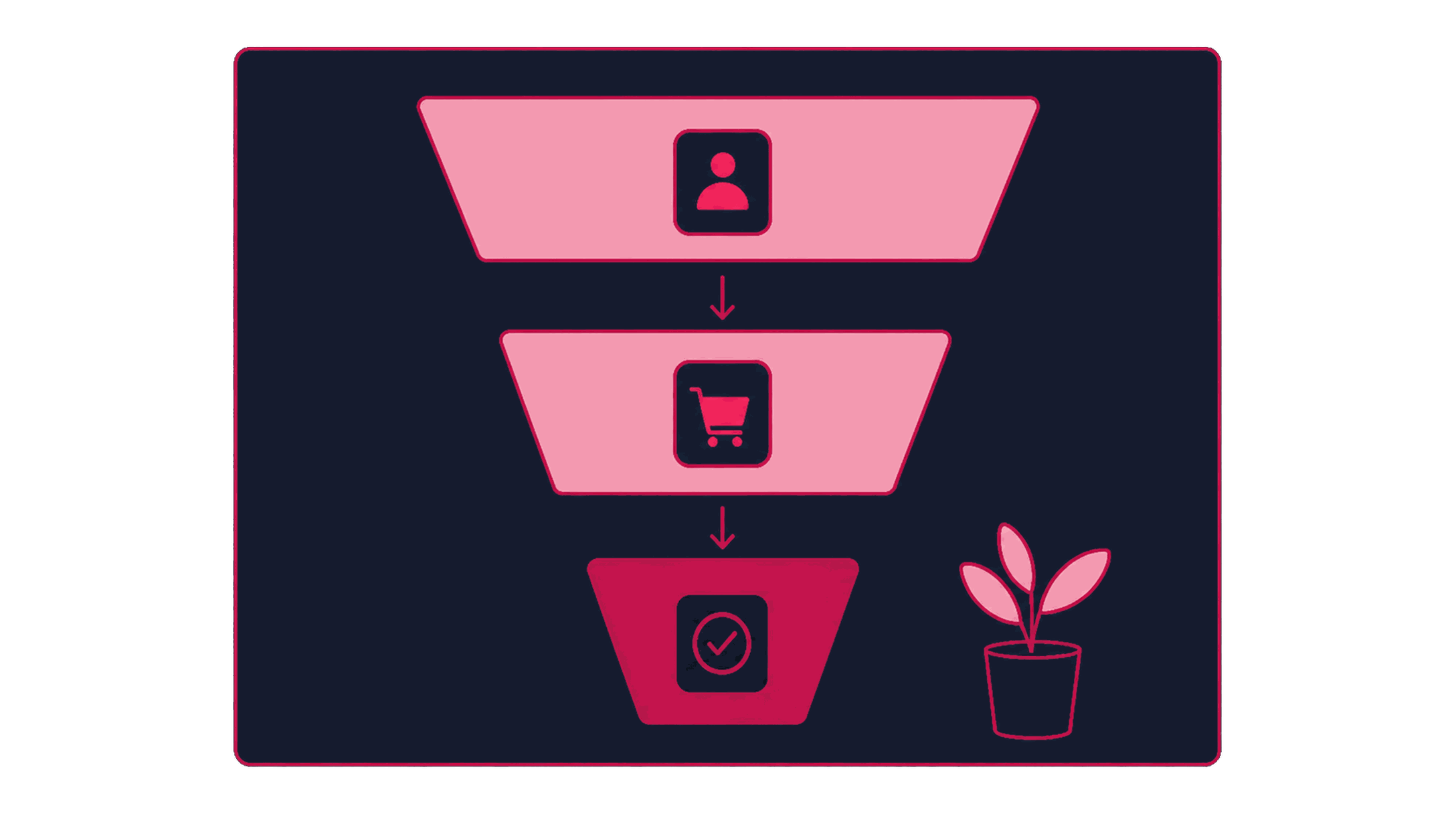
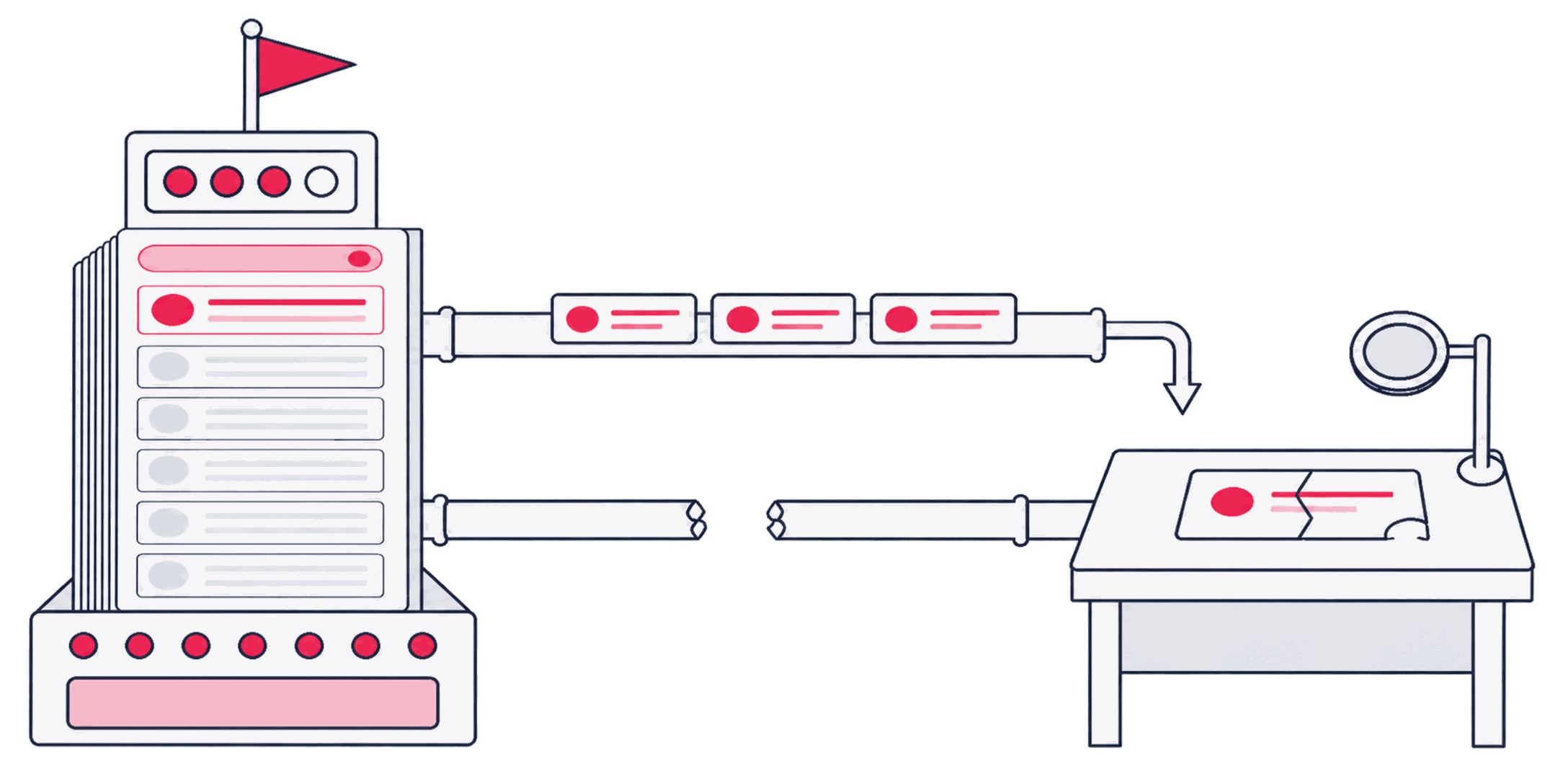
Platforms optimize toward whatever event you name, and a lead is a cheap event to report. When nothing carries sales or CRM outcomes back to the campaign and audience that produced a lead, cost-per-lead quietly becomes the whole strategy even though Ads Manager can't see whether any of those leads close. You end up with a record connecting campaign, audience, and creative to what actually happened to the leads they produced, so budget can follow quality once the volume is accounted for. For lead-gen or B2B paid-social accounts where sales has opinions about lead quality that never make it back into campaign decisions.


Some of the 500+ brands we've worked with
See all references















































How the work runs
From one lead to a decision that reflects it
AI clusters outcomes and drafts the feedback summary. It never decides whether a lead is qualified. Sales owns qualification, and a strategist owns the campaign decision that follows.
How we hold ourselves to it
- Cost-per-lead is a platform number, not a business result
- The loop states its feedback delay and its data gap out loud
- Sales evidence moves a campaign or audience decision
- AI clusters and summarizes outcomes. Sales still calls the qualification.
Define what "quality" means downstream
Agree with sales or revenue operations on the specific outcome that counts as a quality signal, such as sales-qualified, opportunity created, or closed-won. The sales or revenue operations lead and the client approve the quality definition.
Agreed quality-signal definition naming the downstream outcome that counts.

Build the match between lead and source
Set up the tracking that connects a submitted lead back to the campaign, audience, and creative that produced it, and document where that match breaks down. The analytics owner confirms the matching logic is sound before it's trusted.
Lead-to-source tracking with the points where the match breaks down documented.
Set the feedback delay and cadence expectation
Name how long it realistically takes for a lead to reach a qualified outcome, so the loop isn't judged on data that hasn't had time to mature. Sales confirms the expected delay is realistic for this sales cycle.
Stated maturation delay and the reporting cadence built around it.

Route outcomes back to source on a set cadence
Pull qualification outcomes and match them to their originating campaign, audience, and creative on the agreed schedule. The analytics owner reviews match quality before the data is used for a decision.
Matched outcome set returned to its originating campaign, audience and creative on schedule.


Turn the pattern into a specific campaign decision
Identify which campaigns, audiences, or creative are producing quality leads versus volume, and propose a concrete budget, audience, or creative change. Strategist and sales lead agree the decision before budget or targeting changes.
Proposed budget, audience or creative change naming the quality pattern behind it.


Record the decision and what it assumed
Log what changed, what evidence supported it, what's still uncertain, and when to check whether it held up. Strategist and portfolio owner approve the final log entry.
Decision entry recording the change, its evidence, its open uncertainty and the date to re-check it.
What lands with your team
A log sales would recognize as accurate
The report puts sales and revenue operations outcomes beside marketing data. That's what makes it reliable enough to use.

Quality-signal definition
The specific downstream outcome that counts as a quality lead, agreed with sales, and where the data behind it is incomplete.
Lead-to-source match record
Which leads could be traced back to their campaign, audience, and creative, which could not, and why.


Feedback delay and cadence schedule
How long outcomes realistically take to mature, so decisions wait for real evidence instead of early noise.

Lead-quality decision log
Every campaign, audience, or creative change made on quality evidence, what it assumed, and the date to check it.
Before the work starts
When this work is the right next step
The platform sees a cheap lead. Sales sees what happened next. When a campaign is optimized only for lead volume, it finds the cheapest way to get a form filled out. That rarely matches the people who can buy. Without sales or CRM outcomes flowing back into campaign and audience decisions, the account keeps producing more of whatever is cheap.
A good fit when
- Sales or the CRM records qualified, disqualified, closed, or lost outcomes, but those labels still sit apart from campaign decisions.
- Lead identifiers reach the campaign, audience, or creative that produced them, yet the match breaks often enough to hide part of the downstream quality pattern.
- Sales or revenue operations reviews outcomes on a regular cadence, so the feedback delay can be separated from missing follow-up.
- Cost-per-lead is the headline number, with no downstream quality attached to it.
- Sales has clear opinions about which campaigns produce better leads, but that view never reaches the media plan.
- Leads can't reliably be traced back to the campaign, audience, or creative that produced them.
- A high-volume, low-cost audience keeps getting more budget despite a track record of leads that don't close.

Better handled as other work when
- Leads disappear after form submission or lose their source identifiers, so a lead-to-source match record cannot be built.
- The sales cycle takes months and no mature outcomes arrive inside the media decision window, so current quality patterns would be early noise.
- Nobody in sales has defined what qualified means in the CRM, so the loop would route inconsistent stage labels back into media decisions.
People who own a single channel
Paid Search, Paid Social, CRO, and Programmatic each run under a named owner at Zeo. The consultants below are matched to the channel this page is about, so you can see who you'd actually work with.

Abdullah Tanıdır
Performance Marketing Team Lead

Sevda Yurtvermez
Performance Marketing Team Lead

Serap Yurtvermez
Performance Marketing Team Lead

İlker Emir
Senior Performance Marketing Executive

Onur Durdağı
Performance Marketing Executive

Metehan Urhan
New Business & Partnership Manager

Ozan Ketenci
VP of Consulting & Strategy
Tools we use
Tools behind this work
 Ruler Analytics
closes the loop with the CRM outcome, the part cost-per-lead alone can never see
 WhatConverts
tags the lead with its exact source the moment it comes in
Related work


Parent service
Paid Social Advertising
Sales-qualified feedback lands in a review that also weighs delivery, creative learning and audience overlap, where a named owner decides whether budget actually moves.


Sibling method
Creative Testing System
How a creative's downstream lead quality, beyond its platform-reported cost, feeds back into the next test brief.


Sibling method
Audience & Exclusion Architecture
Why a cheap, low-quality audience is often an exclusion problem in disguise.
Connect lead quality back to the campaign
See which campaigns are linked to pipeline