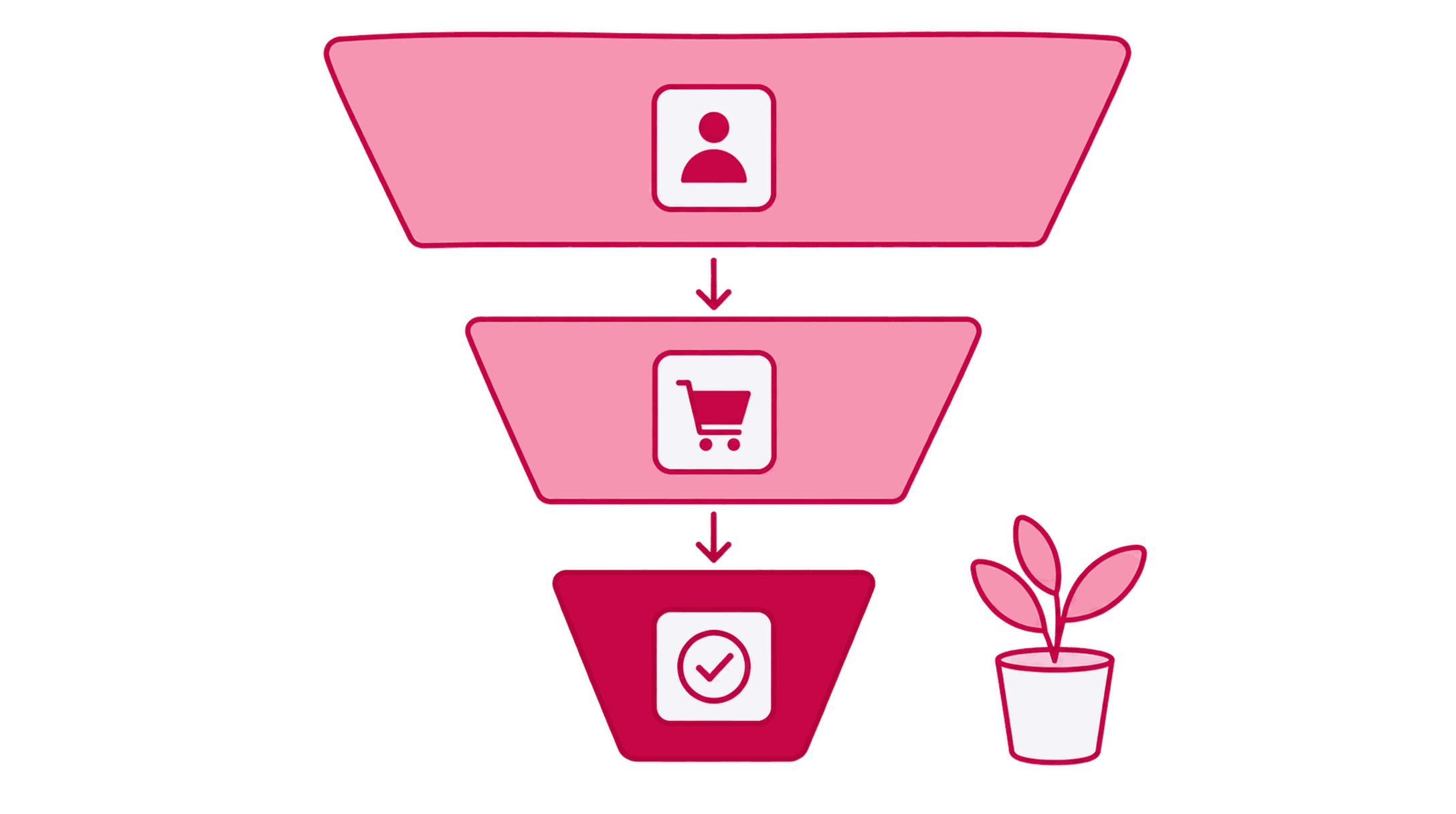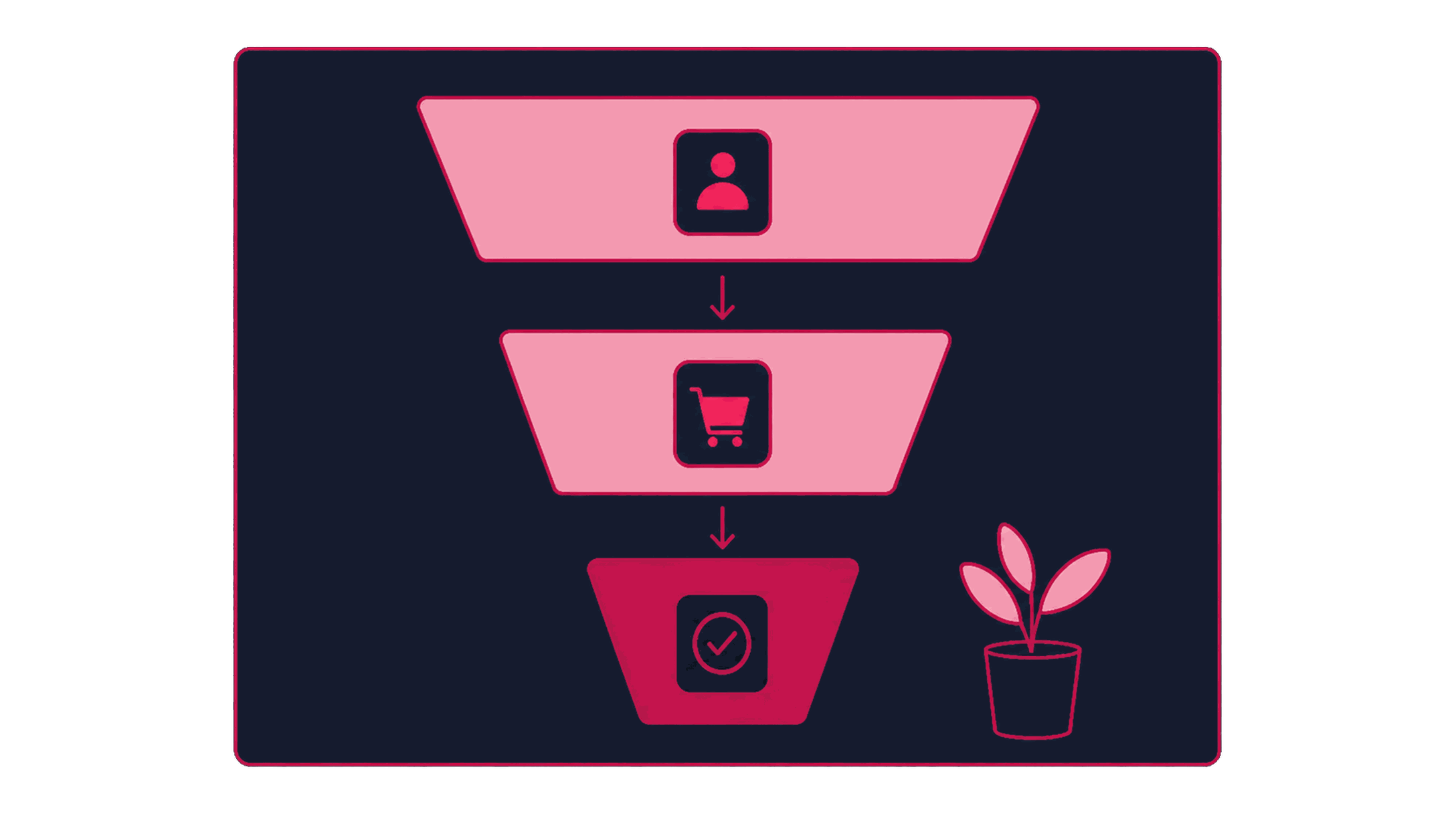







Audience & Exclusion Architecture
An audience is a claim about who should see this. Someone should be able to check that claim.
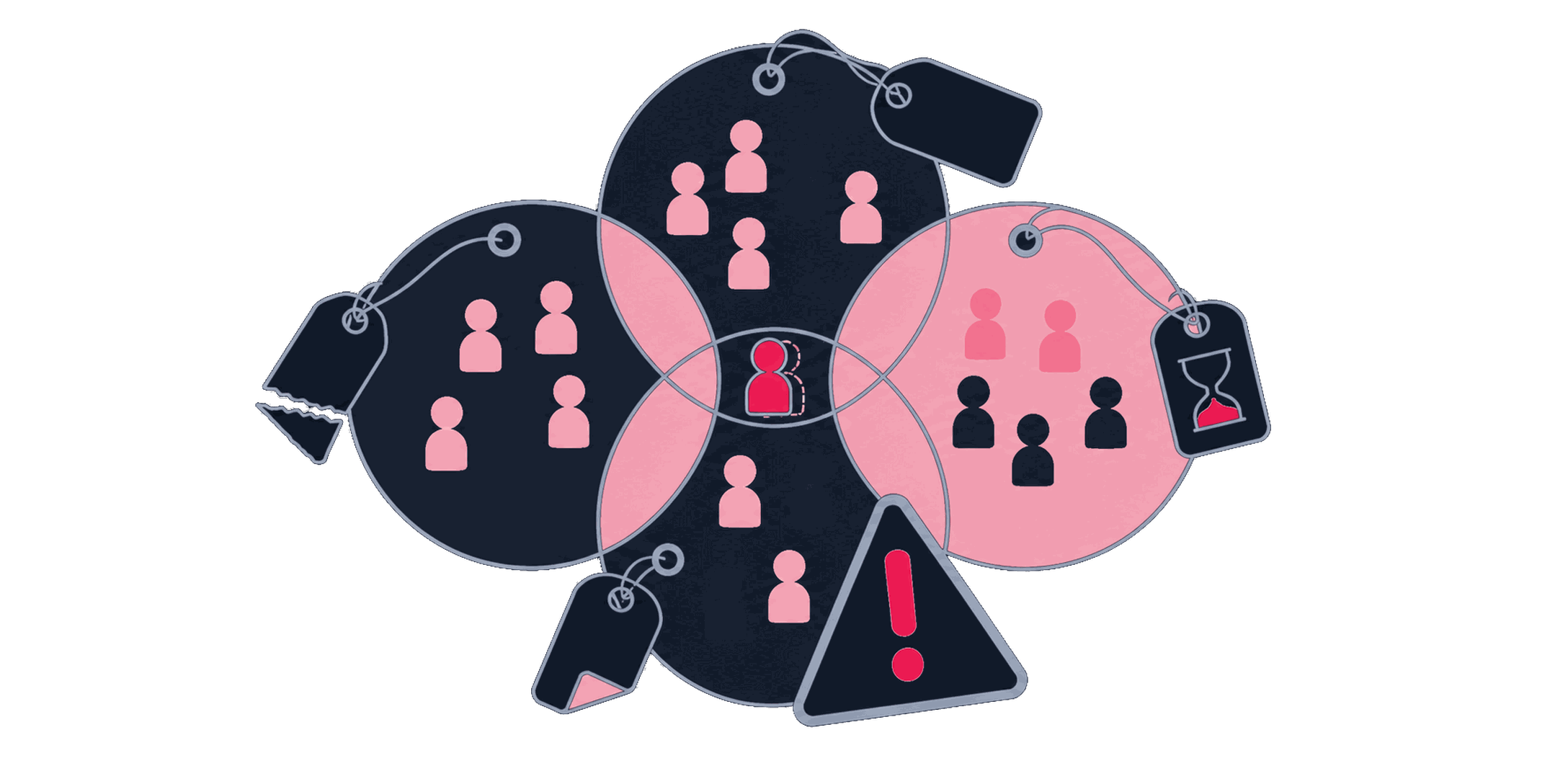
Custom audiences, lookalikes, and exclusion lists pile up fast, and most accounts lose track of which ones are still valid, which overlap, and which were built on data that's aged past its consent basis. We register every audience's source, purpose, and expiry before it goes live. Each exclusion is documented too. You end up with an audience and exclusion register where every live segment's source, purpose, and consent status can be checked in one place. For teams whose custom audiences, lookalikes, and exclusion lists have outgrown memory, especially once more than one person builds campaigns in the same ad account.


Some of the 500+ brands we've worked with
See all references













































How the work runs
Permission decisions belong in the register
Every audience enters the register with a documented reason for use. AI can flag overlap and drift. It never decides whether an audience or exclusion is permitted.
How we hold ourselves to it
- Record the source and purpose of every audience
- Every exclusion belongs in the decision record
- Consent and recency expire. Audiences do too.
- AI flags overlap and drift. It never approves a targeting rule
Define what sources are permitted
Agree which data sources (site visitors, customer lists, engagement, lookalikes) are allowed into an audience, and what consent basis each one needs before it qualifies. Legal or privacy owner and the client approve the permitted-source list.
Permitted-source list naming each data source and the consent basis it needs.

Set suppression and exclusion rules on purpose
Decide who gets suppressed from which audience (recent converters, recent purchasers, people in a competing campaign), and record the rule. The strategist approves every suppression rule before it's built.
Recorded suppression rules naming who is excluded from which audience and why.
Check overlap between live audiences
Measure how much two or more audiences overlap so budget isn't quietly bidding against itself for the same person across campaigns. The strategist decides whether an overlap is intentional or needs a new exclusion.
Overlap measurement between live audiences with the duplicated reach stated.
Set a recency and consent expiry for every audience
Attach a refresh window to each audience (based on data recency and consent duration), so an audience doesn't outlive the basis it was built on. The privacy owner confirms the expiry policy for each source type.
Expiry schedule attaching a refresh window to every audience.

Build and verify before anything targets live
Configure the audience and exclusion pairing in the ad account, then check it against the register before the campaign using it can spend. A second reviewer confirms the audience matches its registered rule before launch.
Verification record confirming the built audience and exclusion pairing match the register.
Keep the register current
Retire expired audiences, resolve unplanned overlap, and update the register when a source or consent basis changes. Strategist and privacy owner approve retirements and rule changes.
Updated register with expired audiences retired and unplanned overlap resolved.
What lands with your team
A register the whole team can check
Anyone on the team can quickly confirm what an audience is, why it exists, and whether it's still valid without asking the person who built it.
Audience and exclusion register
Source, purpose, consent basis, and active exclusions for every live audience in one place.


Overlap findings log
Which audiences overlap, by how much, and whether that overlap is intentional or needs a new exclusion.
Consent and recency expiry schedule
When each audience's data basis expires and what happens to campaigns using it when that date arrives.

Build verification record
Proof that a live audience and its exclusions match the register before the campaign using them went live.
Before the work starts
When this work is the right next step
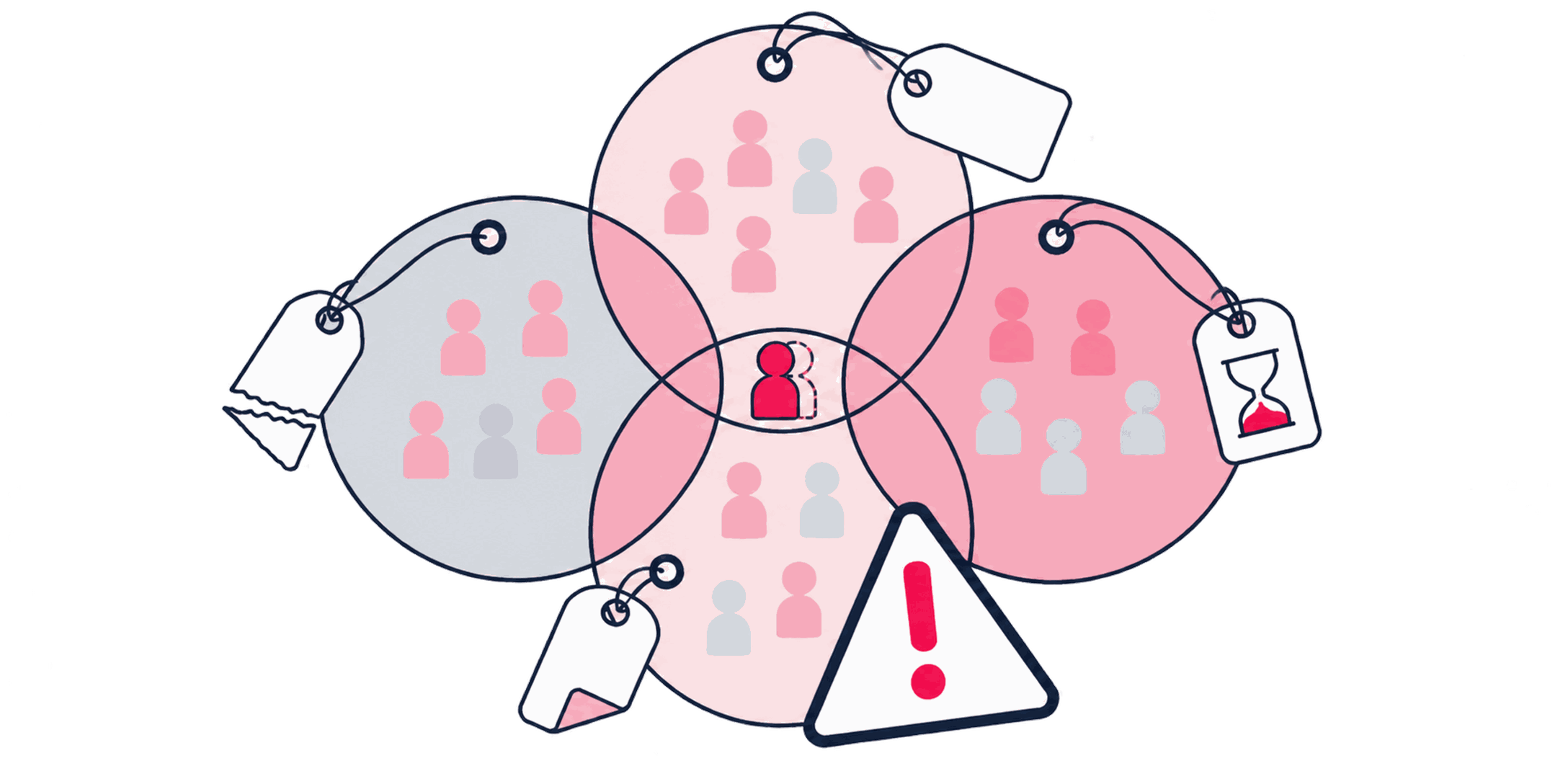
Nobody remembers why that audience exists, or what it's excluding. An audience gets built for one campaign, then reused for the next. After a few rounds, nobody remembers its original source, whether consent still covers it, or which other audiences it overlaps with. Exclusions are easy to skip under deadline pressure, and one missing rule can leave two campaigns bidding for the same person.
A good fit when
- More than one person builds or edits audiences in the ad account, so source, consent, and exclusion decisions no longer fit in anyone's memory.
- Custom audiences and exclusion lists have outgrown memory, but no shared register shows which ones still support a live campaign.
- Site visitors, customer lists, and engagement data feed live audiences, yet no one can show each source's consent basis, recency window, and expiry in one place.
- Campaign audiences remain live and keep receiving spend months after the campaign ends.
- Two or more custom audiences overlap heavily, with no recent measurement.
- New campaigns launch without exclusions or inherit a list built for a different offer.
- Nobody can identify which audiences still have a valid consent basis.
Better handled as other work when
- One small campaign uses a single interest-based audience, so a full source, overlap, and suppression register would solve no current coordination problem.
- No customer or first-party data feeds an audience yet, which means there is no consent, recency, or source record to govern at this stage.
- Nobody owns consent and suppression decisions, so audience retirement and exclusion changes need a privacy owner before this work starts.
People who own a single channel
Paid Search, Paid Social, CRO, and Programmatic each run under a named owner at Zeo. The consultants below are matched to the channel this page is about, so you can see who you'd actually work with.

Sevda Yurtvermez
Performance Marketing Team Lead

Serap Yurtvermez
Performance Marketing Team Lead

Abdullah Tanıdır
Performance Marketing Team Lead

İlker Emir
Senior Performance Marketing Executive

Onur Durdağı
Performance Marketing Executive

Zafer Yıldız
Web Analytics Manager

Metehan Urhan
New Business & Partnership Manager
Tools we use
Tools behind this work
 Optmyzr
registers a CRM list as one audience, reused everywhere instead of rebuilt account by account
 TrafficGuard
checks whether the source data feeding an audience was ever clean to begin with
Related work


Parent service
Paid Social Advertising
Campaigns are held in a controlled state until permissions are verified, and this register is what that pre-launch check reads before any audience can spend.
Sibling method
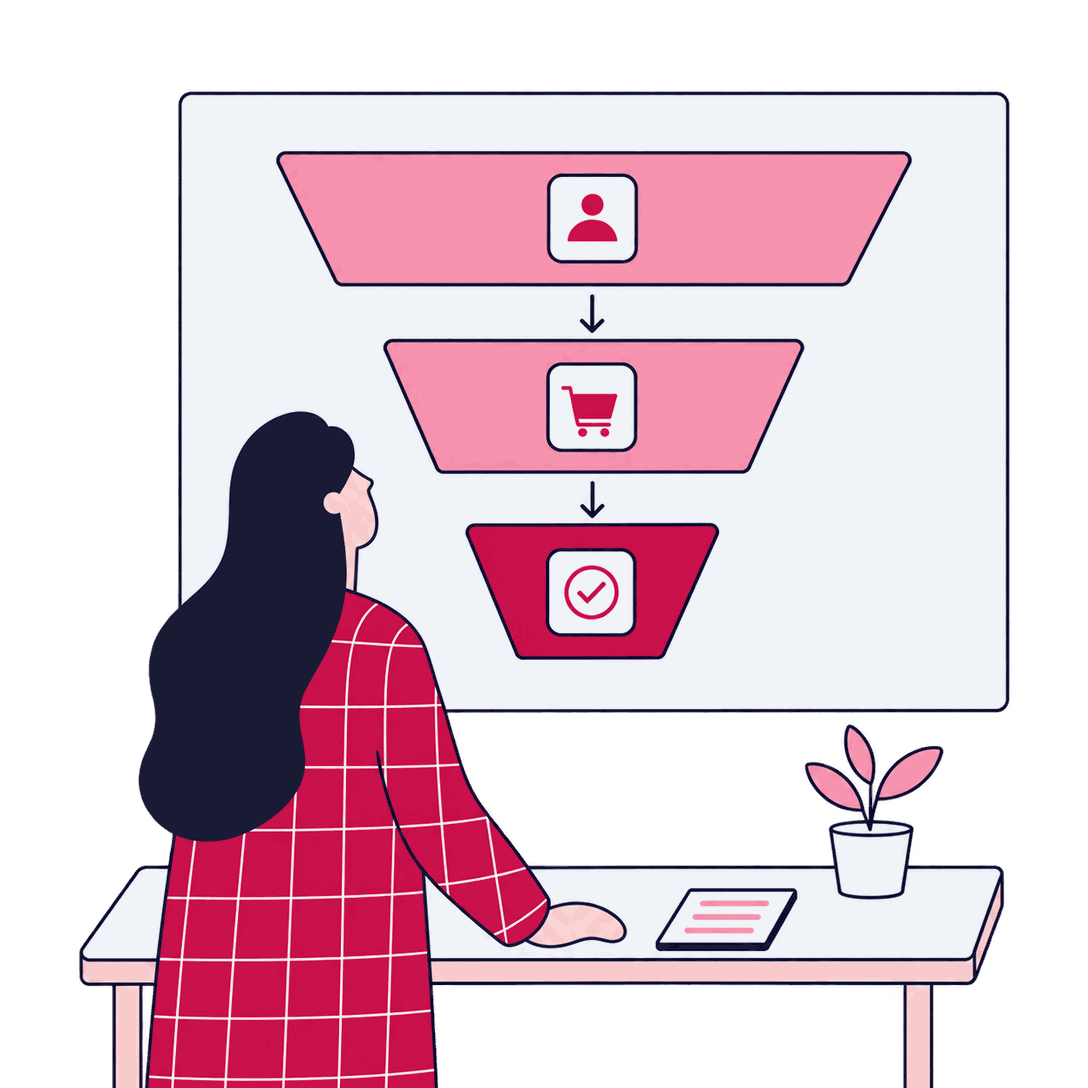
Full-Funnel Campaign Architecture
The stage sequencing that this audience and exclusion logic is built to support.
Sibling method
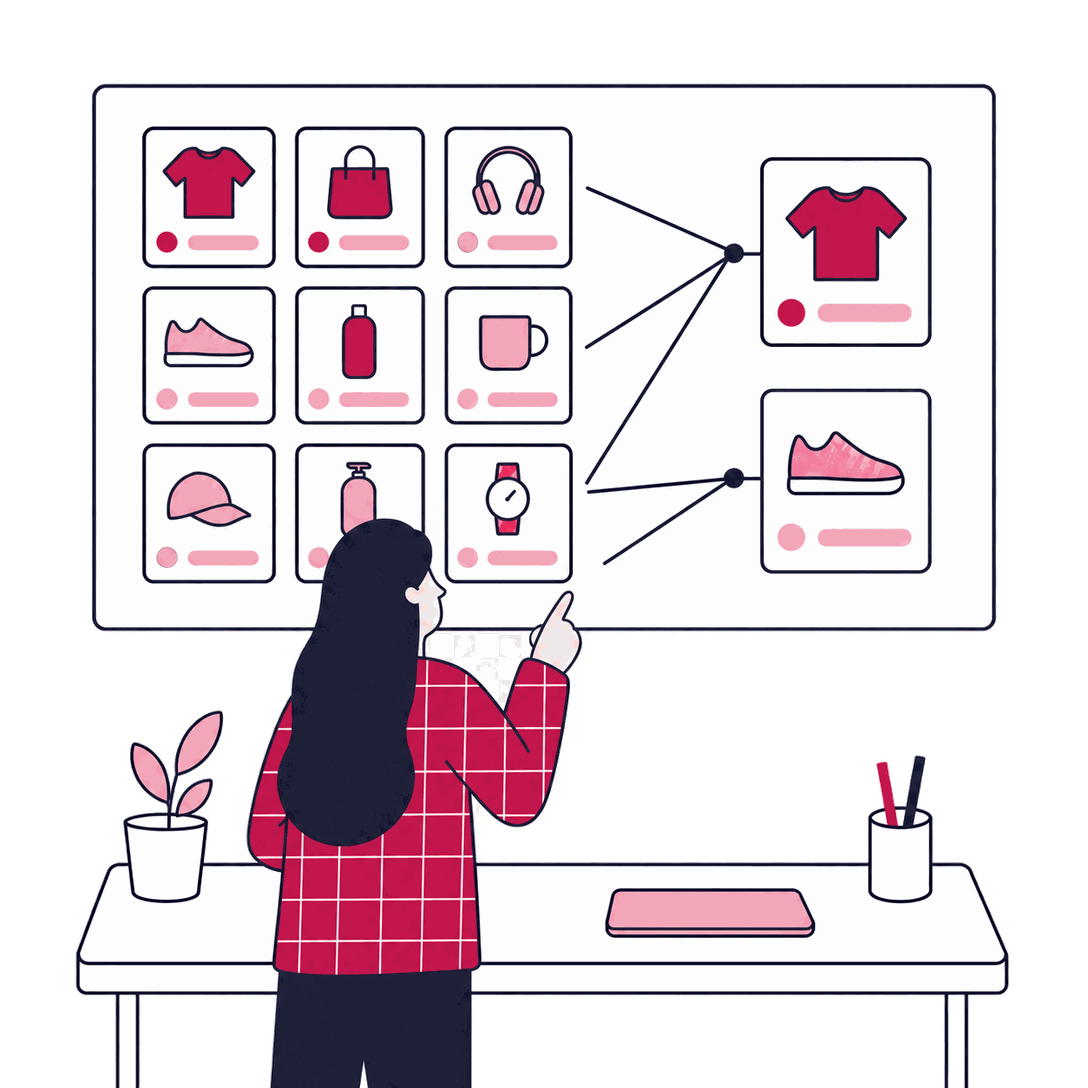
Catalog & Dynamic Product Ads
A specialized case of exclusion logic that suppresses recent buyers from catalog retargeting.
Bring the audience list
See which audiences still have a basis to run