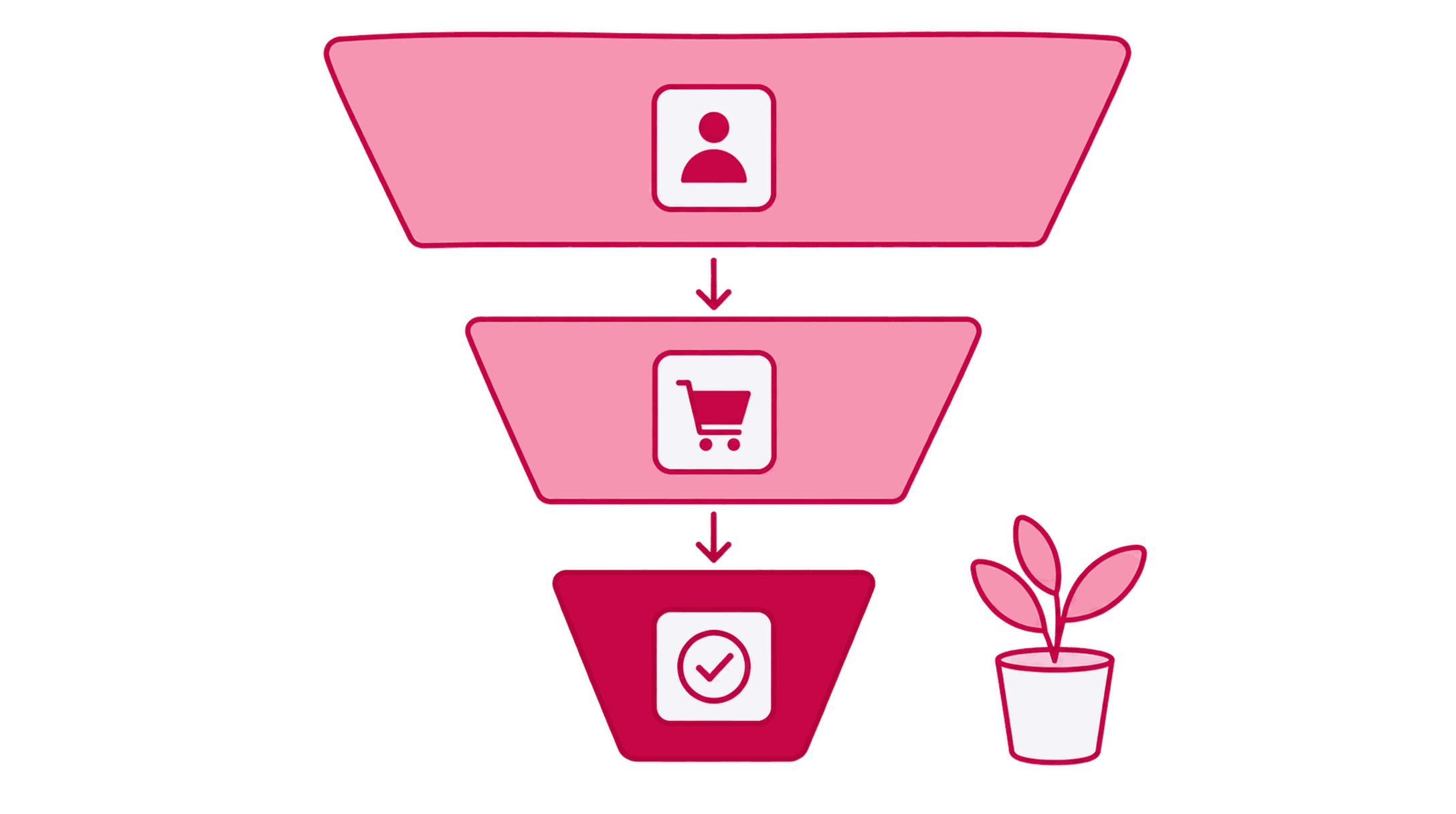







Full-Funnel Campaign Architecture
Every ad set already lives somewhere in the funnel. The architecture just makes that explicit.
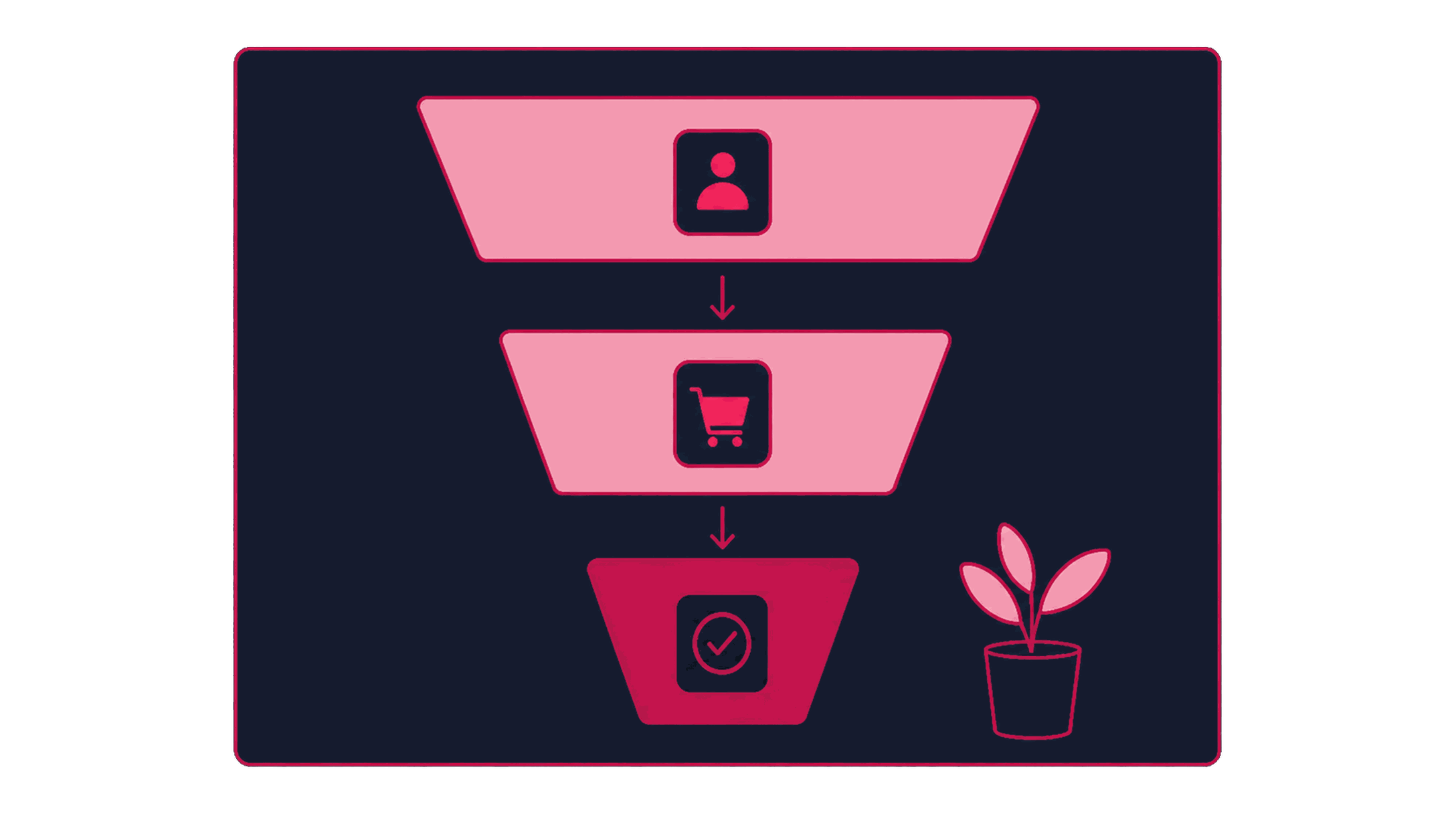
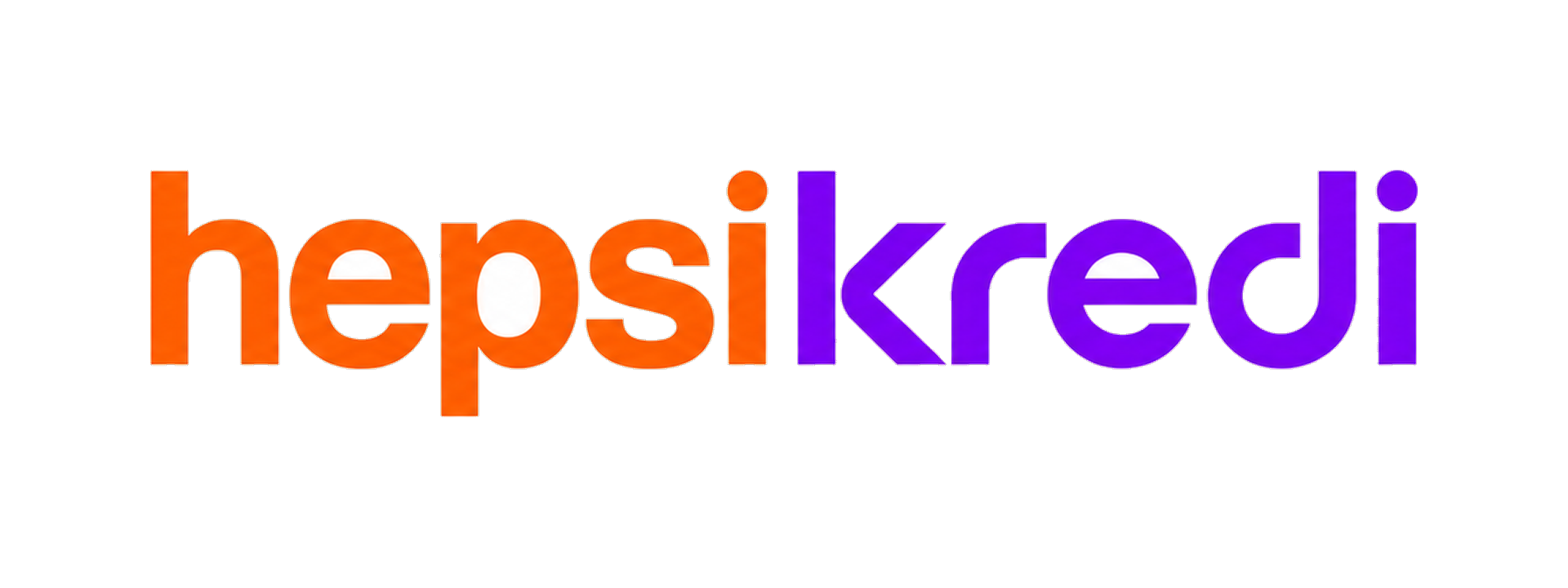
Cold prospects, warm considerers, and people who already converted need different treatment. We assign each stage an objective and creative brief, then use exclusions to keep one budget from serving conflicting jobs. You end up with a campaign architecture where you can point to any ad set, name its funnel stage, and explain the job it does. For teams running paid social past a single "Conversions" campaign who need prospecting, consideration, and retargeting to operate as connected stages.

Some of the 500+ brands we've worked with
See all references









































How the work runs
The funnel takes shape in six decisions
Stage definitions come first, then budget. AI may draft the map and flag gaps. It must not change stage exclusions or move spend. Those calls stay with the named human owners.
How we hold ourselves to it
- Each stage gets its own objective and signal
- Exclusions keep stages from competing for the same person
- Handoffs are part of every stage review
- AI drafts the map. Named humans approve the architecture.
Define what each stage actually means here
Translate awareness, consideration, and conversion into this business's real moments: first exposure, a specific engagement, and a qualifying action. Strategy lead and client owner agree the stage definitions before anything is built.
Stage definitions translating awareness, consideration and conversion into this business's real moments.

Assign one optimization signal per stage
Pick the objective and optimization event for each stage. A prospecting stage is then judged against its own signal and handoff. The channel lead approves the signal-to-stage mapping.
One objective and optimization event per stage, with its handoff named.


Design the exclusion and sequencing logic
Decide who moves from one stage to the next, who gets suppressed from prospecting once they convert, and how long someone stays in a retargeting pool before falling out. A human approves every suppression rule before it goes live, especially anything touching sensitive audience data.
Exclusion and sequencing rules naming who moves on, who is suppressed and how long a retargeting pool holds someone.
Build it paused, then check the map
Construct the campaign and ad-set structure, naming, and exclusions in a paused state. Verify every stage against the agreed map before spend starts. A second reviewer signs off on the paused build before launch.
Paused-build QA record verifying structure, naming and exclusions against the agreed map.

Launch stage by stage and watch the handoffs
Bring stages live in sequence, confirm each one is delivering against its own signal, and check whether a stage is actually feeding the next one at a reasonable volume. An authorized media owner makes every live change to budget or targeting.
Staged launch log confirming each stage delivers against its own signal and feeds the next at real volume.

Review how the stages work together
Check whether the map still matches reality, promote or hold a stage's budget, and retire any stage whose role no longer matches its delivery and handoff evidence. The channel leads and the portfolio owner approve any stage promotion, hold, or retirement.
Stage review recording each promote, hold or retire call and the handoff evidence behind it.

What lands with your team
The map should make sense before anyone opens Ads Manager
The map explains the account's stages and rules to a new hire or client stakeholder before they need to open Ads Manager.
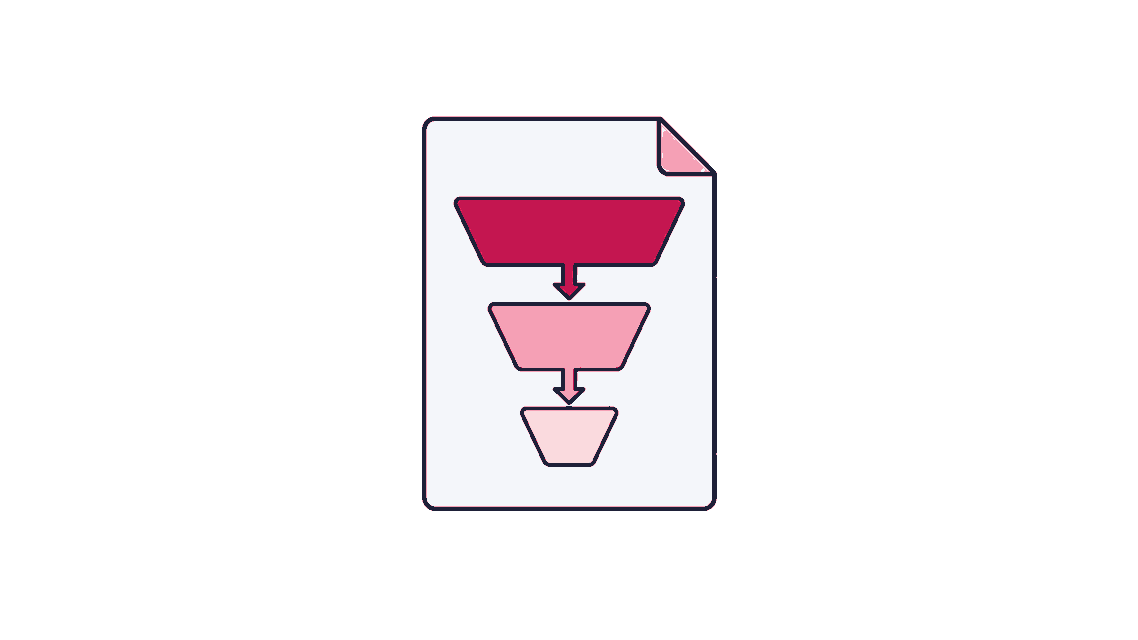
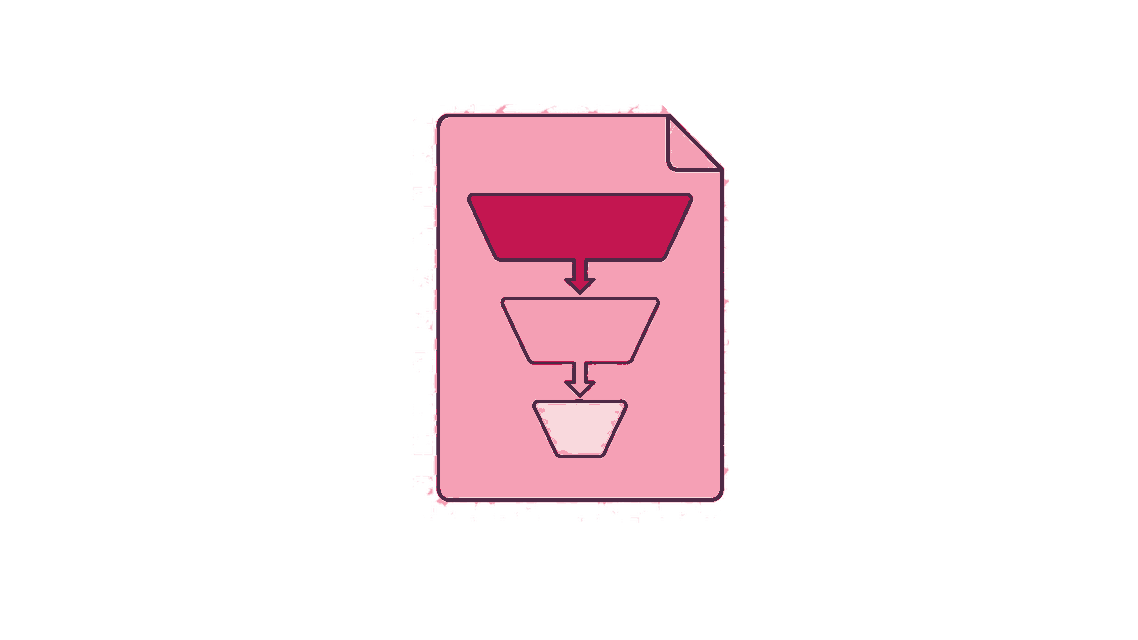
Funnel architecture map
Every stage's objective, audience, creative mode, and exclusion rule in one view, so a new campaign's job is obvious before it's built.
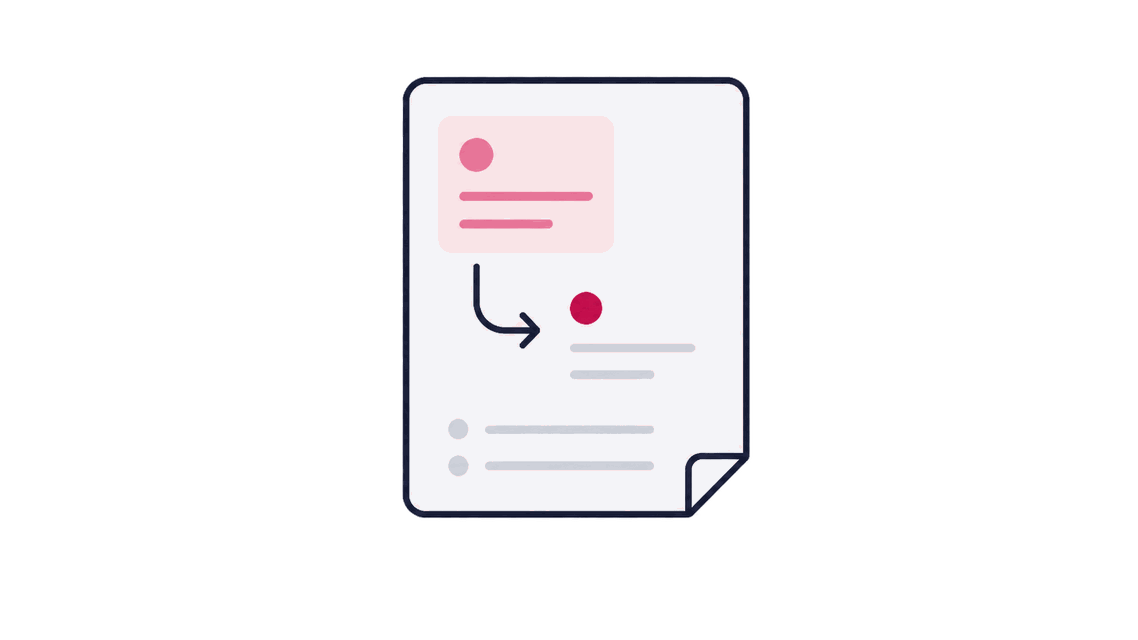
Exclusion and sequencing register
Who's suppressed from which stage, why, and for how long, so a converter showing up in prospecting is a bug someone can actually trace.
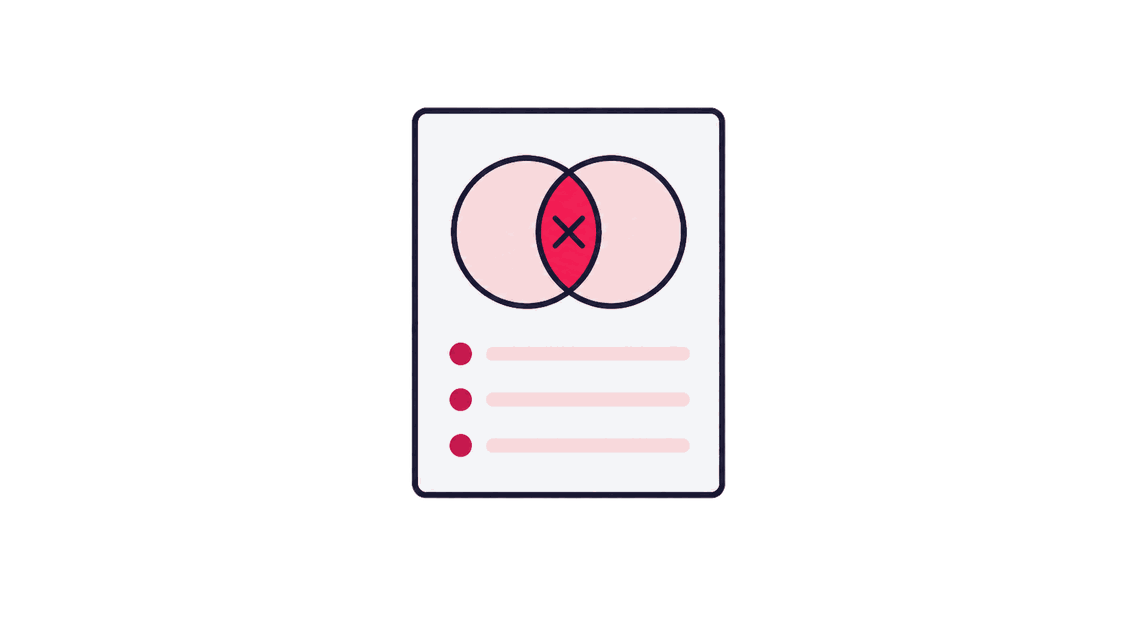
Paused-build QA record
Evidence that the live account matches the approved map before spend started, including who checked it.

Handoff and stage decision log
What each stage handed to the next, what changed, and which stage got promoted, held, or retired.
Before the work starts
When this work is the right next step
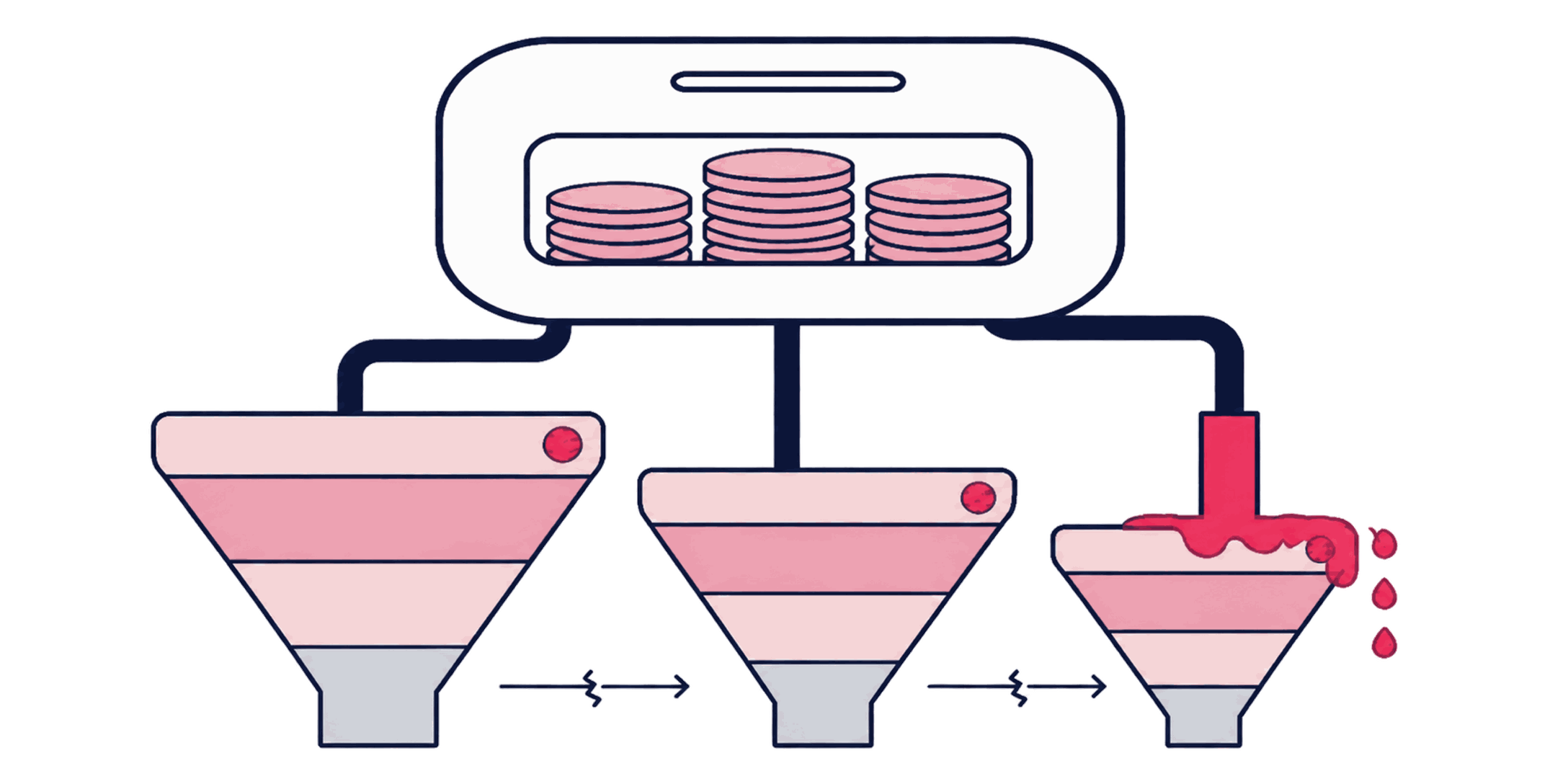
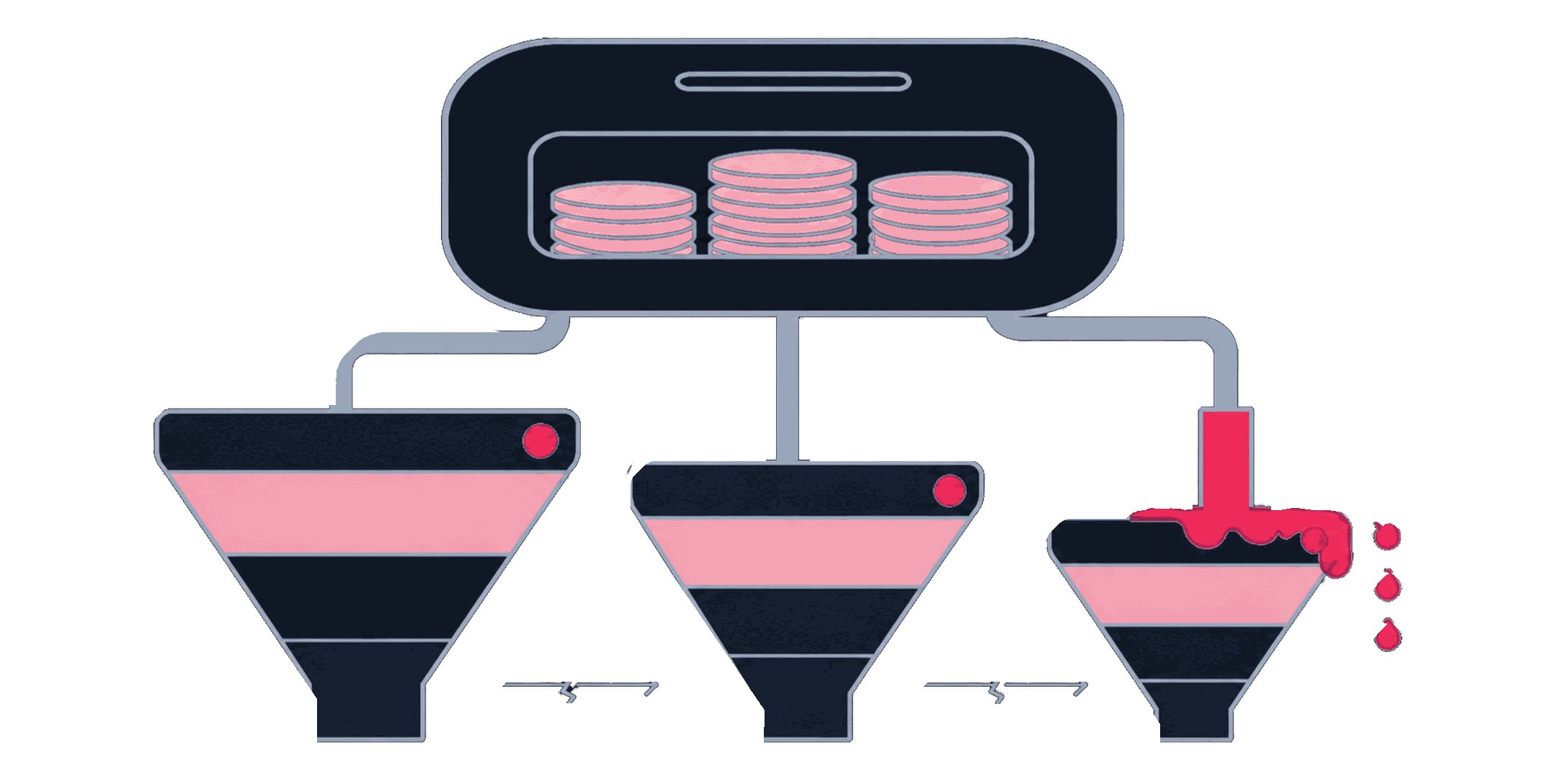
One objective, three audiences, and a budget fight nobody scheduled. Cold prospects, people who've already engaged, and people who converted last month often end up in the same "Conversions" campaign under one cost target. The algorithm drifts spend toward whoever converts cheapest right now, usually the audience that was already close to converting.
A good fit when
- Your paid-social account runs several objective types, but prospecting, consideration, and retargeting still compete inside one campaign shape.
- A mid-funnel action is tracked, yet nobody can say whether it predicts the qualifying action the next stage is supposed to receive.
- Prospecting has enough budget for its own test window, so it can be judged on stage delivery and handoff volume before CPA.
- Prospecting and retargeting share a budget and bid goal.
- A mid-funnel action (view, engagement, form start) is tracked, but nobody has checked what it predicts downstream.
- Last month's top performer becomes the template for a campaign meant to fill a different stage.
- No clear owner for the exclusion list, so converters keep returning to prospecting.
Better handled as other work when
- One small campaign is still searching for a workable shape, so a three-stage architecture would arrive before the account has evidence for it.
- Every campaign optimizes toward the same conversion event, so audience temperature and stage handoffs never affect the build.
- There isn't enough volume for a top-of-funnel stage to gather evidence before the next decision.
People who own a single channel
Paid Search, Paid Social, CRO, and Programmatic each run under a named owner at Zeo. The consultants below are matched to the channel this page is about, so you can see who you'd actually work with.

Sevda Yurtvermez
Performance Marketing Team Lead

Serap Yurtvermez
Performance Marketing Team Lead

Abdullah Tanıdır
Performance Marketing Team Lead

İlker Emir
Senior Performance Marketing Executive

İpek Ezer
Performance Marketing Executive

Metehan Urhan
New Business & Partnership Manager

Zafer Yıldız
Web Analytics Manager
Tools we use
Tools behind this work
 Optmyzr
moves budget between funnel stages as a portfolio decision, in a few clicks instead of campaign by campaign
 Skai
Skairuns a distinct optimization algorithm per stage, with the exclusion logic between them
Related work


Parent service
Paid Social Advertising
A stage map built for one auction does not survive the next one, because placements, audience options and attribution windows get verified separately on each approved platform.


Sibling method
Audience & Exclusion Architecture
The suppression and consent logic that makes stage sequencing enforceable instead of theoretical.


Sibling method
Creative Testing System
How each stage's creative hypothesis gets tested instead of reused across the whole funnel.
Give your funnel a real architecture
Stop judging every stage by the same number