






Creative Testing System
A creative test either has a hypothesis and a decision rule, or it's just two ads running at once.
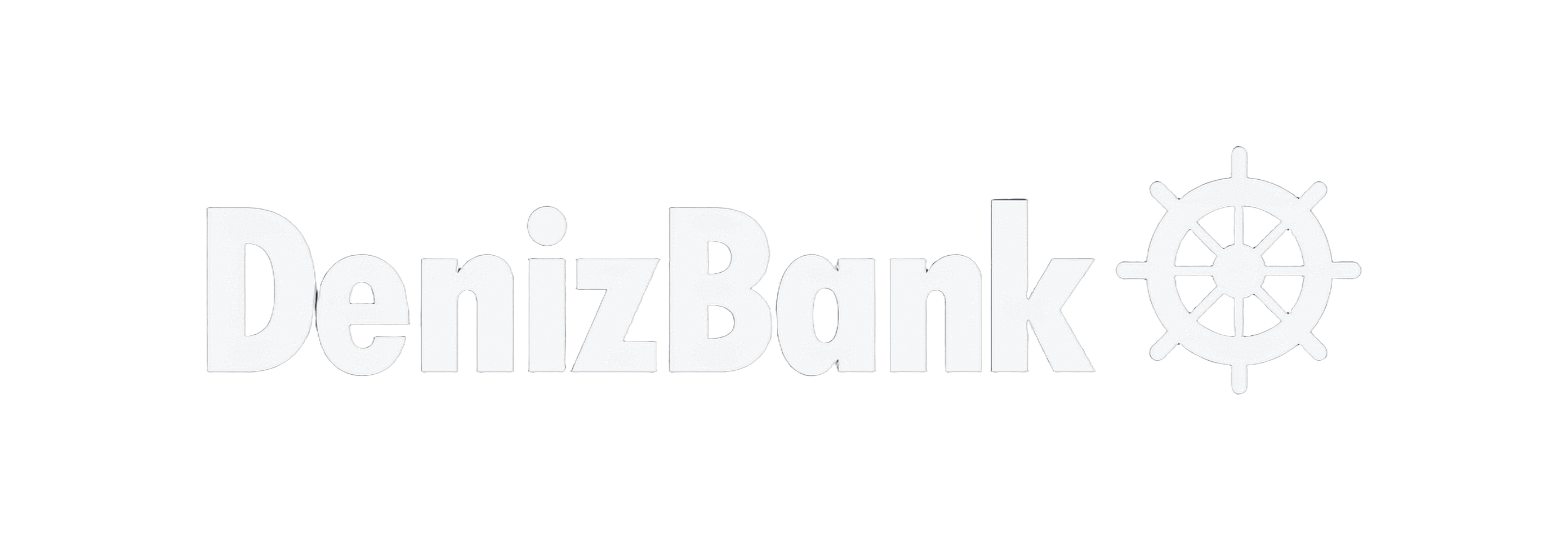
Swapping images and calling it "testing" doesn't explain why one ad worked. We state the hypothesis and isolate one variable in each cell. The minimum evidence bar is agreed before launch and governs the result. You end up with a creative test matrix where every win, loss, or inconclusive result leads to a specific next brief and stays available for later rounds. For paid-social accounts already running creative tests, where results aren't consistently written down, compared fairly, or turned into the next test.

Some of the 500+ brands we've worked with
See all references



































How the work runs
The test has to teach the next brief
AI drafts variant directions and flags fatigue. Brand and a compliance reviewer approve every creative. The strategist and creative lead call the winner and decide when the test is done.
How we hold ourselves to it
- Every variant begins with a recorded hypothesis
- One variable changes in each test cell
- The minimum evidence bar is agreed before launch
- AI drafts variant directions. A human approves every creative that runs
Write the hypothesis before the variant
State what you believe and why (a specific hook, format, or proof point) before any creative gets built, so the test has something real to confirm or reject. Creative lead and strategist approve which hypotheses get built.
Written hypothesis naming the hook, format or proof point under test and the reason behind it.

Build a cell that isolates the variable
Construct the test so the one thing you're testing is the only thing that changed. Placement, audience, and budget logic all stay the same across cells. The strategist signs off on the cell design before build.
Test cell where placement, audience and budget logic are held constant across variants.


Set the evidence bar before launch
Agree the sample size, duration, and confidence level that will count as a real result before anyone sees early numbers and gets tempted to call it early. Strategist and client approve the evidence bar.
Agreed sample size, duration and confidence level recorded before any numbers arrive.
Produce and validate the creative
Build the approved variants within brand and platform policy, and check rights and claims before anything launches. Brand and a compliance reviewer approve every variant before launch.
Approved variants cleared against brand rules, platform policy, rights and claims.

Run it, and keep watching for fatigue
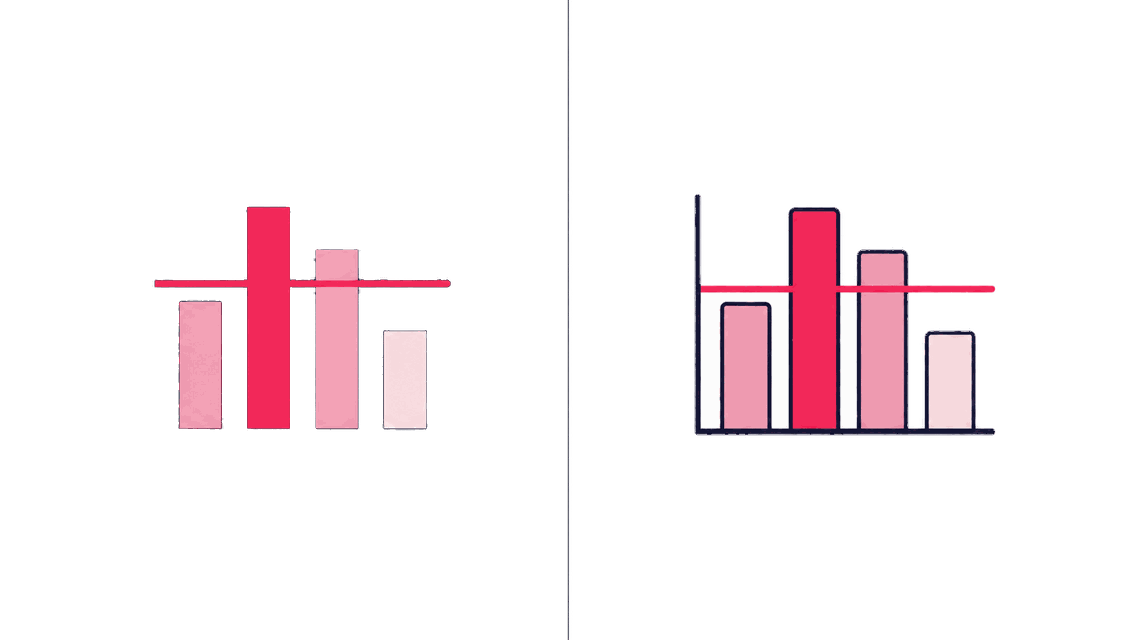
Let the test run to its agreed threshold, and separately track frequency and engagement decay so a still-running test doesn't quietly fatigue mid-flight. The creative lead decides whether to refresh, pause, or let a fatiguing variant finish.
Run record with frequency and engagement decay tracked separately from the test result.
Call the result and write the next brief
Judge the test against the evidence bar set in step three (win, loss, or inconclusive), and turn whatever was learned into a specific hypothesis for the next round. Strategist and creative lead approve the call and the next brief.
Verdict against the evidence bar plus the next hypothesis it produced.
What lands with your team
A matrix that remembers what the account learned
The team doesn't have to remember whether a hook was tested months ago. The matrix keeps the result and the brief that followed it.
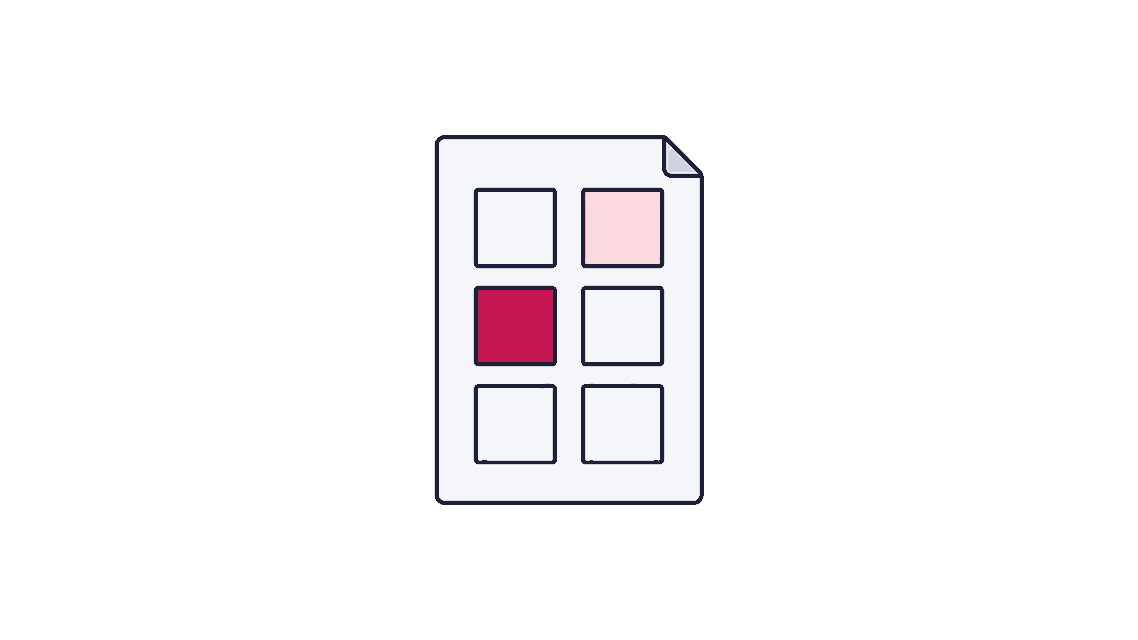
Creative test matrix
Every test's hypothesis, cell design, evidence bar, and result in one place, so nothing gets retested by accident.


Fatigue tracking log
Frequency and engagement trend per active creative, with the threshold that triggers a refresh.
Result and confidence record
What each test actually proved, at what confidence, and what it didn't answer.
Next-brief queue
A running list of hypotheses ready to build, ranked by what the last round of evidence supports.
Before the work starts
When this work is the right next step
Two ads ran. One had more clicks. That's not a test result. Most "creative testing" is really just running a few ad variations and picking whichever one reports the lowest cost after a few days. Without a stated hypothesis, an isolated variable, and an evidence bar set in advance, that's a coin flip wearing a spreadsheet, and it teaches the account nothing it can reuse next month.
A good fit when
- Creative refreshes happen regularly, but hypotheses, cell designs, and results stay scattered across the account, so the next round starts without a usable record.
- Each test cell gets enough spend to reach the evidence bar set before launch, yet early cost swings still tempt the team to call a winner.
- A test ends with a result, but no approved next brief follows, so the account keeps inventing fresh variants instead of using what it learned.
- Multiple creative variants run in the same ad set with no stated hypothesis behind any of them.
- A test gets called "won" after a day or two, before enough evidence has actually accumulated.
- The same creative keeps running past the point where frequency and falling engagement say it's fatigued.
- A test result never turns into a specific next brief: it just ends, and the next batch starts from scratch.
Better handled as other work when
- The budget cannot give two isolated variants a meaningful sample, so the platform's first cost difference would be mistaken for evidence.
- Creative changes are reactive and carry no written hypothesis, so a lower cost gives the next brief nothing it can explain or reuse.
- No one will own the result or write the next brief, so the next creative round starts from scratch.
People who own a single channel
Paid Search, Paid Social, CRO, and Programmatic each run under a named owner at Zeo. The consultants below are matched to the channel this page is about, so you can see who you'd actually work with.

Serap Yurtvermez
Performance Marketing Team Lead

Abdullah Tanıdır
Performance Marketing Team Lead

Sevda Yurtvermez
Performance Marketing Team Lead

İlker Emir
Senior Performance Marketing Executive

Onur Durdağı
Performance Marketing Executive

Ozan Ketenci
VP of Consulting & Strategy

Burak Pehlivan
Co-founder & CEO
Tools we use
Tools behind this work
 Smartly.io
produces the isolated variant across every platform in the test from one build, not a re-export per network
 Madgicx
watches for fatigue after the result is called, not just during the test itself
Related work


Parent service
Paid Social Advertising
Creative capacity is agreed per platform role before spend is exposed, which sets how many variants a test cell can realistically carry.
Sibling method
Full-Funnel Campaign Architecture
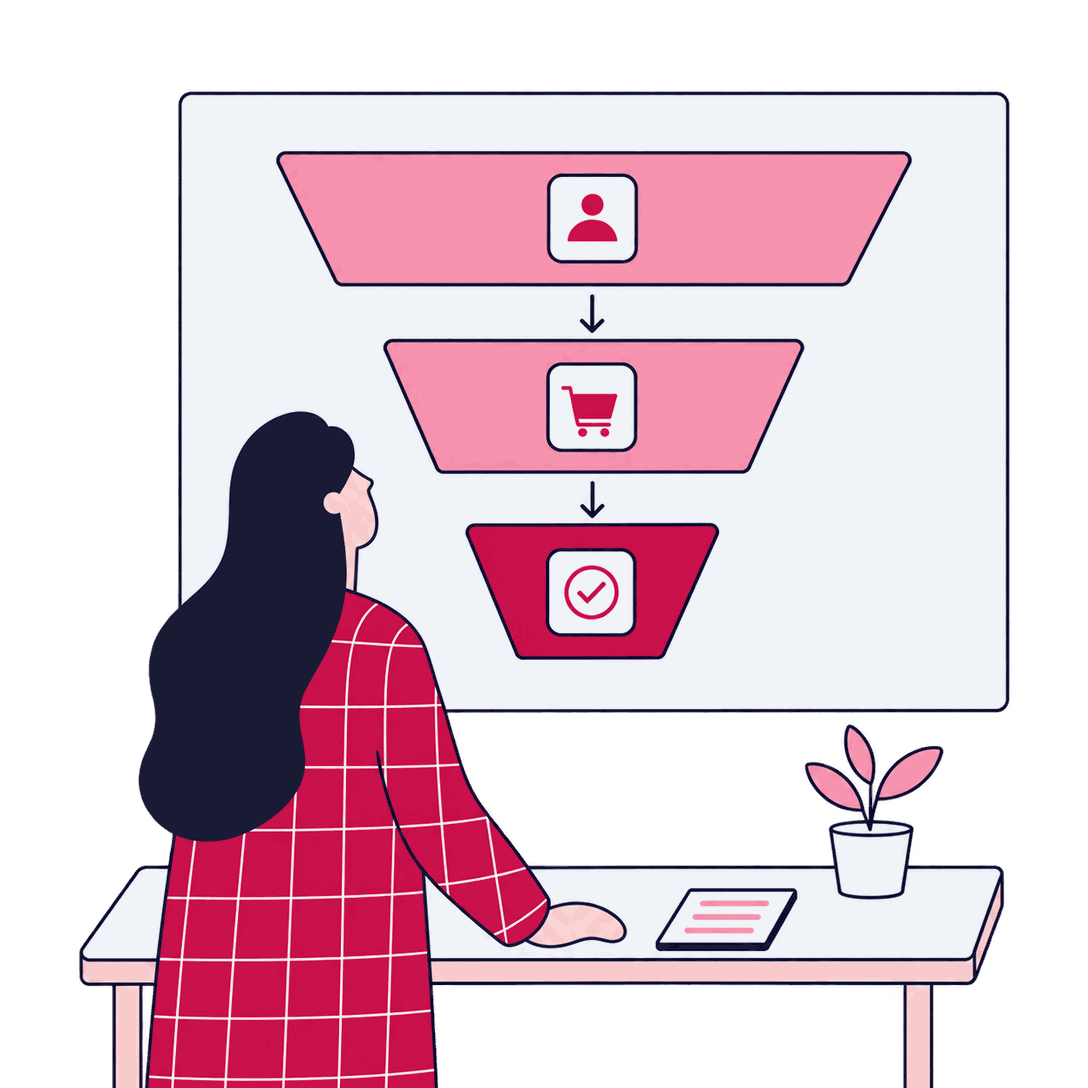
Prospecting and retargeting carry different jobs, so a hypothesis written for one stage cannot be judged against the other's optimization signal.

Sibling method
Lead Quality Feedback Loop
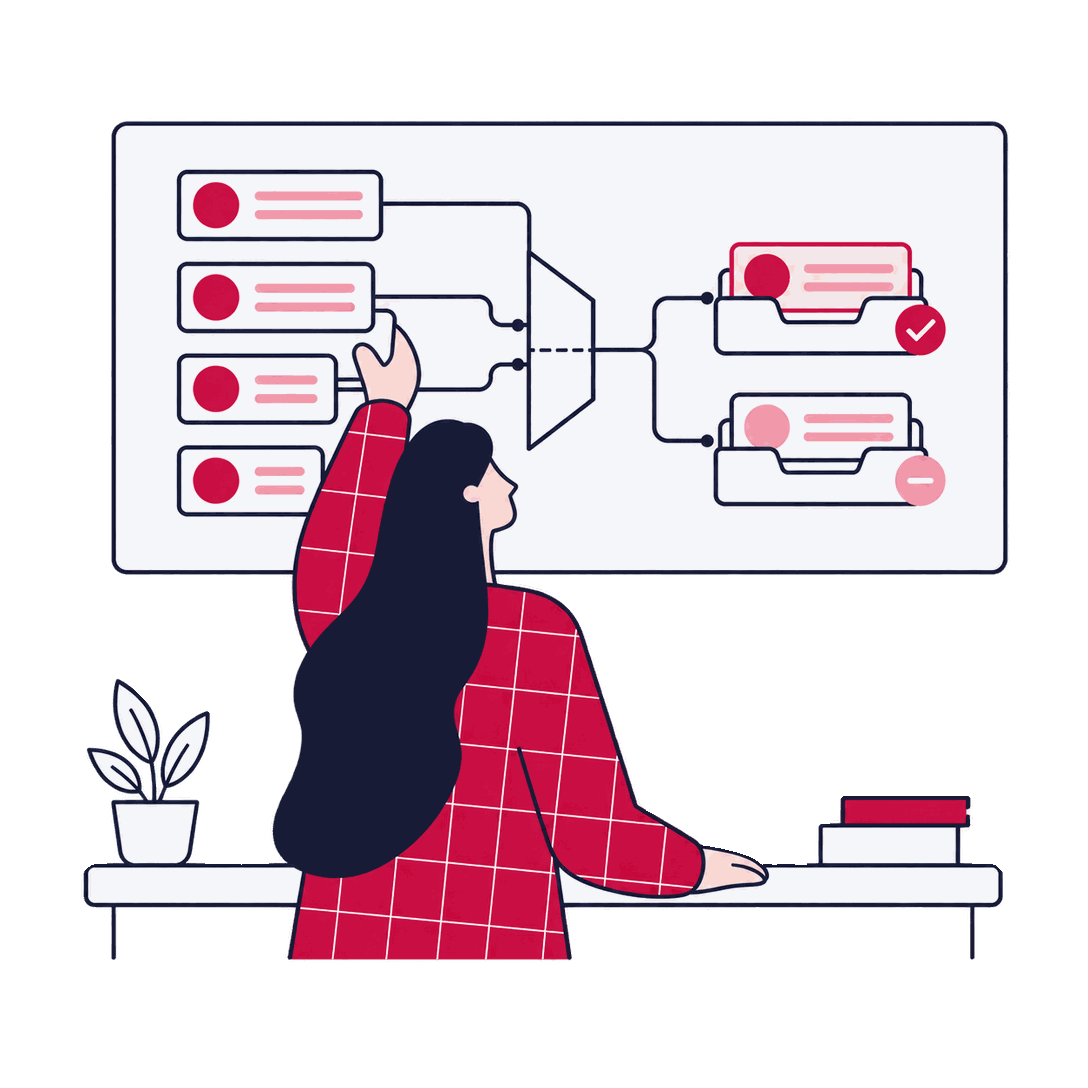
How downstream lead quality is checked alongside a winning variant's platform-reported cost.
Bring your current tests
Stop guessing which ad won and why