






The public profile is out of date
Third-Party Entity Consistency
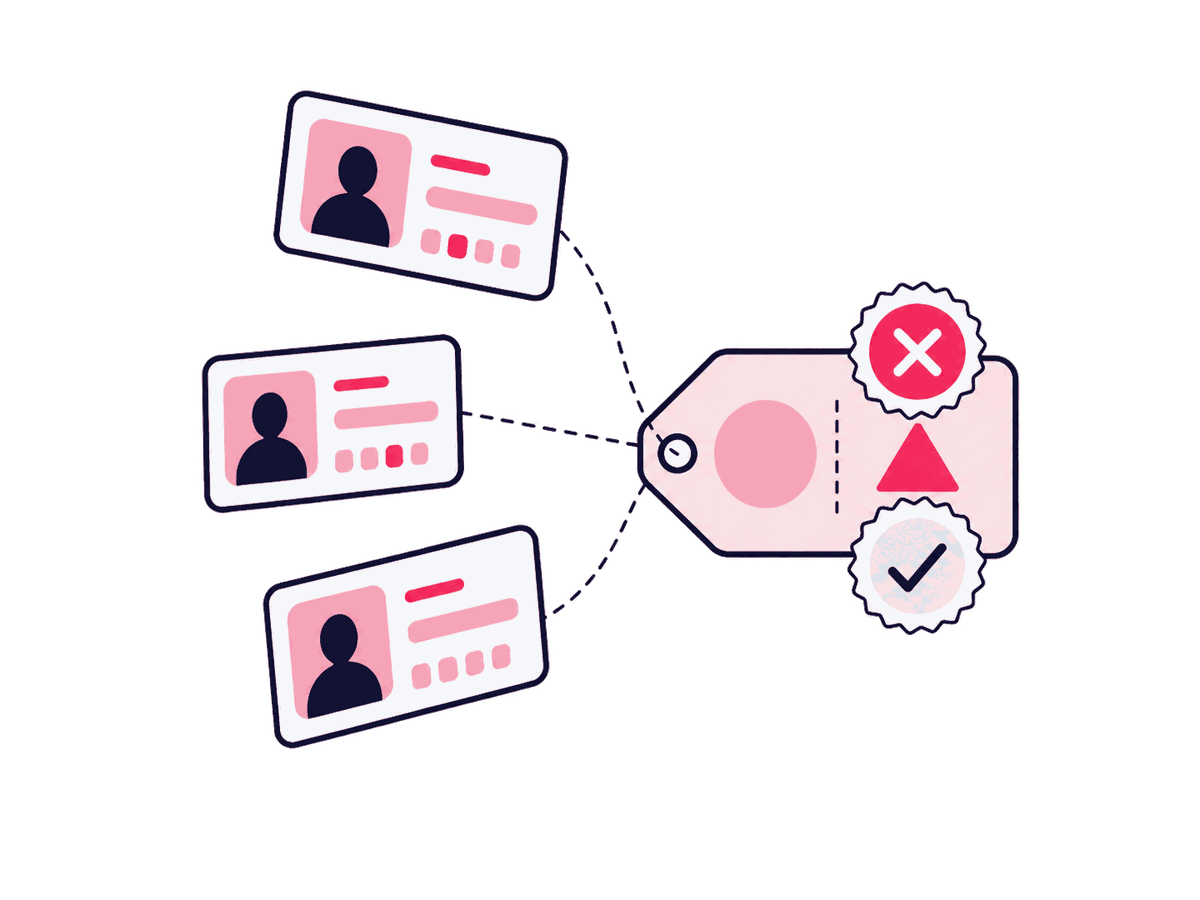
The ledger records where a Crunchbase profile, G2 listing or partner directory agrees with the approved entity record, where it conflicts and who owns the correction route.
This method reconciles third-party public records with facts your owners have already settled. Answer Accuracy Monitoring handles observed AI answer errors. Entity Inventory & Disambiguation owns the canonical entity model. Every profile, directory, and partner page that conflicts with your approved facts gets a named owner and a checked correction. Brand and PR leads who've spotted a wrong Crunchbase or directory listing but don't have a system for routing and confirming the fix.

Some of the 500+ brands we've worked with
See all references







































Six records, one closure trail
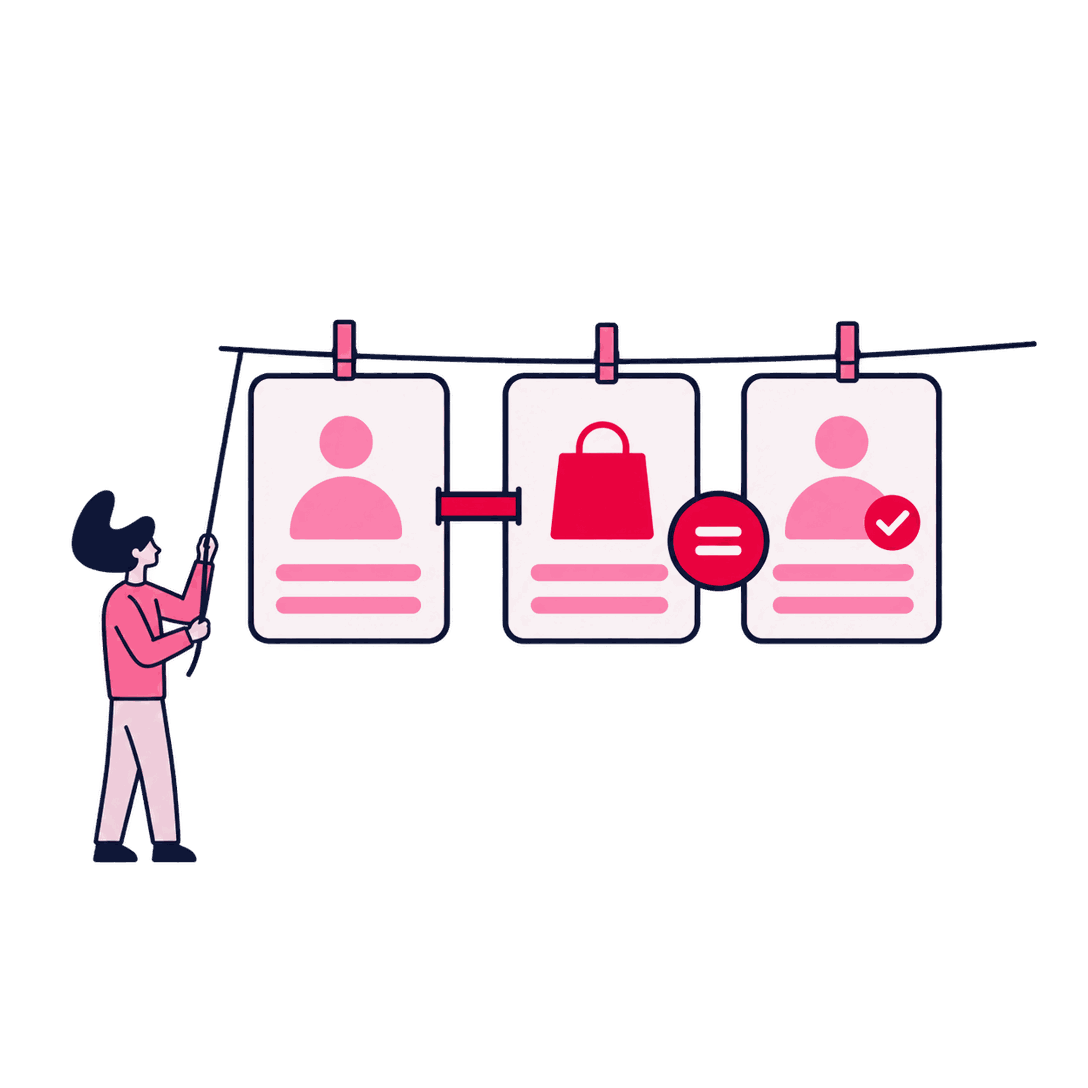
Each discrepancy follows the control route of its source
Capture, comparison and recapture are ours to run. Brand, product, legal and source owners settle facts and authorize every external action.
How we hold ourselves to it
- One owner per discrepancy
- Confirmed by an independent recapture
- Control decides the route
- Refusal is a valid outcome
Freeze the approved fact ledger
Brand, product and legal owners settle every comparison value before anyone works on an outside source. Brand, product and legal owners settle any field still under dispute.
A versioned record of field, provenance, effective date, and owner.


Inventory the priority public sources
The inventory records a Crunchbase profile, partner directory listing and regional aggregator alongside the team or publisher that controls each one. The entity owner sets the scope. Local and partner owners confirm their own surfaces.
A typed URL inventory with control class and locale attached.

Extract and compare source facts
A reviewer records each visible value in context and checks the entity match. Search results and recollection aren't accepted as source evidence. An independent reviewer confirms entity matching and decides whether each discrepancy is material.
A field-level capture and discrepancy ledger, tied to an exact timestamp.


Choose the correction route
Control determines the route, regardless of traffic. A high-traffic source isn't automatically more correctable than a smaller one. The canonical source owner chooses the execution path.
A prioritized plan, direct edit, owner request, outreach, monitor, or no action, per source.


Execute through the source owner
The evidence pack goes to the team that already owns the surface. That team makes the edit or contacts the publisher. The local, partner, brand or publisher team carries out the external action.
A submission and evidence record tied to the approved workflow.

Verify the final public state
After the response window, an independent reviewer compares the page with the original ledger and records what the source now shows. An independent reviewer closes the case against the original fact ledger.
A recapture with resolved, persistent, refused, or inaccessible outcomes recorded separately.


The record after outreach
Every source ends in a verified state
The handoff names the source, its owner, the chosen route and what an independent recapture found.
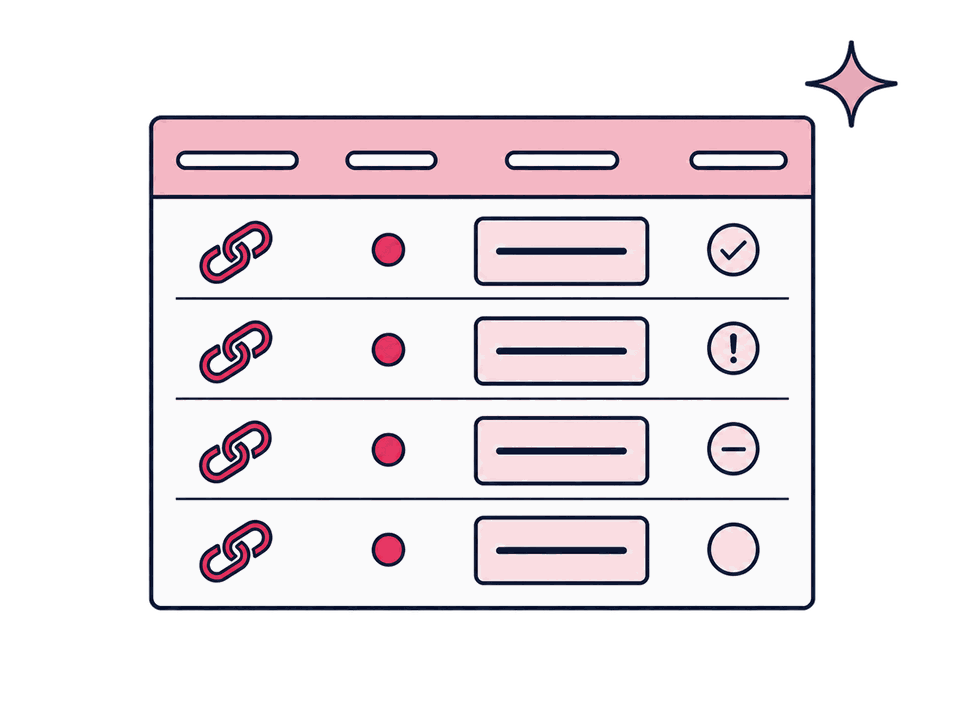
Canonical fact ledger
Fields still genuinely unresolved don't enter automated correction. They stay visibly disputed instead.
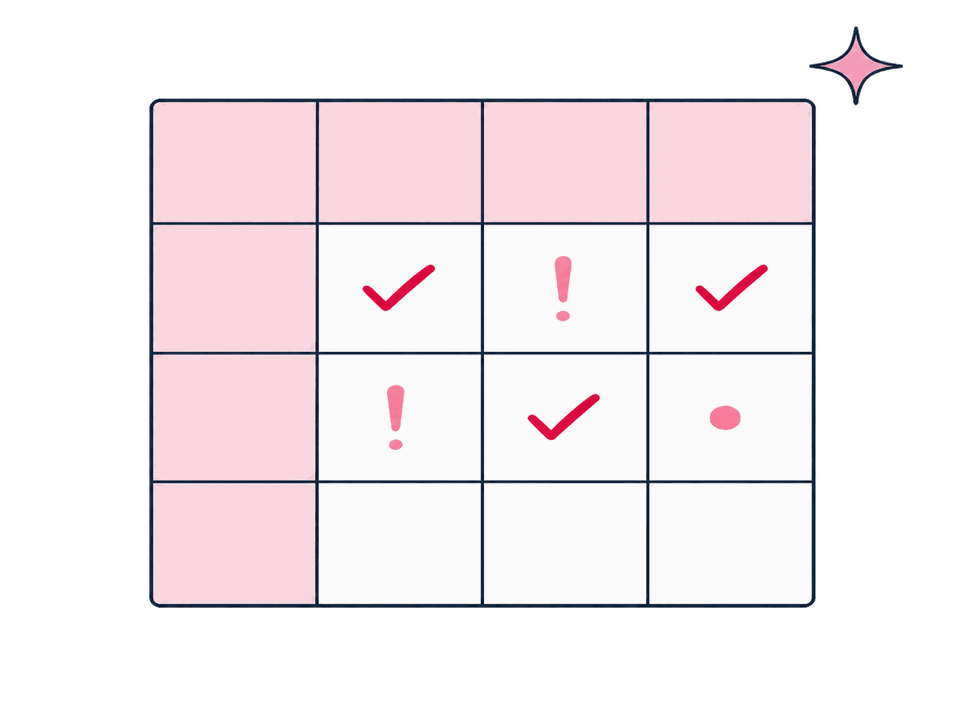
Source consistency inventory
Defines the measured coverage precisely, so "we checked everything" always means something specific.
Correction routing plan
No shared ownership and no discrepancy left implicitly assigned to whoever notices it next.


Verified closure rate
A case only counts as closed once an independent recapture confirms it. Sending a request records action, but it doesn't record a corrected page.
Source revalidation schedule
A source that was consistent last quarter doesn't get assumed consistent this quarter, and the schedule names when each one gets looked at again.
A discrepancy worth routing
The approved record exists, but an outside source has drifted
This work starts after brand, product and legal owners settle the fact. A directory, partner page or aggregator then carries an older or inaccurate version.
A good fit when
- Canonical facts are already approved — The approved entity model is the comparison point. Unresolved identity stays with Entity Inventory & Disambiguation.
- A material public conflict is visible — A Crunchbase profile may show the wrong headquarters, or a partner page a discontinued product line.
- One owner can take the next step — An ownerless source remains visible in the record as unresolved.
- An approved entity specification is ready — Without this, there's nothing stable to reconcile external sources against.
- Compare the exact public source — Every comparison uses a captured page, URL and timestamp. Search snippets and recollection aren't source evidence.
- Classify the source by control — A directory you can edit directly follows a different route from a publisher that may decline the request.
- Give each discrepancy one accountable owner — Every open discrepancy carries exactly one name. Shared or implied ownership isn't accepted.
Better handled as other work when
- Only a single AI answer looked wrong — One odd chat response isn't proof that a specific public source is wrong. It's a separate signal with a separate owner.
- AI answer updates cannot be guaranteed — Answer Accuracy Monitoring owns model-memory timing and output checks. A source correction makes no propagation promise.
- No manufactured corroboration or forced correction — A documented, supported refusal closes the case legitimately.
People who watch how AI cites a brand
GEO work starts with recording what AI answers actually say about a brand today, then moves to the parts you can influence. The consultants below work on the specific capability this page covers.

Ezgi Gülsen Yaylı
SEO Manager

Hande Parmaksız
SEO Manager

Elif Naz Akan Karakoç
Senior SEO Executive

Sinem Bakır Yavaş
Senior SEO Executive

Ruhan Tiryaki
Senior SEO Analyst

Can Mutioğlu
Senior SEO Executive

Gülşah Şahin Özkan
Senior SEO Analyst

Yağmur Bayram
Sr. SEO Analyst

Burak Pehlivan
Co-founder & CEO

Mehmet Aktuğ
Co-Founder & COO

Ozan Ketenci
VP of Consulting & Strategy

Metehan Urhan
New Business & Partnership Manager

Zafer Yıldız
Web Analytics Manager
Tools we use
Tools behind this work
 Wikidata
one of the few outside records this method can actually correct, not just monitor
 Google Knowledge Graph Search API
a quick diagnostic check on whether Google's index shows the correction
 Yext
Yextthe direct-edit route for syndicated listings, and the detector when one is overwritten again
 Google Business Profile
a source the brand edits directly, so its case closes on a recapture rather than a request
 BrightLocal
inventories where the brand's listings exist at all, including the duplicates nobody has claimed
 Airtable
tracks each discrepancy through its control route to a verified end state
Nearby methods and services
Canonical capability
Entity & Knowledge Graph Optimization
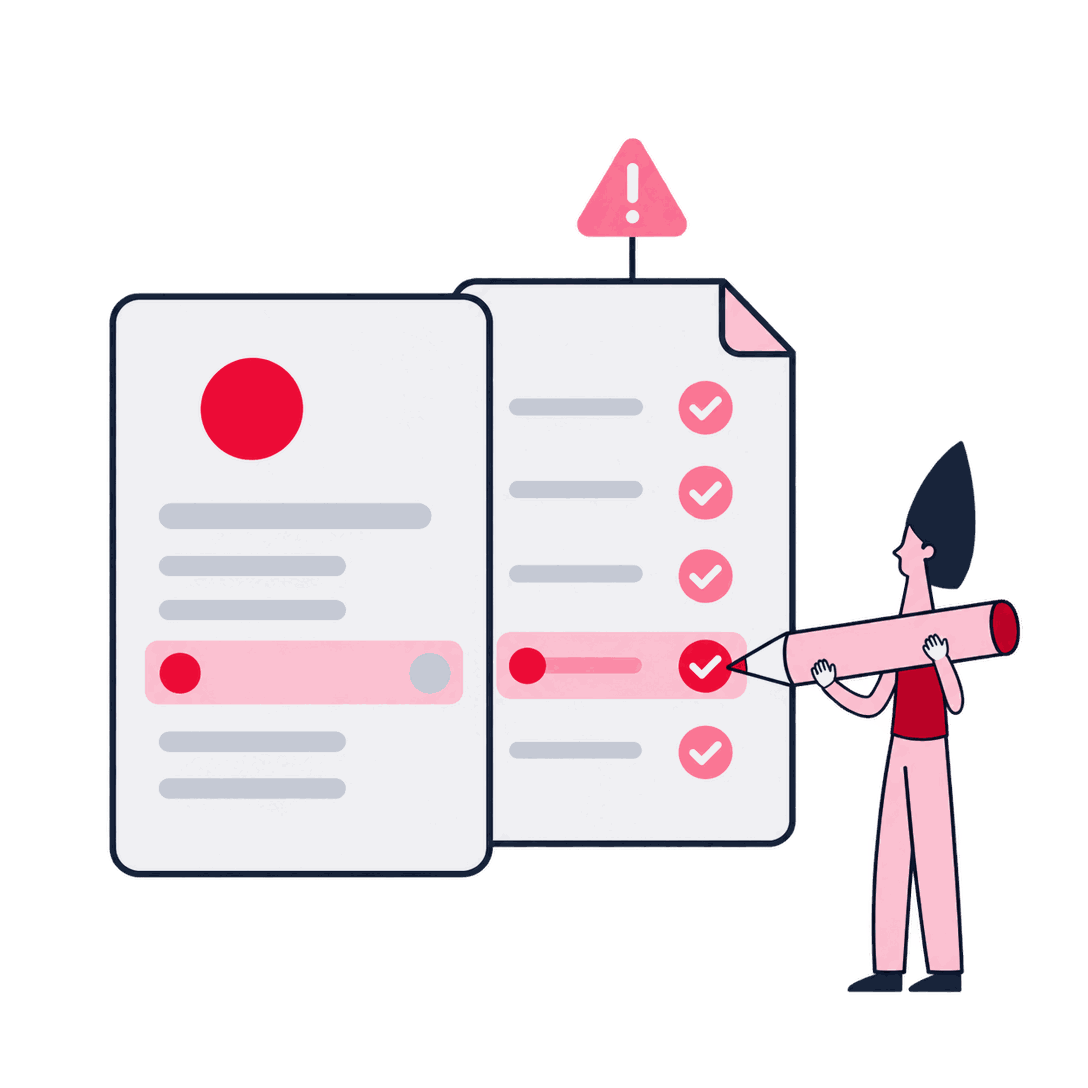
The capability and Entity Inventory define canonical identity. This method reconciles third-party public sources against it.

Measurement boundary
Answer Accuracy & Claim Monitoring
Use answer monitoring for observed AI claims. Source consistency doesn't own prompt panels or model output.


Cross-service owner
Local SEO
Local listings, profile edits, and review operations stay with Local SEO's canonical execution team.
Submitting a correction is not closing it
Find the correction route for a stale profile