







Content Optimization & Operations
Editorial Workflow Design
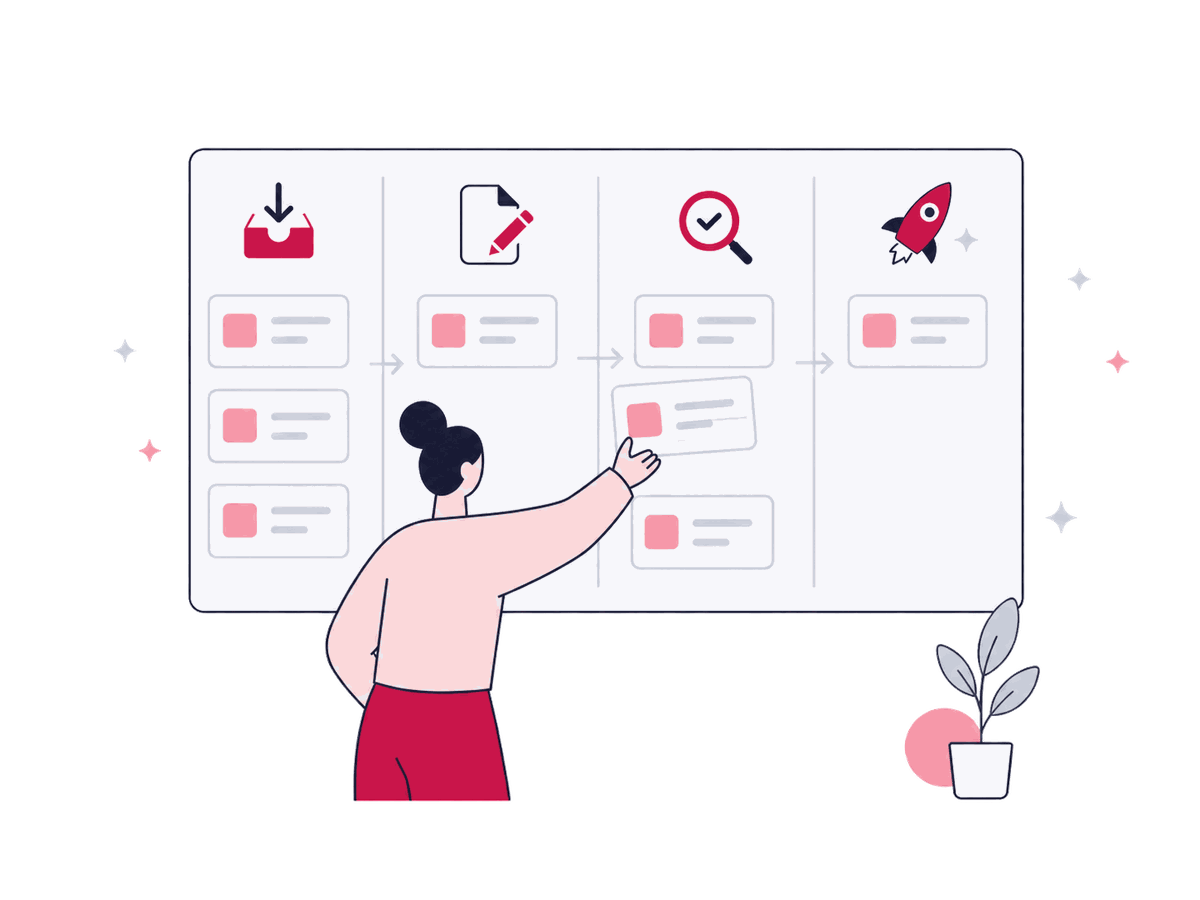
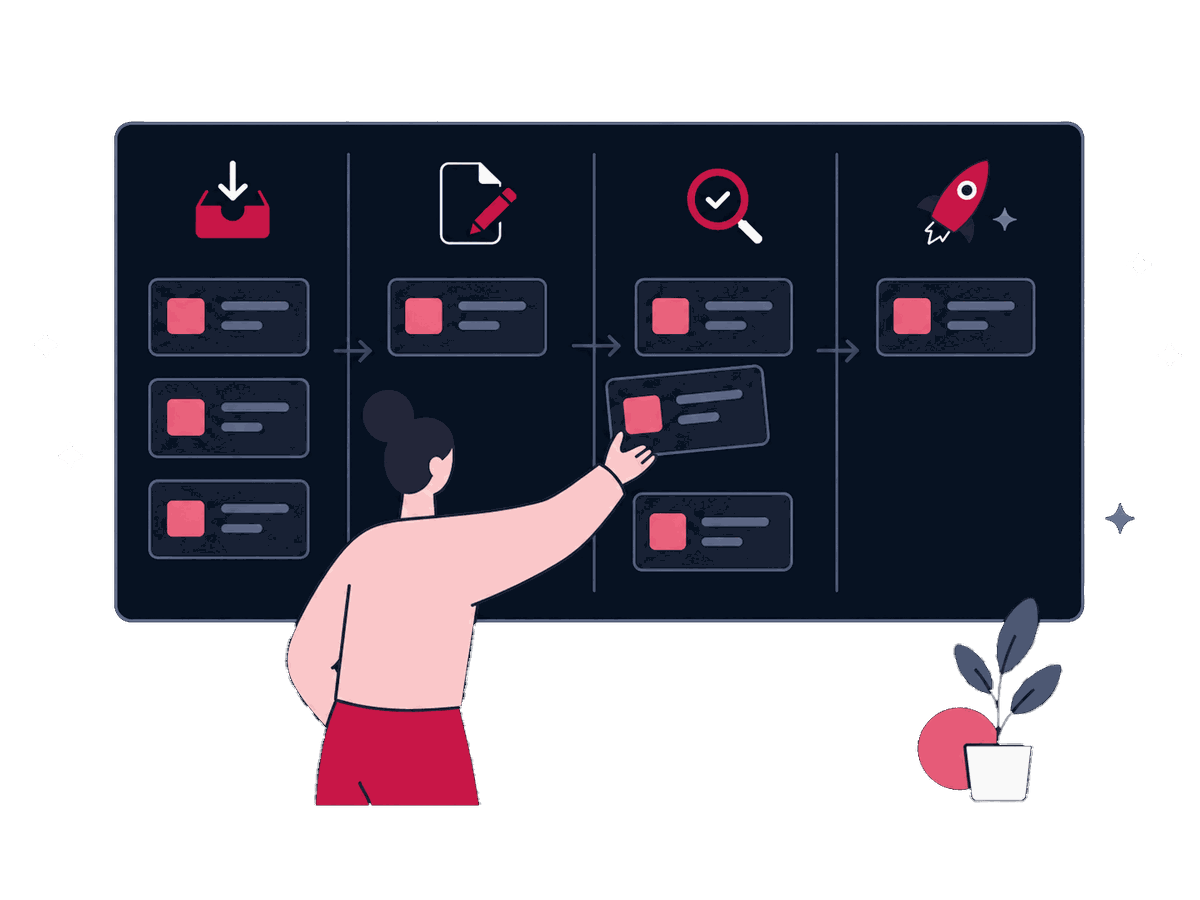
Design a production path with clear states, owners, entry criteria, exit criteria, and an exception route for work that does not follow the easy case.
Editorial Workflow Design follows real content from request to publication, identifies the handoffs and queues causing delay or rework, and turns those findings into a workflow the team can use in its existing tools. You walk away with documented states, owners, and service levels, tested against a hard case and configured in the tools the team already uses.
Some of the 500+ brands we've worked with
See all references


























How we run it
How observed work becomes a usable workflow
The process begins with real content traces, separates controls from inherited habits, defines usable states, tests difficult cases, and checks adoption after rollout.
Trace real pieces from request to publication
We follow a representative set of real pieces from request to publication and record each handoff, queue, wait, and rework loop. That observed path takes precedence over a process recalled from memory. The sample determines what the map reveals, so a strategist selects the real pieces to trace.
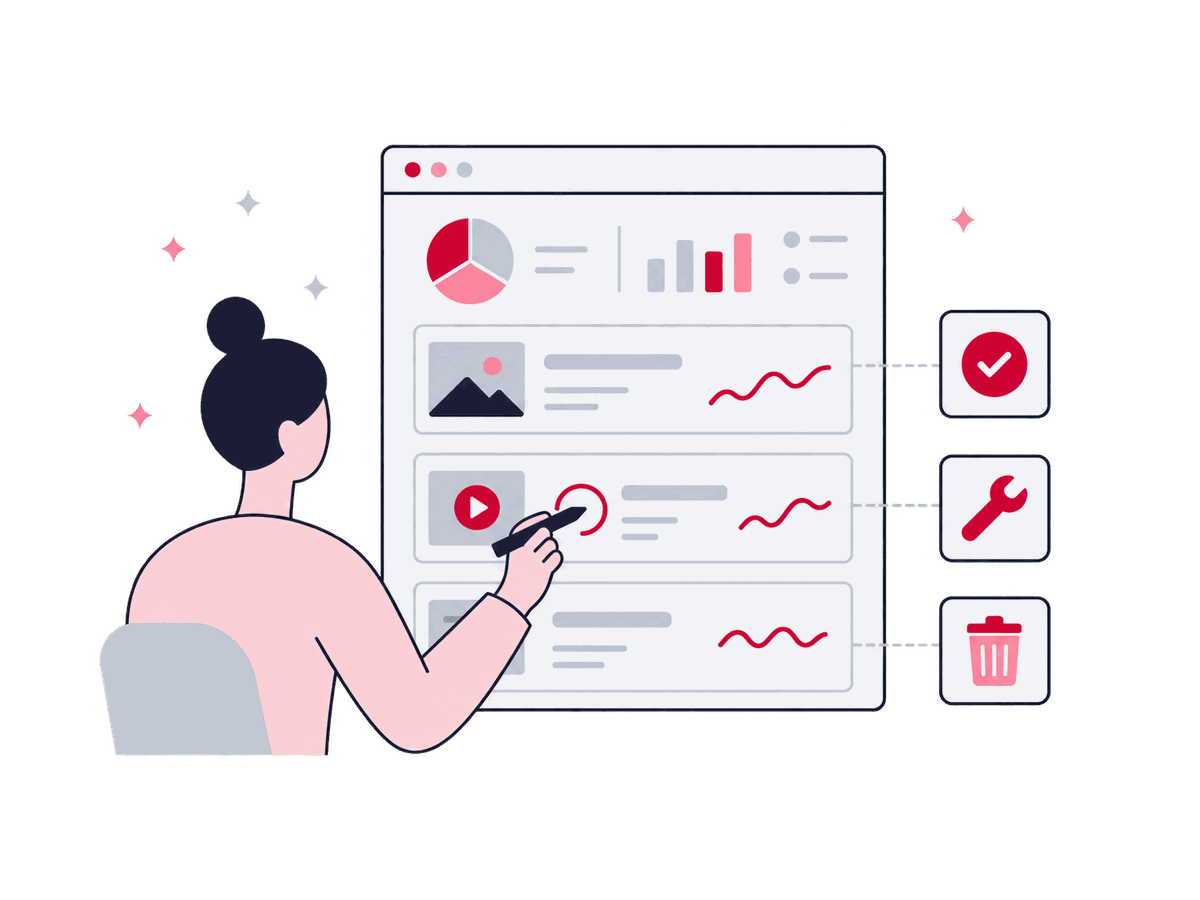
A map of real states, queues, and friction points, as opposed to the process on paper.
Separate necessary controls from inherited steps
Some stages manage a real editorial, legal, or publishing risk. Others remain only because the team once worked differently. We document the reason for each step before keeping or removing it. Keeping or cutting a step remains the strategist’s decision after its purpose has been documented.
A list of steps worth keeping, with a reason for each, and steps worth cutting.


Define states, owners, and transition criteria
For every state, we define the conditions for entry, the accountable owner, and the conditions for exit. A piece should not remain in a queue because nobody knows what happens next. The workflow owner signs off on who owns each stage before it becomes the default.
A workflow blueprint with states, owners, and service levels attached.
Create references for the moment of use
We turn states and criteria into concise templates and reference material attached to the work itself, where people will actually see them. An editor approves the reference material before anyone is expected to use it.
Lightweight templates and reference material tied to each state.


Test the workflow against difficult cases
We test the proposed flow with an urgent request, a rejected draft, and a localization handoff. The workflow also needs an explicit exception path for cases outside the default sequence. The strategist weighs the predicted queue against the team’s capacity and risk tolerance before accepting the design.
A tested blueprint with an explicit exception path for cases that don't fit the default flow.
Configure the flow and check adoption
We configure the workflow in the team's existing tools, train people on both the default and exception paths, and then observe whether the new states are being used. The workflow owner sets the review date and judges whether adoption stuck or just got filed away.
A live workflow, an adoption check, and a review date.

The evidence does not choose the workflow
Time in each state, recurring handoff rework, and likely queues under heavier volume can all be analyzed with agents. The result gives the strategist better evidence, but it cannot say whether a control justifies the friction it creates. That decision depends on the team’s capacity and risk tolerance, and it determines which stages stay, change, or disappear.
What you get
What you receive with the new workflow
The package includes the current-state evidence, the future-state blueprint, and the adoption measures used to see whether the change took hold.
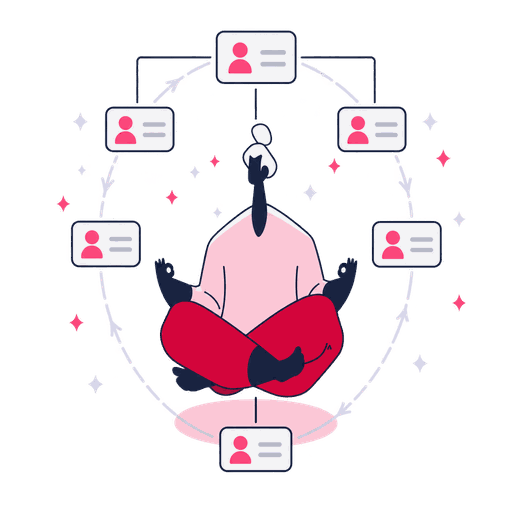
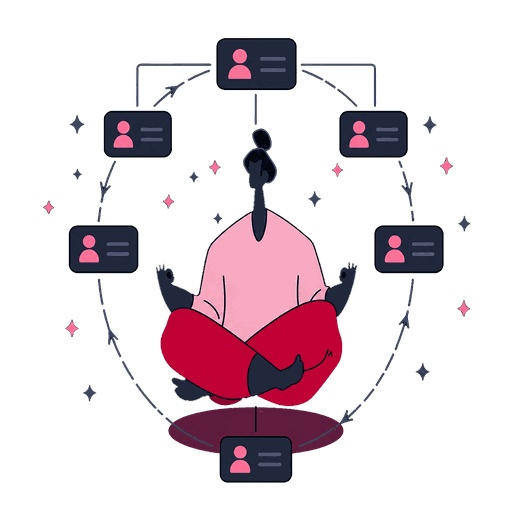
Observed current-state map
A record of the states, queues, handoffs, waits, and rework loops observed across real pieces of content.
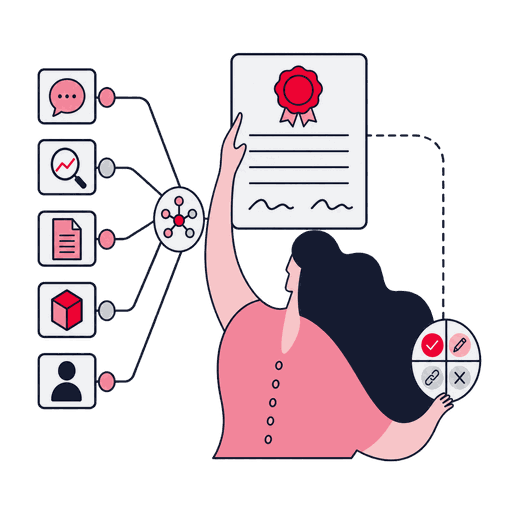
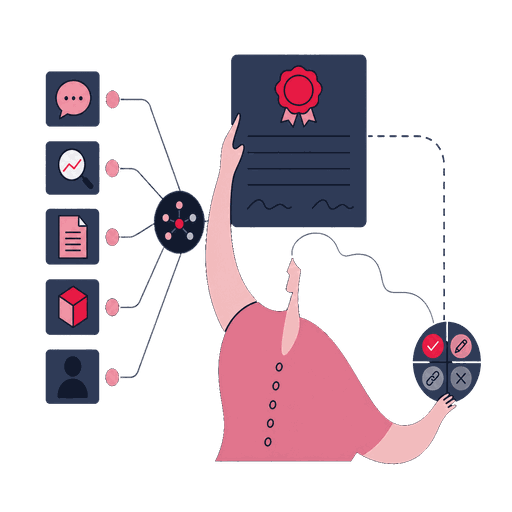
Future-state workflow blueprint
The proposed states, accountable owners, entry and exit criteria, service levels, and exception route for non-standard work.
Workflow adoption tracker
The measures and review date used to confirm whether the team follows the new flow in day-to-day work.
We call it done when: the states, owners, and service levels are documented, tested against a hard case, and the team is actually using it.
Who it fits
When handoffs keep slowing editorial work
This method addresses the operational path a piece follows through the team. Policies and decision rights belong to Content Governance.
A good fit when
- Drafts keep slowing at handoffs between writers, experts, legal, and publishing, so queues and rework appear without one visible owner.
- A specific piece sits in the team's tools, but nobody can see its current state, accountable owner, or next action without reconstructing the history.
- The process on paper looks orderly, yet real pieces follow different queues and handoffs, so you want the workflow built from observed work.


Better handled as other work when
- You need to define policies and decision rights rather than the day-to-day production path. That is Content Governance.
- More approval stages are the goal even though no observed delay, rework loop, or editorial risk shows what those stages would control.
- The current state may be documented, but the team will not change its states, owners, or exception path once the map shows where work stalls.
People who write and ship this content
Some of these consultants write the pages themselves. Others plan distribution or check how a piece performs once it's live, so the team below covers more than one stage of the work.

Yiğit Konur
Founder & Chief Strategy Officer

Didem Himmetli
Marketing Executive

Deniz İmre Temiztürk
Content Specialist

Metehan Urhan
New Business & Partnership Manager

Ezgi Gülsen Yaylı
SEO Manager

Hande Parmaksız
SEO Manager

Sinem Bakır Yavaş
Senior SEO Executive

Bensu Tınastepe
Senior SEO Analyst

Ali Özgün Öz
SEO Executive

Mehmet Aktuğ
Co-Founder & COO

Emir Kağan Kahveci
SEO Analyst

Zafer Yıldız
Web Analytics Manager

Ataberk Yüzat
SEO Executive
Content we've produced on this topic
Tools we use
Tools behind this work
 Notion
the reference page a contributor opens at the exact moment a state needs one
 Asana
Asanathe configured states and transition rules a real draft moves through
 Trello
the lightweight board pick for a smaller team that finds Asana too heavy
 Airtable
the trace log that maps one draft's real path before the new workflow is designed
Where this leads next
Methods connected to Editorial Workflow Design
Upstream
Content Governance
If nobody's agreed who's allowed to approve what, settle that first. A workflow just moves work faster toward decisions nobody's authorized to make.
Downstream
Content Performance Reviews
Once work is flowing, performance reviews tell you whether what's coming out the other end is worth the effort.
Complementary
Copy Editing & Content QA
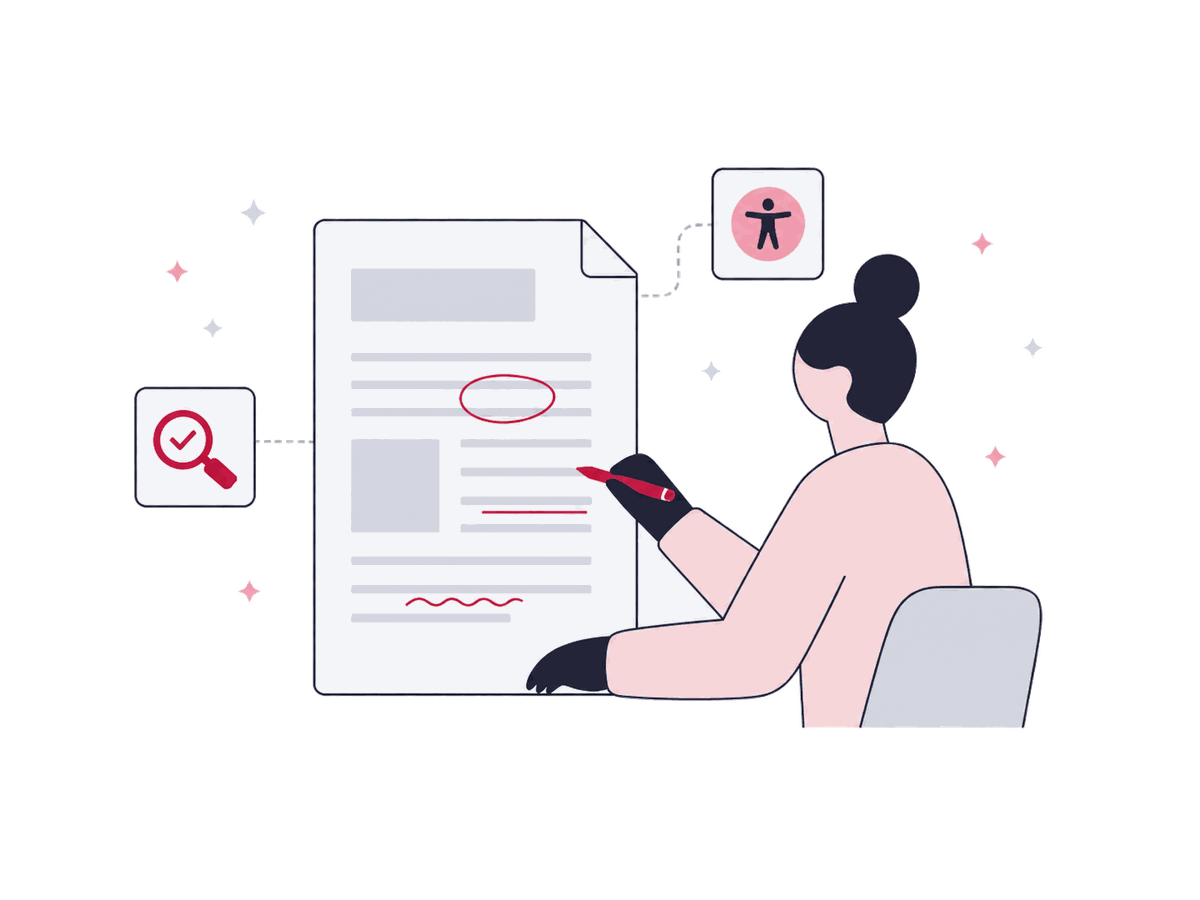
Workflow design fixes where a draft stalls between people, but the actual accuracy and voice check before publish is this separate method's job.
Start the work
Find the handoff that keeps holding work up

Before we start