







Content Optimization & Operations
Content Governance
Set decision rights before the next disagreement.
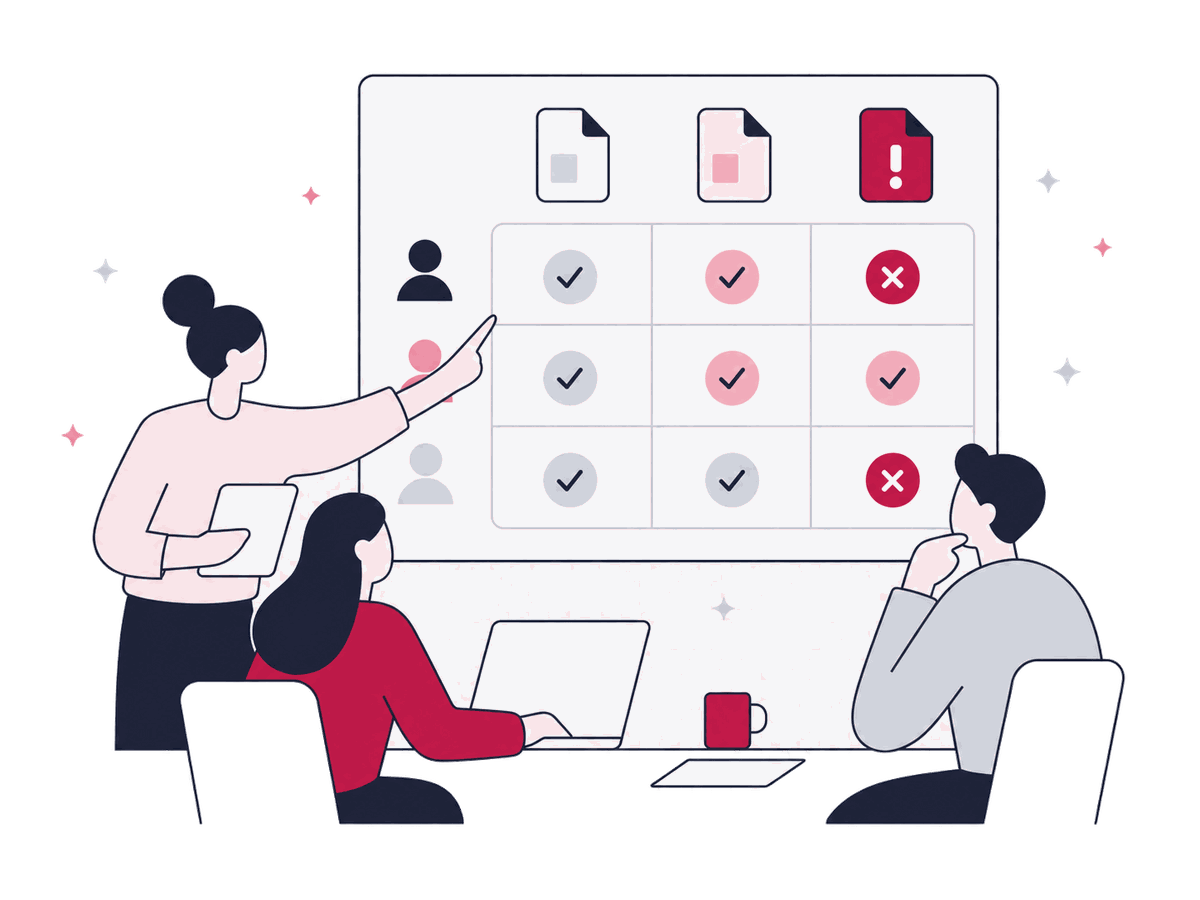
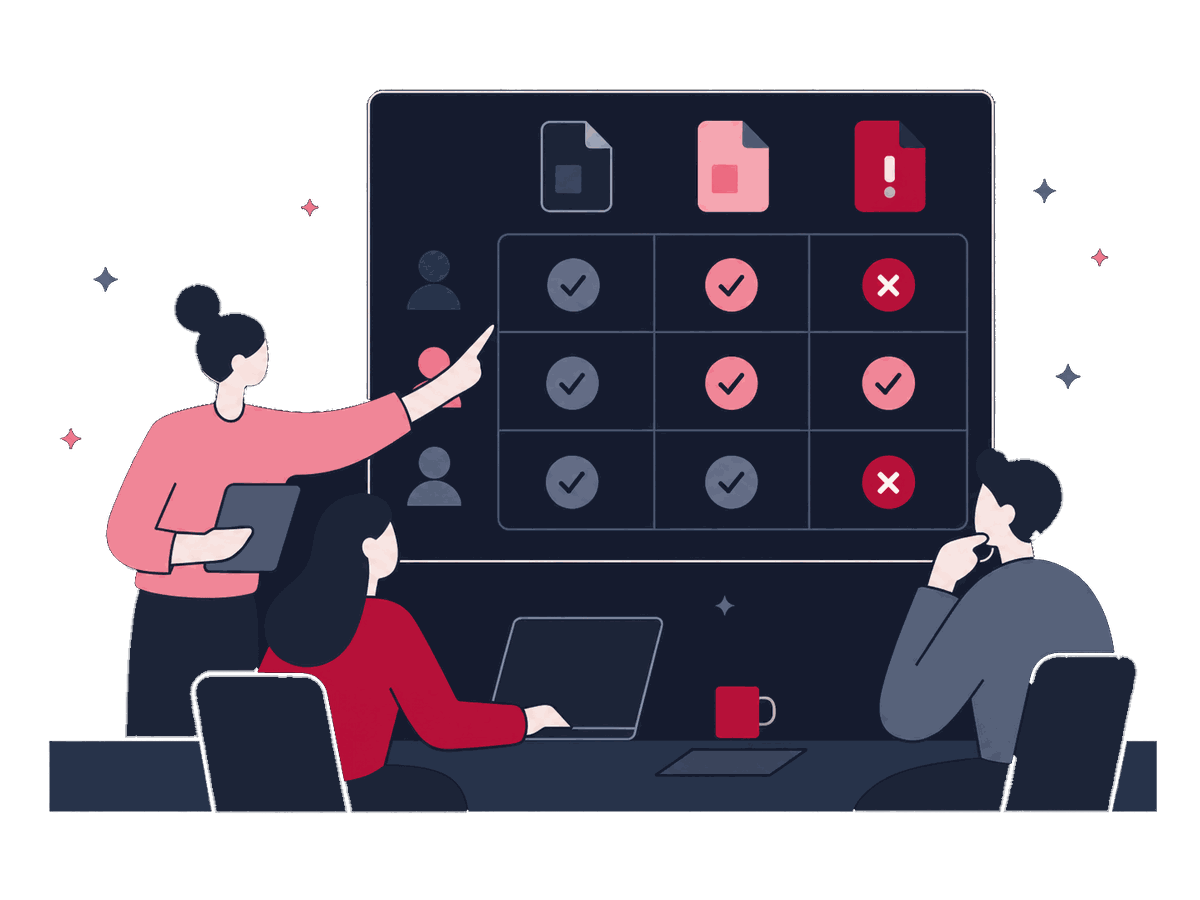
Content Governance defines who may approve each type of content, which risks require another signature, and how exceptions are handled. Decisions no longer depend on whoever happens to be available. You walk away with written decision rights, risk tiers that have been tested against real cases, and a named exception path people can actually use.
Some of the 500+ brands we've worked with
See all references





































How we run it
How we create rules people can use
We begin with how decisions happen today, then test and introduce a model the team can follow.
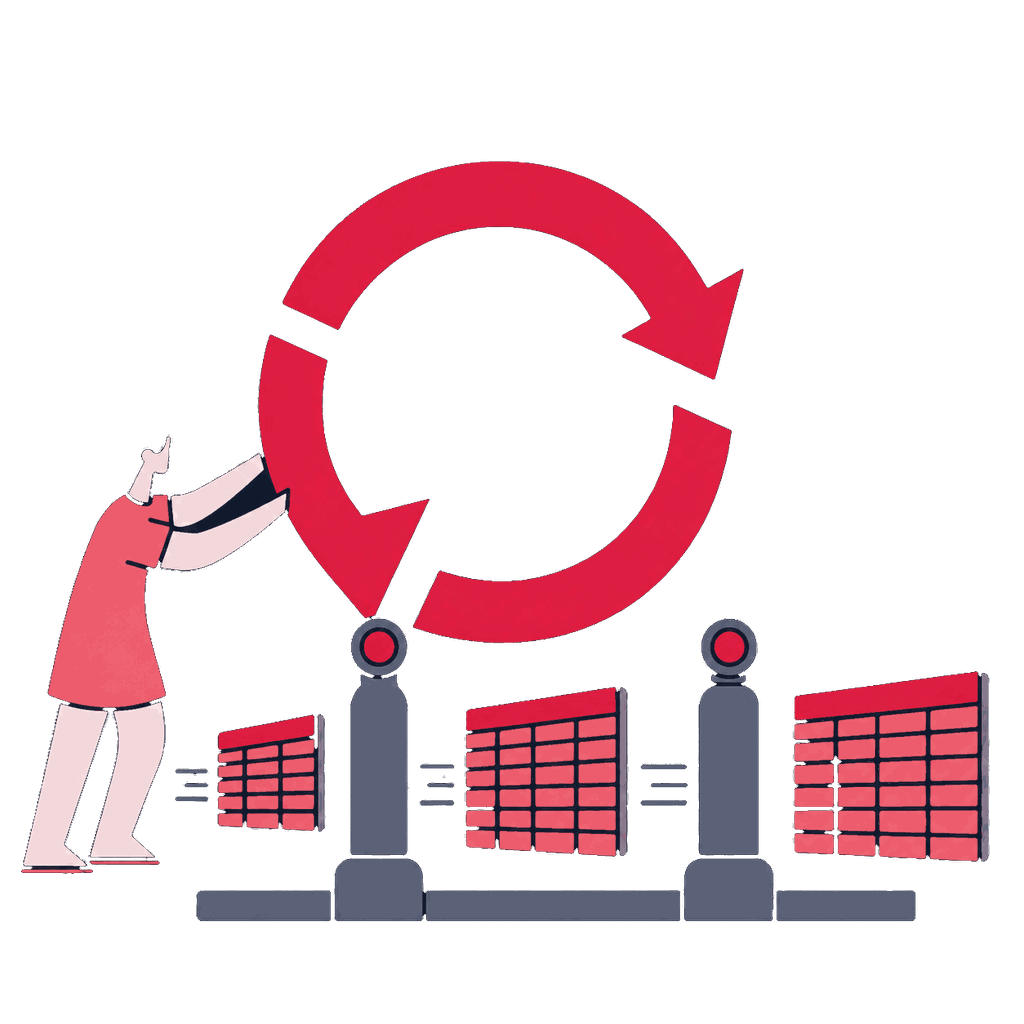
Map how decisions actually get made now
We look at real approvals rather than the org chart. Who actually said yes last time, how long it took, and where things stalled or got skipped entirely. The people who actually approved things last time confirm the map is accurate.
A picture of current decision rights, gaps, and recurring friction points.

Name the risk tiers
Not every piece of content carries the same risk. We sort content by what could go wrong if it's wrong and match review weight to that. Whoever holds real authority signs off on which risk tier a given content type belongs to.
A risk-tiering model with the review level each tier requires.


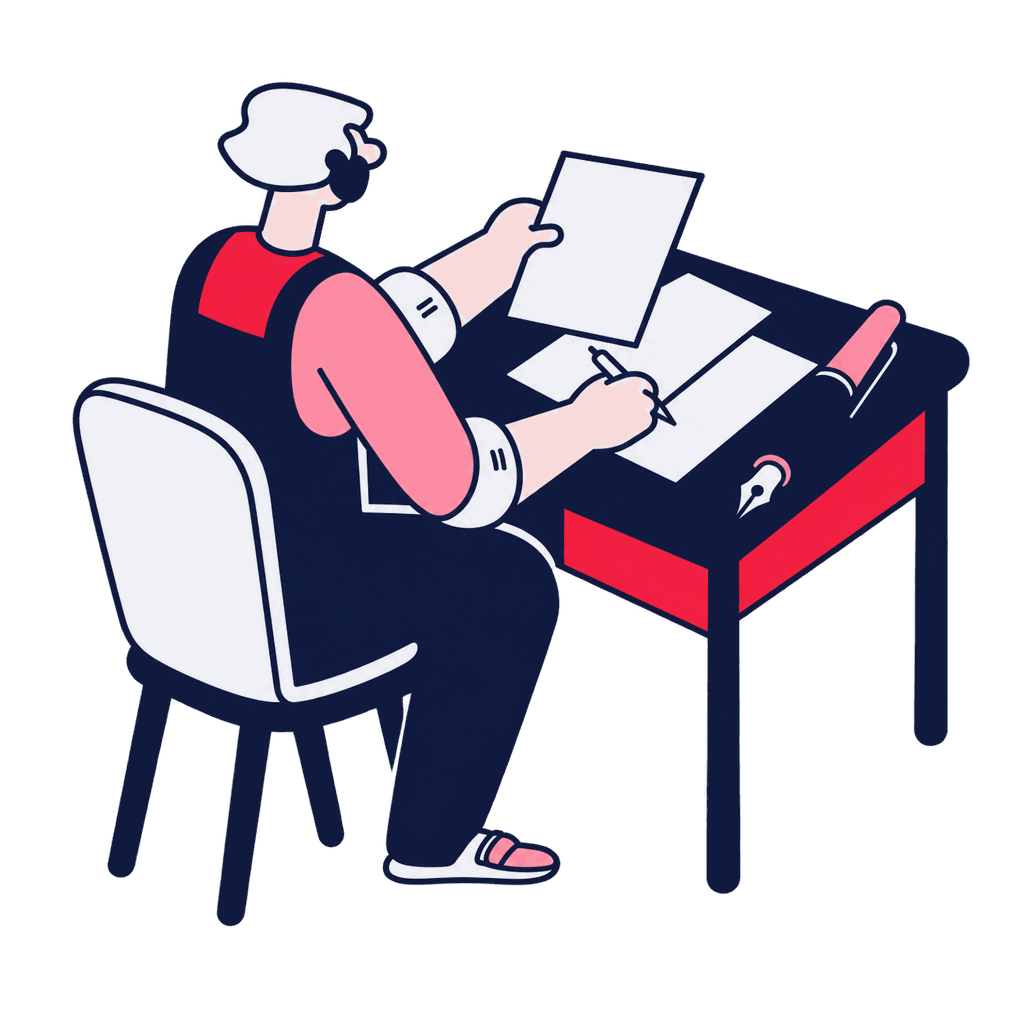
Write the rules down
Who can approve what, who needs a second signature, how exceptions get requested, and where AI-assisted work needs disclosure or an extra check, in language people will read. The charter includes only historical patterns that a strategist judges material enough to become a rule.
A governance charter and decision matrix mapped to the risk tiers.

Test it against real cases
We run a handful of past decisions through the new model to see if it would have produced a sane answer, and fix anything that would have jammed. The named approvers confirm the model would have produced a sane call on each past case before it goes live.
A validated model with edge cases and exception paths worked out.


Roll it out and watch adoption
We hand the model to the people who'll use it, train them on the exception path, then watch whether real decisions start following it. Whoever owns the charter reviews the adoption signals and decides if the model needs a revisit.
A rollout plan, adoption signals to watch, and a review date.

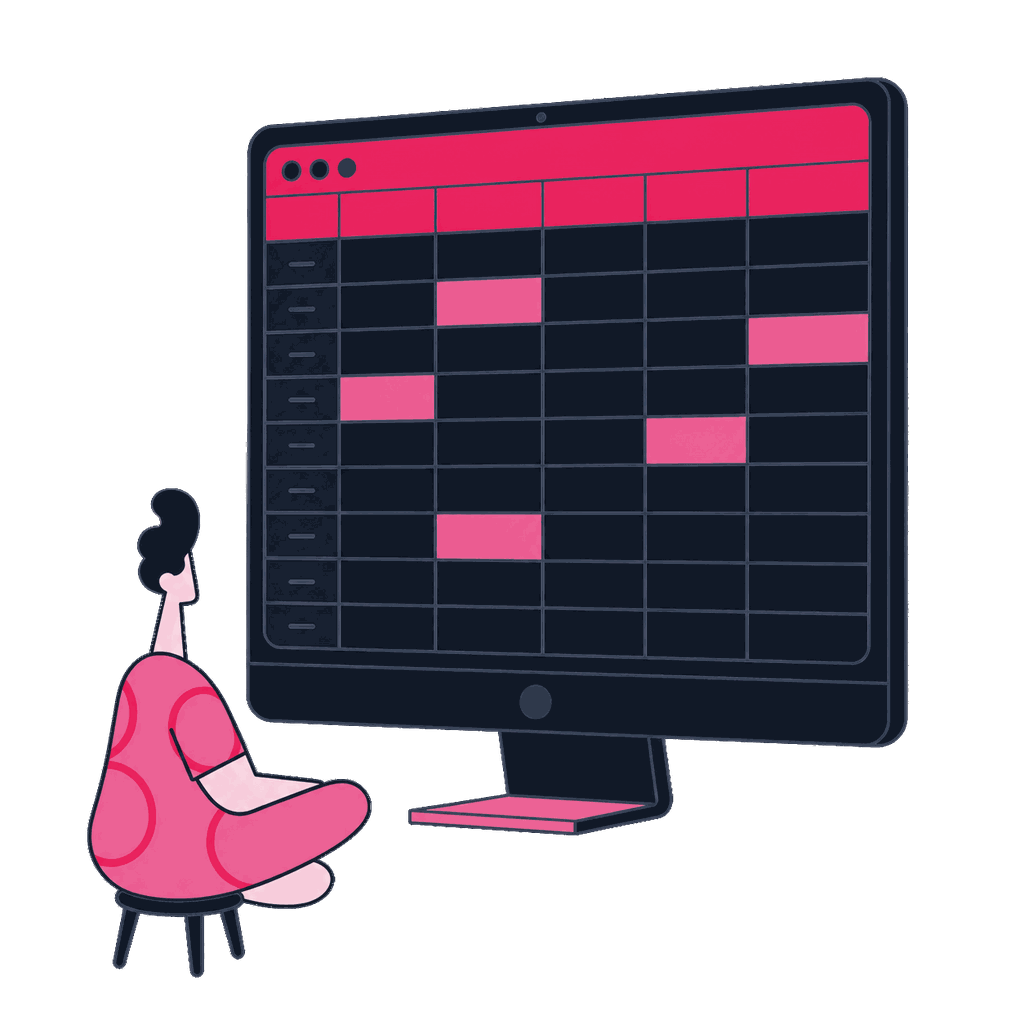
Who gets to say yes is not a question a model can answer
A year of historical approvals shows where decisions stalled and which exceptions kept recurring. An agent can sort that record, summarize the stalls, and compare current rules with how similar teams structure theirs. The record still cannot assign authority. Someone with actual sign-off power has to decide which risks need a second signature, when a bottleneck is worth keeping, and who owns the exception path. We keep those choices with the people who will use the rules, and each person remains named against the tiers they approve.
What you get
What the governance model includes
The charter records the rules, while the decision map shows why those rules are credible.
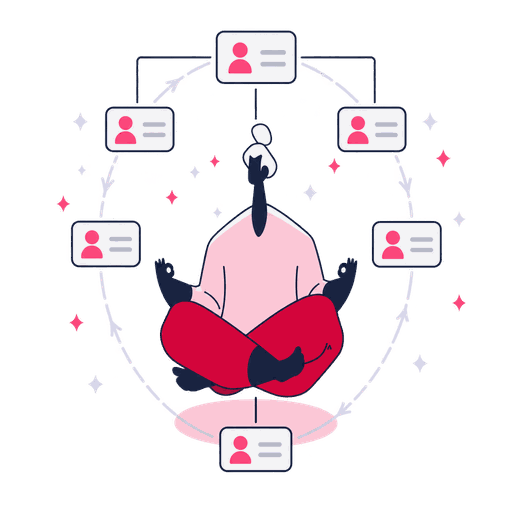
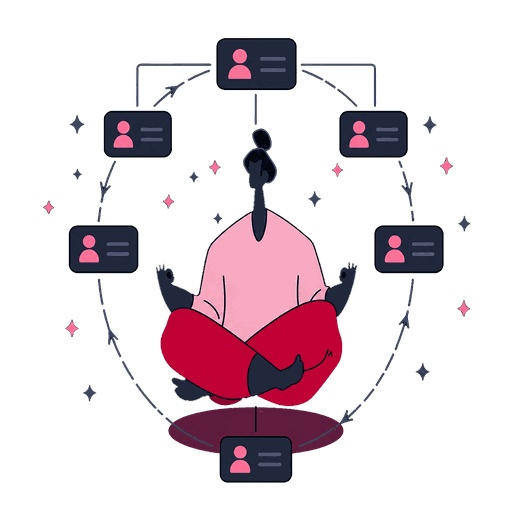
Decision-rights map
Who currently approves what, where that broke down, and what a cleaner version would look like.
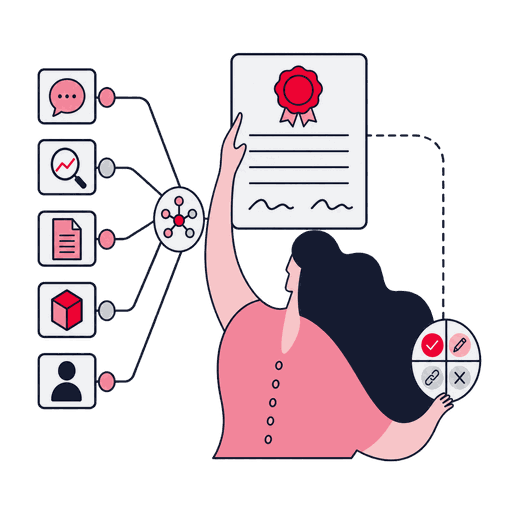
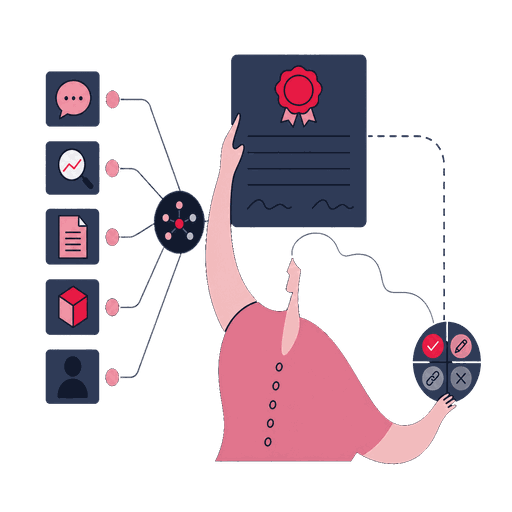
Governance charter
The written rules for who signs off on what, by risk tier, including where AI-assisted content needs an extra check.
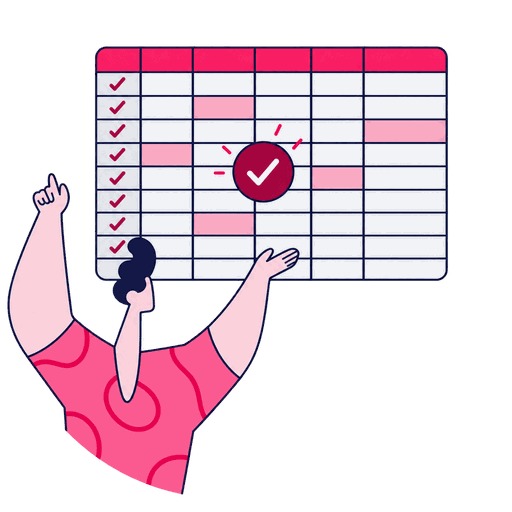
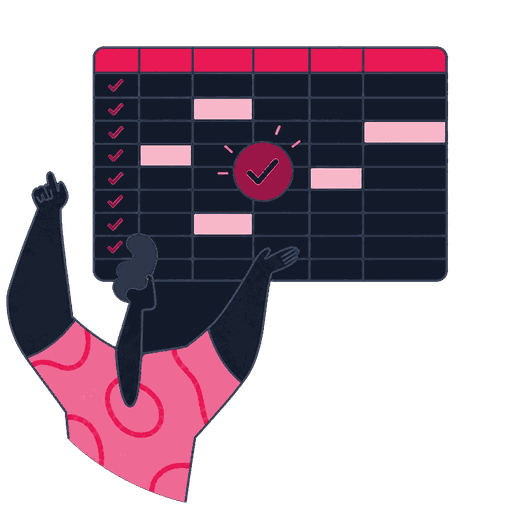
Rollout plan
How the new model gets introduced, who trains on it, and what we'll watch to see if it's being followed.
We call it done when: the decision rights are written down, tested against real cases, and the people who'll use them have seen the model and know where the exception path is.
Who it fits
When approval decisions keep reaching the wrong person
This creates a practical rulebook for approvals, escalations, and exceptions.
A good fit when
- The same approval dispute keeps returning, because nobody can point to a written rule showing who gets the final say.
- Content now touches legal, brand, and multiple teams, and nobody's written down who has final say.
- AI-assisted drafting has raised review and disclosure questions your current policy doesn't answer.


Better handled as other work when
- You want day-to-day workflow steps rather than a decision-rights framework. That's Editorial Workflow Design.
- Every content decision is expected to pass through one person, so the proposed rules would preserve the bottleneck they are meant to resolve.
- The charter needs a signature, but nobody with actual approval authority is willing to own the resulting risk tiers and exception path.
- Work is simply moving too slowly, while the team already agrees who can approve each content type. Editorial Workflow Design addresses that operating problem.
People who write and ship this content
Some of these consultants write the pages themselves. Others plan distribution or check how a piece performs once it's live, so the team below covers more than one stage of the work.

Metehan Urhan
New Business & Partnership Manager

Hande Parmaksız
SEO Manager

Sinem Bakır Yavaş
Senior SEO Executive

Sena Önder
Senior SEO Executive

Bensu Tınastepe
Senior SEO Analyst

Gülşah Şahin Özkan
Senior SEO Analyst

Ali Özgün Öz
SEO Executive

Ruhan Tiryaki
Senior SEO Analyst

Burak Pehlivan
Co-founder & CEO

Mehmet Aktuğ
Co-Founder & COO

Yağmur Bayram
Sr. SEO Analyst

Emir Kağan Kahveci
SEO Analyst

Zafer Yıldız
Web Analytics Manager
Tools we use
Tools behind this work
 Acrolinx
the codified rule set that turns a written policy into an automatic check
 Notion
the decision-rights table itself, linked from every workflow it governs
 Airtable
a filterable risk-tier database for testing rules against real cases
Where this leads next
Methods connected to Content Governance
Upstream
Copy Editing & Content QA
If editorial review itself is inconsistent, fix that gate first. Governance can't stabilize a review process that doesn't reliably exist yet.
Downstream
Editorial Workflow Design
Once the rules are set, workflow design turns them into the actual day-to-day path work takes through your team.

Complementary
Content Performance Reviews
Performance reviews are what actually produce the fix-or-retire decisions that this method's approval rules and sign-off chain then get applied to before anything changes.
Start the work
Ready to settle who has approval authority?


Before we start