









Zeo delivery method
Technical & Crawl Audit
A short backlog of findings that reproduce on a named cohort, each tied to a likely root cause, an owner, and an acceptance test that says whether the fix held.
A crawler can return thousands of warnings before lunch, and none of that volume tells you whether your site actually has thousands of separate problems or one template defect repeating itself. We reproduce the pattern on live URLs, group the symptoms by the root cause actually causing them, and hand engineering a queue that names the affected templates and the test that proves each fix held. You get a focused, evidence-backed backlog that connects each confirmed issue to its root cause, affected templates, and acceptance tests.

Some of the 500+ brands we've worked with
See all references















































Stages and gates
How we do it
Five stages (lock scope, reproduce the states, find the shared cause, hand off testable work, then rerun the evidence).
Define the crawl population
Before collecting data, we agree on seed sources, scope rules, authentication, user agent, rendering mode, exclusions, protected journeys, and the release window. Authentication, rendering mode, and protected-journey exclusions are approved by our technical lead, because those three choices decide what is in scope.
A reproducible crawl with a clear record of what was included and excluded.
Reproduce crawl and index states
For the same cohort, we connect crawl rows with Search Console inspections, server requests, source HTML, rendered HTML, sitemaps, and live URL checks. Samples of the joined evidence get checked against the live pages before the register is accepted as proof of anything.
A findings register in which every issue links to the evidence that confirms it.


Group symptoms by root cause
Agents cluster repeated redirects, canonicals, directives, rendering gaps, broken links, and template states. A specialist tests the pattern and keeps the counterexamples visible. A specialist tests the clustered pattern against counterexamples before it's allowed to explain the whole group.
A short list of shared causes instead of thousands of duplicates.


Build an actionable engineering queue
We prioritize findings according to affected eligible URLs, user and search impact, confidence, recurrence, dependencies, reversibility, and ownership. Confidence, dependencies, and reversibility get weighed against what engineering can actually absorb before the priority order is approved.
Each ticket includes examples, an owner, a completion test, and a clear condition for stopping or rolling back.
Recheck the same cohort
After the fix, we recrawl the same URLs, repeat representative inspections and rendering checks, and compare protected outcomes before closing anything. A specialist confirms the protected behavior held before closing the finding and decides whether a recurring cause becomes a platform test.
Findings close only when the defect is gone without creating another, and recurring root causes become platform tests.


AI joins the evidence and clusters the symptoms; specialists prove the cause on live URLs.
AI drafts the seed-source and exclusion list from the site's existing templates and URL taxonomy, cross-references crawl, index, server-log, and rendered-HTML records for each URL in the cohort, clusters repeated redirects, canonicals, directives, and rendering gaps by shared shape, sorts candidate tickets by affected URL count and recurrence, and reruns the original checks against the same cohort to flag any URL where the fixed state did not hold. It proves nothing by itself. We do not bypass authentication, crawl prohibited private data, or overload your servers, we do not treat crawler warnings as confirmed defects or inflate the total with duplicate URLs, we will not hide contradictory samples that weaken a tidy explanation, and we do not guarantee indexation or ranking gains from a finding.
Deliverables and acceptance
What you get
Everything here is shaped to go straight into the engineering queue.
Audit report
Reproducible findings register
Prioritized backlog
Impact-priority backlog
Tracking plan
Implementation tickets
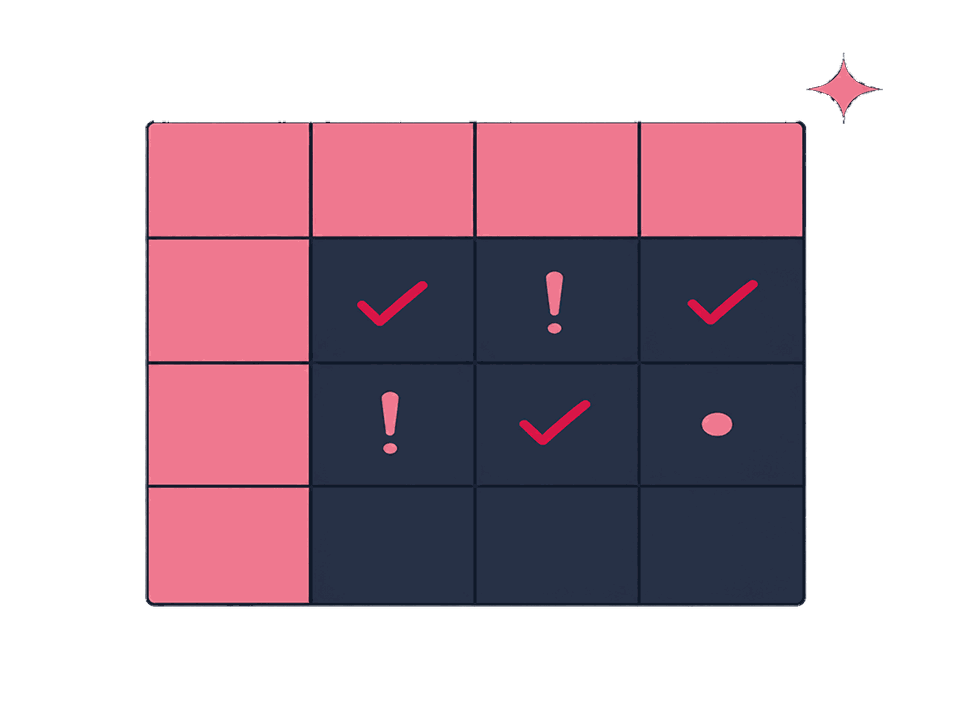
Decision matrix
Verification & recurrence record
We call it done when: The findings register, priority backlog, implementation tickets, and recurrence record are done when every finding carries its precise cohort, raw evidence, representative URLs, confidence level, counterexamples, and likely owner, the backlog ranks only reproduced findings and explains each position, every ticket names the rule or template, examples, acceptance test, protected behavior, rollout sequence, and rollback, and the record reuses the same cohort after release and converts repeated root causes into tests, rules, or ownership checks.
Fit and readiness
When you need this
A lengthy crawler export is not an audit. It is the starting material for deciding which warnings are real, which repeat, and which deserve attention first.
A good fit when
- Your crawler exports are full of warnings, but you cannot reliably separate confirmed defects from duplicates and false positives.
- The same technical issue appears across many URLs, and you need to find out whether a shared template or rule is responsible.
- Your engineers need tickets with precise examples, affected cohorts, acceptance tests, and a defensible priority order.


Better handled as other work when
- You only want a crawler score or issue count, without checking the problem on live URLs and rendered states.
- Authorized crawl, index, server, or template evidence is unavailable, and there is no technical owner who can review the findings.
If one of these is closer to your situation, start here instead: SEO Audit
We call it done when: Every high-priority finding can be reproduced on a defined cohort, each ticket names a likely root cause and an owner, and a repeat crawl says plainly whether the fix held.
The specialists behind this SEO work
Zeo's SEO work goes back to 2006, when we started what we call the first SEO blog in the MENA region. The consultants shown here are doing that work today, matched to what this page covers.

Samet Özsüleyman
SEO Manager

Mehmet Aktuğ
Co-Founder & COO

Metehan Urhan
New Business & Partnership Manager

Elif Naz Akan Karakoç
Senior SEO Executive

Ruhan Tiryaki
Senior SEO Analyst

Hande Parmaksız
SEO Manager

Ezgi Gülsen Yaylı
SEO Manager

Sinem Bakır Yavaş
Senior SEO Executive

Sena Önder
Senior SEO Executive

Bensu Tınastepe
Senior SEO Analyst

Gülşah Şahin Özkan
Senior SEO Analyst

Ali Özgün Öz
SEO Executive

Aybüke Göktuna
Senior SEO Analyst

Emir Kağan Kahveci
SEO Analyst

Zafer Yıldız
Web Analytics Manager
Content we've produced on this topic
Tools we use
Tools behind this work
 Screaming Frog
creates the reproducible crawl population and raw findings register
 Sitebulb
clusters repeated crawl warnings into likely shared template causes
 Lumar
Lumartracks technical patterns across large template and release cohorts
 PageSpeed Insights
adds field and lab performance evidence to affected templates
 WebPageTest
replays rendering defects with detailed request and visual timelines
 Google Search Console
checks crawler findings against Google's observed URL and index state
Where this fits
Related services
SEO Audit
Content & Keyword Audit
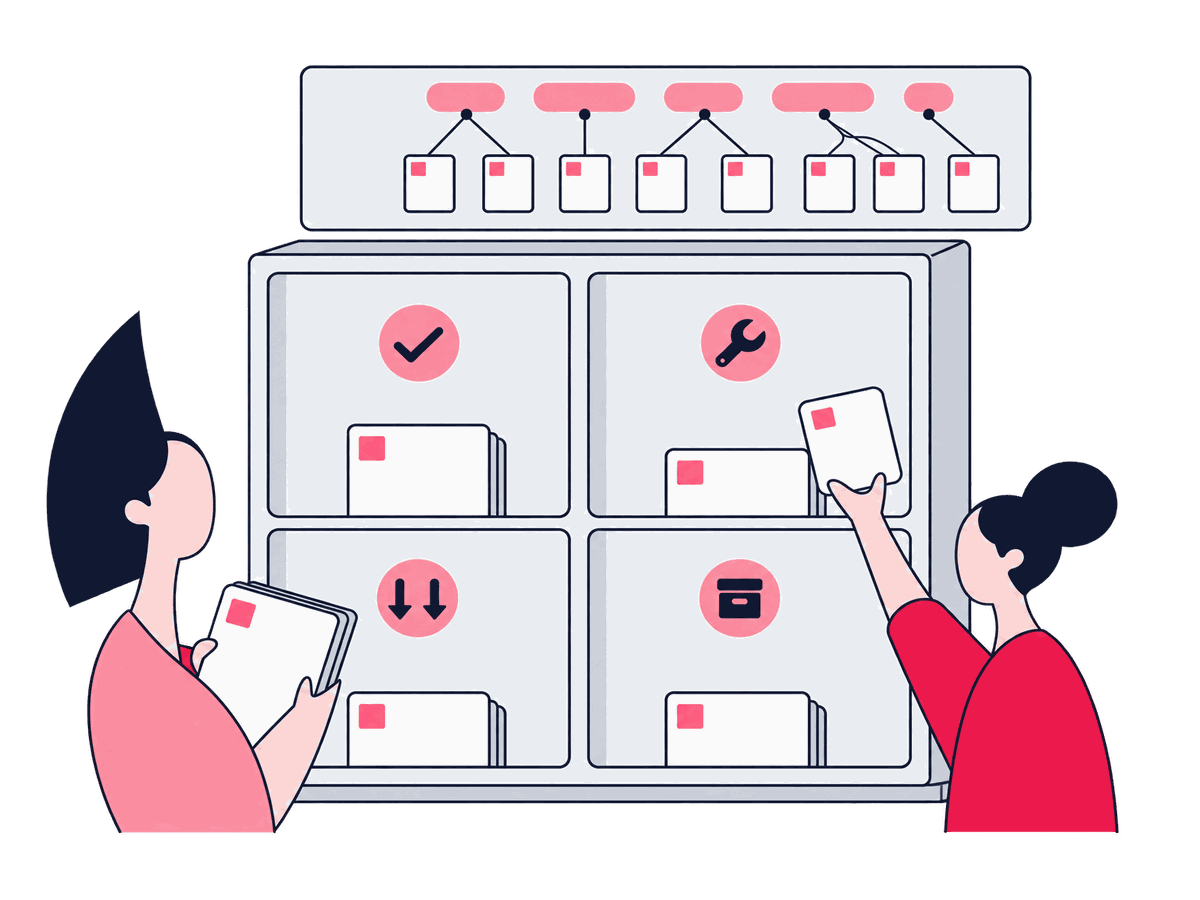
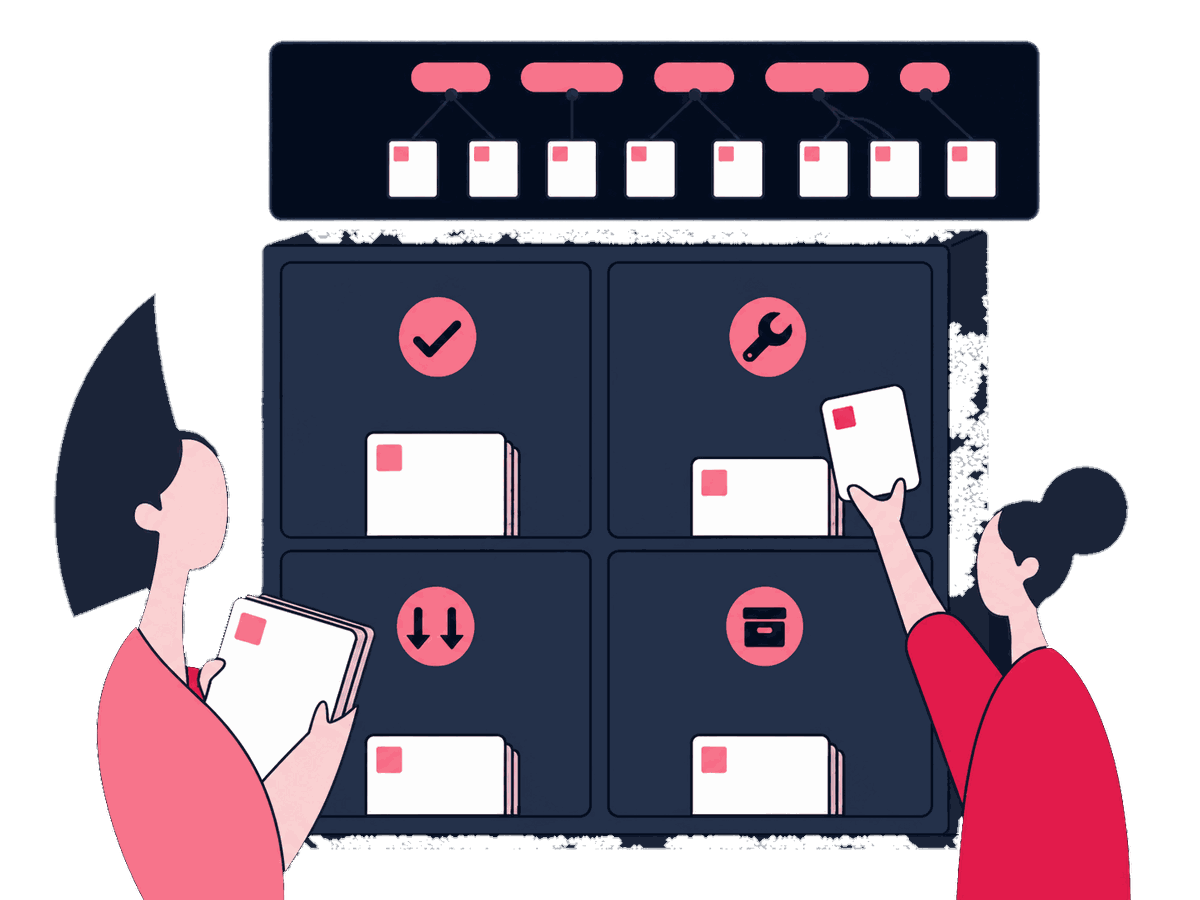
Technical crawl findings identify server errors, orphan pages, and redirect loops that prevent high-quality keyword content from ranking.

SEO Audit
Backlink & Authority Audit
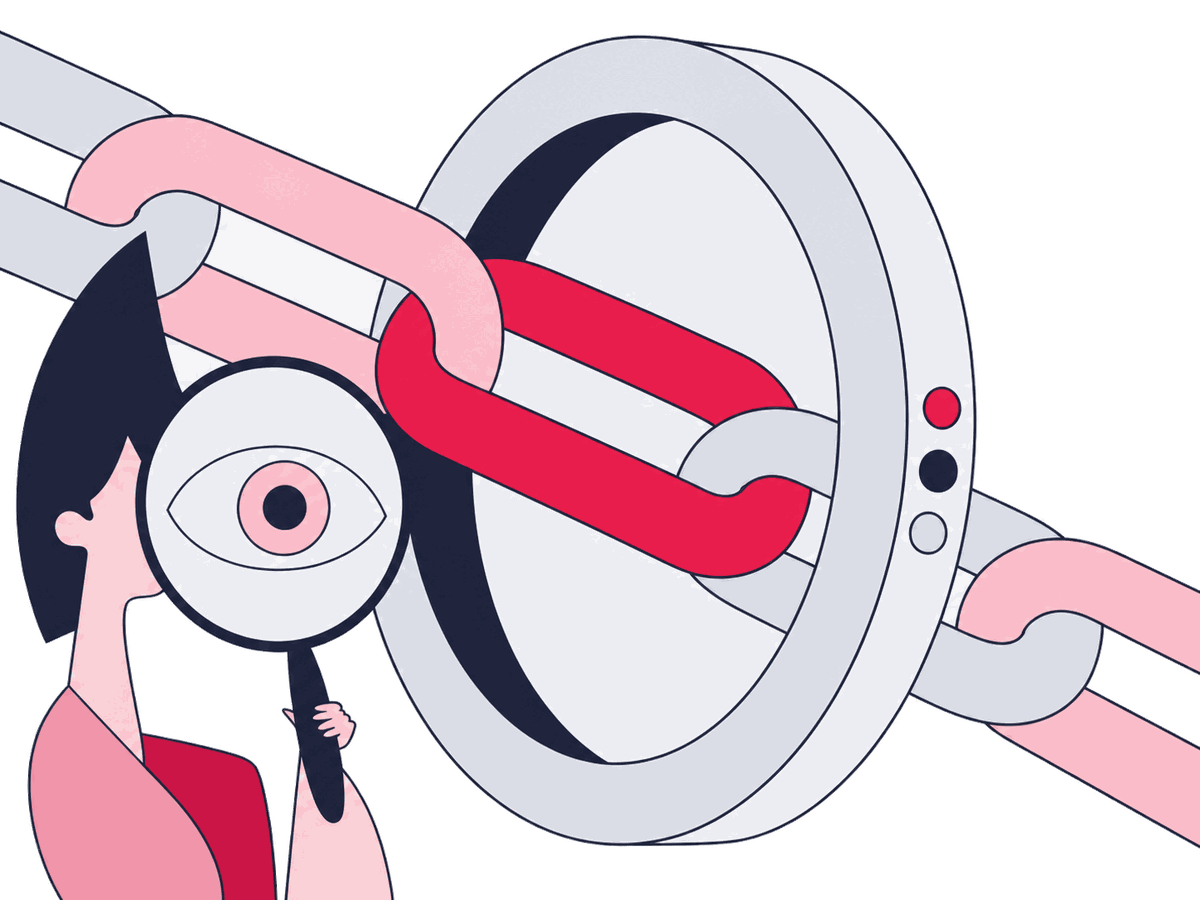
Crawl audits discover internal broken links and redirect chains that dilute incoming external backlink authority across domain pages.
SEO Audit
Competitor & SERP Audit
Technical audit baselines benchmark internal crawl performance and indexation efficiency directly against market search competitors.
Next step
Turn the crawl into a backlog you can trust


Before we start