









Zeo delivery method
Product Schema & Rich Results
Markup generated from visible, current commerce data through one owned emitter, with eligibility monitored and no rich result promised.
Valid JSON-LD can still tell the wrong story, an old price, a missing variant, a rating nobody can see on the page, because passing a validator only confirms the syntax, not the truth. We give every schema property one accountable source, generate the markup through a single owned emitter instead of several scripts drifting apart, and keep monitoring eligibility without ever promising a rich result Google hasn't granted. We publish product markup from visible, current commerce data, keep products, variants, and offers in sync, and monitor eligibility without promising a rich result.


Some of the 500+ brands we've worked with
See all references








































Stages and gates
How we do it
We trace each property from an owned product value through the emitter to search eligibility.
Choose the product features that fit
We define the product snippets, merchant listings, variants, reviews, shipping, returns, and other features that match each PDP type, market, lifecycle, and data state. Deciding which products and features stay out of scope for now instead of marking up data that isn't ready.
A clear eligible cohort, plus an explicit list of products and features left out for now.


Give every property one accountable source
We connect required and selected properties to stable product, offer, variant, review, shipping, return, and organization fields, each with an owner, transformation, and missing-value rule. Approving the transformation and missing-value rule for every property before the mapping is considered final.
A field contract the team can maintain after the SEO engagement ends.


Reconcile what people see with what machines read
We compare product identity, image, price, currency, availability, condition, variants, ratings, shipping, returns, and canonical across rendered PDP and markup. Deciding whether a mismatch is a markup bug, a feed delay, or a genuine data problem before anything gets fixed.
A visible-to-schema matrix covering normal, unavailable, multi-currency, and sparse-data states.


Generate the graph through one owned emitter
The PDP template generates markup from canonical fields, with explicit rules for variants and markets and no competing graph from a theme, app, or tag. Choosing the single owned emitter and disabling every duplicate, including one that may already be earning impressions.
One versioned implementation with fixtures, expected output, tests, release, and rollback.


Validate the live truth, then keep watching it
We test source and rendered markup, feature rules, merchant diagnostics, visible agreement, and edge states, then watch for feed, template, or market drift. Deciding which recurring error gets fixed at the source versus suppressed from the markup until it is.
A living issue and eligibility log.


AI checks eligibility, diffs the payload, and watches the feeds; people own the source and the emitter.
AI checks each PDP type and market against the eligibility requirements for every candidate product feature, pairs each required schema property with a candidate source field and flags the ones with no clear owner, diffs rendered PDP values against the JSON-LD payload across every live product page to surface where price, stock, or ratings have drifted, inspects themes, apps, and tags for a second product graph describing the same page, and groups recurring validation errors by field and template. It owns nothing. We do not fabricate ratings, reviews, prices, stock, identifiers, shipping, returns, certifications, or offers, we do not add hidden page content to support a schema property or search feature, and valid markup may support eligibility but cannot guarantee a rich result, merchant display, ranking improvement, or traffic gain.
Deliverables and acceptance
What you get
Source data, the emitter, and what search actually shows stay tied together.


Policy document
Product data contract


Architecture map
Schema mapping specification


Evaluation sheet
Validation example set
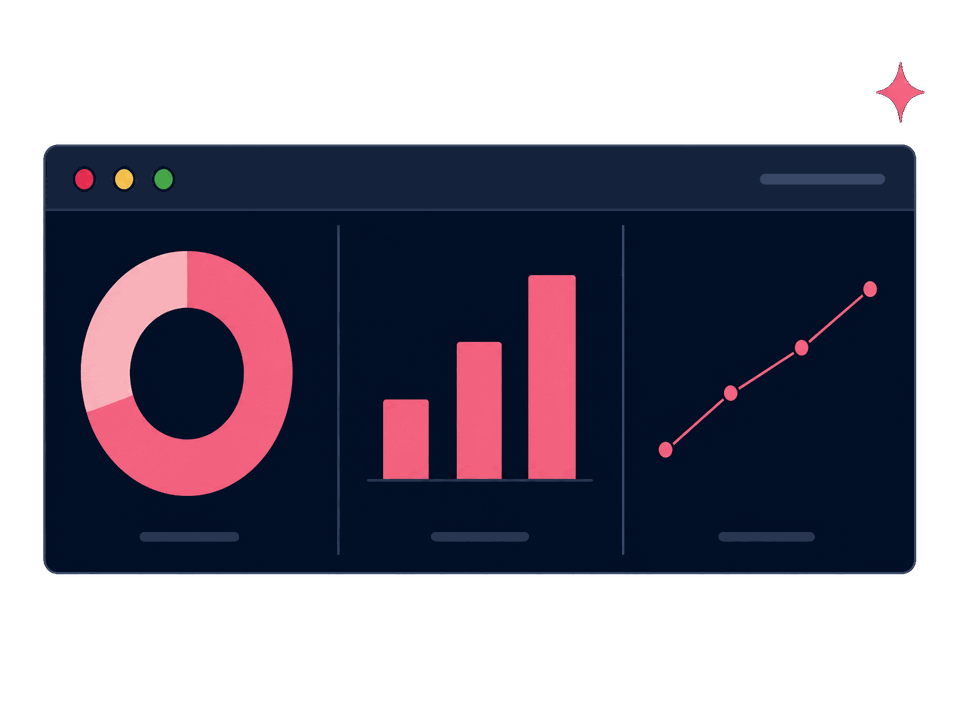
Dashboard
Eligibility & freshness log
We call it done when: The data contract, mapping specification, validation example set, and eligibility log are done when every product, offer, variant, rating, and policy field has semantics, source, owner, update event, provenance, and suppression rule, every entity and property maps to a visible fact and a current feature requirement with variants, canonicals, emitters, and exclusions explicit, representative variants, currencies, availability states, ratings, policies, source HTML, rendered DOM, and validators agree, and coverage, errors, warnings, mismatches, source events, releases, owners, fixes, and reruns stay on one record.
Fit and readiness
When you need this
Structured product data needs maintaining like a feed. Pasting a snippet once and never looking at it again is how it goes stale.
A good fit when
- Product markup passes syntax tests, but its price, availability, variants, reviews, or policies no longer match the PDP.
- Themes, apps, tags, and integrations each emit part of the graph, and no one owns the final machine-readable account of the product.
- You need eligible markup across product states, markets, currencies, and variants without disguising gaps in the underlying data.


Better handled as other work when
- You want to mark up product facts that are not visible and verified on the PDP, or use schema as a substitute for repairing the page.
- The desired outcome is a guaranteed rich result, merchant display, ranking, or traffic gain.
If one of these is closer to your situation, start here instead: E-commerce SEO
We call it done when: Every emitted property has one owned source and refresh rule, visible and machine-readable product truth agree across normal and edge states, duplicate emitters are gone, live checks pass, and unsupported markup gets removed on sight.
The specialists behind this SEO work
Zeo's SEO work goes back to 2006, when we started what we call the first SEO blog in the MENA region. The consultants shown here are doing that work today, matched to what this page covers.

Samet Özsüleyman
SEO Manager

Ozan Ketenci
VP of Consulting & Strategy

Hande Parmaksız
SEO Manager

Sena Önder
Senior SEO Executive

Sinem Bakır Yavaş
Senior SEO Executive

Ali Özgün Öz
SEO Executive

Gülşah Şahin Özkan
Senior SEO Analyst

Ruhan Tiryaki
Senior SEO Analyst

Yağmur Bayram
Sr. SEO Analyst

İlker Emir
Senior Performance Marketing Executive

İpek Ezer
Performance Marketing Executive

Onur Durdağı
Performance Marketing Executive

Sevda Yurtvermez
Performance Marketing Team Lead

Serap Yurtvermez
Performance Marketing Team Lead

Abdullah Tanıdır
Performance Marketing Team Lead
Tools we use
Tools behind this work
 Schema App
defines the owned product graph and property source mapping
 Screaming Frog
extracts rendered JSON-LD beside visible product facts for comparison
 Sitebulb
finds duplicate emitters and malformed relationships across PDP templates
 Lumar
Lumarmonitors schema drift across markets, variants, and lifecycle states
 Google Search Console
tracks product enhancement eligibility, errors, and affected page groups
 Bing Webmaster Tools
provides a second live view of crawl and markup issues
Where this fits
Related services

E-commerce SEO
Category & Collection Pages
Product schema rich snippet enhancements complement collection ItemList markup, improving overall click-through rates across search results.


E-commerce SEO
Product Page & PDP Optimization
Accurate on-page product copy and real-time inventory databases supply the structured data fields validated in Product schema.


E-commerce SEO
Faceted Navigation & Filter SEO
Schema configurations ensure parameterized filter URLs output appropriate AggregateOffer or ItemList types without duplicate entity errors.
Next step
Trace your product markup back to truth


Before we start