





Zeo delivery method
Product Page & PDP Optimization
PDPs that match the catalog as it actually exists: every claim tied to an owned field, every awkward product state rendered honestly, and the search-to-cart path still working.
A polished product page is still a bad buying tool if it shows the wrong variant, an old price, or a compatibility claim nobody can trace back to product data. We group products by how they actually behave, tie every on-page answer to a field someone owns, and design the template to handle the awkward product states honestly instead of hiding them behind generic copy. We align PDP content and templates with the catalog as it actually exists, so buyers get useful answers, product claims remain accountable, and the purchase path keeps working.


Some of the 500+ brands we've worked with
See all references





















Stages and gates
How we do it
We start with the product system behind the PDP, then improve what the buyer sees and can do.
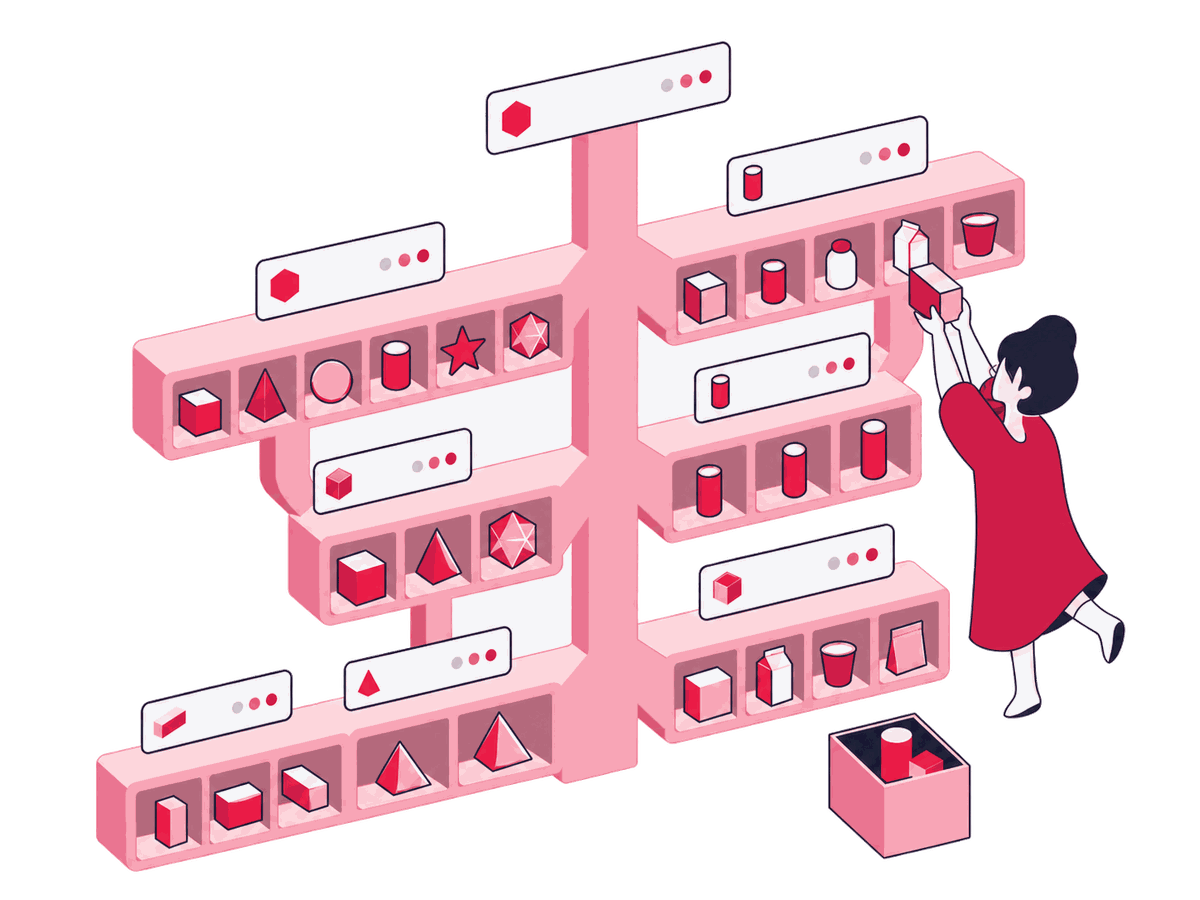
Group products by how they behave
We segment products by template, type, variant model, lifecycle, market, data completeness, and search task, then identify the URL responsible for each product. Assigning a URL owner to every cohort, including unavailable and low-data groups that often fall between teams.
A cohort plan that represents the full catalog, including unavailable products and records with limited data.

Tie every answer to an owned field
We map buyer questions to canonical sources for product, variant, price, stock, media, reviews, shipping, returns, and policies, then assign an owner and a rule for missing values. Setting the missing-value rule for every unanswered field, including when the correct response is to say nothing rather than guess.
A field contract that makes clear what the PDP is allowed to say and where it must remain silent.
Reserve the PDP for product decisions
We distinguish searches about product identity, features, compatibility, and purchase from category, comparison, and support tasks that need a different destination. Deciding which answers belong on the PDP and which should be handled by another page or experience.
An answer map that makes the PDP more useful without asking one page to serve every search intent.


Design the template for real product states
We specify titles, descriptions, specifications, variants, media, proof, reviews, links, policies, availability, structured data, and useful next actions for each relevant state. Approving what happens when a product lacks a specification, review, or image before that behavior reaches the whole catalog.
One versioned specification with examples and fallbacks for standard products and edge cases.
Pilot with products that expose weak points
Before scaling, we release representative variants, sparse records, unavailable products, localized pages, mobile views, and critical search-to-cart journeys. Determining whether a failed journey should block the template rollout or belongs to one product's faulty data.
A live acceptance report that finds shared template defects while the affected cohort is still small.


AI sorts the catalog and runs the journeys; people set the rules and approve the fallbacks.
AI sorts the catalog by template, variant model, and data completeness to reveal cohorts nobody formally defined, compares questions found in search data with the product fields that exist and are populated, groups queries by intent to separate product and purchase questions from category, comparison, and support needs, drafts fallback copy and layouts for sparse records inside the approved specification, and checks each search-to-cart step across the pilot set. The rules and approvals are ours. We do not invent reviews, ratings, specifications, certifications, prices, stock, scarcity, or compatibility claims, we do not copy manufacturer or competitor content without the rights and a meaningful owned reason, and we do not publish generated copy or a catalog-wide rule while product data is incomplete or testing covers only the happy path.
Deliverables and acceptance
What you get
Product truth, PDP behavior, and release work stay connected to each other.
Policy document
PDP content & state contract
Decision matrix
Field & entity map
Prioritized backlog
Template optimization backlog
Evaluation sheet
Sample-page acceptance report
We call it done when: The page contract, field map, optimization backlog, and acceptance report are done when every cohort has one canonical identity, required fields, variant and unavailable behavior, source owners, and a protected journey, every fact, claim, media item, policy, and schema field records its source, transformation, placement, and missing-value rule, every backlog item states its cohort, source dependency, examples, acceptance checks, release, and rollback, and representative variants, sparse data, unavailable states, media, reviews, mobile, and search-to-cart journeys pass or carry an owned exception.
Fit and readiness
When you need this
Smoother copy will paper over a data gap for a while. This is for teams ready to fix the product source and the PDP template together.
A good fit when
- Product facts, variants, media, reviews, and policies change from one part of the catalog to another, with no single owner for the full page contract.
- Search demand points to questions buyers need answered, but verified product fields or the current template do not make those answers available yet.
- You need template changes that hold up across variants, unavailable products, thin records, markets, mobile screens, and products beyond the showcase SKU.


Better handled as other work when
- The brief is to make descriptions look unique when the products have no verified differences to describe.
- Nobody can correct price, availability, variant, or product data at its source, and the template owner cannot test a release.
If one of these is closer to your situation, start here instead: E-commerce SEO
We call it done when: Every important product field has an owner, ordinary and awkward product states render accurately, the PDP answers genuine product intent, representative search-to-cart journeys pass, and no catalog-wide rule is based on one hand-picked product.
The specialists behind this SEO work
Zeo's SEO work goes back to 2006, when we started what we call the first SEO blog in the MENA region. The consultants shown here are doing that work today, matched to what this page covers.

Ozan Ketenci
VP of Consulting & Strategy

Hande Parmaksız
SEO Manager

Sinem Bakır Yavaş
Senior SEO Executive

Sena Önder
Senior SEO Executive

Ali Özgün Öz
SEO Executive

Gülşah Şahin Özkan
Senior SEO Analyst

Ruhan Tiryaki
Senior SEO Analyst

Yağmur Bayram
Sr. SEO Analyst

Emir Kağan Kahveci
SEO Analyst

İlker Emir
Senior Performance Marketing Executive

İpek Ezer
Performance Marketing Executive

Onur Durdağı
Performance Marketing Executive

Sevda Yurtvermez
Performance Marketing Team Lead

Serap Yurtvermez
Performance Marketing Team Lead

Abdullah Tanıdır
Performance Marketing Team Lead
Content we've produced on this topic
Tools we use
Tools behind this work
 Screaming Frog
extracts PDP fields across variants, sparse records, and unavailable products
 Sitebulb
records template defects shared across product page cohorts
 PageSpeed Insights
checks mobile PDP performance where buying controls actually render
 Schema App
maps approved product fields into maintainable schema properties
 Google Search Console
finds product questions landing on the wrong PDP cohort
 Google Analytics
follows representative organic visits from PDP entry to cart
Where this fits
Related services
E-commerce SEO
Category & Collection Pages
Optimized PDPs receive focused category authority while returning breadcrumb navigation and parent collection link signals.
E-commerce SEO
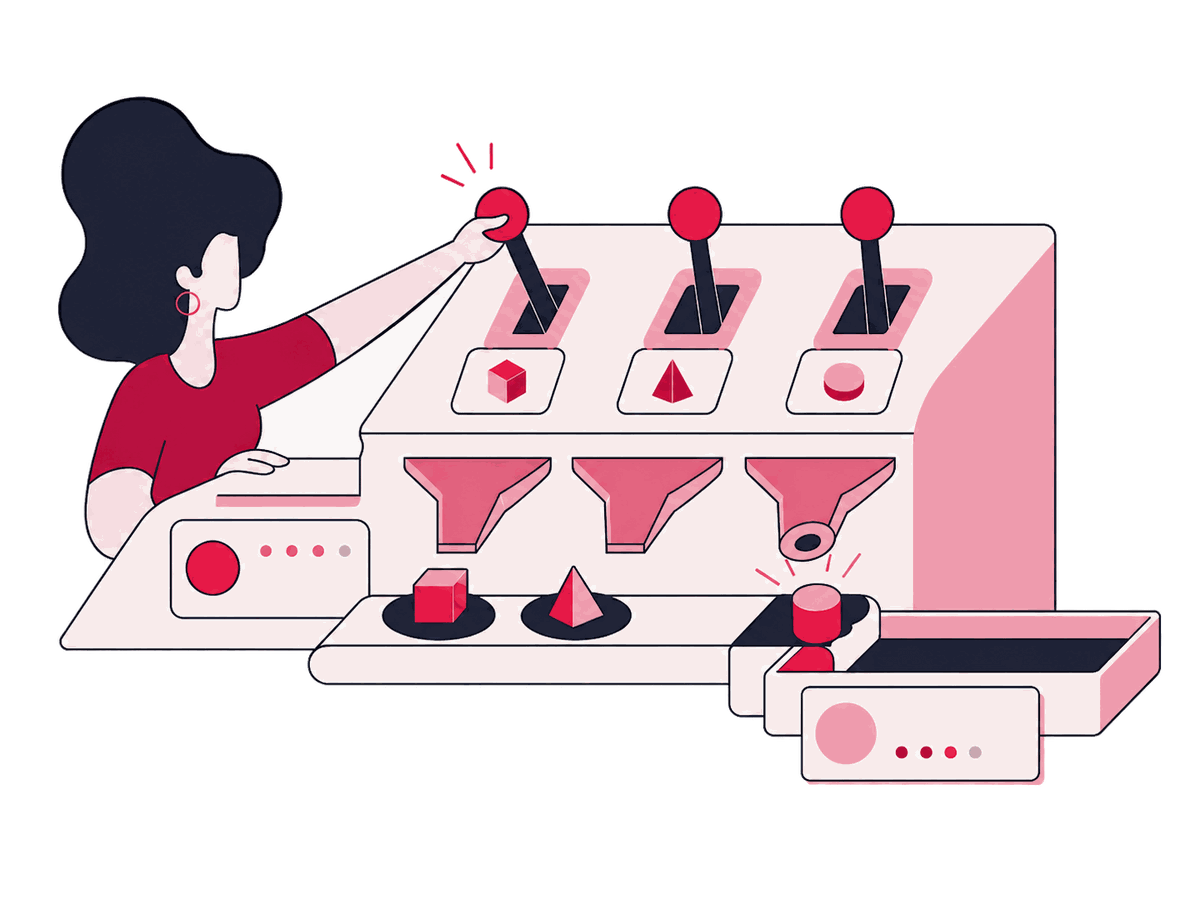
Faceted Navigation & Filter SEO
Product variant attributes and inventory specifications feed faceted navigation filter rules on category and brand collection pages.
E-commerce SEO
Product Schema & Rich Results
Detailed on-page product specifications supply the structured pricing, SKU, availability, and review fields output in Product schema.
Next step
Connect your PDPs back to product truth


Before we start