






Search Query, Keyword & Negative Governance
Every query needs exactly one owner, yet many accounts have never made that decision.
Broad match, Smart Bidding, and years of ad hoc keyword additions can leave the same query matching several keywords while negative lists grow only after waste is noticed. We review the search terms report, assign one owner to each query cluster, and establish the negative and match-type rules needed to maintain that ownership. You end up with a query system where you can name which keyword owns any search term, and what stops the ones that shouldn't spend. Accounts running broad or mixed match types with real query volume see the most from this. A small exact-match account where every term is already reviewed by hand rarely needs it.

Some of the 500+ brands we've worked with
See all references
































How the work runs
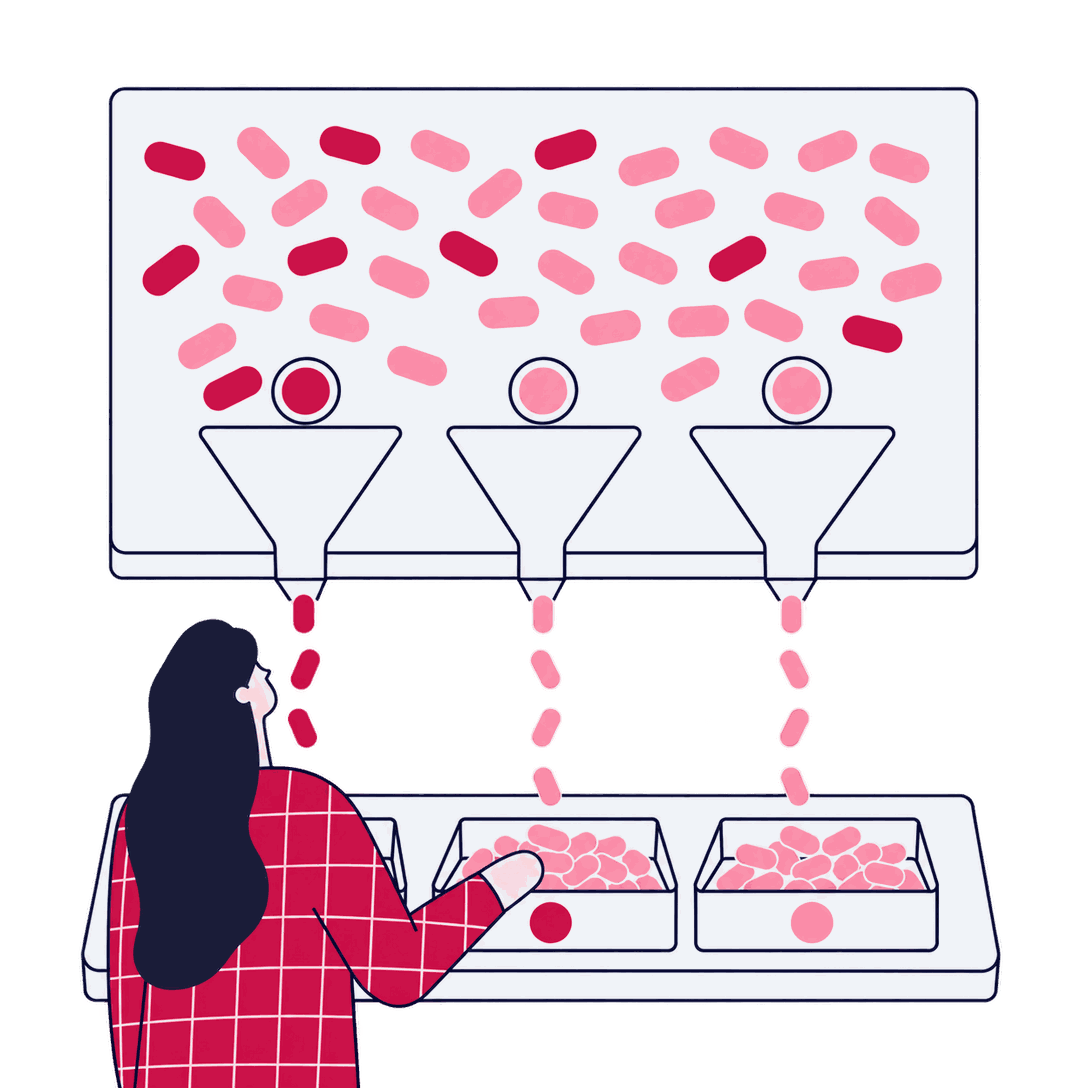
Raw queries become a governed system
Each record can be checked against the live search terms report. AI can cluster, flag, and draft. It cannot add a negative keyword, change a match type, or move budget.
How we hold ourselves to it
- Every query gets exactly one owner
- Every negative addition is logged with its reason
- Broad match earns its reach through negative discipline
- The search terms report gets reviewed on a schedule
Mine and classify the queries
Pull the search terms report and bucket every query by intent and theme, marking which are covered on purpose and which arrived by accident. The paid-search lead confirms the intent buckets before anything changes.
Classified search-term set with each query bucketed by intent and theme, and intentional coverage separated from accidental.


Detect internal competition
Find every query matching more than one active keyword or ad group, and decide which one should actually own it going forward. The strategy lead assigns the single owner for each contested query.
Internal-competition list naming every query matched by more than one active keyword or ad group.

Build the negative architecture
Decide what belongs at the account level, since that tier applies automatically across Search, Performance Max, Shopping, and more, what belongs in a shared list, and what stays campaign-specific. The client owner approves account-level exclusions before they apply broadly.
Tiered negative architecture assigning each exclusion to account, shared-list or campaign level.


Set the match-type policy
Decide, tier by tier, where broad match earns its reach and where phrase or exact match still holds the line. The paid-search lead signs off on the policy before it is applied.
Match-type policy stating, tier by tier, where broad, phrase or exact match applies.


Apply and route
Push the negative lists and match-type changes, and record which ad group or campaign now owns each previously contested query. A named human applies every live change to keywords and negatives.
Applied negative lists and match-type changes with the new owner recorded for each contested query.


Run the recurring audit
Set the cadence for reviewing new search terms, refreshing negative coverage, and catching new internal competition before it spends much. The paid-search lead reviews and closes each cycle.
Audit calendar naming the review cadence, the cycle owner and the open queue carried forward.
What lands with your team
A system that holds up between reviews
The map, register, and policy work together to keep the account from drifting back into the state we found it in.
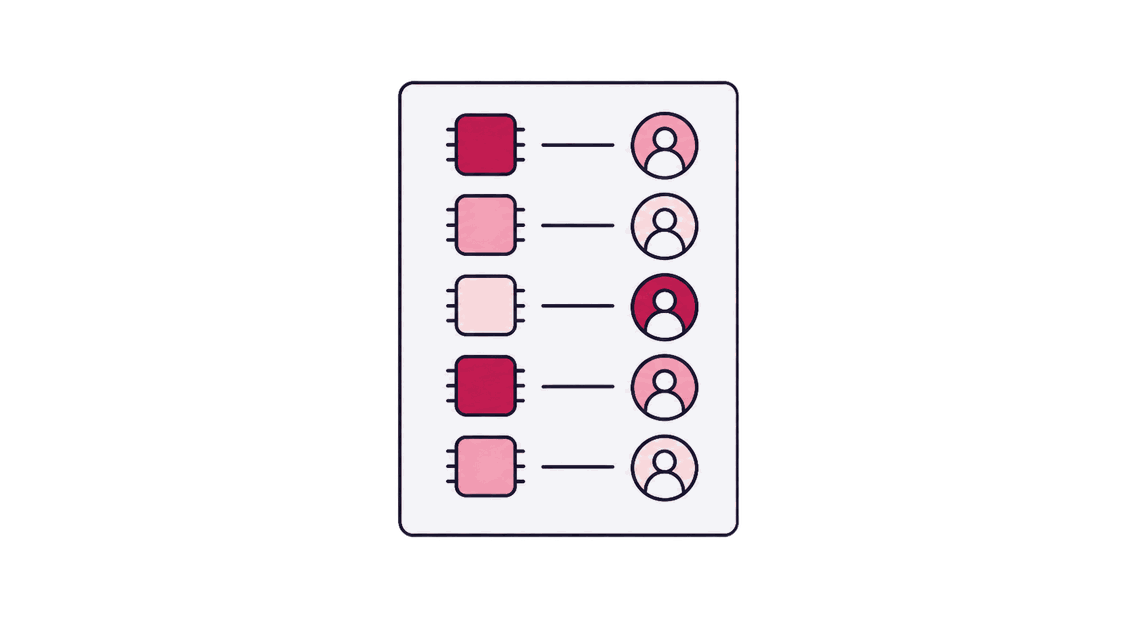

Query-owner map
Which keyword or ad group owns each query cluster, with the reasoning behind contested calls.
Tiered negative keyword register
Every negative sorted into account, shared, or campaign level, with its source, owner, and date added.
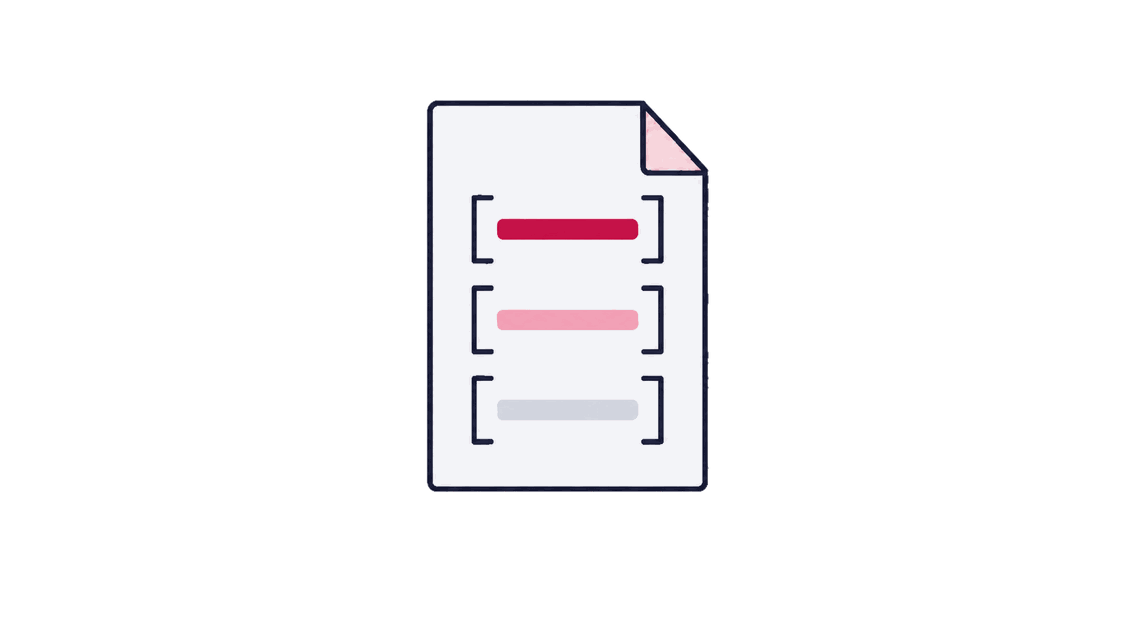

Match-type policy sheet
Which keyword tiers run broad, phrase, or exact match, and the reasoning behind each tier's policy.


Recurring audit calendar
The review cadence, the owner for each cycle, and the open queue carried from the last review.
Before the work starts
When this work is the right next step
More query reach requires stronger controls. Broad match is built to find more of the query space than phrase or exact match, and Google's own guidance pairs it with Smart Bidding. That reach only pays off if something is filtering what comes with it. Without a negative architecture underneath, the same junk term gets added to one campaign's list and keeps showing up in every other campaign that never got the memo.
A good fit when
- Broad match widens the query space, but nobody reviews the search terms report on a recurring schedule.
- The same search query matches multiple active keywords or ad groups, so nobody can explain which one should own that intent going forward.
- Several people add keywords and negatives across campaigns, yet the account has no tiered register showing the source, level, and owner of each exclusion.
- The same query matches two or more active keywords, and nobody assigned it there on purpose.
- Negative keywords get added campaign by campaign, so a term excluded in one place keeps spending in another.
- Broad match was turned on for the bidding benefit, but the search terms report hasn't been reviewed since.
- A negative meant to block a whole category only catches the one exact phrase someone happened to type.


Better handled as other work when
- The account is small and exact-match only, while every visible search term is already reviewed by hand and no ownership conflict appears in the report.
- Nobody on the team can open the search terms report, so a negative-keyword decision would rest on guesswork instead of classified query evidence.
- Negative-keyword additions have no approver or recorded owner, so account-level exclusions cannot meet the method's human-approval rule.
People who own a single channel
Paid Search, Paid Social, CRO, and Programmatic each run under a named owner at Zeo. The consultants below are matched to the channel this page is about, so you can see who you'd actually work with.

Metehan Urhan
New Business & Partnership Manager

Sevda Yurtvermez
Performance Marketing Team Lead

Serap Yurtvermez
Performance Marketing Team Lead

Abdullah Tanıdır
Performance Marketing Team Lead

İlker Emir
Senior Performance Marketing Executive

İpek Ezer
Performance Marketing Executive

Onur Durdağı
Performance Marketing Executive
Content we've produced on this topic
Tools we use
Tools behind this work
 Adalysis
mines the search terms report and flags two keywords fighting for the same query
 Airtable
the ownership record that says which person is accountable for which query cluster
Related work


Parent service
Paid Search & PPC Management
Reading an account starts with its search terms and change history. Which keyword owns a contested query, and which tier a negative belongs on, are the decisions this method settles.

Structural input
Account & Campaign Architecture
Provides the ad group themes this method's query-owner map has to route search terms into.


Downstream dependency
Bid Strategy & Automation Guardrails
Depends on clean query and negative signal to judge whether automated bidding is reading the account correctly.
Keep query conflicts from returning
Give every search query a clear owner