






Bid Strategy & Automation Guardrails
Automation needs a contract, not blind trust.
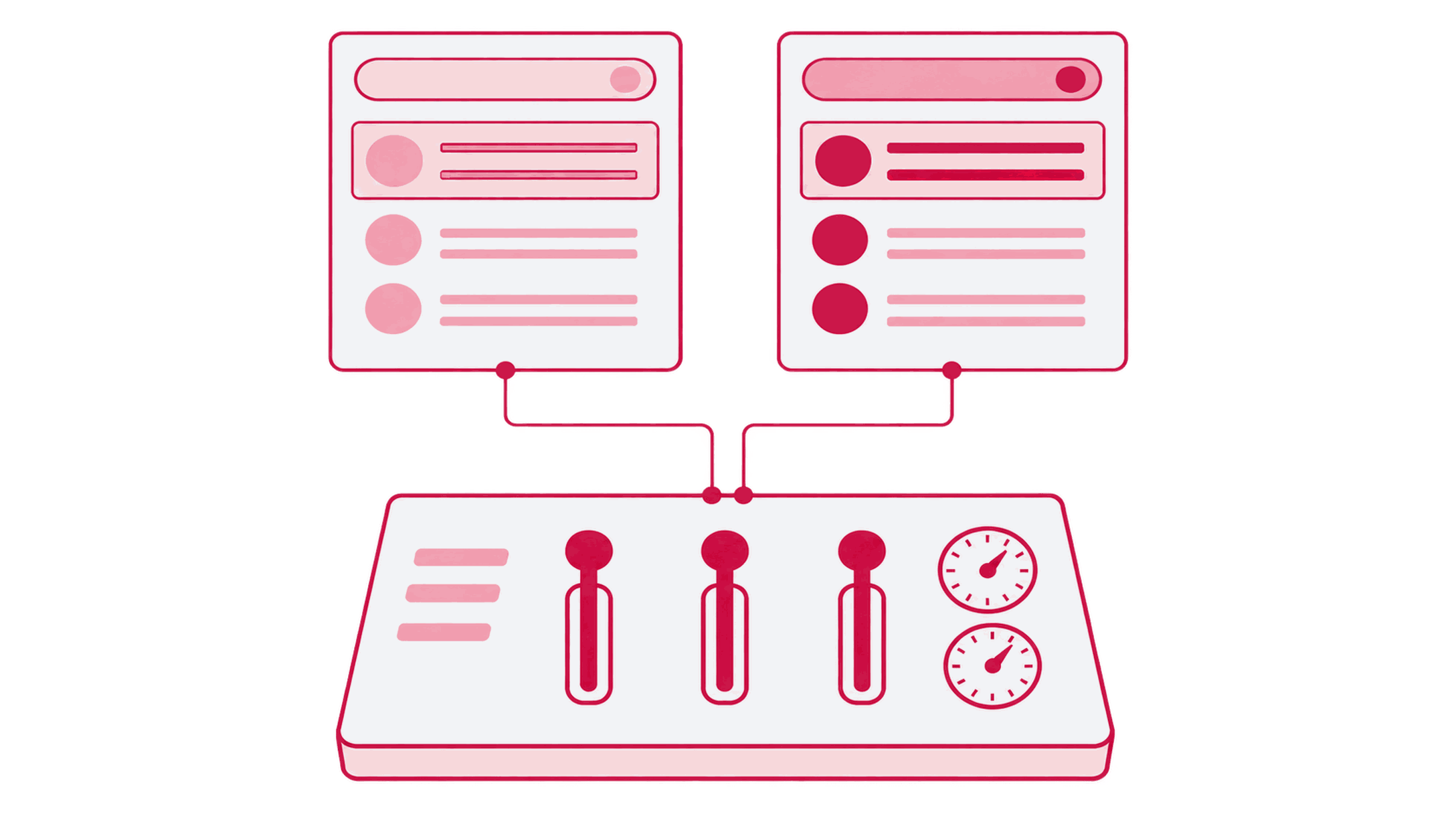
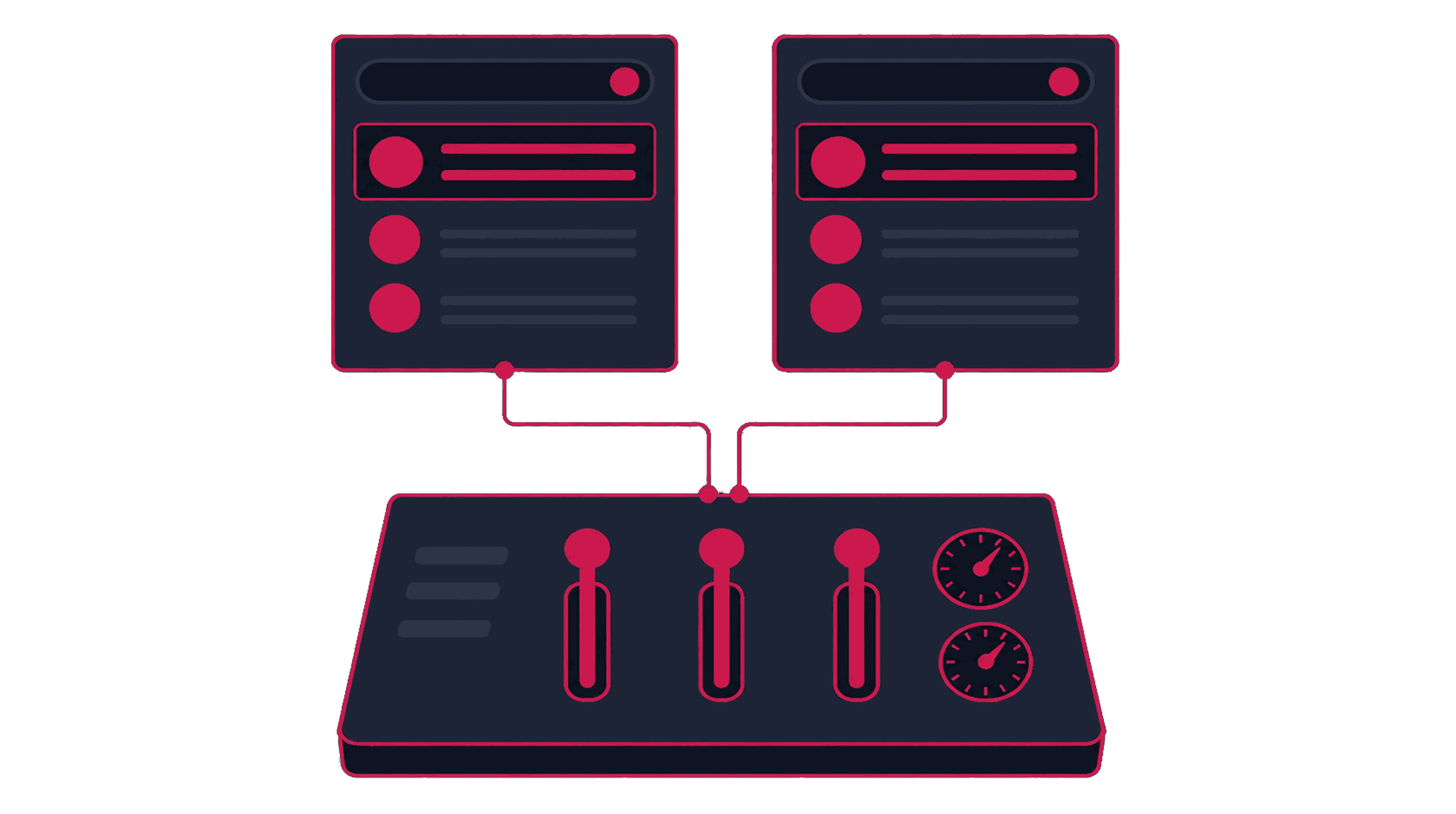
Target CPA, Target ROAS, and other automated strategies use auction-time signals that cannot be managed manually at the same scale. Responsible use starts with enough conversion data, agreed guardrails, and a named owner who monitors the full learning period. You end up with a bidding setup where you know why each strategy was chosen, what bounds it, and exactly what would make you change it. For accounts with enough conversion history to automate responsibly and an owner prepared to hold through the learning period.


Some of the 500+ brands we've worked with
See all references















































How the work runs
Every strategy switch carries its own checks
The decision register ties each strategy to its data floor, guardrails, learning window, and rollback conditions. AI can check thresholds and monitor status. It cannot switch a bid strategy, change a target, or authorize a rollback.
How we hold ourselves to it
- Real conversion volume determines strategy fit
- Guardrails are approved before launch
- Let the learning period finish
- Rollbacks follow a recorded reason
Match the strategy to goal and data
Check the account's real conversion history against the chosen strategy's own recommended data floor before switching anything on. The paid-search lead confirms the strategy choice fits the actual data.
Data-floor check comparing the account's real conversion history with the strategy's own recommended minimum.


Set the guardrails before the switch
Agree the budget caps, target bounds, and which campaigns belong in a shared portfolio versus running standalone. The client owner approves every cap and grouping before launch.
Agreed budget caps, target bounds and portfolio-versus-standalone groupings.


Launch and hold the learning window
Activate the strategy and leave bids untouched while the algorithm calibrates against real auction-time signals. The paid-search lead approves any exception to holding the window.
Learning-window record showing bids were left untouched while the strategy calibrated.


Monitor status and signals
Watch for "limited by" flags and other status changes through the run alongside the headline conversion number. The strategy lead reviews flagged statuses on a weekly basis.
Status log capturing limited-by flags and other status changes through the run.


Evaluate on the platform's own window
Read results once the recommended conversion volume for that strategy has accrued. The paid-search lead signs the readout before any decision gets made from it.
Evaluation read taken only after the strategy's recommended conversion volume accrued.


Adjust or roll back, and record it
Raise or lower a target, revert to a prior strategy, or hold as is, and log the evidence behind whichever call gets made. The client owner approves any change to a live target or strategy.
Decision entry naming the adjustment, revert or hold and the evidence behind it.


What lands with your team
A clear decision trail for every active strategy
The register records each strategy, the evidence behind it, its approved guardrails, and the person responsible for the decision.
Automation decision register
Which strategy was chosen for which campaign, the data check behind it, and who approved it.

Guardrail sheet
Budget caps, target bounds, and portfolio groupings agreed before any strategy goes live.

Learning-period watch log
Status changes, flags, and any approved exception during each strategy's calibration window.


Rollback playbook
The conditions that justify reverting a strategy and the exact steps to do it without losing the record of why.
Before the work starts
When this work is the right next step
Automation needs enough data before its results are useful. Google recommends judging Smart Bidding performance over periods with at least 30 conversions, and 50 for Target ROAS. Below that floor, the read cannot separate the strategy from its calibration period. A portfolio strategy can also hide campaigns with different goals inside one target. Changing that target three days into a learning period removes the guardrail before it has done its job.
A good fit when
- Your conversion history meets the chosen strategy's own data floor, so the evaluation can separate real performance from early calibration.
- One named owner already approves targets, caps, and rollbacks, so every automation change has an accountable decision.
- The team can leave bids untouched through the full learning period, while status flags and conversion volume are monitored against the agreed guardrails.
- A Target CPA or Target ROAS strategy is live with far fewer conversions than its own recommended evaluation window.
- Nobody is watching bid-strategy status, so a "limited by" flag sits unnoticed for weeks.
- A portfolio strategy groups campaigns with genuinely different goals under one shared target.
- A strategy gets judged, and sometimes reverted, days into a learning period built to take longer.


Better handled as other work when
- Conversion volume sits well below the desired strategy's data floor, so a simpler bidding approach must build enough history before automation can be judged.
- The team expects to hand-adjust bids every day, which would keep resetting the automated strategy before its learning window can settle.
- No one can approve a target change or rollback when the evidence calls for one, so live automation would have no accountable stop decision.
People who own a single channel
Paid Search, Paid Social, CRO, and Programmatic each run under a named owner at Zeo. The consultants below are matched to the channel this page is about, so you can see who you'd actually work with.

Sevda Yurtvermez
Performance Marketing Team Lead

Serap Yurtvermez
Performance Marketing Team Lead

Abdullah Tanıdır
Performance Marketing Team Lead

İlker Emir
Senior Performance Marketing Executive

Onur Durdağı
Performance Marketing Executive

Yiğit Konur
Founder & Chief Strategy Officer

Zafer Yıldız
Web Analytics Manager
Tools we use
Tools behind this work
 Optmyzr
flags a bid strategy the moment it drifts outside its own normal range
 Adalysis
waits for enough data before it tells anyone to judge the new strategy
Related work


Parent service
Paid Search & PPC Management
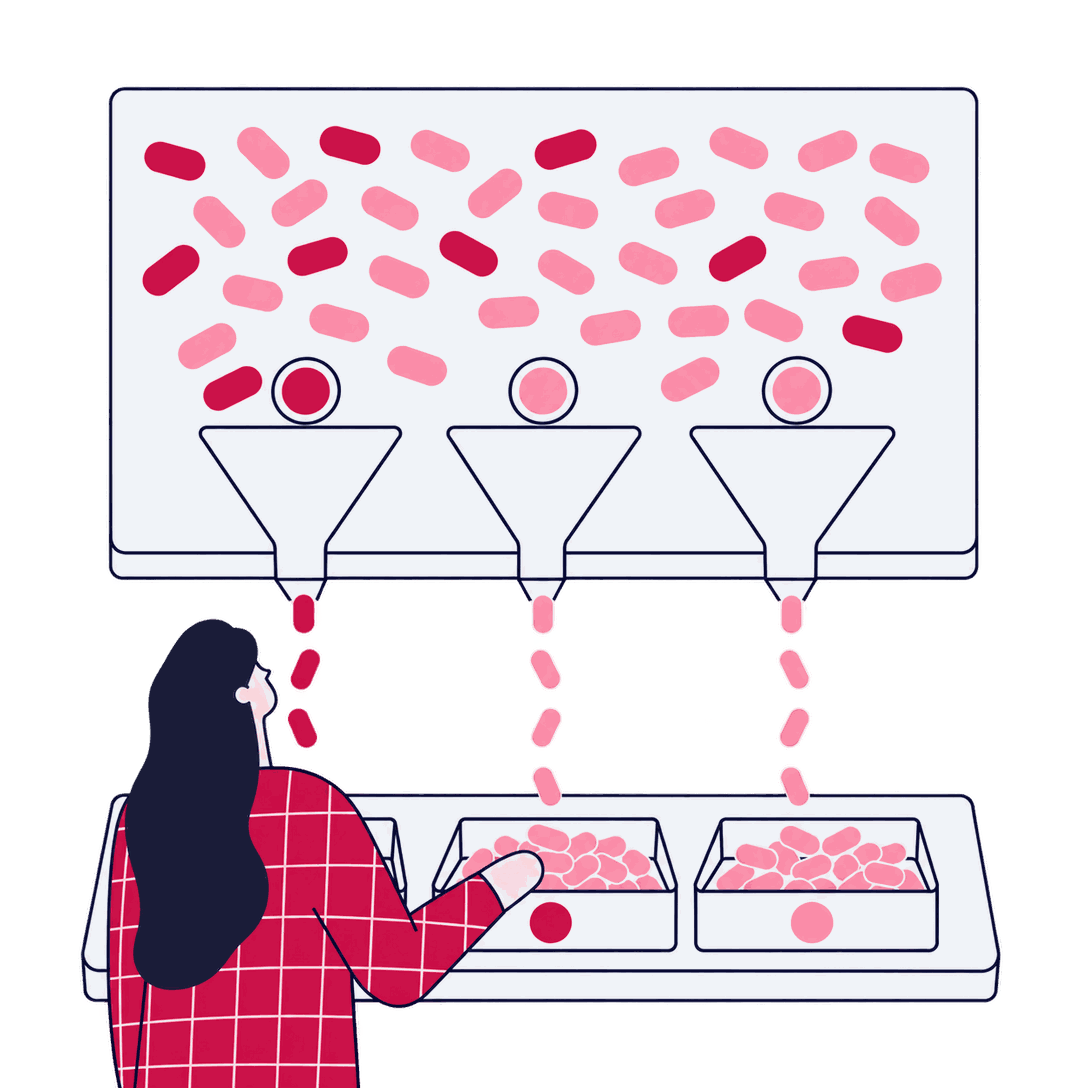
Nothing goes live until a person authorizes it inside documented exposure limits. The data floor, target bounds, and rollback conditions that let automated bidding clear that gate are decided here.
Signal-quality input
Search Query, Keyword & Negative Governance
Clean query and negative governance gives automated bidding a cleaner space to optimize within.


Downstream dependency
Budget Allocation & Forecasting
Uses the guardrails and targets this method sets as an input to the spend waterfall and pacing rules.
Review the strategy decision record
Put the guardrails in place before launch