






Conversion Research Audit
Page problems become clearer when no single clue is treated as the whole story.
We compare analytics, session recordings, heatmaps, accessibility checks and technical health. Every finding keeps its source and a confidence rating, so the team can see what's well supported and what's still a hunch. The result is a ranked register ready to feed the next hypothesis. You get a rated friction-and-opportunity register for the page that's ready to become the next hypothesis. Your page "should convert better" and you need a sourced account of what's actually wrong before anyone proposes a fix.


Some of the 500+ brands we've worked with
See all references















































How the work runs
Compare the clues before calling anything a finding
Analytics, recordings, accessibility checks and technical evidence all enter the same register, but they don't carry equal weight. AI can group approved notes and flag contradictions. The research owner decides what the combined evidence can support.
How we hold ourselves to it
- Every clue gets a source and a confidence rating before it counts as a finding
- Quantitative and qualitative evidence are read against each other
- The audit ends in a ranked register a hypothesis can start from
- A thin data pipe is logged as a finding in its own right
Pull the quantitative baseline
Read page-level and funnel-step analytics: entrances, exits, on-page events, device and channel splits, and any existing segment cuts, so every later clue has a number to sit next to. The CRO strategist confirms the baseline is trustworthy before qualitative work starts.
Baseline table of entrances, exits, on-page events and device and channel splits, with broken tracking flagged.

Layer in qualitative evidence
Watch a representative sample of session recordings, read heatmap and scroll-depth data, and pull any existing survey or support-ticket themes tied to the page, logging how many sessions or responses back each observation. The research owner checks that clustered themes aren't overreading a handful of sessions.
Qualitative log of recording, heatmap, survey and support themes, each with the session count behind it.


Check accessibility and technical health
Run an accessibility pass against WCAG success criteria and check load performance, script errors, and cross-device rendering to surface friction that behavior data alone can miss. An accessibility-literate reviewer confirms each flagged issue is real before it enters the register.
Accessibility and technical findings mapped to WCAG success criteria, load performance and cross-device rendering.


Cross-check every clue against the others
Take each observation from the steps above and ask what else would have to be true for it to be the real story. A heatmap cold zone that matches a broken lazy-loaded image points to the bug as the likely explanation. The CRO strategist resolves flagged contradictions before anything gets rated.
Competing-explanation notes for each observation, separating a behavioral finding from a bug.


Rate and rank the register
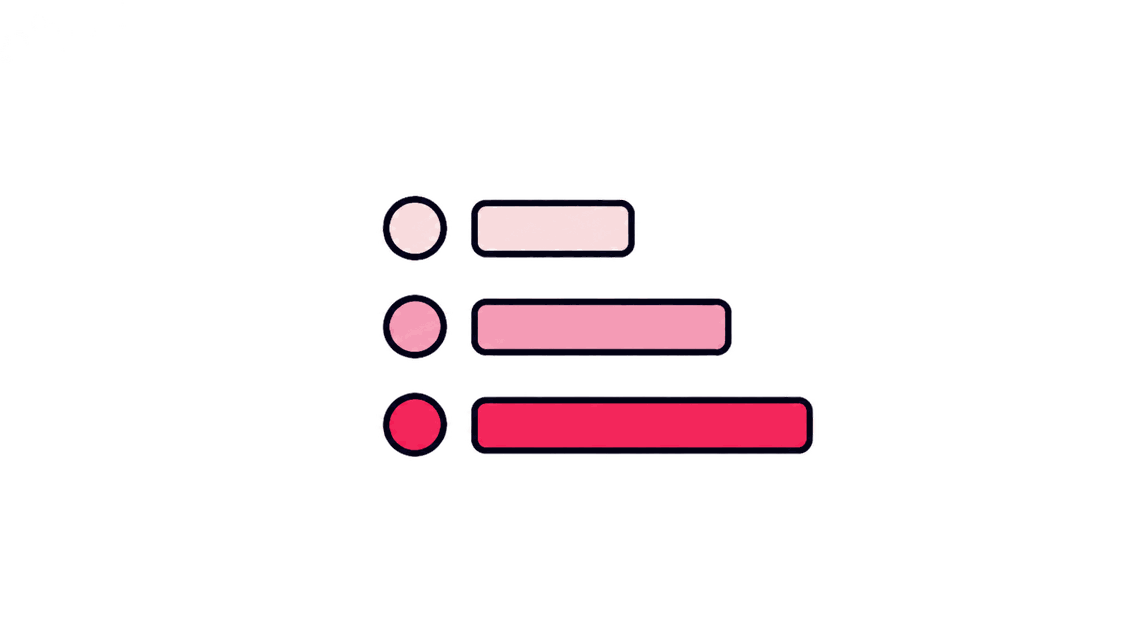
Score each finding on evidence strength (how many independent sources back it) and estimated opportunity size, then order the register so the next reader knows exactly where to look first. The research owner signs off on the ranking before it ships.
Register scored for evidence strength and opportunity size, ordered for the next reader.
Hand off with sources attached
Deliver the register with every finding traceable to its underlying data, such as a recording, heatmap segment, analytics query, or accessibility rule, so the next hypothesis has evidence to support it. The client owner reviews the register before it's used to write a hypothesis.
Handoff register where every finding links to the query, clip, heatmap segment or accessibility rule behind it.

What lands with your team
The evidence behind the ranking
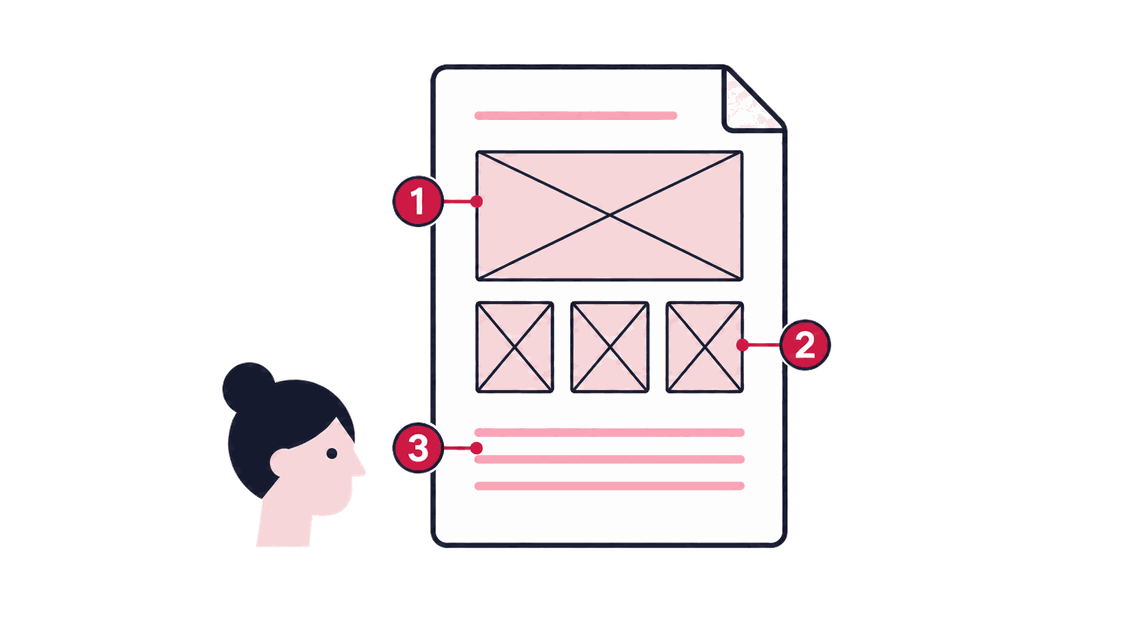
Each finding keeps the material that supports it and the confidence rating the reviewer gave it. That lets the next person challenge the conclusion without starting the audit again.
Quantitative baseline table
Entrances, exits, on-page events, and device and channel splits for the audited page, with any broken or missing tracking called out explicitly.

Qualitative evidence log
Session-recording and heatmap themes, each tagged with how many sessions support it and linked back to the source clips or maps it came from.

Accessibility and technical findings
WCAG-mapped issues plus technical and performance findings that behavior data may not identify clearly.


Ranked friction-and-opportunity register
Every finding scored for evidence strength and opportunity size, ordered so the next hypothesis has an obvious, defensible place to start.
Before the work starts
When this work is the right next step
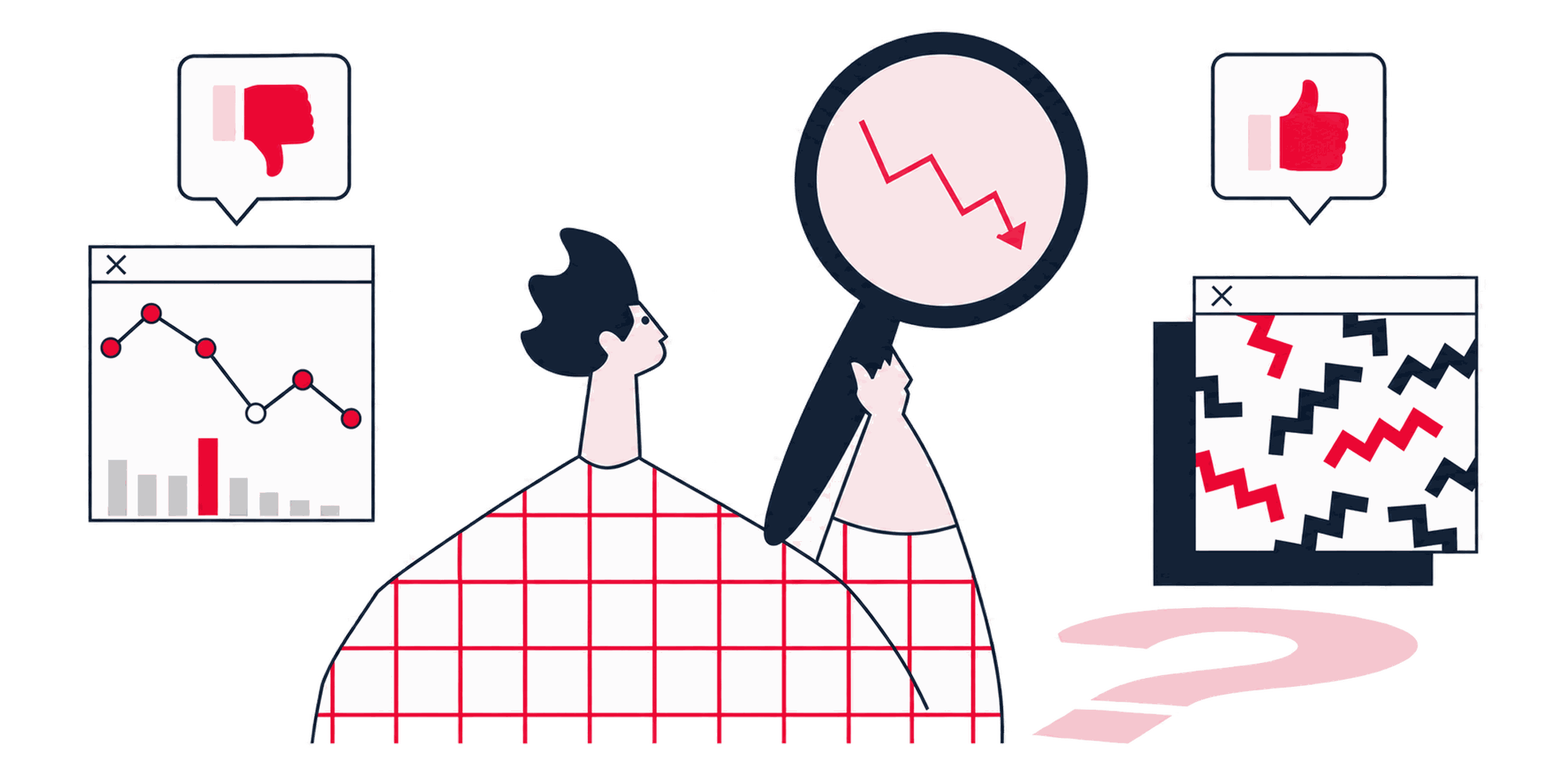
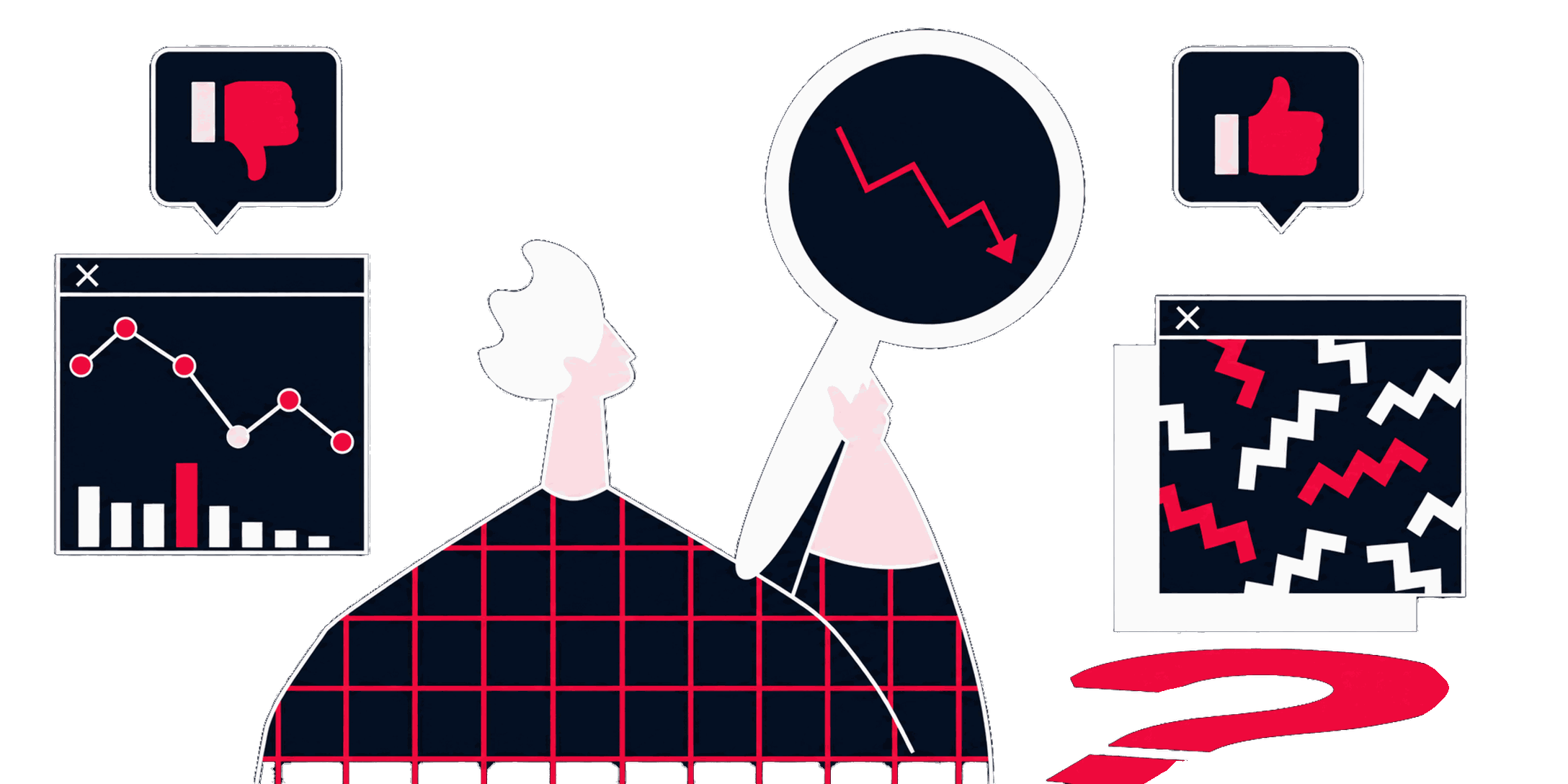
Without a reviewable register, a page audit becomes an opinion contest. Everyone has a preferred theory about why a page underperforms, whether it concerns the headline, form, price, or image. A documented register gives the team a common basis for judging which theory has the strongest support. Without it, the strongest opinion can set the fix before the evidence is resolved.
A good fit when
- The page draws enough traffic for session recordings and heatmaps to show patterns, but nobody has compared them with the analytics baseline.
- Several plausible explanations compete for the page's weak conversion, yet no source-backed register shows which one has the strongest evidence.
- Your team needs to challenge each finding after handoff, so every entry must keep the recording, query, heatmap segment, or WCAG check behind it.
- Three screen recordings are being used to describe all visitor behavior.
- Heatmap "cold" zones get read as broken without checking what's actually rendered there.
- An accessibility barrier may be affecting a segment, but nobody has logged enough evidence to rate the finding.
- The stakeholder with the strongest opinion sets the fix before the register is reviewed.
Better handled as other work when
- The problem is already documented with its source and confidence, so the next useful step is a falsifiable hypothesis and test design.
- Traffic is too low for recordings or heatmaps to reveal a stable pattern, and the resulting register would overstate a handful of sessions.
- Analytics tracking on the page is broken or missing. That needs to be fixed before it can serve as an audit input.
People who own a single channel
Paid Search, Paid Social, CRO, and Programmatic each run under a named owner at Zeo. The consultants below are matched to the channel this page is about, so you can see who you'd actually work with.







Tools we use
Tools behind this work
 Crazy Egg
splits the click evidence by traffic source, not just by position on the page
 axe DevTools
runs the accessibility pass and is honest about what it can and can't verify automatically
 Google Analytics
pulls the quantitative baseline the register is built on top of
Related work


Parent service
CRO & Experimentation
The ranked register this audit hands over is evidence, not a decision; turning it into a hypothesis, a guardrail set and a named page owner is CRO work.


Next step
Experiment Hypothesis Roadmap
Where this audit's register gets turned into a scored, sequenced backlog of falsifiable hypotheses.


Wider-scope sibling
Funnel Friction & Journey Diagnostics
The multi-step version of this audit, for when the evidence needs to span more than one page.
Get the competing theories onto the same page
Review what the page evidence really supports